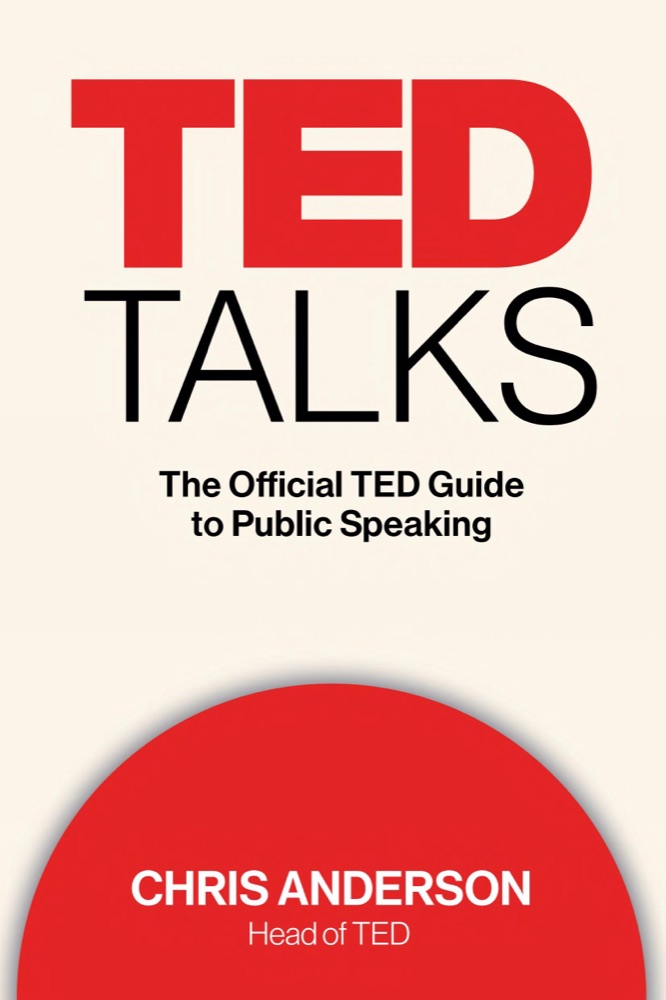
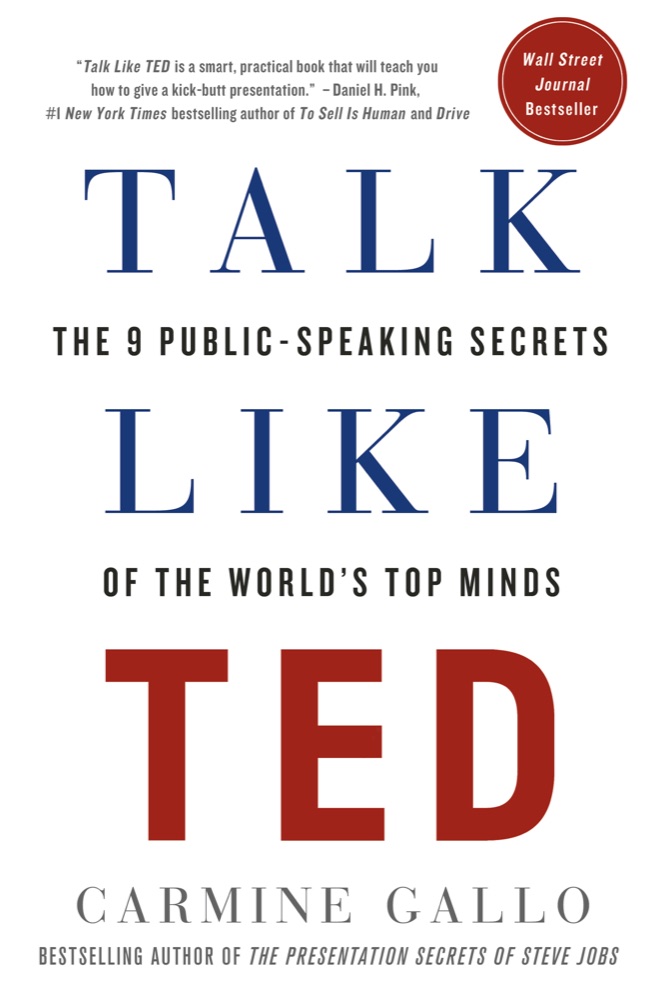
 Talk Like TED: The 9 Public-Speaking Secrets of the World's Top Minds
Quotes from the Book
Your number-one mission as a speaker is to take something that matters deeply to you and to rebuild it inside the minds of your listeners. We’ll call that something an idea.
10
Ants shape each other’s behavior by exchanging chemicals. We do it by standing in front of each other, peering into each other’s eyes, waving our hands and emitting strange sounds from our mouths. Human-to-human
7
Presentation literacy isn’t an optional extra for the few. It’s a core skill for the twenty-first century.
5
Knowledge can’t be pushed into a brain. It has to be pulled in.
3
We're strange creatures, we humans. At one level, we just want to eat, drink, play, and acquire more stuff. But life on the hedonic treadmill is ultimately dissatisfying. A beautiful remedy is to hop off it and instead begin pursuing an idea that's bigger than you are.
2
First there is the 10-second war: can you do something in your first moments on stage to ensure people’s eager attention while you set up your talk topic? Second is the 1-minute war: can you then use that first minute to ensure that they’re committed to coming on the full talk journey with you?
2
We live in an era where the best way to make a dent on the world may no longer be to write a letter to the editor or publish a book. It may be simply to stand up and say something . . . because both the words and the passion with which they are delivered can now spread across the world at warp speed.
2
Many people approach a talk thinking they will just outline their work or describe their organization or explore an issue. That’s not a great plan. The talk is likely to end up unfocused and without much impact.
1
El conocimiento no puede meterse a la fuerza en los cerebros ajenos. Debe hacerse entrar.
1
Go and work on that dream as long as it takes to achieve something worthwhile. And then humbly come and share what you’ve learned. Inspiration can’t be performed.
1
President Woodrow Wilson was once asked about how long it took him to prepare for a speech. He replied: That depends on the length of the speech. If it is a 10-minute speech it takes me all of two weeks to prepare it; if it is a half-hour speech it takes me a week; if I can talk as long as I want to it requires no preparation at all. I am ready now.
1
If a boy with Albert Einstein's brain had been born in Germany in the dark ages, there would have been no scientific revolution emanating from him. If a girl with Marie Curie's mind had been born in a remote Indian village twenty years ago, today she'd probably be harvesting rice and struggling to raise her children.
1
Every field of knowledge is different, but they are all connected. And they often rhyme. This means that something in the way you describe your process may give me a crucial insight or catalyze a new thought in me. This is how ideas form when we spark off each other.
1
We discovered this when we invited the Nobel laureate Daniel Kahneman to TED. Known as the father of behavioral economics, he’s an extraordinary thinker with a toolkit of ideas that can change any worldview. We had originally asked him to speak in the traditional TED way. No lectern. Just stand on the stage, with some note cards if need be, and give the talk. But in rehearsal, it was clear that he was uncomfortable. He hadn’t been able to fully memorize the talk and so kept pausing and glancing down awkwardly to catch himself up. Finally I said to him, “Danny, you’ve given thousands of talks in your time. How are you most comfortable speaking?” He said he liked to put his computer on a lectern so that he could refer to his notes more readily. We tried that, and he relaxed immediately. But he was also looking down at the screen a little too much. The deal we struck was to give him the lectern in return for looking out at the audience as much as he could. And that’s exactly what he did. His excellent talk did not come across as a recited or read speech at all. It felt connected. And he said everything he wanted to say, with no awkwardness.
1
rehearsing the transitions is especially important. The audience needs to hear in your voice when you’re doubling down on an idea, versus when you’re changing subjects.
1
The central thesis of this book is that anyone who has an idea worth sharing is capable of giving a powerful talk. The only thing that truly matters in public speaking is not confidence, stage presence, or smooth talking. It’s having something worth saying.
The future is not yet written. We are all, collectively, in the process of writing it.
TED Talk by Julian Treasure called, “How to speak so that people want to listen.
six tools you can use: volume, pitch, pace, timbre, tone, and something called prosody,
Hans Rosling: The best stats you’ve ever seen.
you have the throughline, the talk content, and have woven together your own artful mix of connection, narration, explanation, persuasion, and revelation.
An initial tease Necessary background, context, and/or the invention story The demo itself (the more visual and dramatic the better, so long as you’re not faking it) The implications of the technology
Watch on YouTube
About Chris J. Anderson
We have collected 22 quotes from 1 book by Chris J. Anderson on BookQuoters.
More about the author →About the book
A New York Times Bestseller For anyone who has ever been inspired by a TED talk… ...this is an insider’s guide to creating talks that are unforgettable. Since taking over TED in the early 2000s, Chris Anderson has shown how carefully crafted short talks can be the key to unlocking empathy, stirring excitement, spreading knowledge, and promoting a shared dream. Done right, a talk can electrify a room and transform an audience’s worldview. Done right, a talk is more powerful than anything in written form. This book explains how the miracle of powerful public speaking is achieved, and equips you to give it your best shot. There is no set formula; no two talks should be the same. The goal is for you to give the talk that only you can give. But don’t be intimidated. You may find it more natural than you think. Chris Anderson has worked behind the scenes with all the TED sp
Book details
- First published
- 2016
- Author
- Chris J. Anderson
- Genre
- Nonfiction
- Goodreads rating
- 4.04 (15k ratings)
Keep reading
Talk Like TED: The 9 Public-Speaking Secrets of the World's Top Minds
 Made to Stick: Why Some Ideas Survive and Others Die
 Resonate: Present Visual Stories that Transform Audiences
 If I Understood You, Would I Have This Look on My Face?: My Adventures in the Art and Science of Relating and Communicating
 Consider This: Moments in My Writing Life After Which Everything Was Different
 Show Your Work!: 10 Ways to Share Your Creativity and Get Discovered
 The Art of Public Speaking
 Things a Little Bird Told Me: Confessions of the Creative Mind
 Making Ideas Happen: Overcoming the Obstacles Between Vision and Reality
 Crucial Conversations: Tools for Talking When Stakes are High
 How to Take Smart Notes
 Storyworthy: Engage, Teach, Persuade, and Change Your Life through the Power of Storytelling
 Supercommunicators: How to Unlock the Secret Language of Connection
 The Art of the Start: The Time-Tested, Battle-Hardened Guide for Anyone Starting Anything
 The Art of Thinking Clearly
 Smarter Faster Better: The Secrets of Being Productive in Life and Business
 To Sell is Human: The Surprising Truth About Moving Others
 The Element: How Finding Your Passion Changes Everything
 What the Dog Saw and Other Adventures
 A Whole New Mind: Why Right-Brainers Will Rule the Future
 Words That Work: It's Not What You Say, It's What People Hear
 Smartcuts: How Hackers, Innovators, and Icons Accelerate Success
 The Art of Impossible: A Peak Performance Primer
 Imagine: How Creativity Works
 Think Like a Freak
 Ignore Everybody: and 39 Other Keys to Creativity
 Say More: Lessons from Work, the White House, and the World
 Hit Makers: The Science of Popularity in an Age of Distraction
 Creativity: Flow and the Psychology of Discovery and Invention
 The Elephant in the Brain: Hidden Motives in Everyday Life
 Thank You for Arguing: What Aristotle, Lincoln, and Homer Simpson Can Teach Us About the Art of Persuasion
 Originals: How Non-Conformists Move the World
 Stolen Focus: Why You Can't Pay Attention— and How to Think Deeply Again
 Steve Jobs
 Creative Quest
 The Fire Starter Sessions: A Soulful + Practical Guide to Creating Success on Your Own Terms
 The Creative Habit: Learn It and Use It for Life
 A Technique for Producing Ideas
 The Tipping Point: How Little Things Can Make a Big Difference
 Tools of Titans: The Tactics, Routines, and Habits of Billionaires, Icons, and World-Class Performers
 How to Fly a Horse: The Secret History of Creation, Invention, and Discovery
 Excellent Advice for Living: Wisdom I Wish I'd Known Earlier
 The Art of Creative Thinking
 Same as Ever: A Guide to What Never Changes
 The Most Human Human: What Talking with Computers Teaches Us About What It Means to Be Alive
 The Last Lecture
 Tribe Of Mentors: Transformative Wisdom From Icons and Innovators to Help You Navigate Life's Challenges
 Letters from an Astrophysicist
 How to Write One Song: Loving the Things We Create and How They Love Us Back
 Think Like a Rocket Scientist: Simple Strategies You Can Use to Make Giant Leaps in Work and Life
 Peak: Secrets from the New Science of Expertise
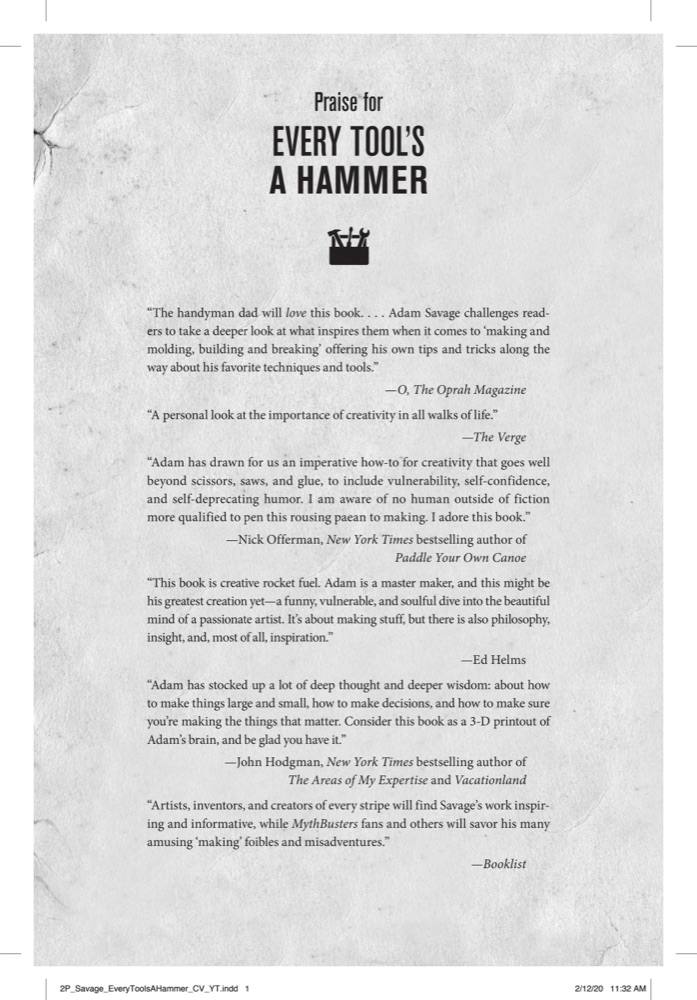 Every Tool's a Hammer: Life Is What You Make It
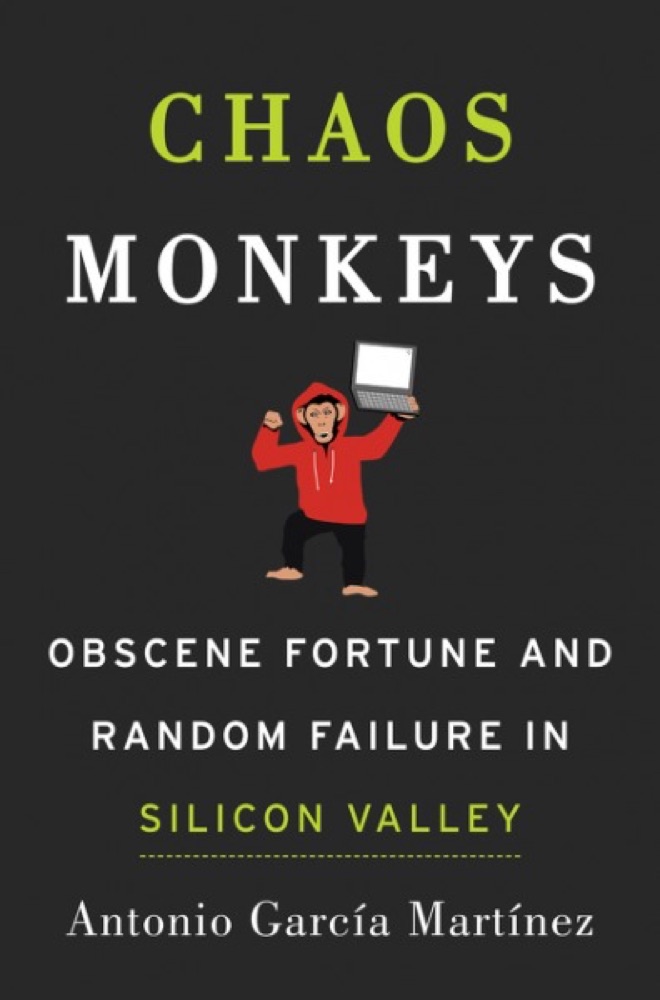 Chaos Monkeys: Obscene Fortune and Random Failure in Silicon Valley
 Mastery
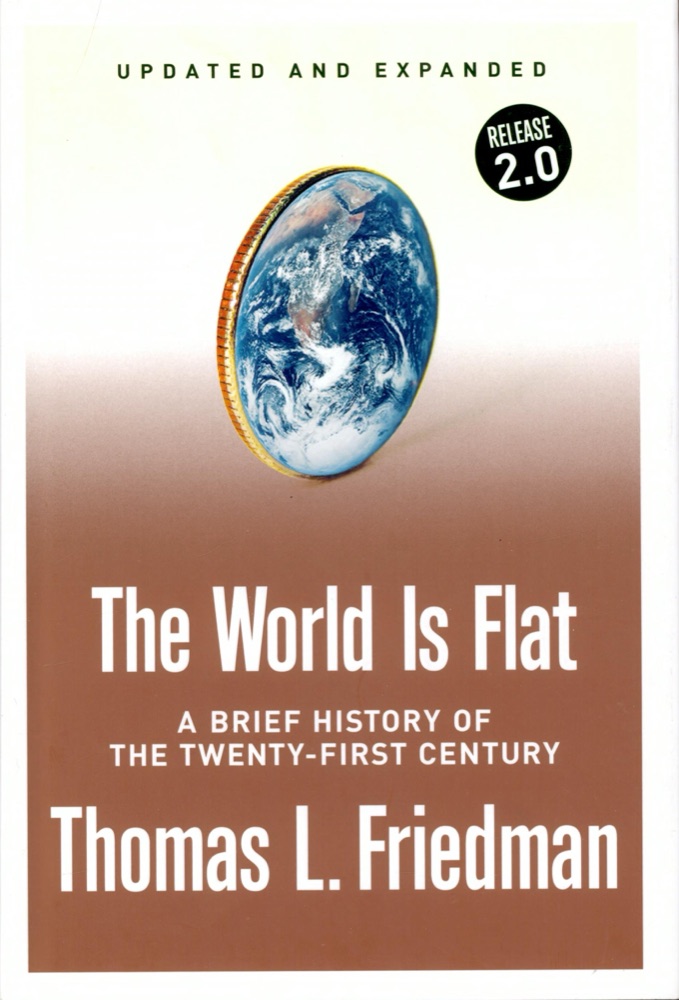 The World Is Flat: A Brief History of the Twenty-first Century
 Improv Wisdom: Don't Prepare, Just Show Up
 Hackers & Painters: Big Ideas from the Computer Age
 The Practice: Shipping Creative Work
 Quiet: The Power of Introverts in a World That Can't Stop Talking
 Be Your Future Self Now: The Science of Intentional Transformation