
 Down and Out in Paris and London
Quotes from the Book
Perhaps one did not want to be loved so much as to be understood.
16.4k
Who controls the past controls the future. Who controls the present controls the past.
11.1k
War is peace. Freedom is slavery. Ignorance is strength.
7.3k
The best books... are those that tell you what you know already.
4.4k
If you want to keep a secret, you must also hide it from yourself.
3.6k
If you want a picture of the future, imagine a boot stamping on a human face—for ever.
2.8k
We shall meet in the place where there is no darkness.
2.7k
It was a bright cold day in April, and the clocks were striking thirteen.
2.6k
Doublethink means the power of holding two contradictory beliefs in one's mind simultaneously, and accepting both of them.
2.5k
Until they become conscious they will never rebel, and until after they have rebelled they cannot become conscious.
2.2k
Now I will tell you the answer to my question. It is this. The Party seeks power entirely for its own sake. We are not interested in the good of others; we are interested solely in power, pure power. What pure power means you will understand presently. We are different from the oligarchies of the past in that we know what we are doing. All the others, even those who resembled ourselves, were cowards and hypocrites. The German Nazis and the Russian Communists came very close to us in their methods, but they never had the courage to recognize their own motives. They pretended, perhaps they even believed, that they had seized power unwillingly and for a limited time, and that just around the corner there lay a paradise where human beings would be free and equal. We are not like that. We know that no one ever seizes power with the intention of relinquishing it. Power is not a means; it is an end. One does not establish a dictatorship in order to safeguard a revolution; one makes the revolution in order to establish the dictatorship. The object of persecution is persecution. The object of torture is torture. The object of power is power. Now you begin to understand me.
2.1k
Power is in tearing human minds to pieces and putting them together again in new shapes of your own choosing.
1.8k
If you loved someone, you loved him, and when you had nothing else to give, you still gave him love.
1.8k
In the face of pain there are no heroes.
1.8k
Reality exists in the human mind, and nowhere else.
1.7k
Being in a minority, even in a minority of one, did not make you mad. There was truth and there was untruth, and if you clung to the truth even against the whole world, you were not mad.
1.7k
Perhaps a lunatic was simply a minority of one.
1.6k
Freedom is the freedom to say that two plus two make four. If that is granted, all else follows.
1.6k
Big Brother is Watching You.
1.4k
It's a beautiful thing, the destruction of words.
1.4k
For, after all, how do we know that two and two make four? Or that the force of gravity works? Or that the past is unchangeable? If both the past and the external world exist only in the mind, and if the mind itself is controllable – what then?
1.3k
I enjoy talking to you. Your mind appeals to me. It resembles my own mind except that you happen to be insane.
1.3k
The choice for mankind lies between freedom and happiness and for the great bulk of mankind, happiness is better.
1.3k
Nothing was your own except the few cubic centimetres inside your skull.
993
The Party told you to reject the evidence of your eyes and ears. It was their final, most essential command.
991
Every record has been destroyed or falsified, every book rewritten, every picture has been repainted, every statue and street building has been renamed, every date has been altered. And the process is continuing day by day and minute by minute. History has stopped. Nothing exists except an endless present in which the Party is always right.
915
Orthodoxy means not thinking--not needing to think. Orthodoxy is unconsciousness.
908
We do not merely destroy our enemies; we change them.
842
Confession is not betrayal. What you say or do doesn't matter; only feelings matter. If they could make me stop loving you-that would be the real betrayal.
791
Sanity is not statistical.
765
Did you know?
- The novel was first published on 8 June 1949 by Secker & Warburg in the United Kingdom.
- It introduced enduring terms including Big Brother, doublethink, thoughtcrime, and Newspeak into the English language.
- Orwell wrote much of the book while seriously ill with tuberculosis on the Scottish island of Jura.
- The adjective Orwellian, derived from his work, is now used to describe authoritarian surveillance and manipulation of truth.
- Orwell described the book as a satire warning against totalitarianism rather than an attack on socialism specifically.
About George Orwell
George Orwell (1903-1950) was the pen name of Eric Arthur Blair, an English novelist, essayist, and critic known for his clear prose and opposition to totalitarianism. He is best remembered for the political satire Animal Farm (1945) and the dystopian novel Nineteen Eighty-Four (1949).
More about the author →More by George Orwell
All books by George Orwell →
About the book
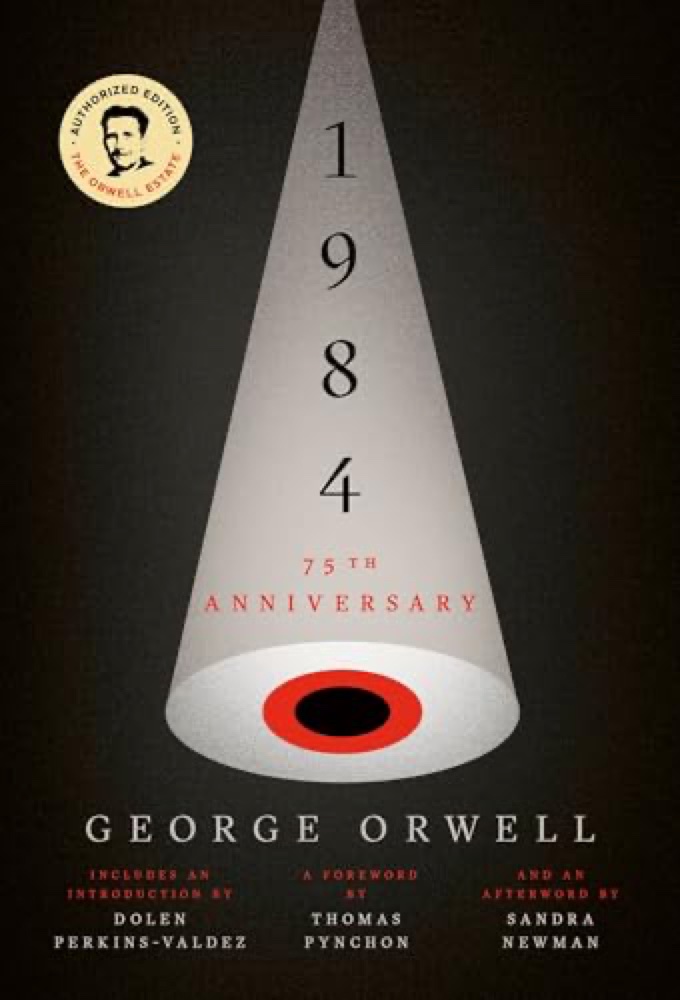
Nineteen Eighty-Four is George Orwell's dystopian novel set in Oceania, a totalitarian superstate ruled by the Party and its omnipresent figurehead, Big Brother. The story follows Winston Smith, a low-ranking Party member who works at the Ministry of Truth rewriting historical records to match the regime's ever-shifting version of reality. Quietly disillusioned, Winston begins keeping a forbidden diary and enters into a clandestine relationship with a co-worker named Julia, an act of private rebellion against a state that surveils and controls every aspect of life.
Orwell's central concerns are the mechanics of totalitarian power: pervasive surveillance, the manipulation of truth and memory, and the deliberate corruption of language as a tool of thought control. The novel introduced concepts and terms such as Big Brother, doublethink, thoughtcrime, the memory hole, and Newspeak, dramatizing how a regime can dominate not only behavior but the capacity to think and remember. It frames freedom as inseparable from the ability to state plain facts and hold a coherent grasp of the past.
Published in 1949, near the end of Orwell's life, the book was an immediate critical and commercial success and has remained continuously in print as one of the most influential works of twentieth-century literature. Its vocabulary entered everyday political discourse, and the term Orwellian became shorthand for authoritarian and manipulative practices. The novel is widely taught and frequently cited in debates about surveillance, propaganda, and state power, and it has been adapted repeatedly for film, radio, and the stage.
Key characters
- Winston SmithProtagonist; a Ministry of Truth worker who secretly rebels against the Party
- JuliaA younger Party worker who becomes Winston's lover and fellow rebel
- O'BrienAn Inner Party official who poses as a member of the resistance
- Big BrotherThe Party's all-seeing leader and symbol of its absolute power
Book details
- First published
- 1949
- Length
- 328 pages
- Reading time
- 7 hours
- Author
- George Orwell
- Genre
- Classics
- Goodreads rating
- 4.20 (5.7M ratings)
- First line
- “It was a bright cold day in April, and the clocks were striking thirteen.”
Critical reception
- The novel was an immediate critical and commercial success on publication in 1949.
- It is regarded as one of the most influential novels of the twentieth century and remains widely taught.
- Its coinages such as Big Brother and Newspeak, and the term Orwellian, entered common political vocabulary.
- Orwell publicly clarified that the book was a warning against totalitarianism in general, not a critique of any single political party.
Movie & TV adaptations
- IMDb
- IMDb
Keep reading
 V for Vendetta
 The Left Hand of Darkness
 The Handmaid's Tale
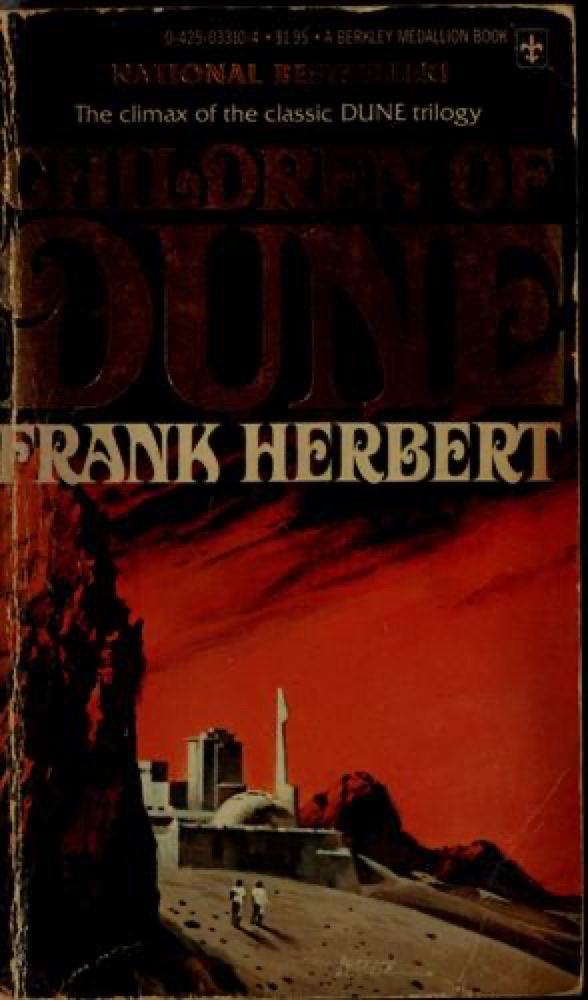 Children of Dune
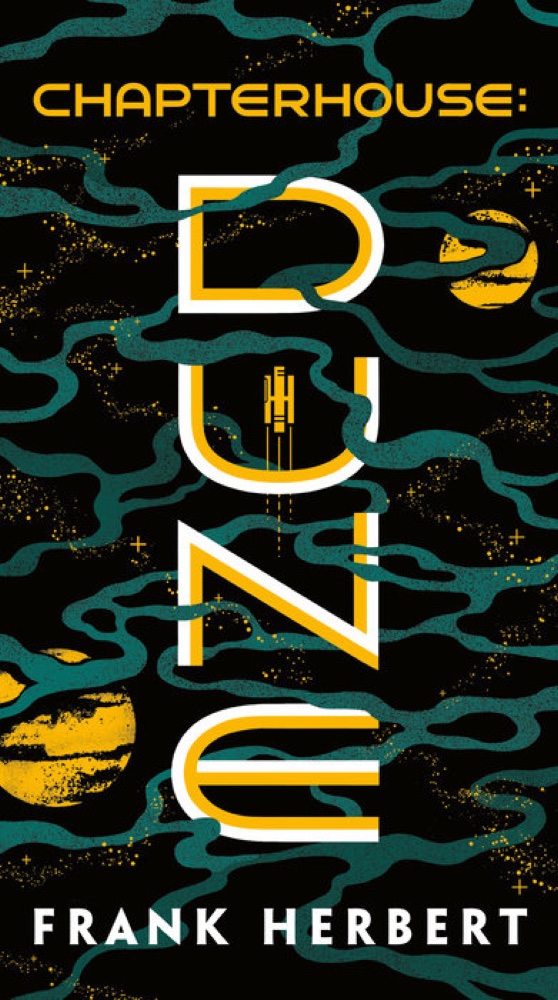 Chapterhouse: Dune
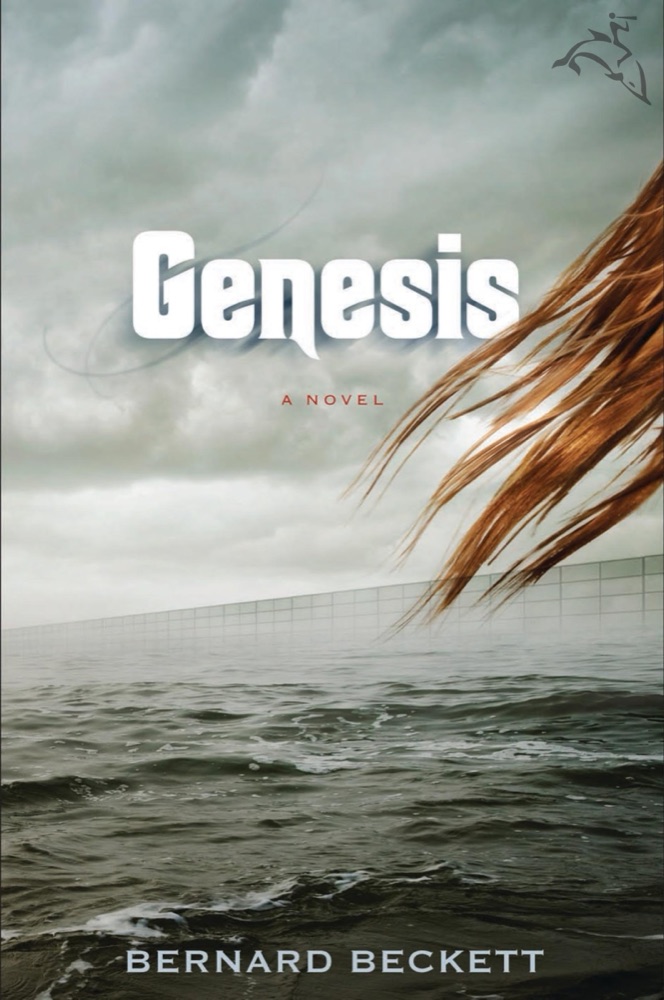 Genesis
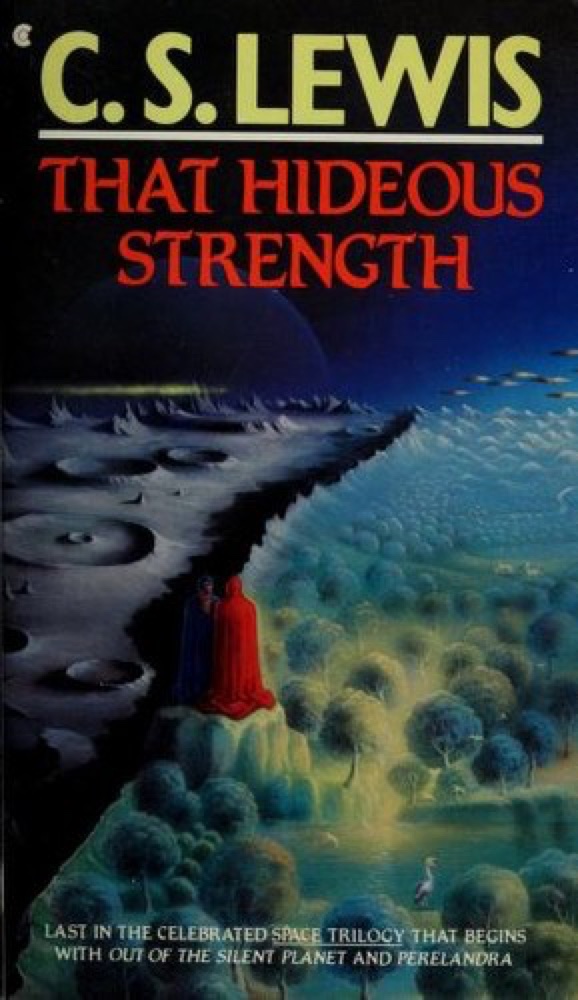 That Hideous Strength
 Red Mars
 Revolution
 All the King's Men
 The Fall
 Dune
Dune
 Gravity's Rainbow
 Alien Clay
 Gnomon
 Trust
Trust
 Libra
Libra
 The Resistance
 VALIS
VALIS
 The Blinding Knife
 The Fountainhead
 Shōgun
 Hyperion
 The Magus
 The Quiet Game
 House Corrino
 Complete Works of Oscar Wilde
 The Fall of Babel
 Night Watch
 Too Like the Lightning
 The First Circle
 Inferno
 Freedom from the Known
 The Bone Clocks
 Even Cowgirls Get the Blues
 House Harkonnen
 Rationality: From AI to Zombies
 East of Eden
 Resistance, Rebellion and Death: Essays
 We
We
 World War Z: An Oral History of the Zombie War
 Shadow of the Hegemon
 Anthills of the Savannah
 Xenocide
 The Magic Mountain
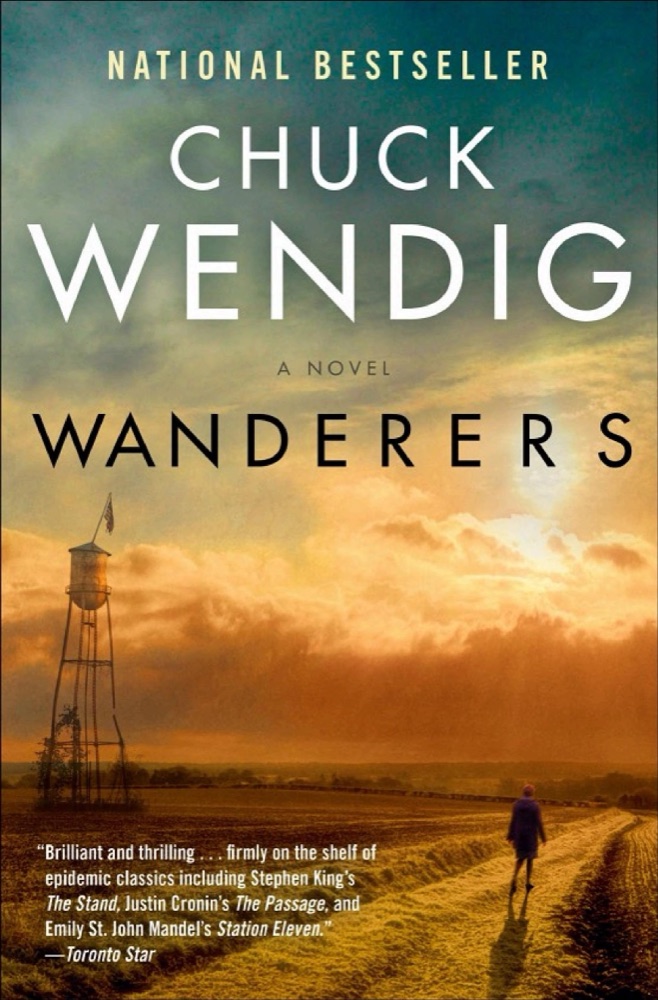 Wanderers
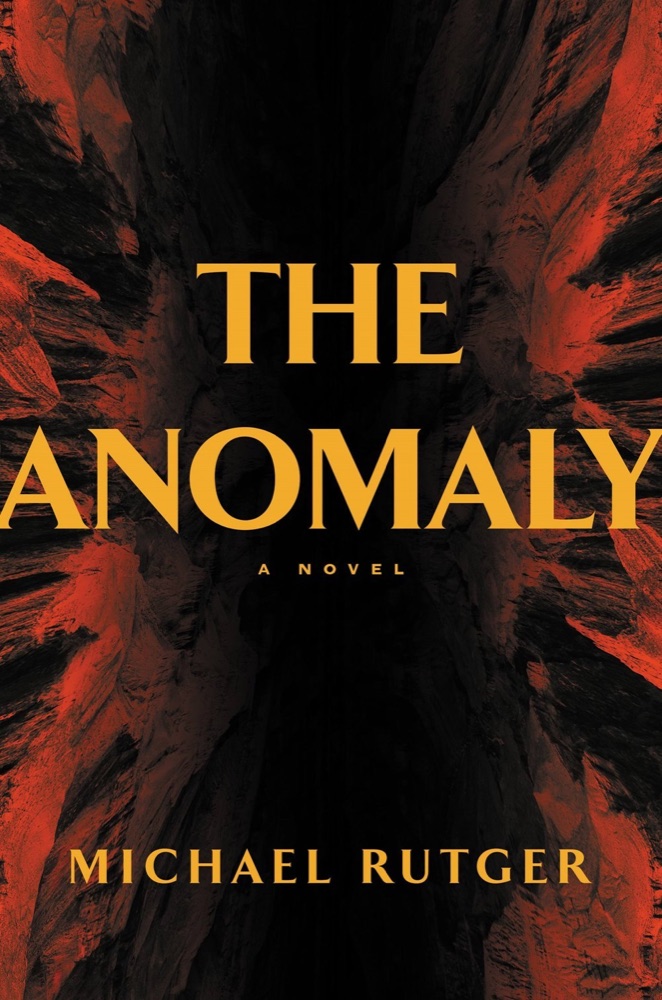 The Anomaly
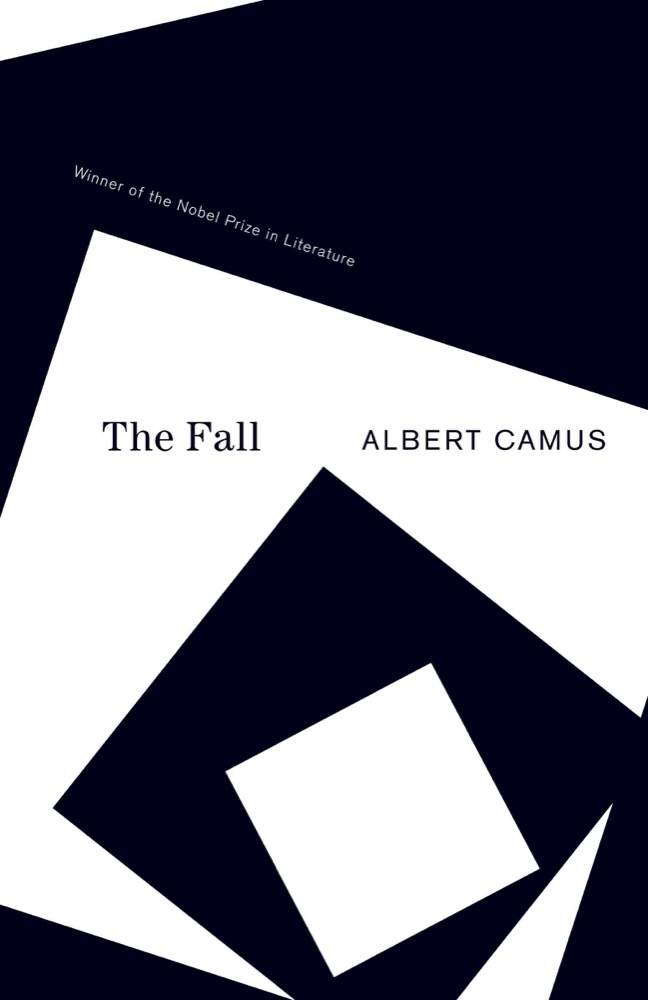 The Fall
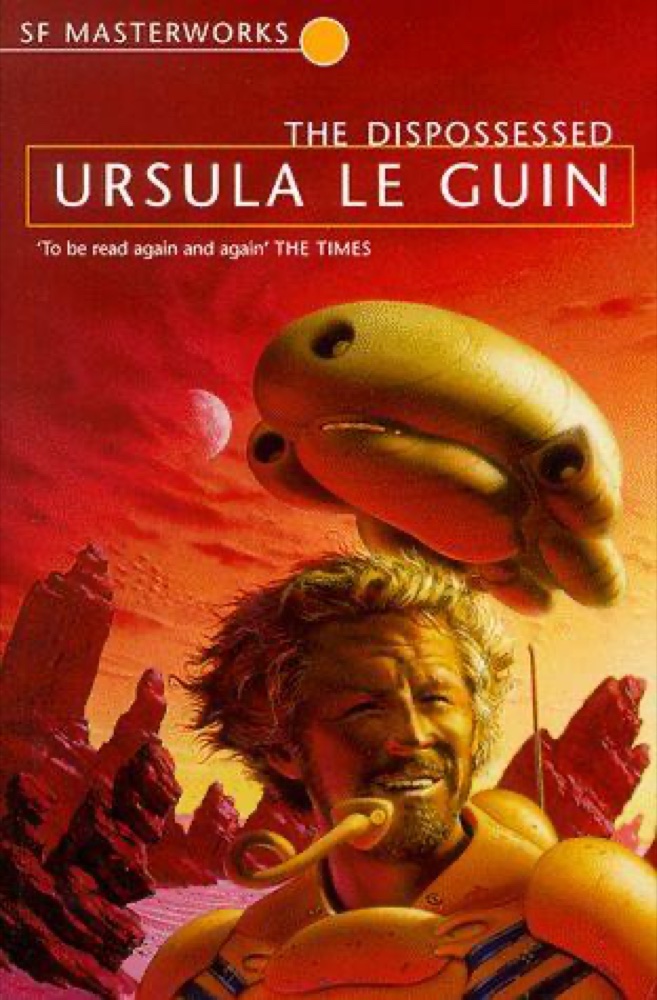 The Dispossessed
 The Darkness That Comes Before
 The Rebel: An Essay on Man in Revolt
 The Fifth Science
 The Moon is a Harsh Mistress
 Freedom
 Stranger in a Strange Land
 Julian
 The Book That Held Her Heart
 The Mime Order
 The Fire Next Time
 Homage to Catalonia