
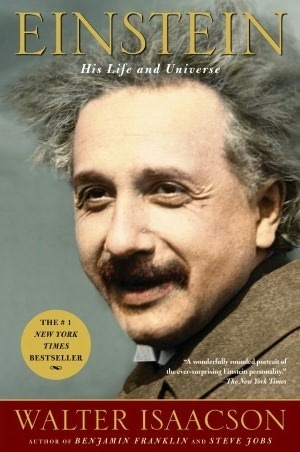
 Einstein: His Life and Universe
Quotes from the Book
One way to remember who you are is to remember who your heroes are.
If you want to live your life in a creative way, as an artist, you have to not look back too much. You have to be willing to take whatever you’ve done and whoever you were and throw them away. The more the outside world tries to reinforce an image of you, the harder it is to continue to be an artist, which is why a lot of times, artists have to say, “Bye. I have to go. I’m going crazy and I’m getting out of here.” And they go and hibernate somewhere. Maybe later they re-emerge a little differently. (Steve Jobs)
If you act like you can do something, then it will work.
If you just sit and observe, you will see how restless your mind is. If you try to calm it, it only makes it worse, but over time it does calm, and when it does, there's room to hear more subtle things - that's when your intuition starts to blossom and you start to see things more clearly and be in the present more. Your mind just slows down, and you see a tremendous expanse in the moment. You see so much more than you could see before. It's a discipline; you have to practice it.
Steve Jobs: “The best way to predict the future is to invent it.
People who know what they’re talking about don’t need PowerPoint.
Picasso had a saying - 'good artists copy, great artists steal' - and we have always been shameless about stealing great ideas.
Walter Issacson biographer of Steve Jobs: I remember sitting in his backyard in his garden, one day, and he started talking about God. He [Jobs] said, “ Sometimes I believe in God, sometimes I don’t. I think it’s 50/50, maybe. But ever since I’ve had cancer, I’ve been thinking about it more, and I find myself believing a bit more, maybe it’s because I want to believe in an afterlife, that when you die, it doesn’t just all disappear. The wisdom you’ve accumulated, somehow it lives on.” Then he paused for a second and said, “Yea, but sometimes, I think it’s just like an On-Off switch. Click. And you’re gone.” And then he paused again and said, “ And that’s why I don’t like putting On-Off switches on Apple devices.” Joy to the WORLD! There IS an after-life!
Some people say, "Give the customers what they want." But that's not my approach. Out job is to figure out what they're going to want before they do. I think Henry Ford once said, "If I'd asked customers what they wanted, they would have told me, 'A faster horse!'" People don't know what they want until you show it to them.
You should never start a company with the goal of getting rich. Your goal should be making something you believe in and making a company that will last. Excerpt From: Walter, Isaacson. “Steve Jobs.” Simon & Schuster, 2011-10-23T21:00:00+00:00. iBooks. This material may be protected by copyright.
On the day he unveiled the Macintosh, a reporter from Popular Science asked Jobs what type of market research he had done. Jobs responded by scoffing, "Did Alexander Graham Bell do any market research before he invented the telephone?
Remembering that you are going to die is the best way I know to avoid the trap of thinking you have something to lose. You are already naked. There is no reason not to follow your heart.
Este es un homenaje a los locos. A los inadaptados. A los rebeldes. A los alborotadores. A las fichas redondas en los huecos cuadrados. A los que ven las cosas de forma diferente. A ellos no les gustan las reglas, y no sienten ningún respeto por el statu quo. Puedes citarlos, discrepar de ellos, glorificarlos o vilipendiarlos. Casi lo único que no puedes hacer es ignorarlos. Porque ellos cambian las cosas. Son los que hacen avanzar al género humano. Y aunque algunos los vean como a locos, nosotros vemos su genio. Porque las personas que están lo suficientemente locas como para pensar que pueden cambiar el mundo... son quienes lo cambian
What are the five products you want to focus on? Get rid of the rest, because they’re dragging you down. They’re turning you into Microsoft. They’re causing you to turn out products that are adequate but not great.
if you can't keep him interested, that's your fault.
The older I get, the more I see how much motivations matter. The Zune was crappy because the people at Microsoft don’t really love music or art the way we do. We won because we personally love music.
Steve Jobs had a tendency to see things in a binary way: "A person was either a hero or a bozo, a product was either amazing or shit
The people who invented the twenty-first century were pot-smoking, sandal-wearing hippies from the West Coast like Steve, because they saw differently,” he said. "The hierarchical systems of the East Coast, England, Germany, and Japan do not encourage this different thinking. The sixties produced an anarchic mind-set that is great for imagining a world not yet in existence.
Was he smart? No, not exceptionally. Instead, he was a genius.
So that’s our approach. Very simple, and we’re really shooting for Museum of Modern Art quality. The way we’re running the company, the product design, the advertising, it all comes down to this: Let’s make it simple. Really simple.” Apple’s design mantra would remain the one featured on its first brochure: “Simplicity is the ultimate sophistication.
There are parts of his life and personality that are extremely messy, and that's the truth
I think the biggest innovations of the twenty-first century will be the intersection of biology and technology. A new era is beginning, just like the digital one was when I was his age.
The reality distortion field was a confounding mélange of a charismatic rhetorical style, indomitable will, and eagerness to bend any fact to fit the purpose at hand,
Otherwise, as Dylan says, if you're not busy being born, you're busy dying.
Jobs insisted that Apple focus on just two or three priorities at a time. “There is no one better at turning off the noise that is going on around him,” Cook said. “That allows him to focus on a few things and say no to many things. Few people are really good at that.
Steve has a reality distortion field.” When Hertzfeld looked puzzled, Tribble elaborated. “In his presence, reality is malleable. He can convince anyone of practically anything. It wears off when he’s not around, but it makes it hard to have realistic schedules.
Simply handing over your iPod to a friend, your blind date, or the total stranger sitting next to you on the plane opens you up like a book." (Steven Levy)
He had the uncanny capacity to know exactly what your weak point is, know what will make you feel small, to make you cringe," Joanna Hoffman said. "It's a common trait in people who are charismatic and know how to manipulate people. Knowing that he can crush you makes you feel weakened and eager for his approval, so then he can elevate you and put you on a pedestal and own you.
Did you know?
- The book was written at Steve Jobs's own request, and he gave Isaacson unusually candid access.
- It is based on more than forty interviews with Jobs conducted over about two years.
- It also draws on interviews with more than a hundred of Jobs's family members, friends, competitors, and colleagues.
- Simon & Schuster published it on October 24, 2011, shortly after Jobs's death.
- By 2015 it had sold more than three million copies in the United States alone.
- Before writing it, Isaacson had authored best-selling biographies of Benjamin Franklin and Albert Einstein.
About Walter Isaacson
Walter Isaacson (born 1952) is an American writer and journalist who served as managing editor of Time and as chairman and CEO of CNN before leading the Aspen Institute. He is known for his biographies of figures including Benjamin Franklin, Albert Einstein, Leonardo da Vinci, and Elon Musk.
More about the author →More by Walter Isaacson
Einstein: His Life and Universe
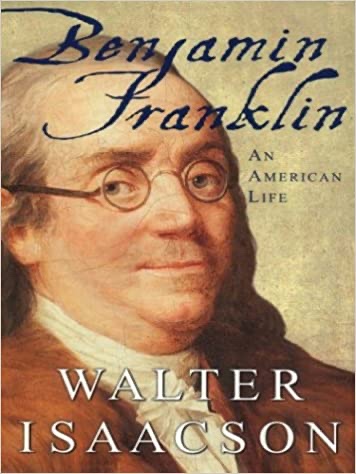 Benjamin Franklin: An American Life
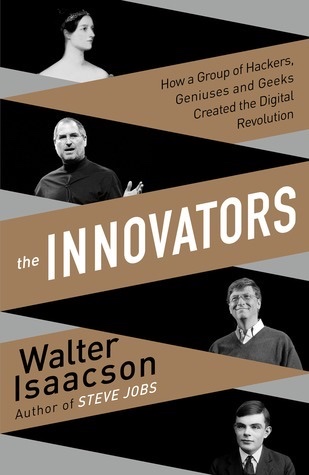 The Innovators: How a Group of Hackers, Geniuses and Geeks Created the Digital Revolution
 The Greatest Sentence Ever Written
About the book
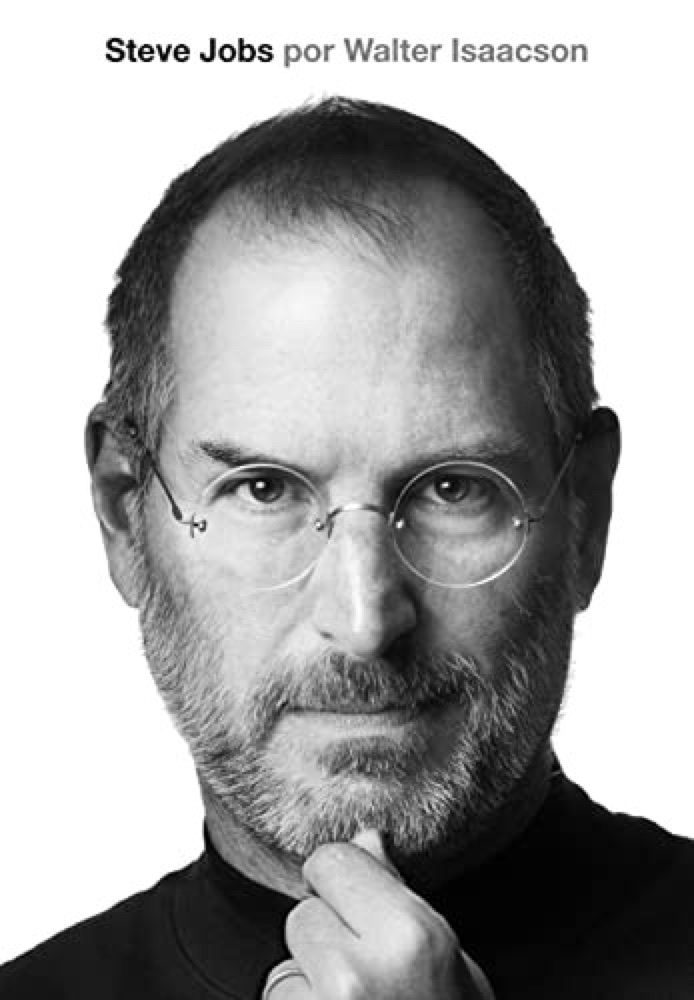
"Steve Jobs" is Walter Isaacson's authorized biography of the Apple co-founder, written at Jobs's own request and drawn from more than forty interviews with Jobs conducted over two years, along with interviews with more than a hundred family members, friends, adversaries, competitors, and colleagues. It traces his life from his adoption and California childhood through the founding of Apple, his ouster and his years at NeXT and Pixar, his triumphant return to Apple, and his final years battling illness.
The book examines the tension between Jobs's ferocious drive for perfection and his often difficult, mercurial personality, portraying how his passion shaped products that reshaped multiple industries, from personal computers and animated films to music, phones, tablets, and digital publishing. Isaacson, granted unusually candid access, does not shy from Jobs's flaws while chronicling the creative intensity behind his work.
Published just weeks after Jobs's death in October 2011, the biography became a global bestseller, selling more than three million copies in the United States alone by 2015 and topping Amazon's list of best-selling books for that year. It stands as the definitive account of one of the era's most influential technology figures and later served as source material for a major feature film.
Book details
- First published
- 2011
- Length
- 656 pages
- Reading time
- 10 hours
- Author
- Walter Isaacson
- Genre
- History
- Goodreads rating
- 4.16 (1.4M ratings) →
Movie & TV adaptations
- IMDb
If you liked this, read…
- 1The InnovatorsIsaacson's history of the people who created the digital revolution.
- 2Elon MuskIsaacson's biography of another driven, controversial tech founder.
- 3Einstein: His Life and UniverseIsaacson biography exploring genius, creativity, and personality.
Keep reading
 Becoming Steve Jobs: The Evolution of a Reckless Upstart into a Visionary Leader
 I, Steve: Steve Jobs In His Own Words
 Steve Jobs: The Man Who Thought Different: A Biography
 Chaos Monkeys: Obscene Fortune and Random Failure in Silicon Valley
 Shoe Dog: A Memoir by the Creator of NIKE
 Makers
 Tools of Titans: The Tactics, Routines, and Habits of Billionaires, Icons, and World-Class Performers
 The Art of Thinking Clearly
 The Art of the Start: The Time-Tested, Battle-Hardened Guide for Anyone Starting Anything
 The Salmon of Doubt
 Things a Little Bird Told Me: Confessions of the Creative Mind
 Ignore Everybody: and 39 Other Keys to Creativity
 Hackers & Painters: Big Ideas from the Computer Age
 Invent and Wander: The Collected Writings of Jeff Bezos
 In the Beginning...Was the Command Line
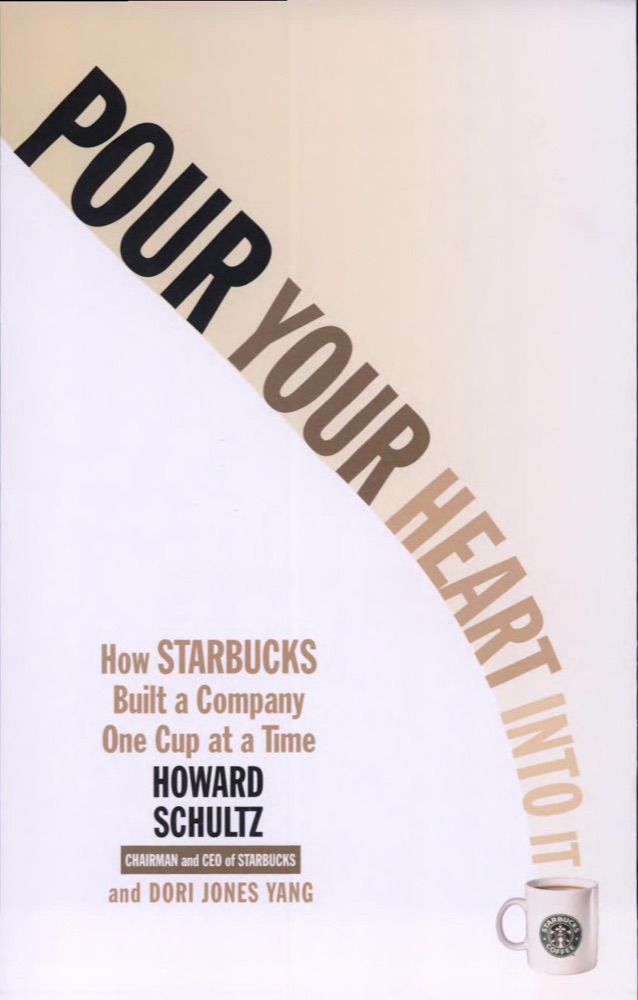 Pour Your Heart Into It: How Starbucks Built a Company One Cup at a Time
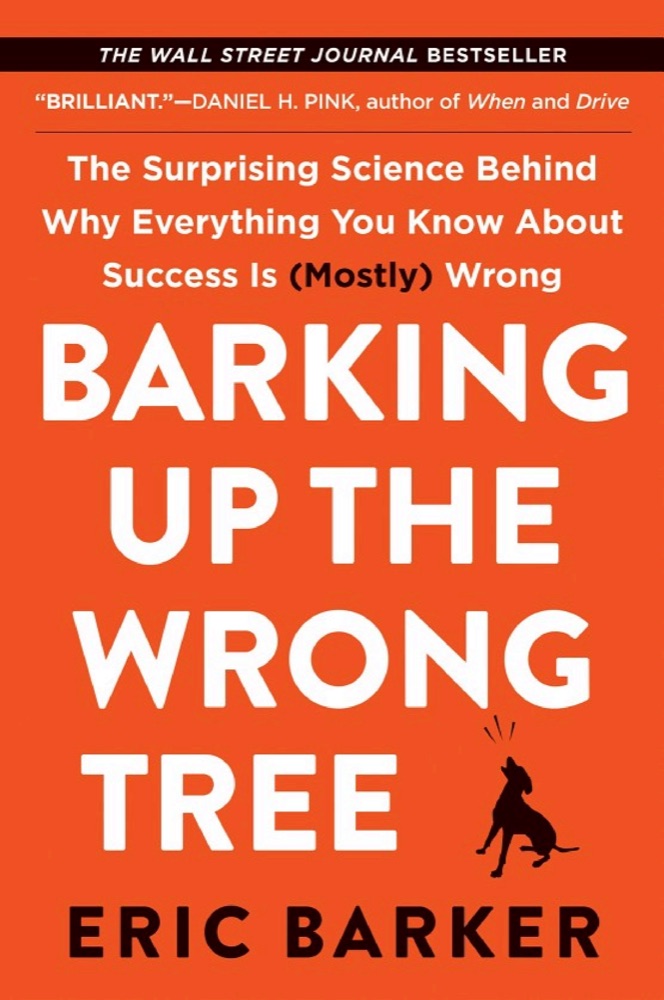 Barking Up the Wrong Tree: The Surprising Science Behind Why Everything You Know About Success Is (Mostly) Wrong
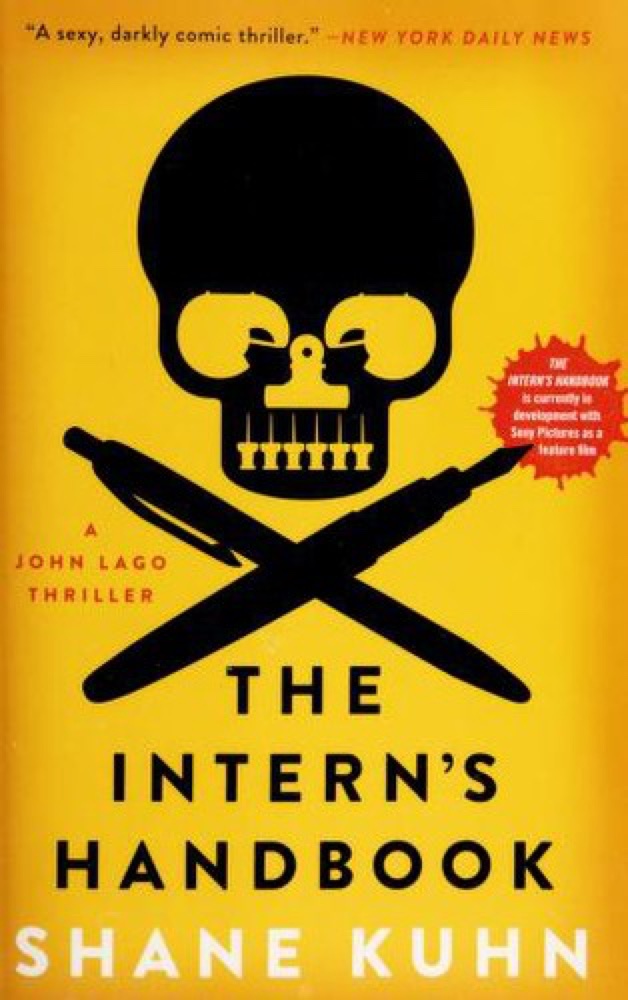 The Intern's Handbook
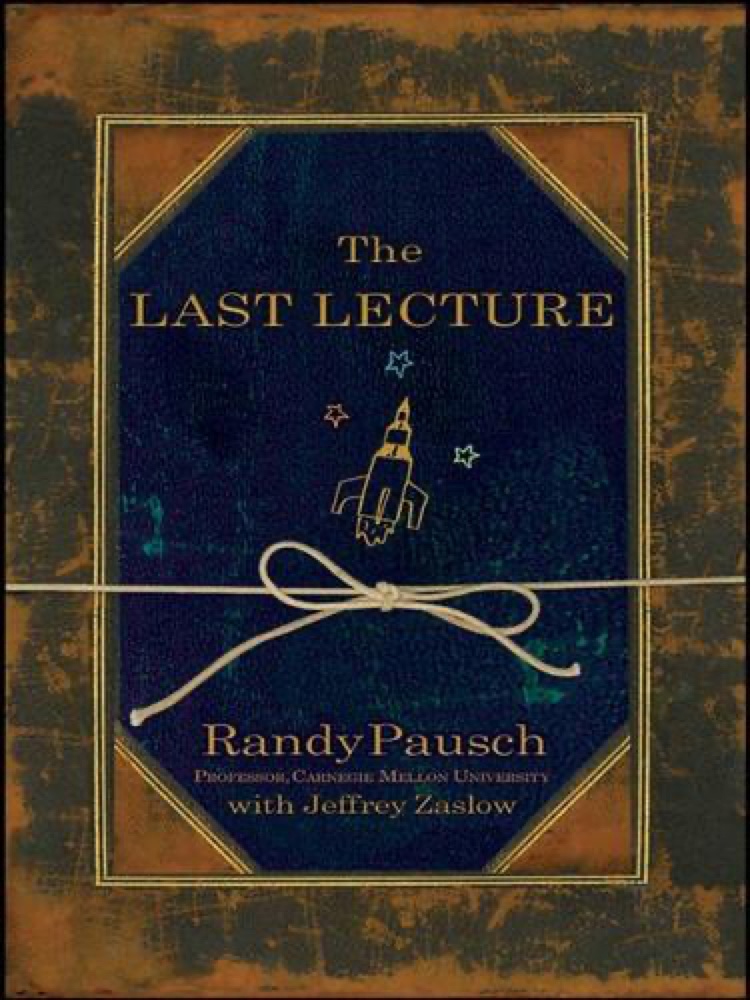 The Last Lecture
 Elon Musk: Inventing the Future
 Getting There: A Book of Mentors
 Influx
 If This Isn't Nice, What Is?: Advice for the Young
 Believe Me: A Memoir of Love, Death, and Jazz Chickens
 Zen and the Art of Motorcycle Maintenance
 How to Fly a Horse: The Secret History of Creation, Invention, and Discovery
 Tribe Of Mentors: Transformative Wisdom From Icons and Innovators to Help You Navigate Life's Challenges
 The Leader Who Had No Title: A Modern Fable on Real Success in Business and in Life
 Smartcuts: How Hackers, Innovators, and Icons Accelerate Success
 The Nix
 Talk Like TED: The 9 Public-Speaking Secrets of the World's Top Minds
 Microserfs
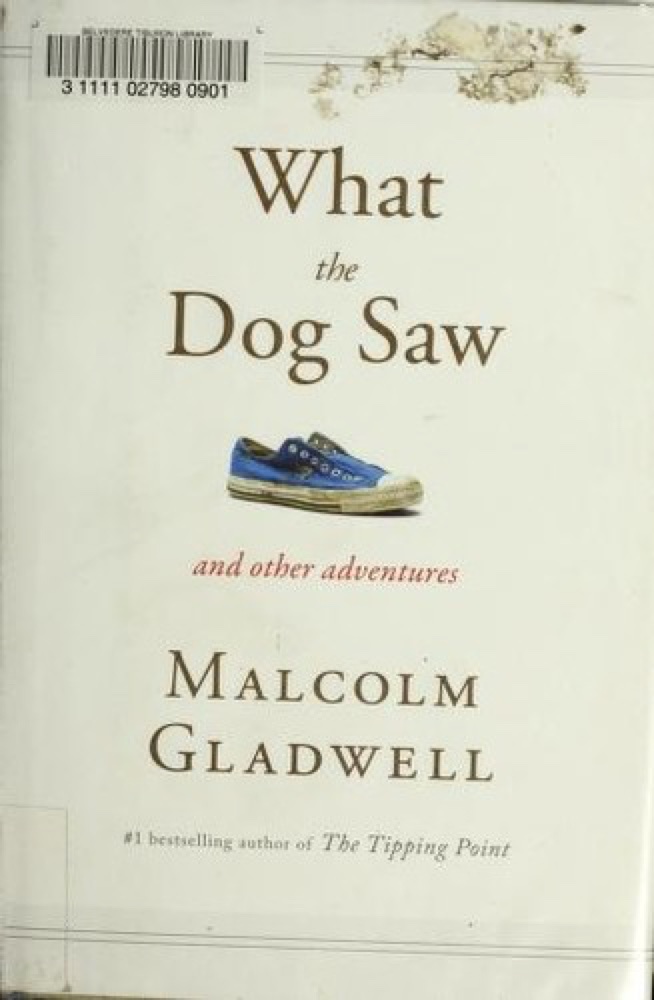 What the Dog Saw and Other Adventures
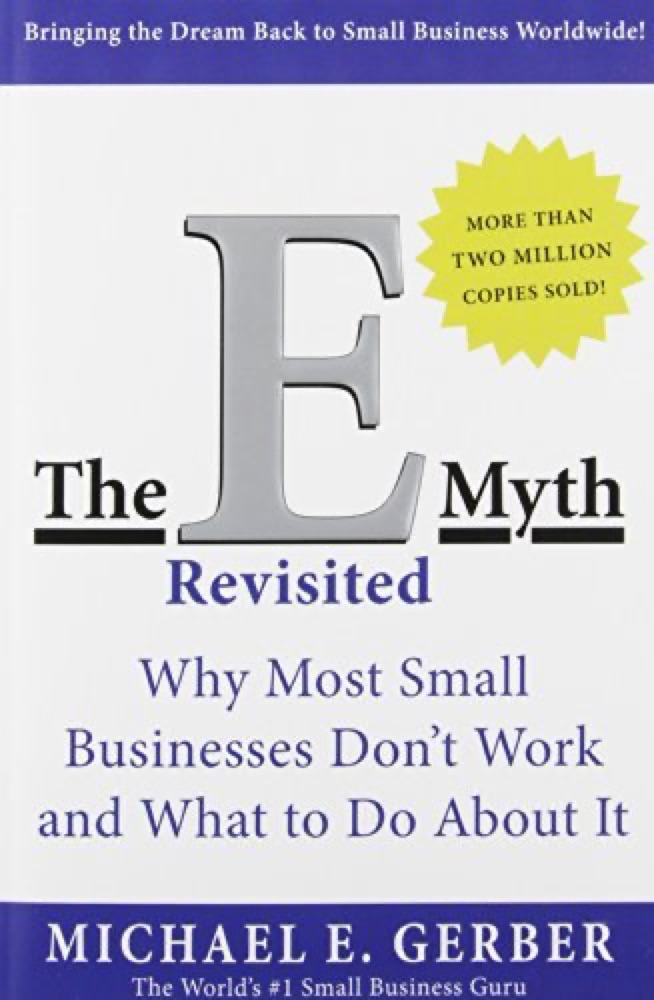 The E-myth Revisited
 Creativity, Inc.: Overcoming the Unseen Forces That Stand in the Way of True Inspiration
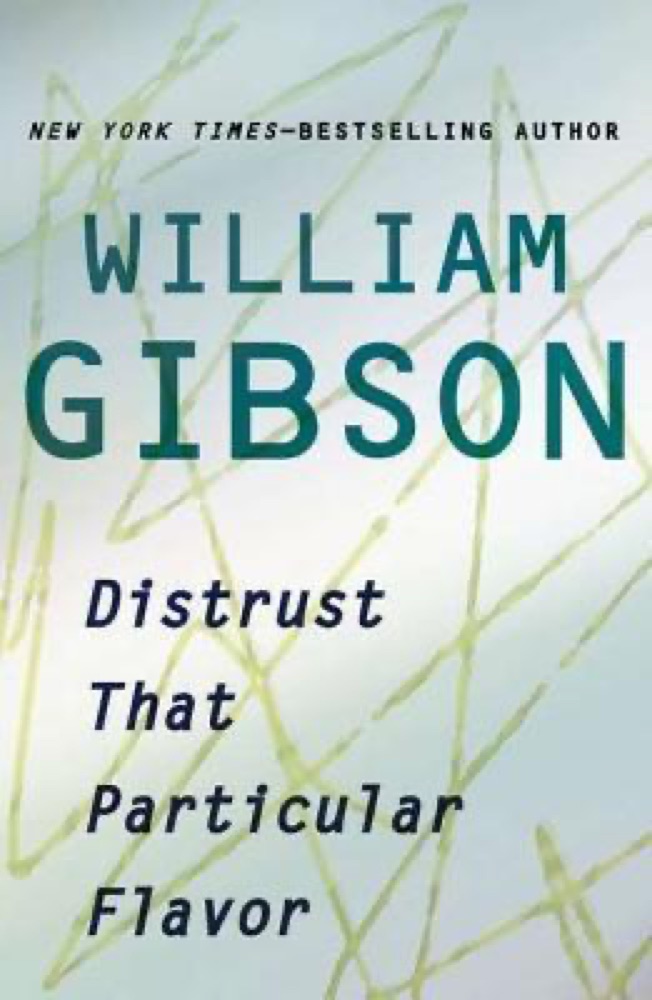 Distrust That Particular Flavor
 Bluebeard
 The Gum Thief
 How to Fail at Almost Everything and Still Win Big: Kind of the Story of My Life
 Eleven Rings: The Soul of Success
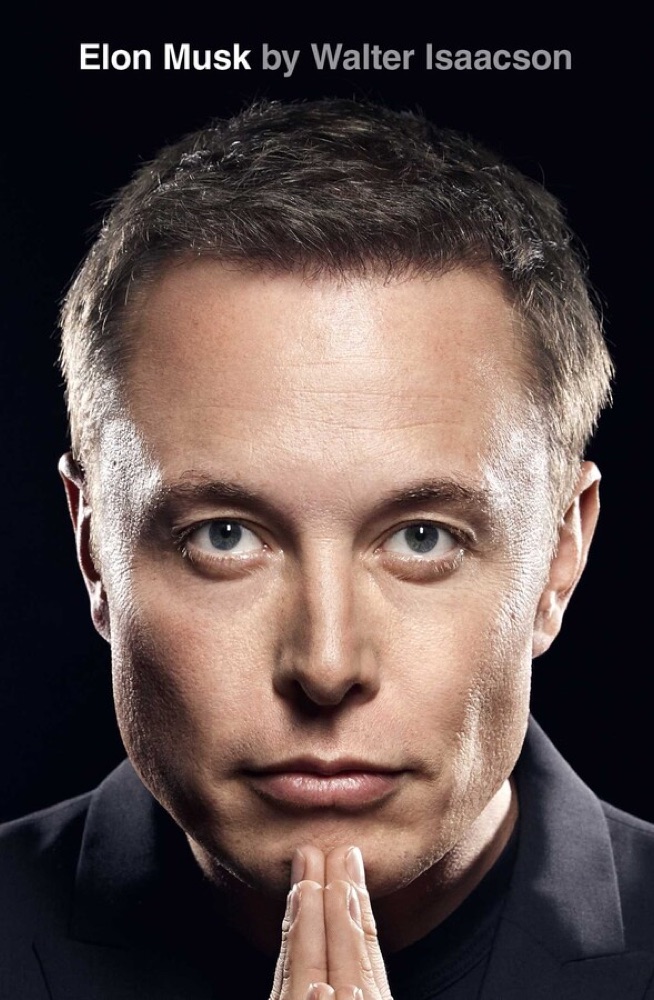 Elon Musk
 The Happiness Equation: Want Nothing + Do Anything = Have Everything
 Excellent Advice for Living: Wisdom I Wish I'd Known Earlier
 Moonwalk
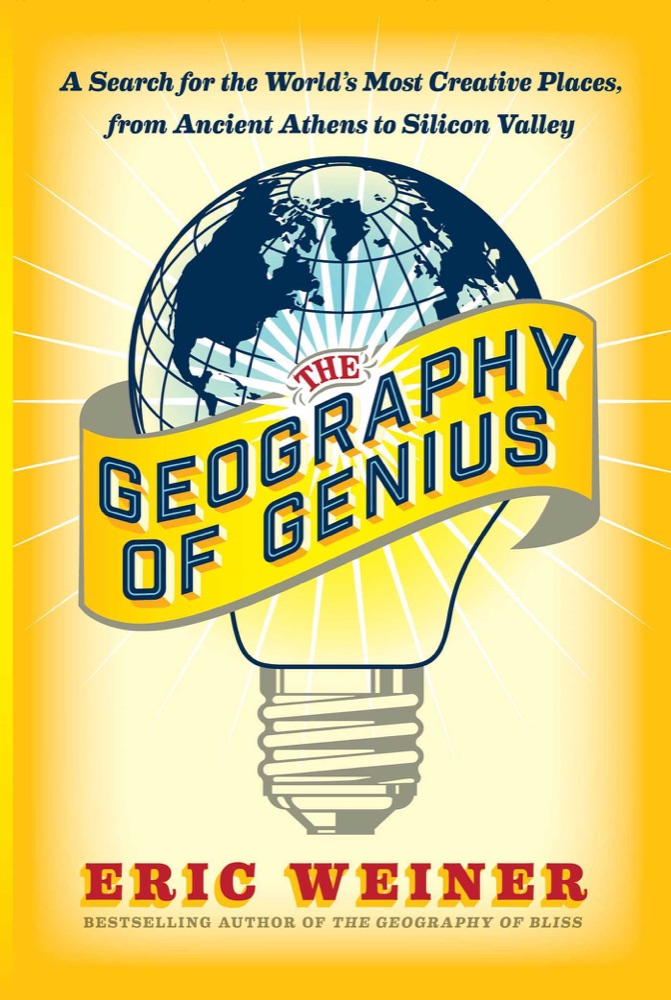 The Geography of Genius: A Search for the World's Most Creative Places from Ancient Athens to Silicon Valley
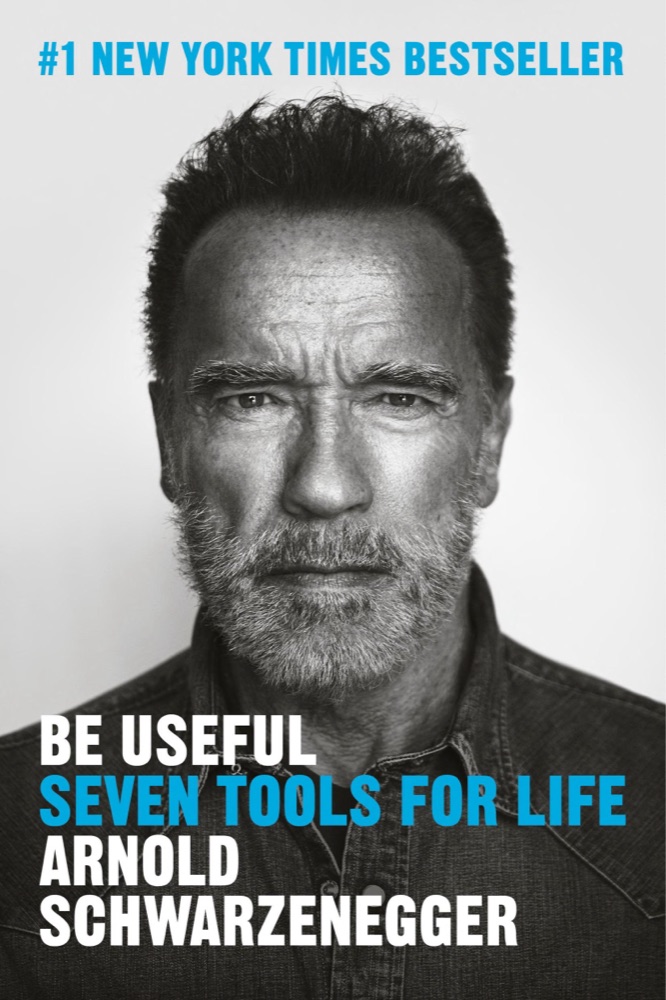 Be Useful: Seven Tools for Life
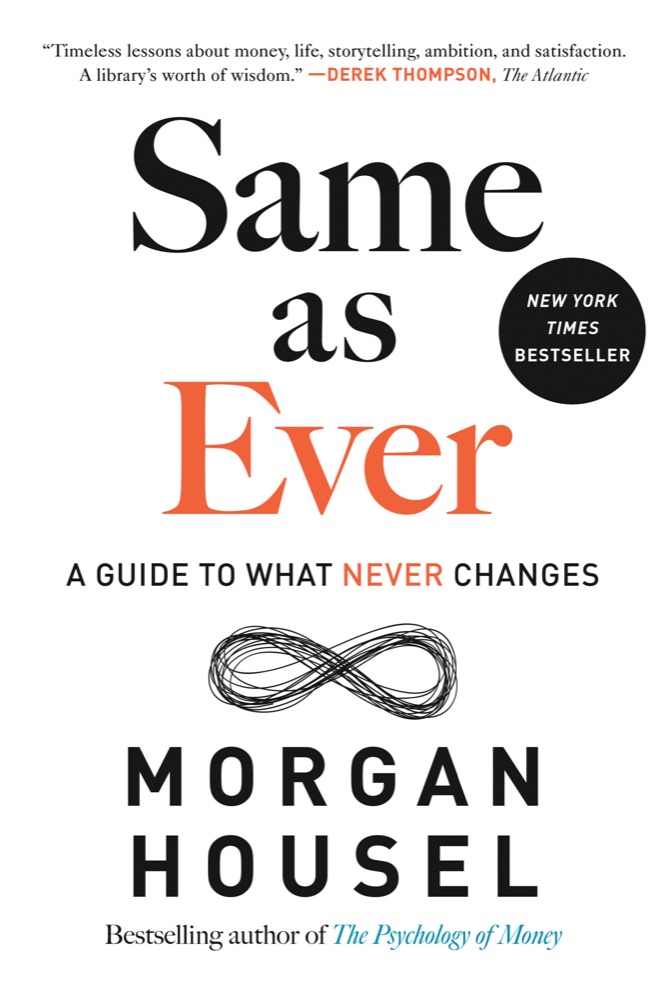 Same as Ever: A Guide to What Never Changes
 The Art of Creative Thinking
 The 7 Habits of Highly Effective People: Personal Workbook
 Founders at Work: Stories of Startups' Early Days
 Will
Will
 Trump: The Art of the Deal
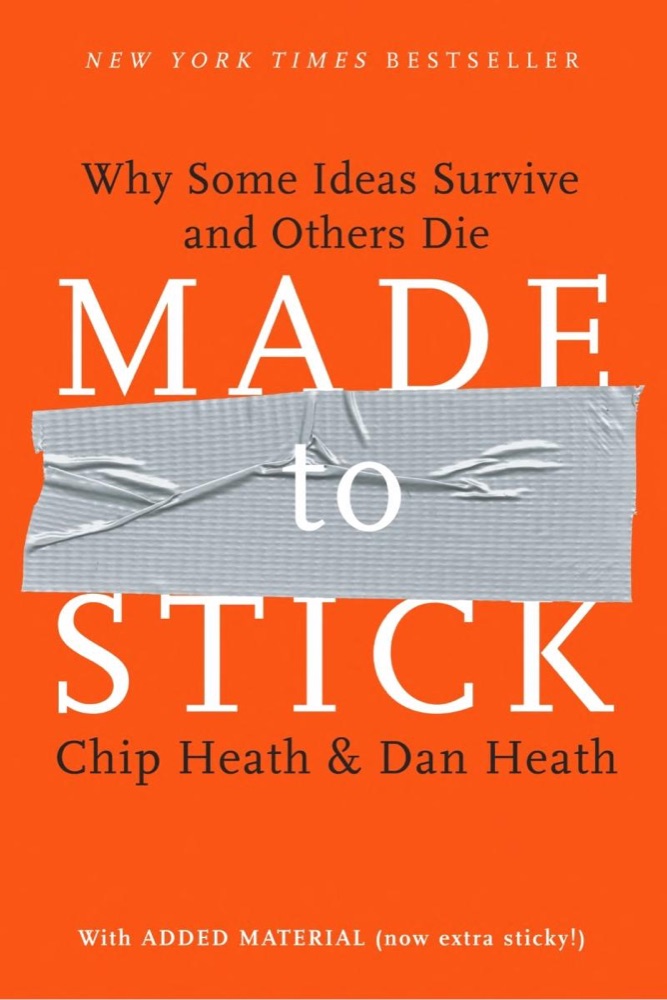 Made to Stick: Why Some Ideas Survive and Others Die
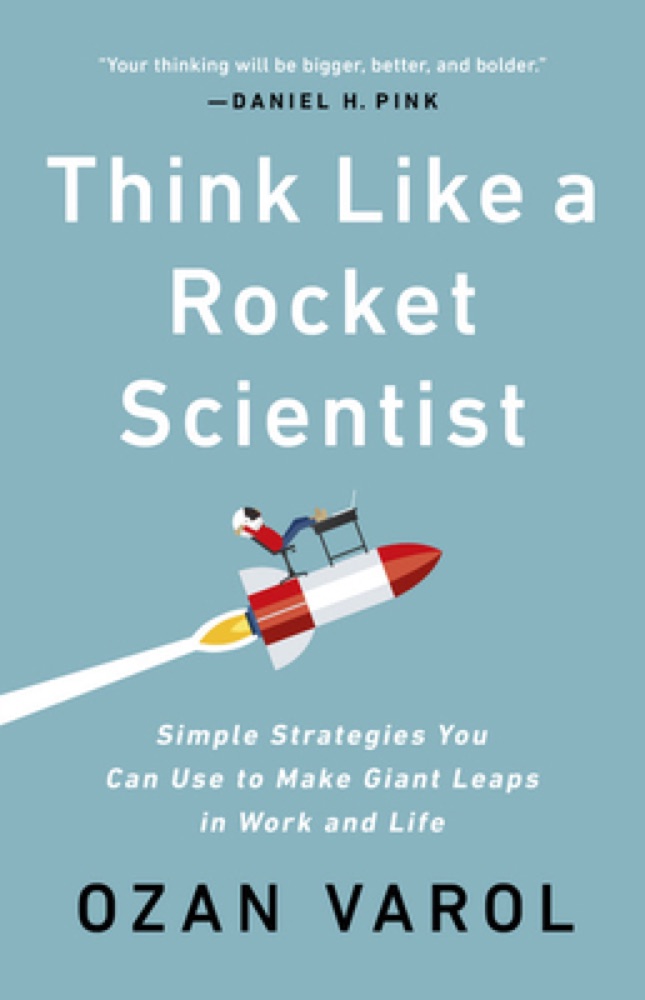 Think Like a Rocket Scientist: Simple Strategies You Can Use to Make Giant Leaps in Work and Life
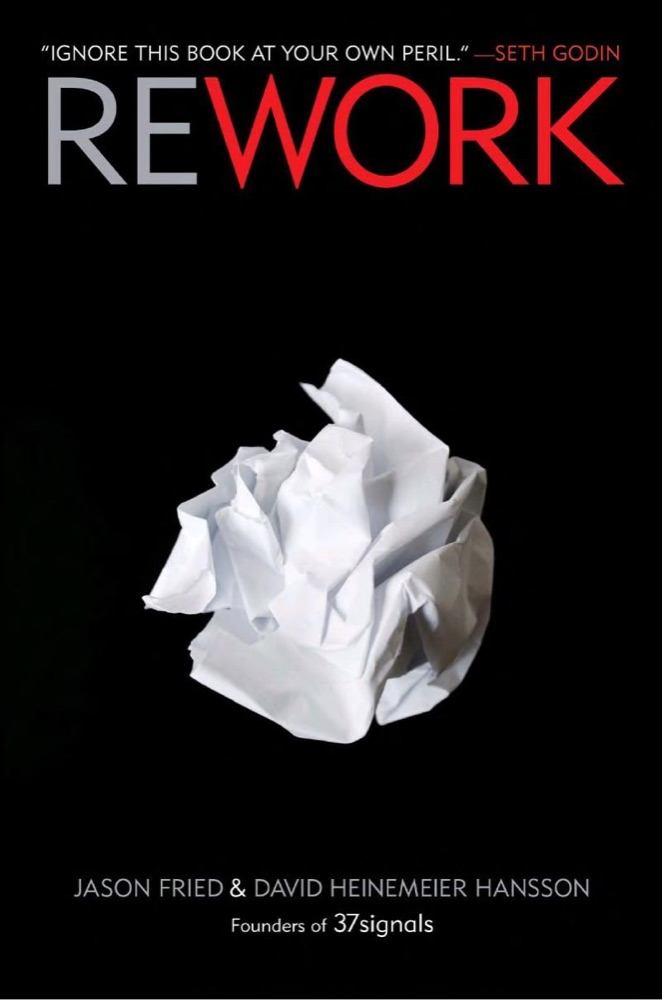 Rework
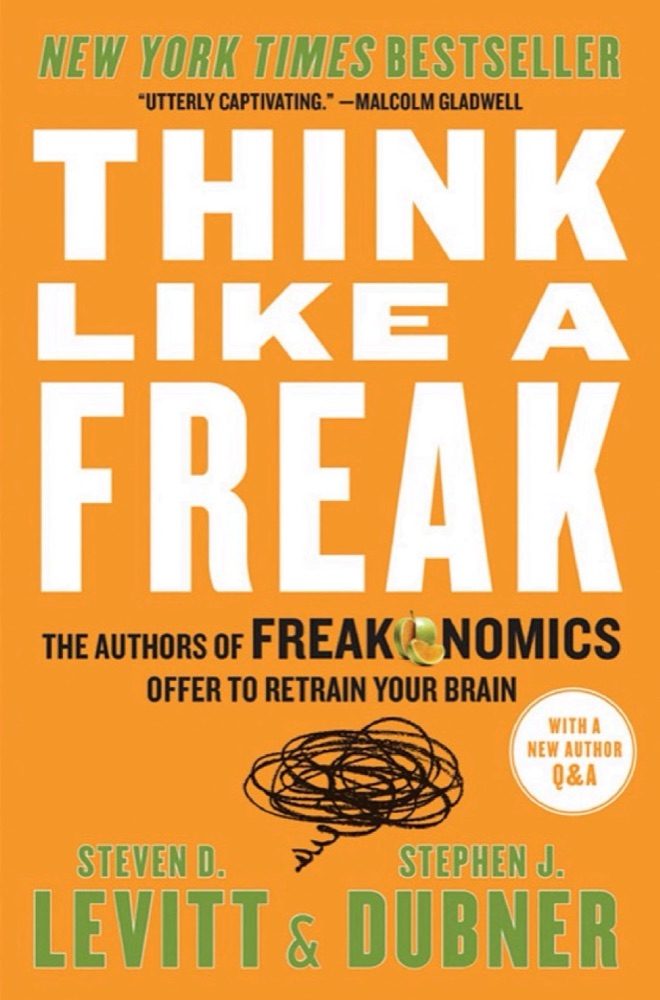 Think Like a Freak
 The Bassoon King: My Life in Art, Faith, and Idiocy
 Do Over: Rescue Monday, Reinvent Your Work, and Never Get Stuck
 Just for Fun: The Story of an Accidental Revolutionary
 Delivering Happiness: A Path to Profits, Passion, and Purpose