 Crucial Conversations: Tools for Talking When Stakes are High
Quotes from the Book
You can have the best message in the world, but the person on the receiving end will always understand it through the prism of his or her own emotions, preconceptions, prejudices, and preexisting beliefs. It's not enough to be correct or reasonable or even brilliant. The key to successful communication is to take the imaginative leap of stuffing yourself into your listener's shoes to know what they are thinking and feeling in the deepest recesses of their mind and heart. How that person perceives what you say is even more real, at least in a practical sense, than how you perceive yourself.
15
Every attack that is not met with a clear and immediate response will be assumed to be true.
8
They learned the hard way – or not at all – that language is like fire: Depending on how you use it, it can either heat your house or burn it to the ground.
3
He broke a cardinal rule of political communication: never repeat a criticism as part of your rebuttal.
3
As Warren Beatty, perhaps the best student of the human condition in Hollywood, once told me, people will forget what you say, but they will never forget how you made them feel.
2
When you trash the opposition, you simultaneously demean yourself.
2
Remember, everything you need to say should be up front. All that you want to say can come later.
1
A political party should be defined by what it stood for, not by what it was against.
1
My client comes into the courtroom with baggage because we do not have the presumption of innocence in America. Truth is, we have the assumption of guilt, and it starts the minute somebody is arrested. Nobody says “an innocent person was arrested today on suspicion of murder.” What happens is the Chief of Police, the District Attorney, and everybody else who is looking to get on television has a press conference and says “We have solved a crime. We have arrested and have in custody the person who did it. He will be prosecuted to the fullest extent of the law.” And then a lawyer comes along at some point and either says “no comment” or “my client’s not guilty,” but nobody believes, so my job as a lawyer is to try to level the playing field.
1
Those who define the debate will determine the outcome.
1
These, then, are the ten rules of effective communication, all summarized in single words: simplicity, brevity, credibility, consistency, novelty, sound, aspiration, visualization, questing, and context.
1
He knew instinctively that Americans vote for dreamers because they themselves like to dream.
1
There’s a time and a place for showing off the William F. Buckley vocabulary – but it’s probably not in a speech to your constituents, a sales pitch to a prospective client, or at a job interview.
The best way to communicate values that will transcend partisan division is to use words that no Coke-drinking, apple pie-eating, GM-driving American could disagree with. “Family.” “Freedom.” “Opportunity.” “Responsibility.” “Community.” “Sacrifice.
Focus on results, not process.
The fifth word, “reliability,” had been left off the original Twenty-one-word list, but it should have been. Thanks to increasing dependence on technology, couples with dwindling free time, more and more people have come to conclude that the reliability of a particular product or service is at least as important as its price, and in some circumstances-automobiles, cable television, and personal communication devices to name but three-even more so.
The language lesson: A+B+C does not necessarily equal C+B+A. The order of presentation determines the reaction.
These presidential debates are in essence sixty-second pitched battles, and slow starts are seldom rewarded with come-from-behind victories.
No theme. No focus. No discipline. Message: discipline matters.
Saturday Night Live had a point. The degree to which politicians on the left have fled from the liberal label is striking. In fact, since the later 1990s, the term “liberal” has been widely replaced by “progressive.
On the other hand, there are far more “Democrats” than there are self-proclaimed “liberals.” So Republicans are almost always better off downplaying their partisan affiliation and playing up their ideology, while Democrats are better off citing their party identity than they are their liberalism. The relative paucity of self-described “liberals” is one of the reasons George Lakoff and others have argued so strongly for the re-branding of “liberals” as “progressive.” “Progressive” not only lacks the negative baggage of “liberal,” but it also suggests “progress” and is therefore future-oriented.
Impact” has a similar effect on the listener in that the word is ostensibly neutral but remarkably influential. Thanks to my firm’s extensive work ion corporate social responsibility, I found this one word – more than any other – caused listeners to assume that they will see and feel a measurable difference.
Simplicity is important because the average American like Jennifer hasn’t graduated from a four-year college. Brevity is important because Jennifer or her husband don’t have time to think about what you’re saying. They need to be able to sort it out immediately. Credibility is important because Jennifer Smith has been misinformed too many times to trust what products or politicians promise her. Consistency is important because she won’t hear you the first, second, or even third time you speak to her. You’ll have to give your message gains and again and again. Novelty is important because you need to stand out. “Been there, done that” is Jennifer’s creed. If you aren’t different, you’ll get lost. Say something that grabs her attention. Sound (alliteration) is important in attracting her attention. She’s already doing too many things at once. You need to break through the clutter. Aspiration is important because you know that she has dreams for a better life. If she recognizes her dreams, sees your words in her dreams, she’ll listen to you. And relevance is important. The greater the impact you can demonstrate on her daily life, the more likely she is to pay attention to what you want to say.
In my own market research for dozens of Fortune 500 companies, I have found that the best ways to communicate authenticity I to trigger personalization. Do audience members see themselves in the slogan… and therefore in the product? Unfortunately, achieving personalization is by no means easy.
Watch on YouTube
About Frank Luntz
About the book
The nation's premier communications expert shares his wisdom on how the words we choose can change the course of business, of politics, and of life in this country
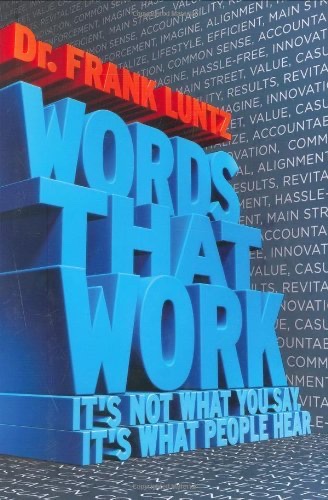
In Words That Work , Luntz offers a behind-the-scenes look at how the tactical use of words and phrases affects what we buy, who we vote for, and even what we believe in. With chapters like "The Ten Rules of Successful Communication" and "The 21 Words and Phrases for the 21st Century," he examines how choosing the right words is essential.
Nobody is in a better position to explain than Frank He has used his knowledge of words to help more than two dozen Fortune 500 companies grow. Hell tell us why Rupert Murdoch's six-billion-dollar decision to buy DirectTV was smart because satellite was more cutting edge than "digital cable," and why pharmaceutical companies transitioned their message from "treatment" to "prevention" and "
Book details
- First published
- 2006
- Author
- Frank Luntz
- Genre
- Nonfiction
- Goodreads rating
- 3.62 (3k ratings)
Keep reading
Crucial Conversations: Tools for Talking When Stakes are High
 Made to Stick: Why Some Ideas Survive and Others Die
 Thank You for Arguing: What Aristotle, Lincoln, and Homer Simpson Can Teach Us About the Art of Persuasion
 Resonate: Present Visual Stories that Transform Audiences
 Think Like a Freak
 The Truths We Hold: An American Journey
 How to Win Friends & Influence People
 What the Dog Saw and Other Adventures
 The 7 Habits of Highly Effective People: Personal Workbook
 The Art of Thinking Clearly
 Shortest Way Home: One Mayor's Challenge and a Model for America's Future
 The Art of Public Speaking
 Rationality: From AI to Zombies
 It Worked for Me: In Life and Leadership
 The Person You Mean to Be: How Good People Fight Bias
 Skin in the Game: The Hidden Asymmetries in Daily Life
 Doing Justice: A Prosecutor's Thoughts on Crime, Punishment, and the Rule of Law
 My Own Words
 Excellent Advice for Living: Wisdom I Wish I'd Known Earlier
 Surrounded by Idiots
 Getting More: How to Negotiate to Achieve Your Goals in the Real World
 Influence: The Psychology of Persuasion
 The Last Lecture
 Consider This: Moments in My Writing Life After Which Everything Was Different
 Rework
 The Elements of Style
 Rules for Radicals: A Pragmatic Primer for Realistic Radicals
 TED Talks: The Official TED Guide to Public Speaking
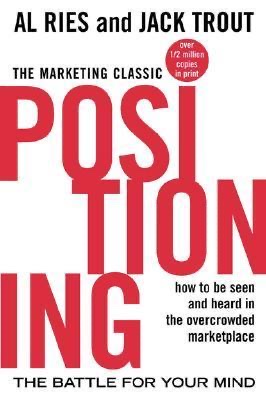 Positioning: The Battle for Your Mind: How to Be Seen and Heard in the Overcrowded Marketplace
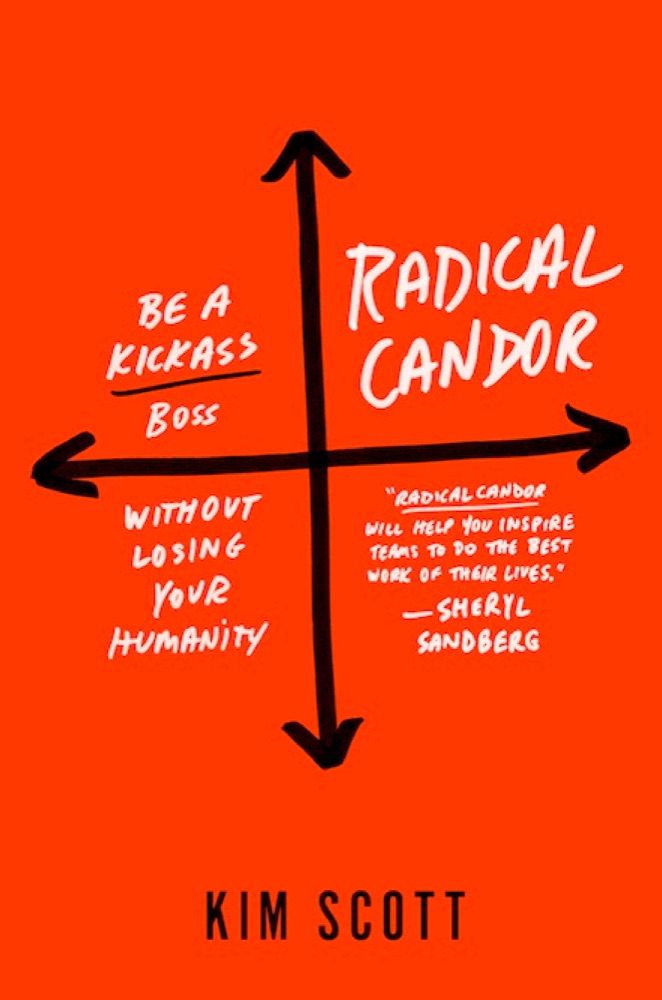 Radical Candor: Be a Kickass Boss Without Losing Your Humanity
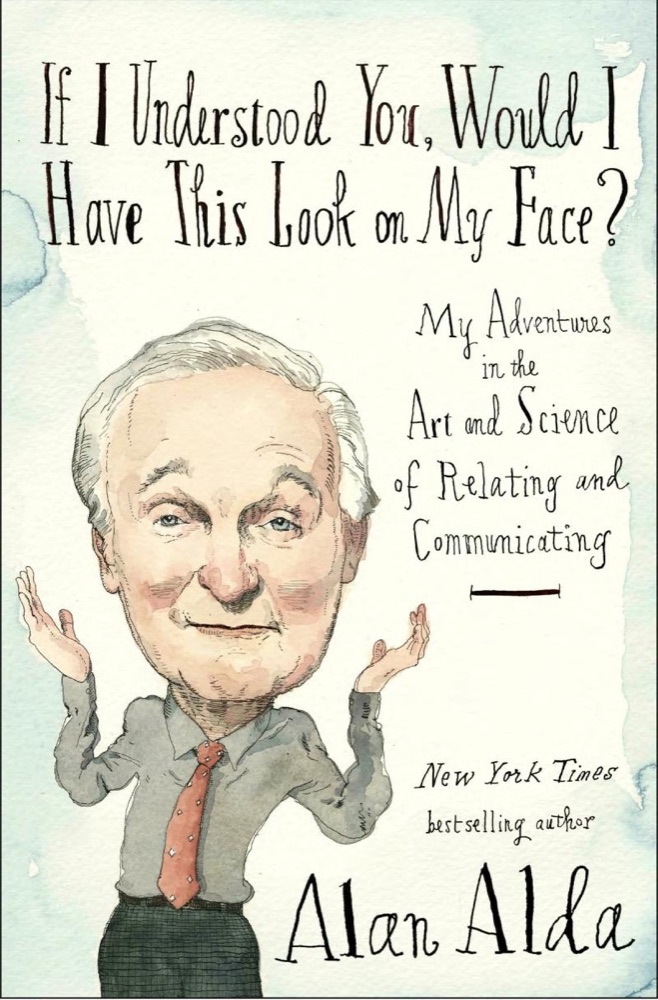 If I Understood You, Would I Have This Look on My Face?: My Adventures in the Art and Science of Relating and Communicating
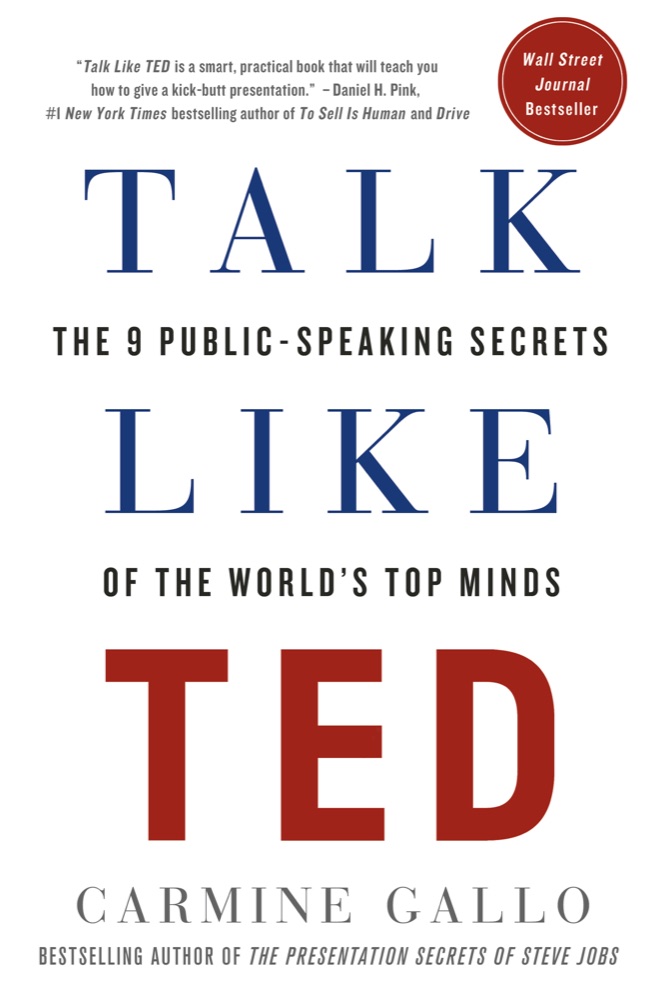 Talk Like TED: The 9 Public-Speaking Secrets of the World's Top Minds
 Promises to Keep: On Life and Politics
 Independent Study
 Confessions of an Advertising Man
 A Higher Loyalty: Truth, Lies, and Leadership
 Chaos Monkeys: Obscene Fortune and Random Failure in Silicon Valley
 One Nation: What We Can All Do to Save America's Future
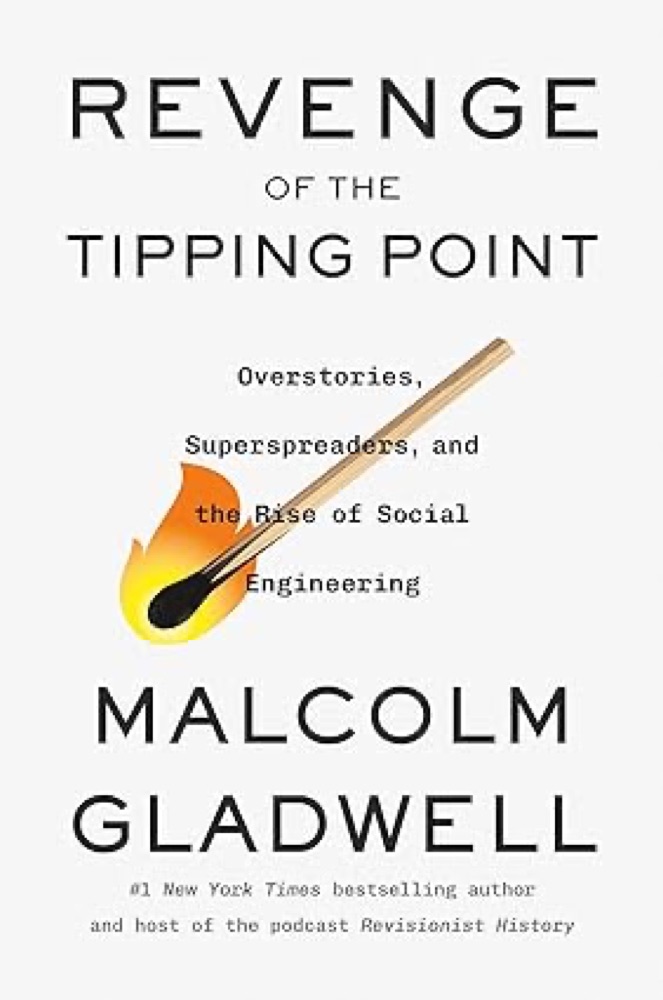 Revenge of the Tipping Point
 Disclosure
 Difficult Conversations: How to Discuss What Matters Most
 Please Understand Me II: Temperament, Character, Intelligence
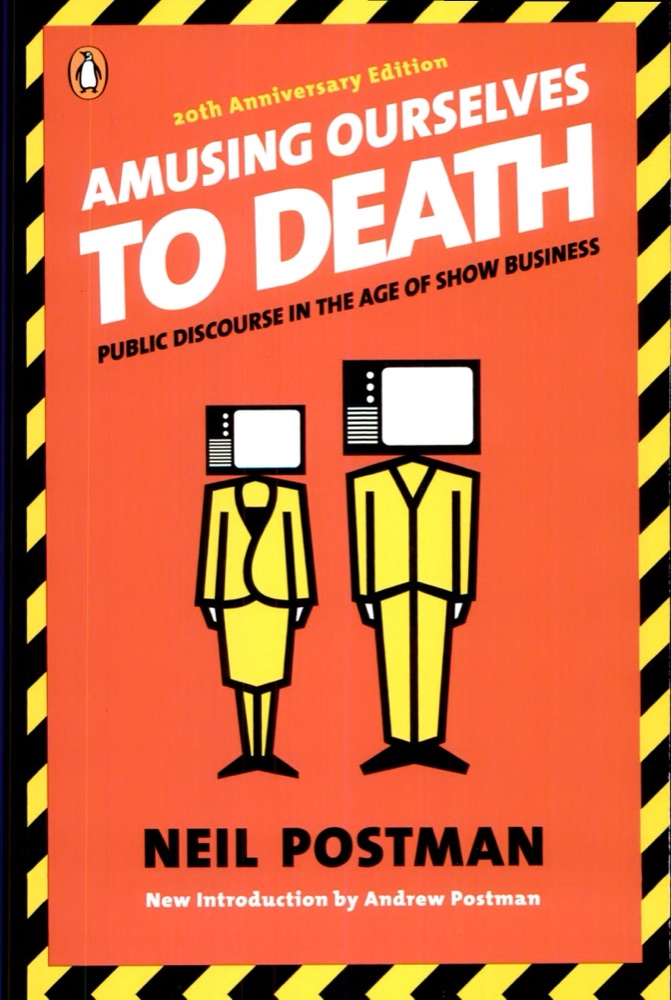 Amusing Ourselves to Death: Public Discourse in the Age of Show Business
 Politics and the English Language
 On Tyranny: Twenty Lessons from the Twentieth Century
 Deception Point
 Lexicon
 Persist
 Call Sign Chaos: Learning to Lead
 The Most Human Human: What Talking with Computers Teaches Us About What It Means to Be Alive
 Winning
 Understanding Power: The Indispensable Chomsky
 The Effective Executive: The Definitive Guide to Getting the Right Things Done
 Say More: Lessons from Work, the White House, and the World
 QBQ! The Question Behind the Question: Practicing Personal Accountability in Work and in Life
 Parasitic Mind: How Infectious Ideas Are Killing Common Sense
 Letters to a Young Contrarian
 The Black Swan: The Impact of the Highly Improbable
 It Takes What It Takes: How to Think Neutrally and Gain Control of Your Life
 Rules
Rules