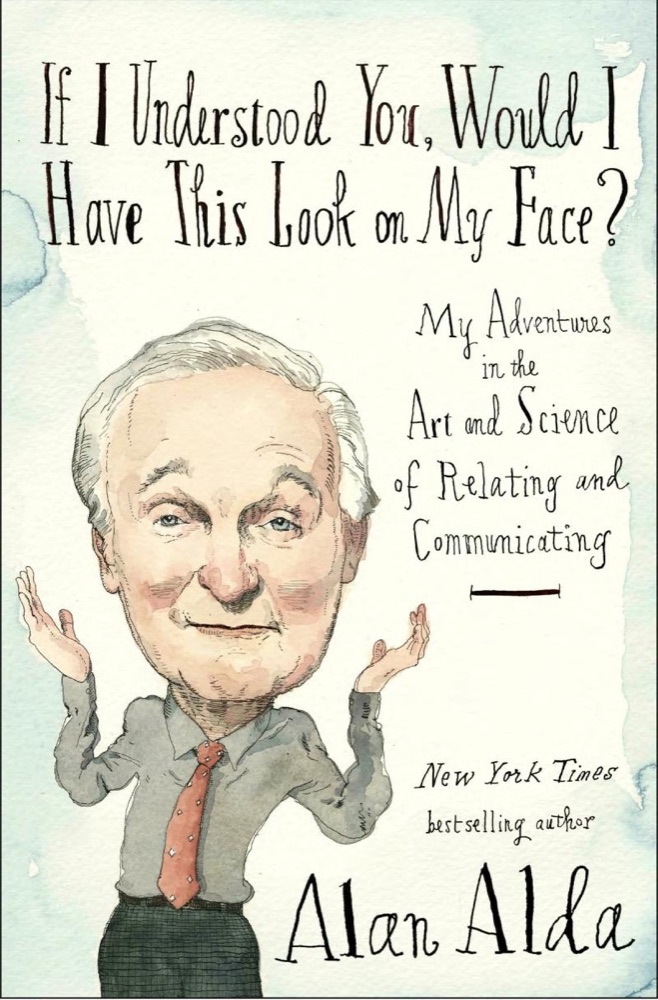

 Never Have Your Dog Stuffed: And Other Things I've Learned
Quotes from the Book
Ignorance was my ally as long as it was backed up by curiosity. Ignorance without curiosity is not so good, but with curiosity it was the clear water through which I could see the coins at the bottom of the fountain.
9
Communication doesn’t take place because you tell somebody something. It takes place when you observe them closely and track their ability to follow you. Like
9
I would come in armed with only curiosity, and my own natural ignorance. I was learning the value of bringing my ignorance to the surface... Ignorance was my ally, as long as it was backed up by curiosity. Ignorance without curiosity is not so good, but with curiosity, it was the clear water through which I could see the coins at the bottom of the fountain.
6
Sometimes, being willing to see the other person means you have to be willing to let them see you.
5
I came to the conclusion that, even in life, unless I’m responding with my whole self—unless, in fact, I’m willing to be changed by you—I’m probably not really listening. But if I do listen—openly, naïvely, and innocently—there’s a chance, possibly the only chance, that a true dialogue and real communication will take place between us.
5
The trouble with a lecture is that it answers questions that haven't been asked.
4
Being truly connected to the other person happens when we see them in a way that’s both emotional and rational, especially if we include listening with our eyes: looking for clues in the face, in gestures—in all the nonverbal signs of a state of mind. It’s complete and total listening. First, it’s understanding what another person is feeling—what’s usually called empathy—and second, an awareness of what another person is thinking—what scientists call Theory of Mind.
3
Not being truly engaged with the people we’re trying to communicate with, and then suffering the snags of misunderstanding, is the grit in the gears of daily life.
3
The person who’s communicating something is responsible for how well the other person follows him.
2
You're going to learn if something's bad. It's not like you're going to say, 'Well, that lion was really unpleasant. I think maybe I'll come back here and see if I like it the next time.
2
I hope they’ll pay attention not so much to the mechanical things, like a sudden change of pace in a talk or a sudden change in volume of their voice. I hope they’ll pay attention, instead, to the fundamental source of that pacing and volume, which is the connection with the other person. That connection makes us respond like a leaf in the breeze to whatever is happening in the faces of those in front of us.
2
Their shocking conclusion was that very often extra knowledge is a disadvantage. At first it seems nonsensical that knowledge could be a burden, and even a curse. The problem, of course, is not in the knowledge itself. The problem is when you can’t imagine what it’s like not to have that knowledge. This is because people are, according to the economists, “unable to ignore the additional information they possess.” There’s something about having knowledge that makes it difficult to take the beginner’s view, to be able to think the way you did before you had that knowledge. And unless you’re aware that you actually know something the other person doesn’t know, you can be at a disadvantage. When you forget you know more than they do, there’re a tendency to undervalue your position.
2
Even when we think of empathy as a tool for good, it might not be a good idea to oversell its strengths, and we should remember that there will always be people who will use it against others for their own benefit.
2
That struck a chord with me, because I know how important it is to look into the eyes of an audience when I’m giving a talk. I don’t just scan the audience; I catch the eye of individual people and hold their gaze for a few seconds. When I do that, something happens between us. I’m actually talking to someone, not just saying the words I’ve prepared, and as a result something changes in my tone of voice. It becomes more personal and direct. And I get reinforcement from the warmth I see in the faces.
2
Real conversation can’t happen if listening is just my waiting for you to finish talking.
2
In order to fight a war (probably the most extreme form of poor communication), unfamiliarity is the preferred state of mind.
2
Most research, I think, can only suggest, or point toward, an insight of some kind.
1
In fact, it’s not until about the age of four or five that it even occurs to children that deception is possible. There’s no point in lying if everybody knows what you’re thinking!
1
I took a bold step and stopped reading the scientists’ research papers before I met with them. I would come in armed only with curiosity and my own natural ignorance. I was learning the value of bringing my ignorance to the surface. The scientists could see exactly how much I already understood, and they could start there.
1
It’s being so aware of the other person that, even if you have your back to them, you’re observing them. It’s letting everything about them affect you; not just their words, but also their tone of voice, their body language, even subtle things like where they’re standing in the room or how they occupy a chair. Relating is letting all that seep into you and have an effect on how you respond to the other person.
1
We were developing empathy and the ability to be aware of what was happening in the mind of another person. This, we realized, is the key, the fundamental ingredient without which real communication can’t happen. Developing empathy and learning to recognize what the other person is thinking are both essential to good communication, and are what this book is about.
1
As long as it doesn’t seem fake, the more we establish familiarity with our audience - not speaking to them from left field or from on high - the better chance we have that they’ll listen to what we have to say. And possibly even accept it.
1
When you’re with someone, try labeling … is Jack upset? Is Jane excited? … It’ll change how you hear what they’re saying.
1
While leadership is important, just as important is how leadership is communicated. On the one hand, you can command good performance from someone in exchange for not firing them. On the other hand, you might be able to ignite the desire in a person to perform well by tuning in to their state of mind.
1
If another player creates a bump in the sculpture, you don’t ignore it; you acknowledge the bump and build on it. Communication doesn’t take place because you tell somebody something. It takes place when you observe them closely and track their ability to follow you. Like making a sculpture out of space, communication is a group experience.
1
TIPS Even though I don’t much like them, I have to admit that tips can sometimes be useful. Here are a few that have been good to me. The Three Rules of Three 1. When I talk to an audience, I try to make no more than three points. (They can’t remember more than three, and neither can I.) In fact, restricting myself to one big point is even better. But three is the limit. 2. I try to explain difficult ideas three different ways. Some people can’t understand something the first couple of ways I say it, but can if I say it another way. This lets them triangulate their way to understanding. 3. I try to find a subtle way to make an important point three times. It sticks a little better.
1
Aristotle is often quoted as saying that a story should have a beginning, a middle, and an end. That’s true, but I don’t think that’s the whole story. After all, a dead cat has a beginning, a middle, and an end.
1
If I’m trying to explain something and you don’t follow me, it’s not simply your job to catch up. It’s my job to slow down. This is at the heart of communicating: If I tell you something without making sure you got it, did I really communicate anything? Was I talking to you, or was I just making noises? In the mirror exercise, is the leader enabling the follower to follow, or is he just waving his arms?
1
You picture an audience and think, What are they already aware of? Where should I start? How deep should I go? What are they actually eager to know? If I start too far in, will I be using concepts they don’t really understand?
Watch on YouTube
About Alan Alda
We have collected 45 quotes from 2 books by Alan Alda on BookQuoters.
More about the author →More by Alan Alda
Never Have Your Dog Stuffed: And Other Things I've Learned
About the book
From iconic actor and bestselling author Alan Alda, an indispensable guide to communicating better—based on his experience with acting, improv, science, and storytellingThe acclaimed actor shares fascinating and powerful lessons from the art and science of communication, and teaches readers to improve the way they relate to others using improv games, storytelling, and their own innate ability to read what’s probably going on in the minds of others. With his trademark humor and frankness, Alan Alda explains what makes the out-of-the-box techniques he developed after his years as the host of Scientific American Frontiers so effective. This book reveals what it means to be a true communicator, and how we can communicate better, in every aspect of our lives—with our friends, lovers, and families, with our doctors, in business settings, and beyond.
Book details
- First published
- 2017
- Author
- Alan Alda
- Genre
- Nonfiction
- Goodreads rating
- 3.86 (7k ratings)
Keep reading
 Supercommunicators: How to Unlock the Secret Language of Connection
 Difficult Conversations: How to Discuss What Matters Most
 How to Know a Person: The Art of Seeing Others Deeply and Being Deeply Seen
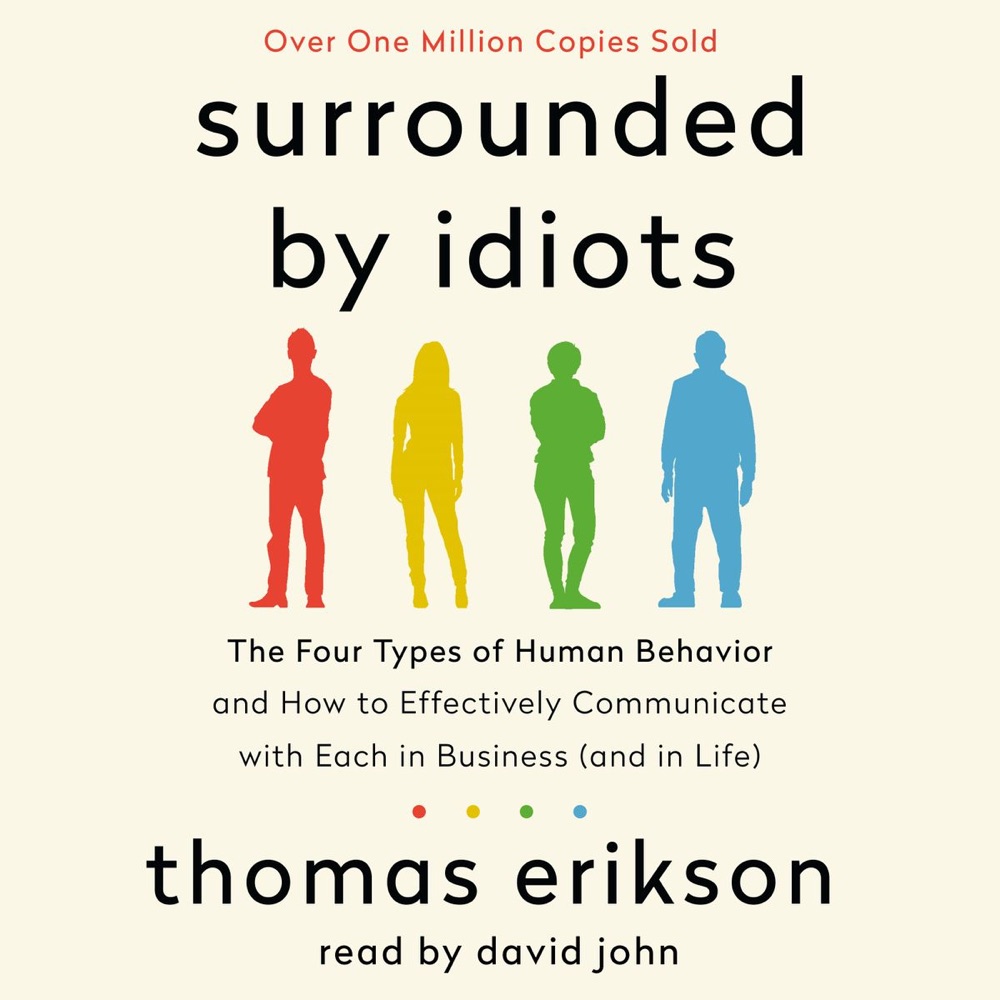 Surrounded by Idiots
 Crucial Conversations: Tools for Talking When Stakes are High
 Made to Stick: Why Some Ideas Survive and Others Die
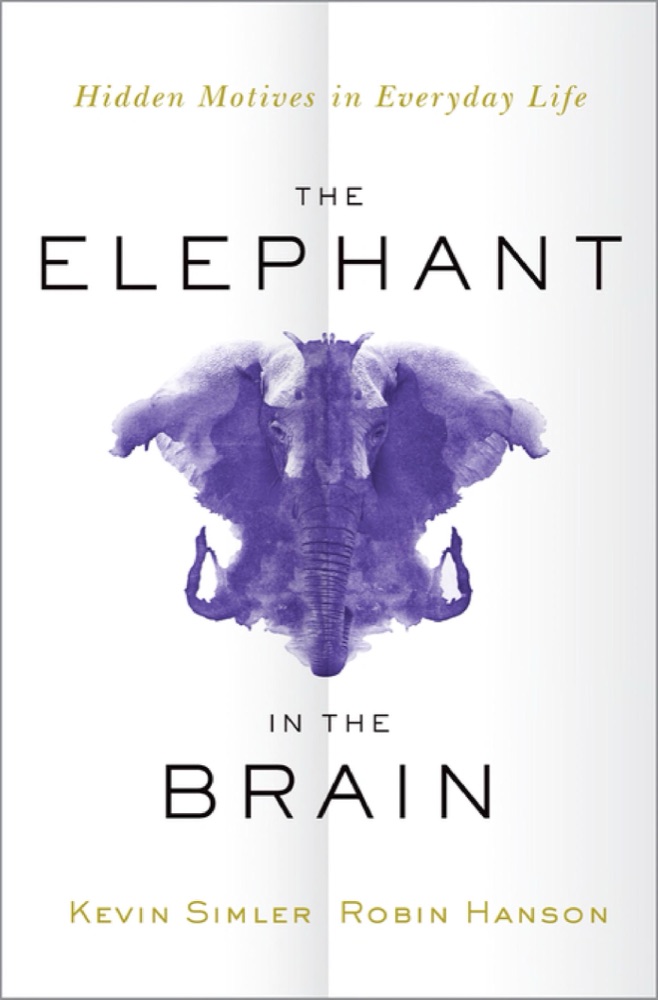 The Elephant in the Brain: Hidden Motives in Everyday Life
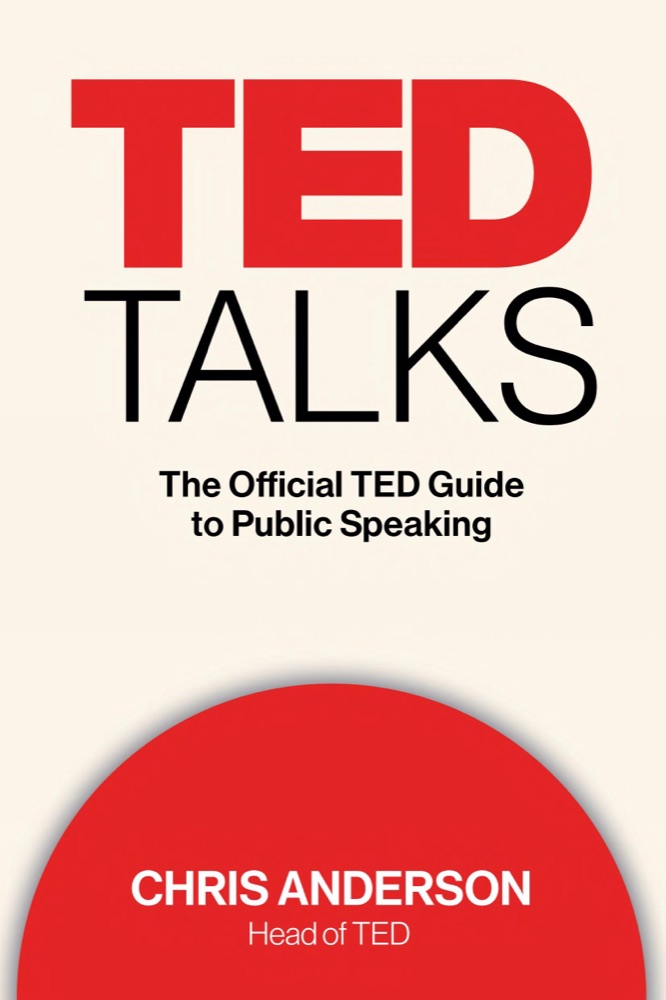 TED Talks: The Official TED Guide to Public Speaking
 Blink: The Power of Thinking Without Thinking
 The Dance of Connection: How to Talk to Someone When You're Mad, Hurt, Scared, Frustrated, Insulted, Betrayed, or Desperate
 Excellent Advice for Living: Wisdom I Wish I'd Known Earlier
 The Art of Thinking Clearly
 The Art of Asking; or, How I Learned to Stop Worrying and Let People Help
 Consider This: Moments in My Writing Life After Which Everything Was Different
 What Do You Care What Other People Think?
 Impro: Improvisation and the Theatre
 Never Split the Difference: Negotiating As If Your Life Depended On It
 The Laws of Human Nature
 On Connection
 Getting More: How to Negotiate to Achieve Your Goals in the Real World
 The Art of Communicating
 Think Again: The Power of Knowing What You Don't Know
 How to Win Friends & Influence People
 How to Stay Sane
 What the Dog Saw and Other Adventures
 Mindwise: How We Understand What Others Think, Believe, Feel, and Want
 Stories of Your Life and Others
 Think Like a Freak
 The Last Lecture
 Rationality: From AI to Zombies
 Tell Me More: Stories About the 12 Hardest Things I'm Learning to Say
 The Black Swan: The Impact of the Highly Improbable
 Mastermind: How to Think Like Sherlock Holmes
 Resonate: Present Visual Stories that Transform Audiences
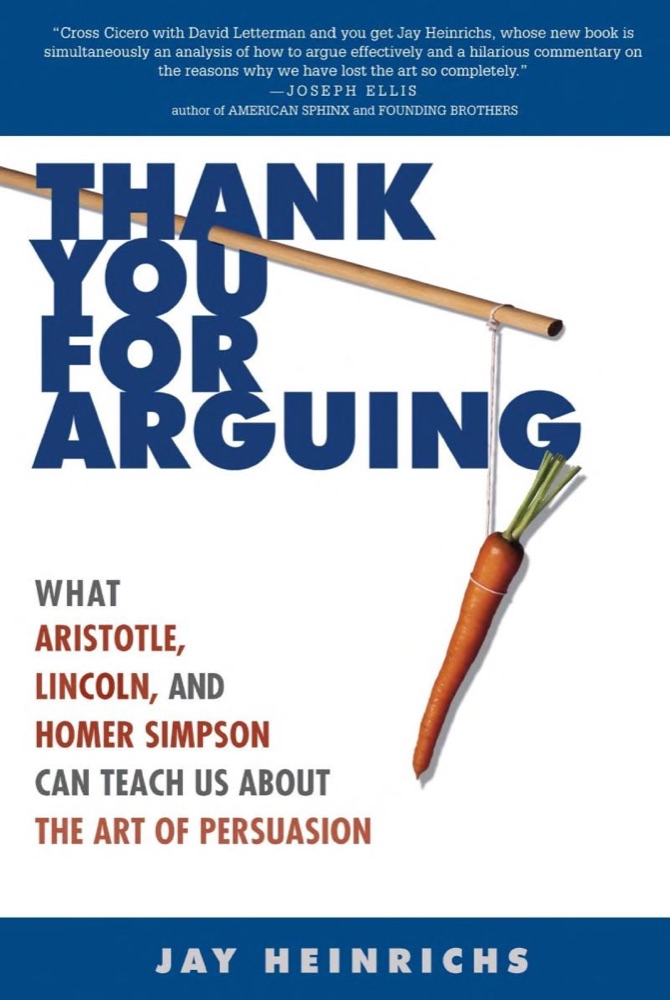 Thank You for Arguing: What Aristotle, Lincoln, and Homer Simpson Can Teach Us About the Art of Persuasion
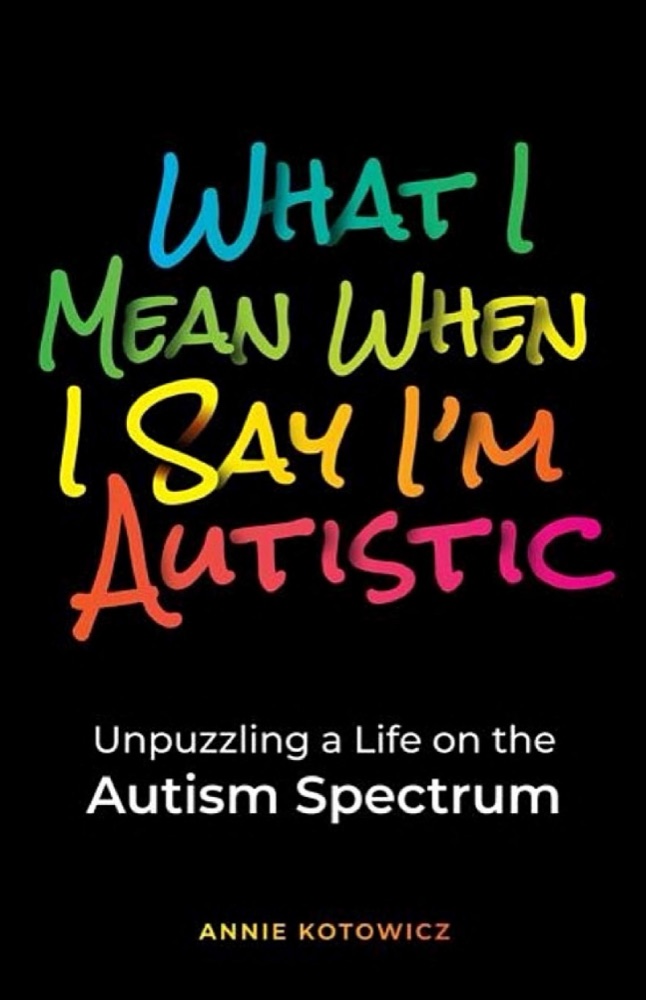 What I Mean When I Say I'm Autistic: Unpuzzling a Life on the Autism Spectrum
 We Make the Road by Walking: Conversations on Education and Social Change
 Emotional Intelligence 2.0: With Access Code
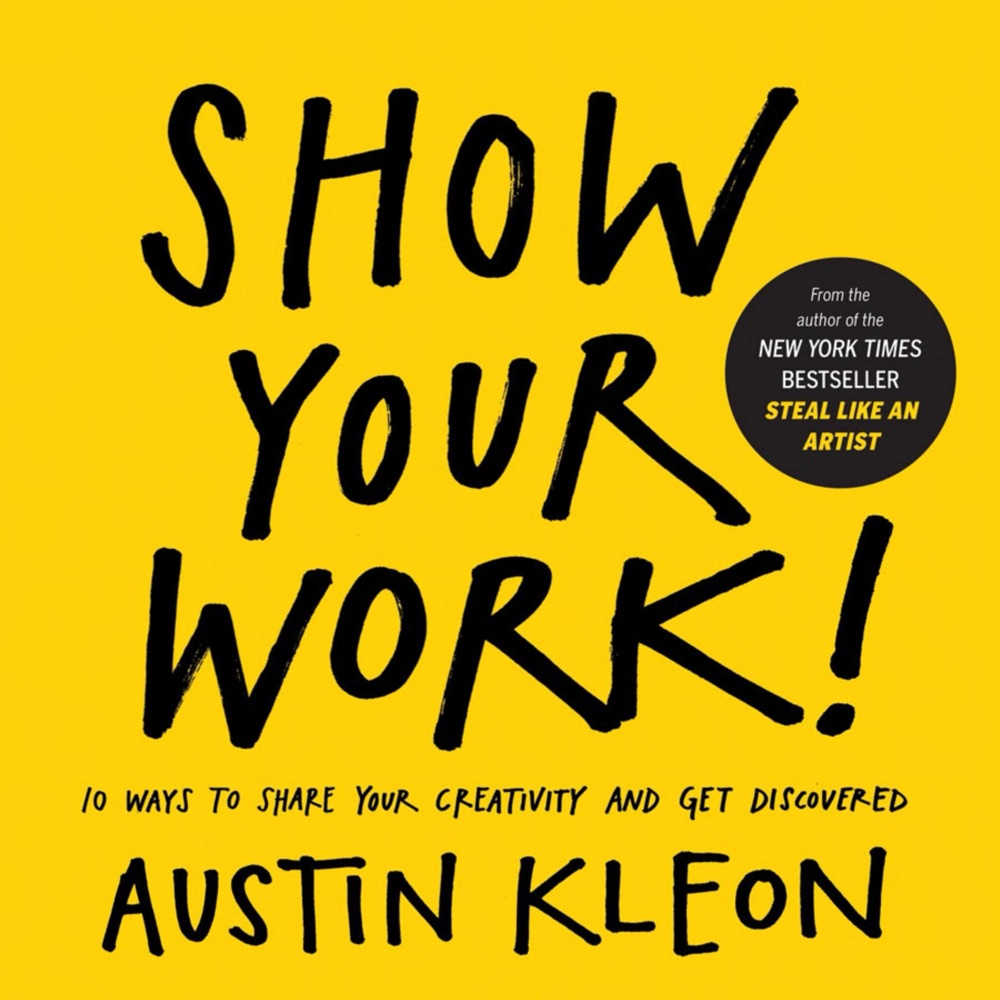 Show Your Work!: 10 Ways to Share Your Creativity and Get Discovered
 The 7 Habits of Highly Effective People: Personal Workbook
 The Most Human Human: What Talking with Computers Teaches Us About What It Means to Be Alive
 The Tipping Point: How Little Things Can Make a Big Difference
 The Culture Map: Breaking Through the Invisible Boundaries of Global Business
 Radical Candor: Be a Kickass Boss Without Losing Your Humanity
 The Braindead Megaphone
 Psych: The Story of the Human Mind
 The Art of Being
 Lexicon
 To Sell is Human: The Surprising Truth About Moving Others
 The Relationship Cure: A 5 Step Guide to Strengthening Your Marriage, Family, and Friendships
 Atlas of the Heart: Mapping Meaningful Connection and the Language of Human Experience
 You Are Now Less Dumb: How to Conquer Mob Mentality, How to Buy Happiness, and All the Other Ways to Outsmart Yourself
 Quiet: The Power of Introverts in a World That Can't Stop Talking
 How to Make People Like You in 90 Seconds or Less
 The Things You Can See Only When You Slow Down: How to Be Calm in a Busy World
 Social Intelligence: The New Science of Human Relationships
 Yumi and the Nightmare Painter
 We Learn Nothing
 Suspect
 Under the Net