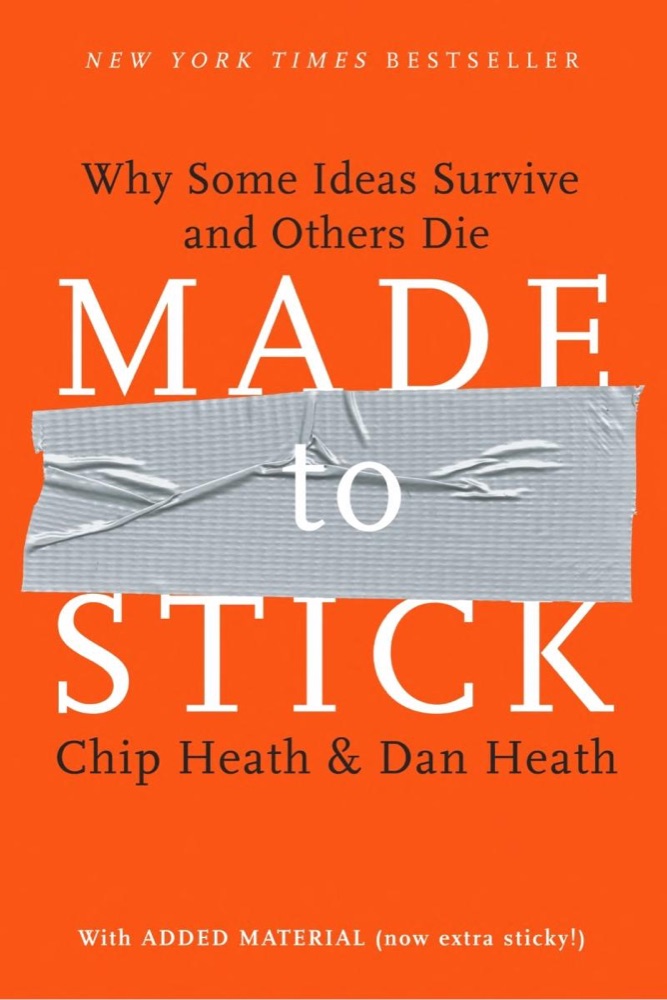
 Made to Stick: Why Some Ideas Survive and Others Die
Quotes from the Book
We need a reliable and simple external structure to think in that compensates for the limitations of our brains.
1
It is a profoundly erroneous truism, repeated by all copybooks and by eminent people when they are making speeches, that we should cultivate the habit of thinking of what we are doing. The precise opposite is the case. Civilization advances by extending the number of important operations which we can perform without thinking about them.” (Whitehead)[43
1
My project: theory of society. Duration: 30 years. Costs: zero” (Luhmann, 1997, 11). In sociology, a “theory of society” is the mother of all projects.
1
The ability to change the direction of our work opportunistically is a form of control that is completely different from the attempt to control the circumstances by clinging to a plan. The beginning of the research project that led to the discovery of DNA’s structure was the application for a grant. The grant was not to discover DNA’s structure, but find a treatment for cancer.
1
What is interesting about this?” and everything we read with the question, “What is so relevant about this that it is worth noting down?
1
The more time an artist devotes to learning about an aesthetic “problem,” the more unexpected and creative his solution will be regarded later by art experts
1
The biggest threat to creativity and scientific progress is therefore the opposite: a lack of structure and restrictions. Without structure, we cannot differentiate, compare or experiment with ideas.
1
Thinking and creativity can flourish under restricted conditions and there are plenty of studies to back that claim
1
This kind of self-imposed restriction is counterintuitive in a culture where more choice is usually regarded as a good thing and more tools to choose from seen as better
1
Abstraction should indeed not be the final goal of thinking, but it is a necessary in-between step to make heterogeneous ideas compatible. If Darwin had never abstracted from his concrete observations of sparrows, he would never have found an abstract, a general principle of evolution
1
To be able to play with ideas, we first have to liberate them from their original context by means of abstraction and re-specification.
1
These links can help us to find surprising connections and similarities between seemingly unrelated topics. Patterns might not become visible right away, but they might emerge after multiple note-to-note links between two topics have been established.
1
Assigning keywords is much more than just a bureaucratic act. It is a crucial part of the thinking process, which often leads to a deeper elaboration of the note itself and the connection to other notes.
1
Keywords should always be assigned with an eye towards the topics you are working on or interested in, never by looking at the note in isolation.
1
writers, we approach the question of keywords differently. We look at our slip-box for already existing lines of thought and think about the questions and problems already on our minds to which a new note might contribute.
1
The first step of elaboration is to think enough about a piece of information so we are able to write about it. The second step is to think about what it means for other contexts as well.
1
What does help for true, useful learning is to connect a piece of information to as many meaningful contexts as possible, which is what we do when we connect our notes in the slip-box with other notes.
1
Why did the aspects I wrote down catch my interest?
1
Scarcity: Why Having Too Little Means So Much” (2013) by Mullainathan and Shafir.
1
Writing brief accounts on the main ideas of a text instead of collecting quotes.
1
but the only criterion is the question of whether something adds to a discussion in the slip-box. The only thing that matters is that it connects or is open to connections.
1
The only thing that matters is that these notes provide the best possible support for the next step, the writing of the actual slip-box notes.
1
we should seek out dis-confirming arguments and facts that challenge our way of thinking,
1
is well known that decision-making is one of the most tiring and wearying tasks, which is why people like Barack Obama or Bill Gates only wear two suit colours: dark blue or dark grey. This means they have one less decision to make in the morning, leaving more resources for the decisions that really matter. In
1
Reading with a pen in the hand, for example, forces, us to think about what we read and check upon our understanding. It is the simplest test: We tend to think we understand what we read – until we try to rewrite it in our own words.
1
Having a learning system in place that enables feedback loops in a practical way is equally important.
1
The dynamics of work are not so different. Sometimes we feel like our work is draining our energy and we can only move forward if we put more and more energy into it.
1
You may remember from school the difference between an exergonic and an endergonic reaction. In the first case, you constantly need to add energy to keep the process going.
1
We have to read with a pen in hand, develop ideas on paper and build up an ever-growing pool of externalised thoughts.
1
Watch on YouTube
About Sönke Ahrens
About the book
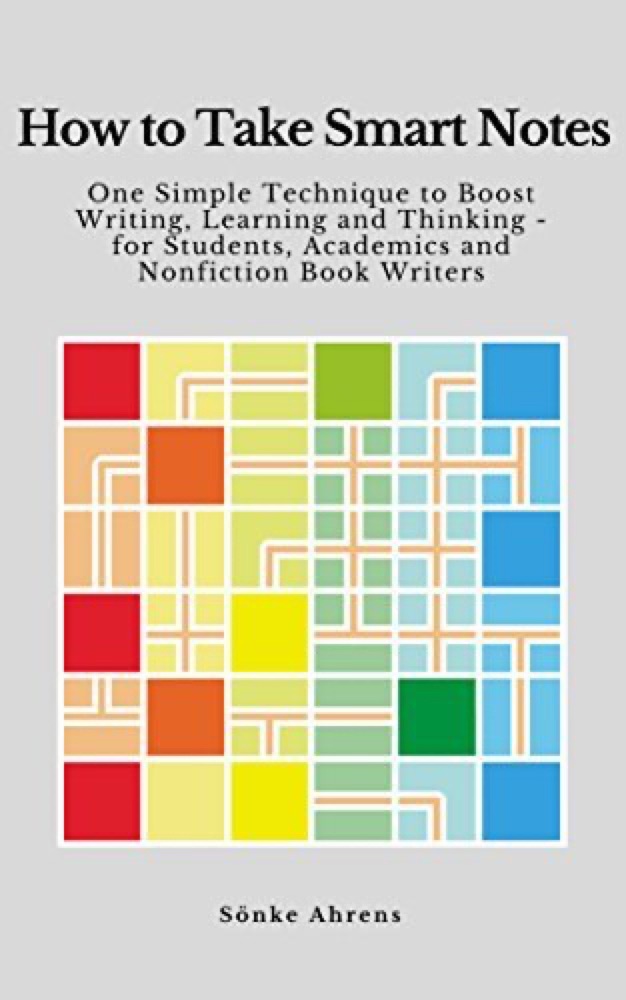
The key to good and efficient writing lies in the intelligent organisation of ideas and notes. This book helps students, academics and nonfiction writers to get more done, write intelligent texts and learn for the long run. It teaches you how to take smart notes and ensure they bring you and your projects forward. The Take Smart Notes principle is based on established psychological insight and draws from a tried and tested note-taking-technique. This is the first comprehensive guide and description of this system in English, and not only does it explain how it works, but also why. It suits students and academics in the social sciences and humanities, nonfiction writers and others who are in the business of reading, thinking and writing. Instead of wasting your time searching for notes, quotes or references, you can focus on what really thinking, understanding and developing new ideas i
Book details
- First published
- 2017
- Author
- Sönke Ahrens
- Genre
- Nonfiction
- Goodreads rating
- 4.07 (14k ratings)
Keep reading
Made to Stick: Why Some Ideas Survive and Others Die
 Imagine: How Creativity Works
 A Mind for Numbers: How to Excel at Math and Science
 Smarter Faster Better: The Secrets of Being Productive in Life and Business
 Creativity: Flow and the Psychology of Discovery and Invention
 A Technique for Producing Ideas
 Where Good Ideas Come From: The Natural History of Innovation
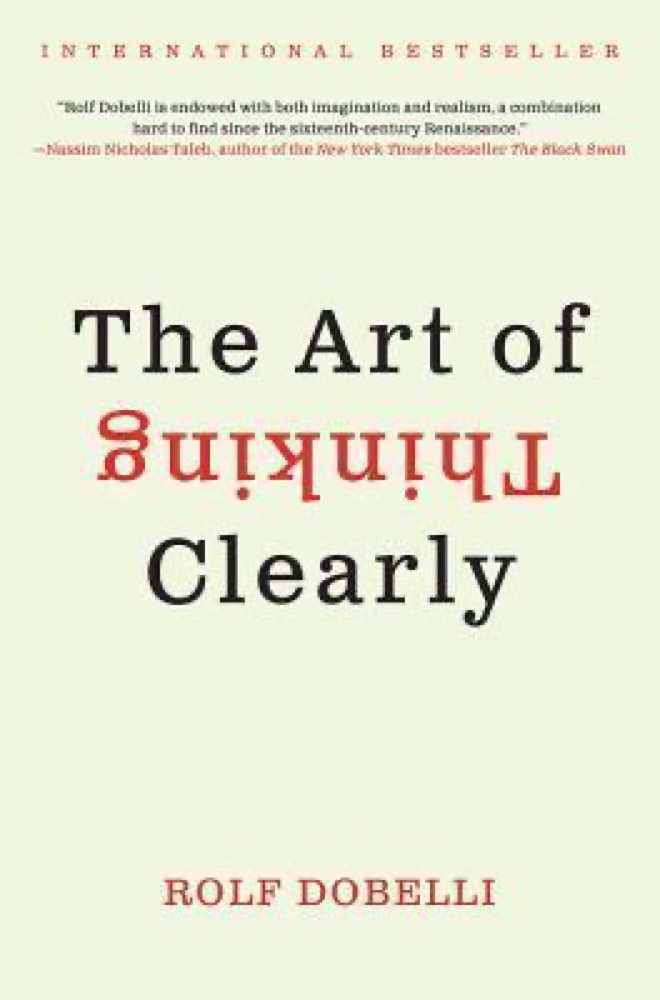 The Art of Thinking Clearly
 Mastermind: How to Think Like Sherlock Holmes
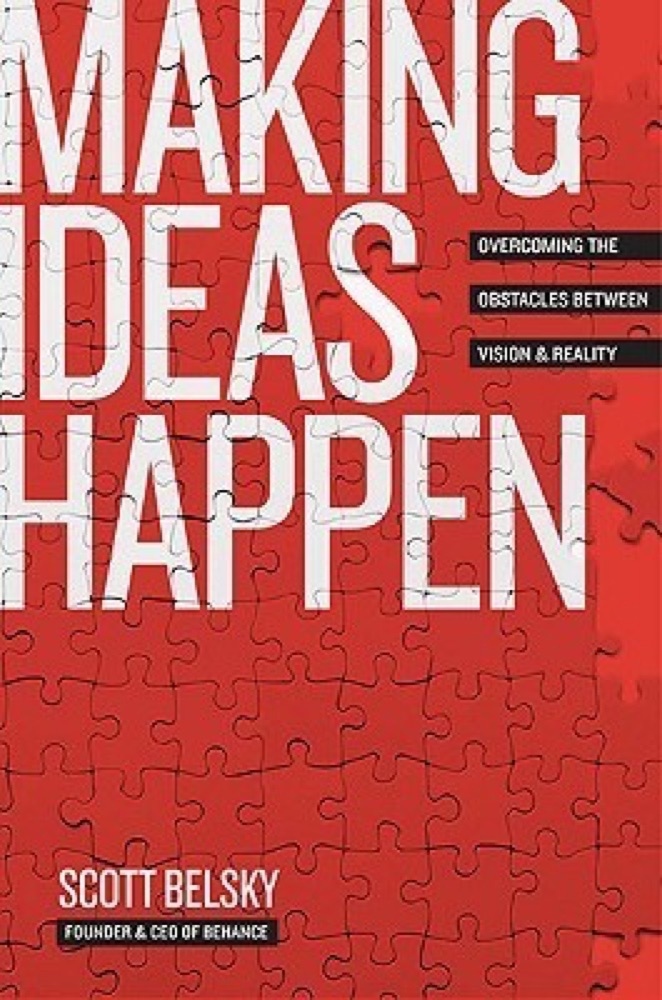 Making Ideas Happen: Overcoming the Obstacles Between Vision and Reality
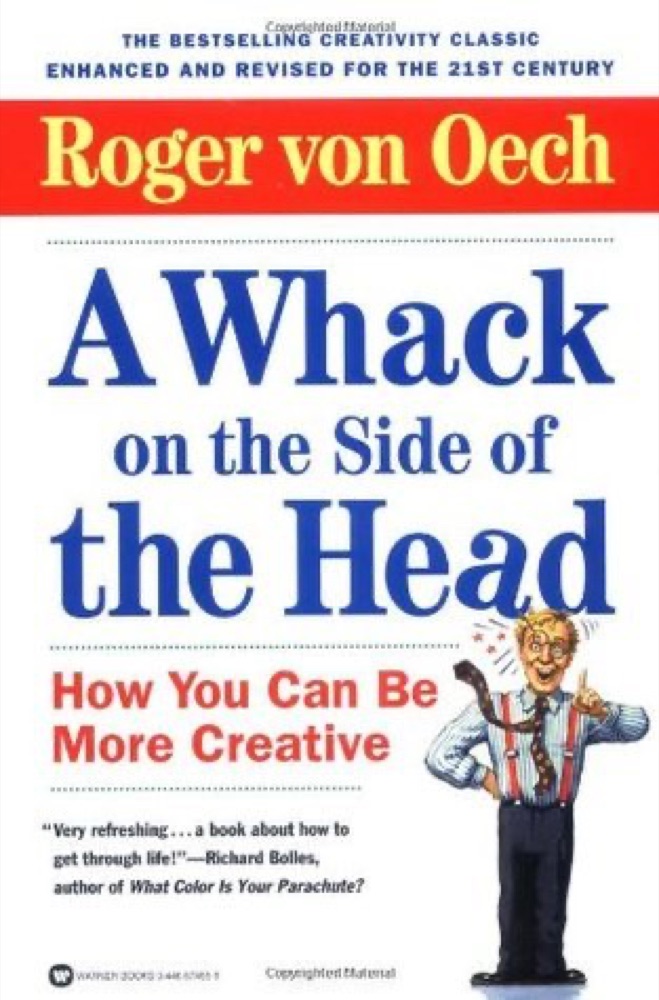 A Whack on the Side of the Head: How You Can Be More Creative
 TED Talks: The Official TED Guide to Public Speaking
 The Sense of Style: The Thinking Person's Guide to Writing in the 21st Century
 The Bullet Journal Method: Track Your Past, Order Your Present, Plan Your Future
 The Art of Creative Thinking
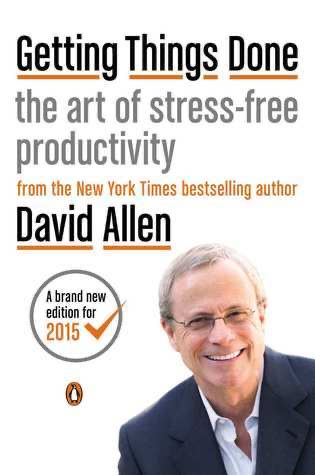 Getting Things Done: The Art of Stress-Free Productivity
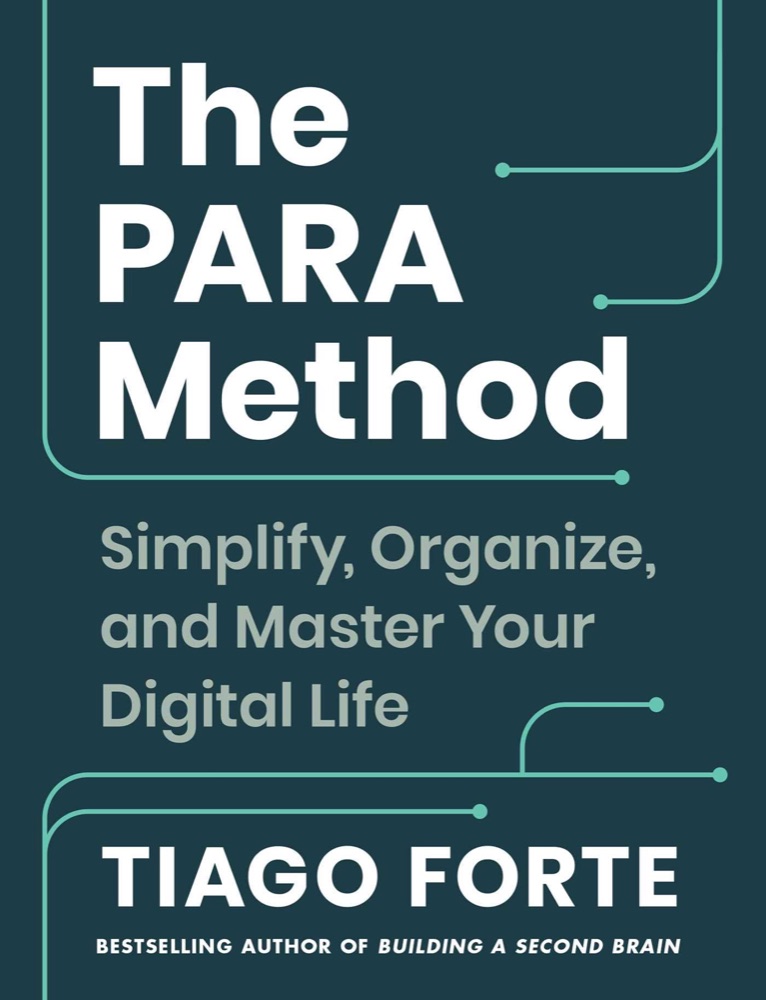 The PARA Method: Simplify, Organize, and Master Your Digital Life
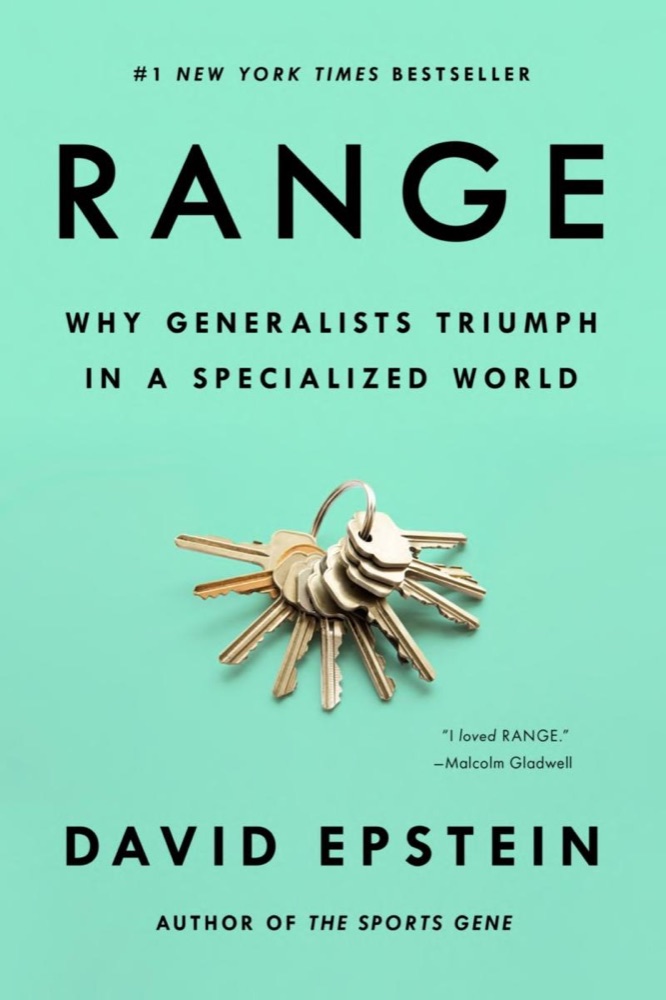 Range: Why Generalists Triumph in a Specialized World
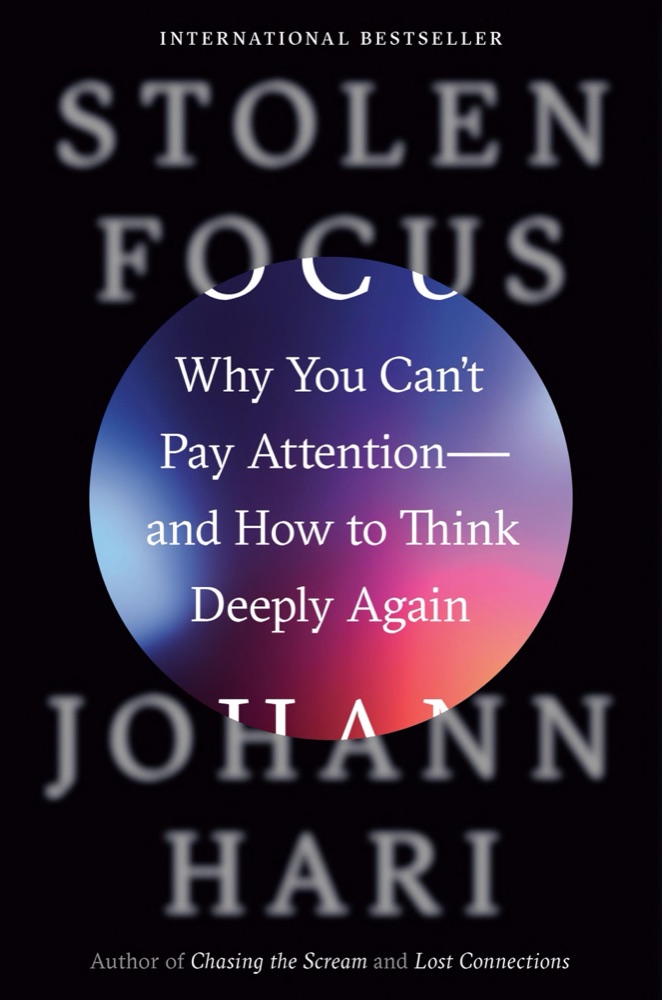 Stolen Focus: Why You Can't Pay Attention— and How to Think Deeply Again
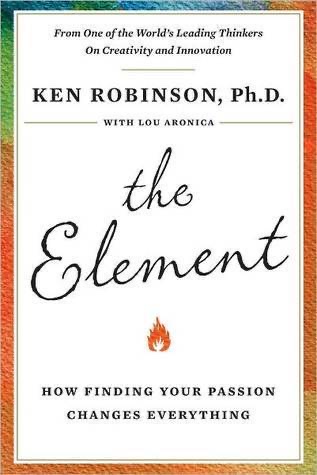 The Element: How Finding Your Passion Changes Everything
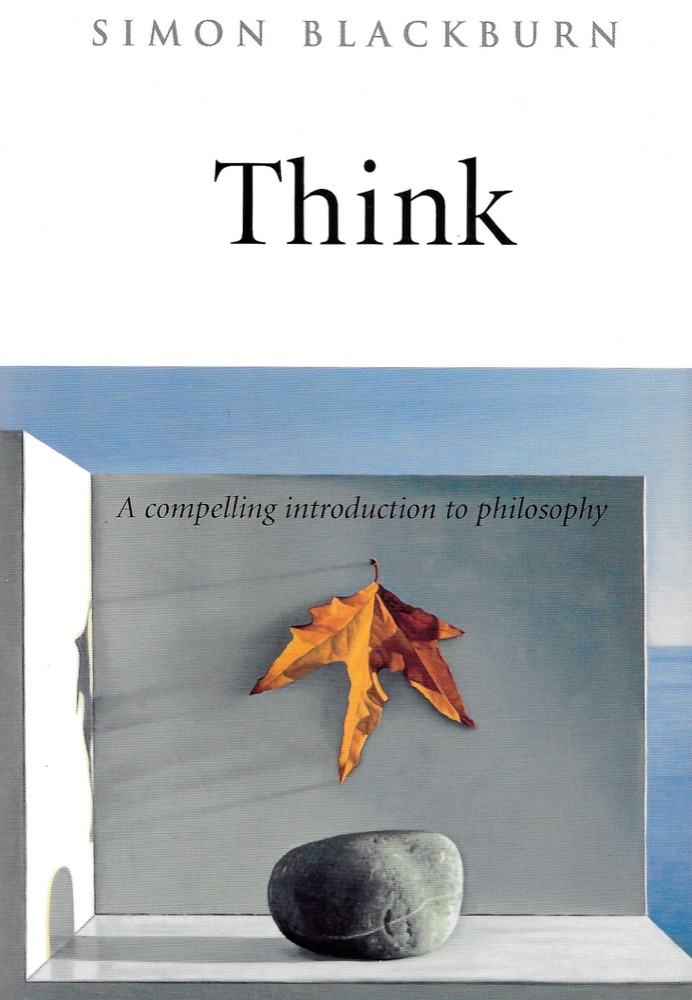 Think: A Compelling Introduction to Philosophy
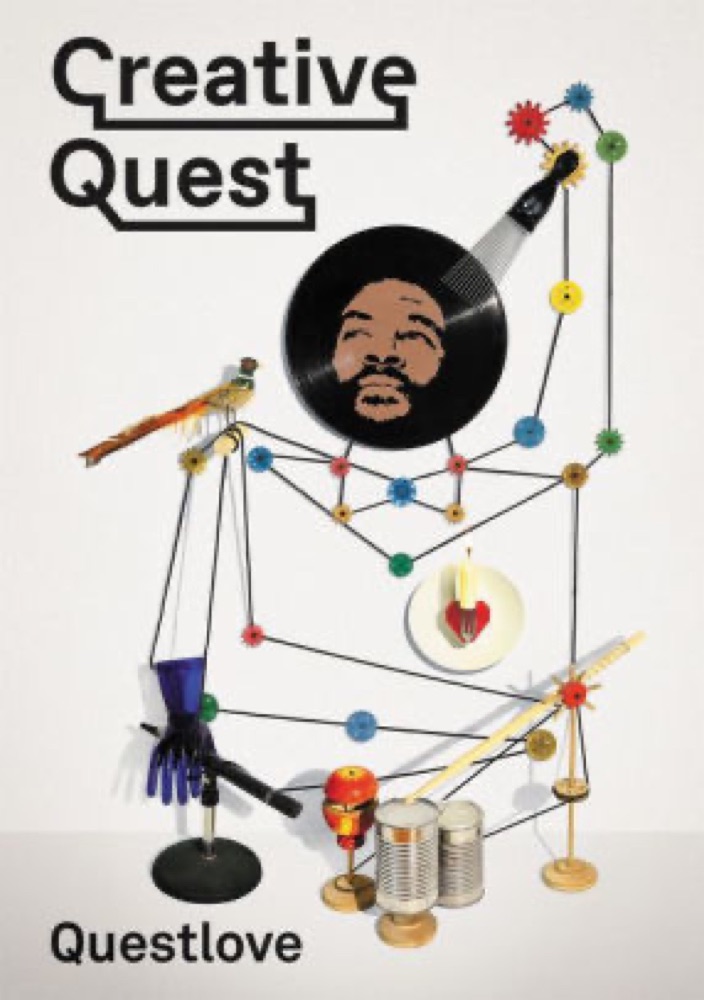 Creative Quest
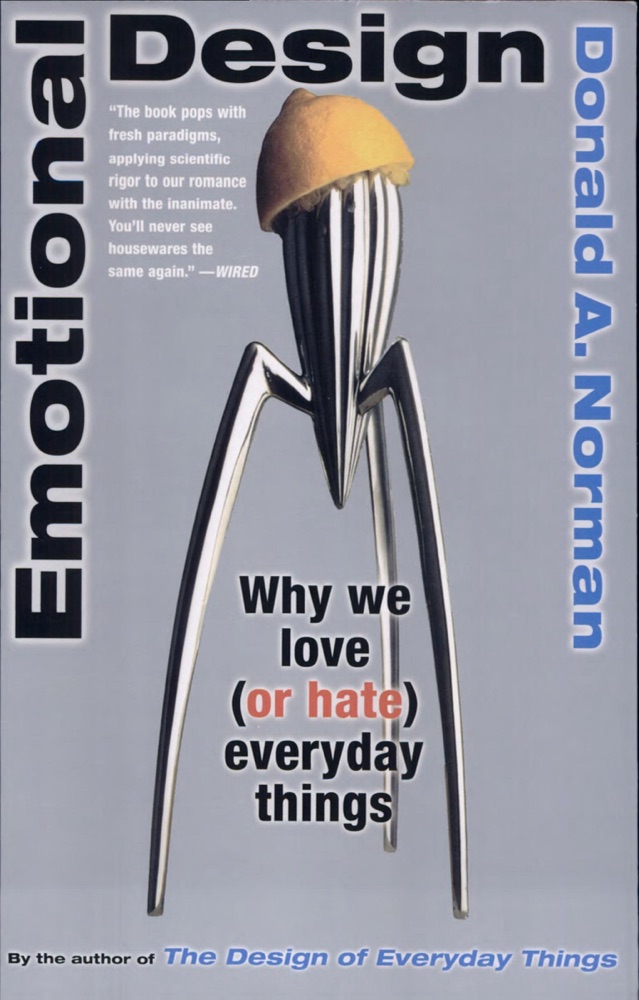 Emotional Design: Why We Love (or Hate) Everyday Things
 Psych: The Story of the Human Mind
 Hyperfocus: How to Be More Productive in a World of Distraction
 Make It Stick: The Science of Successful Learning
 A Whole New Mind: Why Right-Brainers Will Rule the Future
 Think Like a Rocket Scientist: Simple Strategies You Can Use to Make Giant Leaps in Work and Life
 The Creative Habit: Learn It and Use It for Life
 Several Short Sentences About Writing
 The Organized Mind: Thinking Straight in the Age of Information Overload
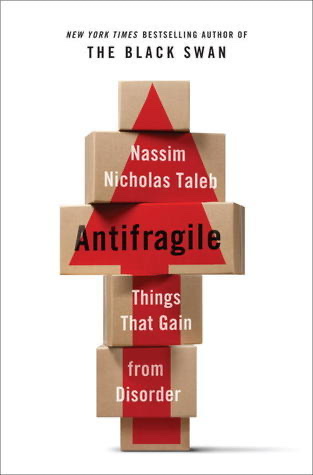 Antifragile: Things That Gain from Disorder
 Becoming a Writer
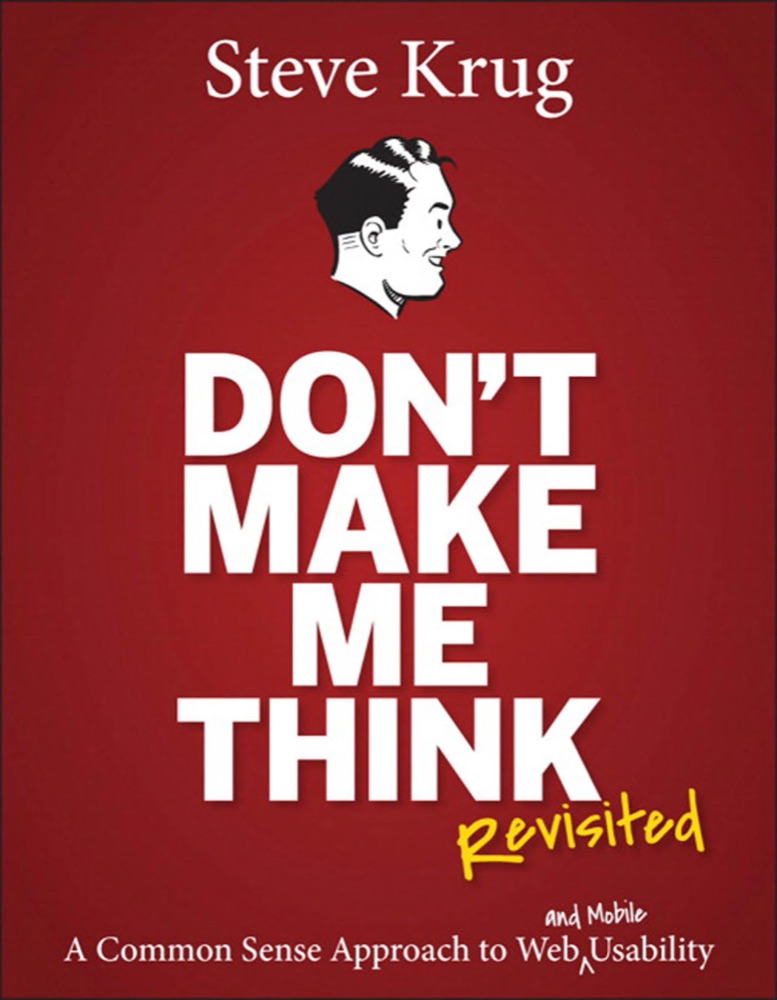 Don't Make Me Think, Revisited: A Common Sense Approach to Web Usability
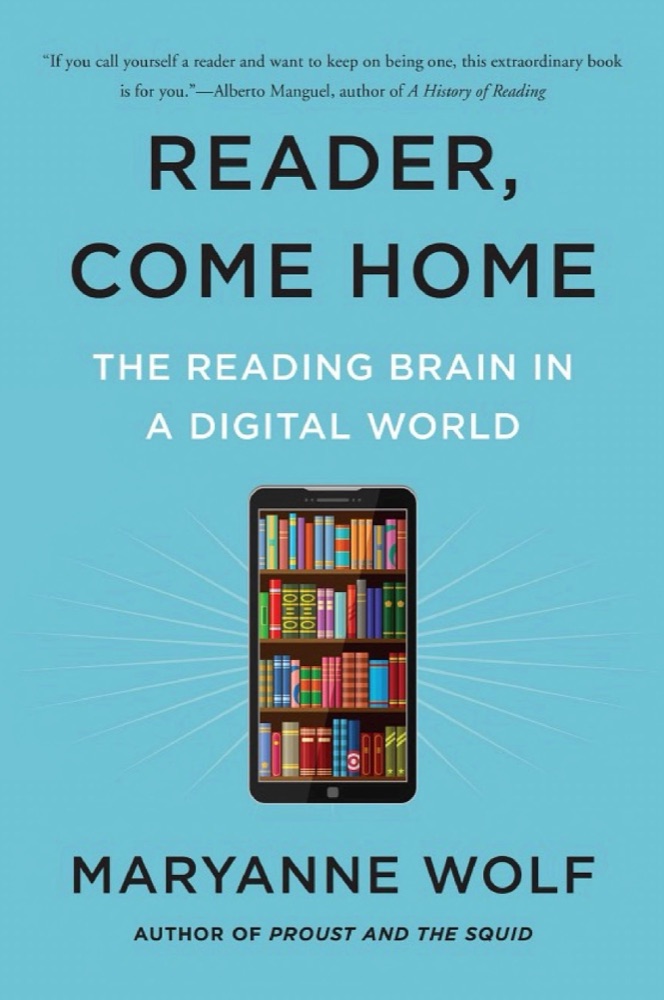 Reader, Come Home: The Reading Brain in a Digital World
 Every Tool's a Hammer: Life Is What You Make It
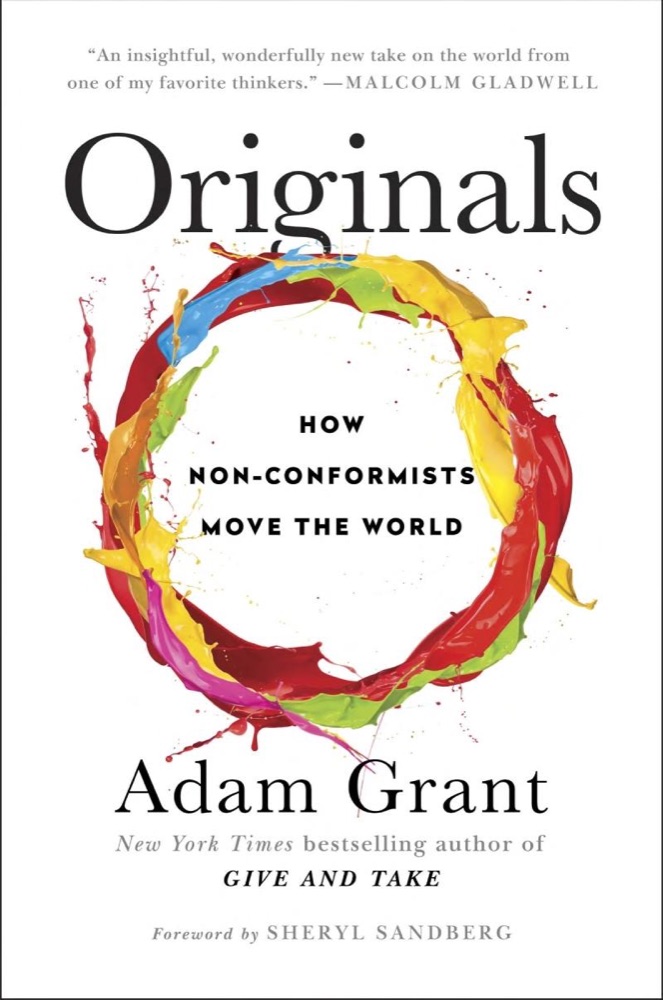 Originals: How Non-Conformists Move the World
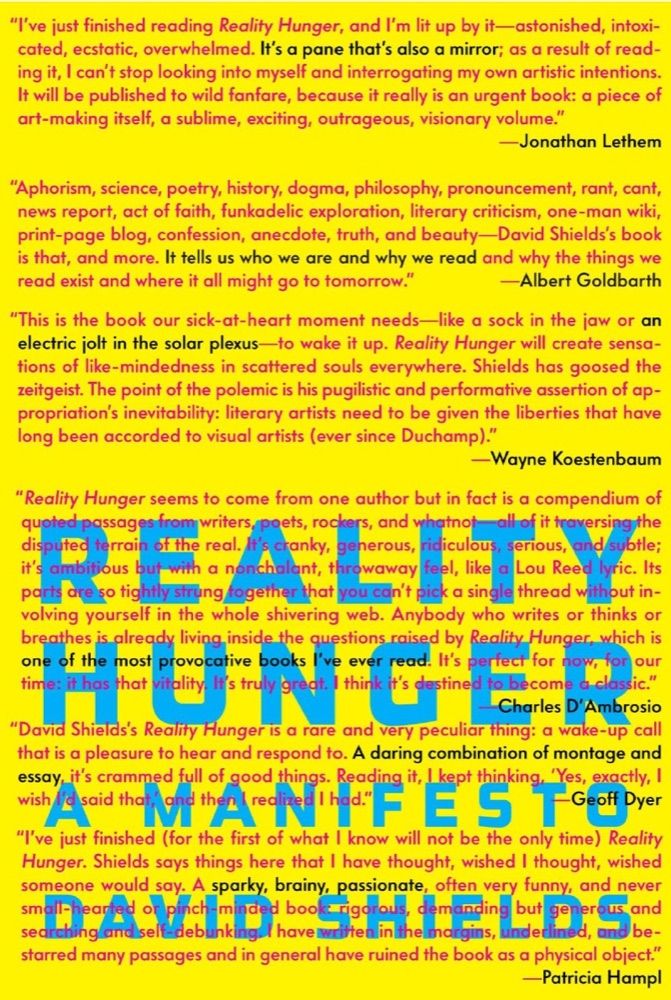 Reality Hunger: A Manifesto
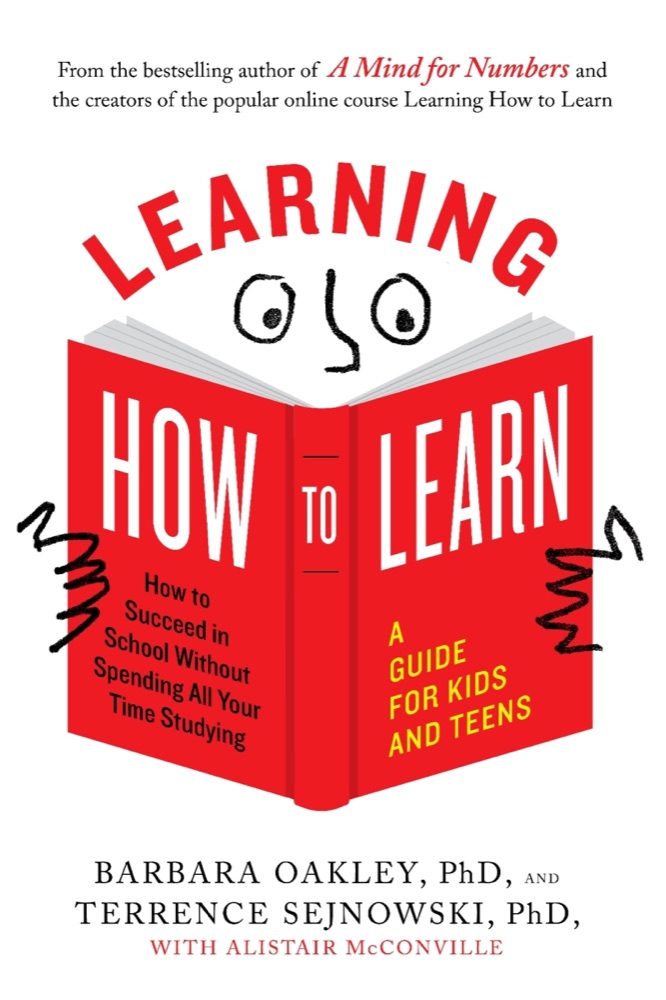 Learning How to Learn: How to Succeed in School Without Spending All Your Time Studying; A Guide for Kids and Teens
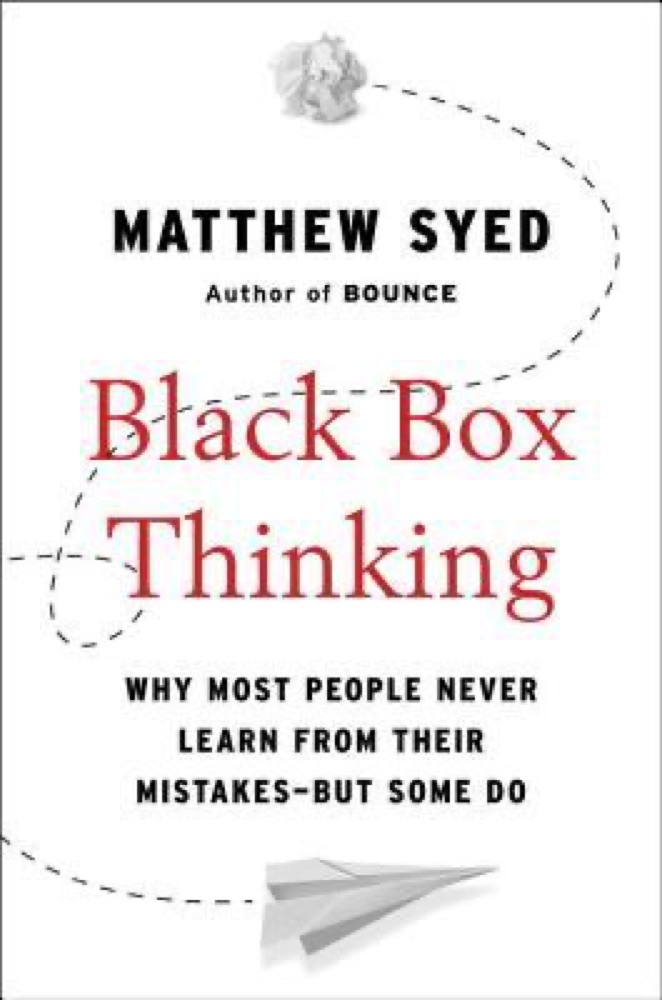 Black Box Thinking: Why Some People Never Learn from Their Mistakes - But Some Do
 How to Stay Sane
 From Bacteria to Bach and Back: The Evolution of Minds
 Thinking In Systems: A Primer
 The Tipping Point: How Little Things Can Make a Big Difference
 How to Read a Book: The Classic Guide to Intelligent Reading
 Thinking, Fast and Slow
 What the Dog Saw and Other Adventures
 Curious: The Desire to Know and Why Your Future Depends On It
 Drive: The Surprising Truth About What Motivates Us
 The Undoing Project: A Friendship That Changed Our Minds
 Hackers & Painters: Big Ideas from the Computer Age
 Math with Bad Drawings
 How the Mind Works
 The 7 Habits of Highly Effective People: Personal Workbook
 Mastery
 Algorithms to Live By: The Computer Science of Human Decisions
 Blink: The Power of Thinking Without Thinking
 Dæmon Voices
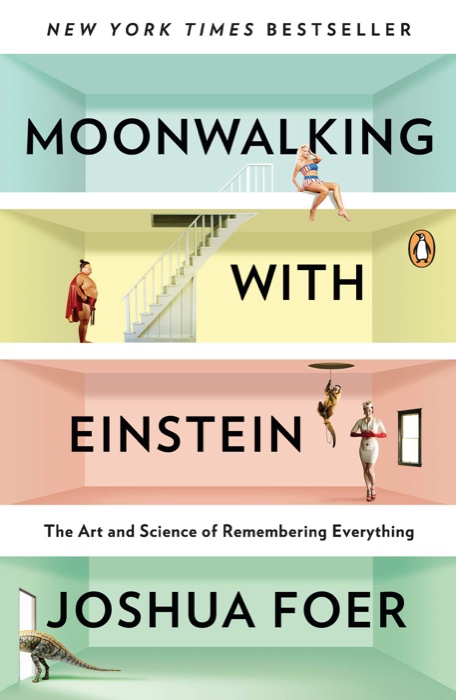 Moonwalking with Einstein: The Art and Science of Remembering Everything