 Imagine: How Creativity Works
Quotes from the Book
An idea is nothing more or less than a new combination of old elements (Quoted from Vilfredo Pareto)
12
In learning any art the important things to learn are, first, Principles, and second, Method. This is true of the art of producing ideas.
6
Thus, words being symbols of ideas, we can collect ideas by collecting words. The fellow who said he tried reading the dictionary but couldn't get the hang of the story simply missed the point: namely, that it is a collection of short stories.
5
We tend to forget that words are, themselves, ideas. They might be called ideas in a state of suspended animation. When the words are mastered the ideas tend to come alive again.
4
Can words, studied as emotional symbols, yield better advertising education than words studied as parts of rhetoric? What is the one word-symbol which will best arouse the emotion with which I wish this particular advertisement to be charged?
1
things to learn are, first, Principles; and second, Method.
1
In advertising an idea, results from a new combination of specific knowledge about. products and people, will general knowledge about life and events.
1
An idea, I thought, has some of that mysterious quality which romance lends to tales of the sudden appearance of islands in the South Seas.
1
The cycle of the years does something to fill your reservoir, unless you refuse to live emotionally.
But the principle of constantly expanding your experience, both personally and vicariously, does matter tremendously in any idea-producing job. Make no mistake about it.
I am convinced, however that you gather vicarious experience best, not when you are honing up on it for an immediate purpose, but when you are pursuing it as an end in itself.
First, the gathering of raw materials—both the materials of your immediate problem and the materials which from a constant enrichment of your store of general knowledge. Second, the working over of these materials in your mind. Third, the incubating stage, where you let something beside the conscious mind do the work of synthesis. Fourth, the actual birth of the Idea—the "Eureka! I have it" stage. And fifth, the final shaping and development of this idea to practical usefulness.
I can puzzle over a thing until I am in a state of utter confusion, giving it up, and then suddenly have the answer leap into my mind without an apparent reason.
two general principles in mind—the principle that an idea is a new combination, and the principle that the ability to make new combinations is heightened by an ability to see relationships
when relationships of this kind are seen they lead to the extraction of a general principle This general principle when grasped, suggests the key to a new application, a new combination, and the result is an idea.
Watch on YouTube
About James Webb Young
We have collected 15 quotes from 1 book by James Webb Young on BookQuoters.
More about the author →About the book
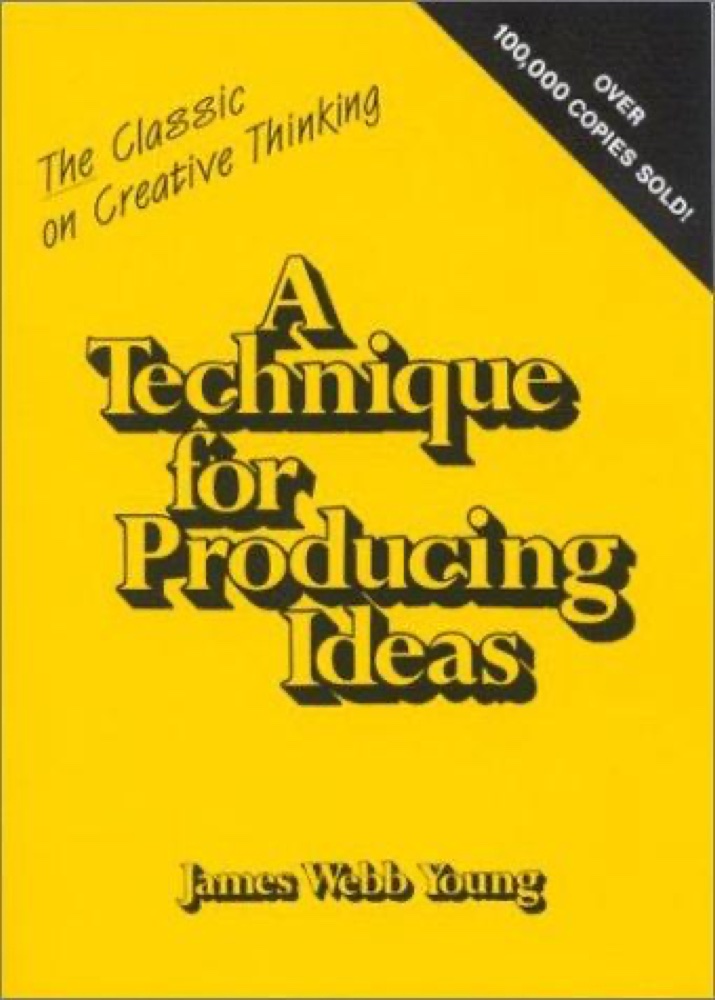
A step-by-step technique for sparking breakthrough creativity in advertising--or any field
Since its publication in 1965, A Technique for Producing Ideas has helped thousands of advertising copywriters smash through internal barriers to unleash their creativity. Professionals from poets and painters to scientists and engineers have also used the techniques in this concise, powerful book to generate exciting ideas on demand, at any time, on any subject. Now let James Webb Young's unique insights help you look inside yourself to find that big, elusive idea--and once and for all lift the veil of mystery from the creative process.
"James Webb Young is in the tradition of some of our greatest thinkers when he describes the workings of the creative process. The results of many years in advertising have proved to him that the key element in communications success is the production of rele
Book details
- First published
- 1940
- Author
- James Webb Young
- Genre
- Nonfiction
- Goodreads rating
- 4.05 (5k ratings)
Keep reading
Imagine: How Creativity Works
 Made to Stick: Why Some Ideas Survive and Others Die
 How to Take Smart Notes
 Making Ideas Happen: Overcoming the Obstacles Between Vision and Reality
 Creativity: Flow and the Psychology of Discovery and Invention
 The Art of Creative Thinking
 The Creative Habit: Learn It and Use It for Life
 Where Good Ideas Come From: The Natural History of Innovation
 Creative Quest
 Hit Makers: The Science of Popularity in an Age of Distraction
 A Whole New Mind: Why Right-Brainers Will Rule the Future
 TED Talks: The Official TED Guide to Public Speaking
 Every Tool's a Hammer: Life Is What You Make It
 The Element: How Finding Your Passion Changes Everything
 Originals: How Non-Conformists Move the World
 My Inventions
 Novelist as a Vocation
 Ignore Everybody: and 39 Other Keys to Creativity
 A Whack on the Side of the Head: How You Can Be More Creative
 How to Fly a Horse: The Secret History of Creation, Invention, and Discovery
 Becoming a Writer
 Mastery
 Things a Little Bird Told Me: Confessions of the Creative Mind
 The Writer's Journey: Mythic Structure for Writers
 What the Dog Saw and Other Adventures
 The Intellectual Life: Its Spirit, Conditions, Methods
 The Art of Thinking Clearly
 The Social Animal: The Hidden Sources of Love, Character, and Achievement
 The Master Key System
 Talk Like TED: The 9 Public-Speaking Secrets of the World's Top Minds
 Math with Bad Drawings
 The Medium is the Massage
 A Mind for Numbers: How to Excel at Math and Science
 The Artist's Way
 Reality Hunger: A Manifesto
 The Geography of Genius: A Search for the World's Most Creative Places from Ancient Athens to Silicon Valley
 Illuminations: Essays and Reflections
 Introductory Lectures on Psychoanalysis
 Psych: The Story of the Human Mind
 Think: A Compelling Introduction to Philosophy
 Consider This: Moments in My Writing Life After Which Everything Was Different
 The Courage to Create
 The Art of Fiction: Notes on Craft for Young Writers
 The Undoing Project: A Friendship That Changed Our Minds
 The Science of Getting Rich
 Please Understand Me II: Temperament, Character, Intelligence
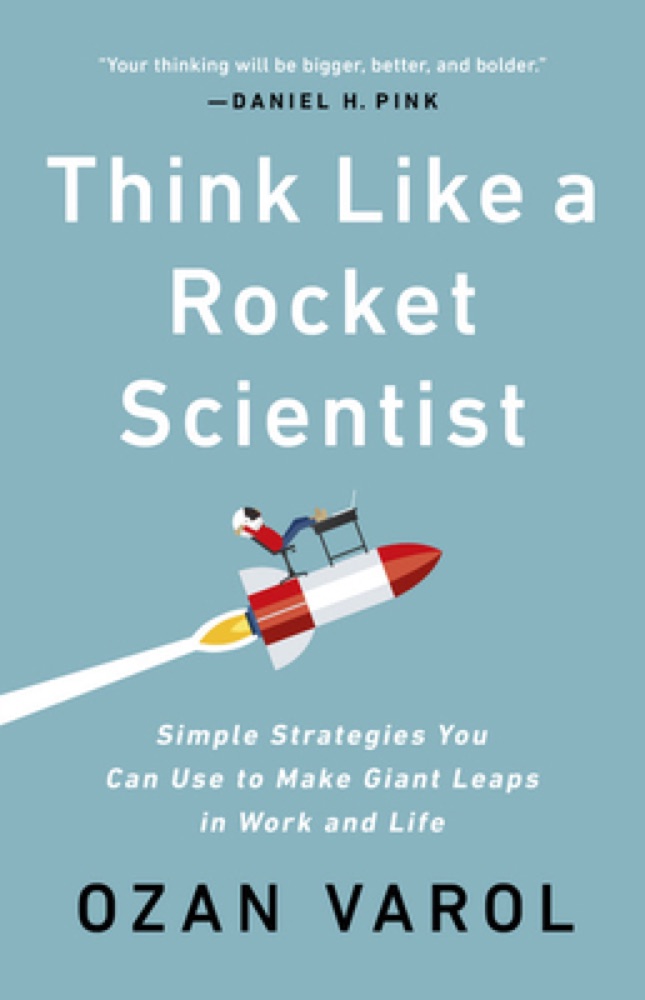 Think Like a Rocket Scientist: Simple Strategies You Can Use to Make Giant Leaps in Work and Life
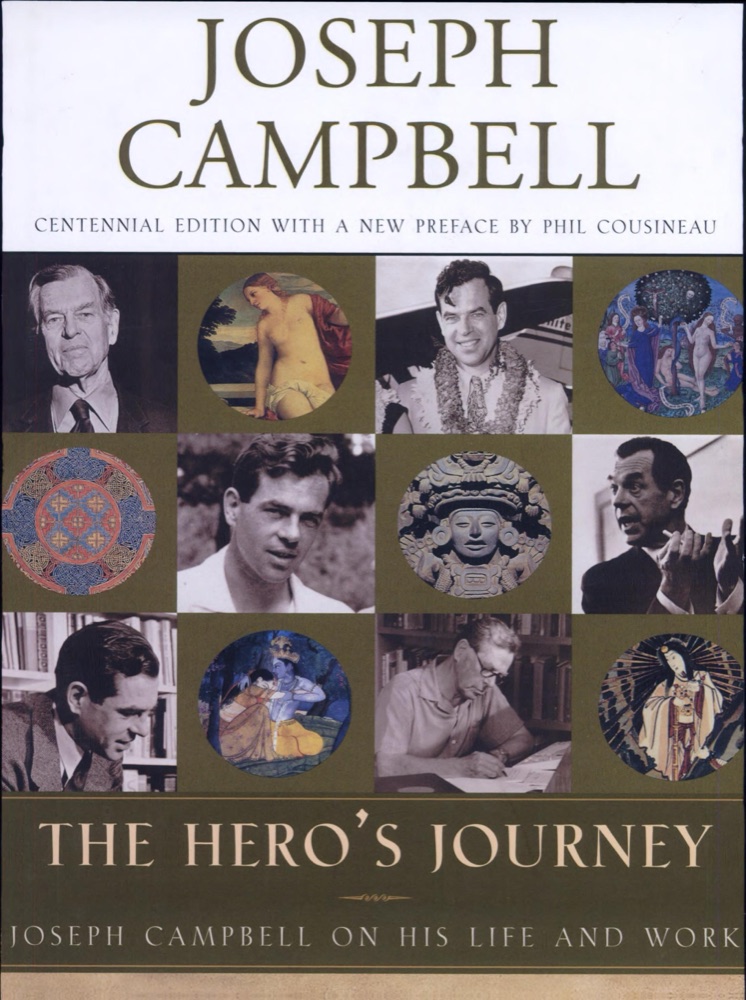 The Hero's Journey: Joseph Campbell on His Life & Work
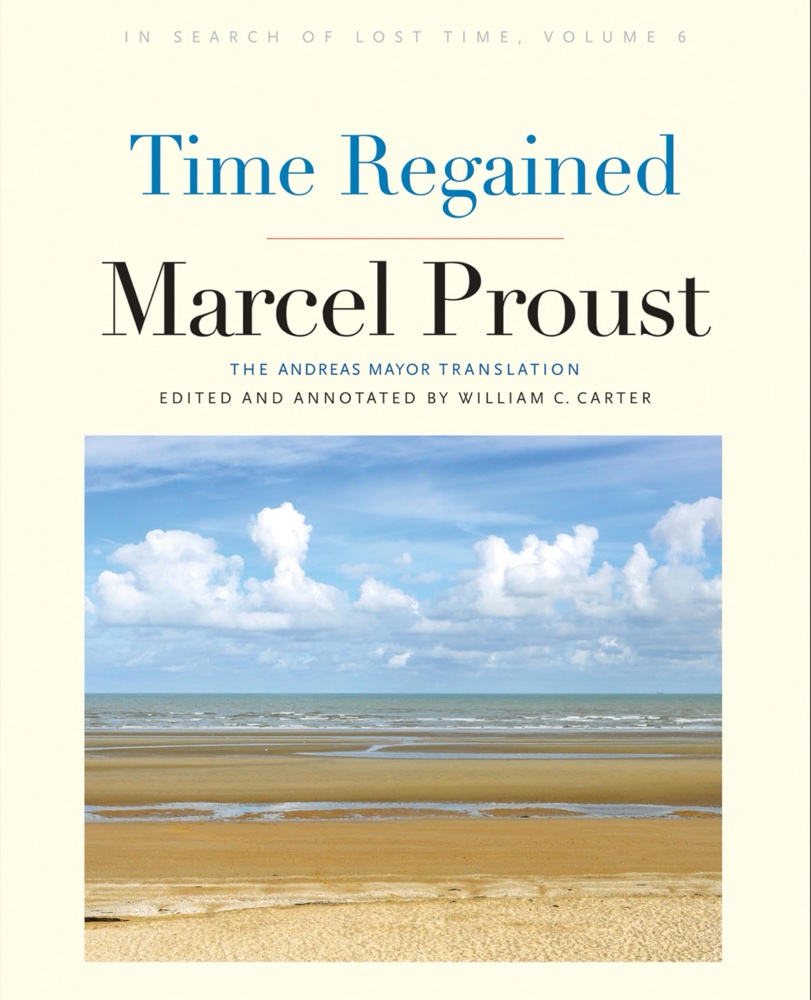 Time Regained
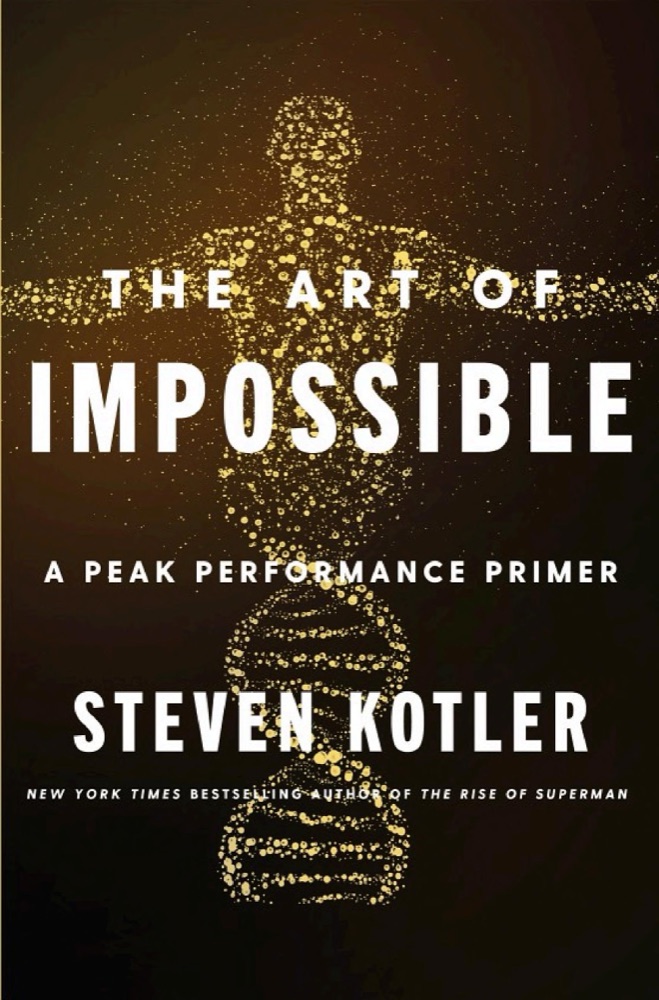 The Art of Impossible: A Peak Performance Primer
 Linchpin: Are You Indispensable?
 The Tipping Point: How Little Things Can Make a Big Difference
 Finding Your Element: How to Discover Your Talents and Passions and Transform Your Life
 Show Your Work!: 10 Ways to Share Your Creativity and Get Discovered
 Getting Things Done: The Art of Stress-Free Productivity
 Mastermind: How to Think Like Sherlock Holmes
 Big Magic: Creative Living Beyond Fear
 The Accidental Creative: How to Be Brilliant at a Moment's Notice
 Smartcuts: How Hackers, Innovators, and Icons Accelerate Success