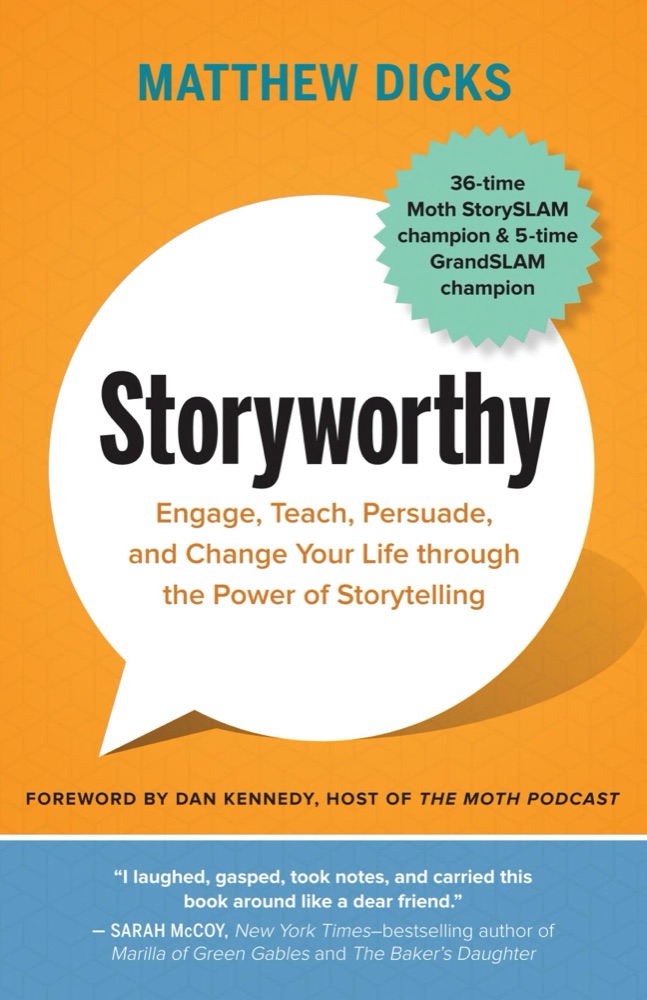

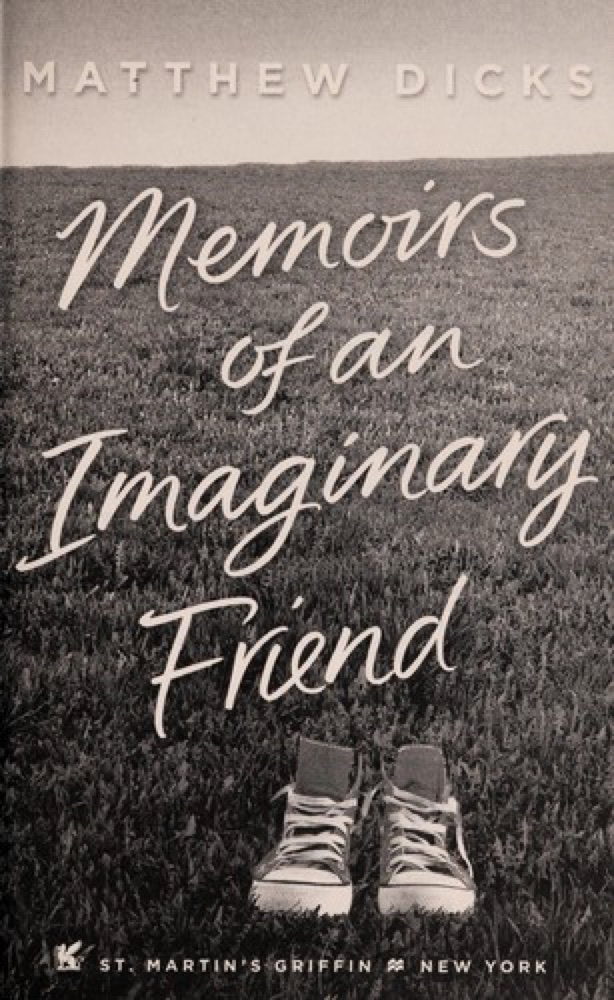
 Memoirs of an Imaginary Friend
Quotes from the Book
Your story must reflect change over time. A story cannot simply be a series of remarkable events. You must start out as one version of yourself and end as something new.
10
Seek out the moments when you felt your heart move. When something changed forever, even if that moment seems minuscule compared to the rest of the story. That will be your five-second moment. Until you have it, you don’t have a story. When you find it, you’re ready to begin crafting your story.
6
If you are conducting a one-hour meeting at your company, you have effectively stolen one hour from every person in the room. If there are twenty people in the room, your presentation is now the equivalent of a twenty-hour investment. It is therefore your responsibility to ensure that you do not waste the hour by reading from PowerPoint slides, providing information that could have been delivered via email, lecturing, pontificating, pandering, or otherwise boring your audience. You must entertain, engage, and inform. Every single time.
4
Tell me the facts and I’ll learn. Tell me the truth and I’ll believe. But tell me a story and it will live in my heart forever. — Ancient proverb
3
Telling stories about your life lets people know they’re not alone; and it lets some of the people closest to you — like family and loved ones — see your life apart from the context of family and without the kind of revisionist hindsight we can sometimes fall into concerning the ones we love most.
3
Regardless of whether your change is infinitesimal or profound, positive or negative, your story must reflect change. You must begin and end your story in entirely different states of being. Change is key.
2
Let me say it again: Every great story ever told is essentially about a five-second moment in the life of a human being, and the purpose of the story is to bring that moment to the greatest clarity possible.
2
It’s called First Last Best Worst. All you need to play is pen and paper. As you can see from the worksheet that follows, the top row of the page (the x-axis) is labeled with the words “First,” “Last,” “Best,” and “Worst,” along with a column labeled “Prompts.” Along the left side of the page (the y-axis), the prompts are listed. The prompts are the possible triggers for memories. What was your first kiss? What was your last kiss? What was your best kiss? What was your worst kiss? For each of these prompts, you fill in the word or words that indicate the answers to those questions. That’s it.
2
Contrast is king in storytelling,
2
Then it occurs to me: I’m the only person in the world who picks up my daughter like this anymore. She’s become too big for my wife or her grandparents to lift. I’m the last person who will ever hold her like this. I’m the last person who will hold her like a little girl.
1
Miss one day, and you’ll allow yourself to miss two. Miss two days, and you’ll skip a week. Skip a week and you’re no longer doing your Homework for Life.
1
The artificial demands of outlines, graphic organizers, and planning often subvert the creative process and force would-be writers to think about what they are writing before a word even hits the page rather than allowing them to spill their guts and evaluate the material later. This is because writing teachers often are not writers themselves and therefore never engage in the writing process in an authentic, honest way. Rather than teaching the writing process followed by actual writers, they speculate about strategies that might help a writer or follow the advice written in writing tomes by people who only write writing tomes, often doing more damage than good.
1
This is the magic of the present tense. It creates a sense of immediacy.
1
Nevertheless, there are times when you might want to tell a success story, and when you do, there are two strategies that I suggest you employ. 1.Malign yourself. 2.Marginalize your accomplishment.
1
Simply put, the beginning of the story should be the opposite of the end. Find the opposite of your transformation, revelation, or realization, and this is where your story should start. This is what creates an arc in your story. This is how a story shows change over time. I was once this, but now I am this. I once thought this, but now I think this. I once felt this, but now I feel this.
1
So dig. Search. Hunt. Fight for the five-second moment. Allow yourself to recall the entire event. Don’t get hung up on the big moments, the unbelievable circumstances, or the hilarious details. Seek out the moments when you felt your heart move. When something changed forever, even if that moment seems minuscule compared to the rest of the story. That will be your five-second moment. Until you have it, you don’t have a story.
1
All great stories — regardless of length or depth or tone — tell the story of a five-second moment in a person’s life.
1
The most powerful person in the world is the storyteller. The storyteller sets the vision, values and agenda of an entire generation that is to come. — Steve Jobs
1
After completing my chart, I analyze it. Specifically, I ask myself three questions: 1.Do any entries appear more than once (the signal of a likely story)? 2.Could I turn any of these entries into useful anecdotes? 3.Could I turn any of these entries into fully realized stories? I
1
If you go to the StoryworthytheBook YouTube channel, you can see me engage in this process, speaking it aloud as I do in my workshops.
1
That’s it. Set a timer for ten minutes, follow these three rules, and go.
1
Rule #3: You cannot allow the pen to stop moving. I say pen because, although I do almost all my writing on a keyboard, I have found that engaging in Crash & Burn with a pen tends to trigger greater creativity (and there is some science to support this claim). But if you must use a keyboard, go for it.
1
Rule #2: You must not judge any thought or idea that appears in your mind.
1
So, regardless of how intriguing or compelling your current idea may be, you must release it immediately when a new idea comes crashing in, even if your new idea seems decidedly less compelling than the original one.
1
Rule #1: You must not get attached to any one idea.
1
Essentially Crash & Burn is stream-of-consciousness writing. I like to think of it as dreaming on the end of your pen, because when it’s working well, it will mimic the free-associative thought patterns that so many of us experience while dreaming.
1
We all have our own Mount Everests to summit.
1
I’ve always said that a good storytelling show feels like a cross between therapy, rehab and hanging out after dinner with friends
1
I’ve given you three tools to find stories. •Homework for Life •Crash & Burn •First Last Best Worst
1
The excuses became part of a playlist of lies that was perpetually cued up in my head and fell instantly from my lips.
1
Watch on YouTube
About Matthew Dicks
We have collected 56 quotes from 2 books by Matthew Dicks on BookQuoters.
More about the author →More by Matthew Dicks
Memoirs of an Imaginary Friend
About the book
A five-time Moth GrandSLAM winner and bestselling novelist shows how to tell a great story — and why doing so matters. Whether we realize it or not, we are always telling stories. On a first date or job interview, at a sales presentation or therapy appointment, with family or friends, we are constantly narrating events and interpreting emotions and actions. In this compelling book, storyteller extraordinaire Matthew Dicks presents wonderfully straightforward and engaging tips and techniques for constructing, telling, and polishing stories that will hold the attention of your audience (no matter how big or small). He shows that anyone can learn to be an appealing storyteller, that everyone has something “storyworthy” to express, and, perhaps most important, that the act of creating and telling a tale is a powerful way of understanding and enhancing your own life.
Book details
- First published
- 2018
- Author
- Matthew Dicks
- Genre
- Nonfiction
- Goodreads rating
- 4.26 (9k ratings)
Keep reading
 Consider This: Moments in My Writing Life After Which Everything Was Different
 Wired for Story: The Writer's Guide to Using Brain Science to Hook Readers from the Very First Sentence
 Story Genius: How to Use Brain Science to Go Beyond Outlining and Write a Riveting Novel
 How to Write an Autobiographical Novel
 Story: Substance, Structure, Style, and the Principles of Screenwriting
 Wonderbook: The Illustrated Guide to Creating Imaginative Fiction
 Bird by Bird
 The Getaway Car: A Practical Memoir About Writing and Life
 Story Engineering: Character Development, Story Concept, Scene Construction
 A Million Miles in a Thousand Years: What I Learned While Editing My Life
 Stories: All-New Tales
 On Writing: A Memoir of the Craft
 The View from the Cheap Seats: Selected Nonfiction
 Talk Like TED: The 9 Public-Speaking Secrets of the World's Top Minds
 Start Something That Matters
 Ignore Everybody: and 39 Other Keys to Creativity
 Dæmon Voices
 TED Talks: The Official TED Guide to Public Speaking
 The Anatomy of Story: 22 Steps to Becoming a Master Storyteller
 Made to Stick: Why Some Ideas Survive and Others Die
 The Book of Dreams
 Off the Page
 Art Matters: Because Your Imagination Can Change the World
 The Power of Writing It Down: A Simple Habit to Unlock Your Brain and Reimagine Your Life
 Show Your Work!: 10 Ways to Share Your Creativity and Get Discovered
 Zen in the Art of Writing
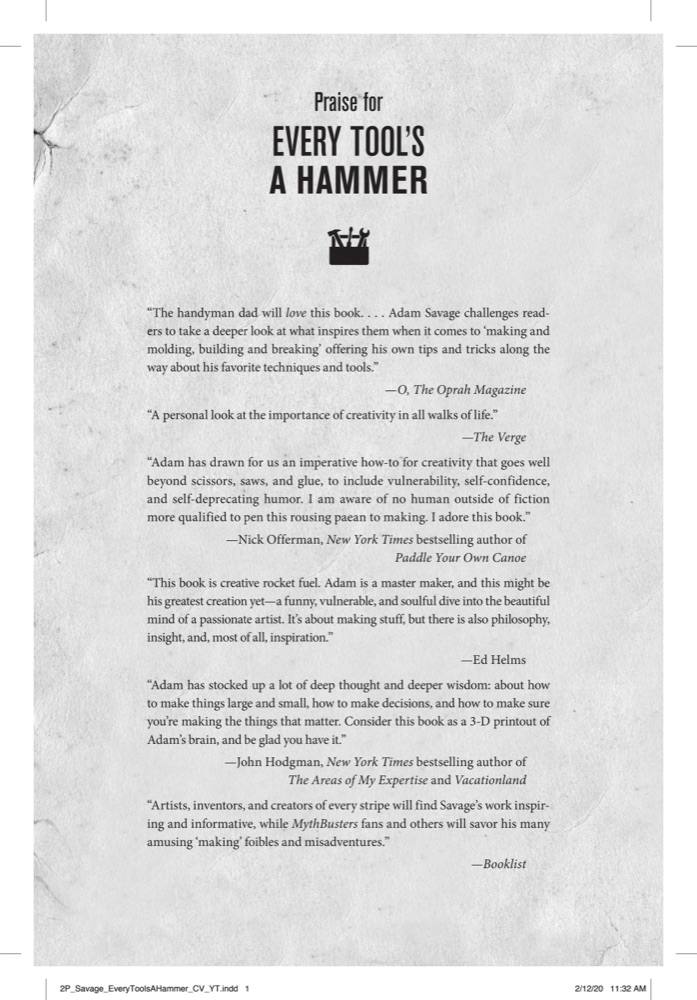 Every Tool's a Hammer: Life Is What You Make It
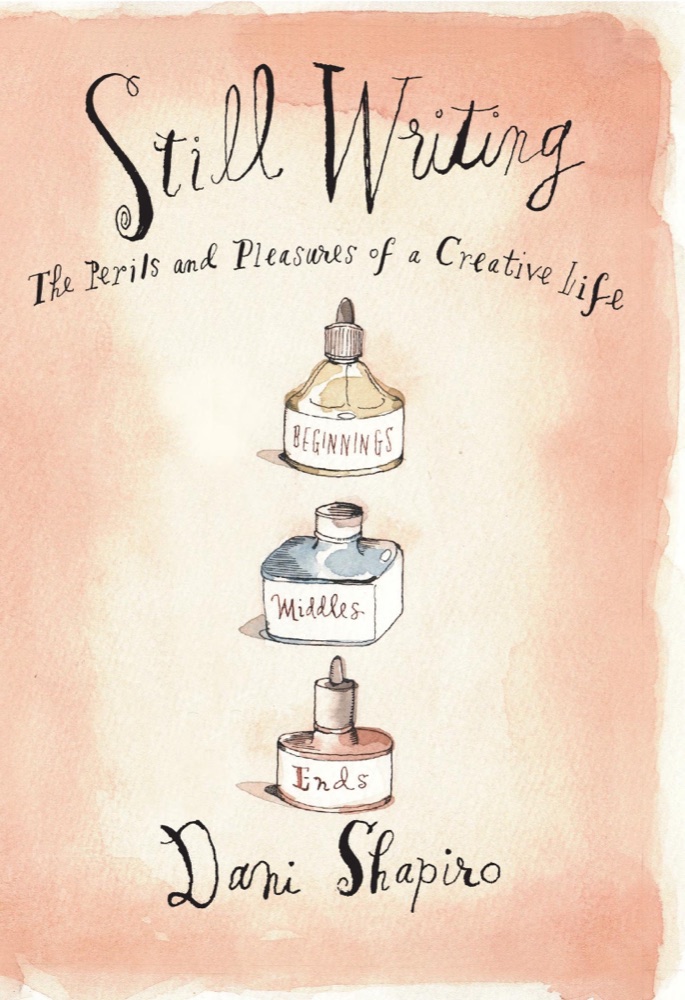 Still Writing: The Perils and Pleasures of a Creative Life
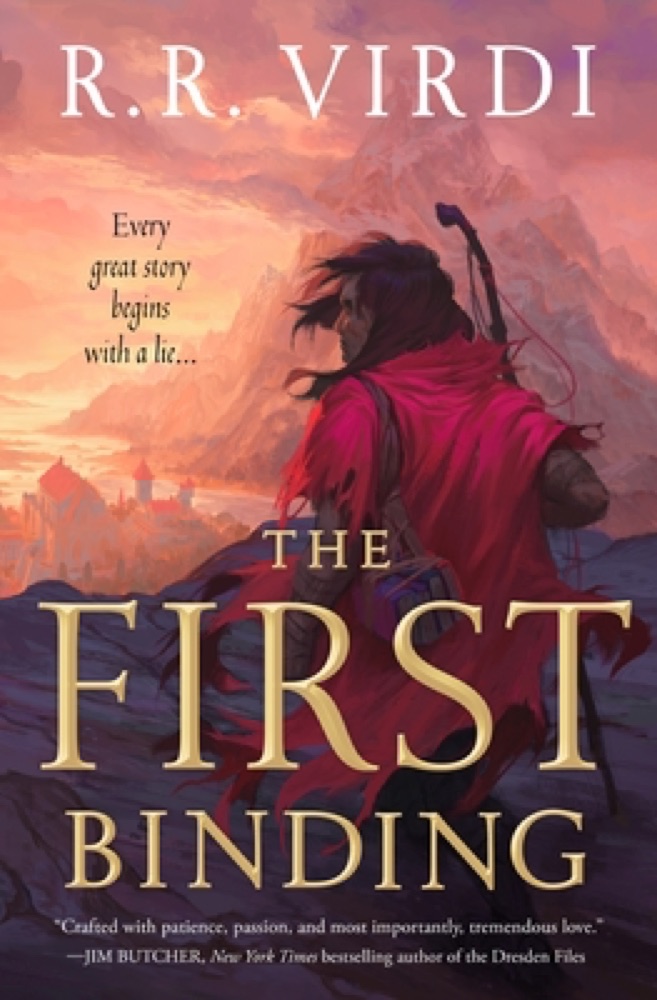 The First Binding
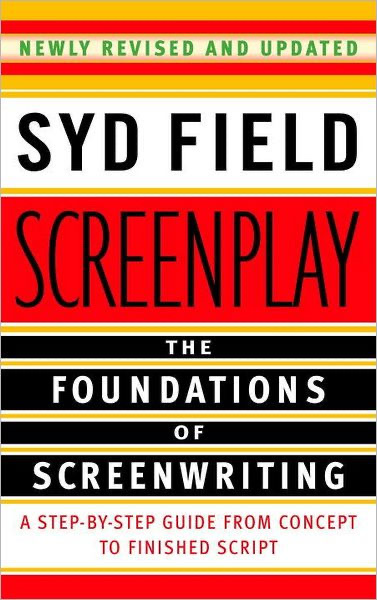 Screenplay: The Foundations of Screenwriting
 The Book of Form and Emptiness
 Reality Hunger: A Manifesto
 The Triggering Town: Lectures and Essays on Poetry and Writing
 Lighthousekeeping
 Becoming a Writer
 Writing Down the Bones: Freeing the Writer Within
 Here for It; Or, How to Save Your Soul in America: Essays
 The Rent Collector
 The Science of Storytelling
 Poison for Breakfast
 Life Is in the Transitions: Mastering Change at Any Age
 Tribe Of Mentors: Transformative Wisdom From Icons and Innovators to Help You Navigate Life's Challenges
 Will
Will
 Several Short Sentences About Writing
 I Can't Make This Up: Life Lessons
 The Thirteenth Tale
 Conviction
 The Unlikely Escape of Uriah Heep
 Before & Laughter: A Life Changing Book
 The Uncool
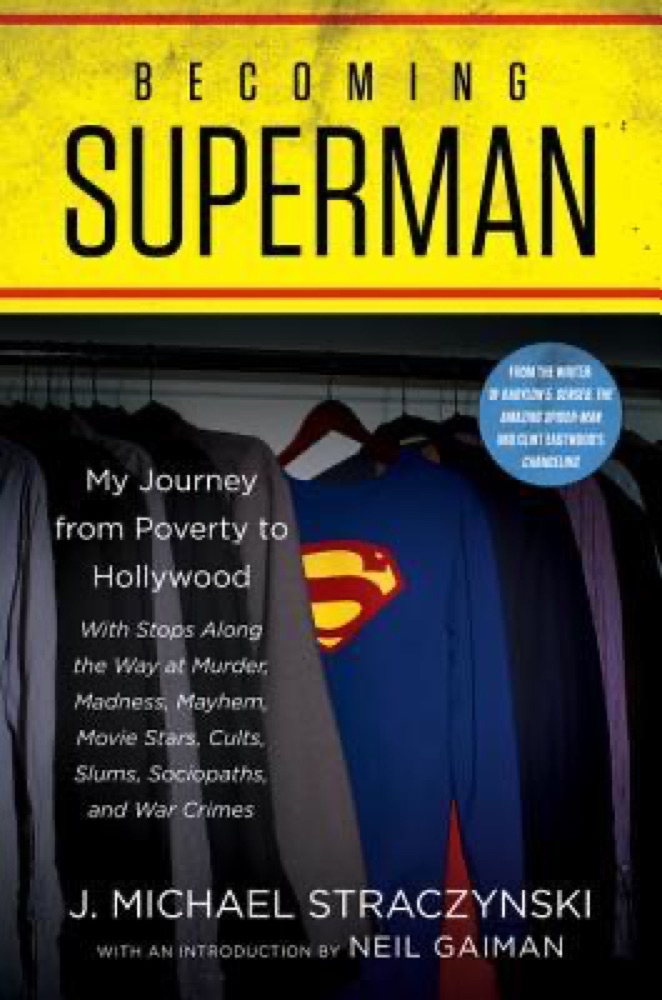 Becoming Superman: My Journey from Poverty to Hollywood with Stops Along the Way at Murder, Madness, Mayhem, Movie Stars, Cults, Slums, Sociopaths, and War Crimes
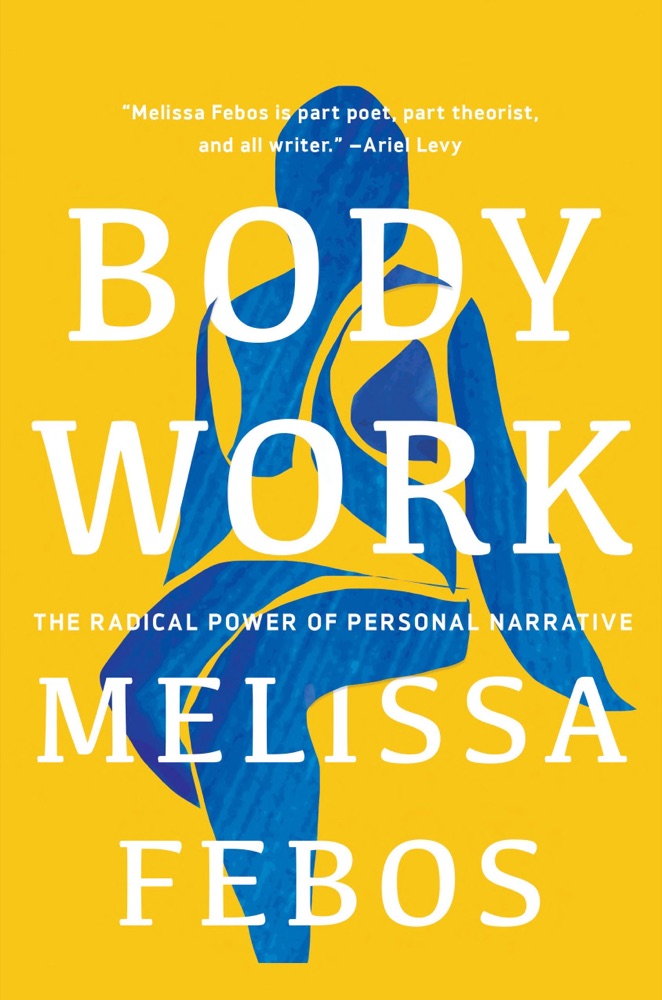 Body Work: The Radical Power of Personal Narrative
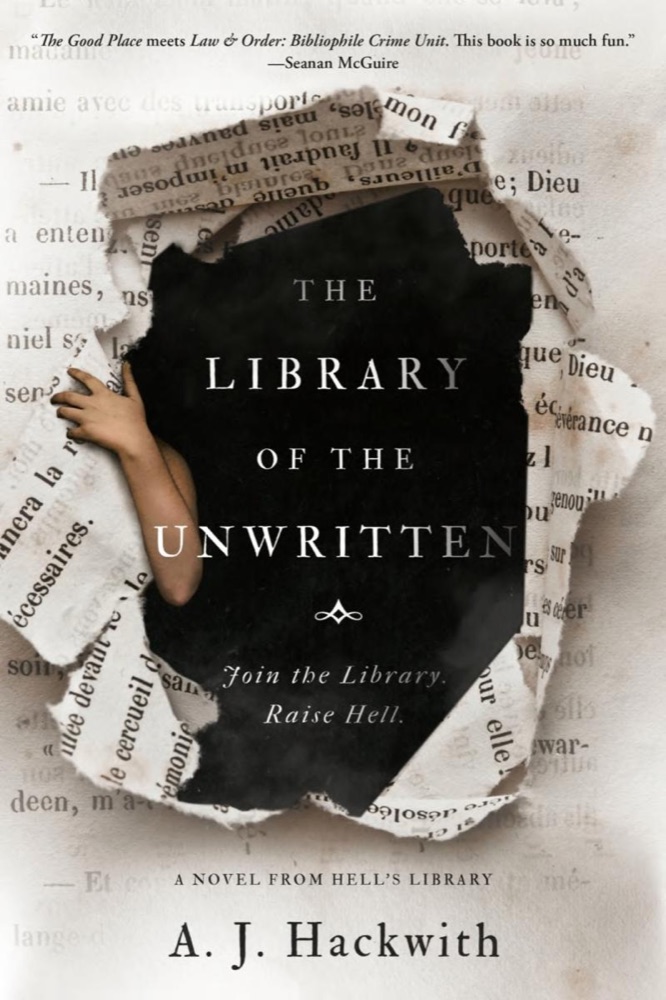 The Library of the Unwritten
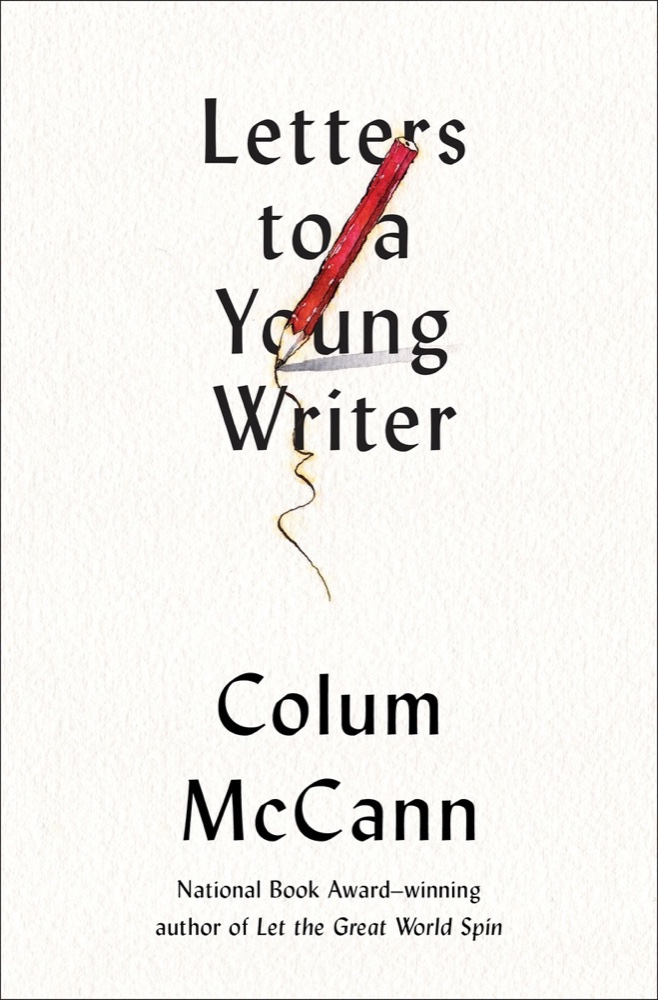 Letters to a Young Writer: Some Practical and Philosophical Advice
 The Stories We Tell: Every Piece of Your Story Matters
 Stories I Only Tell My Friends
 Embrace Your Weird: Face Your Fears and Unleash Creativity
 What Comes Next and How to Like It
 Creative Quest
 On Writing Well: The Classic Guide to Writing Nonfiction