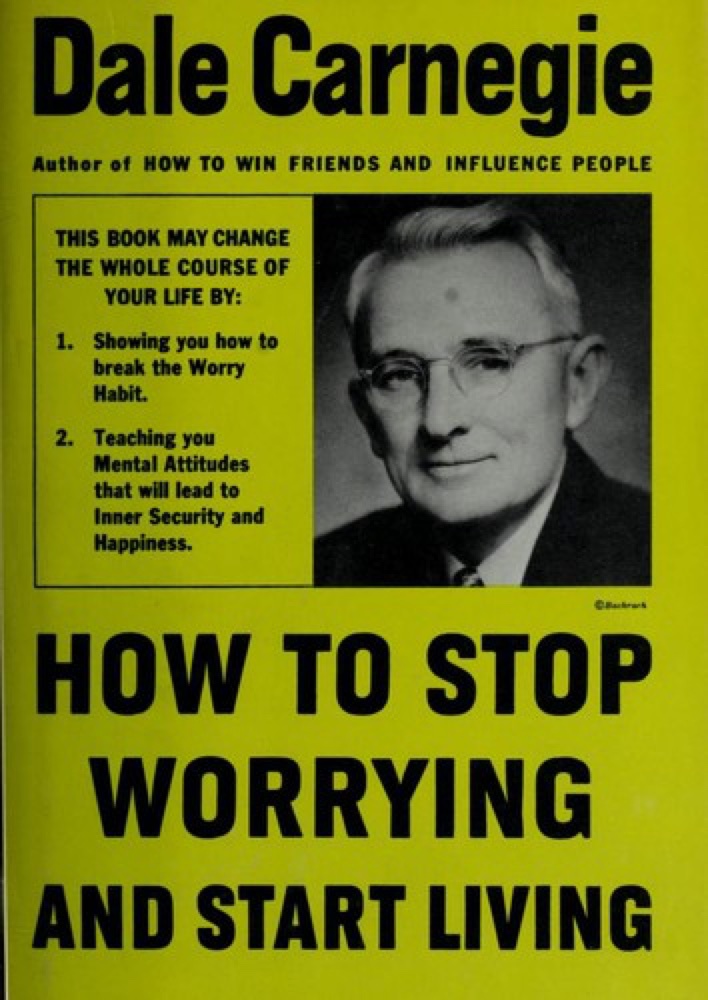
 How to Stop Worrying and Start Living
Quotes from the Book
Students of public speaking continually ask, "How can I overcome self-consciousness and the fear that paralyzes me before an audience?" Did you ever notice in looking from a train window that some horses feed near the track and never even pause to look up at the thundering cars, while just ahead at the next railroad crossing a farmer's wife will be nervously trying to quiet her scared horse as the train goes by? How would you cure a horse that is afraid of cars—graze him in a back-woods lot where he would never see steam-engines or automobiles, or drive or pasture him where he would frequently see the machines? Apply horse-sense to ridding yourself of self-consciousness and fear: face an audience as frequently as you can, and you will soon stop shying. You can never attain freedom from stage-fright by reading a treatise. A book may give you excellent suggestions on how best to conduct yourself in the water, but sooner or later you must get wet, perhaps even strangle and be "half scared to death." There are a great many "wetless" bathing suits worn at the seashore, but no one ever learns to swim in them. To plunge is the only way.
47
Live an active life among people who are doing worthwhile things, keep eyes and ears and mind and heart open to absorb truth, and then tell of the things you know, as if you know them. The world will listen, for the world loves nothing so much as real life.
27
The first sign of greatness is when a man does not attempt to look and act great. Before you can call yourself a man at all, Kipling assures us, you must "not look too good nor talk too wise.
20
Destiny is not a matter of chance. It is a matter of choice.
18
There is only one excuse for a speaker's asking the attention of his audience: he must have either truth or entertainment for them.
16
Blacksmiths sometimes twist a rope tight around the nose of a horse, and by thus inflicting a little pain they distract his attention from the shoeing process. One way to get air out of a glass is to pour in water. Be Absorbed by Your Subject
13
Apply the blacksmith's homely principle when you are speaking. If you feel deeply about your subject you will be able to think of little else. Concentration is a process of distraction from less important matters. It is too late to think about the cut of your coat when once you are upon the platform, so centre your interest on what you are about to say—fill your mind with your speech-material and, like the infilling water in the glass, it will drive out your unsubstantial fears.
12
They that soar too high, often fall hard, making a low and level Dwelling preferable. The tallest Trees are most in the Power of the Winds, and Ambitious Men of the Blasts of Fortune. Buildings have need of a good Foundation, that lie so much exposed to the Weather.
11
A blow that would kill a civilized man soon heals on a savage. The higher we go in the scale of life, the greater is the capacity for suffering.
10
It never hurts a fool to appear before an audience, for his capacity is not a capacity for feeling.
7
If you believe you will fail, there is no hope for you. You will. Rid yourself of this I-am-a-poor-worm-in-the-dust idea. You are a god, with infinite capabilities. "All things are ready if the mind be so." The eagle looks the cloudless sun in the face.
5
The world owes its progress to the men who have dared,
4
All things are ready if the mind be so.
4
Cut out modifiers. Cut out connectives. Begin with words that demand attention. “End with words that deserve distinction,” says Prof. Barrett Wendell.
3
Observe Nature, study her laws, and obey them in your speaking.
3
It is often dangerous to rush into battle without pausing for preparation or waiting for recruits.
3
Concentration is a process of distraction from less important matters.
3
Practise, practise, PRACTISE in speaking before an audience will tend to remove all fear of audiences, just as practise in swimming will lead to confidence and facility in the water. You must learn to speak by speaking.
3
His best companions, innocence and health, And his best riches, ignorance of wealth. —Goldsmith, The Deserted Village.
2
TRUE WORTH is in BEING—NOT SEEMING—in doing each day that goes by SOME LITTLE GOOD, not in DREAMING of GREAT THINGS to do by and by. For whatever men say in their BLINDNESS, and in spite of the FOLLIES of YOUTH, there is nothing so KINGLY as KINDNESS, and nothing so ROYAL as TRUTH.—Anonymous.
2
surmise, arouse no dispute: No one can learn how to speak who does not first speak as best he can. That may seem like a vicious circle in statement, but it will bear examination.
1
Sincerity is the very soul of eloquence.
1
It is not work that kills men; it is worry. Work is healthy; you can hardly put more upon a man than he can bear. Worry is rust upon the blade. It is not the revolution that destroys the machinery but the friction.—Henry Ward Beecher.
1
Get your principles right," said Napoleon, "and the rest is a matter of detail.
1
Speech is silvern, Silence is golden; Speech is human, Silence is divine.
1
The baseball pitcher, the bowler in cricket, the tennis server, all know the value of change of pace—change of tempo—in delivering their ball, and so must the public speaker observe its power.
1
The gun that scatters too much does not bag the birds.
1
Watch on YouTube
About Dale Carnegie
We have collected 89 quotes from 4 books by Dale Carnegie on BookQuoters.
More about the author →More by Dale Carnegie
How to Stop Worrying and Start Living
 How To Enjoy Your Life And Your Job
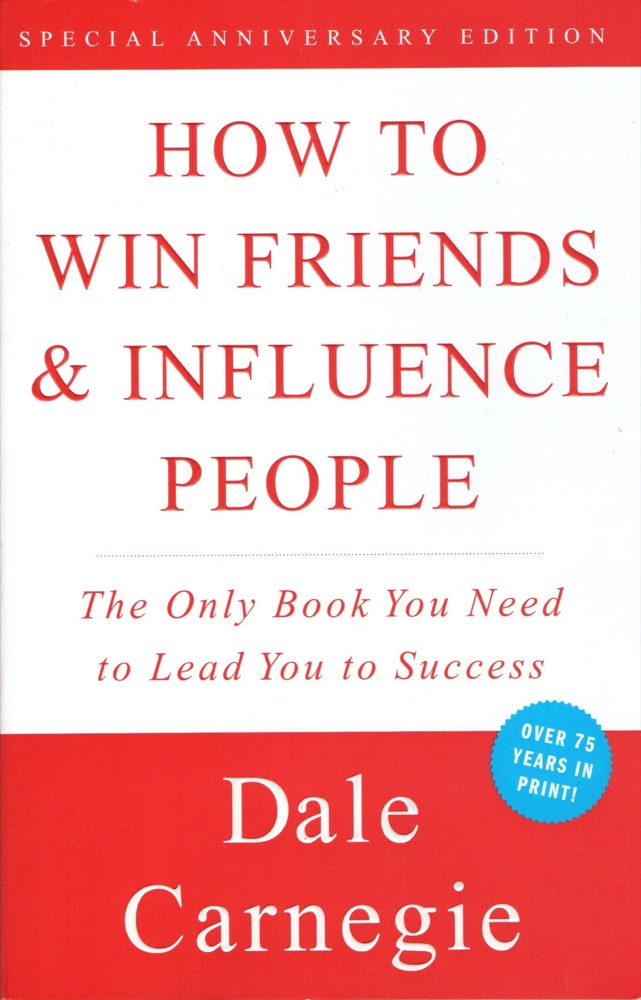 How to Win Friends & Influence People
About the book
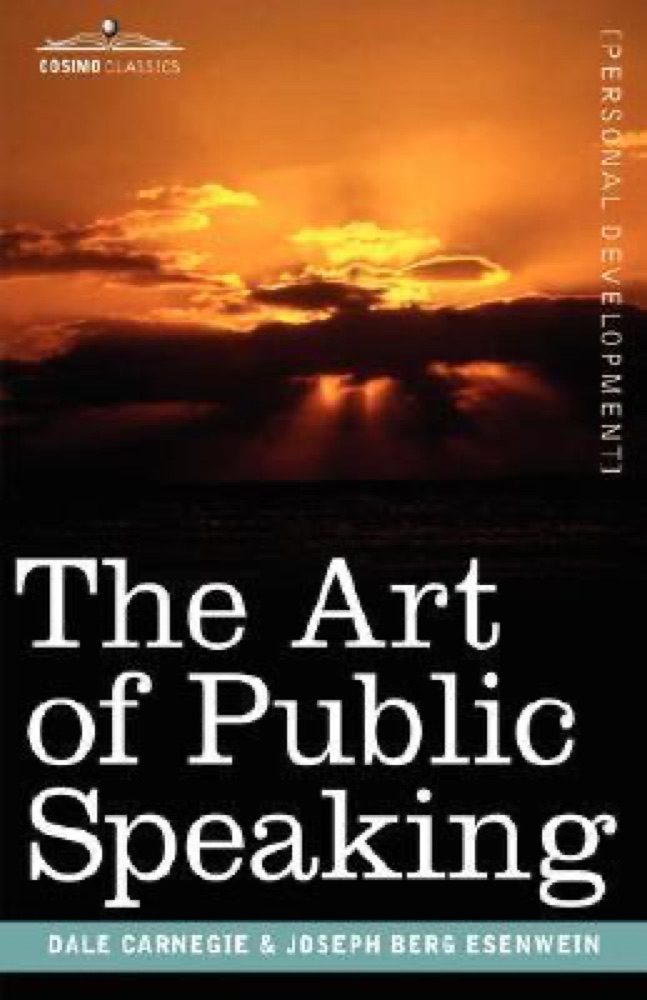
The best way to become a confident, effective public speaker, according to the authors of this landmark book, is simply to do it. Practice, practice, practice. And while you're at it, assume the positive. Have something to say. Forget the self. Cast out fear. Be absorbed by your subject. And most importantly, expect success. "If you believe you will fail," they write, "there is hope for you. You will." DALE CARNEGIE (1888-1955), a pioneer in public speaking and personality development, gained fame by teaching others how to become successful. His book How to Win Friends and Influence People (1936) has sold more than 10 million copies. He also founded the Dale Carnegie Institute for Effective Speaking and Human Relations, with branches all over the world. JOSEPH BERG ESENWEIN (1867-1946) also wrote The Art of Story-Writing, Writing the Photoplay (with Arthur Leeds), and Children's Stories
Book details
- First published
- 1915
- Author
- Dale Carnegie
- Genre
- Nonfiction
- Goodreads rating
- 3.90 (6k ratings)
Keep reading
 The Power of One
 The 48 Laws of Power
How to Win Friends & Influence People
The 48 Laws of Power
How to Win Friends & Influence People
 The Walking Drum
 Think and Grow Rich
 Wings of Fire: An Autobiography
 Hagakure: The Book of the Samurai
 Rules for a Knight
 Children of Dune
 The Art of Living: The Classical Manual on Virtue, Happiness and Effectiveness
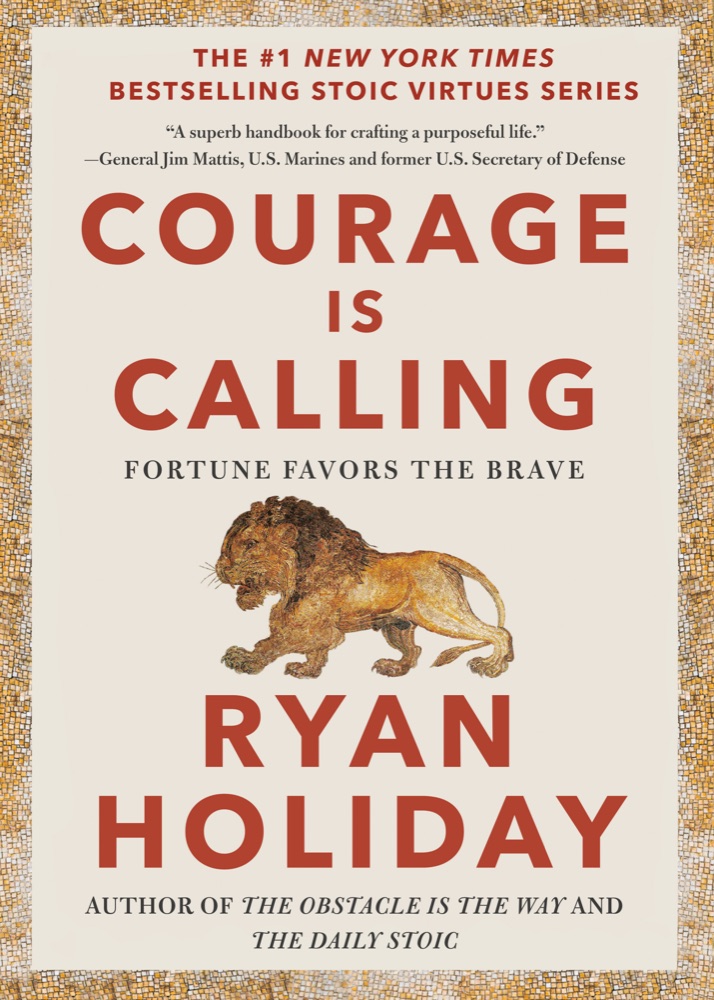 Courage Is Calling: Fortune Favors the Brave
 Self-Reliance: An Excerpt from Collected Essays, First Series
 How to Use Your Enemies
 The Analects
 The Rhetoric & The Poetics of Aristotle
 Stillness Is the Key
 Be Water, My Friend: The Teachings of Bruce Lee
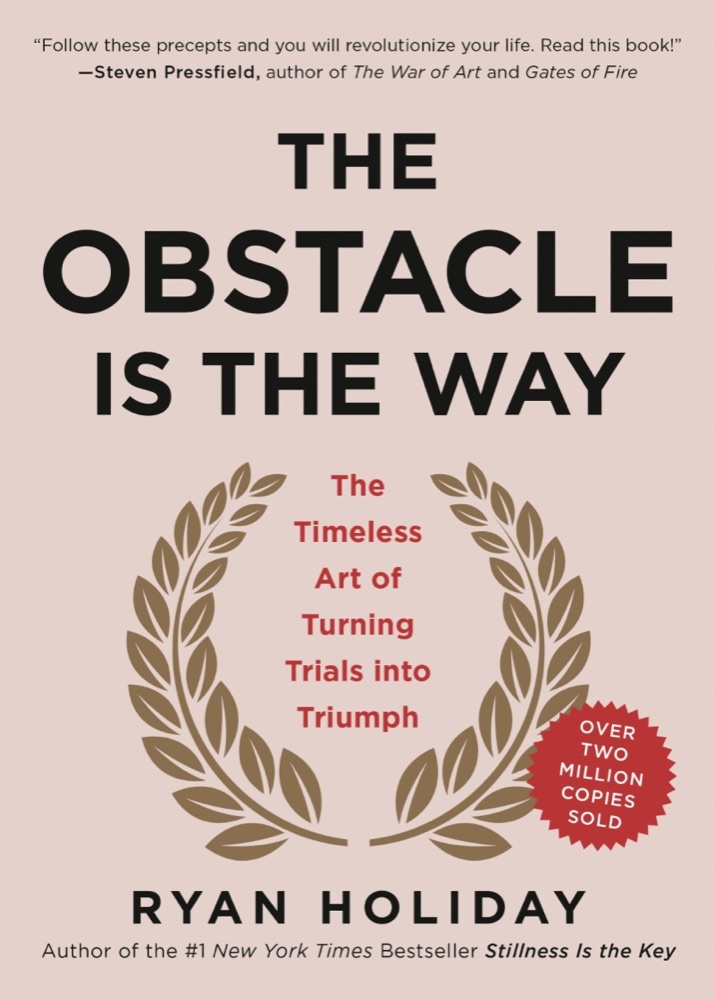 The Obstacle Is the Way: The Timeless Art of Turning Trials into Triumph
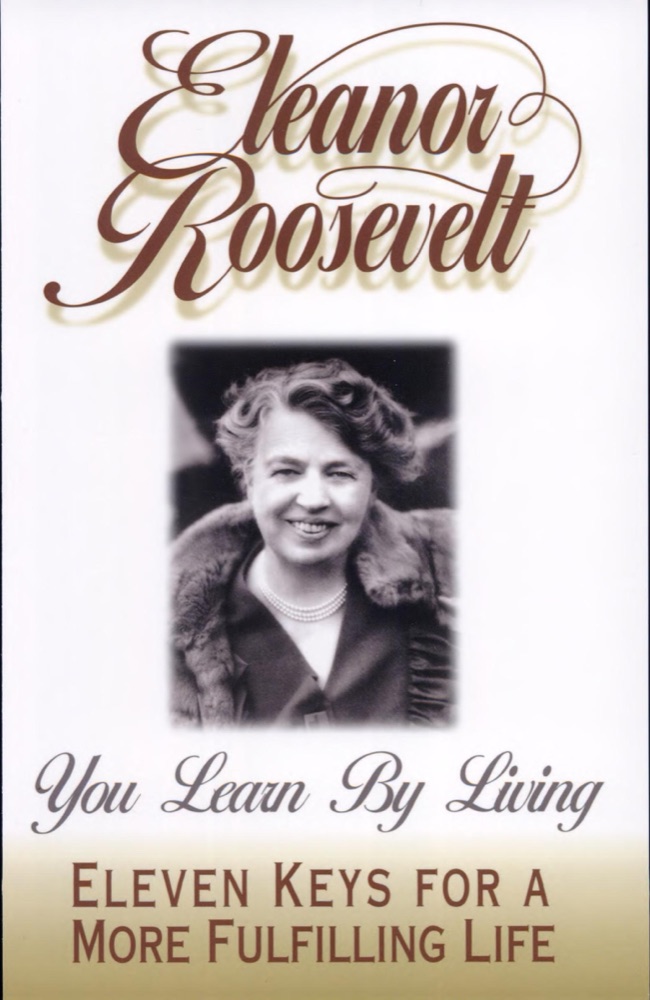 You Learn by Living: Eleven Keys for a More Fulfilling Life
 Tao Te Ching
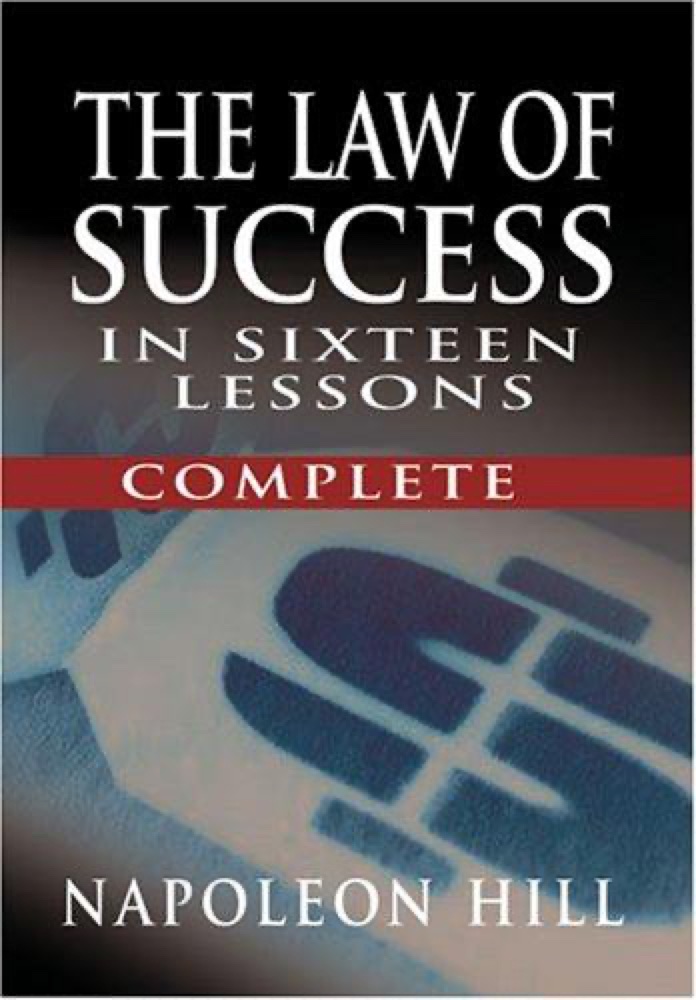 Law of Success
 Outwitting the Devil: The Secret to Freedom and Success
 Self-Reliance and Other Essays
 The Art of Thinking Clearly
 Crucial Conversations: Tools for Talking When Stakes are High
 The Game of Life and How to Play It
How to Stop Worrying and Start Living
The Game of Life and How to Play It
How to Stop Worrying and Start Living
 The Wisdom of Life
 Scion of Ikshvaku
 Essays
 The Book of Chuang Tzu
 Lectures to My Students
 The Leader Who Had No Title: A Modern Fable on Real Success in Business and in Life
 Magic of Thinking Big
 Shōgun
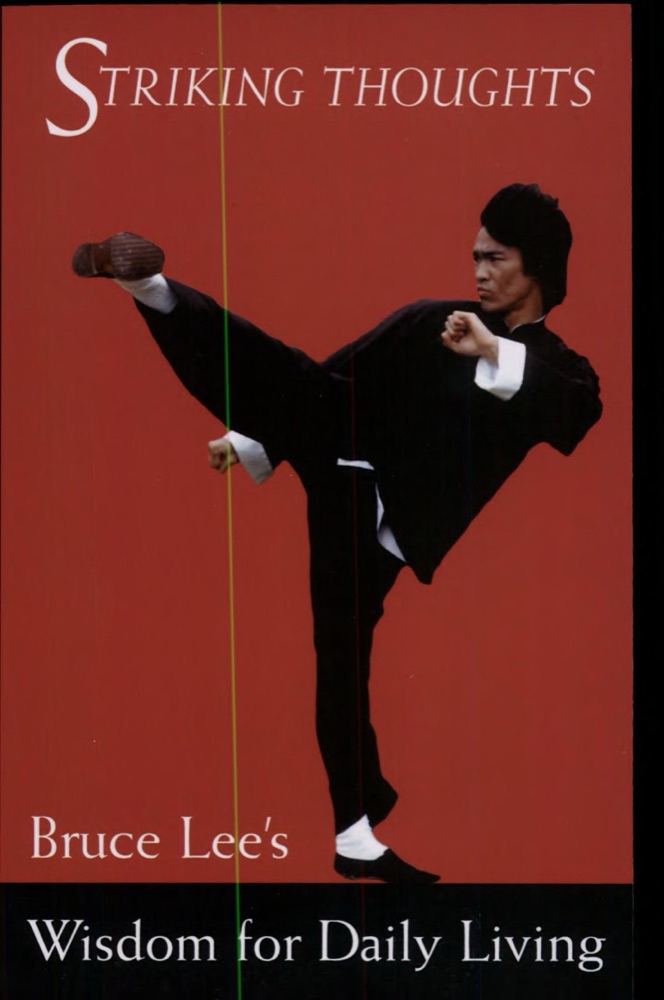 Striking Thoughts: Bruce Lee's Wisdom for Daily Living
 Musashi
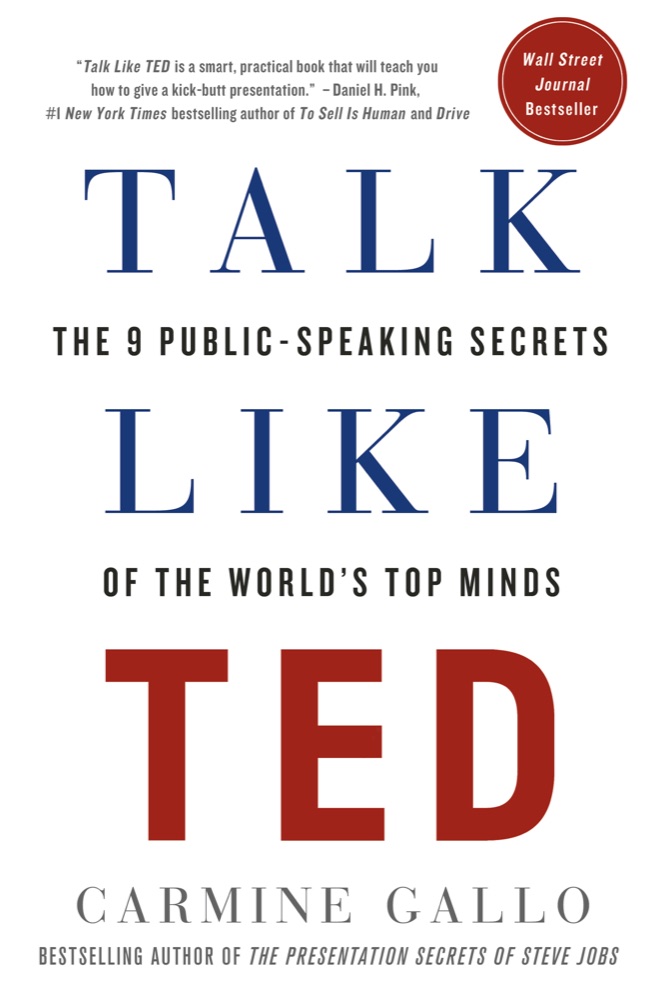 Talk Like TED: The 9 Public-Speaking Secrets of the World's Top Minds
 Twilight of the Idols
 Discourses and Selected Writings
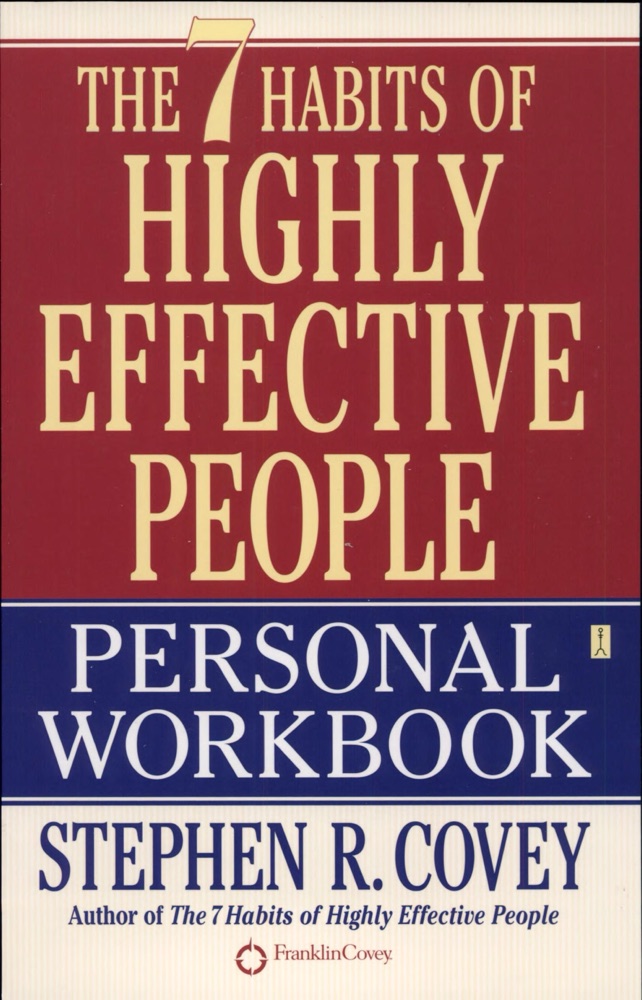 The 7 Habits of Highly Effective People: Personal Workbook
 The Way of Kings
 Tools of Titans: The Tactics, Routines, and Habits of Billionaires, Icons, and World-Class Performers
 The Complete Essays
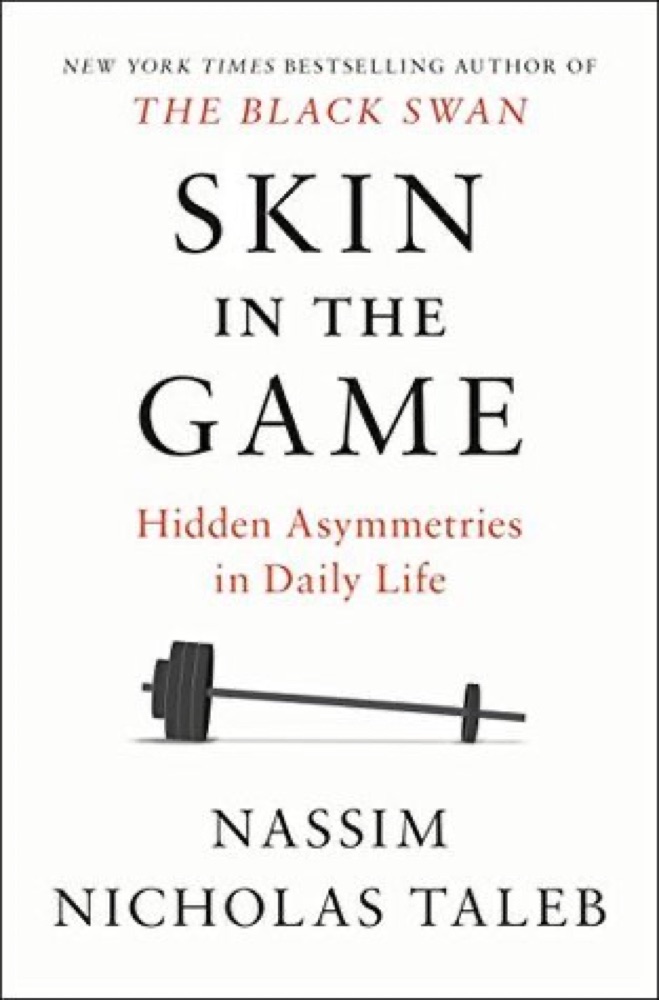 Skin in the Game: The Hidden Asymmetries in Daily Life
 A Message to Garcia
 The Intellectual Life: Its Spirit, Conditions, Methods
 Mastery
 Letters from a Stoic
 Foundation
 What the Dog Saw and Other Adventures
 The Daily Laws: 366 Meditations
 Excellent Advice for Living: Wisdom I Wish I'd Known Earlier
 Psycho-Cybernetics
 The Wall of Storms
 Wooden: A Lifetime of Observations and Reflections On and Off the Court
 How to Be a Bawse: A Guide to Conquering Life
 Human, All Too Human
 Will
Will
 365 Tao: A Study of Taoist Wisdom for Daily Life