
 How We Decide
Quotes from the Book
We need to be willing to risk embarrassment, ask silly questions, surround ourselves with people who don't know what we're talking about. We need to leave behind the safety of our expertise.
And so we keep on thinking, because the next thought might be the answer.
The only way to maximize group creativity—to make the whole more than the sum of its parts—is to encourage a candid discussion of mistakes. In part, this is because the acceptance of error reduces cost. When you believe your flaws will be quickly corrected by the group, you're less worried about perfecting your contribution, which leads to a more candid conversation. We can only get it right when we talk about what we got wrong.
...the imagination is unleashed by constraints. You break out of the box by stepping into shackles.
There is something scary about letting ourselves go. It means that we will screw up, that we will relinquish the possibility of perfection. It means that we will say things we didn’t mean to say and express feelings we can’t explain. It means that we will be onstage and not have complete control, that we won’t know what we’re going to play until we begin, until the bow is drawn across the strings. While this spontaneous method might be frightening, it’s also an extremely valuable source of creativity…the lesson about letting go is that we contain our own creativity. We are so worried about playing the wrong note or saying the wrong thing that we end up with nothing at all.
It doesn't matter if people are playing jazz or writing poetry -- if they want to be successful, they need to learn how to persist and persevere, how to keep on working until the work is done. Woody Allen famously declared that "eighty percent of success is showing up." NOCCA (New Orleans Center for the Creative Arts) teaches kids how to show up again and again.
Every creative story is different. And every creative story is the same. There was nothing. Now there is something. It's almost like magic.
The great ages did not perhaps produce much more talent than ours,' [T.S.] Eliot wrote. 'But less talent was wasted.
Every creative journey begins with a problem. It starts with a feeling of frustration, the dull ache of not being able to find the answer. We have worked hard, but we've hit the wall. We have no idea what to do next.
Design is the conscious imposition of meaningful order.
...Why are corporations so fleeting?...Instead of imitating the freewheeling city, these businesses minimize the very interactions that lead to new ideas. They erect walls and establish hierarchies. They keep people from relaxing and having insights. They stifle conversations, discourage dissent, and suffocate social networks. Rather than maximizing employee creativity they become obsessed with minor efficiencies.
The vocational approach at NOCCA (New Orleans Center for the Creative Arts) helps build grit in students. It teaches them how to be single-minded in pursuit of a goal, to sacrifice for the sake of a passion. The teachers demand hard work from their kids because they know, from personal experience, that creative success requires nothing less.
Insights, after all, come from the overlap between seemingly unrelated thoughts. They emerge when concepts are transposed, when the rules of one place are shifted to a new domain.
You might solve a problem while drunk, but you probably won´t notice the answer
In fact, most of us see perseverance as a distinctly uncreative approach, the sort of strategy that people with mediocre ideas are forced to rely on.
The benefit of such horizontal interactions - people sharing knowledge across fields - is that it encourages conceptual blending, which is an extremely important part of the insight process.
In fact, the only way to remain creative over time--to not be undone by our expertise--is to experiment with ignorance, to stare at things we don't fully understand.
We see them most when we are o nnthe outside looking in
Why is a relaxed state of mind so important for creative insights? When our minds are at ease — when those alpha waves are rippling through the brain — we’re more likely to direct the spotlight of attention inward, toward that stream of remote associations emanating from the right hemisphere. In contrast, when we are diligently focused, our attention tends to be directed outward, toward the details of the problems we’re trying to solve. While this pattern of attention is necessary when solving problems an-alytically, it actually prevents us from detecting the connections that lead to insights. “That’s why so many insights happen during warm showers,” Bhattacharya says. “For many people, it’s the most relaxing part of the day.
In fact, even fleeting feelings of delight can lead to dramatic increases in creativity. After watching a short, humorous video — Beeman uses a clip of Robin Williams doing standup — subjects have significantly more epiphanies, at least when compared with those who were shown scary or boring videos. Because positive moods allow us to relax, we focus less on the troubling world and more on these remote associations. Another ideal moment for insights, according to Beeman and John Kounios, is the early morning, shortly after waking up. The drowsy brain is unwound and disorganized, open to all sorts of unconventional ideas. The right hemisphere is also unusually active.
The advantage of knowing where insights come from is that it can make it easier to generate insights in the first place. When we’re struggling with seemingly impossible problems, it’s important to find time to unwind, to eavesdrop on all those remote associations coming from the right hemisphere. Instead of drinking another cup of coffee, indulge in a little daydreaming. Rather than relentlessly focusing, take a warm shower, or play some Ping-Pong, or walk on the beach.
Watch on YouTube
About Jonah Lehrer
We have collected 43 quotes from 2 books by Jonah Lehrer on BookQuoters.
More about the author →More by Jonah Lehrer
How We Decide
Book details
- Author
- Jonah Lehrer
- Genre
- Nonfiction
- Goodreads rating
- 3.99 (56k ratings) →
Keep reading
 The Art of Creative Thinking
 Creativity: Flow and the Psychology of Discovery and Invention
 Creative Quest
 The Creative Habit: Learn It and Use It for Life
 Made to Stick: Why Some Ideas Survive and Others Die
 How to Fly a Horse: The Secret History of Creation, Invention, and Discovery
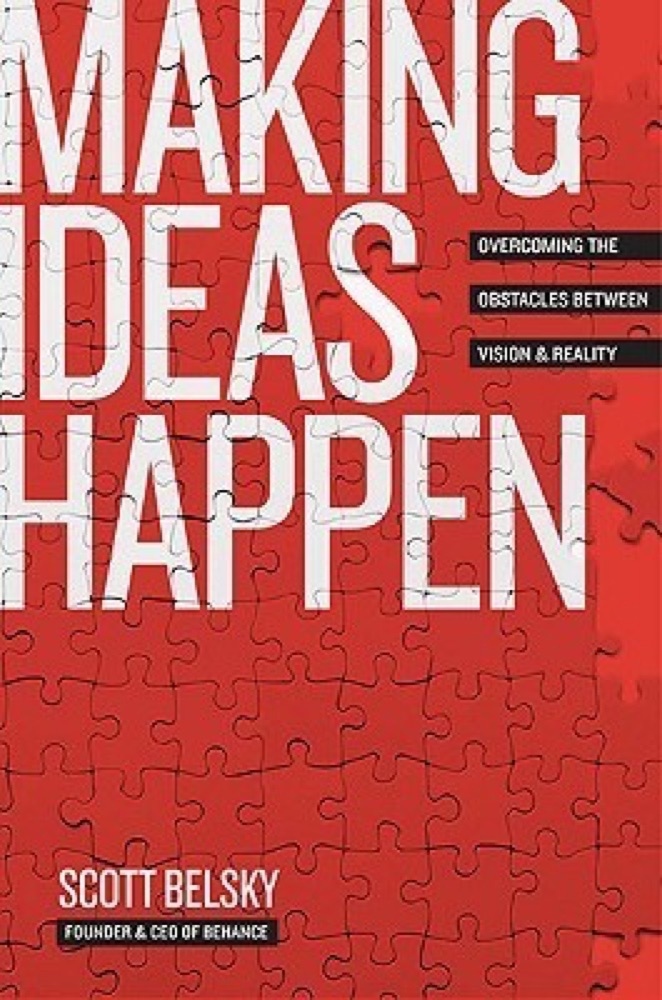 Making Ideas Happen: Overcoming the Obstacles Between Vision and Reality
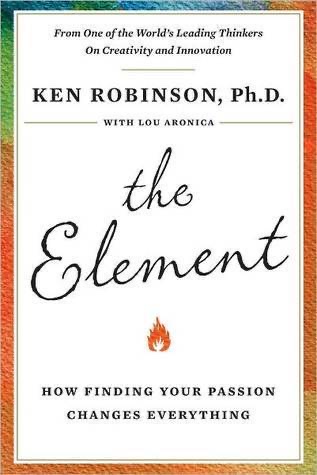 The Element: How Finding Your Passion Changes Everything
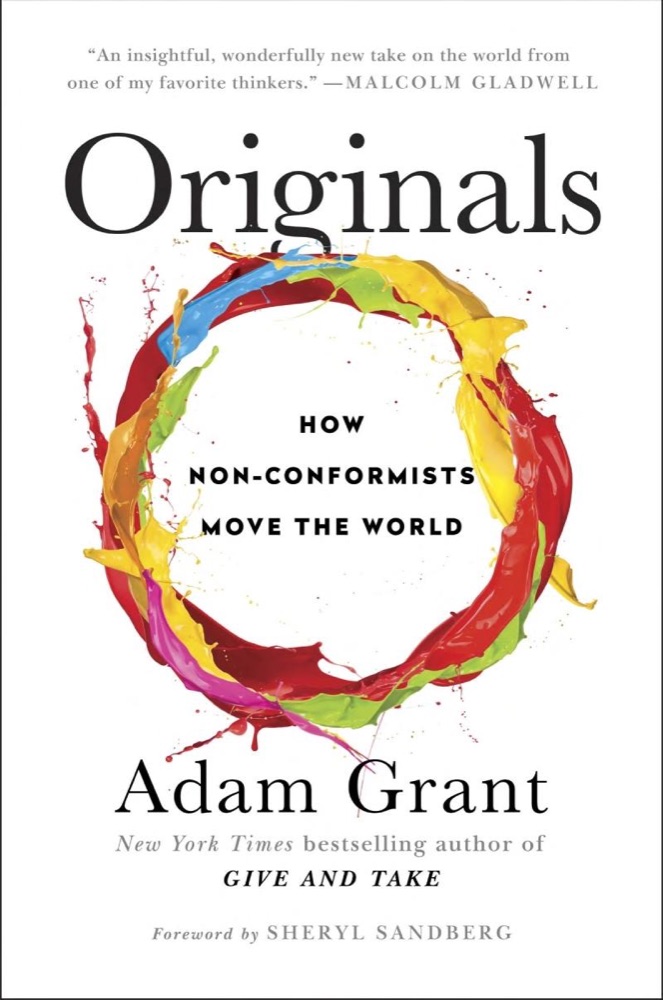 Originals: How Non-Conformists Move the World
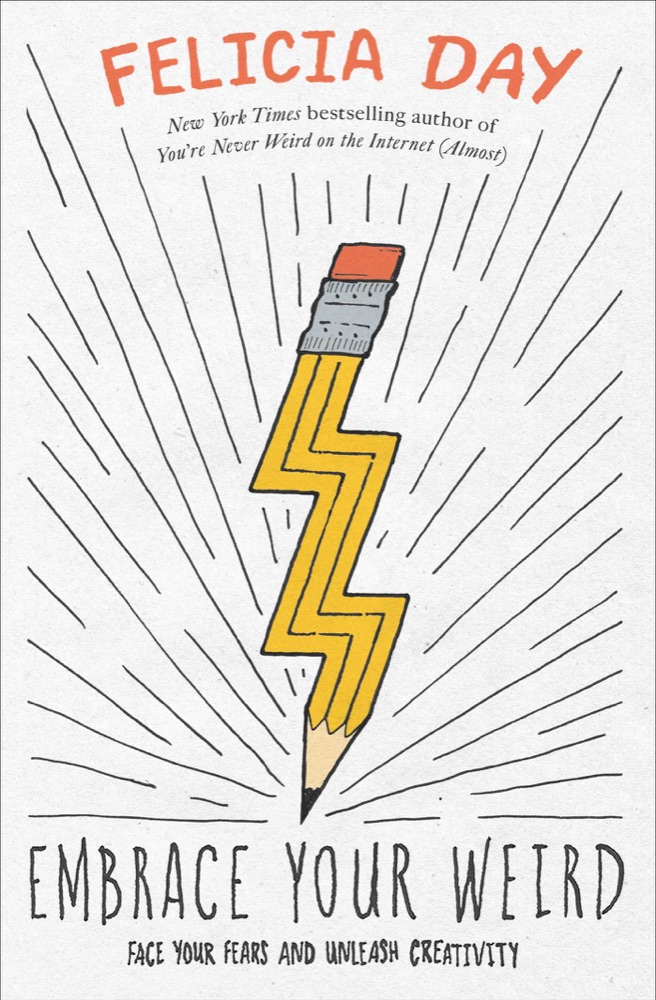 Embrace Your Weird: Face Your Fears and Unleash Creativity
 Mastery
 A Whack on the Side of the Head: How You Can Be More Creative
 Where Good Ideas Come From: The Natural History of Innovation
 Think Like a Rocket Scientist: Simple Strategies You Can Use to Make Giant Leaps in Work and Life
 Ignore Everybody: and 39 Other Keys to Creativity
 A Technique for Producing Ideas
 How to Take Smart Notes
 The Artist's Way
 Math with Bad Drawings
 Creativity, Inc.: Overcoming the Unseen Forces That Stand in the Way of True Inspiration
 A Whole New Mind: Why Right-Brainers Will Rule the Future
 The Art of Thinking Clearly
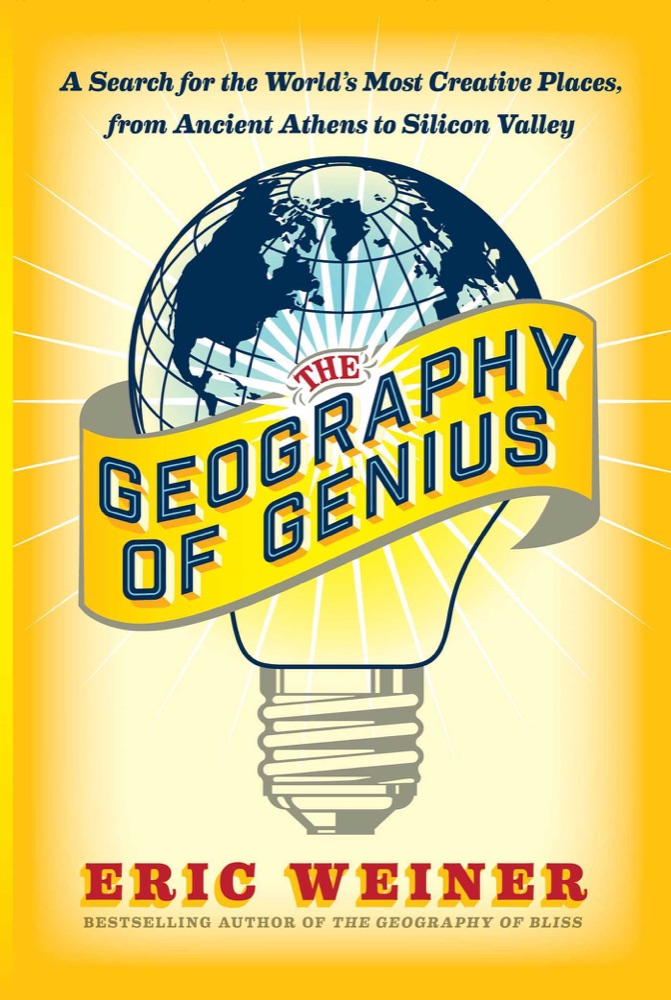 The Geography of Genius: A Search for the World's Most Creative Places from Ancient Athens to Silicon Valley
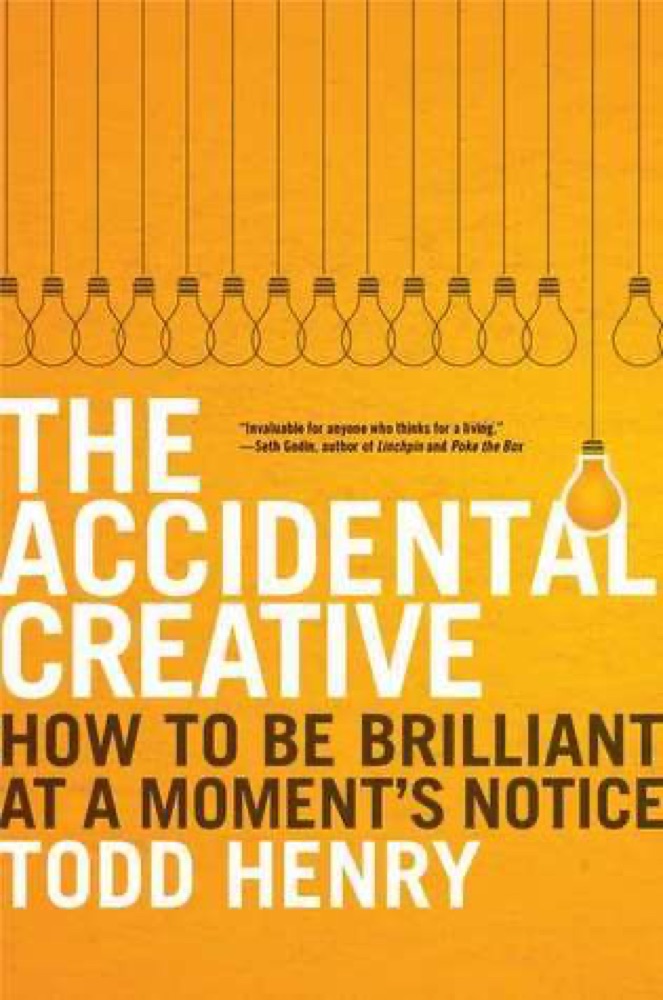 The Accidental Creative: How to Be Brilliant at a Moment's Notice
 Every Tool's a Hammer: Life Is What You Make It
 Range: Why Generalists Triumph in a Specialized World
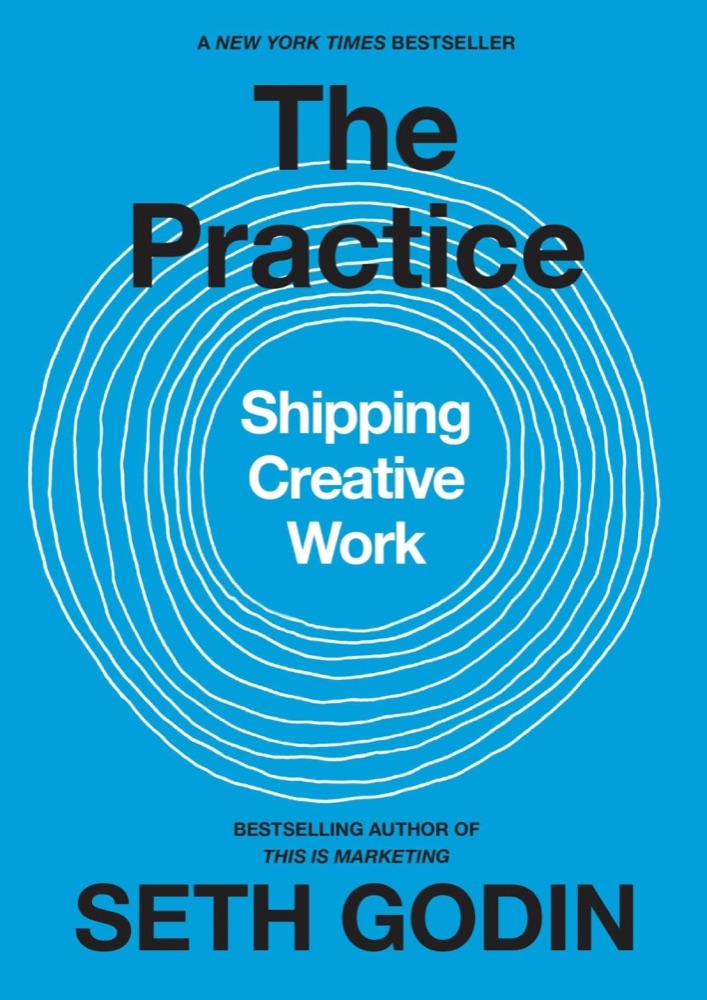 The Practice: Shipping Creative Work
 Blink: The Power of Thinking Without Thinking
 Big Magic: Creative Living Beyond Fear
 Things a Little Bird Told Me: Confessions of the Creative Mind
 The Art of Impossible: A Peak Performance Primer
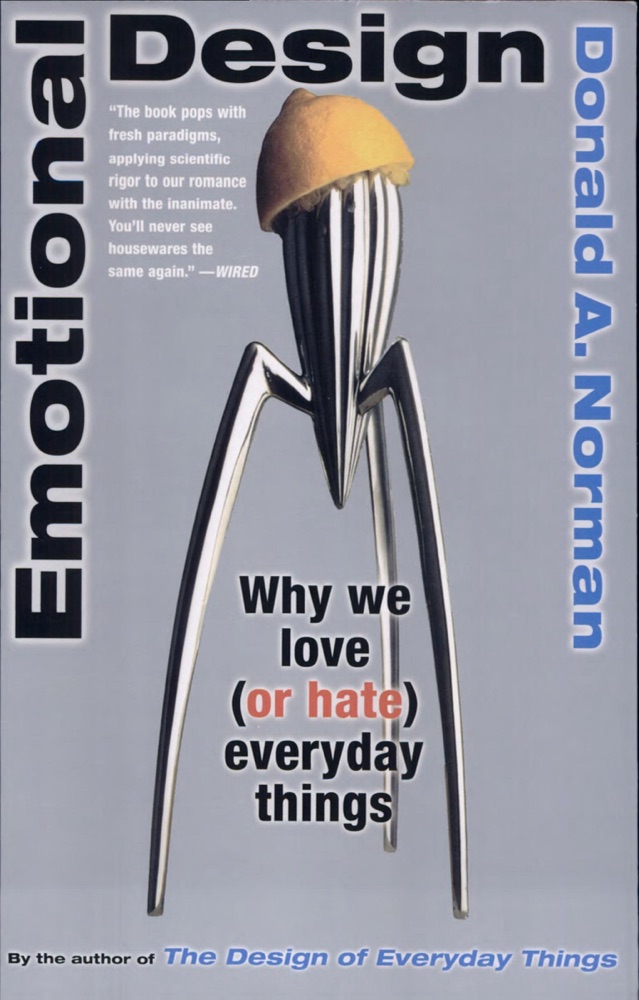 Emotional Design: Why We Love (or Hate) Everyday Things
 The Social Animal: The Hidden Sources of Love, Character, and Achievement
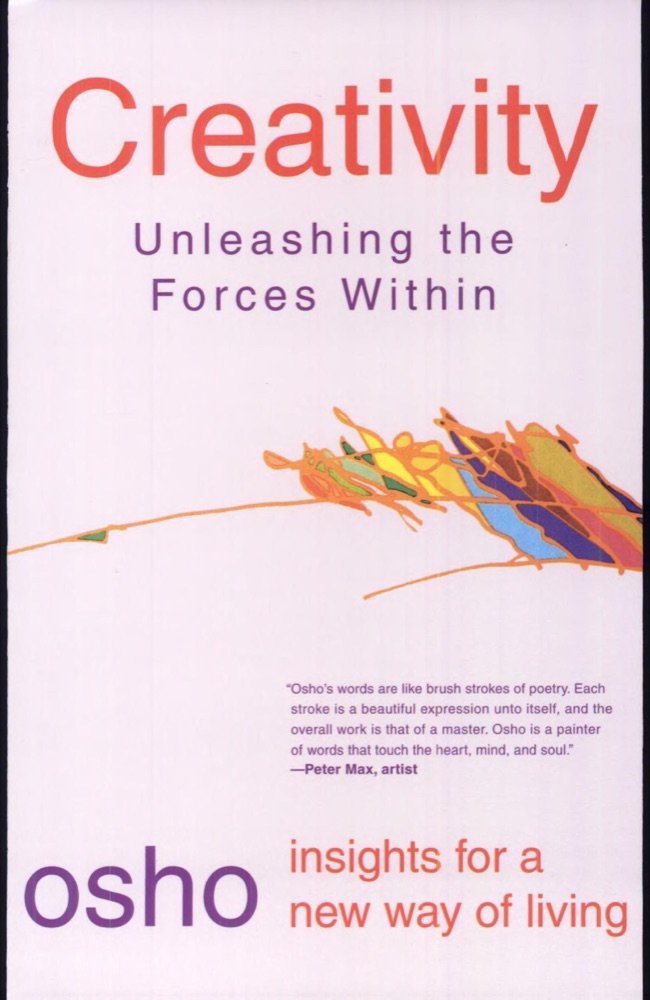 Creativity: Unleashing the Forces Within
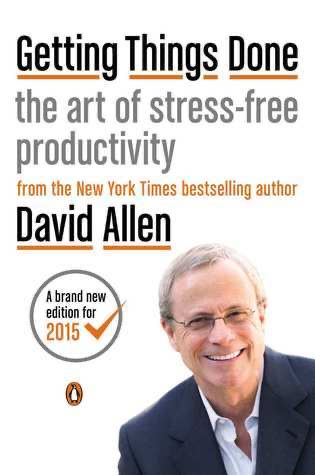 Getting Things Done: The Art of Stress-Free Productivity
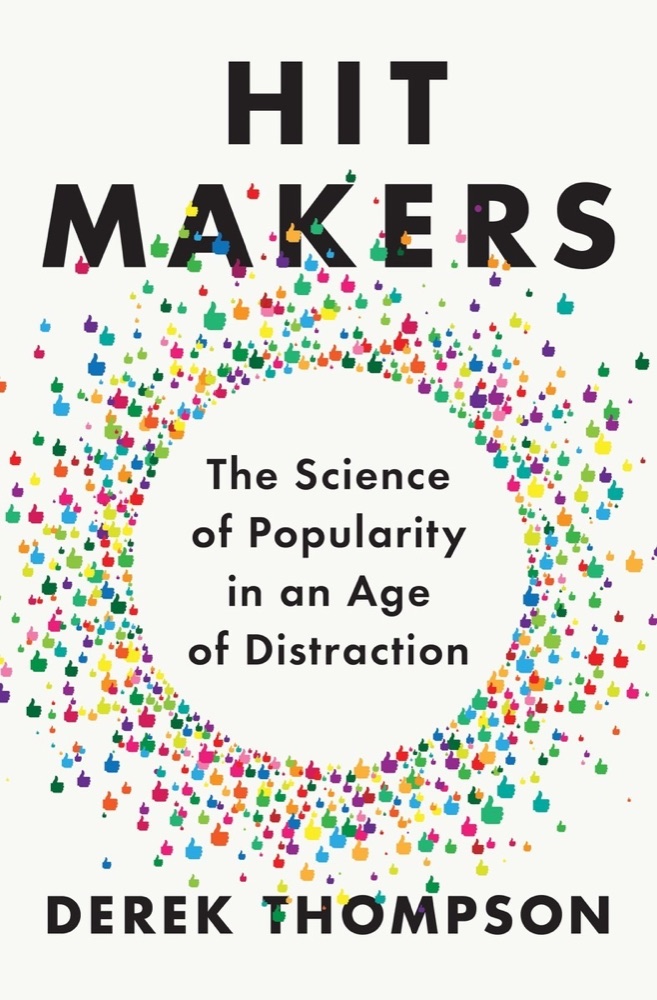 Hit Makers: The Science of Popularity in an Age of Distraction
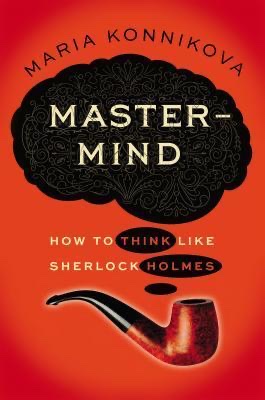 Mastermind: How to Think Like Sherlock Holmes
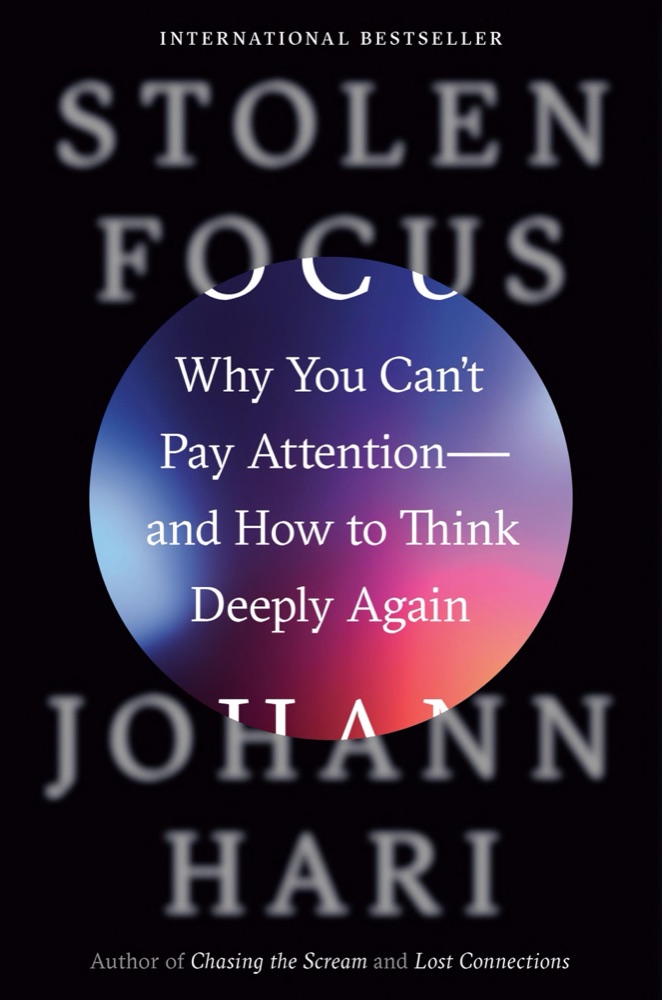 Stolen Focus: Why You Can't Pay Attention— and How to Think Deeply Again
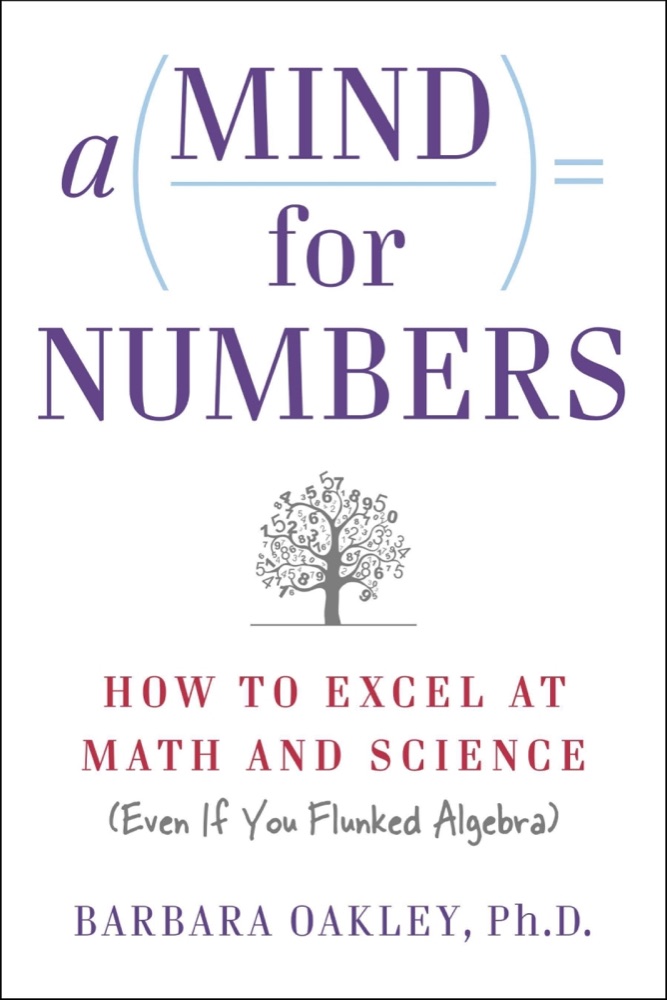 A Mind for Numbers: How to Excel at Math and Science
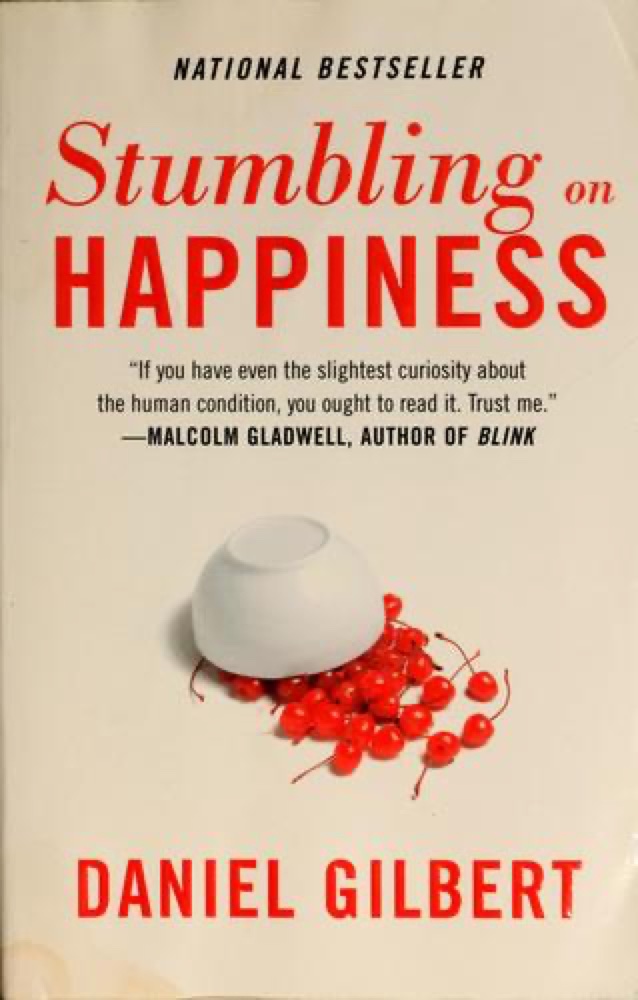 Stumbling on Happiness
 The Courage to Create
 Improv Wisdom: Don't Prepare, Just Show Up
 Smarter Faster Better: The Secrets of Being Productive in Life and Business
 Zen and the Art of Motorcycle Maintenance
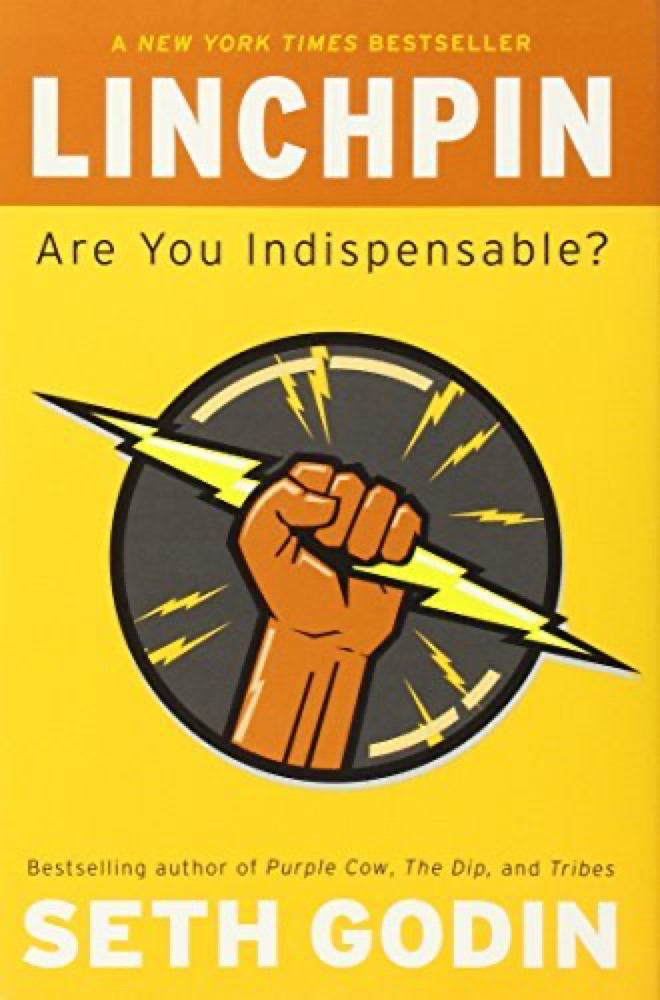 Linchpin: Are You Indispensable?
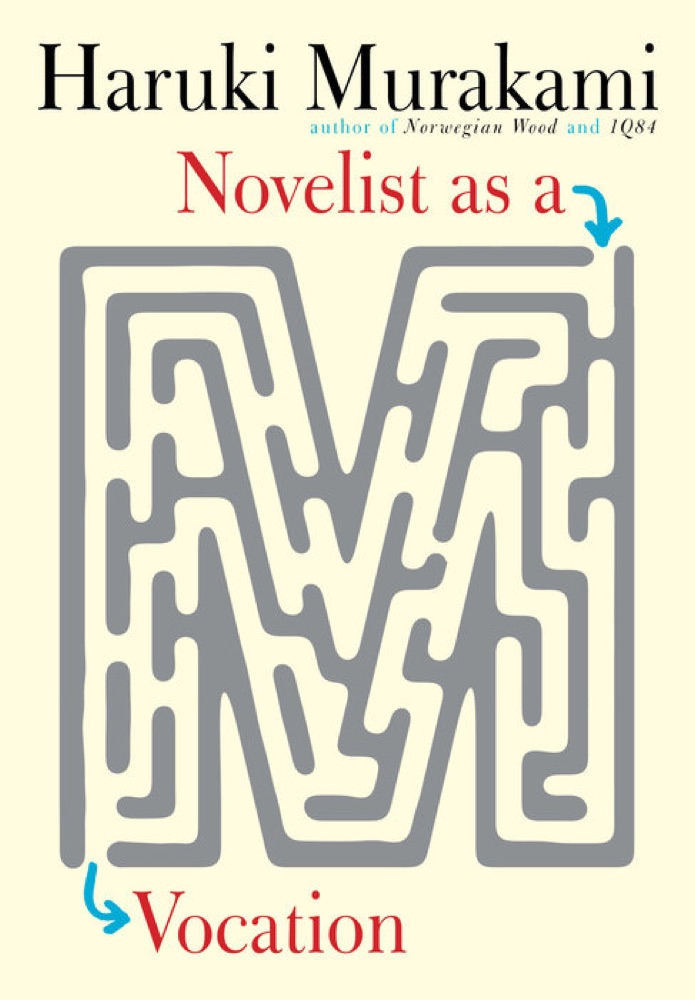 Novelist as a Vocation
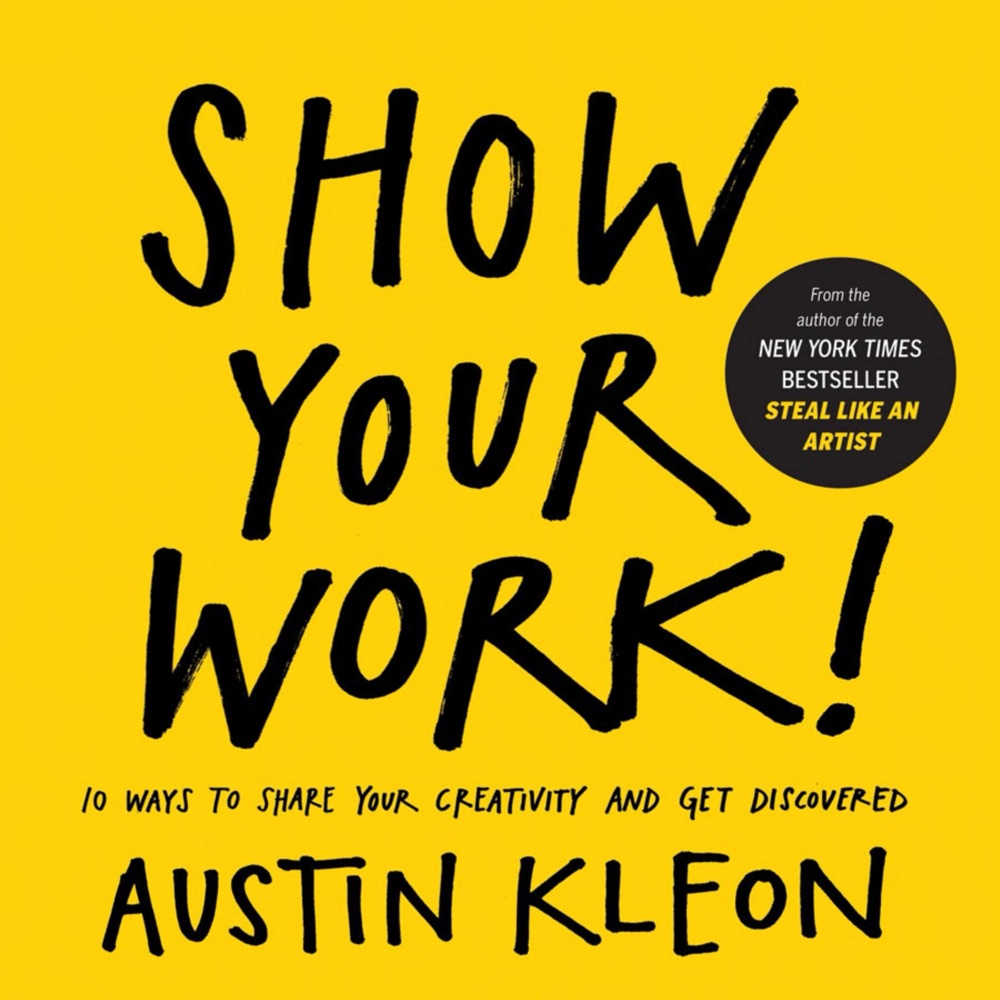 Show Your Work!: 10 Ways to Share Your Creativity and Get Discovered
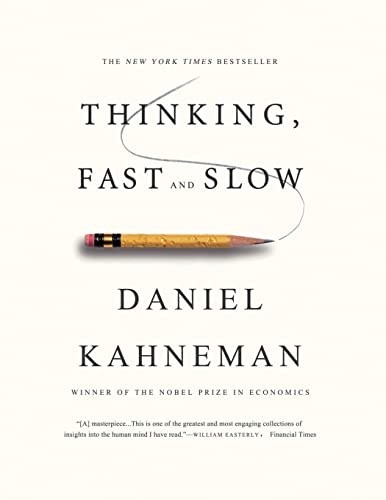 Thinking, Fast and Slow
 Curious: The Desire to Know and Why Your Future Depends On It
 Think Again: The Power of Knowing What You Don't Know
 Hackers & Painters: Big Ideas from the Computer Age
 Steal Like an Artist: 10 Things Nobody Told You About Being Creative
 The Fifth Discipline: The Art & Practice of The Learning Organization
 The Medium is the Massage
 Flow: The Psychology of Optimal Experience
 Think: A Compelling Introduction to Philosophy
 The Undoing Project: A Friendship That Changed Our Minds
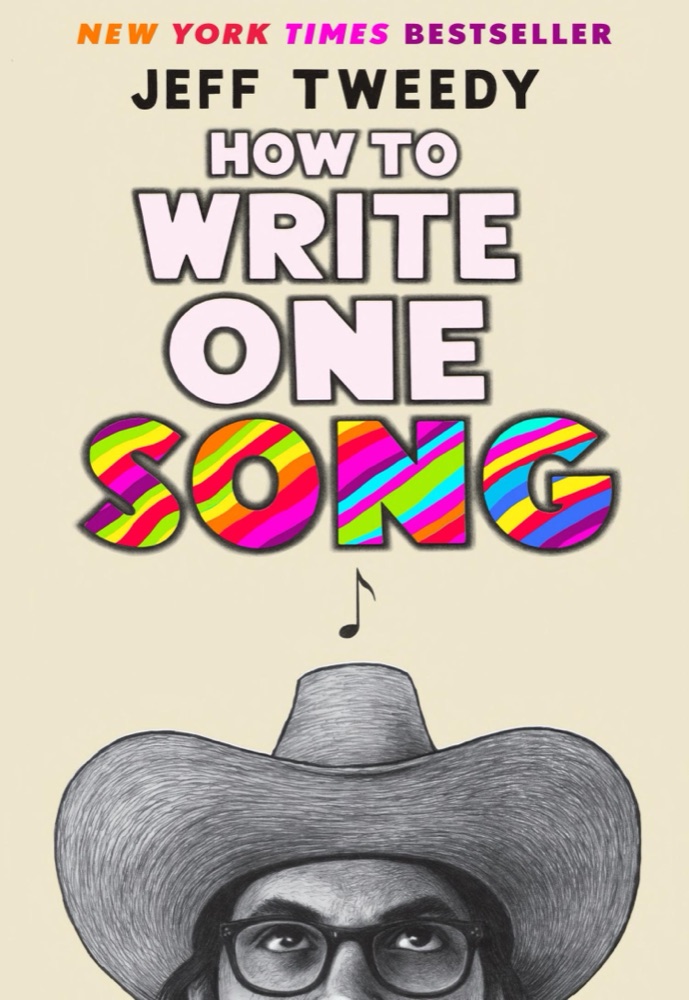 How to Write One Song: Loving the Things We Create and How They Love Us Back
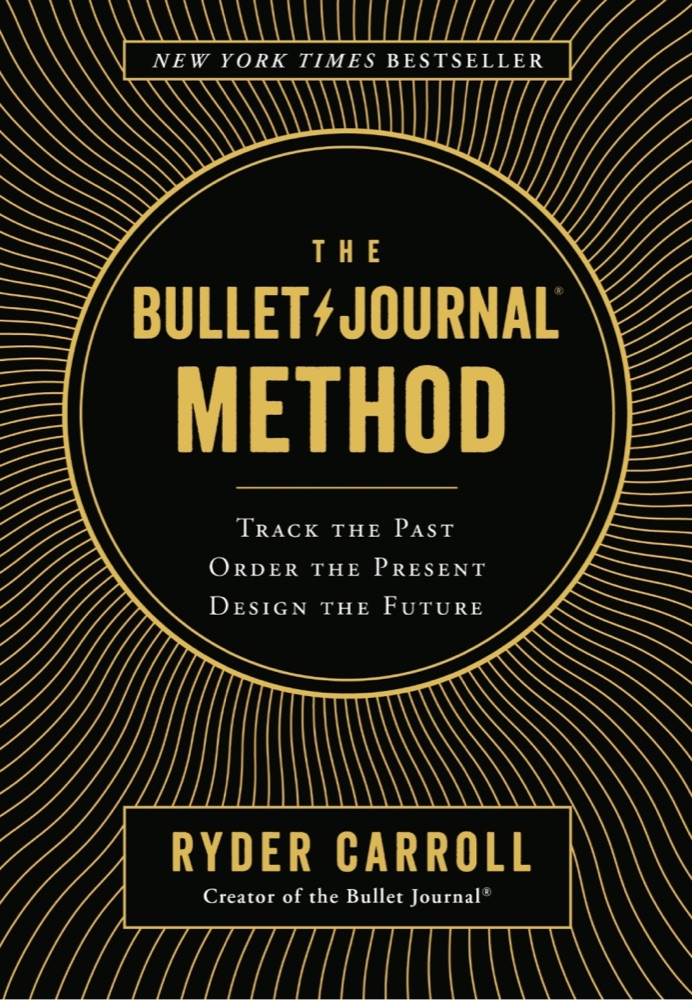 The Bullet Journal Method: Track Your Past, Order Your Present, Plan Your Future