
 The Rise of Superman: Decoding the Science of Ultimate Human Performance
Quotes from the Book
Flow starts when we say yes to the fight.
10
Motivation is what gets you into this game; learning is what helps you continue to play; creativity is how you steer; and flow is how you turbo-boost the results beyond all rational standards and reasonable expectations.
9
If you’re interested in being your best, your inner monologue needs to support the best you want to be. In fact, when it comes to sustained performance, because doubt and disappointment are constant companions, controlling your thoughts is often the ball game.
5
Curiosity into passion; passion into purpose; and purpose into patient profit—that’s the safest way to play this game.
3
Most of our fears and most of our anxieties don’t exist in the present
3
Treat fear like a playmate,” suggests Ulmer. “This transforms the emotion from a problem to be solved into a resource to be savored.
3
To those human beings who are of any concern to me, I wish suffering, desolation, sickness, ill-treatment, indignities. . . . I wish them the only thing that can prove today whether one is worth anything or not—that one endures.
2
The existence of reservoirs of energy that habitually are not tapped is most familiar to us as the phenomenon of “second wind.” Ordinarily we stop when we meet the first effective layer, so to call it, of fatigue. We have then walked, played or worked “enough,” and desist. That amount of fatigue is an efficacious obstruction, on this side of which our usual life is cast. But if an unusual necessity forces us to press onward, a surprising thing occurs. The fatigue gets worse up to a certain critical point, when gradually or suddenly it passes away, and we are fresher than before. We have evidently tapped a new level of energy. There may be layer after layer of this experience. A third and a fourth “wind” may supervene. Mental activity shows the phenomenon as well as physical, and in exceptional cases we may find, beyond the very extremity of fatigue-distress, amounts of ease and power that we never dreamed ourselves to own—sources of strength habitually not taxed at all, because habitually we never push through the obstruction, never pass those early critical points.
2
Sow an action and you reap a habit, sow a habit and you reap a character, sow a character and you reap a destiny.
1
Flow may be the biggest neurochemical cocktail of all. The state appears to blend all six of the brain’s major pleasure chemicals and may be one of the few times you get all six at once. This potent mix explains why people describe flow as their “favorite experience,” while psychologists refer to it as “the source code of intrinsic motivation.
1
Here, we want to break that mission statement down into smaller chunks, dividing up the impossible into a long series of difficult but doable goals that, if accomplished, render said impossible much more probable.
1
Cultivating real passion isn’t an overnight process. It’s not enough to play around in the spots where multiple curiosities intersect. Certainly, there’s some emotional energy at those intersections. Sure, the neurochemistry beneath this energy helps transform curiosity into passion. But to really light that fire and ensure you’re on the right track, you’re going to need to amplify that passion with a series of “public successes.” A public success is nothing more than positive feedback from others. Any kind of social reinforcement increases feel-good neurochemistry, which increases motivation.12 Positive attention from others causes the brain to release more dopamine than we get from passion alone.
After that basic-needs line is crossed, employees want intrinsic rewards. They want to be in control of their own time (autonomy), they want to work on projects that interest them (curiosity/
Also, because the company is filled with outdoor athletes and their corporate headquarters sit right on the Pacific, whenever the waves are good, employees are allowed to stop working—even when they’re on deadline, even if they’re in the middle of a meeting—and go surfing. It’s a corporate policy that Patagonia founder Yvon Chouinard famously dubbed “Let my people go surfing.
It means you lose by not trying to play full out, by not trying to do the impossible—whatever that is for you.
Guilford also realized that divergent thinking wasn't entirely free wheeling: It had four core characteristics. Fluency, the ability to produce a great number of ideas in a short time-frame; flexibility, the ability to approach a problem from multiple angles; originality, the ability to produce novel ideas; elaboration, the ability to organize those ideas and execute on them.
Once, unfortunately, in a crisis situation (as the Greek poet Archilochus pointed out so long ago) we don't rise to the level of our expectations, we fall to the level of our training. Once again, the issue is fear. The more fear in the equation, the fewer options at our disposal. In times of strife, the brain limits our choices to speed up our reaction times. The extreme example being, fight or flight, where the situation is so dire, that the brain gives us only potential actions. Freezing is the third, yet the same thing happens to a lesser degree under any high stress conditions. And the responses we fall back upon under duress, are the ones we fully automatized: those habitual patterns we've executed over and over again.
Happiness becomes untethered to income, because once we can meet our basic needs, the lure of all the stuff it took to meet them, begins to lose its luster. Once extrinsic drivers start to fade, intrinsic drivers take over.
As journalist Nancy Gibbs once quipped in Time magazine, “IQ gets you hired, but EQ gets you promoted.
work for everyone. Put differently, at the Collective, we have a saying: “Personality doesn’t scale. Biology scales.” What we mean is, in the field of peak performance, too often, someone figures out what works for them and then assumes it will work for others. It rarely does. More often, it backfires. The issue is that personality is extremely individual. Traits that play a critical role in peak performance—such as your risk tolerance or where you land on the introversion-to-extroversion scale—are genetically coded, neurobiologically hardwired, and difficult to change. Add in all the possible environmental influences that come from variations in cultural background, financial means, and social status, and the problem compounds. For all these reasons, what works for me is almost guaranteed not to work for you. Personality doesn’t scale. Biology, on the other hand, scales. It is the very thing designed by evolution to work for everyone. And this tells us something important about decoding the impossible: if we can get below the level of personality, beneath the squishy and often subjective psychology of peak performance, and decode the foundational neurobiology, then we unearth mechanism. Basic biological mechanism. Shaped by evolution, present in most mammals and all humans. And this leads us to the next question: What’s the biological formula for the impossible? The answer is flow. Flow is defined as “an optimal state of
Thus, the solution: identify your biggest weaknesses and get to work. This is why skier Shane McConkey would consistently seek out the worst conditions on the mountain, why Arnold Schwarzenegger always began his weight lifting sessions targeting his weakest muscle group, and why Nobel laureate Richard Feynman decided, late in his life, to learn how to speak to women. Of course, Feynman decides to train this particular weakness by hanging out at strip clubs—but that’s a different story.
Mihaly Csikszentmihalyi in his masterwork, Creativity.
As William James pointed out, humans are habit machines.
Watch on YouTube
About Steven Kotler
We have collected 53 quotes from 2 books by Steven Kotler on BookQuoters.
More about the author →More by Steven Kotler
The Rise of Superman: Decoding the Science of Ultimate Human Performance
About the book
Bestselling author, peak performance expert and Executive Director of the Flow Research Collective, Steven Kotler decodes the secrets of those elite performers—athletes, artists, scientists, CEOs and more—who have changed our definition of the possible, teaching us how we too can stretch far beyond our capabilities, making impossible dreams much more attainable for all of us. What does it take to accomplish the impossible? What does it take to shatter our limitations, exceed our expectations, and turn our biggest dreams into our most recent achievements?
We are capable of so much more than we know—that’s the message at the core of The Art of Impossible. Building upon cutting-edge neuroscience and over twenty years of research, author Steven Kotler lays out a blueprint for extreme performance improvement and offers a playbook to make it happen.
Book details
- First published
- 2021
- Author
- Steven Kotler
- Genre
- Nonfiction
- Goodreads rating
- 4.18 (5k ratings)
Keep reading
The Rise of Superman: Decoding the Science of Ultimate Human Performance
 Peak Performance: Elevate Your Game, Avoid Burnout, and Thrive with the New Science of Success
 Flow: The Psychology of Optimal Experience
 Great by Choice: Uncertainty, Chaos, and Luck—Why Some Thrive Despite Them All
 Smarter Faster Better: The Secrets of Being Productive in Life and Business
 Drive: The Surprising Truth About What Motivates Us
 Grit: The Power of Passion and Perseverance
 Tools of Titans: The Tactics, Routines, and Habits of Billionaires, Icons, and World-Class Performers
 High Performance Habits: How Extraordinary People Become That Way
 Tribe Of Mentors: Transformative Wisdom From Icons and Innovators to Help You Navigate Life's Challenges
 Ready for Anything: 52 Productivity Principles for Getting Things Done
 The Happiness of Pursuit: Finding the Quest That Will Bring Purpose to Your Life
 Limitless: Upgrade Your Brain, Learn Anything Faster, and Unlock Your Exceptional Life
 How to Fail at Almost Everything and Still Win Big: Kind of the Story of My Life
 Barking Up the Wrong Tree: The Surprising Science Behind Why Everything You Know About Success Is (Mostly) Wrong
 Mastery
 The Compound Effect: Jumpstart Your Income, Your Life, Your Success
 It Takes What It Takes: How to Think Neutrally and Gain Control of Your Life
 The Happiness Advantage: The Seven Principles of Positive Psychology That Fuel Success and Performance at Work
 The 7 Habits of Highly Effective People: Personal Workbook
 The Gap and The Gain: The High Achievers' Guide to Happiness, Confidence, and Success
 Principles: Life and Work
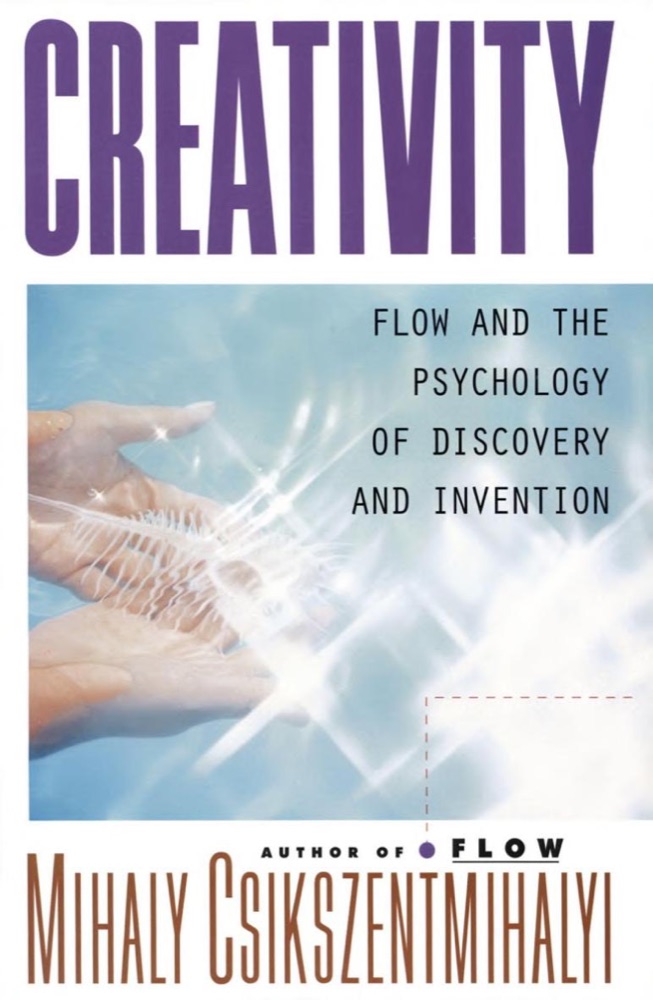 Creativity: Flow and the Psychology of Discovery and Invention
 Awaken The Giant Within
 Think Like a Rocket Scientist: Simple Strategies You Can Use to Make Giant Leaps in Work and Life
 Things a Little Bird Told Me: Confessions of the Creative Mind
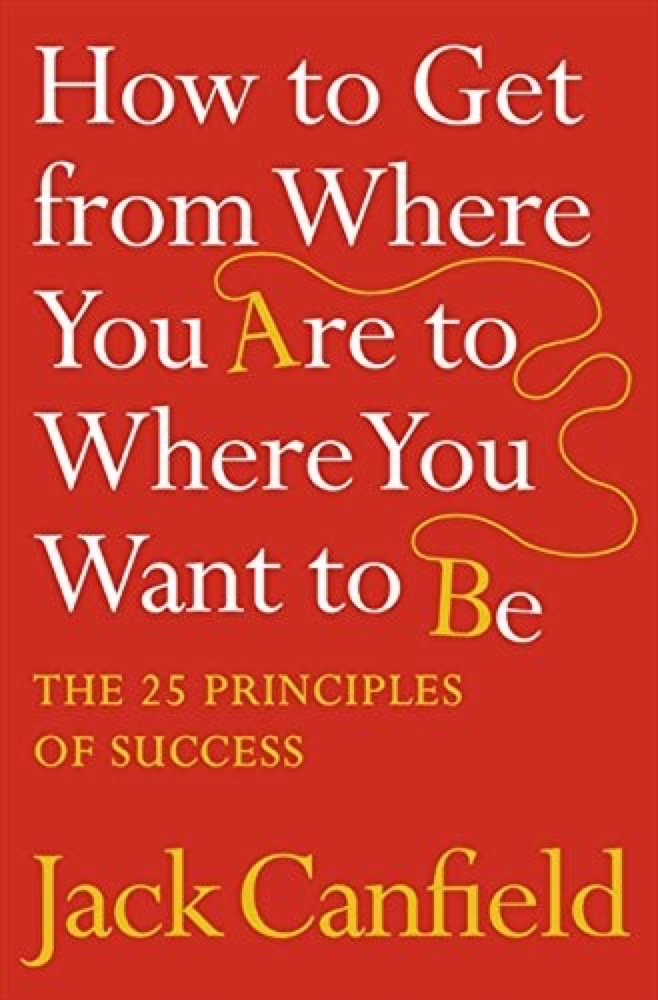 The Success Principles: How to Get from Where You Are to Where You Want to Be
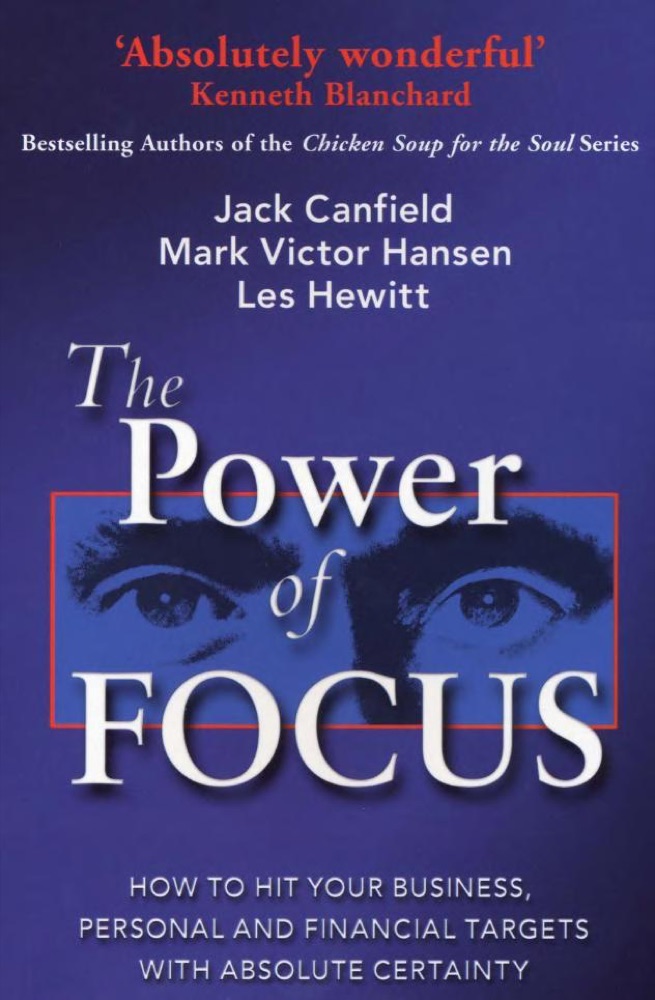 The Power of Focus
 The Social Animal: The Hidden Sources of Love, Character, and Achievement
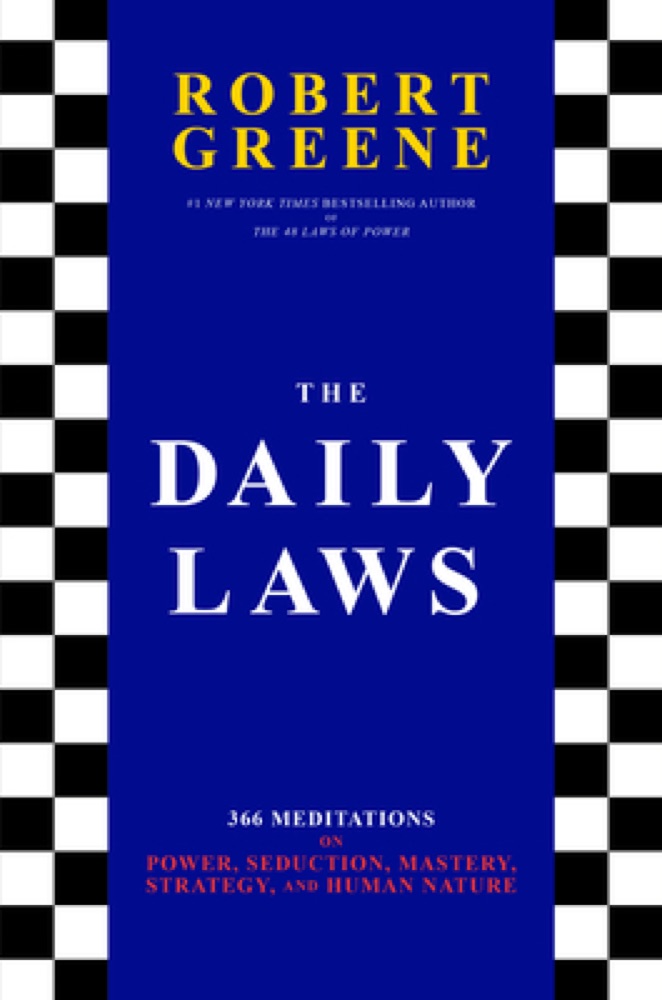 The Daily Laws: 366 Meditations
 The Algebra of Wealth: A Simple Formula for Financial Security
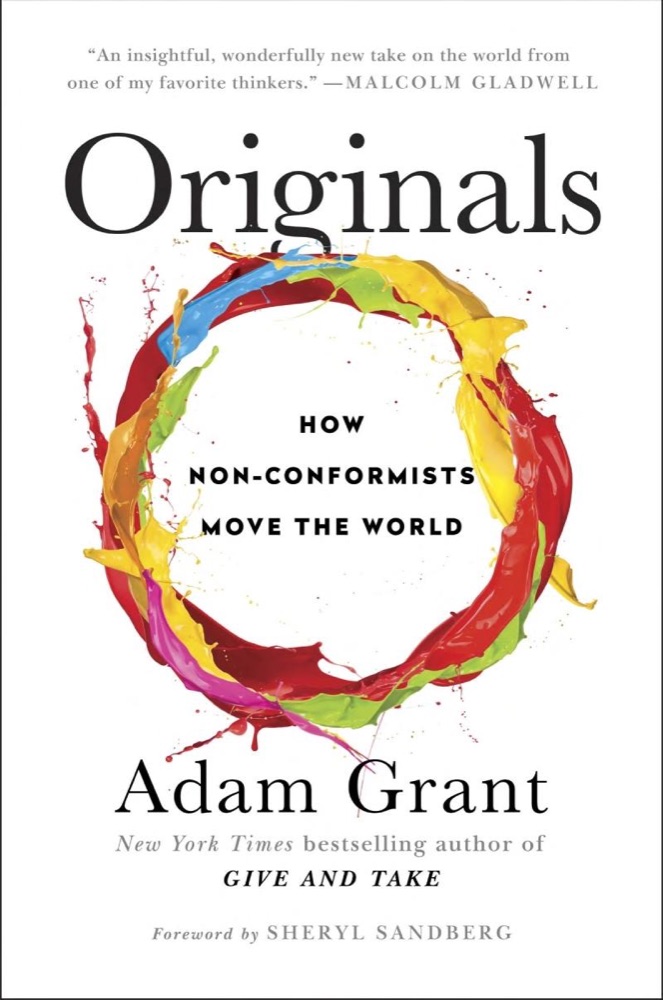 Originals: How Non-Conformists Move the World
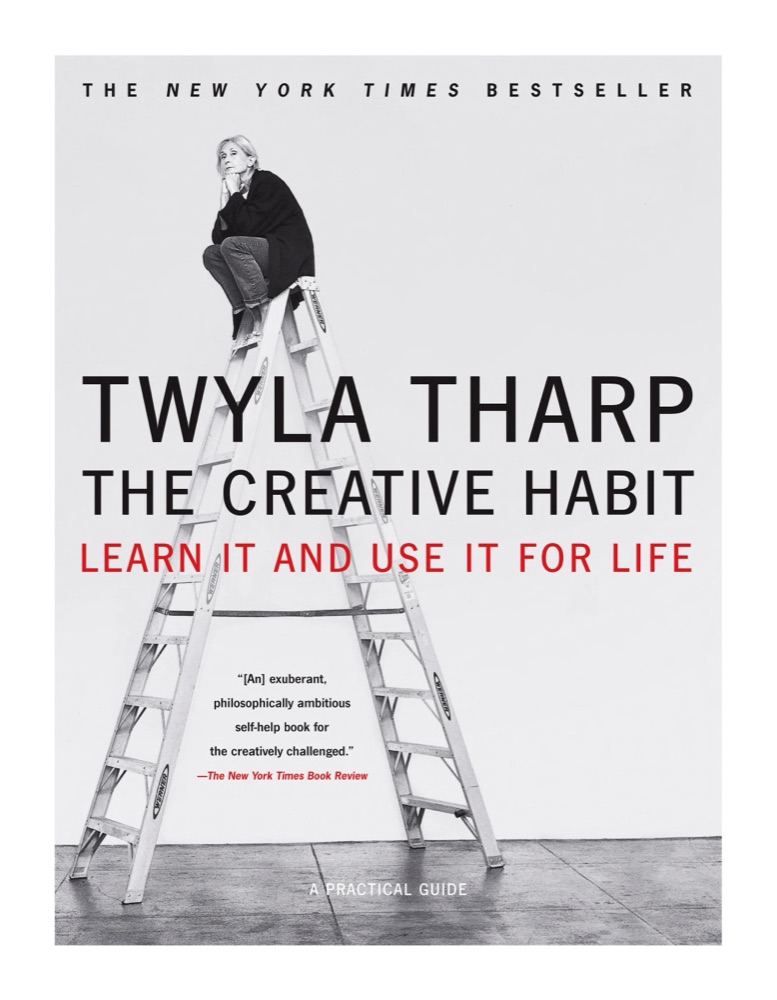 The Creative Habit: Learn It and Use It for Life
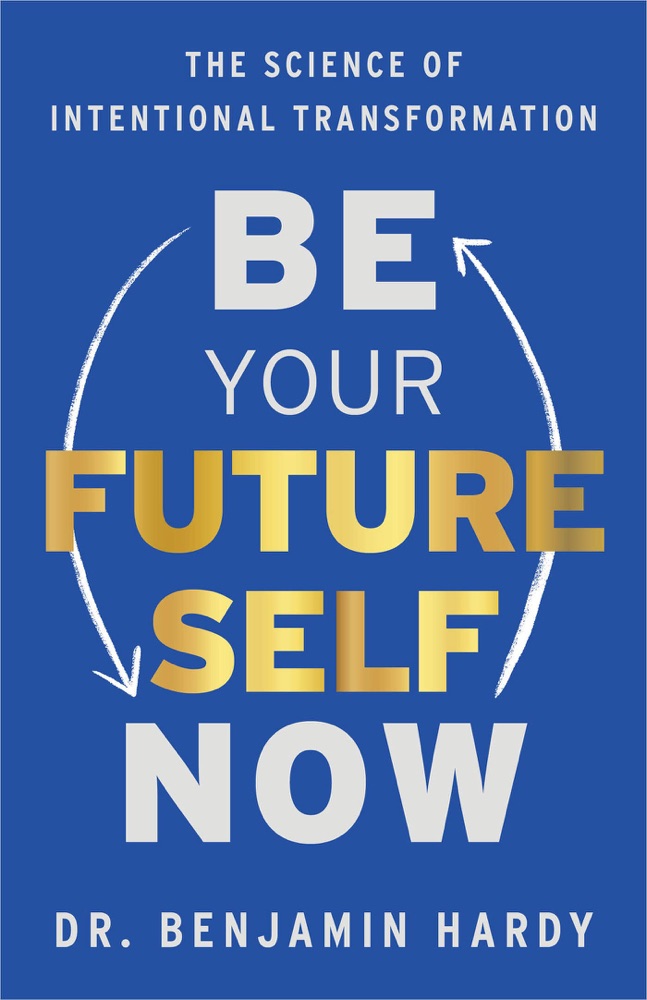 Be Your Future Self Now: The Science of Intentional Transformation
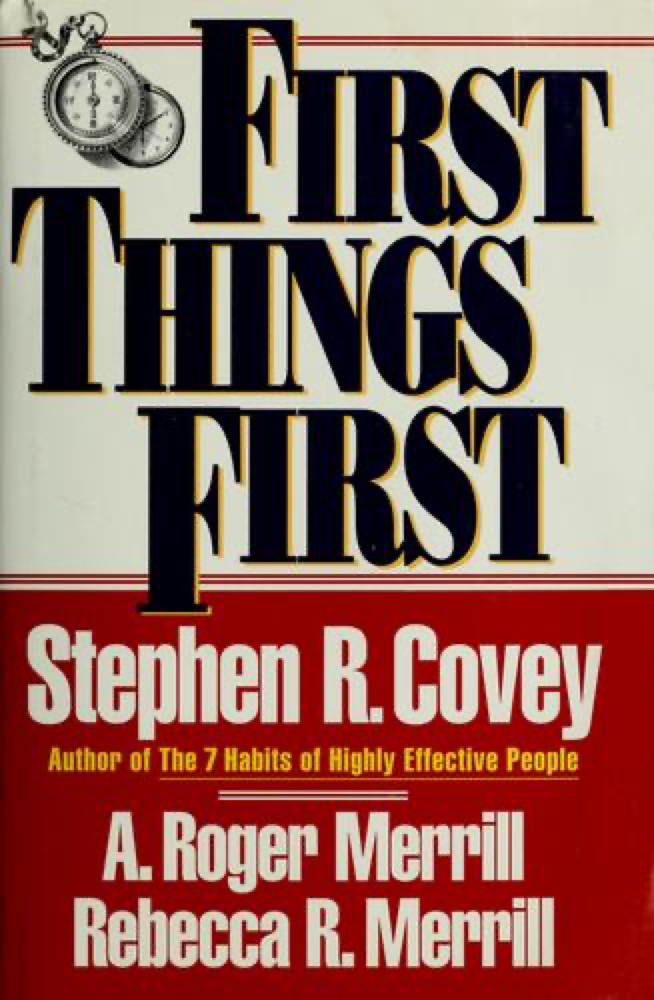 First Things First
 The Art of Thinking Clearly
 Eleven Rings: The Soul of Success
 The New Psycho-Cybernetics: The Original Science of Self-Improvement and Success That Has Changed the Lives of 30 Million People
 Delivering Happiness: A Path to Profits, Passion, and Purpose
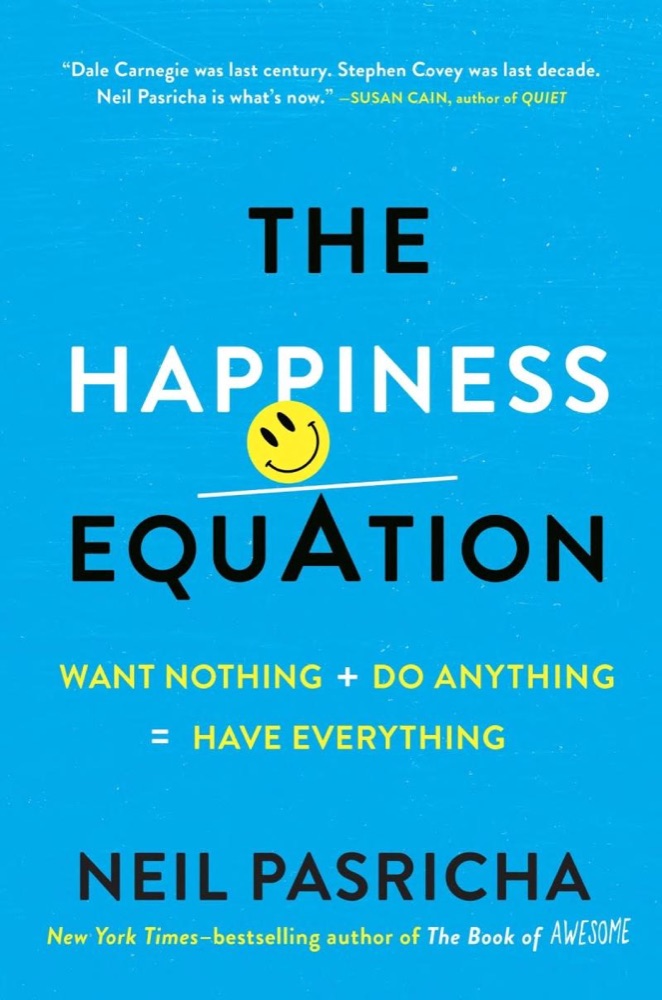 The Happiness Equation: Want Nothing + Do Anything = Have Everything
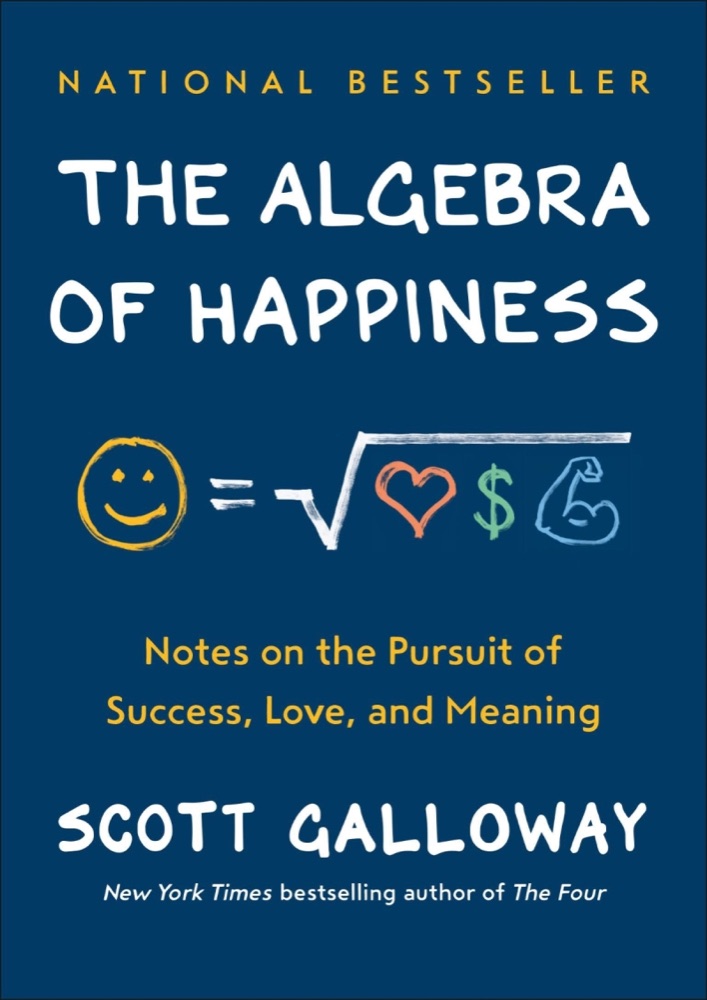 The Algebra of Happiness: Notes on the Pursuit of Success, Love, and Meaning
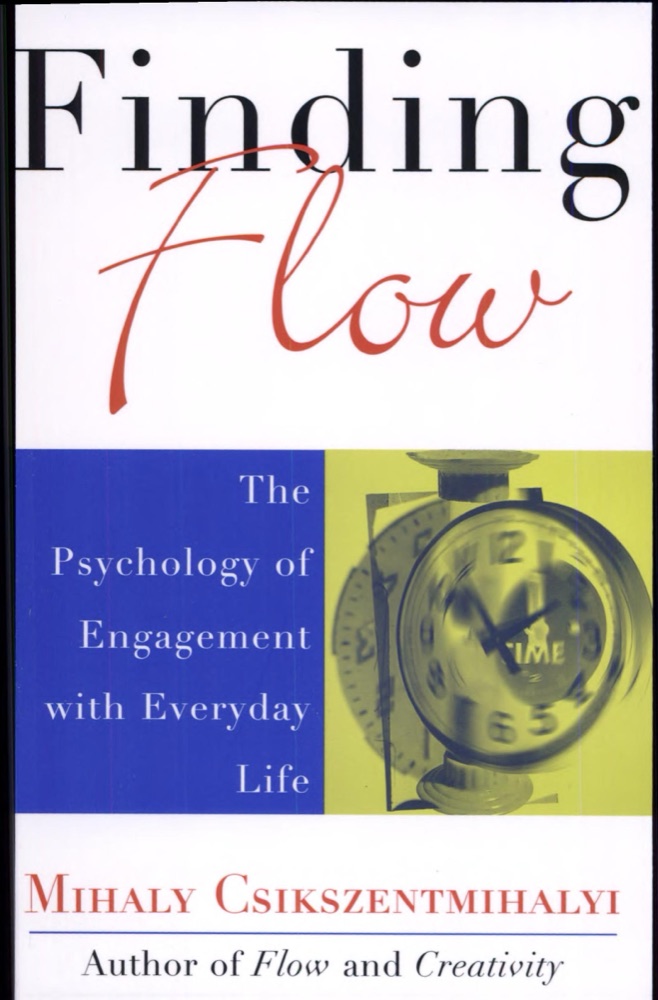 Finding Flow: The Psychology of Engagement with Everyday Life
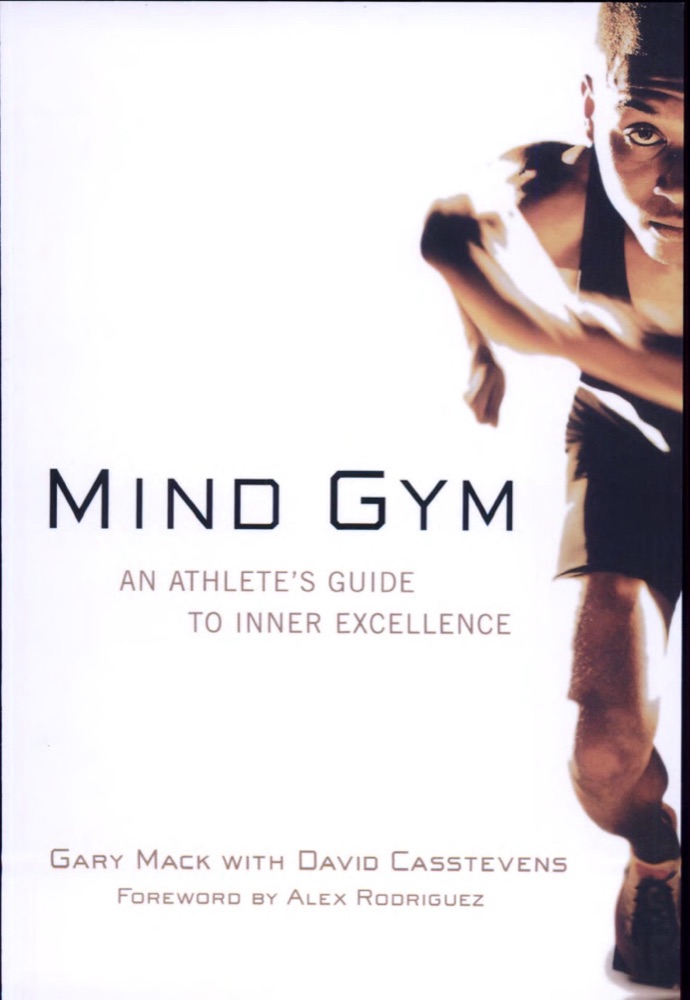 Mind Gym: An Athlete's Guide to Inner Excellence
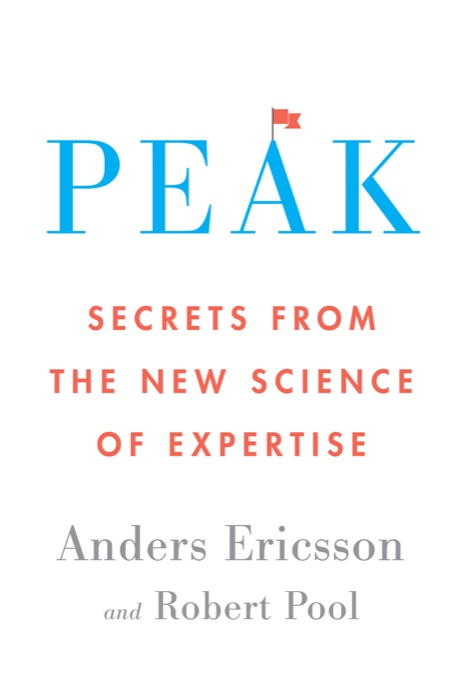 Peak: Secrets from the New Science of Expertise
 Will
Will
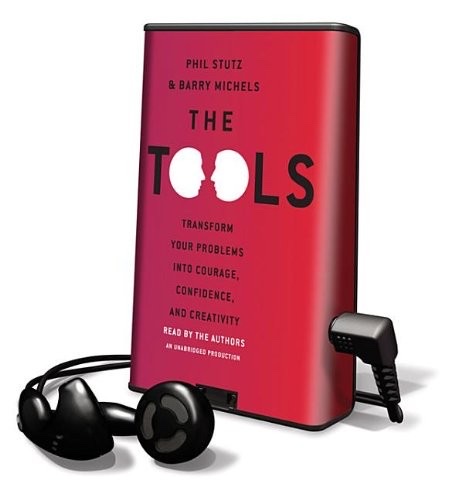 The Tools: Transform Your Problems into Courage, Confidence, and Creativity
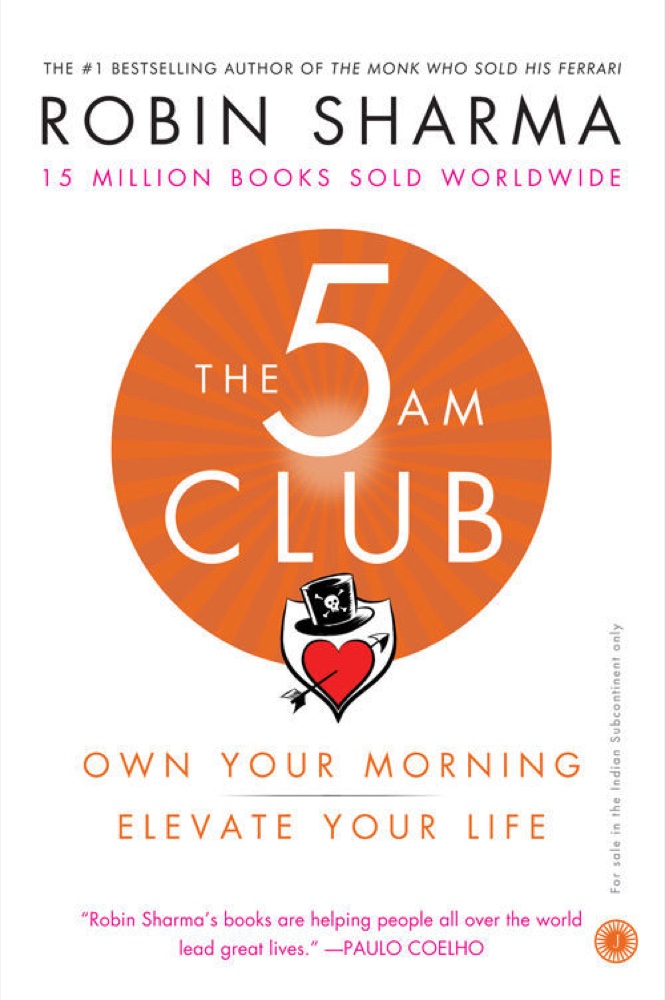 The 5 AM Club: Own Your Morning. Elevate Your Life
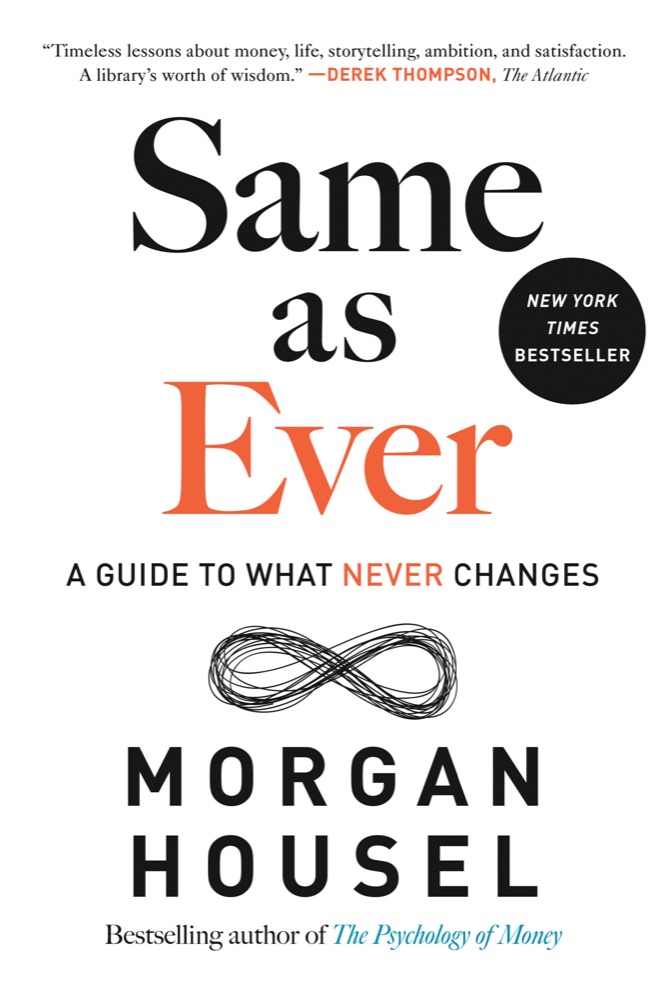 Same as Ever: A Guide to What Never Changes
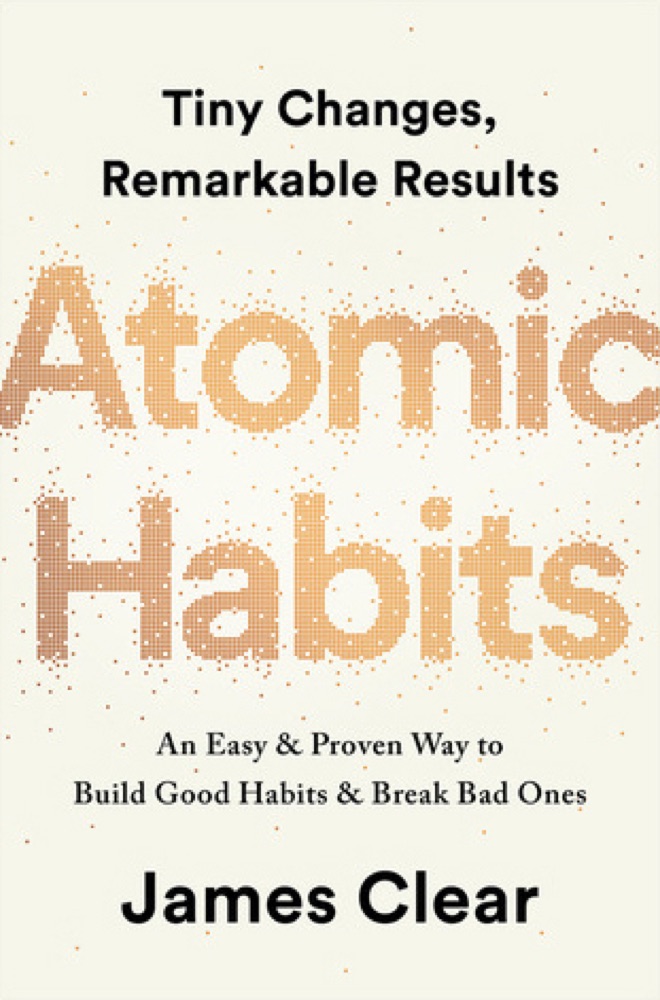 Atomic Habits: An Easy & Proven Way to Build Good Habits & Break Bad Ones
 Getting Things Done: The Art of Stress-Free Productivity
 Psycho-Cybernetics
 The Fire Starter Sessions: A Soulful + Practical Guide to Creating Success on Your Own Terms
 Outwitting the Devil: The Secret to Freedom and Success
 Do Epic Shit
 The Monk and the Riddle: The Education of a Silicon Valley Entrepreneur
 7 Strategies for Wealth & Happiness: Power Ideas from America's Foremost Business Philosopher
 The Art of Creative Thinking