
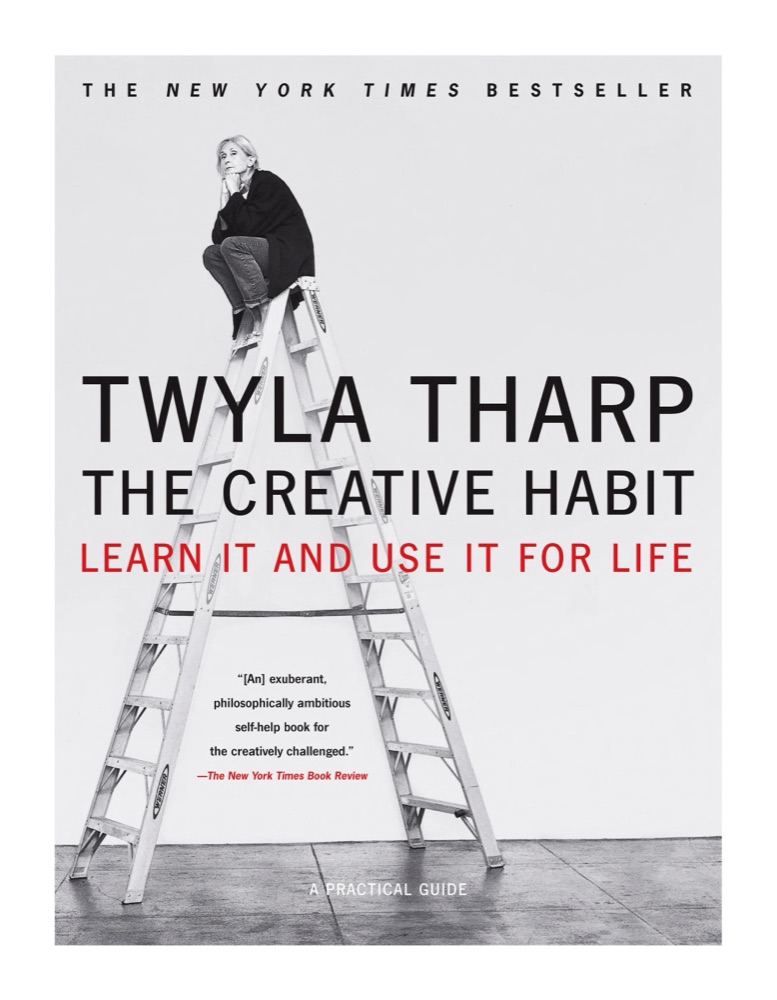
 The Creative Habit: Learn It and Use It for Life
Quotes from the Book
It doesn’t matter if you’re a model maker, a potter, a dancer, a programmer, a writer, a political activist, a teacher, a musician, a milliner, whatever. It’s all the same. Making is making, and none of it is failure.
18
When we say we need to teach kids how to “fail,” we aren’t really telling the full truth. What we mean when we say that is simply that creation is iteration and that we need to give ourselves the room to try things that might not work in the pursuit of something that will.
9
This is one of the main reasons I believe that adolescence can be so fraught for so many. Just as we start to catch the barest glimpses of our true selves and begin to understand what it is about the world that fascinates and intrigues us, we often run right into people who aren’t ready to be encouraging and can be downright hostile to someone being “different.
5
There is no skill in the world, I have since discovered, at which you get better the less sleep you have.
4
How is it possible to manage a group of dozens of artists to keep to a cohesive vision? At dinner that night I asked Guillermo how he did it. “You have to give everyone complete autonomy within a narrow bandwidth,” he replied. What he meant was that after you get their buy-in on the larger vision, you need to strictly define their roles in the fulfillment of that vision, and then you need to set them free to do their thing. You want the people helping you to be energized and involved; you want them contributing their creativity, not just following your orders. Giving them creative autonomy rewards their individual genius while keeping them oriented to the North Star of your larger shared vision.
4
Wrong turns are part of every journey. They are, as Kurt Vonnegut was fond of saying, “dancing lessons from God,” and the last thing we want to do is give our kids two left feet.
4
Now I love lists. I like long detailed lists. I like big unruly lists. I like sorting unsorted lists into outline form, then separating out their topics into lists of their own. Every single project I do involves the making of lists. I make them for organization, of course, but I also make them for assessment, for momentum as a stress reliever, and, counterintuitively, as a means to improve my creativity and free my thinking. There are daily lists, there are project lists. There are “things to order” lists. I make lists of pieces of research that I want together, lists of people I am collaborating with . . . . I make lists of things I need to purchase, things I need to find, and when all of those objects are going to get to me. And hopefully, finally, there are “homestretch” lists, that tell me I’m reaching the end.
4
Self-doubt never leaves the attentive craftsperson, so you best make friends with it.
3
Obsession is the gravity of making. It moves things, it binds them together, and gives them structure.
3
The best part of making a list is, you guessed it, crossing things off.
3
I began furiously making lists, and more lists, until I was making lists of lists . . . .
3
This is exactly the trap you don’t want to fall into when it comes to deadlines: you don’t want to cast them as the villain. What you want to do is embrace them, because at a certain point more time does not equal better output.
2
nothing we make ever turns out exactly as we imagined; that this is a feature not a bug; and that this is why we do any of it. The trip down any path of creation is not A to B. That would be so boring. Or even A to Z. That’s too predictable. It’s A to way beyond zebra. That’s where the interesting stuff happens. The stuff that confounds our expectations. The stuff that changes us.
2
Whether I'm on a deadline, or I'm distracted by other things going on in my life, or I just need to get through this thing in order to move on to something I'm more passionate about, I will unsheathe the pencil, move a delicious new blank piece of paper into the battlefield, and set myself to drawing in the fight to bring my idea to life.
1
Self-Reliance,” Ralph Waldo Emerson says: “To believe your own thought, to believe that what is true for you in your private heart is true for all men—that is genius.
1
Whenever we’re driven to reach out and create something from nothing, whether it’s something physical like a chair, or more temporal and ethereal, like a poem, we’re contributing something of ourselves to the world. We’re taking our experiences and filtering it through our words or our hands, or our voices or our bodies, and we’re putting something in the culture that didn’t exist before. In fact, we’re not putting what we make into the local culture, what we make IS the culture. Putting something in the world that didn’t exist before is the broadest definition of making, which means all of us can be makers. Creators.
1
Engaging with my environment opened my eyes to the never-ending flow of ideas. But there's even another way to find inspiration, on that I have leaned on more and more as I've gotten older and more experienced: DIGGING RIGHT THROUGH THE BOTTOM OF THE RABBIT HOLE, by which I mean, going as deep as humanly possible on something you care greatly about, something you can't stop thinking about.
1
the first law of thermodynamics: an object at rest tends to stay at rest unless acted upon by an outside force. Which is to say, to get started you need to become the outside force that starts the (mental and physical) ball rolling, which overcomes the inertia of inaction and indecision, and begins the development of real creative momentum.
The completeness in me would not let this [missing of the lunchbox] stand. Once I caught the bug to fill out the frame of the 2001 Heywood Floyd tabloid that I have in my head, I couldn't shake off my desire, my need to obtain one of these lunch boxes. And if I could not buy it, well, then I would just going to build my own from scratch, which is what I need
Watch on YouTube
About Adam Savage
We have collected 19 quotes from 1 book by Adam Savage on BookQuoters.
More about the author →About the book
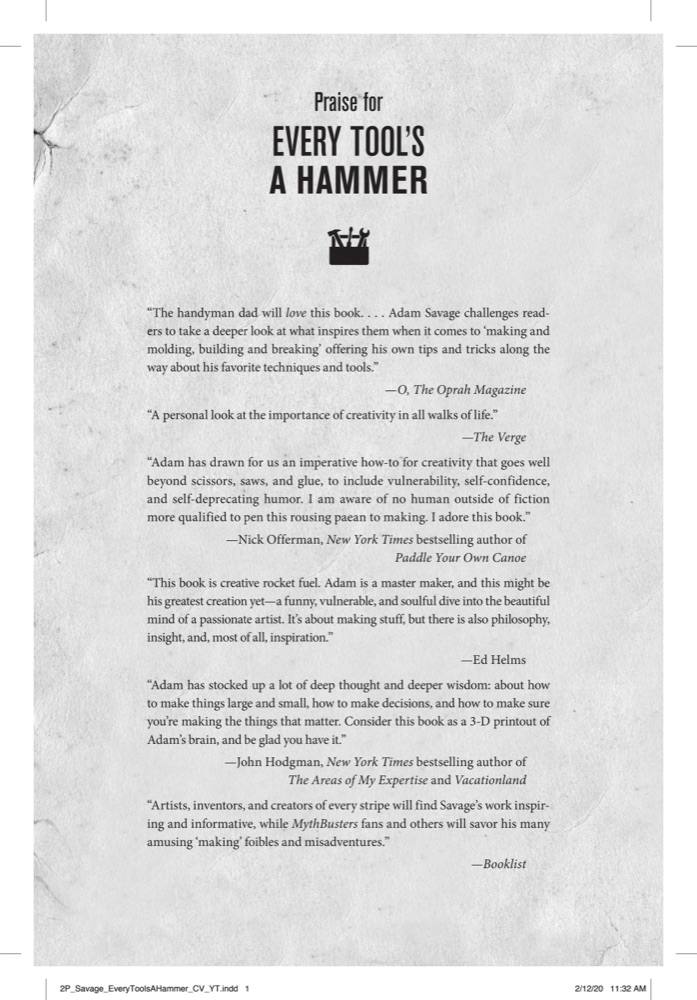
In this New York Times bestselling “imperative how-to for creativity” (Nick Offerman), Adam Savage—star of Discovery Channel’s Mythbusters—shares his golden rules of creativity, from finding inspiration to following through and successfully making your idea a reality.Every Tool’s a Hammer is a chronicle of my life as a maker. It’s an exploration of making, but it’s also a permission slip of sorts from me to you. Permission to grab hold of the things you’re interested in, that fascinate you, and to dive deeper into them to see where they lead you. Through stories from forty-plus years of making and molding, building and breaking, along with the lessons I learned along the way, this book is meant to be a toolbox of problem solving, complete with a shop’s worth of notes on the tools, techniques, and materials that I use most often. Things like: In Every Tool There Is a Hammer—don’t wait un
Book details
- First published
- 2019
- Author
- Adam Savage
- Genre
- Nonfiction
- Goodreads rating
- 4.18 (11k ratings)
Keep reading
The Creative Habit: Learn It and Use It for Life
 Embrace Your Weird: Face Your Fears and Unleash Creativity
 Creative Quest
 How to Fly a Horse: The Secret History of Creation, Invention, and Discovery
 Big Magic: Creative Living Beyond Fear
 Creativity: Flow and the Psychology of Discovery and Invention
 Ignore Everybody: and 39 Other Keys to Creativity
 The Practice: Shipping Creative Work
 Show Your Work!: 10 Ways to Share Your Creativity and Get Discovered
 The Art of Creative Thinking
 A Whack on the Side of the Head: How You Can Be More Creative
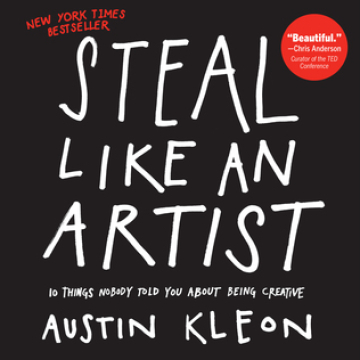 Steal Like an Artist: 10 Things Nobody Told You About Being Creative
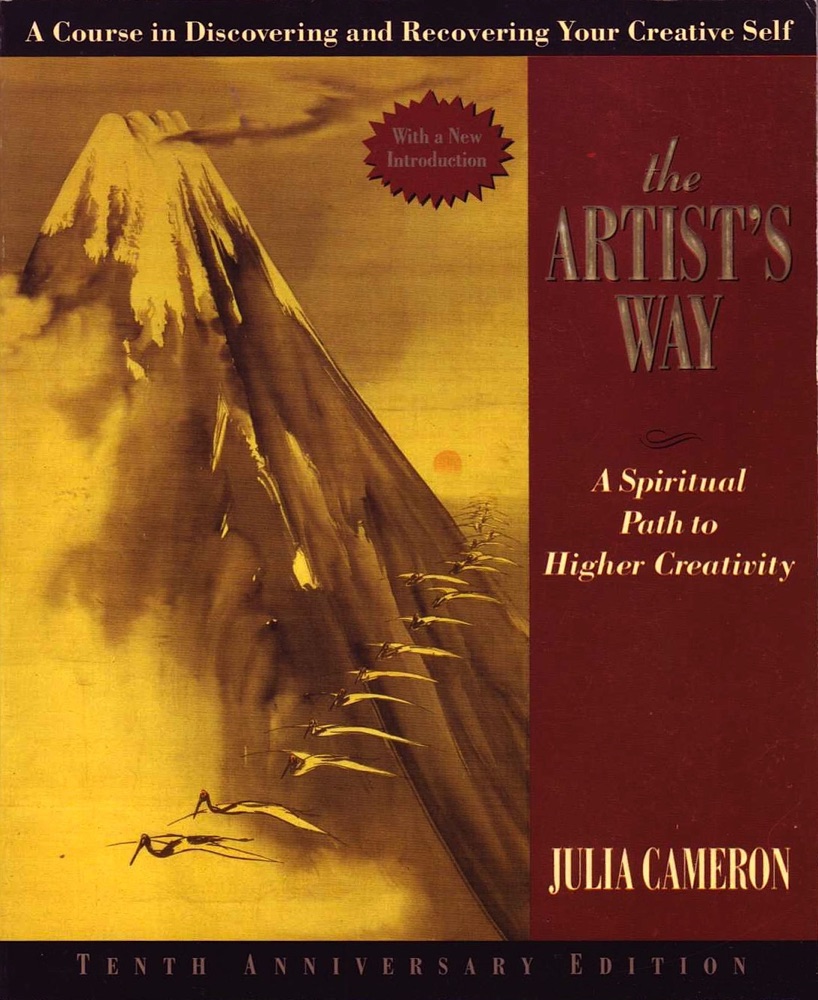 The Artist's Way
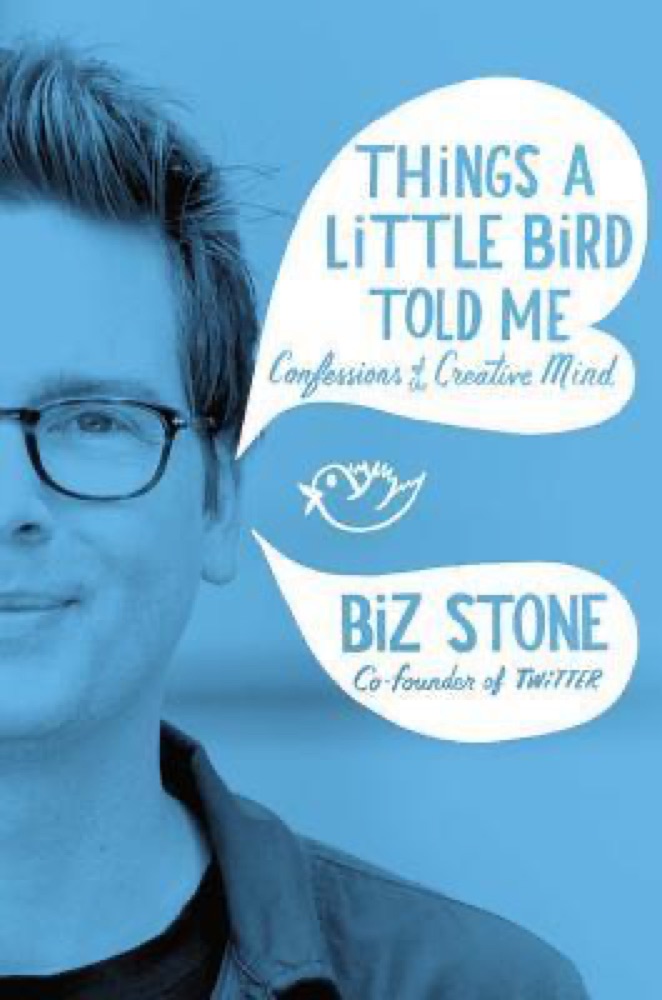 Things a Little Bird Told Me: Confessions of the Creative Mind
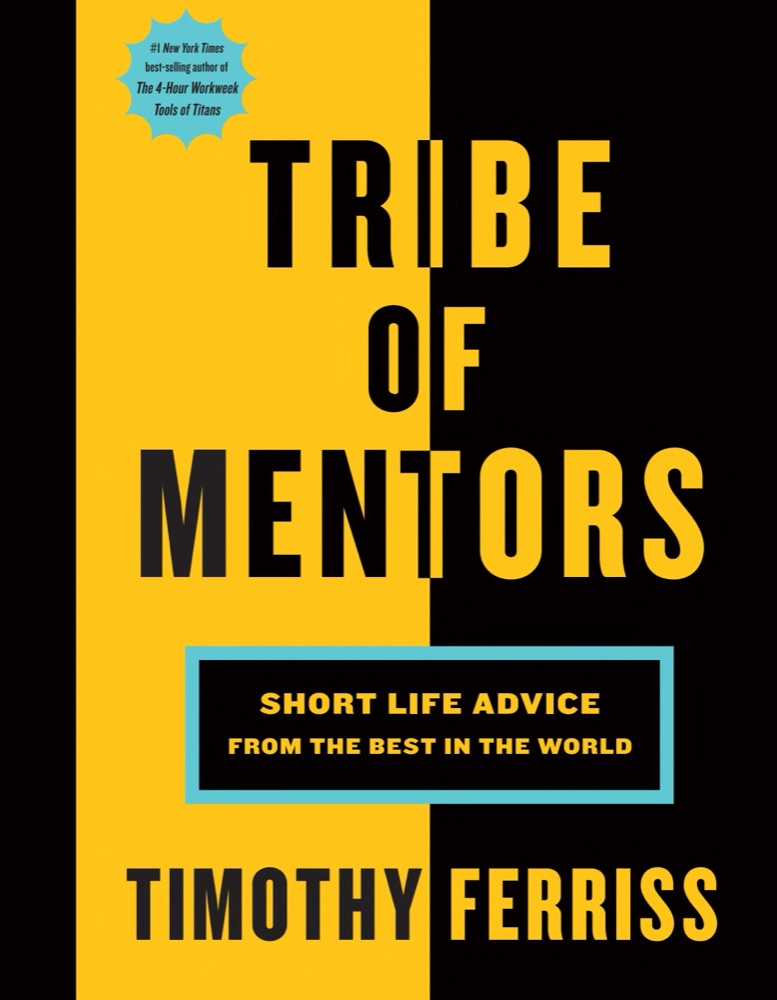 Tribe Of Mentors: Transformative Wisdom From Icons and Innovators to Help You Navigate Life's Challenges
 Originals: How Non-Conformists Move the World
 Linchpin: Are You Indispensable?
 The Art of Thinking Clearly
 Bird by Bird
 Art Matters: Because Your Imagination Can Change the World
 How to Write One Song: Loving the Things We Create and How They Love Us Back
 A Work in Progress
 Imagine: How Creativity Works
 The Fire Starter Sessions: A Soulful + Practical Guide to Creating Success on Your Own Terms
 Creativity, Inc.: Overcoming the Unseen Forces That Stand in the Way of True Inspiration
 Still Writing: The Perils and Pleasures of a Creative Life
 The Accidental Creative: How to Be Brilliant at a Moment's Notice
 The Element: How Finding Your Passion Changes Everything
 The Getaway Car: A Practical Memoir About Writing and Life
 Believe Me: A Memoir of Love, Death, and Jazz Chickens
 Math with Bad Drawings
 The War of Art
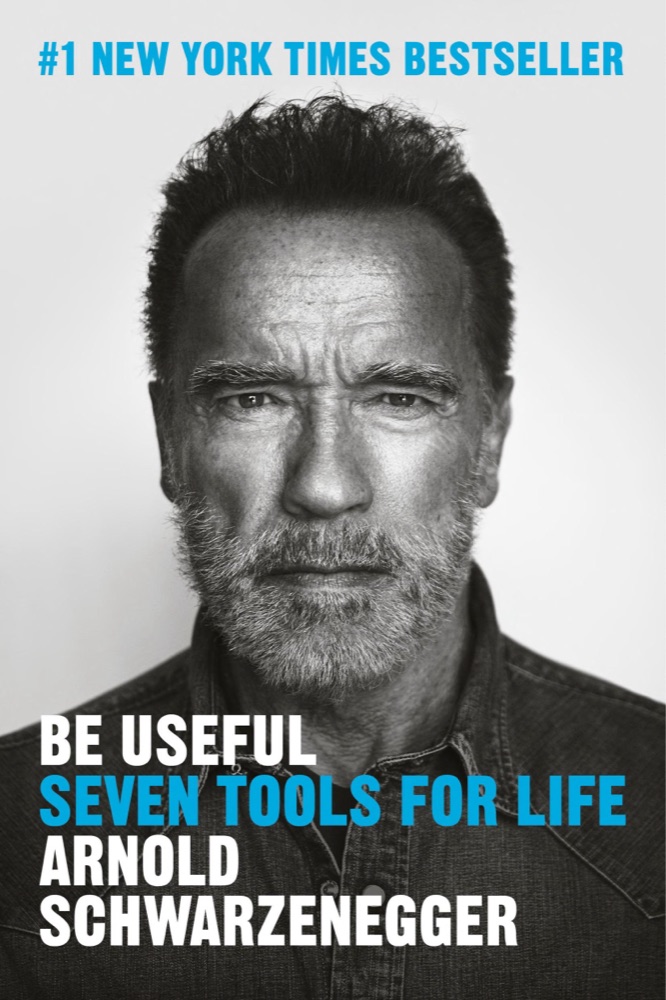 Be Useful: Seven Tools for Life
 Asymmetry
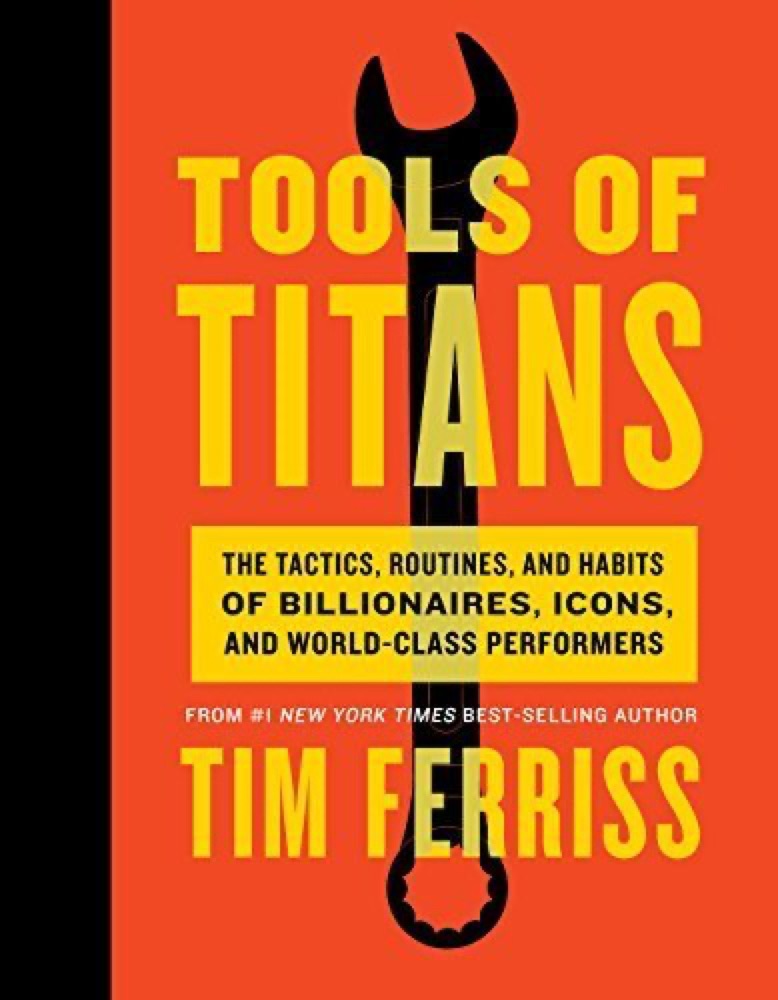 Tools of Titans: The Tactics, Routines, and Habits of Billionaires, Icons, and World-Class Performers
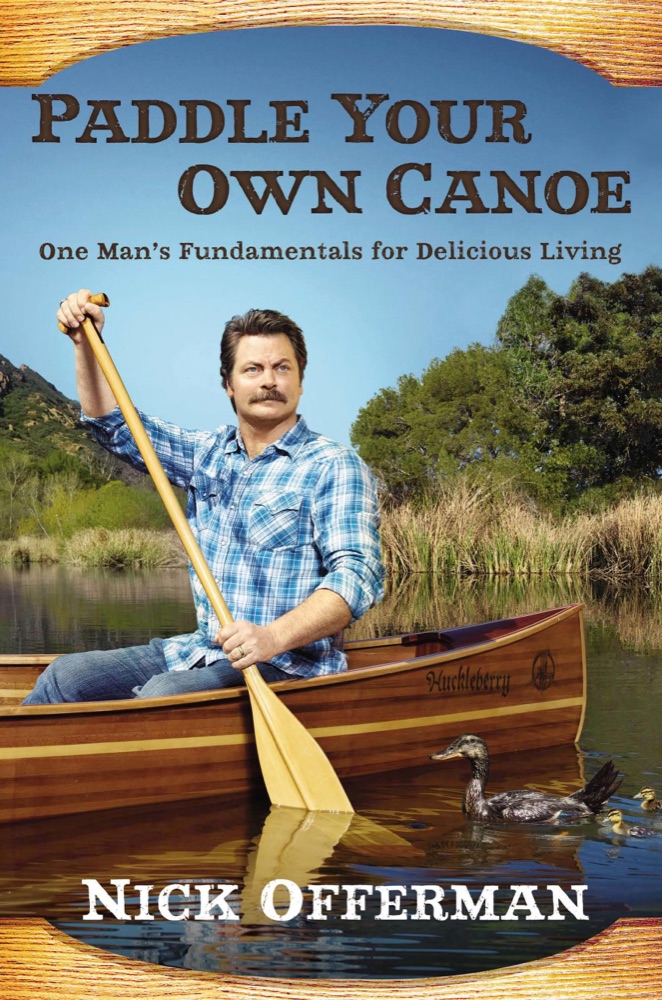 Paddle Your Own Canoe: One Man's Fundamentals for Delicious Living
 How to Build a Girl
 Made to Stick: Why Some Ideas Survive and Others Die
 The Bullet Journal Method: Track Your Past, Order Your Present, Plan Your Future
 Shoe Dog: A Memoir by the Creator of NIKE
 Zen in the Art of Writing
 Getting Things Done: The Art of Stress-Free Productivity
 Make Good Art
 The Salmon of Doubt
 Improv Wisdom: Don't Prepare, Just Show Up
 Mastery
 How to Be Everything
 Zen and the Art of Motorcycle Maintenance
 Smarter Faster Better: The Secrets of Being Productive in Life and Business
 Making Ideas Happen: Overcoming the Obstacles Between Vision and Reality
 Choose Yourself: Be Happy, Make Millions, Live the Dream
 The Daily Laws: 366 Meditations
 Art and Fear: Observations on the Perils (and Rewards) of Artmaking
 Ready for Anything: 52 Productivity Principles for Getting Things Done
 Walk Through Walls: A Memoir
 The Promise of a Pencil: How an Ordinary Person Can Create Extraordinary Change
 Think Like a Rocket Scientist: Simple Strategies You Can Use to Make Giant Leaps in Work and Life
 If You Want to Write: A Book about Art, Independence and Spirit
 Grit: The Power of Passion and Perseverance
 Art Before Breakfast: A Zillion Ways to be More Creative No Matter How Busy You Are