
 If I Understood You, Would I Have This Look on My Face?: My Adventures in the Art and Science of Relating and Communicating
Quotes from the Book
I've spent time with a lot of very busy people - business leaders, prominent journalists, and multiple presidents. Despite the unusually high demands on their schedules, something they all have in common is that they carve out time for reading, and for consuming information that may not seem to have anything to do with their jobs.
2
I've spent time with a lot of very busy people: business leaders, prominent journalists, multiple presidents. Despite the unusually high demands on their schedules, something they all have in common is that they carve out time for reading, and for consuming information that may not seem to have anything to do with their jobs. When President Obama released summer reading lists or his top book recommendations for the year, a chorus of 'yeah, right' could occasionally be heard from certain corners of the internet, where skeptics who doubted he had time to read contemporary literature liked to hang out. But President Obama read all those books, and many more. Taking time after a long day to sit down and read some Chinese science fiction, a novel by Jesmyn Ward, or even one of Ron Chernow's biographies was an escape, but it also oxygenated Obama's brain. There may not have been a specific moment when he consciously connected the dots between a novel he read two years earlier and the issue at hand, but moving beyond your own experience is an important part of developing the kind of perspective that helps with decision-making. It's also how the most effective people connect. Developing broad general knowledge gives you the flexibility to adapt to your audience on the fly, as well as the ability to naturally relate to diverse groups. And besides, have you ever recommended a book to someone who ended up really loving it? It's a unique way of understanding someone better, and that kind of communication goes both ways.
1
If you’re leading a room, you need to be aware that your effectiveness with your audience has much in common with how an actor is viewed. If that actor forgets his lines or freezes onstage, or even if he just stumbles, the audience will recognize that he’s a performer going through the motions and some of the magic will be lost. They might get distracted. They might even sneak a peek at their phones. If you “break character,” it sends a message to the audience that what you are delivering is not authentic. And if you’re not an actor onstage, but someone whose authority might be questioned or complicated-if you’re giving a sales pitch or conducting a press briefing, say-they’ll feel you’re just pretending, and they’ll think you’re trying to trick them.
Developing broad general knowledge gives you the flexibility to adapt to your audience on the fly, as well as the ability to naturally relate to diverse groups.
you may be trying to sell something that is unsellable, and no amount of spin will convince your shrewd audience that they should seriously consider what you have to say.
There was also a large crew of people who tried to nickname the previously mentioned Bipartisan Infrastructure Framework "BIF". If you would like your audience to start making fun of a big, serious, and important piece of legislation, start calling it BIF.
Neuroscience of Change, says that she tries to foreground
Watch on YouTube
About Jen Psaki
About the book
Former White House Press Secretary and current MSNBC host Jen Psaki shares the surprising lessons she’s learned on her path to success and offers unique yet universal advice about how to be a more effective communicator in any situation.
Not many White House Press Secretaries capture the nation’s interest the way Jen Psaki did. Refreshingly candid and clear, Psaki quickly became known for her ability to break through the noise and successfully deliver her message. In her highly anticipated book, Psaki shares her journey to the Briefing Room and beyond, taking readers along the campaign trail, to the State Department, and inside the White House under two Presidents. With her signature wit, Psaki writes about reporting to bosses from the hot-tempered Rahm Emanuel to the coolly intellectual Barack Obama to the surprisingly tenderhearted John Kerry. She also talks about her time working c
Book details
- First published
- 2024
- Author
- Jen Psaki
- Genre
- Nonfiction
- Goodreads rating
- 3.91 (4k ratings)
Keep reading
If I Understood You, Would I Have This Look on My Face?: My Adventures in the Art and Science of Relating and Communicating
 TED Talks: The Official TED Guide to Public Speaking
 Made to Stick: Why Some Ideas Survive and Others Die
 Words That Work: It's Not What You Say, It's What People Hear
 Who Thought This Was a Good Idea?: And Other Questions You Should Have Answers to When You Work in the White House
 Consider This: Moments in My Writing Life After Which Everything Was Different
 Resonate: Present Visual Stories that Transform Audiences
 Think Like a Freak
 To Sell is Human: The Surprising Truth About Moving Others
 What the Dog Saw and Other Adventures
 Hell and Other Destinations: A 21st-Century Memoir
 Trust Me, I'm Lying: Confessions of a Media Manipulator
 Radical Candor: Be a Kickass Boss Without Losing Your Humanity
 Hit Makers: The Science of Popularity in an Age of Distraction
 The Art of Thinking Clearly
 The Catalyst: How to Change Anyone's Mind
 Show Your Work!: 10 Ways to Share Your Creativity and Get Discovered
 Thank You for Arguing: What Aristotle, Lincoln, and Homer Simpson Can Teach Us About the Art of Persuasion
 It Worked for Me: In Life and Leadership
 Amusing Ourselves to Death: Public Discourse in the Age of Show Business
 Smartcuts: How Hackers, Innovators, and Icons Accelerate Success
 Trump: The Art of the Deal
 Stolen Focus: Why You Can't Pay Attention— and How to Think Deeply Again
 Rework
 Call Sign Chaos: Learning to Lead
 Excellent Advice for Living: Wisdom I Wish I'd Known Earlier
 Crucial Conversations: Tools for Talking When Stakes are High
 Surrounded by Idiots
 Chaos Monkeys: Obscene Fortune and Random Failure in Silicon Valley
 Amp It Up: Leading for Hypergrowth by Raising Expectations, Increasing Urgency, and Elevating Intensity
 Yes We (Still) Can: Politics in the Age of Obama, Twitter, and Trump
 The Black Swan: The Impact of the Highly Improbable
 A Higher Loyalty: Truth, Lies, and Leadership
 A Slip of the Keyboard: Collected Non-Fiction
 Range: Why Generalists Triumph in a Specialized World
 The Elephant in the Brain: Hidden Motives in Everyday Life
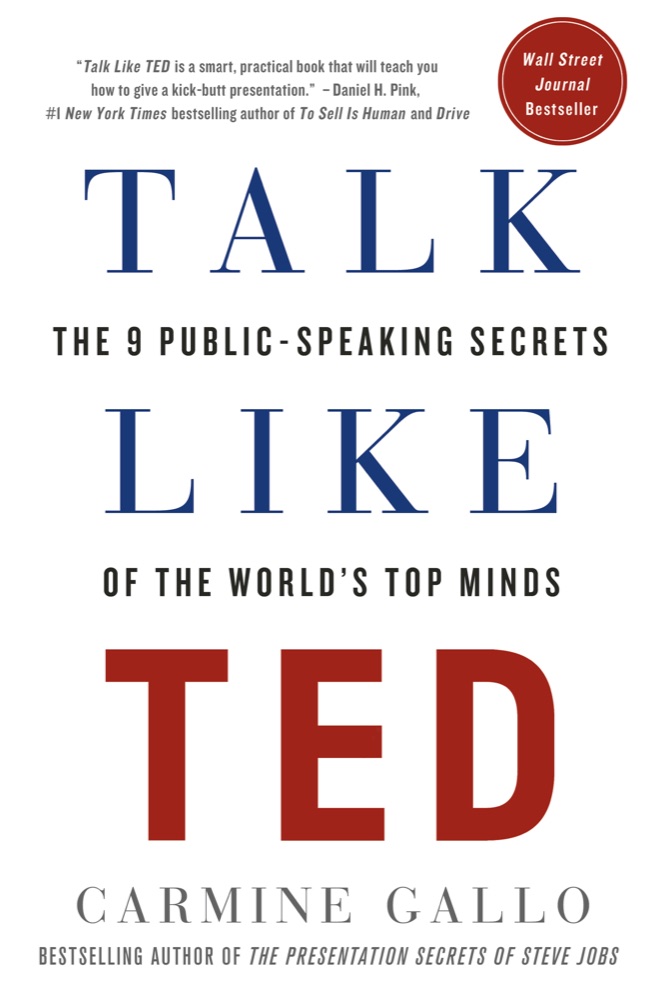 Talk Like TED: The 9 Public-Speaking Secrets of the World's Top Minds
 You Are Now Less Dumb: How to Conquer Mob Mentality, How to Buy Happiness, and All the Other Ways to Outsmart Yourself
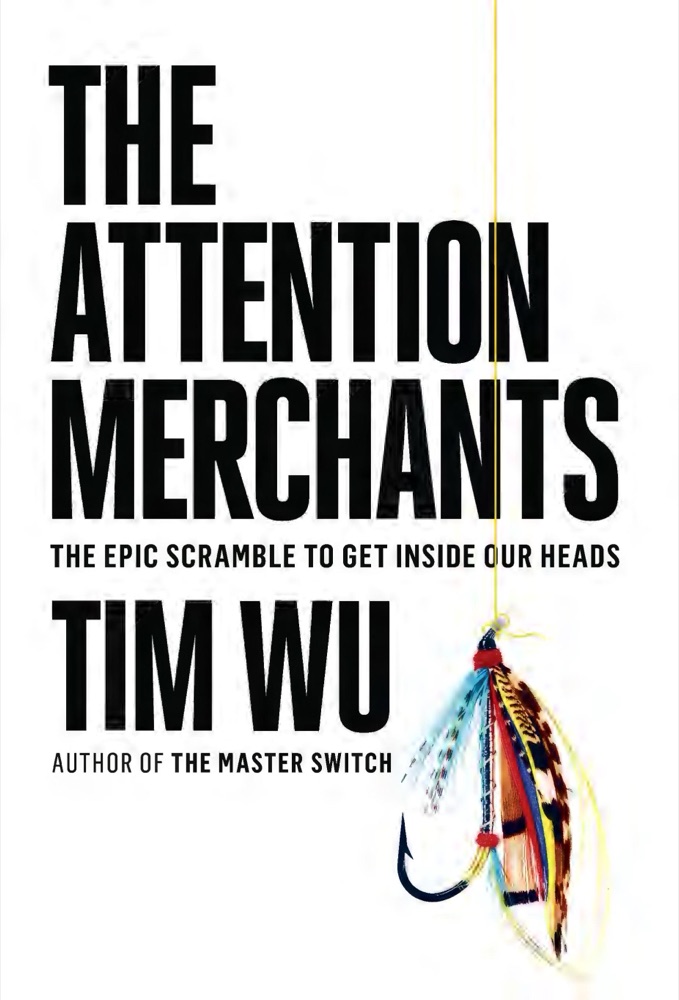 The Attention Merchants: The Epic Scramble to Get Inside Our Heads
 The Startup of You: Adapt to the Future, Invest in Yourself, and Transform Your Career
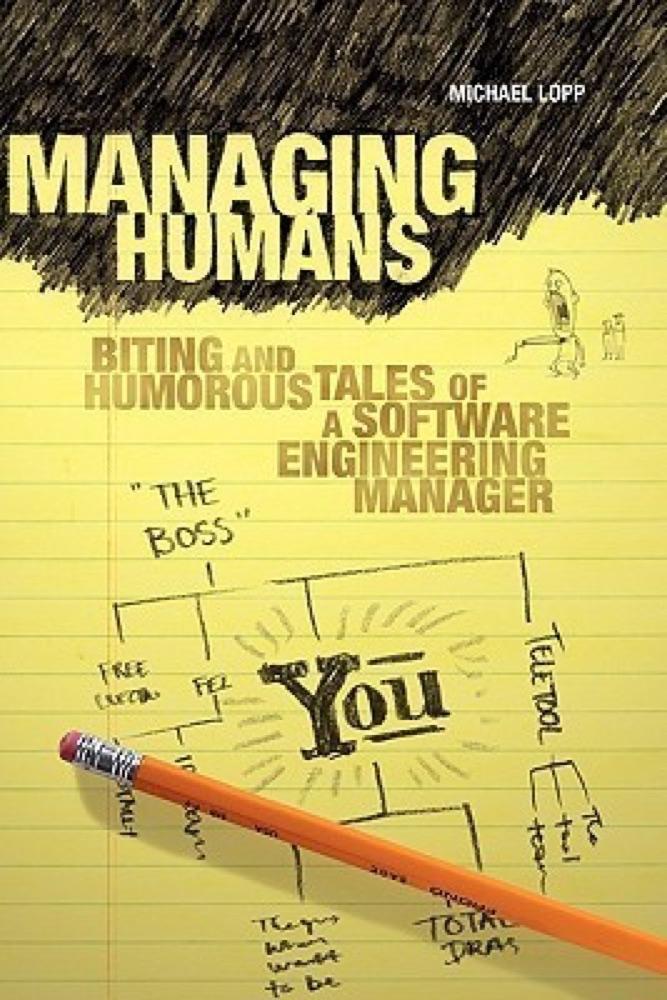 Managing Humans: Biting and Humorous Tales of a Software Engineering Manager
 The Tipping Point: How Little Things Can Make a Big Difference
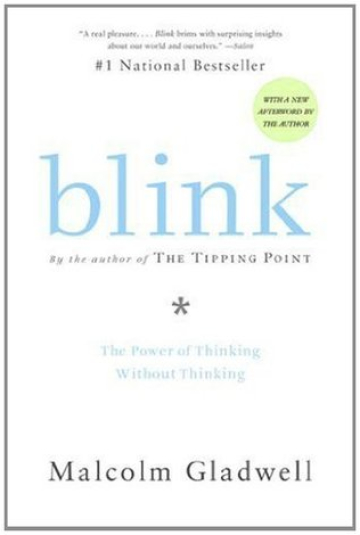 Blink: The Power of Thinking Without Thinking
 Lexicon
 My Life on the Road
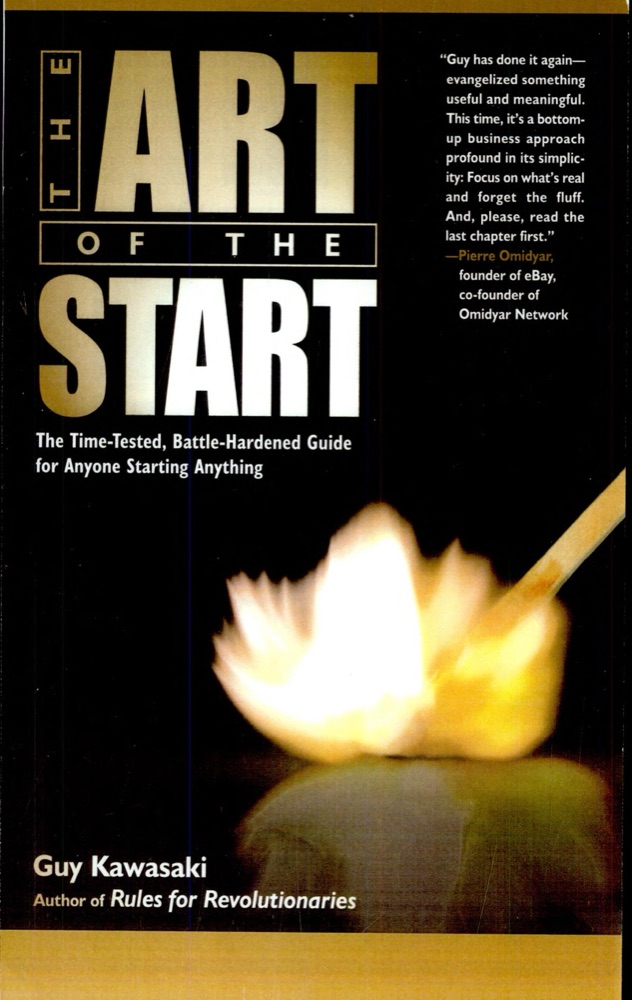 The Art of the Start: The Time-Tested, Battle-Hardened Guide for Anyone Starting Anything
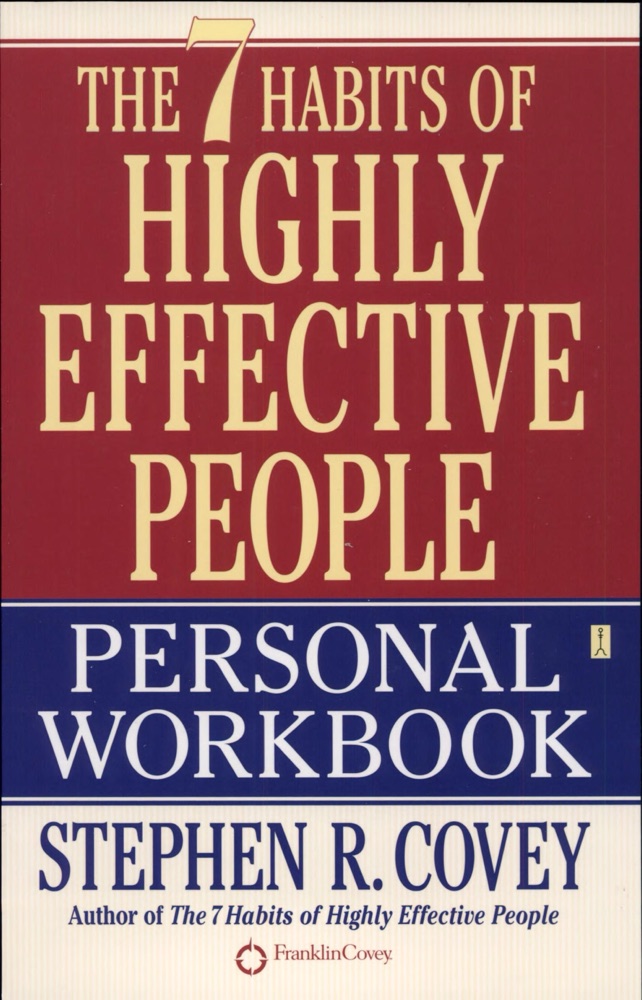 The 7 Habits of Highly Effective People: Personal Workbook
 Table for Two
 The World Is Flat: A Brief History of the Twenty-first Century
 Don't Make Me Think, Revisited: A Common Sense Approach to Web Usability
 The Braindead Megaphone
 Influencer: The Power to Change Anything
 Do Over: Rescue Monday, Reinvent Your Work, and Never Get Stuck
 Hackers & Painters: Big Ideas from the Computer Age
 Smarter Faster Better: The Secrets of Being Productive in Life and Business
 Shortest Way Home: One Mayor's Challenge and a Model for America's Future
 Getting More: How to Negotiate to Achieve Your Goals in the Real World
 The Undoing Project: A Friendship That Changed Our Minds
 Please Understand Me II: Temperament, Character, Intelligence
 The Story Factor: Inspiration, Influence, and Persuasion through the Art of Storytelling