
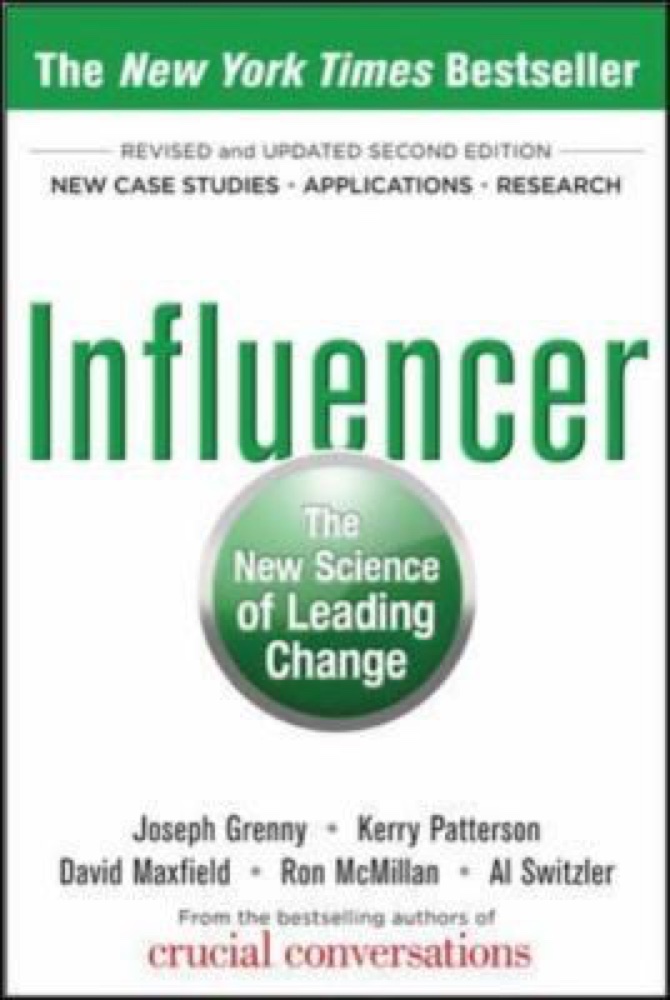
 Influencer: The Power to Change Anything
Quotes from the Book
People who are skilled at dialogue do their best to make it safe for everyone to add their meaning to the shared pool--even ideas that at first glance appear controversial, wrong, or at odds with their own beliefs. Now, obviously they don't agree with every idea; they simply do their best to ensure that all ideas find their way into the open.
54
As much as others may need to change, or we may want them to change, the only person we can continually inspire, prod, and shape—with any degree of success—is the person in the mirror.
31
It’s the most talented, not the least talented, who are continually trying to improve their dialogue skills. As is often the case, the rich get richer.
27
Respect is like air. As long as it's present, nobody thinks about it. But if you take it away, it's all that people can think about. The instant people perceive disrespect in a conversation, the interaction is no longer about the original purpose—it is now about defending dignity.
22
The Pool of Shared Meaning is the birthplace of synergy
20
The key to real change lies not in implementing a new process, but in getting people to hold one another accountable to the process.
18
Remember, to know and not to do is really not to know.
18
At the core of every successful conversation lies the free flow of relevant information.
16
The mistake most of us make in our crucial conversations is we believe that we have to choose between telling the truth and keeping a friend.
16
Our lives begin to end the day we become silent about things that matter. —MARTIN LUTHER KING JR. Mastering
13
Speak when you are angry and you will make the best speech you will ever regret. —AMBROSE BIERCE
13
One of the best ways to persuade others is with your ears—by listening to them. —DEAN RUSK
12
Let’s say that your significant other has been paying less and less attention to you. You realize he or she has a busy job, but you still would like more time together. You drop a few hints about the issue, but your loved one doesn’t handle it well. You decide not to put on added pressure, so you clam up. Of course, since you’re not all that happy with the arrangement, your displeasure now comes out through an occasional sarcastic remark. “Another late night, huh? I’ve got Facebook friends I see more often.” Unfortunately (and here’s where the problem becomes self-defeating), the more you snip and snap, the less your loved one wants to be around you. So your significant other spends even less time with you, you become even more upset, and the spiral continues. Your behavior is now actually creating the very thing you didn’t want in the first place. You’re caught in an unhealthy, self-defeating loop.
11
Don't aim for perfection. Aim for progress. Learn to slow the process down when your adrenaline gets pumping.
10
I have become more aware of (1) how true emotions can feel during crucial moments, and (2) how false they really are.
10
You know what? We need to talk about this. I’m glad you asked the question. Thank you for taking that risk. I appreciate the trust it shows in me.
9
What do I really want for myself? What do I really want for others? What do I really want for the relationship?
7
SUMMARY—START WITH HEART Here’s how people who are skilled at dialogue stay focused on their goals—particularly when the going gets tough. Work on Me First, Us Second • Remember that the only person you can directly control is yourself. Focus on What You Really Want • When you find yourself moving toward silence or violence, stop and pay attention to your motives. • Ask yourself: “What does my behavior tell me about what my motives are?” • Then, clarify what you really want. Ask yourself: “What do I want for myself? For others? For the relationship?” • And finally, ask: “How would I behave if this were what I really wanted?” Refuse the Fool’s Choice • As you consider what you want, notice when you start talking yourself into a Fool’s Choice. • Watch to see if you’re telling yourself that you must choose between peace and honesty, between winning and losing, and so on. • Break free of these Fool’s Choices by searching for the and. • Clarify what you don’t want, add it to what you do want, and ask your brain to start searching for healthy options to bring you to dialogue.
6
When it comes to risky, controversial, and emotional conversations, skilled people find a way to get all relevant information (from themselves and others) out into the open.
6
An apology is a statement that sincerely expresses your sorrow for your role in causing—or at least not preventing—pain or difficulty to others.
6
Nothing in this world is good or bad, but thinking makes it so. —WILLIAM SHAKESPEARE
5
Nothing fails like success. In other words, when a challenge in life is met by a response that is equal to it, you have success. But when the challenge moves to a higher level, the old, once successful response no longer works—it fails; thus, nothing fails like success.
5
A word fitly spoken is like apples of gold in baskets of silver.
5
Second, clarify what you really don't want. This is the key to framing the and question. Think of what you are afraid will happen to you if you back away from your current strategy of trying to win or stay safe. What bad thing will happen if you stop pushing so hard? Or if you don't try to escape? What horrible outcome makes game-playing an attractive and sensible option?
5
When people purposefully withhold meaning from one another, individually smart people can do collectively stupid things.
4
There are four common ways of making decisions: command, consult, vote, and consensus. These four options represent increasing degrees of involvement.
3
Methods include cutting others off, overstating your facts, speaking in absolutes, changing subjects, or using directive questions to control the conversation.
3
Watch on YouTube
About Kerry Patterson
We have collected 46 quotes from 2 books by Kerry Patterson on BookQuoters.
More about the author →More by Kerry Patterson
Influencer: The Power to Change Anything
About the book
Learn how to keep your cool and get the results you want when emotions flare.
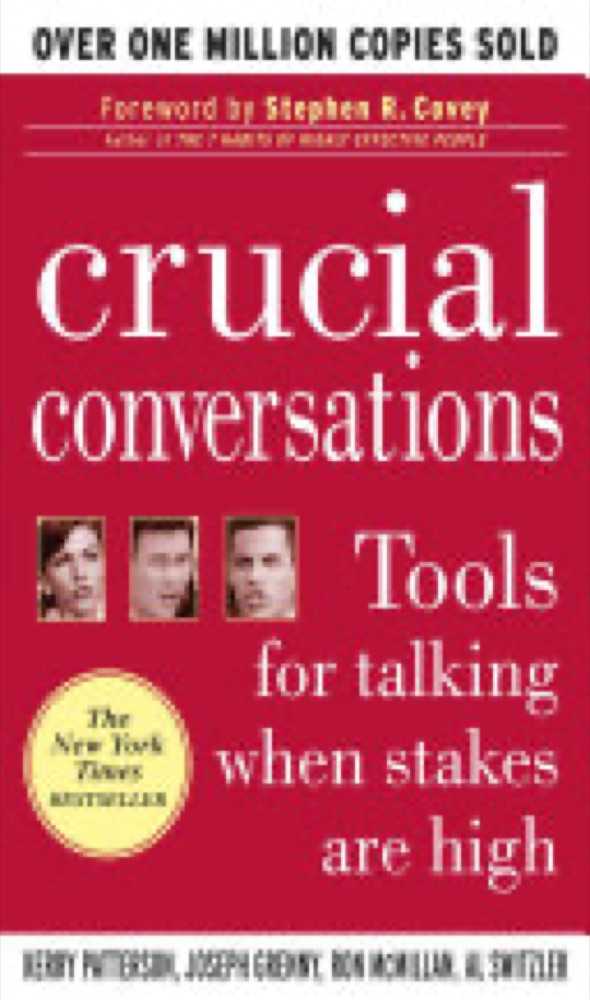
When stakes are high, opinions vary, and emotions run strong, you have three choices: Avoid a crucial conversation and suffer the consequences; handle the conversation badly and suffer the consequences; or read Crucial Conversations and discover how to communicate best when it matters most. Crucial Conversations gives you the tools you need to step up to life's most difficult and important conversations, say what's on your mind, and achieve the positive resolutions you want. You'll learn how to:
Prepare for high-impact situations with a six-minute mastery technique Make it safe to talk about almost anything Be persuasive, not abrasive Keep listening when others blow up or clam up Turn crucial conversations into the action and results you want
Book details
- First published
- 2002
- Author
- Kerry Patterson
- Genre
- Nonfiction
- Goodreads rating
- 4.07 (84k ratings)
Keep reading
 Difficult Conversations: How to Discuss What Matters Most
 Excellent Advice for Living: Wisdom I Wish I'd Known Earlier
 Supercommunicators: How to Unlock the Secret Language of Connection
 The 7 Habits of Highly Effective People: Personal Workbook
 The Art of Thinking Clearly
 The Dance of Connection: How to Talk to Someone When You're Mad, Hurt, Scared, Frustrated, Insulted, Betrayed, or Desperate
 If I Understood You, Would I Have This Look on My Face?: My Adventures in the Art and Science of Relating and Communicating
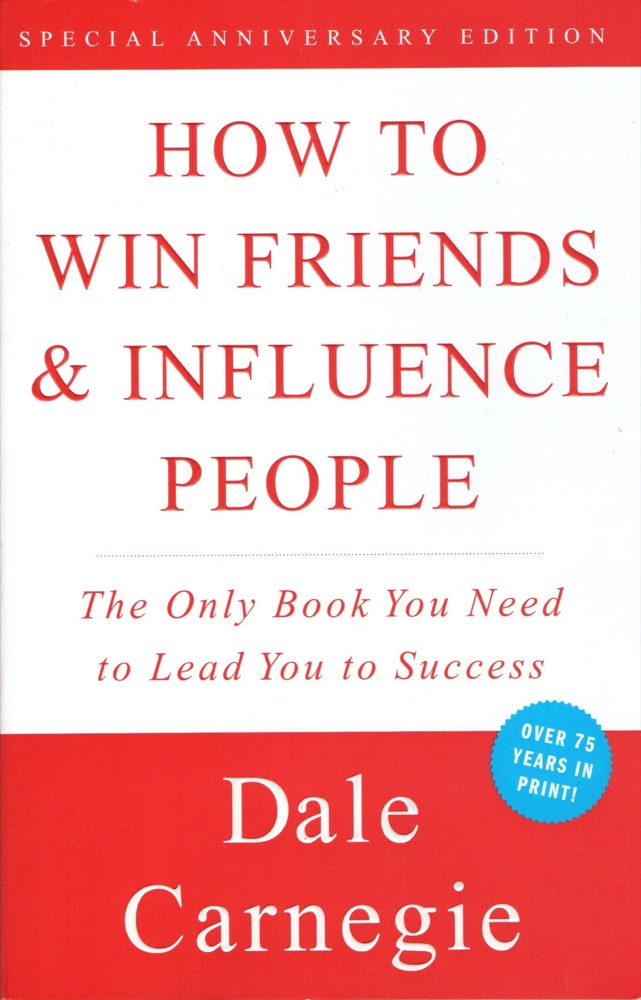 How to Win Friends & Influence People
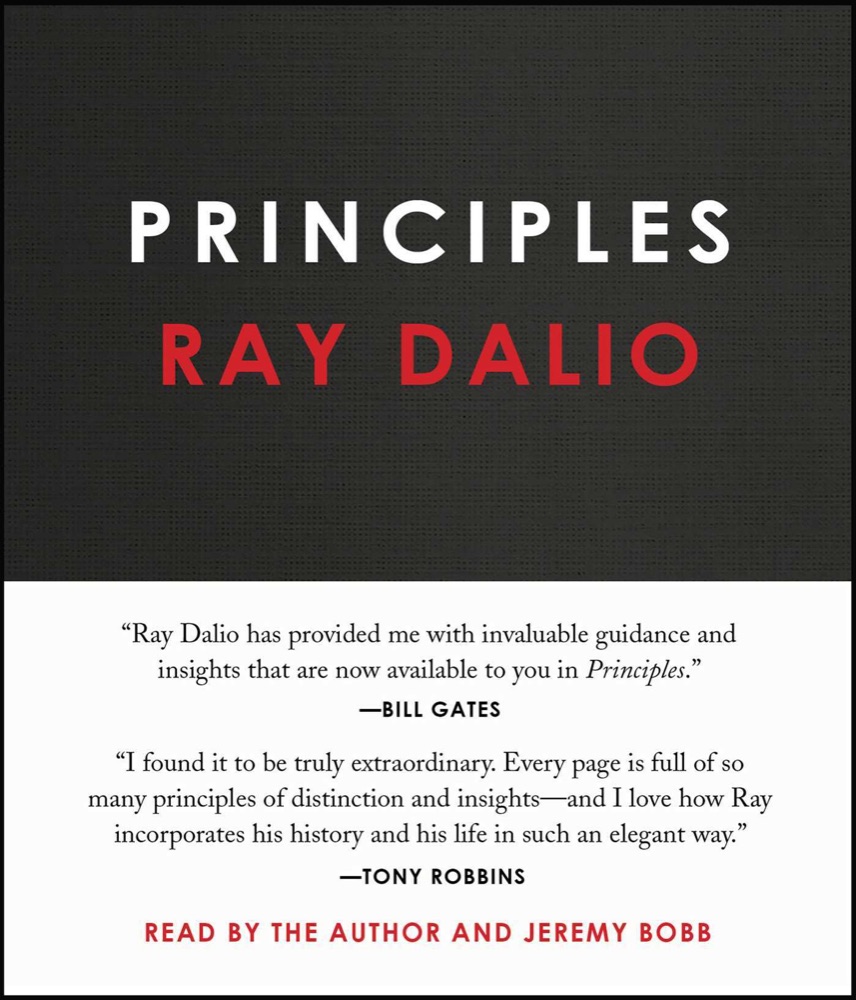 Principles: Life and Work
 Tribe Of Mentors: Transformative Wisdom From Icons and Innovators to Help You Navigate Life's Challenges
 The Last Lecture
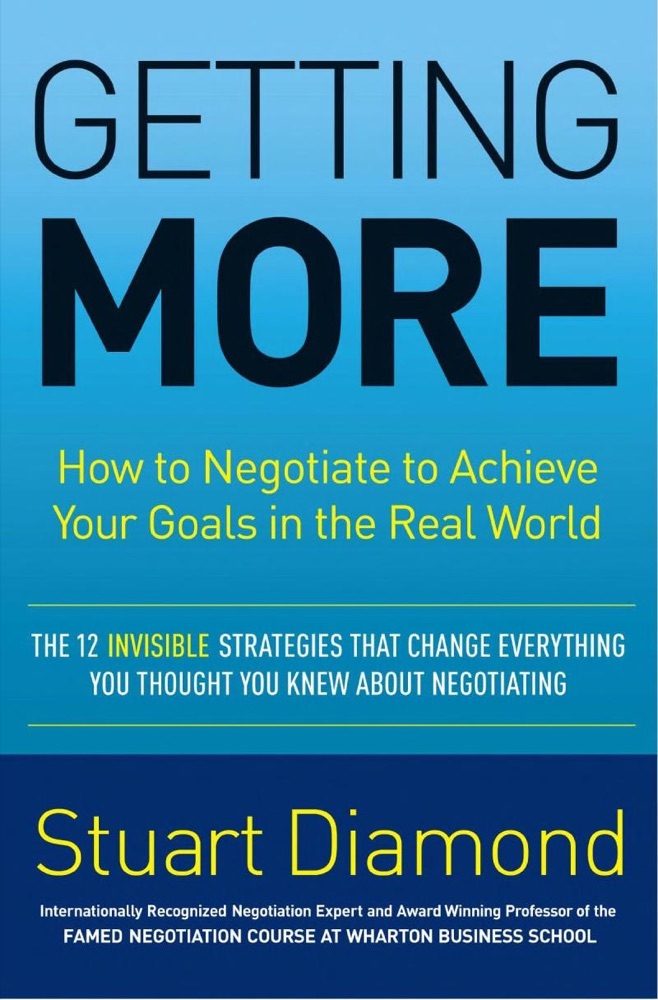 Getting More: How to Negotiate to Achieve Your Goals in the Real World
 Surrounded by Idiots
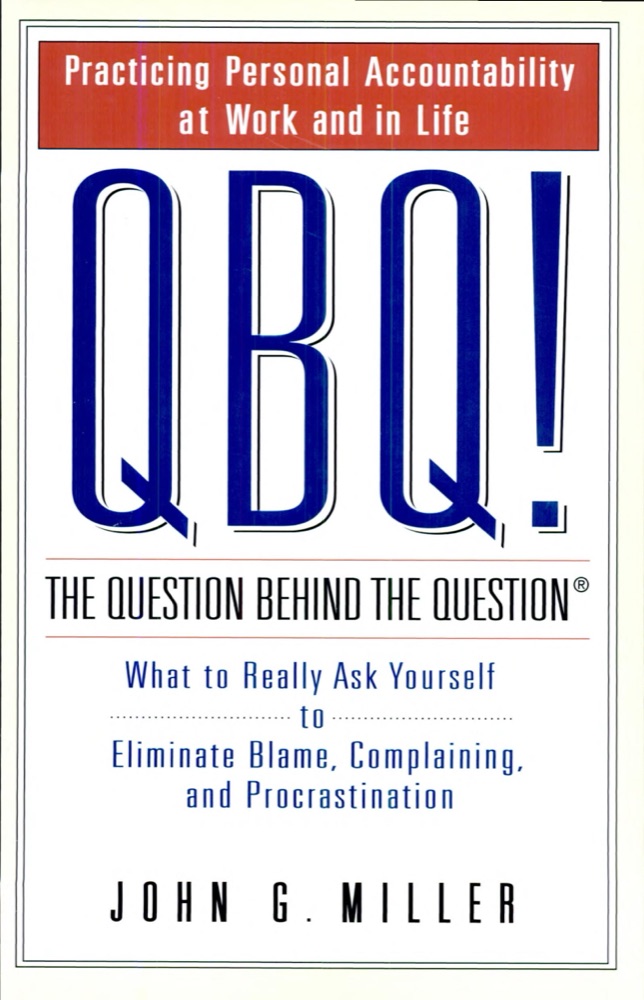 QBQ! The Question Behind the Question: Practicing Personal Accountability in Work and in Life
 How to Know a Person: The Art of Seeing Others Deeply and Being Deeply Seen
 Tools of Titans: The Tactics, Routines, and Habits of Billionaires, Icons, and World-Class Performers
 Dare to Lead
 Never Split the Difference: Negotiating As If Your Life Depended On It
 Awaken The Giant Within
 It Worked for Me: In Life and Leadership
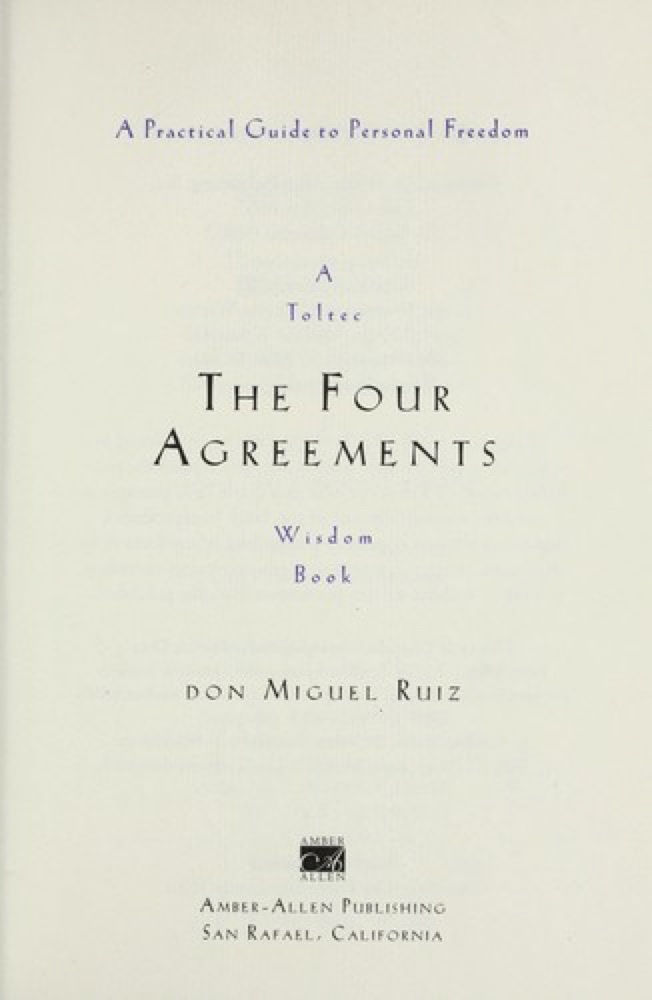 The Four Agreements: A Practical Guide to Personal Freedom
 It Takes What It Takes: How to Think Neutrally and Gain Control of Your Life
 How to Use Your Enemies
 How to Be a Bawse: A Guide to Conquering Life
 Essentialism: The Disciplined Pursuit of Less
 Will
Will
 The Art of Public Speaking
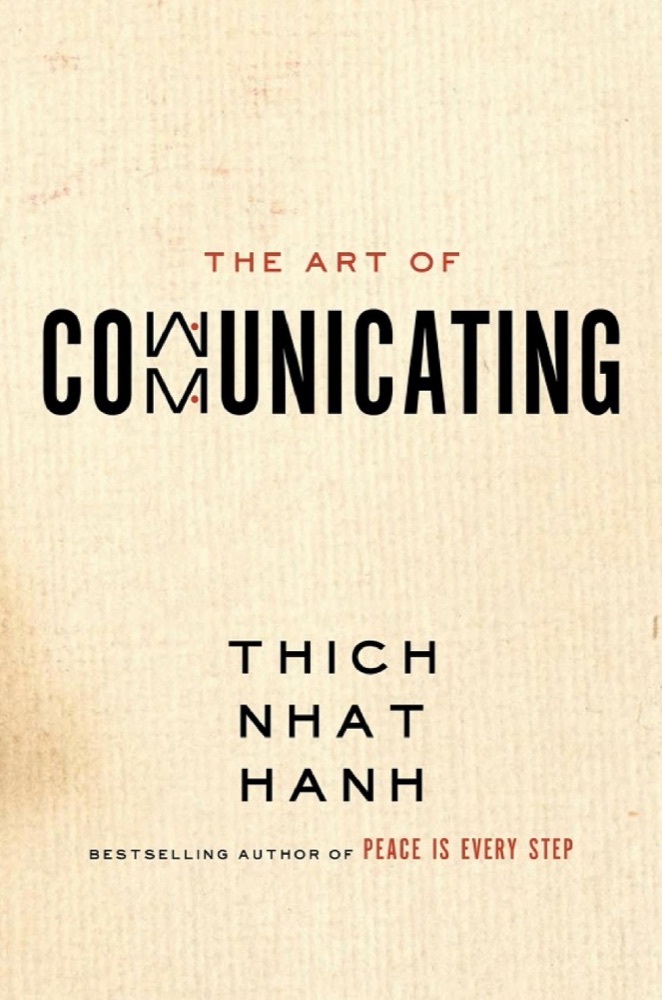 The Art of Communicating
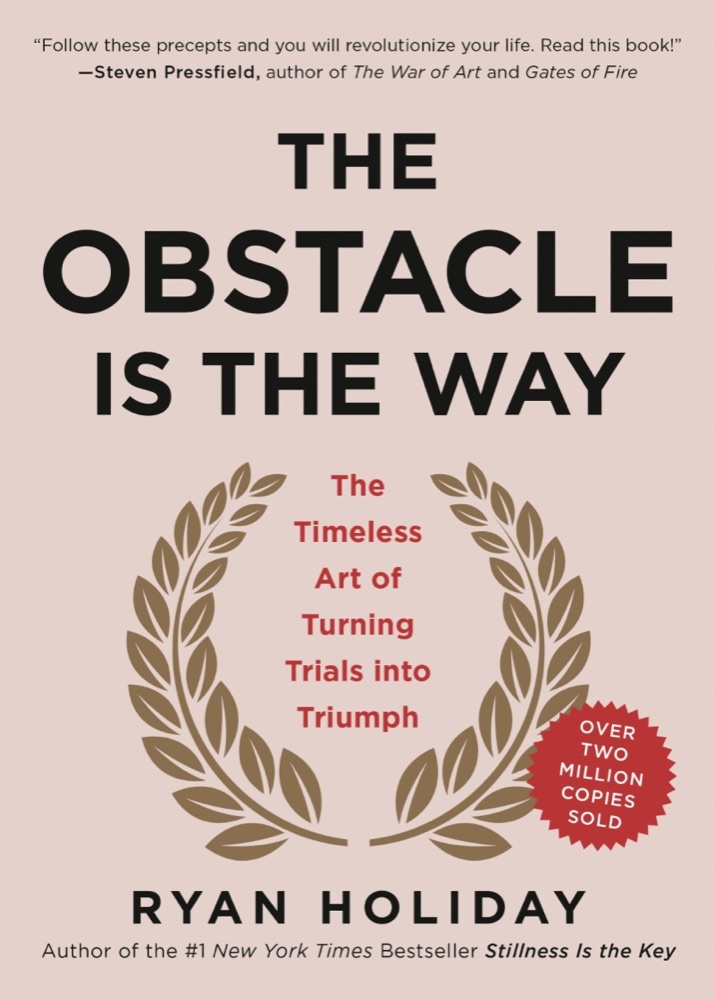 The Obstacle Is the Way: The Timeless Art of Turning Trials into Triumph
 Be a People Person
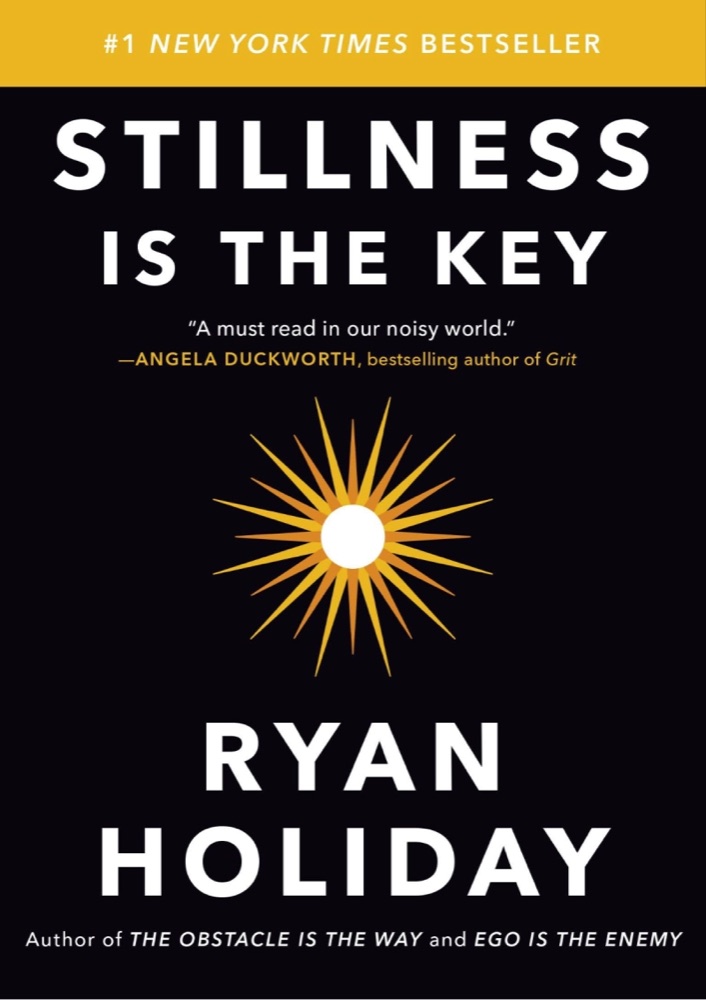 Stillness Is the Key
 Us: Getting Past You and Me to Build a More Loving Relationship
 Made to Stick: Why Some Ideas Survive and Others Die
 Think Like a Freak
 Tell Me More: Stories About the 12 Hardest Things I'm Learning to Say
 Radical Candor: Be a Kickass Boss Without Losing Your Humanity
 Professional Troublemaker: The Fear-Fighter Manual
 Ready for Anything: 52 Productivity Principles for Getting Things Done
 Influence: The Psychology of Persuasion
 Thank You for Arguing: What Aristotle, Lincoln, and Homer Simpson Can Teach Us About the Art of Persuasion
 The Daily Stoic: 366 Meditations on Wisdom, Perseverance, and the Art of Living
 The Daily Laws: 366 Meditations
 The 7 Habits Of Highly Effective Teens
 The Art of Asking; or, How I Learned to Stop Worrying and Let People Help
 Greenlights
 Be Your Future Self Now: The Science of Intentional Transformation
 Emotional Intelligence 2.0: With Access Code
 Becoming Bulletproof: Protect Yourself, Read People, Influence Situations, and Live Fearlessly
 The Power of a Positive No: How to Say No and Still Get to Yes
 Maybe You Should Talk to Someone: A Therapist, Her Therapist, and Our Lives Revealed
 The Success Principles: How to Get from Where You Are to Where You Want to Be
 Don't Sweat the Small Stuff ... and it's all small stuff: Simple Ways to Keep the Little Things from Taking Over Your Life
 Words That Work: It's Not What You Say, It's What People Hear
 Your Erroneous Zones: Step-By-Step Advice for Escaping the Trap of Negative Thinking and Taking Control of Your Life
 Atlas of the Heart: Mapping Meaningful Connection and the Language of Human Experience
 Choose Yourself: Be Happy, Make Millions, Live the Dream
 The Power of Focus
 Yes Please
 Consider This: Moments in My Writing Life After Which Everything Was Different