

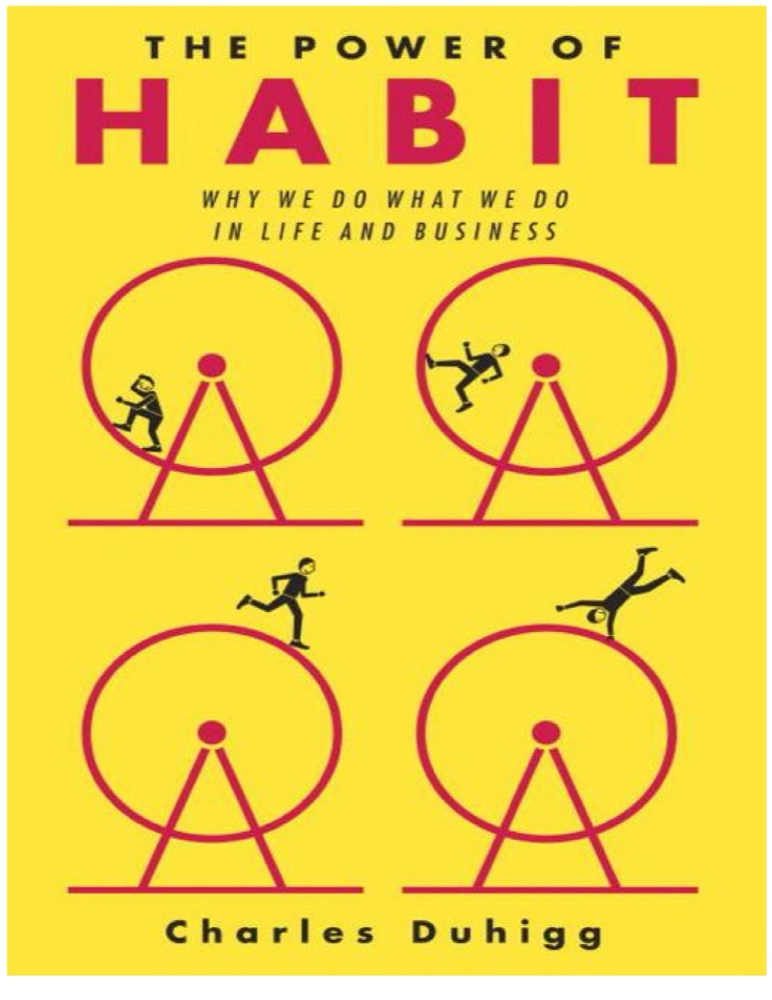
 The Power of Habit: Why We Do What We Do in Life and Business
Quotes from the Book
The best listeners aren’t just listening,” said Margaret Clark, the Yale psychologist. “They’re triggering emotions by asking questions, expressing their own emotions, doing things that prompt the other person to say something real.
16
The underlying mechanism that maintains closeness in marriage is symmetry,” one prominent researcher, John Gottman, wrote in the Journal of Communication. Happy couples “communicate agreement not with the speaker’s point of view or content, but with the speaker’s affect.” Happy couples ask each other more questions, repeat what the other person said, make tension-easing jokes, get serious together. The next time you feel yourself edging toward an argument, try asking your partner: “Do you want to talk about our emotions? Or do we need to make a decision together? Or is this about something else?
11
The most effective communicators pause before they speak and ask themselves: Why am I opening my mouth? Unless we know what kind of discussion we’re hoping for—and what type of discussion our companions want—we’re at a disadvantage.
9
Miscommunication occurs when people are having different kinds of conversations. If you are speaking emotionally, while I’m talking practically, we are, in essence, using different cognitive languages. (This explains why, when you complain about your boss—“Jim is driving me crazy!”—and your spouse responds with a practical suggestion—“What if you just invited him to lunch?”—it’s more apt to create conflict than connection: “I’m not asking you to solve this! I just want some empathy.”)
9
During any conflict—a workplace debate, an online disagreement—it’s natural to crave control. And sometimes that craving pushes us to want to control the most obvious target: The person we’re arguing with. If we can just force them to listen, they’ll finally hear what we’re saying. If we can force them to see things from our point of view, they’ll agree we’re right. The fact is, though, that approach almost never works. Trying to force someone to listen, or see our side, only inflames the battle.
6
The single biggest problem with communication,” said the playwright George Bernard Shaw, “is the illusion it has taken place.
5
Laughter might seem like a strange place to look for emotional intelligence, but, in fact, it’s an example of a basic truth of emotional communication: What’s important is not just hearing another person’s feelings but showing that we have heard them. Laughter is one way of proving that we hear how someone feels.
5
Effective communication requires recognizing what kind of conversation is occurring, and then matching each other. On a very basic level, if someone seems emotional, allow yourself to become emotional as well. If someone is intent on decision making, match that focus. If they are preoccupied by social implications, reflect their fixation back to them.
5
Specifically, we want to learn how the people around us see the world and help them understand our perspectives in turn.
5
So, to become a supercommunicator, all we need to do is listen closely to what’s said and unsaid, ask the right questions, recognize and match others’ moods, and make our own feelings easy for others to perceive. Simple, right? Well, no, of course not.
4
Hearing people describe their emotional lives is important because when we talk about our feelings, we’re describing not just what has happened to us, but why we made certain choices and how we make sense of the world.
4
To communicate with someone, we must connect with them. When we absorb what someone is saying and they comprehend what we say, it's because our brains have, to some degree, aligned.
4
John F. Kennedy told students at American University in 1963, five months before he was assassinated. “In the final analysis, our most basic common link is that we all inhabit this small planet. We all breathe the same air. We all cherish our children’s future. And we are all mortal.
3
I learned that if you listen for someone’s truth, and you put your truth next to it, you might reach them.
2
So if a listener wants to prove they’re listening, they need to demonstrate it after the speaker finishes talking. If we want to show someone we’re paying attention, we need to prove, once that person has stopped speaking, that we have absorbed what they said. And the best way to do that is by repeating, in our own words, what we just heard them say—and then asking if we got it right. It’s a fairly simple technique—prove you are listening by asking the speaker questions, reflecting back what you just heard, and then seeking confirmation you understand—but studies show it is the single most effective technique for proving to someone that we want to hear them. It’s a formula sometimes called looping for understanding.
2
Elite diplomats have explained that their goal at a bargaining table isn’t seizing victory, but rather convincing the other side to become collaborators in uncovering new solutions that no one thought of before. Negotiation, among its top practitioners, isn’t a battle. It’s an act of creativity.
1
Before any challenging conversation, think for a few moments about what you hope will happen, what might go wrong, and how you’ll react when it does.
1
It’s important to ask what they want,” Ehdaie told me. “It’s an invitation for people to tell you who they are.
Ehdaie had expected the man to talk about his medical concerns or his mortality
But you don’t want to begin a negotiation assuming you know what the other side wants,” Malhotra said.
But listening means letting someone else tell their story and then, even if you don’t agree with them, trying to understand why they feel that way.
empatía. A veces requiere simplemente reconocer las emociones de alguien y mostrarle que te importa. «Es
So how do we achieve this kind of mutual understanding? The first step is recognizing that within each fight is not just one conflict, but, at a minimum, two: There’s the surface issue causing us to disagree with each other, and then the emotional conflict underneath.
She had assumed that the goal of discussing a conflict and engaging in debate was achieving victory, defeating the other side. But that’s not right. Rather, the real goal is figuring out why a conflict exists in the first place. Combatants—be they arguing spouses or battling coworkers—have to determine why this fight has emerged and what is fueling it, as well as the stories they are all telling themselves about why this conflict persists.
What are two topics you most want to discuss? What is one thing you hope to say that shows what you want to talk about? What is one question you will ask that reveals what others want?
What are two topics you might discuss? (Being general is okay: Last night’s game and TV shows you like) What is one thing you hope to say? What is one question you will ask?
Watch on YouTube
About Charles Duhigg
We have collected 85 quotes from 3 books by Charles Duhigg on BookQuoters.
More about the author →More by Charles Duhigg
The Power of Habit: Why We Do What We Do in Life and Business
 Smarter Faster Better: The Secrets of Being Productive in Life and Business
About the book
Alternate cover edition of ISBN 9780593243916.
Who and what are supercommunicators? They're the people who can steer a conversation to a successful conclusion. They are able to talk about difficult topics without giving offence. They know how to make others feel at ease and share what they think. They're brilliant facilitators and decision-guiders. How do they do it?
In this groundbreaking book, Charles Duhigg unravels the secrets of the supercommunicators to reveal the art - and the science - of successful communication. He unpicks the different types of everyday conversation and pinpoints why some go smoothly while others swiftly fall apart. He reveals the conversational questions and gambits that bring people together. And he shows how even the most tricky of encounters can be turned around. In the process, he shows why a CIA operative was able to win over a reluctant spy, how a
Book details
- First published
- 2024
- Author
- Charles Duhigg
- Genre
- Nonfiction
- Goodreads rating
- 3.97 (41k ratings)
The buzz
- The Wall Street JournalReview in The Wall Street Journalprofessional review (via Book Marks)
- Kirkus ReviewsReview in Kirkus Reviewsprofessional review (via Book Marks)
- Publishers WeeklyReview in Publishers Weeklyprofessional review (via Book Marks)
- FtReview in Ftprofessional review (via Book Marks)
Keep reading
 If I Understood You, Would I Have This Look on My Face?: My Adventures in the Art and Science of Relating and Communicating
 Difficult Conversations: How to Discuss What Matters Most
 Crucial Conversations: Tools for Talking When Stakes are High
 The Dance of Connection: How to Talk to Someone When You're Mad, Hurt, Scared, Frustrated, Insulted, Betrayed, or Desperate
 How to Know a Person: The Art of Seeing Others Deeply and Being Deeply Seen
 Never Split the Difference: Negotiating As If Your Life Depended On It
 Surrounded by Idiots
 Getting More: How to Negotiate to Achieve Your Goals in the Real World
 TED Talks: The Official TED Guide to Public Speaking
 High Conflict: Why We Get Trapped and How We Get Out
 Wait, What?: And Life's Other Essential Questions
 The Relationship Cure: A 5 Step Guide to Strengthening Your Marriage, Family, and Friendships
 The Art of Communicating
 Made to Stick: Why Some Ideas Survive and Others Die
 Fierce Love: Creating a Love that Lasts―One Conversation at a Time
 The Catalyst: How to Change Anyone's Mind
 Nonviolent Communication: A Language of Life
 Thank You for Arguing: What Aristotle, Lincoln, and Homer Simpson Can Teach Us About the Art of Persuasion
 The Elephant in the Brain: Hidden Motives in Everyday Life
 Words That Work: It's Not What You Say, It's What People Hear
 The Art of Asking; or, How I Learned to Stop Worrying and Let People Help
 Atlas of the Heart: Mapping Meaningful Connection and the Language of Human Experience
 The Culture Map: Breaking Through the Invisible Boundaries of Global Business
 Consider This: Moments in My Writing Life After Which Everything Was Different
 Think Again: The Power of Knowing What You Don't Know
 Excellent Advice for Living: Wisdom I Wish I'd Known Earlier
 Radical Candor: Be a Kickass Boss Without Losing Your Humanity
 Influence Is Your Superpower: The Science of Winning Hearts, Sparking Change, and Making Good Things Happen
 Us: Getting Past You and Me to Build a More Loving Relationship
 Emotional Intelligence 2.0: With Access Code
 The Laws of Human Nature
 How to Win Friends & Influence People
 What Do You Care What Other People Think?
 On Connection
 How to Stay Sane
 The World According to Mister Rogers: Important Things to Remember
 Resonate: Present Visual Stories that Transform Audiences
Smarter Faster Better: The Secrets of Being Productive in Life and Business
Resonate: Present Visual Stories that Transform Audiences
Smarter Faster Better: The Secrets of Being Productive in Life and Business
 Social Intelligence: The New Science of Human Relationships
 How to Stay Sane in an Age of Division
 The 7 Habits of Highly Effective People: Personal Workbook
 The Last Lecture
 Tell Me More: Stories About the 12 Hardest Things I'm Learning to Say
 The Art of Thinking Clearly
 You Just Don't Understand: Women and Men in Conversation
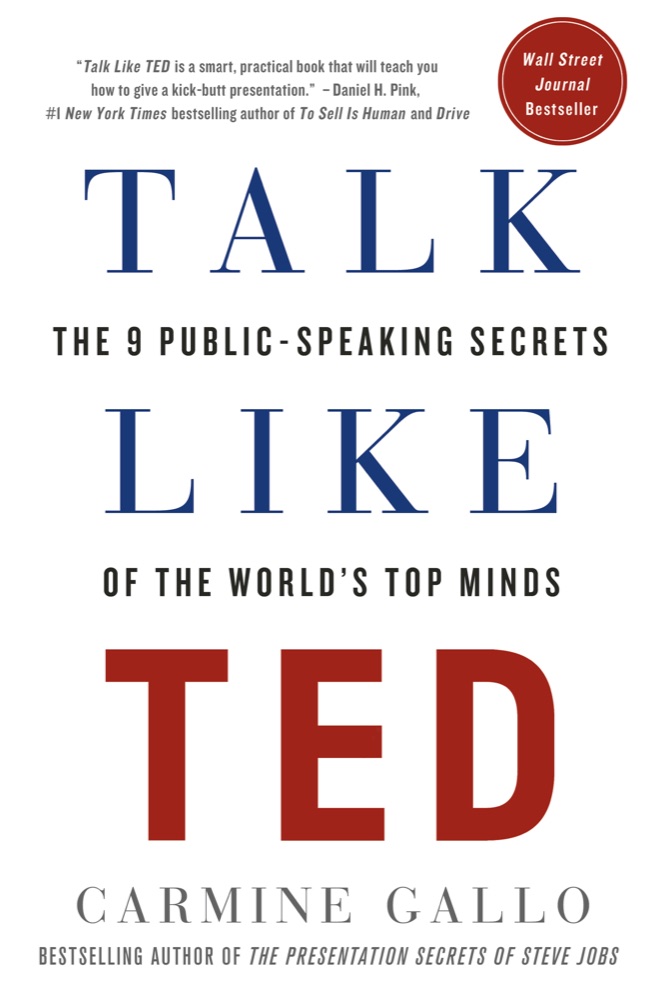 Talk Like TED: The 9 Public-Speaking Secrets of the World's Top Minds
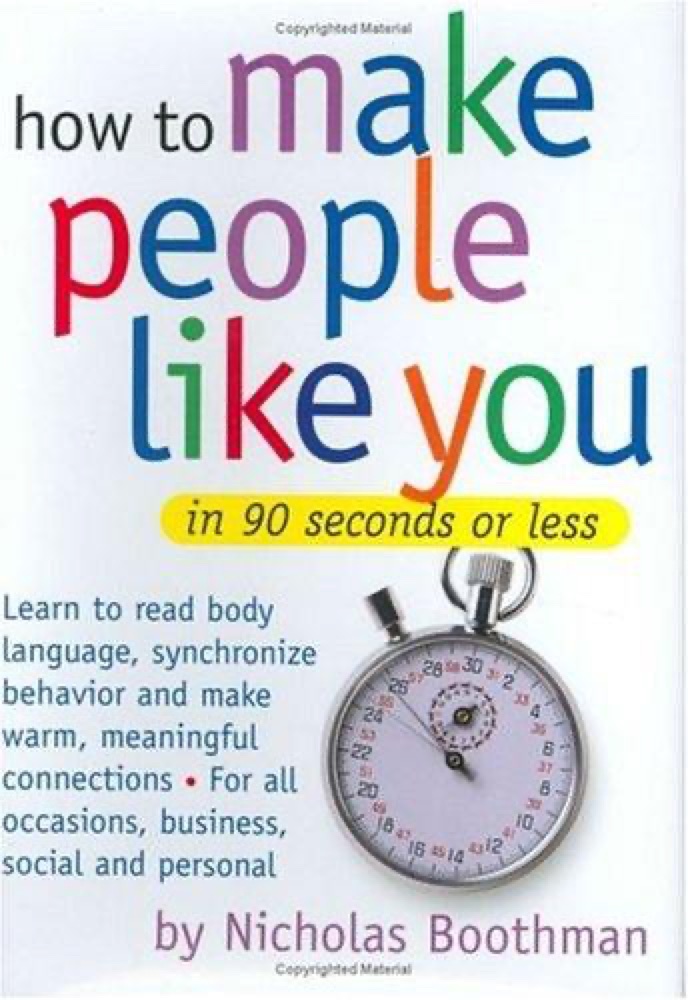 How to Make People Like You in 90 Seconds or Less
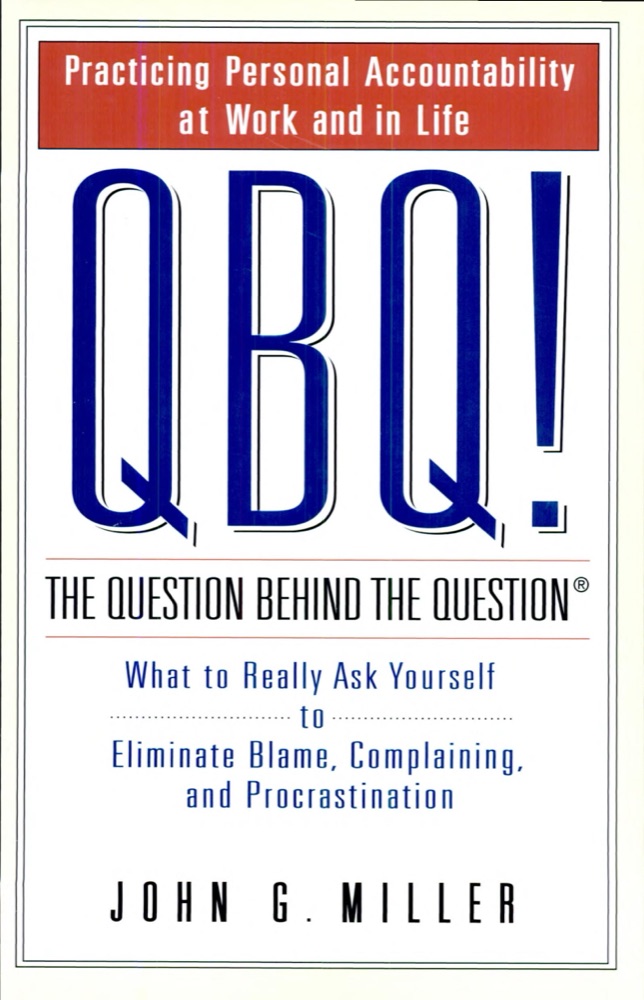 QBQ! The Question Behind the Question: Practicing Personal Accountability in Work and in Life
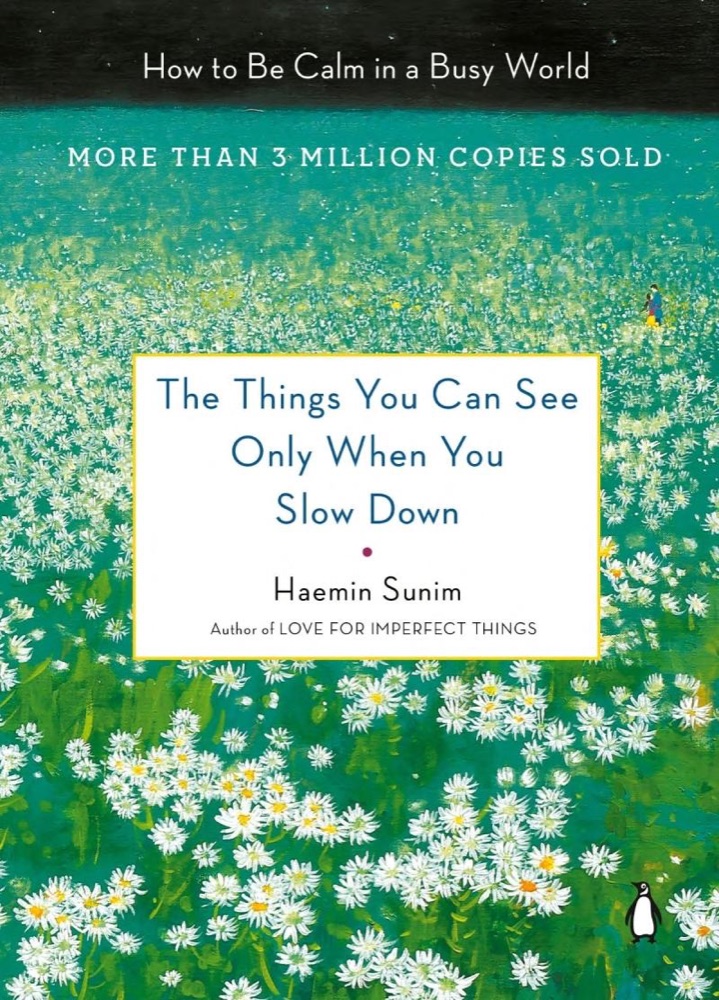 The Things You Can See Only When You Slow Down: How to Be Calm in a Busy World
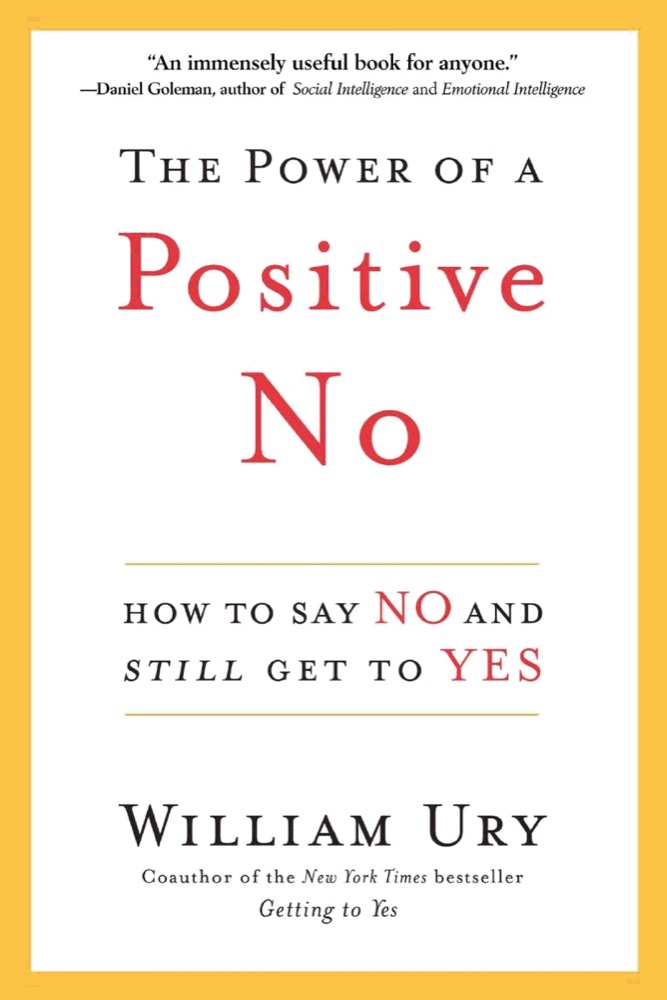 The Power of a Positive No: How to Say No and Still Get to Yes
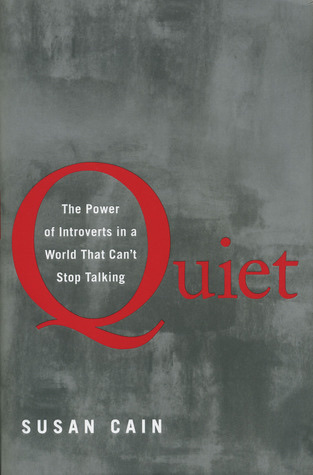 Quiet: The Power of Introverts in a World That Can't Stop Talking
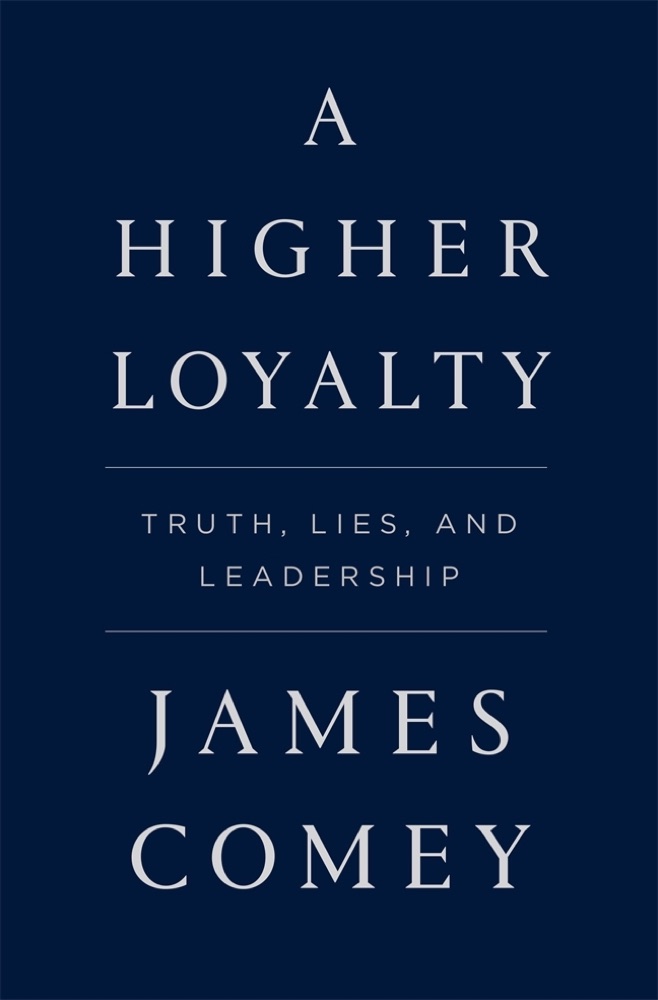 A Higher Loyalty: Truth, Lies, and Leadership
 Mindwise: How We Understand What Others Think, Believe, Feel, and Want
 Be a People Person
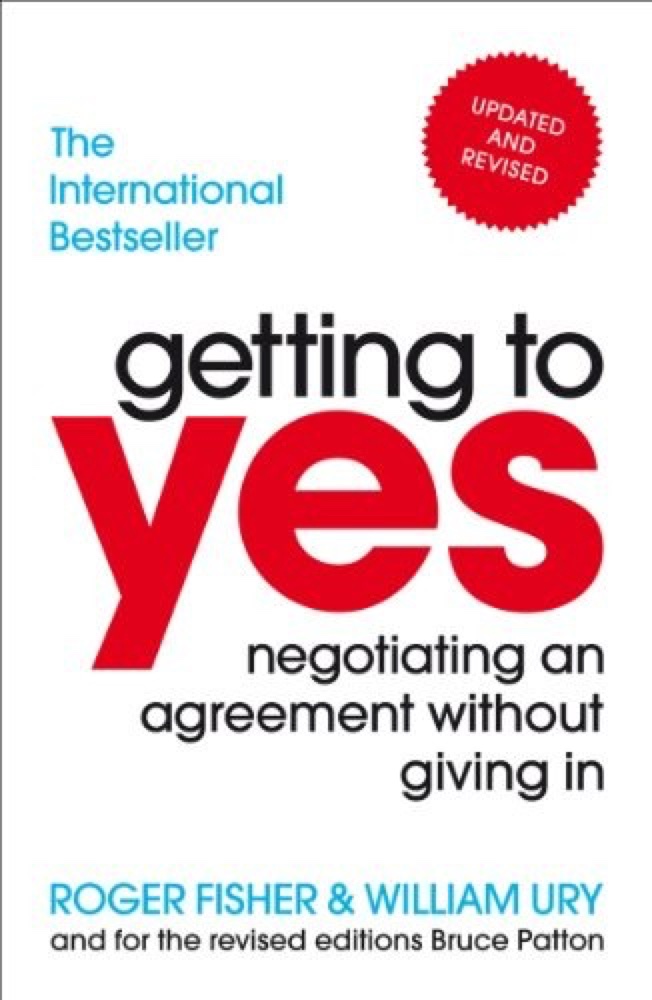 Getting to Yes: Negotiating Agreement Without Giving In
 Think Like a Freak
 Dare to Lead
 Be Your Future Self Now: The Science of Intentional Transformation
 Presence: Bringing Your Boldest Self to Your Biggest Challenges
 Bonds That Make Us Free: Healing Our Relationship, Coming to Ourselves