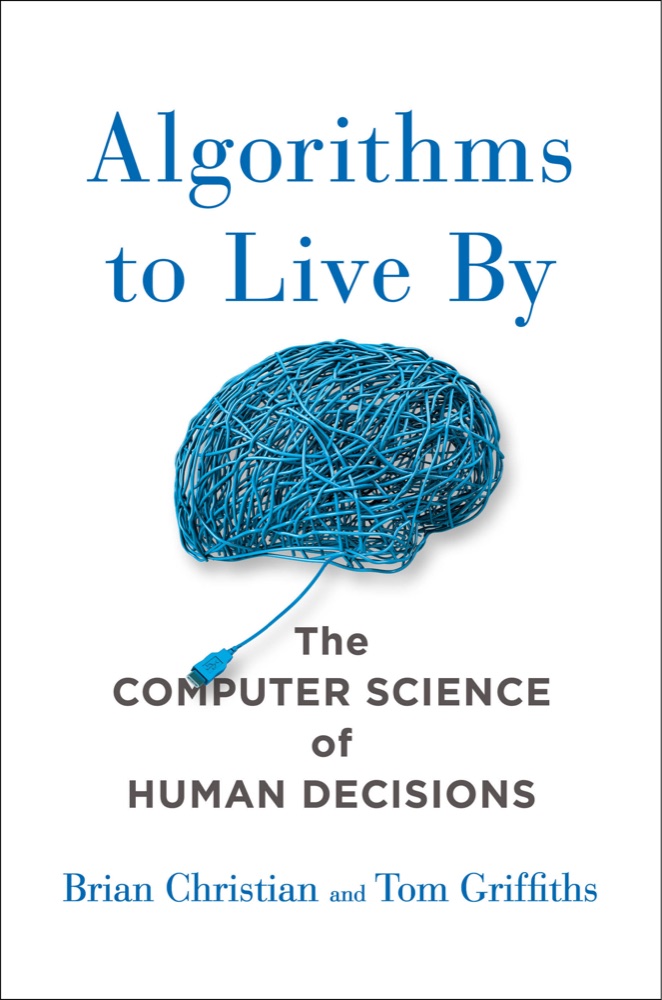
 Algorithms to Live By: The Computer Science of Human Decisions
Quotes from the Book
To be human is to be 'a' human, a specific person with a life history and idiosyncrasy and point of view; artificial intelligence suggest that the line between intelligent machines and people blurs most when a puree is made of that identity.
28
I think the reason novels are regarded to have so much more 'information' than films is that they outsource the scenic design and cinematography to the reader... This, for me, is a powerful argument for the value and potency of literature specifically. Movies don't demand as much from the player. Most people know this; at the end of the day you can be too beat to read but not yet too beat to watch television or listen to music.
18
When I fight off a disease bent on my cellular destruction, when I marvelously distribute energy and collect waste with astonishing alacrity even in my most seemingly fatigued moments, when I slip on ice and gyrate crazily but do not fall, when I unconsciously counter-steer my way into a sharp bicycle turn, taking advantage of physics I do not understand using a technique I am not even aware of using, when I somehow catch the dropped oranges before I know I've dropped them, when my wounds heal in my ignorance, I realize how much bigger I am than I think I am. And how much more important, nine times out of ten, those lower-level processes are to my overall well-being than the higher-level ones that tend to be the ones getting me bent out of shape or making me feel disappointed or proud.
18
The more helpful our phones get, the harder it is to be ourselves. For everyone out there fighting to write idiosyncratic, high-entropy, unpredictable, unruly text, swimming upstream of spell-check and predictive auto-completion: Don't let them banalize you. Keep fighting.
15
Like most conversations and most chess games, we all start off the same and we all end the same, with a brief moment of difference in between. Fertilization to fertilizer. Ashes to ashes. And we spark across the gap.
13
Grandmaster games are said to begin with novelty, which is the first move of the game that exits the book. It could be the fifth, it could be the thirty-fifth. We think about a chess game as beginning with move one and ending with checkmate. But this is not the case. The games begins when it gets out of book, and it end when it goes into book..And this is why Game 6 [between Garry Kasparov and Deep Blue] didn't count...Tripping and falling into a well on your way to the field of battle is not the same thing as dying in it...Deep Blue is only itself out of book; prior to that it is nothing. Just the ghosts of the game itself.
9
Information, defined intuitively and informally, might be something like 'uncertainty's antidote.' This turns out also to be the formal definition- the amount of information comes from the amount by which something reduces uncertainty...The higher the [information] entropy, the more information there is. It turns out to be a value capable of measuring a startling array of things- from the flip of a coin to a telephone call, to a Joyce novel, to a first date, to last words, to a Turing test...Entropy suggests that we gain the most insight on a question when we take it to the friend, colleague, or mentor of whose reaction and response we're least certain. And it suggests, perhaps, reversing the equation, that if we want to gain the most insight into a person, we should ask the question of qhose answer we're least certain... Pleasantries are low entropy, biased so far that they stop being an earnest inquiry and become ritual. Ritual has its virtues, of course, and I don't quibble with them in the slightest. But if we really want to start fathoming someone, we need to get them speaking in sentences we can't finish.
8
What a familiarity with the construction of Turing test bots had begun to show me was that we fail - again and again- to actually be human with other humans, so maddeningly much of the time.
7
Many of my all-time favorite movies are almost entirely verbal. The entire plot of My Dinner with Andre is “Wallace Shawn and Andre Gregory eat dinner.” The entire plot of Before Sunrise is “Ethan Hawke and Julie Delpy walk around Vienna.” But the dialogue takes us everywhere, and as Roger Ebert notes, of My Dinner with Andre, these films may be paradoxically among the most visually stimulating in the history of the cinema:
6
Conceptual art might be, for better or worse, (definable as) the art most susceptible to lossy compression.
3
Pleasantries are low entropy, biased so far that they stop being an earnest inquiry and become ritual. Ritual has its virtues, of course, and I don't quibble with them in the slightest. But if we really want to start fathoming someone, we need to get them speaking in sentences we can't finish.
3
Computers can only do one thing: math. Fortunately for them, a shockingly high percentage of life can be translated into math
2
And if you’re just operating by habit, then you’re not really living. —MY DINNER WITH ANDRE
2
Forrest Gander: "Maybe the best we can do is try to leave ourselves unprotected. To keep brushing off habits, how we see things and what we expect, as they crust around us. Brushing the green flies of the usual off the tablecloth. To pay attention.
2
It’s amazing,” he says, “how someone’s IQ seems to double as soon as you give them responsibility and indicate that you trust them.” And, as far too many can attest, how it halves when you take that responsibility and trust away.
1
Although computer science tends to be thought of as a traditionally male-dominated field, the world’s first programmer was a woman.
1
a utopian future where we shed our bodies and upload our minds into computers and live forever, virtual, immortal, disembodied. Heaven for hackers.
1
.. requests for elaboration, like "In what sense?" and "How so?" turn out to be crushingly difficult for many bots to handle: because elaboration is hard to do when one is working from a prepared script, because such questions rely 'entirely' on context for their meaning, because they extend the relevant conversational history, rather than resetting it.
Service works by the gradual buildup of sympathy through failed attempted solutions.
Cobbled-together bits of human interaction do not a human relationship make. Not fifty one-night stands, not fifty speed dates, not fifty transfers through the bureaucratic pachinko. No more than sapling tied to sapling, oak though they may be, makes an oak. Fragmentary humanity isn't humanity.
human communication is irrevocable. Nothing can be unsaid.
in 1984, of the poetry volume The Policeman’s Beard Is Half Constructed: “The First Book Ever Written by a Computer”—in this case, a program called Racter.
1980’s Zork, for instance, perhaps the best-known (and best-selling) title of the genre and era,
the “7-38-55 rule,” first posited in 1971 by UCLA psychology professor Albert Mehrabian: 55 percent of what you convey when you speak comes from your body language, 38 percent from your tone of voice, and a paltry 7 percent from the words you choose.
I suppose when you get down to it, everything is always once in a lifetime. We might as well act like it.
Sometimes there’s so much that needs to be said that the literal “site” disappears, becomes, as in My Dinner with Andre, “invisible.
While everyone has a unique way to get motivated and stay that way, all athletes thrive on competition, and that means beating someone else, not just setting a personal best … We all work harder, run faster, when we know someone is right on our heels …
The New York Times reported in June 2010—in an article titled “The End of the Best Friend
Watch on YouTube
About Brian Christian
We have collected 58 quotes from 2 books by Brian Christian on BookQuoters.
More about the author →More by Brian Christian
Algorithms to Live By: The Computer Science of Human Decisions
About the book
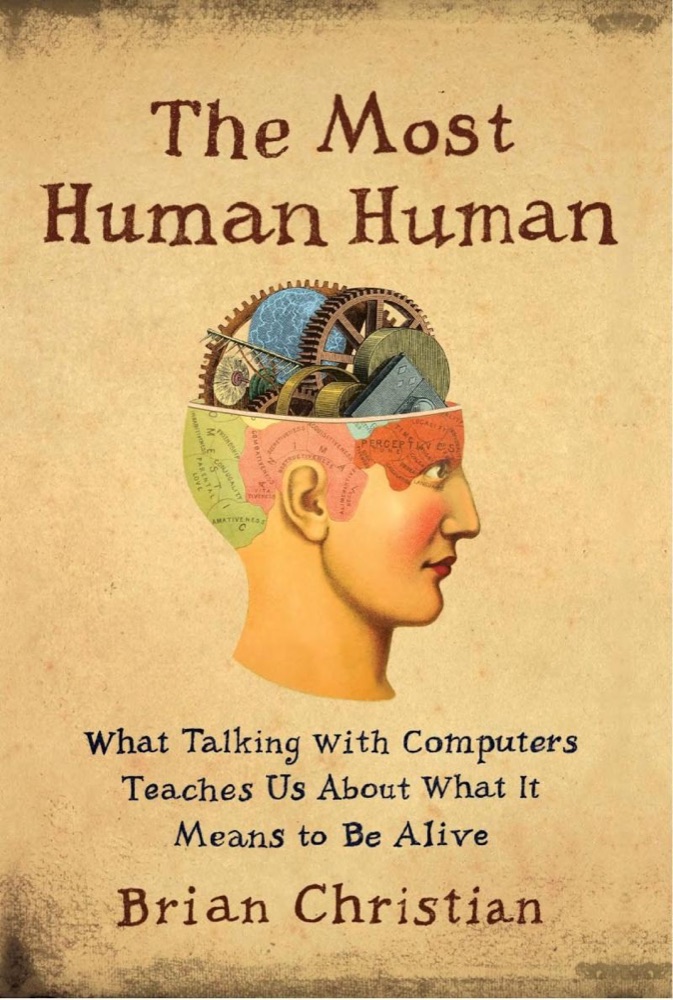
The Most Human Human is a provocative, exuberant, and profound exploration of the ways in which computers are reshaping our ideas of what it means to be human. Its starting point is the annual Turing Test, which pits artificial intelligence programs against people to determine if computers can “think.”
Named for computer pioneer Alan Turing, the Turing Test convenes a panel of judges who pose questions—ranging anywhere from celebrity gossip to moral conundrums—to hidden contestants in an attempt to discern which is human and which is a computer. The machine that most often fools the panel wins the Most Human Computer Award. But there is also a prize, bizarre and intriguing, for the Most Human Human.
In 2008, the top AI program came short of passing the Turing Test by just one astonishing vote. In 2009, Brian Christian was chosen to participate, and he set out to make sure Homo sap
Book details
- First published
- 2011
- Author
- Brian Christian
- Genre
- Nonfiction
- Goodreads rating
- 3.93 (5k ratings)
Keep reading
 Speak
Speak
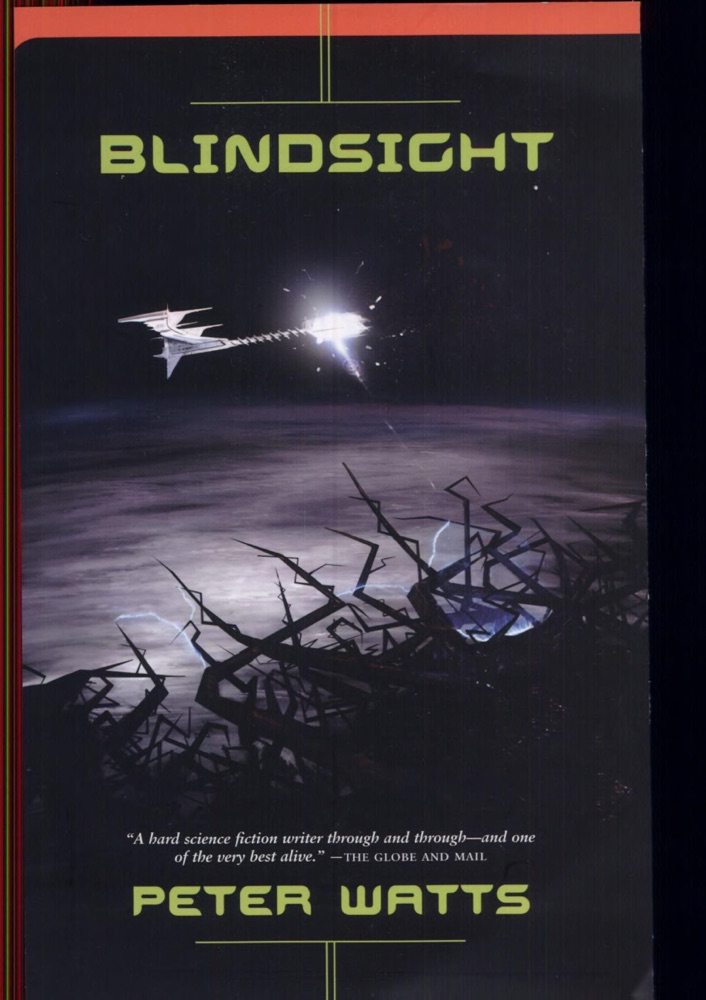 Blindsight
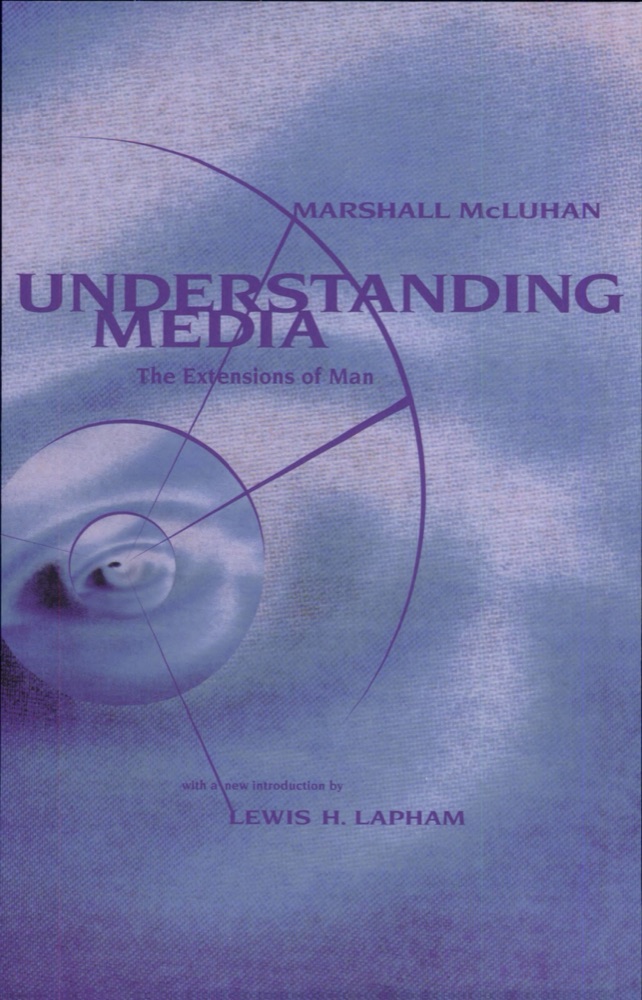 Understanding Media: The Extensions of Man
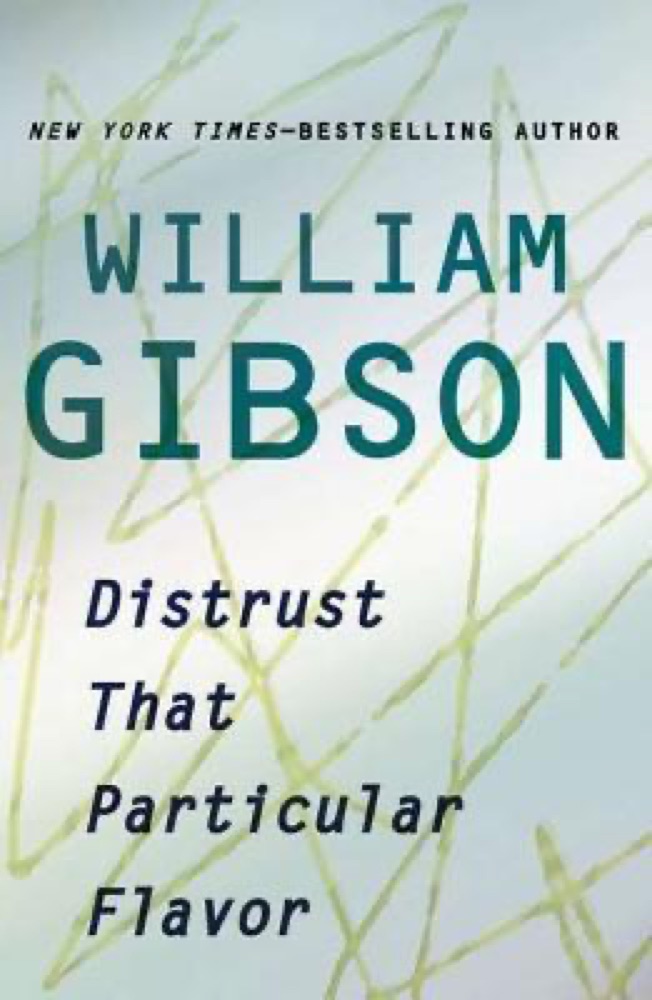 Distrust That Particular Flavor
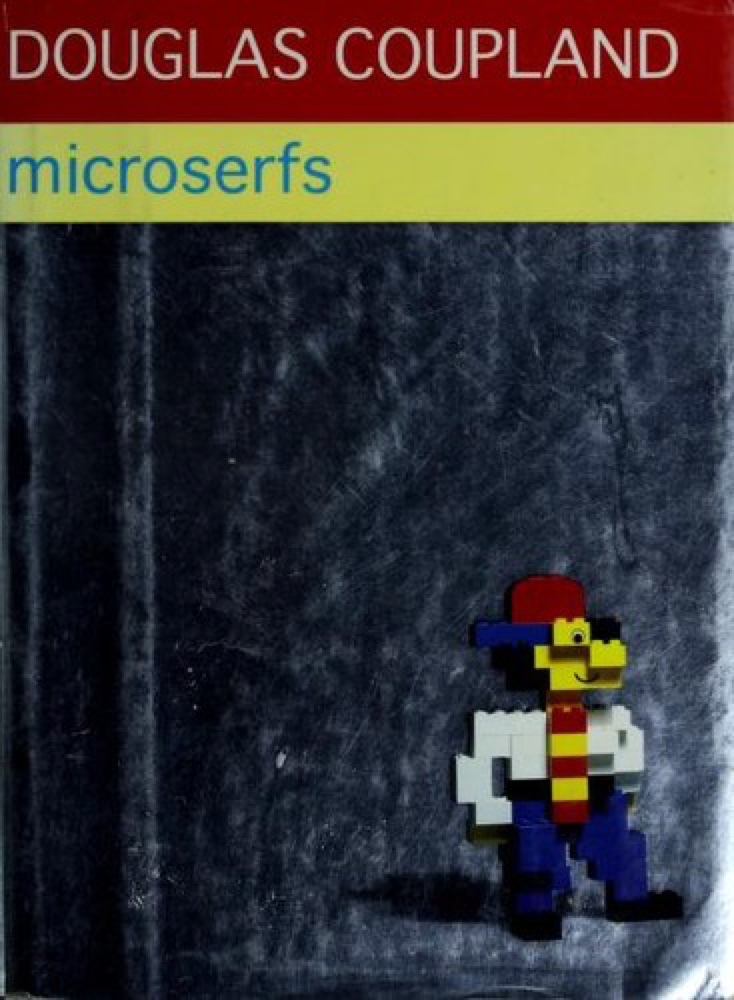 Microserfs
 Stories of Your Life and Others
 All Our Wrong Todays
 You Are Not a Gadget
 Gnomon
 Genome
 All the Birds in the Sky
Algorithms to Live By: The Computer Science of Human Decisions
All the Birds in the Sky
Algorithms to Live By: The Computer Science of Human Decisions
 Ender's Game
 The Nix
 The Lost World
 Gödel, Escher, Bach: An Eternal Golden Braid
 Sea of Rust
 Wired
Wired
 The Humans
 Just a Couple of Days
 The Futurological Congress: From the Memoirs of Ijon Tichy
 Rationality: From AI to Zombies
 I, Robot
 Genesis
 The Undoing Project: A Friendship That Changed Our Minds
 Psych: The Story of the Human Mind
 Infinite Jest
 The Art of Thinking Clearly
 Cryptonomicon
 Eating the Dinosaur
 The Social Animal: The Hidden Sources of Love, Character, and Achievement
 Echopraxia
 Lexicon
 The Philosopher and the Wolf
 A Language Older Than Words
 Burning Questions: Essays and Occasional Pieces, 2004 to 2021
 What the Dog Saw and Other Adventures
 The Black Swan: The Impact of the Highly Improbable
 Permutation City
 Arm of the Sphinx
 The Pale King
 Oblivion
 Fall; or, Dodge in Hell
 The Medium is the Massage
 The Naked Sun
 The Butlerian Jihad
 The Tsar of Love and Techno
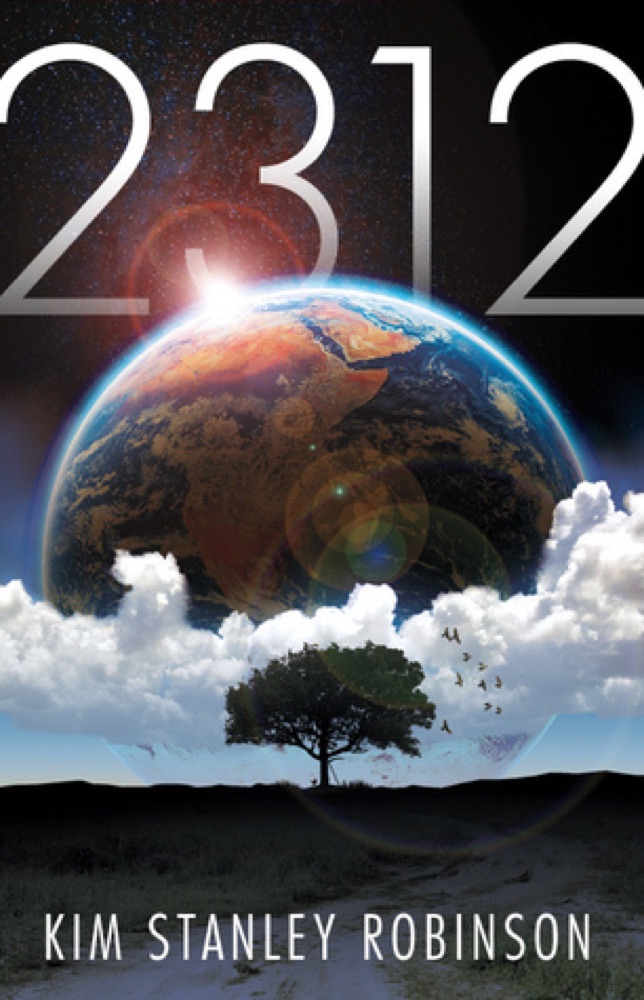 2312
2312
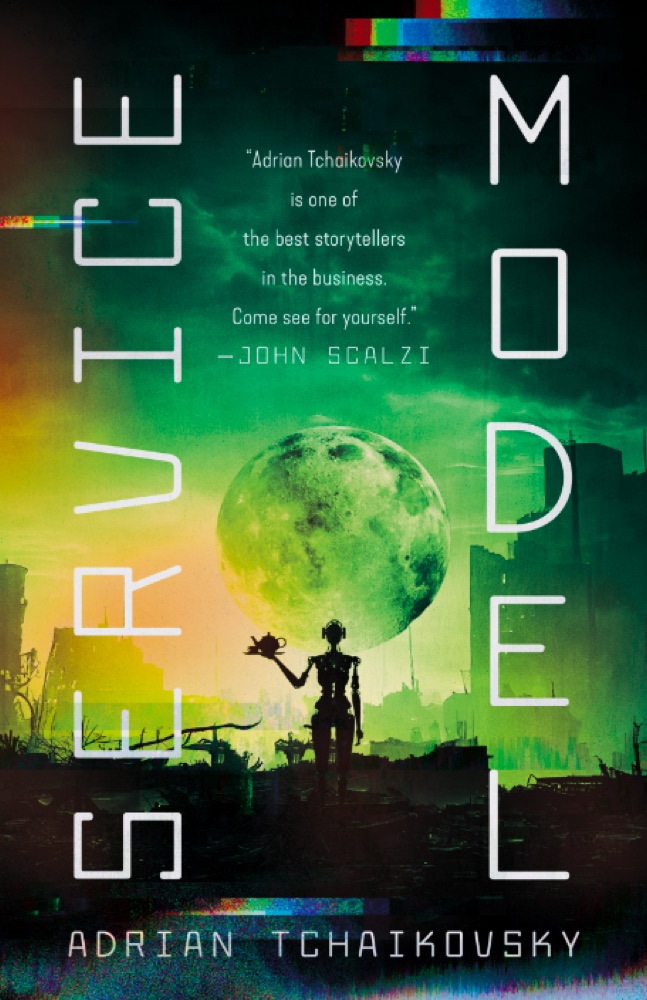 Service Model
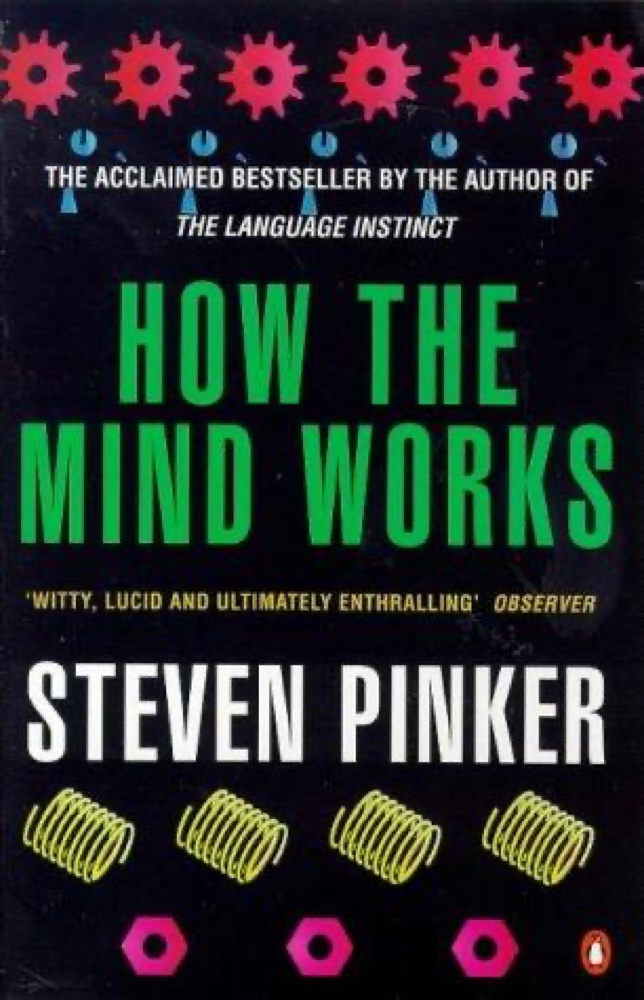 How the Mind Works
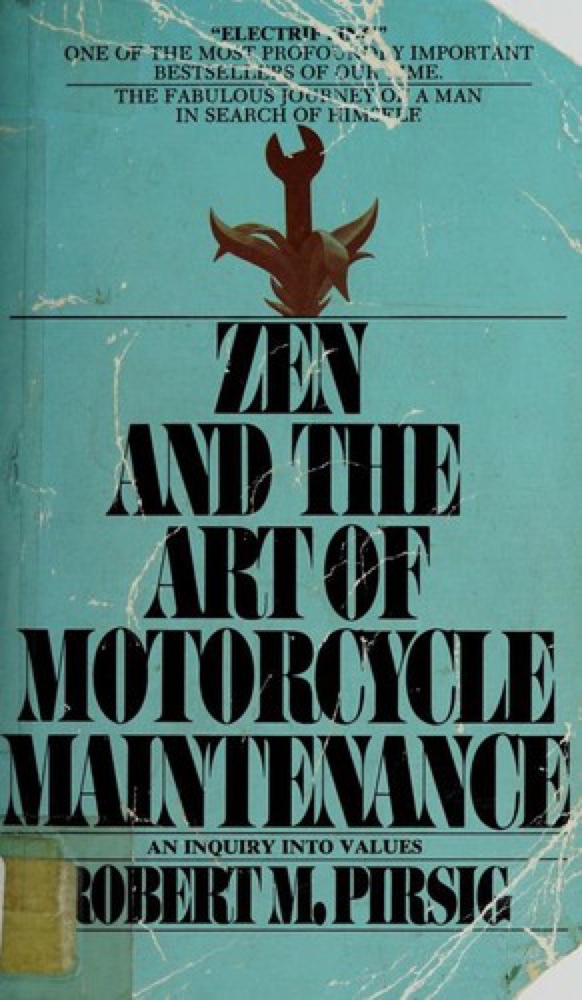 Zen and the Art of Motorcycle Maintenance
 The Stuff of Thought: Language as a Window into Human Nature
 The Player of Games
 The Word Exchange
 The Pythagorean
 Xenocide
 The Universe Versus Alex Woods
 The Shockwave Rider
 Too Like the Lightning
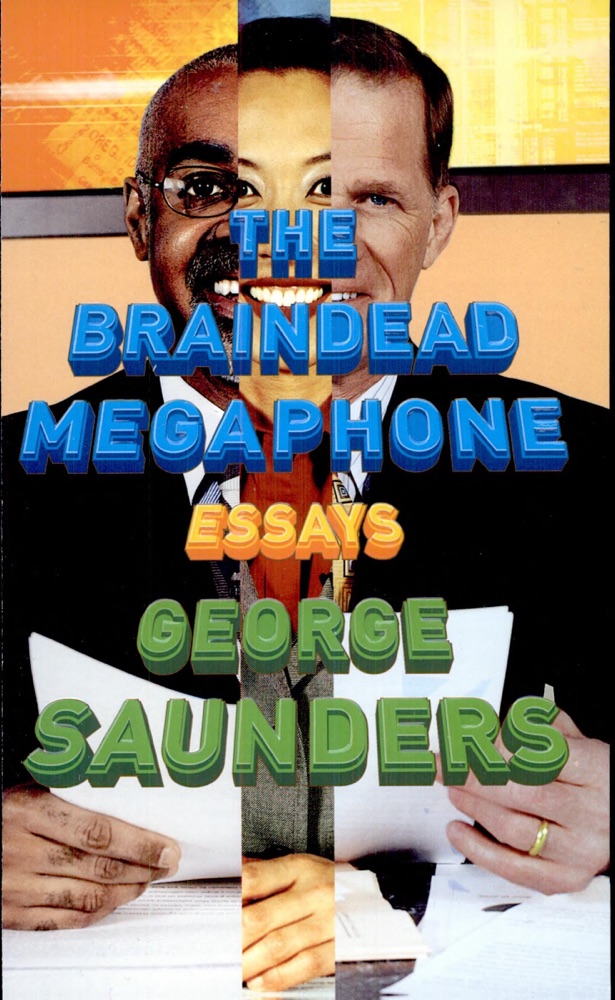 The Braindead Megaphone