
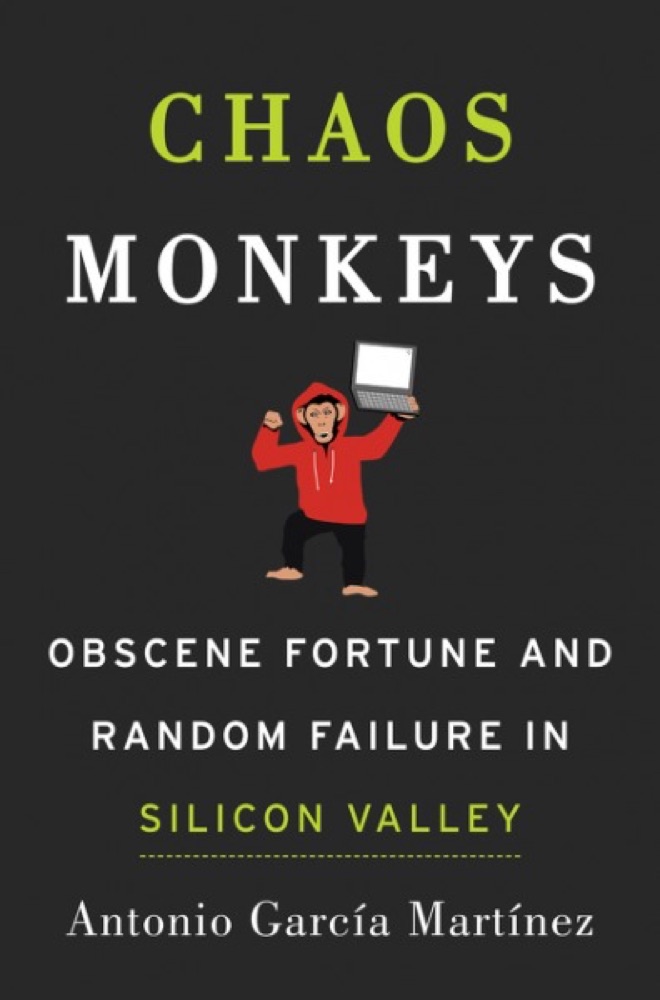
 Chaos Monkeys: Obscene Fortune and Random Failure in Silicon Valley
Quotes from the Book
There are few sources of energy so powerful as a procrastinating college student.
Let's start with a test: Do you have any opinions that you would be reluctant to express in front of a group of your peers? If the answer is no, you might want to stop and think about that. If everything you believe is something you're supposed to believe, could that possibly be a coincidence? Odds are it isn't. Odds are you just think whatever you're told.
If you want to make money at some point, remember this, because this is one of the reasons startups win. Big companies want to decrease the standard deviation of design outcomes because they want to avoid disasters. But when you damp oscillations, you lose the high points as well as the low. This is not a problem for big companies, because they don't win by making great products. Big companies win by sucking less than other big companies.
Object-oriented programming offers a sustainable way to write spaghetti code. It lets you accrete programs as a series of patches.
The recipe for great work is: very exacting taste, plus the ability to gratify it.
The main reason nerds are unpopular is that they have other things to think about.
It's important for nerds to realize, too, that school is not life. School is a strange, artificial thing, half sterile and half feral. It's all-encompassing, like life, but it isn't the real thing. It's only temporary, and if you look, you can see beyond it even while you're still in it.
if you can imagine someone surpassing you, you should do it yourself.
Paying attention is more important to reliability than moving slowly. Because he pays close attention, a Navy pilot can land a 40,000 lb. aircraft at 140 miles per hour on a pitching carrier deck, at night, more safely than the average teenager can cut a bagel.
A startup is like a mosquito. A bear can absorb a hit and a crab is armored against one, but a mosquito is designed for one thing : to score. No energy is wasted on defense. The defense of mosquitos, as a species, is that there are a lot of them, but this is little consolation to the individual mosquito.
If Apple were to grow the iPod into a cell phone with a web browser, Microsoft would be in big trouble.
If you can keep hope and worry balanced, they will drive a project forward the same way your two legs drive a bicycle forward.
In business, there is nothing more valuable than a technical advantage your competitors don’t understand. In business, as in war, surprise is worth as much as force.
We need a language that lets us scribble and smudge and smear, not a language where you have to sit with a teacup of types balanced on your knee and make polite conversation with a strict old aunt of a compiler.
The same recipe that makes individuals rich makes countries powerful. Let the nerds keep their lunch money, and you rule the world.
So if you can figure out a way to get in a design war with a company big enough that its software is designed by product managers, they’ll never be able to keep up with you. These opportunities are not easy to find, though. It’s hard to engage a big company in a design war, just as it’s hard to engage an opponent inside a castle in hand-to-hand combat.
You need rich people in your society not so much because in spending their money they create jobs, but because of what they have to do to get rich. I'm not talking about the trickle-down effect here. I'm not saying that if you let Henry Ford get rich, he'll hire you as a waiter at his next party. I'm saying that he'll make you a tractor to replace your horse.
People who do good work often think that whatever they’re working on is no good. Others see what they’ve done and think it’s wonderful, but the creator sees nothing but flaws. This pattern is no coincidence: worry made the work good.
Here, as so often, the best defense is a good offense. If you can develop technology that’s simply too hard for competitors to duplicate, you don’t need to rely on other defenses. Start by picking a hard problem, and then at every decision point, take the harder choice.
Likewise, in any social hierarchy, people unsure of their own position will try to emphasize it by maltreating those they think rank below. I’ve read that this is why poor whites in the United States are the group most hostile to blacks.
This is why so many of the best programmers are libertarians. In our world, you sink or swim, and there are no excuses. When those far removed from the creation of wealth — undergraduates, reporters, politicians — hear that the richest 5% of the people have half the total wealth, they tend to think injustice! An experienced programmer would be more likely to think is that all? The top 5% of programmers probably write 99% of the good software.
Introducing change is like pulling off a bandage : the pain is a memory as soon as you feel it.
The difference between design and research seems to be a question of new versus good. Design doesn't have to be new, but it has to be good. Research doesn't have to be good, but it has to be new. I think these two paths converge at the top: the best design surpasses its predecessors by using new ideas, and the best research solves problems that are not only new, but worth solving. So ultimately design and research are aiming for the same destination, just approaching it from different directions.
Before you develop a conscience, torture is amusing.
To become more popular, you need to be constantly doing things that bring you close to other popular people, and nothing brings people closer than a common enemy.
Cold War teaches the same lesson as World War II and, for that matter, most wars in recent history. Don’t let a ruling class of warriors and politicians squash the entrepreneurs. The same recipe that makes individuals rich makes countries powerful. Let the nerds keep their lunch money, and you rule the world.
In England, at least, corruption only became unfashionable (and in fact only started to be called “corruption”) when there started to be other, faster ways to get rich.
Use difficulty as a guide not just in selecting the overall aim of your company, but also at decision points along the way. At Via web one of our rules of thumb was run upstairs. Suppose you are a little, nimble guy being chased by a big, fat, bully. You open a door and find yourself in a staircase. Do you go up or down? I say up. The bully can probably run downstairs as fast as you can. Going upstairs his bulk will be more of a disadvantage. Running upstairs is hard for you but even harder for him. What this meant in practice was that we deliberately sought hard problems. If there were two features we could add to our software, both equally valuable in proportion to their difficulty, we’d always take the harder one. Not just because it was more valuable, but because it was harder. We delighted in forcing bigger, slower competitors to follow us over difficult ground. Like guerillas, startups prefer the difficult terrain of the mountains, where the troops of the central government can’t follow. I can remember times when we were just exhausted after wrestling all day with some horrible technical problem. And I’d be delighted, because something that was hard for us would be impossible for our competitors.
learn to program by looking at good programs — not just at what they do, but at the source code.
Watch on YouTube
About Paul Graham
We have collected 29 quotes from 1 book by Paul Graham on BookQuoters.
More about the author →Book details
- Author
- Paul Graham
- Genre
- Nonfiction
- Goodreads rating
- 4.05 (10k ratings) →
Keep reading
Chaos Monkeys: Obscene Fortune and Random Failure in Silicon Valley
 The Art of Thinking Clearly
 Founders at Work: Stories of Startups' Early Days
 Zero to One: Notes on Startups, or How to Build the Future
 Rework
 Smartcuts: How Hackers, Innovators, and Icons Accelerate Success
 Think Like a Freak
 The Pragmatic Programmer: From Journeyman to Master
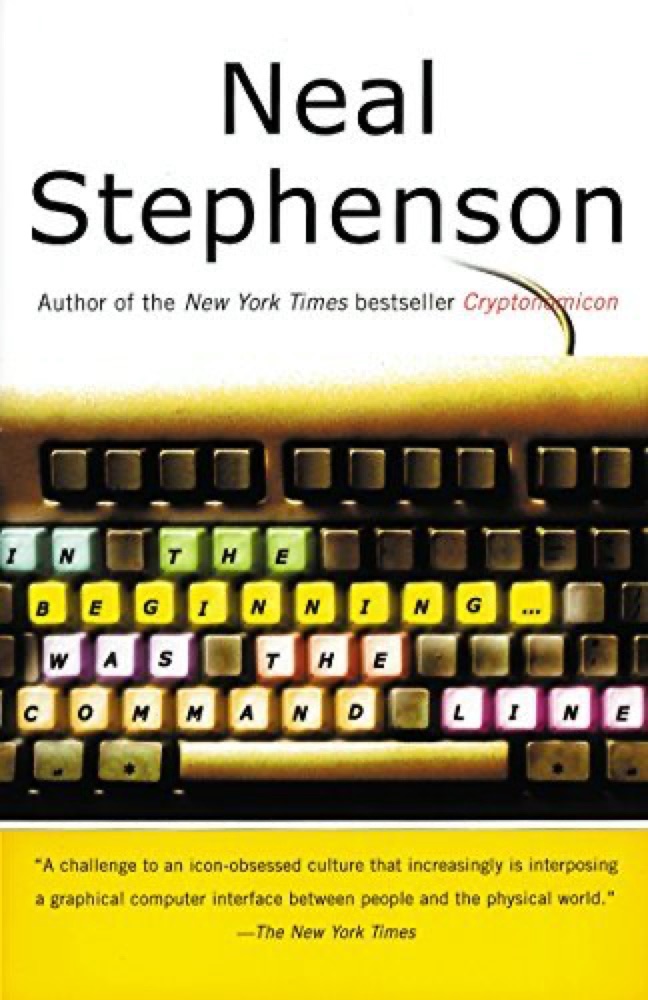 In the Beginning...Was the Command Line
 Antifragile: Things That Gain from Disorder
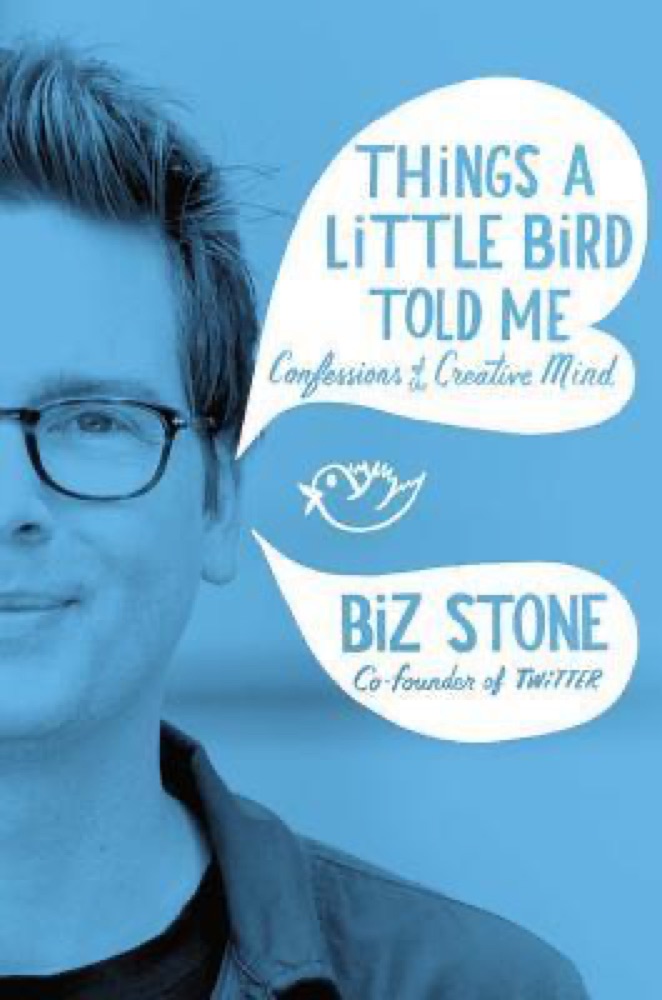 Things a Little Bird Told Me: Confessions of the Creative Mind
 The World Is Flat: A Brief History of the Twenty-first Century
 Creativity, Inc.: Overcoming the Unseen Forces That Stand in the Way of True Inspiration
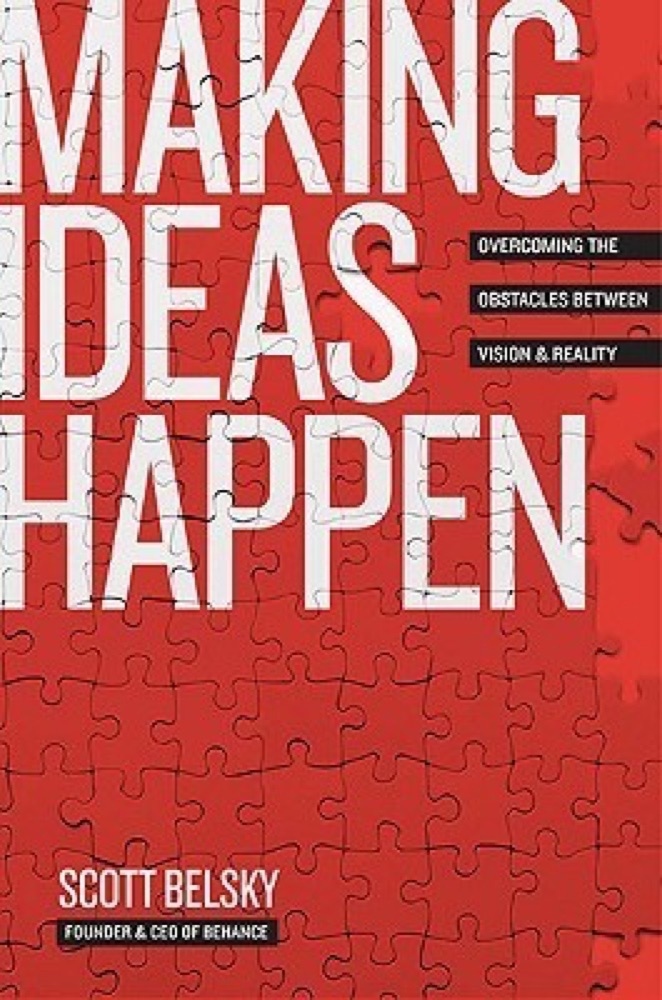 Making Ideas Happen: Overcoming the Obstacles Between Vision and Reality
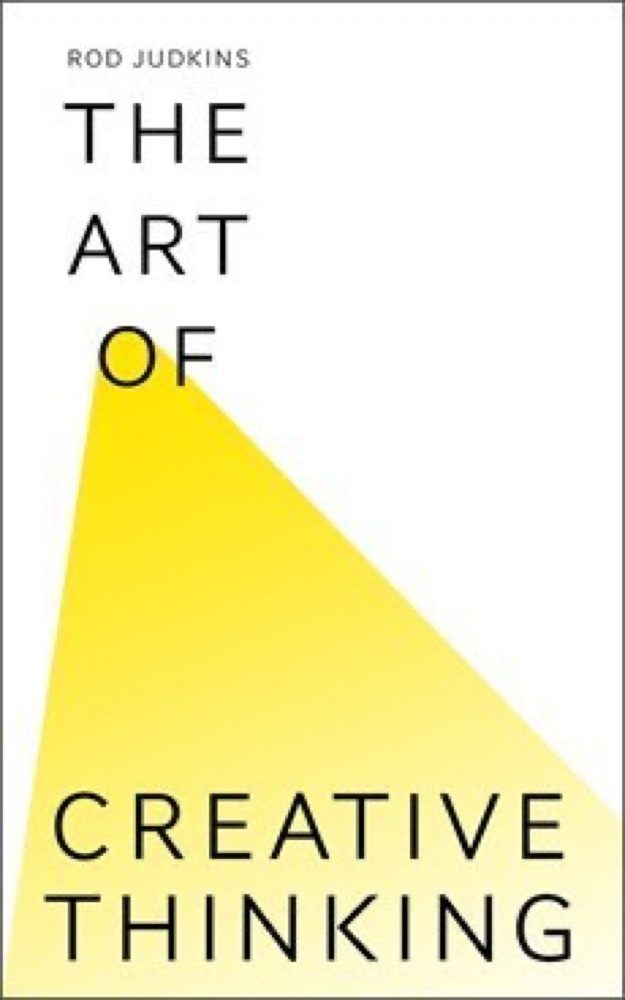 The Art of Creative Thinking
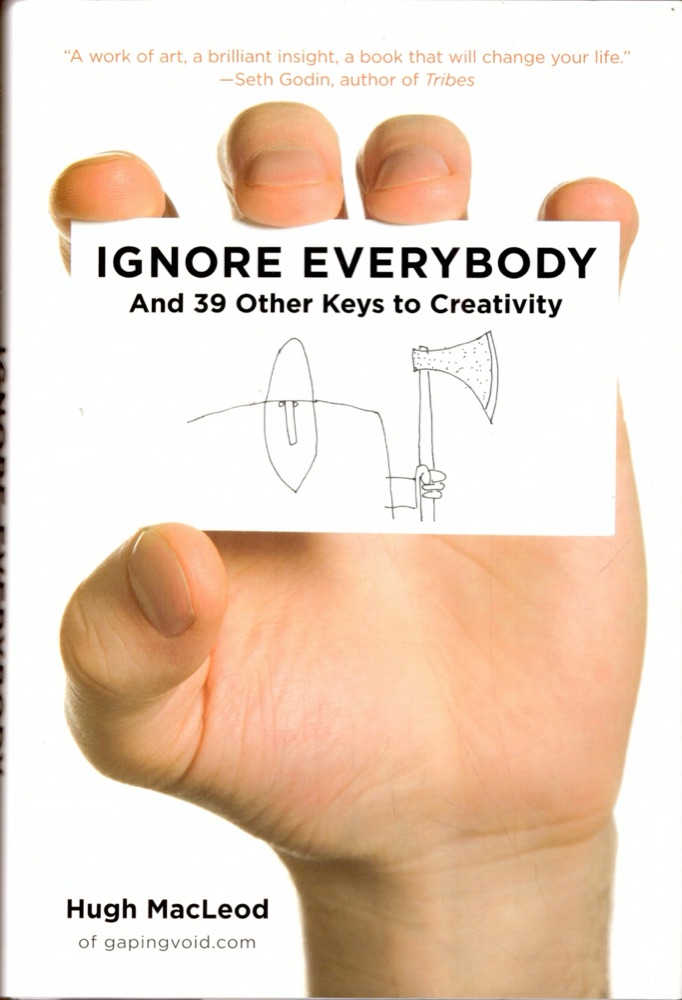 Ignore Everybody: and 39 Other Keys to Creativity
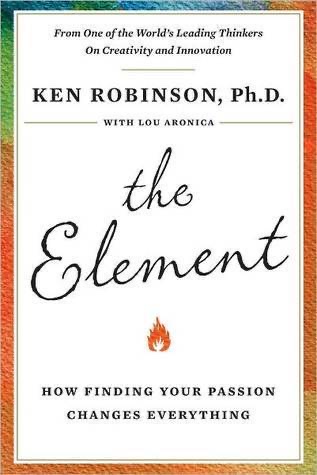 The Element: How Finding Your Passion Changes Everything
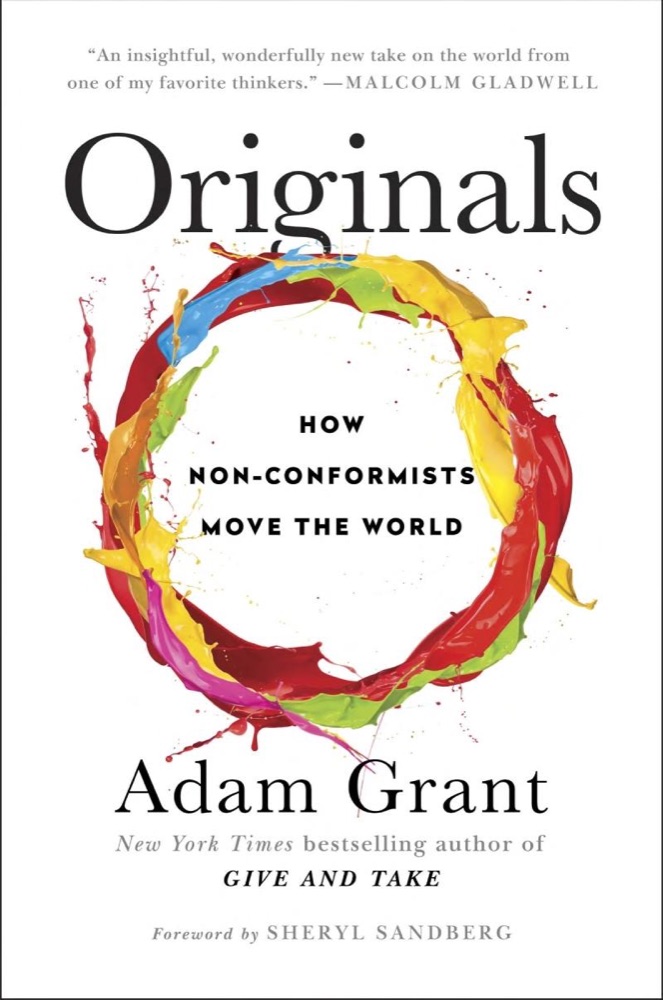 Originals: How Non-Conformists Move the World
 Barking Up the Wrong Tree: The Surprising Science Behind Why Everything You Know About Success Is (Mostly) Wrong
 What the Dog Saw and Other Adventures
 How to Fly a Horse: The Secret History of Creation, Invention, and Discovery
 How to Fail at Almost Everything and Still Win Big: Kind of the Story of My Life
 Where Good Ideas Come From: The Natural History of Innovation
 The Innovators: How a Group of Hackers, Geniuses and Geeks Created the Digital Revolution
 Just for Fun: The Story of an Accidental Revolutionary
 Made to Stick: Why Some Ideas Survive and Others Die
 How To Get Rich
 Tools of Titans: The Tactics, Routines, and Habits of Billionaires, Icons, and World-Class Performers
 Managing Humans: Biting and Humorous Tales of a Software Engineering Manager
 Same as Ever: A Guide to What Never Changes
 Getting There: A Book of Mentors
 Algorithms to Live By: The Computer Science of Human Decisions
 Principles: Life and Work
 Steve Jobs
 Linchpin: Are You Indispensable?
 Think Like a Rocket Scientist: Simple Strategies You Can Use to Make Giant Leaps in Work and Life
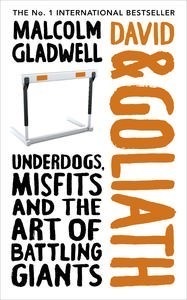 David and Goliath: Underdogs, Misfits, and the Art of Battling Giants
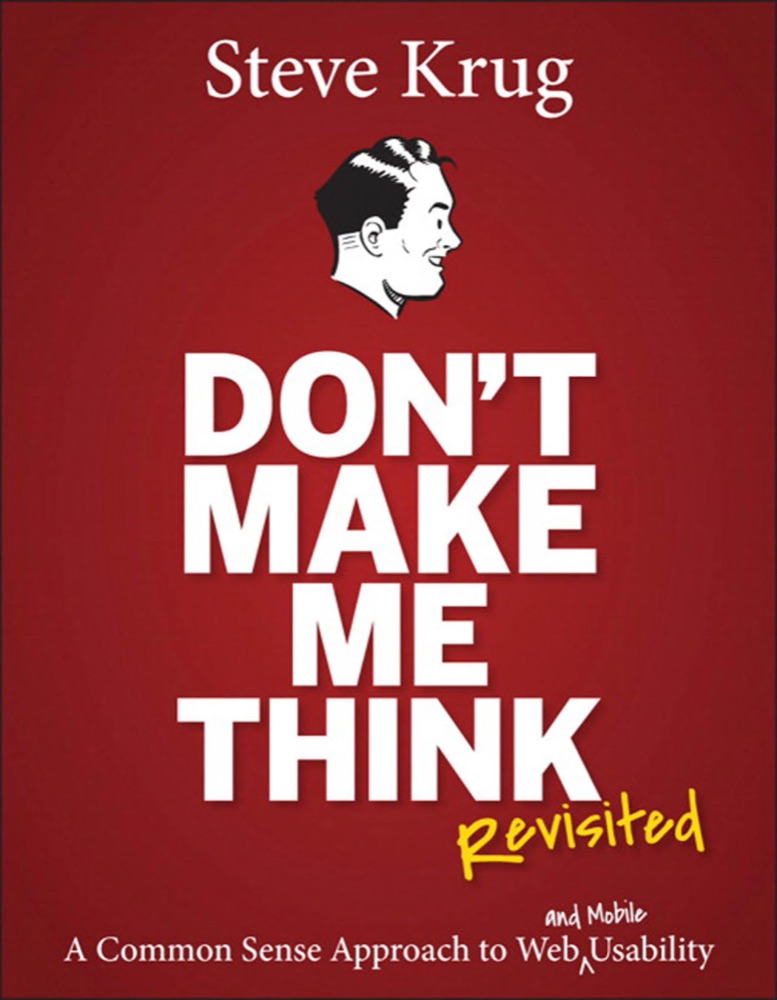 Don't Make Me Think, Revisited: A Common Sense Approach to Web Usability
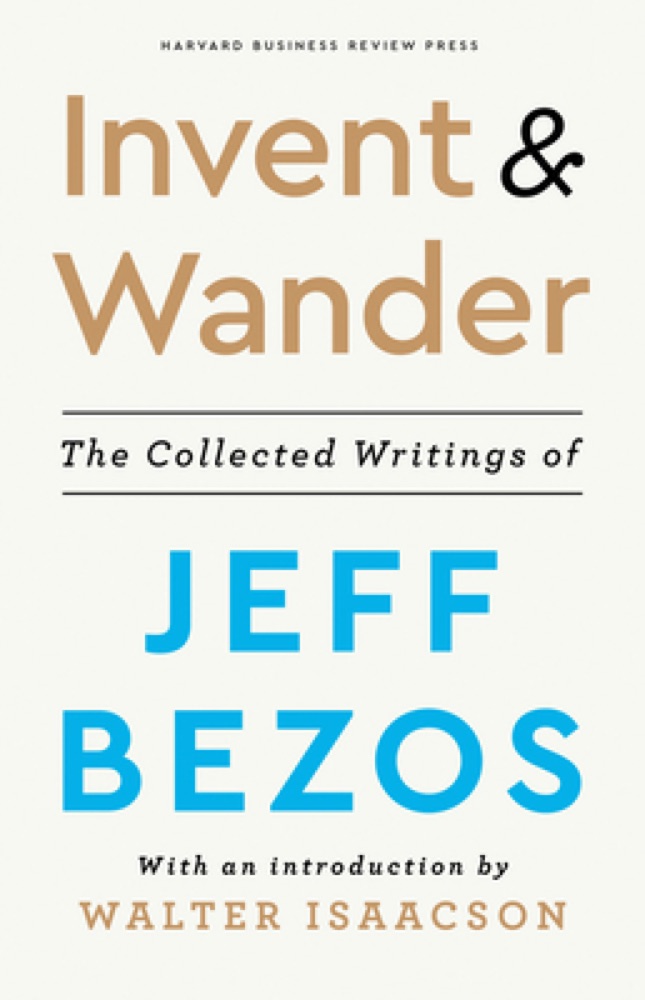 Invent and Wander: The Collected Writings of Jeff Bezos
 Pour Your Heart Into It: How Starbucks Built a Company One Cup at a Time
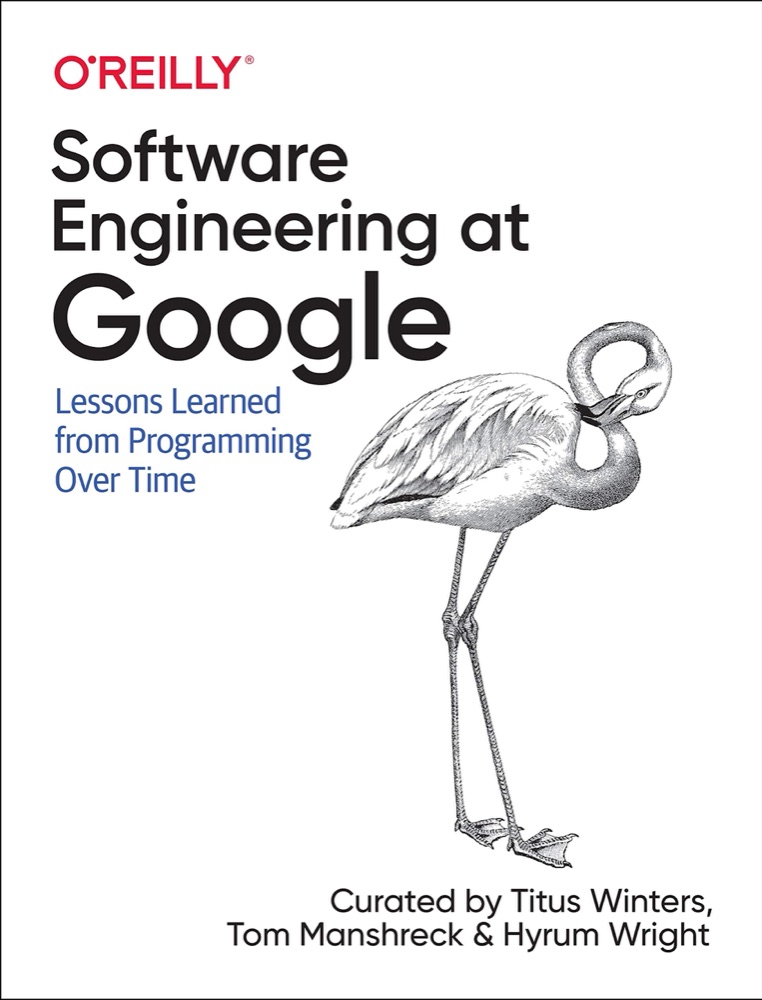 Software Engineering at Google: Lessons Learned from Programming Over Time
 The Black Swan: The Impact of the Highly Improbable
 The Design of Everyday Things
 The Art of the Start: The Time-Tested, Battle-Hardened Guide for Anyone Starting Anything
 Trump: The Art of the Deal
 Black Box Thinking: Why Some People Never Learn from Their Mistakes - But Some Do
 The Last Lecture
 Who Owns the Future?
 Math with Bad Drawings
 Getting Things Done: The Art of Stress-Free Productivity
 The Hard Thing About Hard Things: Building a Business When There Are No Easy Answers―Straight Talk on the Challenges of Entrepreneurship
 Good to Great: Why Some Companies Make the Leap... and Others Don't
 Hit Makers: The Science of Popularity in an Age of Distraction
 Drive: The Surprising Truth About What Motivates Us
 Lean Analytics: Use Data to Build a Better Startup Faster
 You Are Not a Gadget
 I, Steve: Steve Jobs In His Own Words
 The E-myth Revisited
 Range: Why Generalists Triumph in a Specialized World
 The Price of Tomorrow: Why Deflation is the Key to an Abundant Future