
 Chasing the Scream: The First and Last Days of the War on Drugs
Quotes from the Book
Democracy requires the ability of a population to pay attention long enough to identify real problems, distinguish them from fantasies, come up with solutions, and hold their leaders accountable if they fail to deliver them.
46
When you read a novel, you are immersing yourself in what it’s like to be inside another person’s head. You are simulating a social situation. You are imagining other people and their experiences in a deep and complex way. So maybe, he said, if you read a lot of novels, you will become better at actually understanding other people off the page. Perhaps fiction is a kind of empathy gym, boosting your ability to empathize with other people—which is one of the most rich and precious forms of focus we have. Together, they decided to begin to study this question scientifically.
44
Not everything that is faced can be changed, but nothing can be changed until it is faced.
40
The more novels you read, the better you were at reading other people’s emotions. It was a huge effect. This wasn’t just a sign that you were better educated—because reading nonfiction books, by contrast, had no effect on your empathy.
28
You don’t get what you don’t fight for.
28
I don't think it's a coincidence that this crisis in paying attention has taken place at the same time as the worst crisis of democracy since the 1930s. People who can't focus will be more drawn to simplistic authoritarian solutions--and less likely to see clearly when they fail. A world full of attention-deprived citizens alternating between Twitter and Snapchat will be a world of cascading crises where we can't get a handle on any of them.
25
The truth is that you are living in a system that is pouring acid on your attention every day, and then you are being told to blame yourself and to fiddle with your own habits while the world’s attention burns.
24
The ocean makes you feel like the world is greeting you with a soft, wet, welcoming indifference. It’s never going to argue back, no matter how loud you yell.
20
In situations of low stress and safety, mind-wandering will be a gift, a pleasure, a creative force. In situations of high stress or danger, mind-wandering will be a torment.
19
The more people stared at their phones, the more money these companies made. Period. The people in Silicon Valley did not want to design gadgets and websites that would dissolve people’s attention spans. They’re not the Joker, trying to sow chaos and make us dumb. They spend a lot of their own time meditating and doing yoga. They often ban their own kids from using the sites and gadgets they design, and send them instead to tech-free Montessori schools. But their business model can only succeed if they take steps to dominate the attention spans of the wider society. It’s not their goal, any more than ExxonMobil deliberately wants to melt the Arctic. But it’s an inescapable effect of their current business model.
17
If you see the world through fragments, your empathy often doesn’t kick in, in the way that it does when you engage with something in a sustained, focused way.
15
What, I wondered, is the message buried in the medium of the printed book? Before the words convey their specific meaning, the medium of the book tells us several things. Firstly, life is complex, and if you want to understand it, you have to set aside a fair bit of time to think deeply about it. You need to slow down. Secondly, there is a value in leaving behind your other concerns and narrowing down your attention to one thing, sentence after sentence, page after page. Thirdly, it is worth thinking deeply about how other people live and how their minds work. They have complex inner lives just like you.
14
She believed she had uncovered a key truth about focus: To pay attention in normal ways, you need to feel safe.
13
The average office worker now spends 40 percent of their work time wrongly believing they are "multitasking"--which means they are incurring all these costs for their attention and focus. In fact, uninterrupted time is becoming rare. One study found that most of us working in offices never get a whole hour uninterrupted in a normal day.
11
Tristan [Harris] believes that what we are seeing is ‘the collective downgrading of humans and the upgrading of machines’. We are becoming less rational, less intelligent, less focused.
11
One day, James Williams--the former Google strategist I met--addressed an audience of hundreds of leading tech designers and asked them a simple question: "How many of you want to live in the world you are designing?" There was a silence in the room. People looked around them. Nobody put up their hand.
10
There’s this thing about speed that feels great…. Part of why we feel absorbed in this is that it’s awesome, right? You get to feel that you are connected to the whole world, and you feel that anything that happens on the topic, you can find out about it and learn about it.” But we told ourselves we could have a massive expansion in the amount of information we are exposed to, and the speed at which it hits us, with no costs. This is a delusion: “It becomes exhausting.” More importantly, Sune said, “what we are sacrificing is depth in all sorts of dimensions…. Depth takes time. And depth takes reflection. If you have to keep up with everything and send emails all the time, there’s no time to reach depth.
9
We live in a culture that is constantly amping us up with stress and stimulation.
9
The algorithm they actually use varies all the time, but it has one key driving principle that is consistent. It shows you things that will keep you looking at your screen.
9
One of the things that happens is that during sleep, your brain cleans itself of waste that has accumulated during the day. “During slow-wave sleep, your cerebral spinal fluid channels open up more and remove metabolic waste from your brain,” Roxanne explained to me. Every night, when you go to sleep, your brain is rinsed with a watery fluid. This cerebrospinal fluid washes through your brain, flushing out toxic proteins and carrying them down to your liver to get rid of them. “So when I’m talking to college students, I call this brain-cell poop. If you can’t focus well, it might be you have too much brain-cell poop circulating.” That can explain why, when you are tired, “you get a hung-over sort of feeling”—you are literally clogged up with toxins. This positive kind of brainwashing can only happen when you are asleep.
8
Creativity is not [where you create] some new thing that’s emerged from your brain,” Nathan told me. “It’s a new association between two things that were already there.
8
There's a scientific debate about the precise scale of our sleep loss, but the National Sleep Foundation has calculated that the amount of sleep we get has dropped by 20 percent in just a hundred years.
8
At the start of the Second World War, the English poet W. H. Auden—when he looked out over the new technologies of destruction that had been created by humans—warned: “We must love one another, or die.
8
goes back to the design of the brain…. It’s designed to pay attention to the stuff that matters to you.
8
So if you spend your time switching a lot, then the evidence suggests you will be slower, you’ll make more mistakes, you’ll be less creative, and you’ll remember less of what you do.
7
Take care what technologies you use, because your consciousness will, over time, come to be shaped like those technologies.
6
Slowness, he explained, nurtures attention, and speed shatters it.
6
if you have spent long enough being interrupted in your daily life, you will start to interrupt yourself even when you are set free from all these external interruptions. I kept looking at things and imagining how I would describe them in a tweet, and then imagining what people would say in response.
6
Your brain can only produce one or two thoughts” in your conscious mind at once. That’s it. “We’re very, very single-minded.” We have “very limited cognitive capacity.” This is because of the “fundamental structure of the brain,” and it’s not going to change. But rather than acknowledge this, Earl told me, we invented a myth. The myth is that we can actually think about three, five, ten things at the same time.
6
In general, we want to take the easy way out, but what makes us happy is doing the thing that’s a little bit difficult. What’s happening with our cellphones is that we put a thing in our pocket that’s with us all the time that always offers an easy thing to do, rather than the important thing.
6
Watch on YouTube
About Johann Hari
We have collected 88 quotes from 3 books by Johann Hari on BookQuoters.
More about the author →More by Johann Hari
Chasing the Scream: The First and Last Days of the War on Drugs
 Lost Connections: Uncovering the Real Causes of Depression - and the Unexpected Solutions
About the book
Our ability to pay attention is collapsing. From the New York Times bestselling author of Chasing the Scream and Lost Connections comes a groundbreaking examination of why this is happening--and how to get our attention back.
In the United States, teenagers can focus on one task for only sixty-five seconds at a time, and office workers average only three minutes. Like so many of us, Johann Hari was finding that constantly switching from device to device and tab to tab was a diminishing and depressing way to live. He tried all sorts of self-help solutions--even abandoning his phone for three months--but nothing seemed to work. So Hari went on an epic journey across the world to interview the leading experts on human attention--and he discovered that everything we think we know about this crisis is wrong.
We think our inability to focus is a personal failure to exert enough willpowe
Book details
- First published
- 2022
- Author
- Johann Hari
- Genre
- Nonfiction
- Goodreads rating
- 4.21 (83k ratings)
The buzz
- The New York TimesReview in The New York Timesprofessional review (via Book Marks)
- The Times Literary SupplementReview in The Times Literary Supplementprofessional review (via Book Marks)
- Publishers WeeklyReview in Publishers Weeklyprofessional review (via Book Marks)
- IrishtimesReview in Irishtimesprofessional review (via Book Marks)
- DatebookReview in Datebookprofessional review (via Book Marks)
Keep reading
 The Organized Mind: Thinking Straight in the Age of Information Overload
 The Attention Merchants: The Epic Scramble to Get Inside Our Heads
 The Bullet Journal Method: Track Your Past, Order Your Present, Plan Your Future
 How to Break Up with Your Phone: The 30-Day Plan to Take Back Your Life
 Hyperfocus: How to Be More Productive in a World of Distraction
 Make Time: How to Focus on What Matters Every Day
 Mastery
 Getting Things Done: The Art of Stress-Free Productivity
 Zen and the Art of Motorcycle Maintenance
 Deep Work: Rules for Focused Success in a Distracted World
 Overwhelmed: Work, Love, and Play When No One Has the Time
 Stillness Is the Key
 The Art of Thinking Clearly
 Ready for Anything: 52 Productivity Principles for Getting Things Done
 The Age of Magical Overthinking: Notes on Modern Irrationality
 Antifragile: Things That Gain from Disorder
 Blink: The Power of Thinking Without Thinking
 Incognito: The Secret Lives of the Brain
 Finding Flow: The Psychology of Engagement with Everyday Life
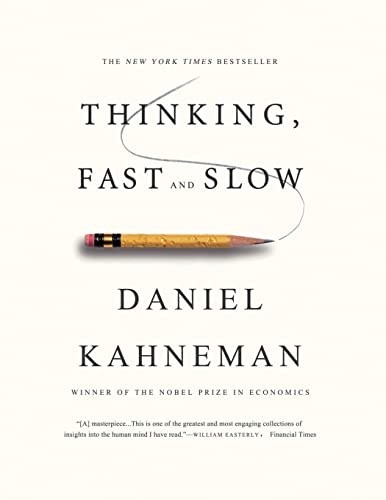 Thinking, Fast and Slow
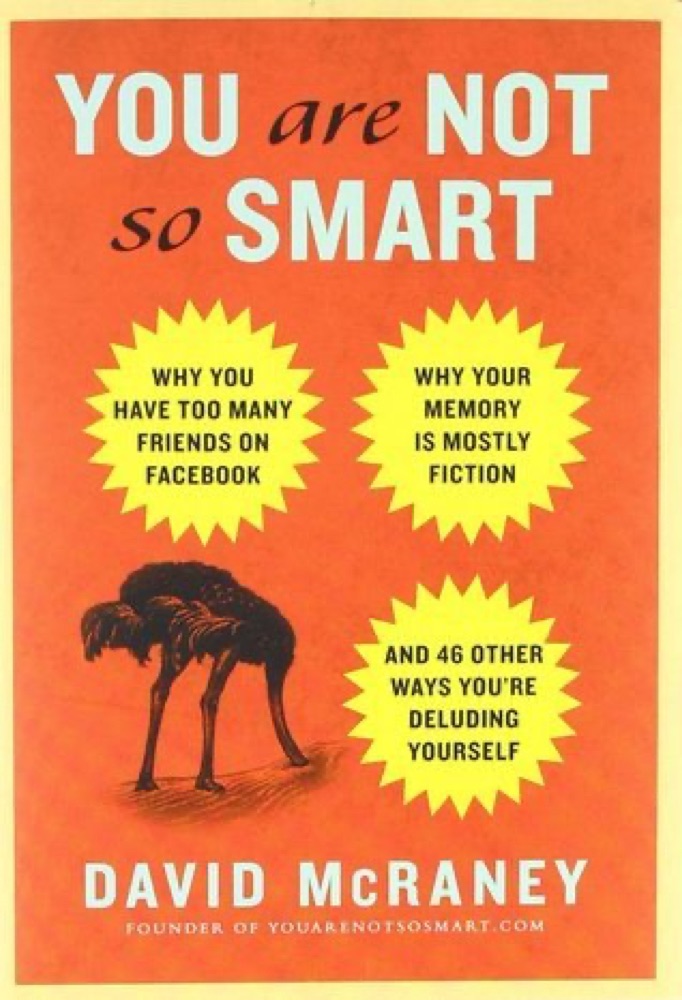 You Are Not So Smart
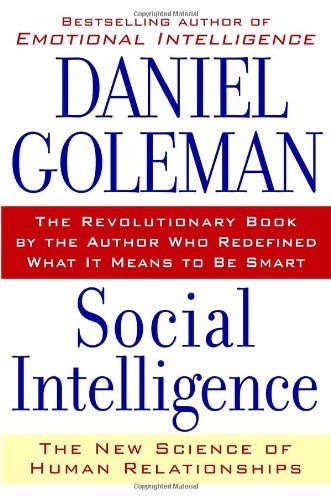 Social Intelligence: The New Science of Human Relationships
 Point Omega
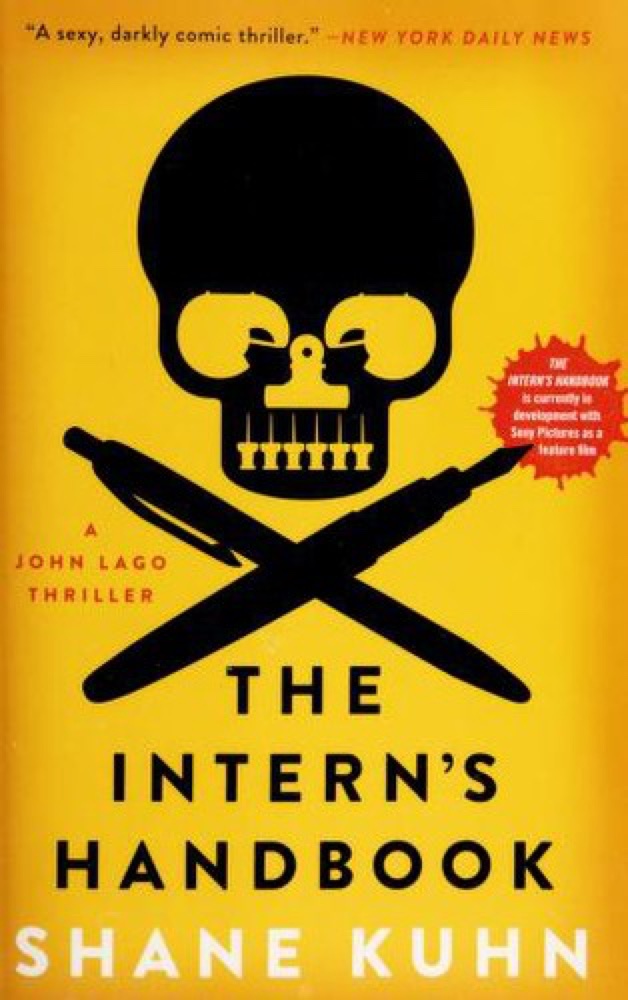 The Intern's Handbook
 The Productivity Project: Accomplishing More by Managing Your Time, Attention, and Energy
 The Social Animal: The Hidden Sources of Love, Character, and Achievement
 Notes on a Nervous Planet
 The Circle
 Scarcity Brain: Fix Your Craving Mindset and Rewire Your Habits to Thrive with Enough
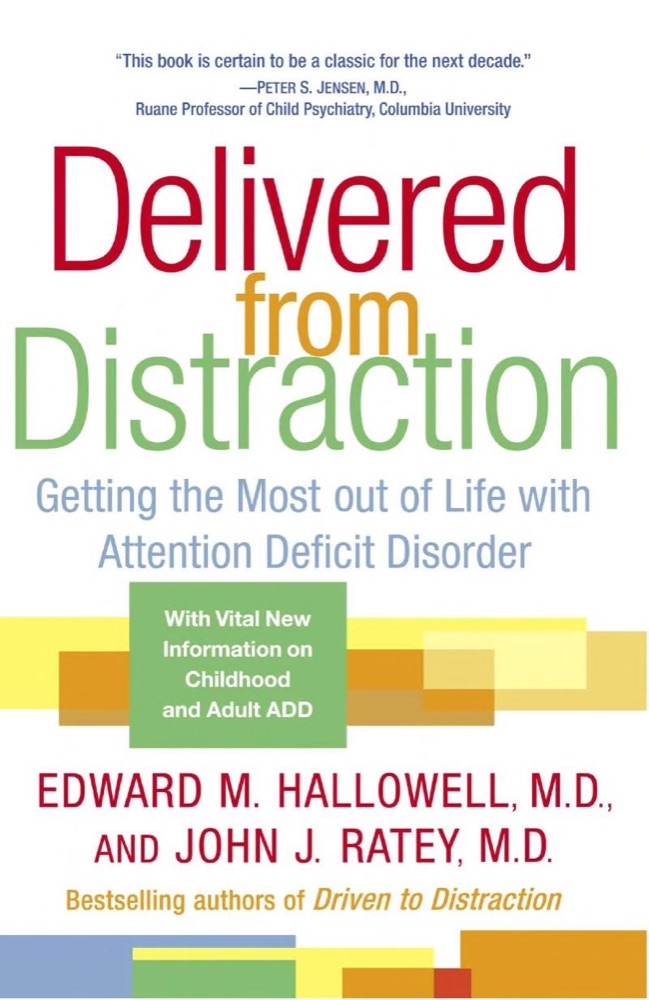 Delivered from Distraction: Getting the Most out of Life with Attention Deficit Disorder
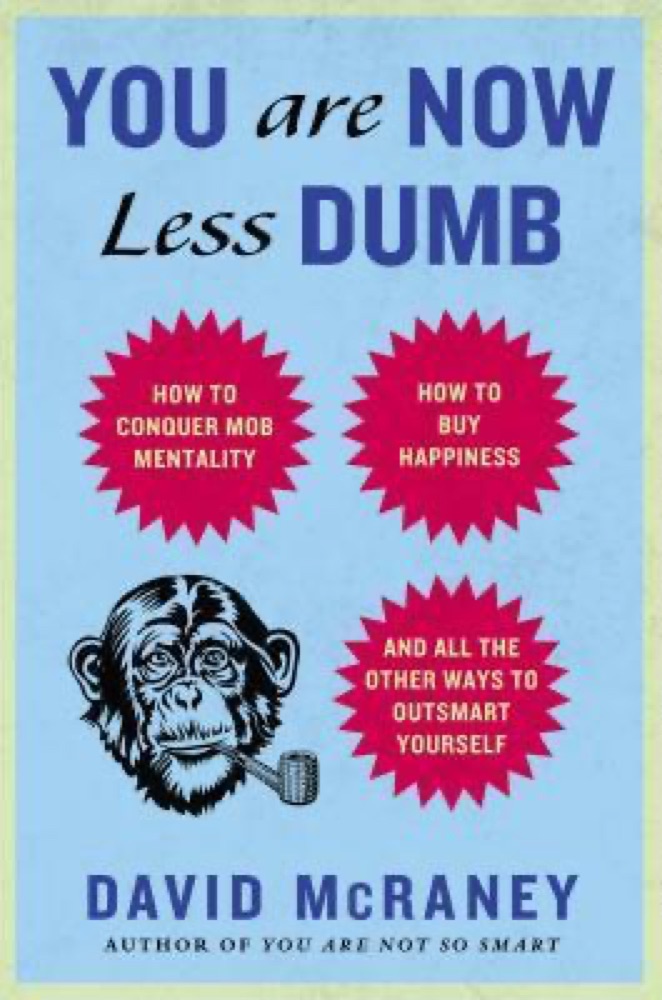 You Are Now Less Dumb: How to Conquer Mob Mentality, How to Buy Happiness, and All the Other Ways to Outsmart Yourself
 The Tipping Point: How Little Things Can Make a Big Difference
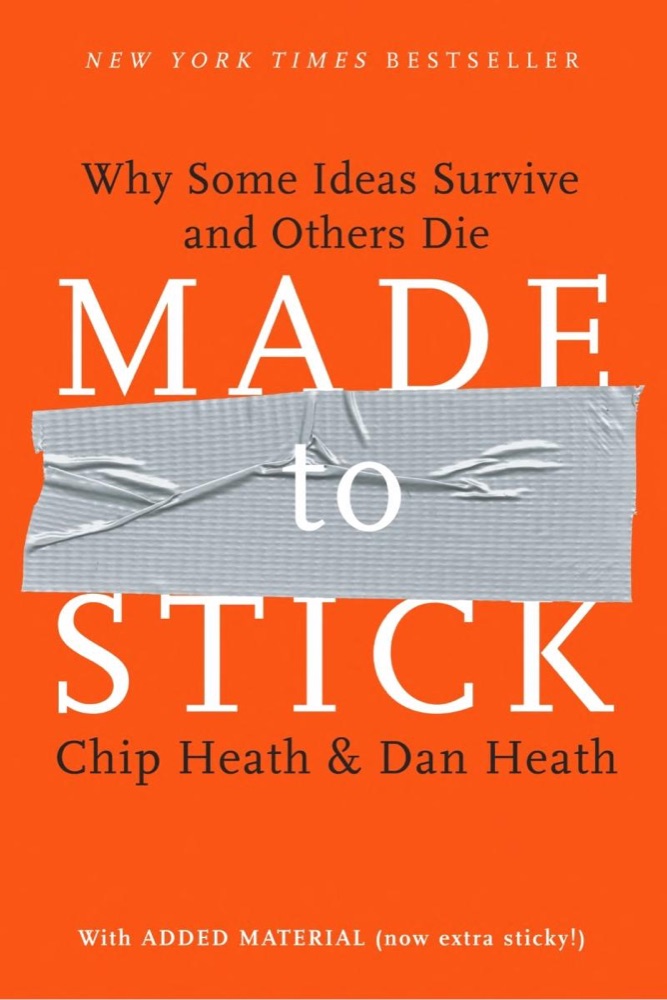 Made to Stick: Why Some Ideas Survive and Others Die
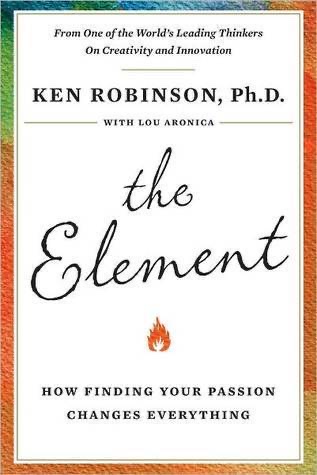 The Element: How Finding Your Passion Changes Everything
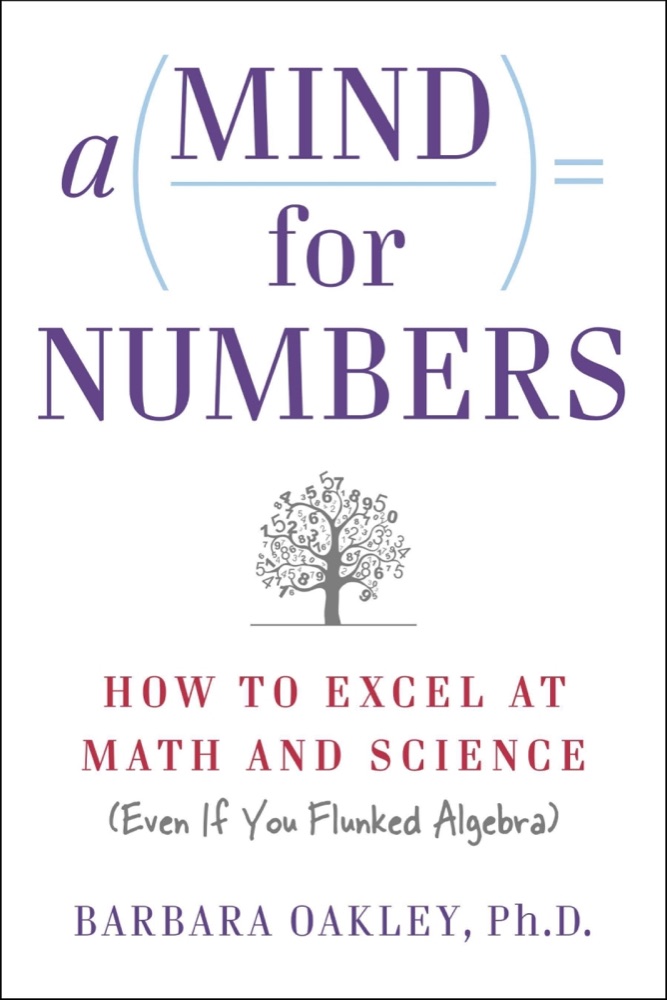 A Mind for Numbers: How to Excel at Math and Science
 The Practicing Mind: Bringing Discipline and Focus into Your Life
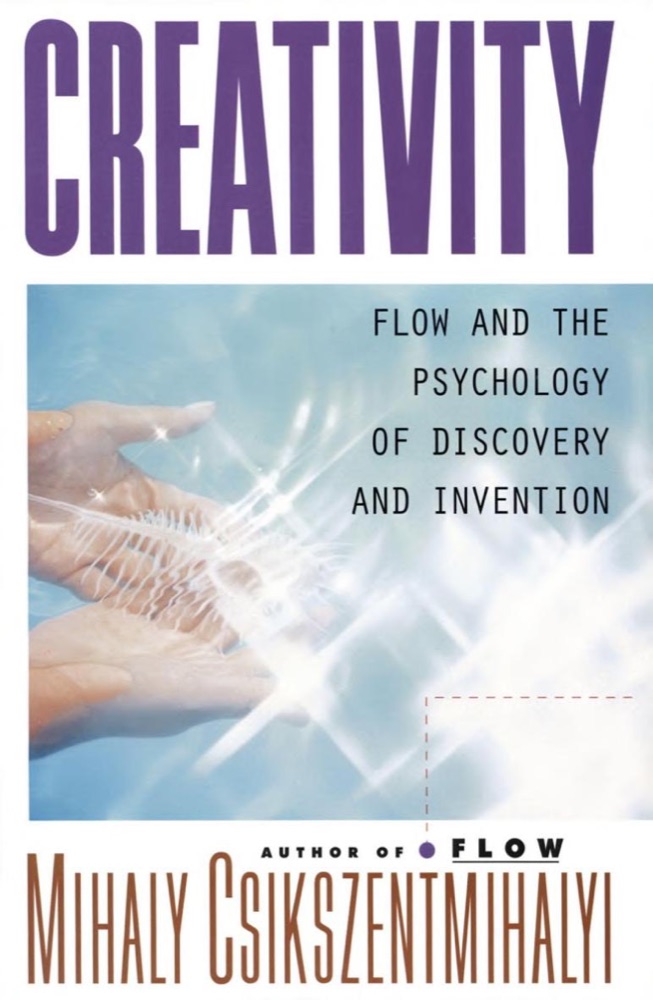 Creativity: Flow and the Psychology of Discovery and Invention
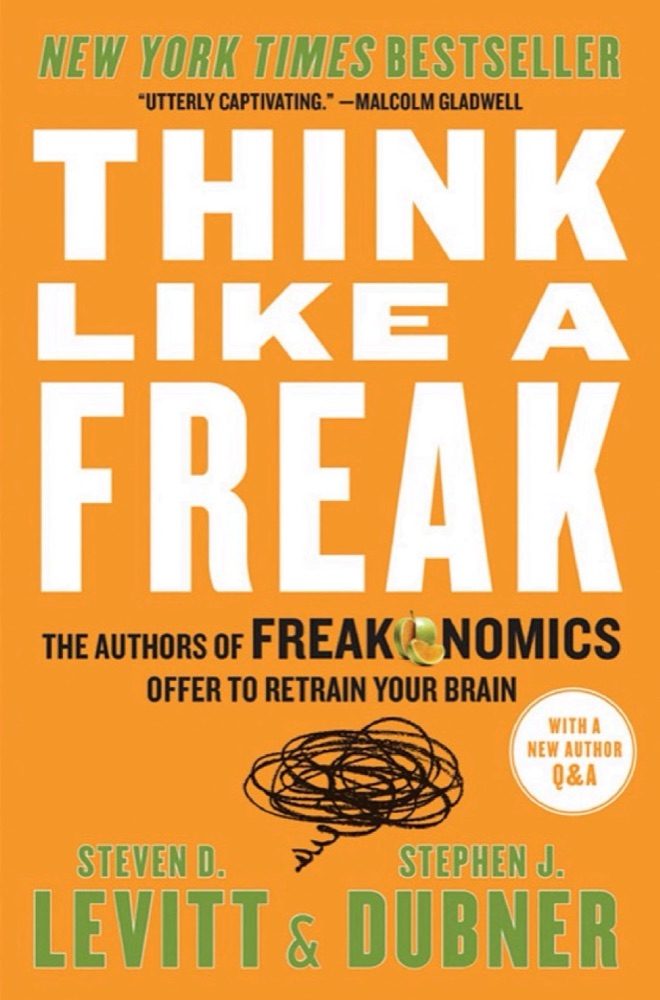 Think Like a Freak
 Drive Your Plow Over the Bones of the Dead
 Silence: In the Age of Noise
 Reader, Come Home: The Reading Brain in a Digital World
 Meditation for Fidgety Skeptics: A 10% Happier How-To Book
 No Self, No Problem: How Neuropsychology Is Catching Up to Buddhism
 Tribe Of Mentors: Transformative Wisdom From Icons and Innovators to Help You Navigate Life's Challenges
 The Future of the Mind: The Scientific Quest to Understand, Enhance, and Empower the Mind
 The Freedom Manifesto
 The Future
 Emotional Design: Why We Love (or Hate) Everyday Things
 How to Change Your Mind: The New Science of Psychedelics
 Asymmetry
 Irresistible: The Rise of Addictive Technology and the Business of Keeping Us Hooked
 On Connection
 Mastermind: How to Think Like Sherlock Holmes
 The Nix
 A Language Older Than Words
 The Pale King
 The Black Swan: The Impact of the Highly Improbable
 Exhalation
 Free to Focus: A Total Productivity System to Achieve More by Doing Less