
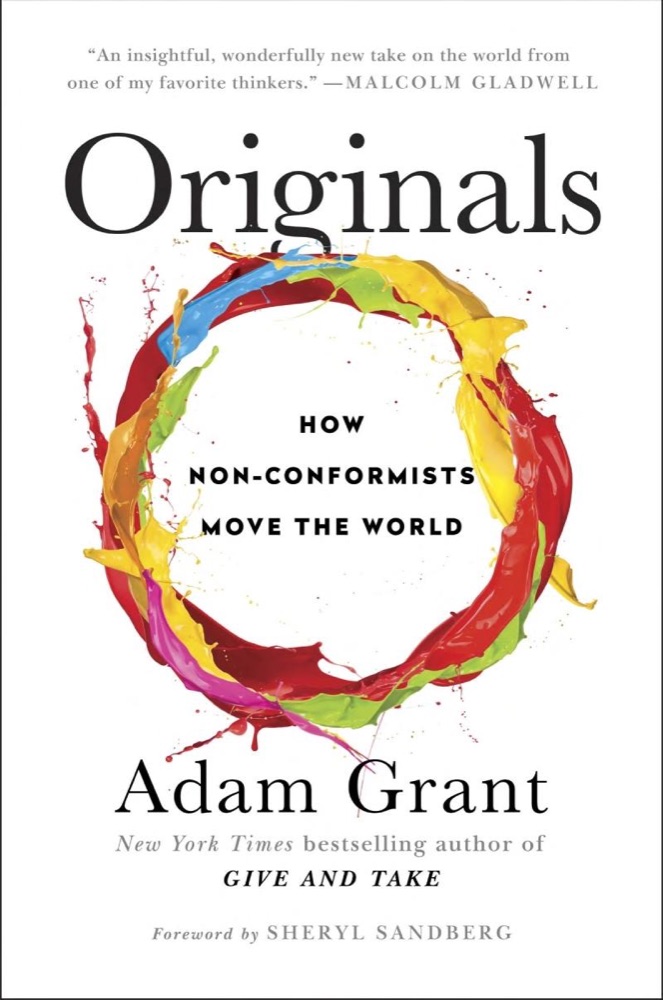
 Originals: How Non-Conformists Move the World
Quotes from the Book
The most important thing creators do is work. The most important thing they don’t do is quit.
10
If your idea succeeds, everybody says you’re persistent. If it doesn’t succeed, you’re stubborn.
9
Confidence is belief in yourself. Certainty is belief in your beliefs. Confidence is a bridge. Certainty is a barricade.
8
Beginning is hard, but continuing is harder. Those who seek a glamorous life should not pursue art, science, innovation, invention, or anything else that needs new. Creation is a long journey where most turns are wrong and most ends are dead.
6
Time is the raw material of creation. Wipe away the magic and myth of creating and all that remains is work:
4
Having ideas is not the same thing as being creative. Creation is execution, not inspiration. Many people have ideas; few take the steps to make the thing they imagine.
4
In 1926, Alfred North Whitehead made a noun from a verb and gave the myth its name: creativity.
4
Creating is not extraordinary, even if its results sometimes are. Creation is human. It is all of us. It is everybody.
4
Intellectually secure people do not need to show anyone how smart they are. They are empirical and seek truth. Intellectually insecure people need to show everyone how smart they are. They are egotistical and seek triumph.
3
The greatest test of your expertise is how explicitly you understand your assumptions.
3
Because people who are more creative also tend to be more playful, unconventional, and unpredictable, and all of this makes them harder to control. No matter how much we say we value creation, deep down, most of us value control more. And so we fear change and favor familiarity. Rejecting is a reflex.
3
The best artists, scientists, engineers, inventors, entrepreneurs, and other creators are the ones who keep taking steps by finding new problems, new solutions, and then new problems again.
3
Almost nothing we create will be good the first time. It will seldom be bad. It will probably be a dull shade of average. The main virtue of a first sketch is that it breaks the blank page. It is a spark of life in the swamp, beautiful if only because it is a beginning.
3
interruption slows us down. No matter how little time is stolen by interruption, we lose even more time reconnecting to our work. Interruption causes twice as many mistakes. Interruption makes us angry.
3
Unfulfilled passion creates a cavity between our present and our potential—a void that can drip with destruction and despair.
3
Passion is the most extreme state of choice without reward. Or, rather, it is its own reward, an energy that is indifferent to outcomes, even when they include missed sleep, becoming poor, losing your friends, bleeding and bruising, even death.
3
The bias against new is a prejudice a bit like sexism and racism: we know it is socially unacceptable to “dislike” creation, we sincerely believe we “like” creation, but when presented with a specific creative idea, we are more likely to reject it than we realize.
3
Listen, and you hear creation. It is in the sound of passing sirens; distant music; church bells; cell phones; lawn mowers and snow blowers; basketballs and bicycles; waves on breakers; hammers and saws; the creak and crackle of melting ice cubes; even the bark of a dog, a wolf changed by millennia of selective breeding by humans; or the purr of a cat, the descendant of one of just five African wildcats that humans have been selectively breeding for ten thousand years.
3
There is a myth about how something new comes to be. Geniuses have dramatic moments of insight where great things and thoughts are born whole. Poems are written in dreams. Symphonies are composed complete. Science is accomplished with eureka shrieks. Businesses are built by magic touch. Something is not, then is. We do not see the road from nothing to new, and maybe we do not want to. Artistry must be misty magic, not sweat and grind. It dulls the luster to think that every elegant equation, beautiful painting, and brilliant machine is born of effort and error, the progeny of false starts and failures, and that each maker is as flawed, small, and mortal as the rest of us. It is seductive to conclude that great innovation is delivered to us by miracle via genius. And so the myth.
2
When Robin Warren accepted his Nobel Prize, he quoted Sherlock Holmes: “There is nothing more deceptive than an obvious fact.” It was an “obvious fact” that bacteria do not live in the stomach, just as it was an “obvious fact” that emergency room doctors remember to remove guidewires and an “obvious fact” that there are no gorillas in pictures of lungs.
2
When you bring something truly new to the world, brace. Having an impact is not usually a pleasant experience. Sometimes the hardest part of creating is not having an idea but saving an idea, ideally while also saving yourself.
2
The creativity myth implies that few people can be creative, that any successful creator will experience dramatic flashes of insight, and that creating is more like magic than work. A rare few have what it takes, and for them it comes easy. Anybody else’s creative efforts are doomed.
2
The art of new, and perhaps the art of happiness, is not absolute victory for either new or old but balance between them. Birds do not defy gravity or let it bind them to the ground. They use it to fly.
2
Ritual is optional, but consistency is not. Creating requires regular hours of solitude. Time is your main ingredient, so use the highest-quality time to create.
2
Addiction destroys, passion creates, and that is the only difference between them.
2
Rejection is not persecution. Drain it of its poison and what remains may be useful.
2
Creating is to humans as flying is to birds. It is our nature, our spirit.
2
Minds do not leap. Observation, evaluation, and iteration, not sudden shifts of perception, solve problems and lead us to creation.
2
Watch on YouTube
About Kevin Ashton
We have collected 28 quotes from 1 book by Kevin Ashton on BookQuoters.
More about the author →About the book
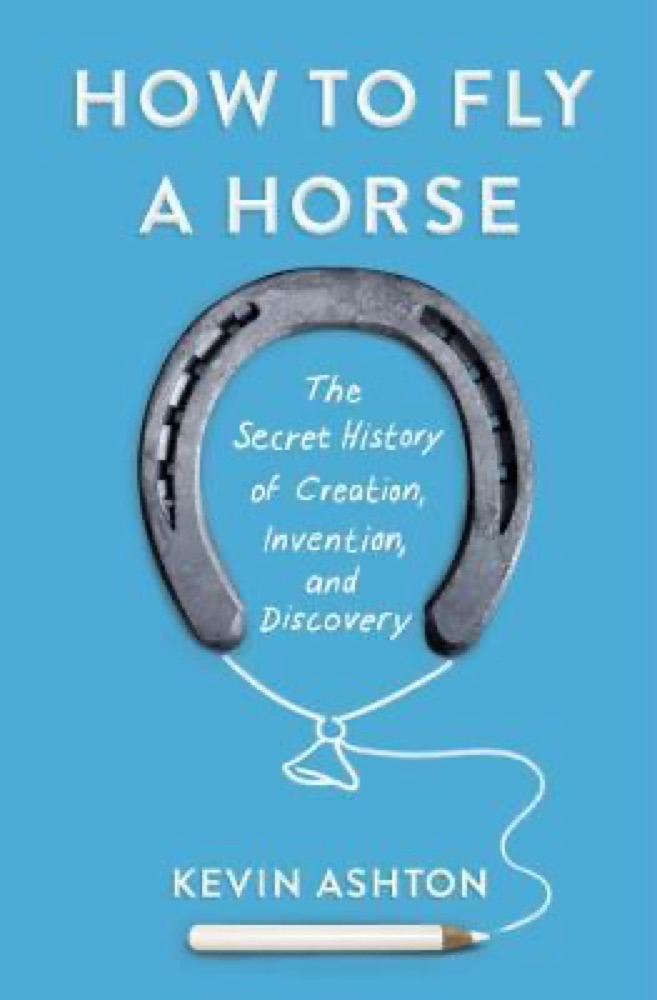
As a technology pioneer at MIT and as the leader of three successful start-ups, Kevin Ashton experienced firsthand the all-consuming challenge of creating something new. Now, in a tour-de-force narrative twenty years in the making, Ashton leads us on a journey through humanity’s greatest creations to uncover the surprising truth behind who creates and how they do it. From the crystallographer’s laboratory where the secrets of DNA were first revealed by a long forgotten woman, to the electromagnetic chamber where the stealth bomber was born on a twenty-five-cent bet, to the Ohio bicycle shop where the Wright brothers set out to “fly a horse,” Ashton showcases the seemingly unremarkable individuals, gradual steps, multiple failures, and countless ordinary and usually uncredited acts that lead to our most astounding breakthroughs.
Creators, he shows, apply in particular ways the everyday,
Book details
- First published
- 2014
- Author
- Kevin Ashton
- Genre
- Nonfiction
- Goodreads rating
- 4.01 (2k ratings)
Keep reading
Originals: How Non-Conformists Move the World
 The Art of Creative Thinking
 Creativity: Flow and the Psychology of Discovery and Invention
 Ignore Everybody: and 39 Other Keys to Creativity
 A Whack on the Side of the Head: How You Can Be More Creative
 The Practice: Shipping Creative Work
 Every Tool's a Hammer: Life Is What You Make It
 Creativity: Unleashing the Forces Within
 Imagine: How Creativity Works
 Things a Little Bird Told Me: Confessions of the Creative Mind
 Think Like a Rocket Scientist: Simple Strategies You Can Use to Make Giant Leaps in Work and Life
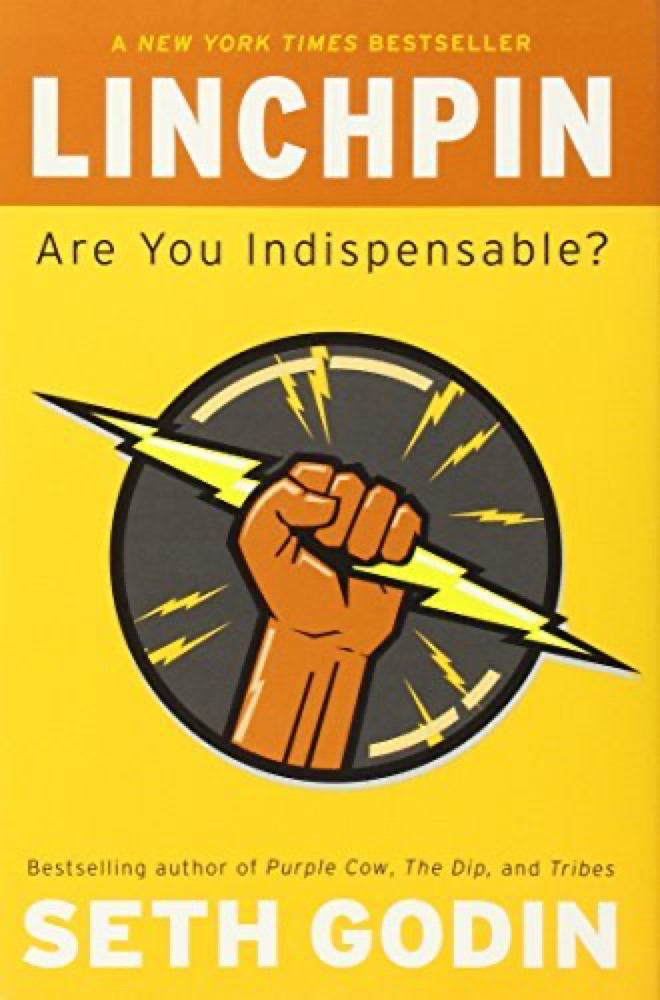 Linchpin: Are You Indispensable?
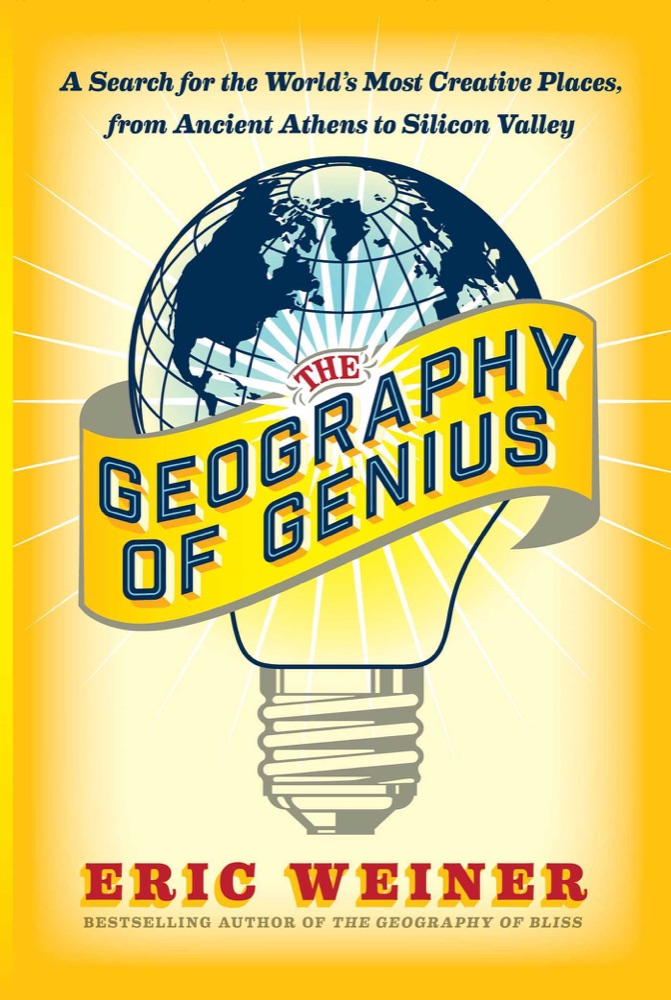 The Geography of Genius: A Search for the World's Most Creative Places from Ancient Athens to Silicon Valley
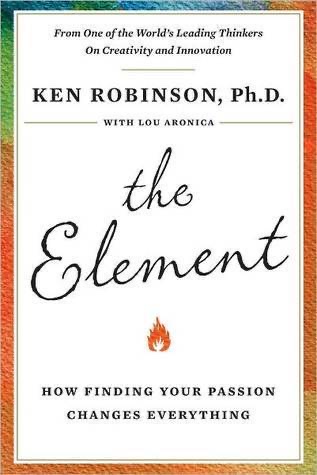 The Element: How Finding Your Passion Changes Everything
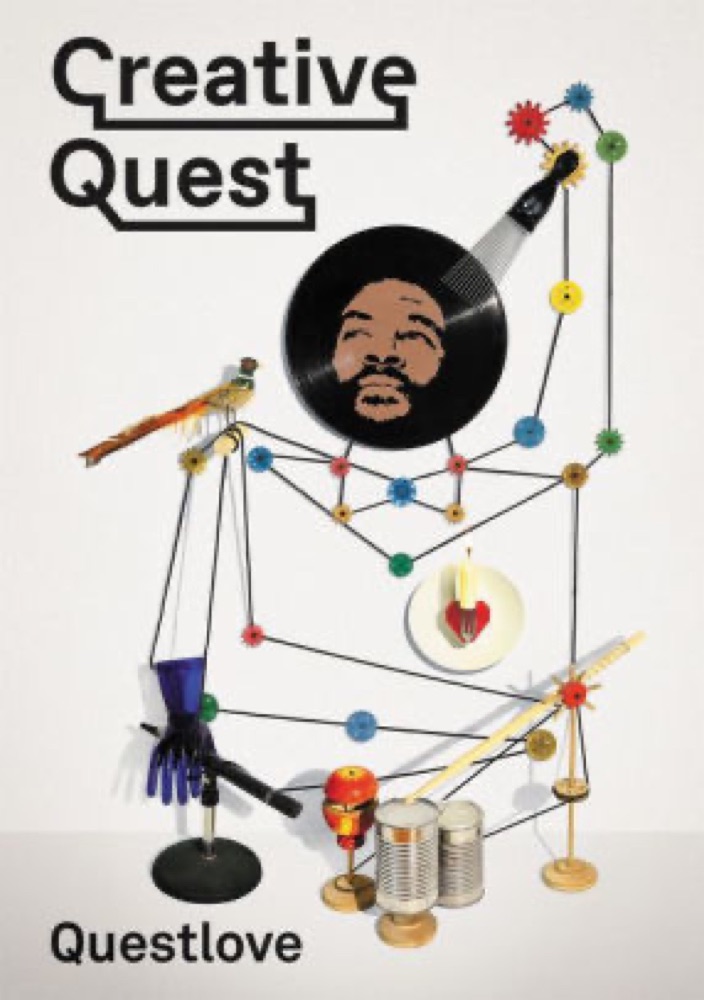 Creative Quest
 Big Magic: Creative Living Beyond Fear
 The Creative Habit: Learn It and Use It for Life
 The Art of Thinking Clearly
 Creativity, Inc.: Overcoming the Unseen Forces That Stand in the Way of True Inspiration
 Grit: The Power of Passion and Perseverance
 The War of Art
 The Artist's Way
 The Courage to Create
 Hackers & Painters: Big Ideas from the Computer Age
 The Icarus Deception: How High Will You Fly?
 Barking Up the Wrong Tree: The Surprising Science Behind Why Everything You Know About Success Is (Mostly) Wrong
 The Accidental Creative: How to Be Brilliant at a Moment's Notice
 Art and Fear: Observations on the Perils (and Rewards) of Artmaking
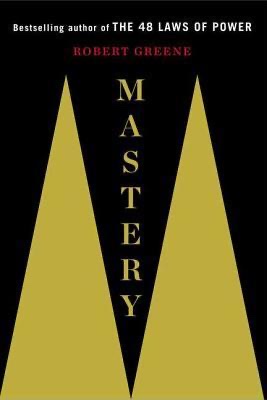 Mastery
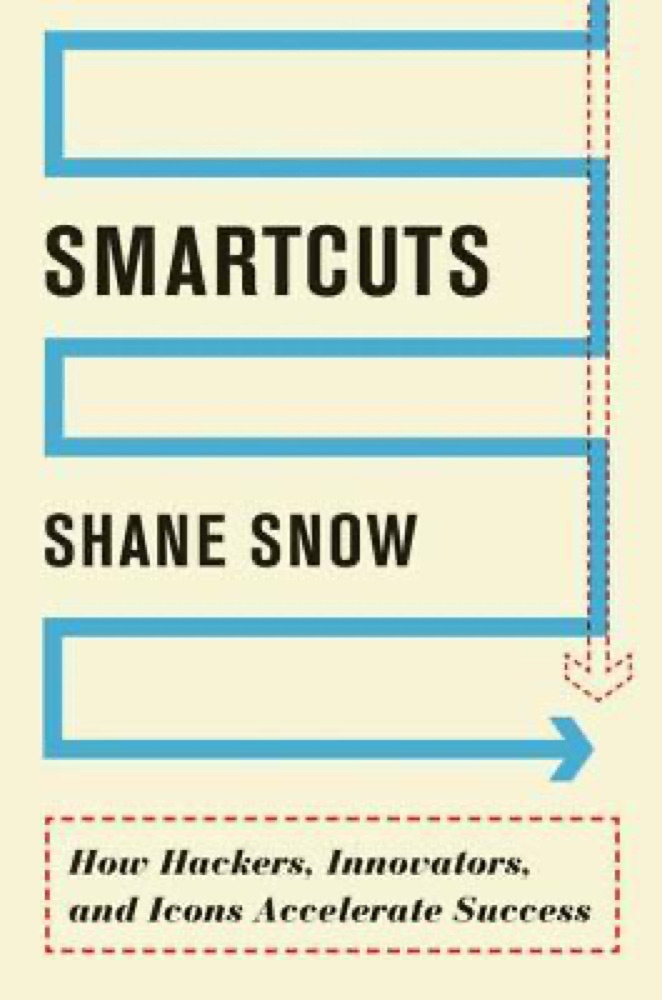 Smartcuts: How Hackers, Innovators, and Icons Accelerate Success
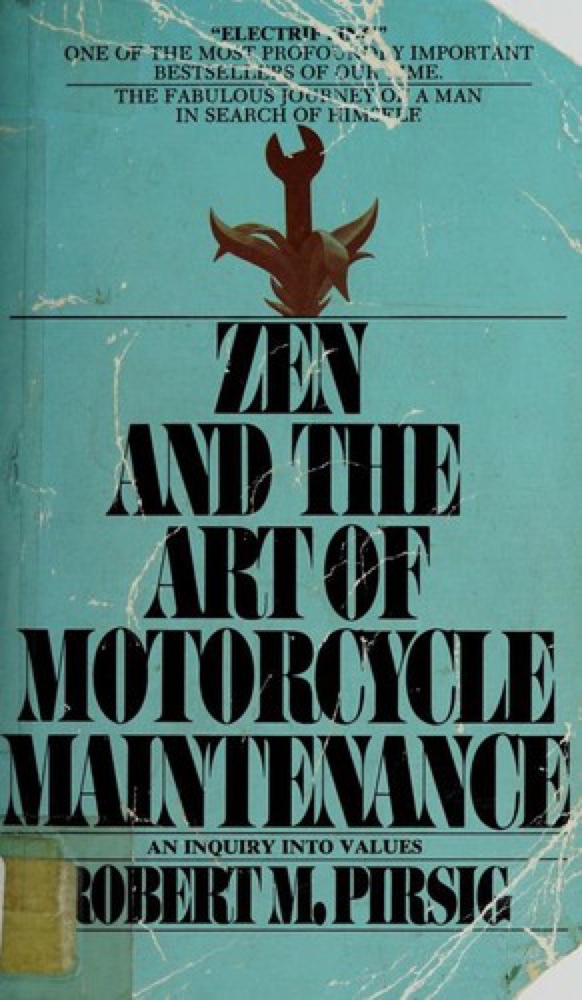 Zen and the Art of Motorcycle Maintenance
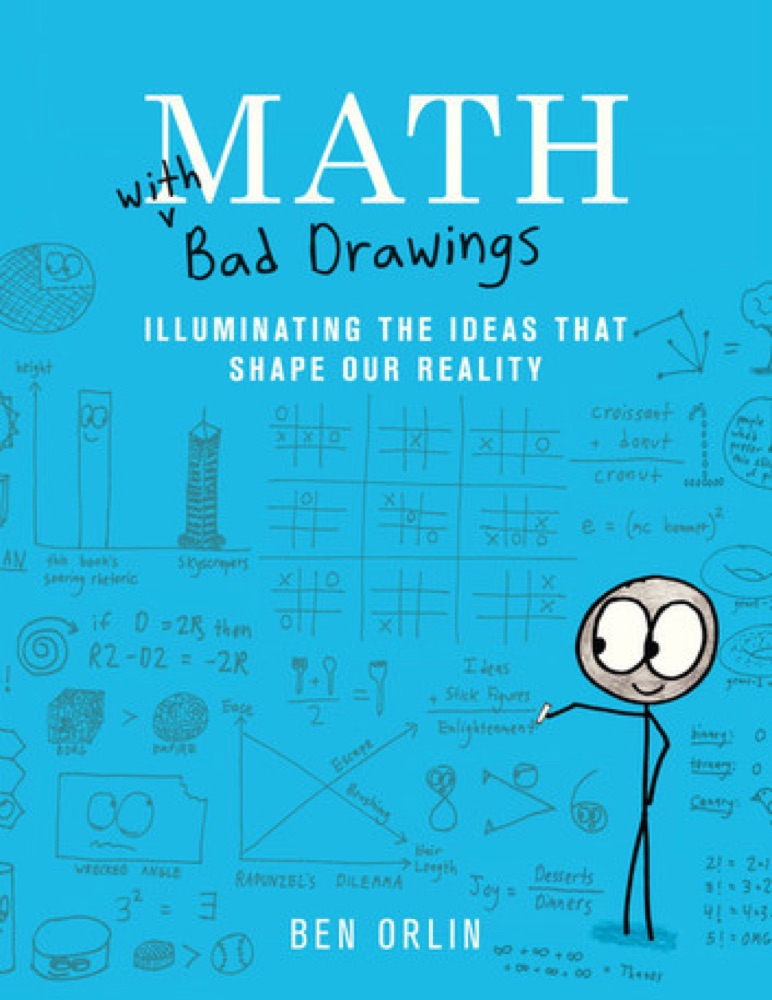 Math with Bad Drawings
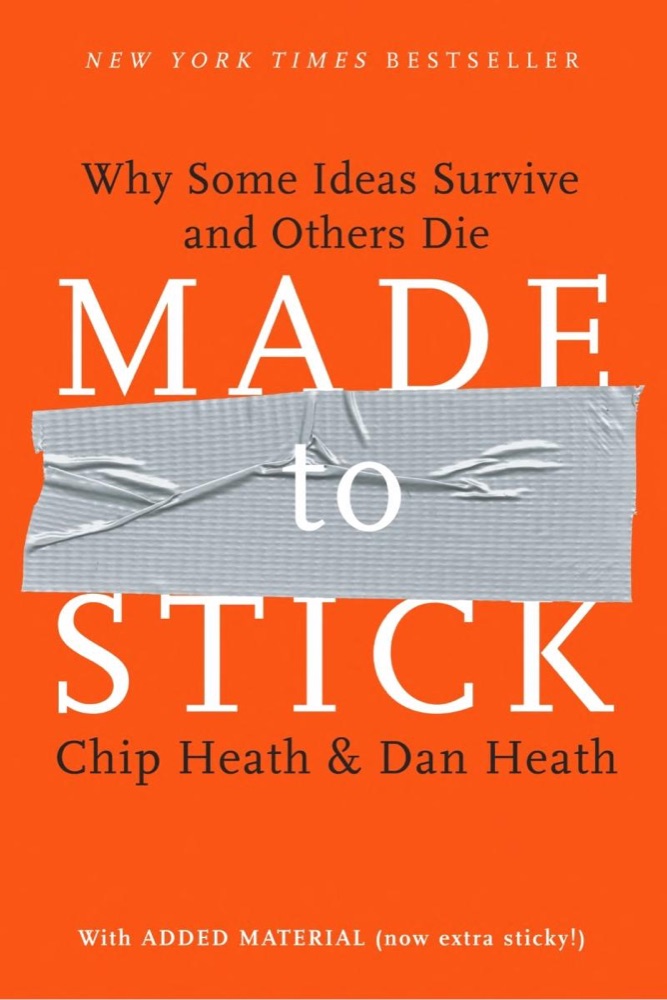 Made to Stick: Why Some Ideas Survive and Others Die
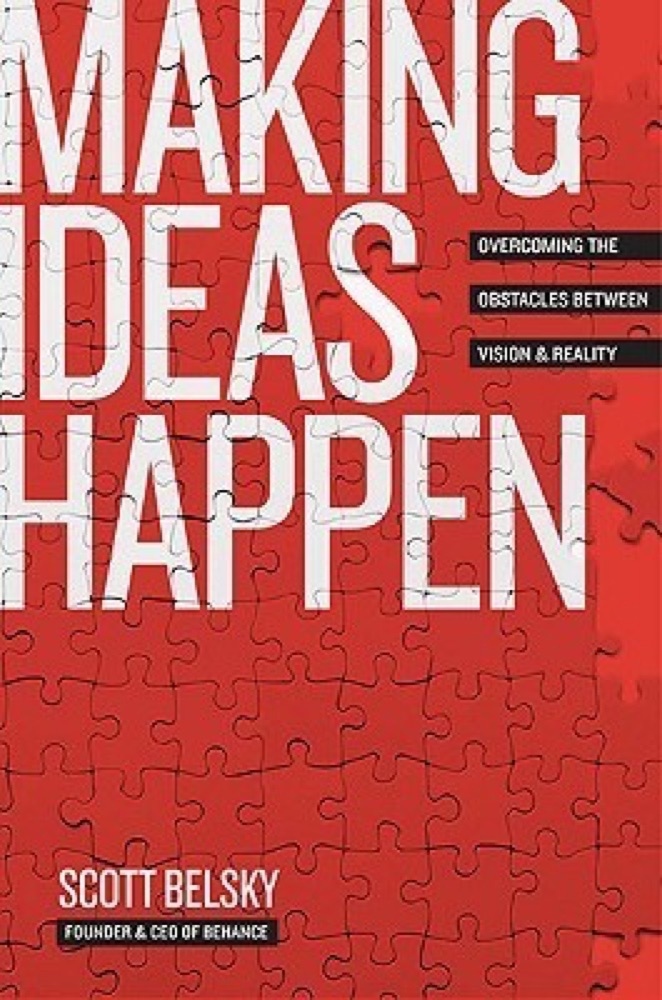 Making Ideas Happen: Overcoming the Obstacles Between Vision and Reality
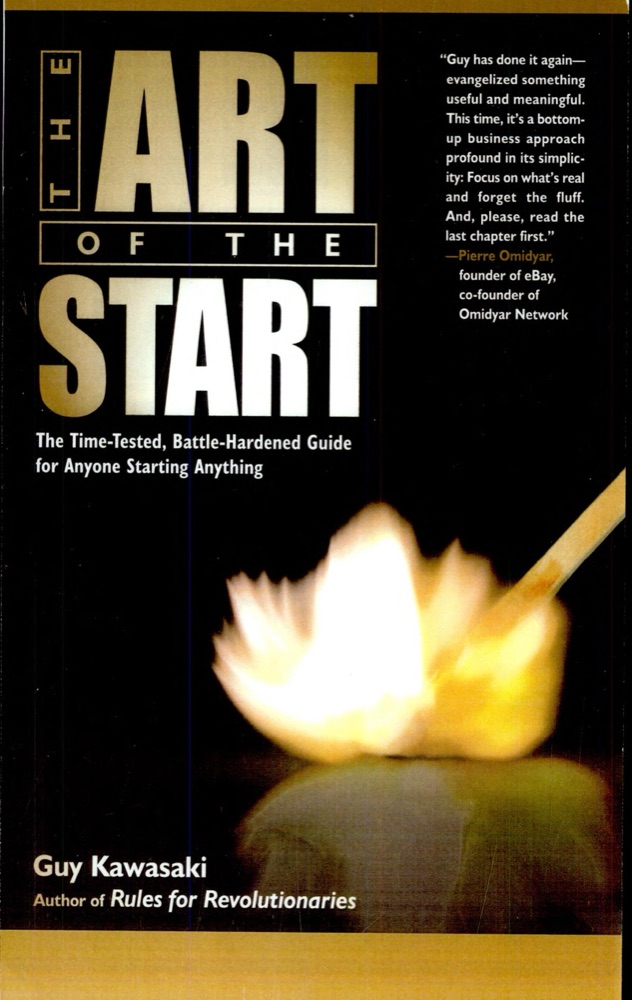 The Art of the Start: The Time-Tested, Battle-Hardened Guide for Anyone Starting Anything
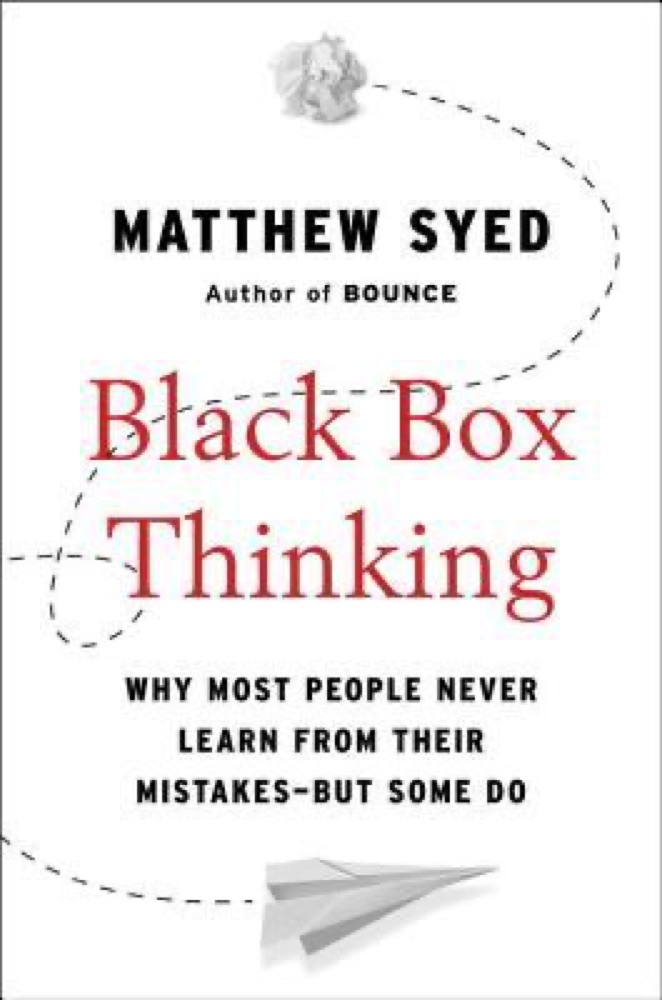 Black Box Thinking: Why Some People Never Learn from Their Mistakes - But Some Do
 All Our Wrong Todays
 Embrace Your Weird: Face Your Fears and Unleash Creativity
 Show Your Work!: 10 Ways to Share Your Creativity and Get Discovered
 What the Dog Saw and Other Adventures
 Antifragile: Things That Gain from Disorder
 Ego Is the Enemy
 The Social Animal: The Hidden Sources of Love, Character, and Achievement
 I, Steve: Steve Jobs In His Own Words
 The E-myth Revisited
 How to Fail at Almost Everything and Still Win Big: Kind of the Story of My Life
 The Big Picture: On the Origins of Life, Meaning, and the Universe Itself
 Chaos Monkeys: Obscene Fortune and Random Failure in Silicon Valley
 Steve Jobs
 The Art of Impossible: A Peak Performance Primer
 Same as Ever: A Guide to What Never Changes
 Where Good Ideas Come From: The Natural History of Innovation
 Getting There: A Book of Mentors
 Talk Like TED: The 9 Public-Speaking Secrets of the World's Top Minds
 A Whole New Mind: Why Right-Brainers Will Rule the Future
 Principles: Life and Work
 The Wave in the Mind: Talks and Essays on the Writer, the Reader and the Imagination
 Finding Flow: The Psychology of Engagement with Everyday Life
 Tribe Of Mentors: Transformative Wisdom From Icons and Innovators to Help You Navigate Life's Challenges