
 Choose Yourself: Be Happy, Make Millions, Live the Dream
Quotes from the Book
Everyone is born creative; everyone is given a box of crayons in kindergarten. Then when you hit puberty they take the crayons away and replace them with dry, uninspiring books on algebra, history, etc. Being suddenly hit years later with the 'creative bug' is just a wee voice telling you, 'I'd like my crayons back, please.
388
Writer's block is just a symptom of feeling like you have nothing to say, combined with the rather weird idea that you should feel the need to say something. Why? If you have something to say, then say it. If not, enjoy the silence while it lasts. The noise will return soon enough.
47
They're only crayons. You didn't fear them in Kindergarten, why fear them now?
45
You have to find your own shtick. A Picasso always looks like Picasso painted it. Hemingway always sounds like Hemingway. A Beethoven symphony always sounds like a Beethoven symphony. Part of being a master is learning how to sing in nobody else's voice but your own.
42
Nobody can tell you if what you’re doing is good, meaningful or worthwhile. The more compelling the path, the more lonely it is.
37
If you’re creative, if you can think independently, if you can articulate passion, if you can override the fear of being wrong, then your company needs you more than it ever did. And now your company can no longer afford to pretend that isn’t the case. So dust off your horn and start tooting.
26
If your business plan depends on suddenly being "discovered" by some big shot, your plan will probably fail. Nobody suddenly discovers anything. Things are made slowly and in pain.
19
It's good to be young and full of dreams. Dreams of one day doing something 'insanely great.' Dreams of love, beauty, achievement, and contribution. But understand they have a life of their own, and they're not very good at following instructions. Love them, revere them, nurture them, respect them, but don't ever become a slave to them. Otherwise you'll kill them off prematurely, before they get the chance to come true.
14
THE SEX & CASH THEORY - The creative person basically has two kinds of jobs: One is the sexy, creative kind. Second is the kind that pays the bills. Sometimes the task in hand covers both bases, but not often. This tense duality will always play center stage. It will never be transcended.
14
Art suffers the moment other people start paying for it. The more you need the money, the more people will tell you what to do. The less control you will have. The more bullshit you will have to swallow. The less joy it will bring.
13
Art suffers the moment other people start paying for it.
13
Have a story. And make sure it’s a good one. A DAMN good one.
13
Boring' can be a lot of fun. Especially if it's on your own terms.
11
GOOD IDEAS ALTER THE BALANCE IN RELATIONSHIPS. THAT IS WHY GOOD IDEAS ARE ALWAYS INITIALLY RESISTED.
10
If you accept the pain, it cannot hurt you.
9
The more talented somebody is, the less they need the props. Meeting a person who wrote a masterpiece on the back of a deli menu would not surprise me. Meeting a person who wrote a masterpiece with a silver Cartier fountain pen on an antique writing table in an airy SoHo loft would seriously surprise me.
9
The hunger will give you everything and it will take from you, everything. It will cost you your life, and there isn't a damn thing you can do about it. But knowing this, of course, is what ultimately sets you free.
9
When your dreams becoming reality, they're no longer your dreams.
7
The best way to get approval is not to need it.
6
Anyone can be an idealist. Anyone can be a cynic. The hard part lies somewhere in the middle—that is, being human.
6
YOU DON’T KNOW IF YOUR IDEA IS ANY GOOD the moment it’s created. Neither does anyone else. The most you can hope for is a strong gut feeling that it is. And trusting your feelings is not as easy as the optimists say it is. There’s a reason why feelings scare us—because what they tell us and what the rest of the world tells us are often two different things.
6
A lot of people in business say they have twenty years' experience, when in fact all they have is one year's experience, repeated twenty times.
5
People are fond of spouting out the old cliché about how Van Gogh never sold a painting in his lifetime. Somehow his example serves to justify to us, decades later, that there is merit in utter failure. Perhaps, but the man did commit suicide. The market for his work took off big-time shortly after his death. Had he decided to stick around another few decades he most likely would’ve entered old age quite prosperous. And sadly for failures everywhere, the cliché would have lost a lot of its power. The fact is, the old clichés work for us in abstract terms, but they never work out in real life quite the same way. Life is messy; clichés are clean and tidy.
5
Remain humble. Stay positive. Create your own luck. Be nice. Be polite.
5
If you’re looking at a blank piece of paper and nothing comes to you, then go do something else. Writer’s block is just a symptom of feeling like you have nothing to say, combined with the rather weird idea that you should feel the need to say something.
2
Watch on YouTube
About Hugh MacLeod
We have collected 25 quotes from 1 book by Hugh MacLeod on BookQuoters.
More about the author →About the book
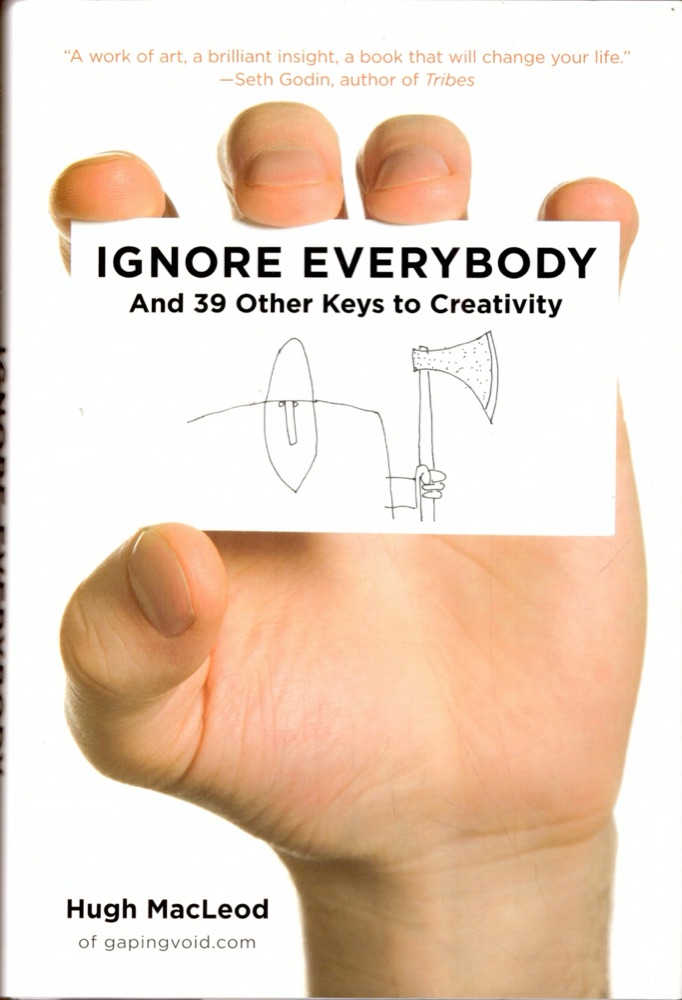
When Hugh MacLeod was a struggling young copywriter living in a YMCA, he started to doodle on the backs of business cards while sitting at a bar. Those cartoons eventually led to a popular blog-gapingvoid.com-and a reputation for pithy insight and humor, in both words and pictures.MacLeod has opinions on everything from marketing to the meaning of life, but one of his main subjects is creativity. How do new ideas emerge in a cynical, risk-averse world? Where does inspiration come from? What does it take to make a living as a creative person?Ignore Everybody expands on MacLeod's sharpest insights, wittiest cartoons, and most useful advice. For example:-Selling out is harder than it looks. Diluting your product to make it more commercial will just make people like it less.-If your plan depends on you suddenly being "discovered" by some big shot, your plan will probably fail. Nobody suddenl
Book details
- First published
- 2009
- Author
- Hugh MacLeod
- Genre
- Nonfiction
- Goodreads rating
- 4.09 (30k ratings)
Keep reading
Choose Yourself: Be Happy, Make Millions, Live the Dream
 Show Your Work!: 10 Ways to Share Your Creativity and Get Discovered
 Big Magic: Creative Living Beyond Fear
 Steal Like an Artist: 10 Things Nobody Told You About Being Creative
 Linchpin: Are You Indispensable?
 How to Fly a Horse: The Secret History of Creation, Invention, and Discovery
 The Art of Thinking Clearly
 How to Write One Song: Loving the Things We Create and How They Love Us Back
 Rework
 The Triggering Town: Lectures and Essays on Poetry and Writing
 How to Fail at Almost Everything and Still Win Big: Kind of the Story of My Life
 The Practice: Shipping Creative Work
 The Creative Habit: Learn It and Use It for Life
 Embrace Your Weird: Face Your Fears and Unleash Creativity
 Bird by Bird
 Creative Quest
 Do Over: Rescue Monday, Reinvent Your Work, and Never Get Stuck
 Art Matters: Because Your Imagination Can Change the World
 The Art of the Start: The Time-Tested, Battle-Hardened Guide for Anyone Starting Anything
 How to Be Interesting: In 10 Simple Steps
 Creativity: Unleashing the Forces Within
 Half Empty
 Things a Little Bird Told Me: Confessions of the Creative Mind
 #Girlboss
 The Art of Creative Thinking
 The Last Lecture
 Creativity: Flow and the Psychology of Discovery and Invention
 I Can't Make This Up: Life Lessons
 Tribe Of Mentors: Transformative Wisdom From Icons and Innovators to Help You Navigate Life's Challenges
 Getting There: A Book of Mentors
 The Accidental Creative: How to Be Brilliant at a Moment's Notice
 Every Tool's a Hammer: Life Is What You Make It
 If You Want to Write: A Book about Art, Independence and Spirit
 Will
Will
 Start: Punch Fear in the Face, Escape Average and Do Work that Matters
 A Work in Progress
 The Algebra of Happiness: Notes on the Pursuit of Success, Love, and Meaning
 Be Useful: Seven Tools for Life
 Made to Stick: Why Some Ideas Survive and Others Die
 Creativity, Inc.: Overcoming the Unseen Forces That Stand in the Way of True Inspiration
 The War of Art
 Novelist as a Vocation
 Excellent Advice for Living: Wisdom I Wish I'd Known Earlier
 It's Not How Good You Are, It's How Good You Want To Be
 Tools of Titans: The Tactics, Routines, and Habits of Billionaires, Icons, and World-Class Performers
 Make Good Art
 Rich Dad Poor Dad
 The Artist's Way
 A Whack on the Side of the Head: How You Can Be More Creative
 The Fire Starter Sessions: A Soulful + Practical Guide to Creating Success on Your Own Terms
 Same as Ever: A Guide to What Never Changes
 What the Dog Saw and Other Adventures
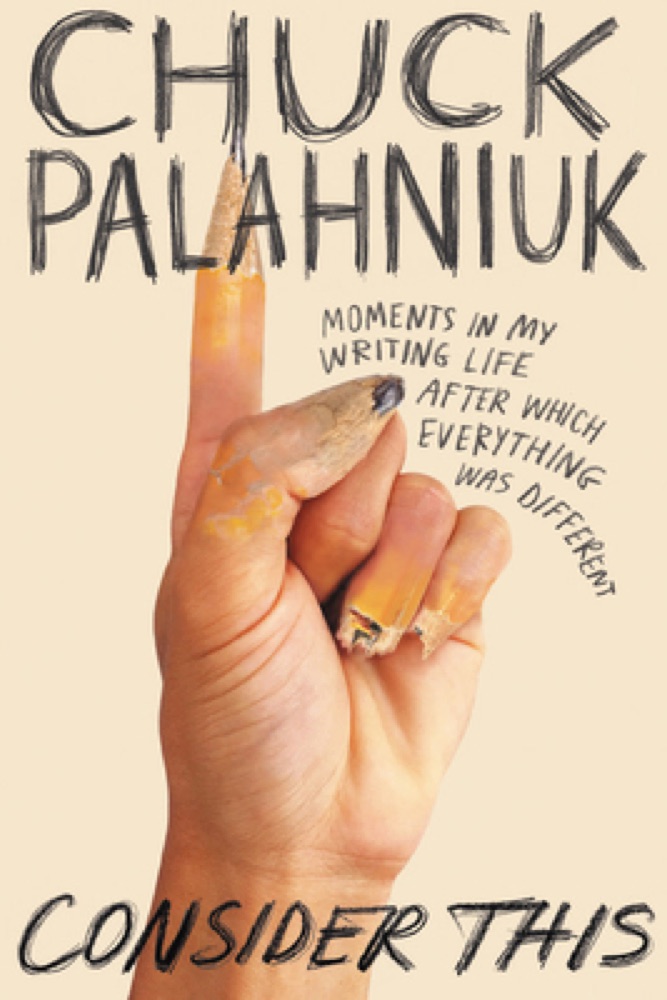 Consider This: Moments in My Writing Life After Which Everything Was Different
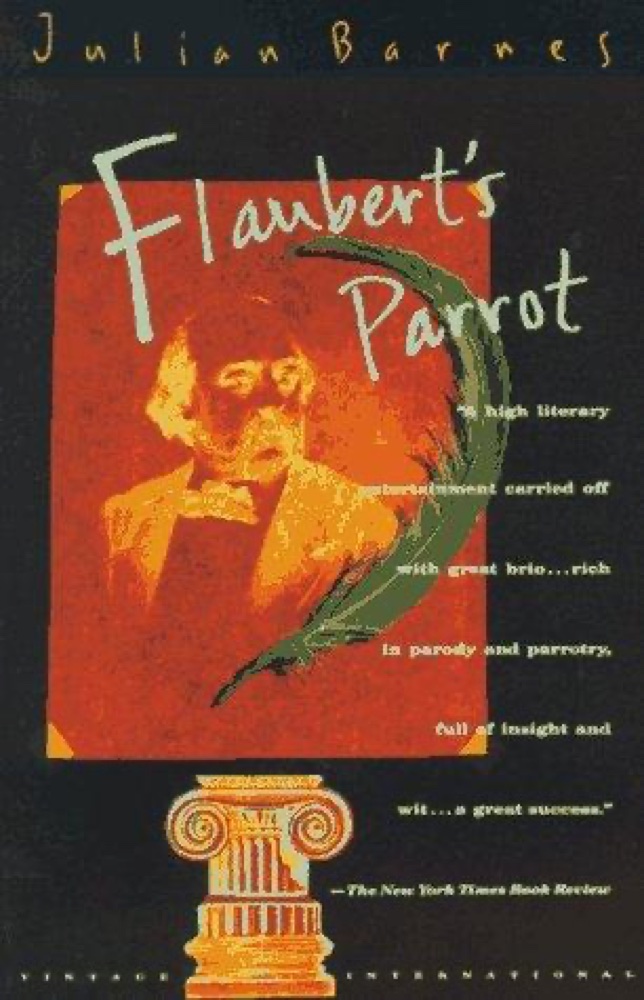 Flaubert's Parrot
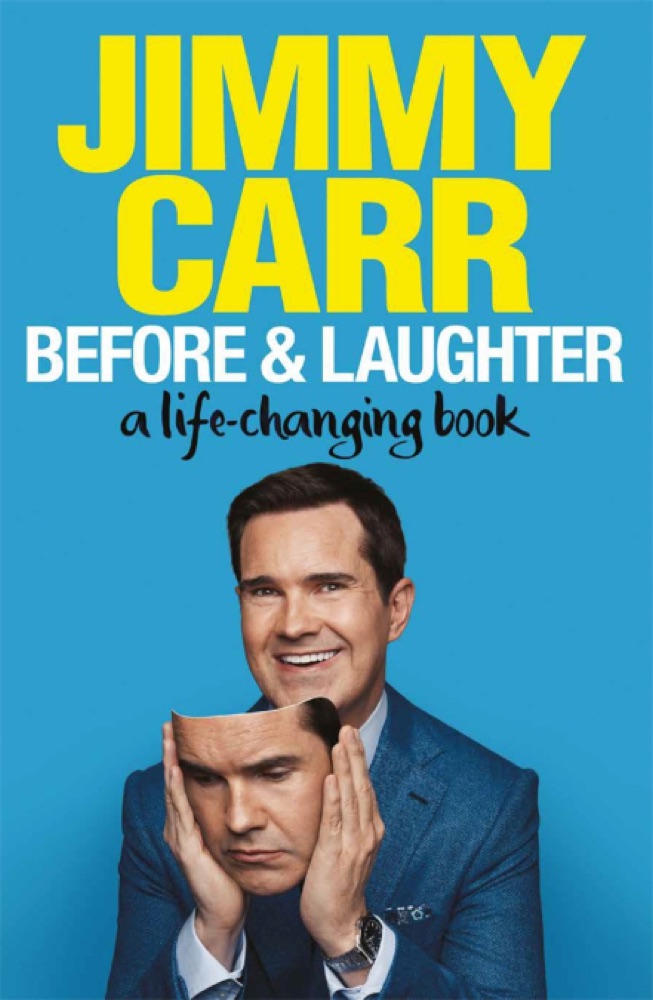 Before & Laughter: A Life Changing Book
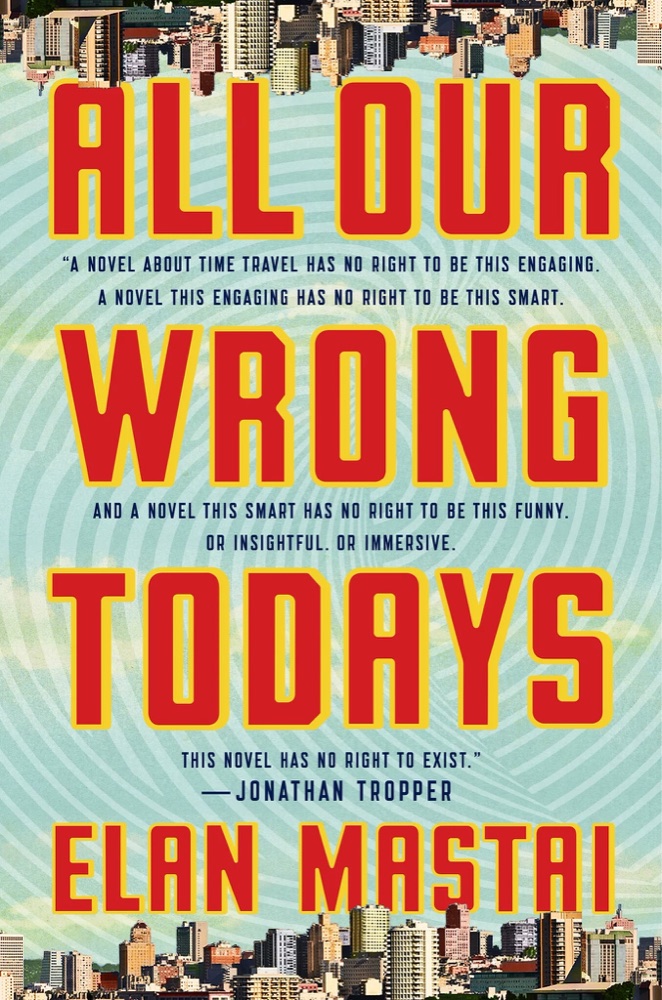 All Our Wrong Todays
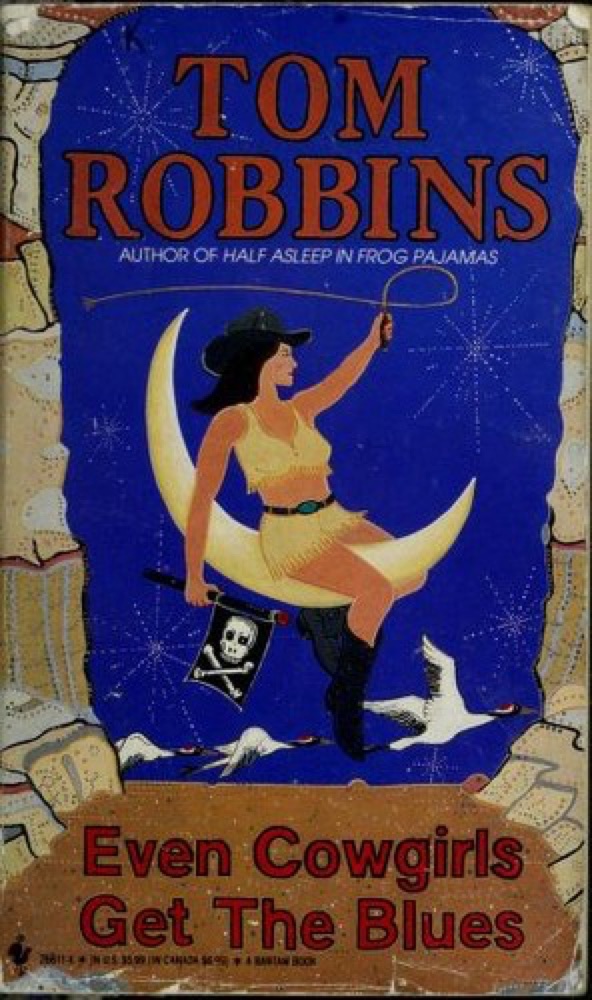 Even Cowgirls Get the Blues
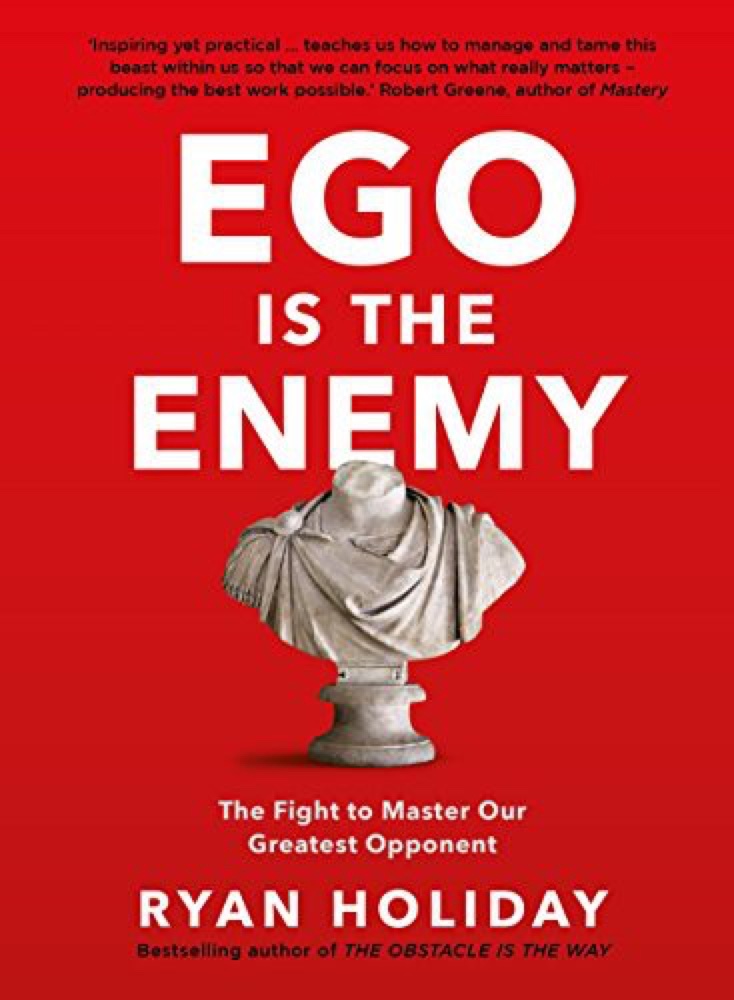 Ego Is the Enemy
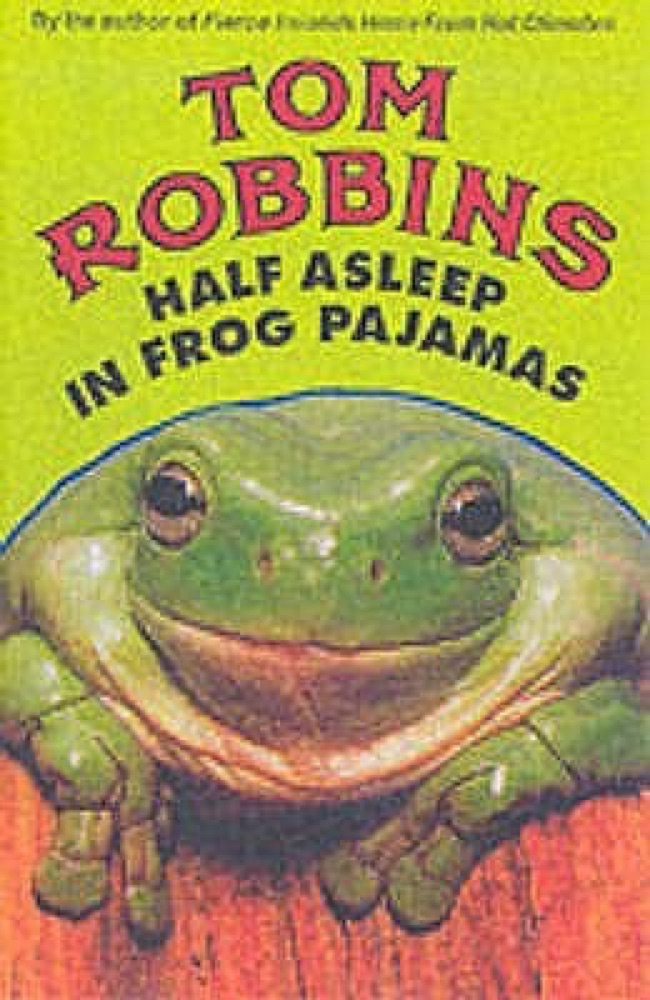 Half Asleep in Frog Pajamas