
 Tribes: We Need You to Lead Us
Quotes from the Book
Writers write. Runners run. Establish your identity by doing your work.
10
The only choice we have is to begin. And the only place to begin is where we are. Simply begin. But begin.
10
The magic of the creative process is that there is no magic. Start where you are. Don't stop.
5
It’s insulting to call a professional talented. She’s skilled, first and foremost. Many people have talent, but only a few care enough to show up fully, to earn their skill. Skill is rarer than talent. Skill is earned. Skill is available to anyone who cares enough.
3
As Susan Kare, designer of the original Mac interface, said, “You can’t really decide to paint a masterpiece. You just have to think hard, work hard, and try to make a painting that you care about. Then, if you’re lucky, your work will find an audience for whom it’s meaningful.
3
Your work is too important to be left to how you feel today.
3
Before you are a “bestselling author,” you’re an author, and authors write. Before you are an “acclaimed entrepreneur,” you’re simply someone who is building something.
2
The same is true for learning. True learning (as opposed to education) is a voluntary experience that requires tension and discomfort (the persistent feeling of incompetence as we get better at a skill).
2
You are not your work. Your work is a series of choices made with generous intent to cause something to happen. We can always learn to make better choices.
2
There’s a practice available to each of us—the practice of embracing the process of creation in service of better. The practice is not the means to the output, the practice is the output,
2
Shipping, because it doesn’t count if you don’t share it. Creative, because you’re not a cog in the system. You’re a creator, a problem solver, a generous leader who is making things better by producing a new way forward. Work, because it’s not a hobby. You might not get paid for it, not today, but you approach it as a professional. The muse is not the point, excuses are avoided, and the work is why you are here.
2
If you want to change your story, change your actions first. When we choose to act a certain way, our mind can’t help but rework our narrative to make those actions become coherent. We become what we do.
1
Art is the generous act of making things better by doing something that might not work.
1
You can’t really decide to paint a masterpiece. You just have to think hard, work hard, and try to make a painting that you care about. Then, if you’re lucky, your work will find an audience for whom it’s meaningful.
1
We hesitate to make a promise like “the show will be on at 11:30,” because we’re not sure we can meet the deadline and make it happen in a way that allows us to control the outcome.
1
We’re not born to be selfish. And the economics of living in community make it clear that short-term hustle rarely benefits anyone. But when you’re flailing and looking for something (anything) to stand on, there’s pressure to choose the selfish path. To a drowning man, everyone else is a stepping-stone to safety.
1
repeat itself; it can’t. But the creative journey still follows a pattern. It’s a practice of growth and connection, of service and daring. It’s also a practice of selflessness and ego in an endless dance.
1
Yes, you’re an imposter. But you’re an imposter acting in service of generosity, seeking to make things better. When we embrace imposter syndrome instead of working to make it disappear, we choose the productive way forward. The imposter is proof that we’re innovating, leading, and creating.
1
To Be of Service Isn’t that what we’re here to do? To do work we’re proud of. To put ourselves on the hook. To find the contribution we’re capable of. The only way to be on this journey is to begin. But there isn’t a guarantee. In fact, most of what we seek to do will not work. But our intent—the intent of being of service, of making things better, of building something that matters—is an essential part of the pattern. Because most of us, most of the time, act without intent.
1
The Bhagavad-Gita says, “It is better to follow your own path, however imperfectly, than to follow someone else’s perfectly.
1
Years ago, I produced a record for a very skilled duo. They were incredibly hardworking and committed to their art. In order to survive, they performed three hundred days a year, and they lived in a van, driving each day to a new town, playing at a local coffeehouse, sleeping in the van, then repeating it all the next day. In most towns, there are a few places like this—if you’ve issued a few CDs and are willing to work for cheap, you can get booked without too much trouble. These cafés are not good clients. Easy in, easy out, next! What I helped these musicians understand is that going from town to town and working with easy gigs was wasting their effort and hiding their art. What they needed to do was stay in one town, earn fans, play again, earn fans, move to a better venue, and do it again. And again. Working their way up by claiming what they’d earned: fans.
1
Practicing how to throw. Getting good at throwing. If you get good enough at throwing, the catching takes care of itself.
1
This desire for external approval and authority directly undermines your ability to trust yourself, because you’ve handed this trust over to an institution instead. Now, more and more of us are seeing that it’s a fraud. The institutions have no magical powers, as they’re regularly proved wrong in their ability to select, to mold, and to amplify human beings who care enough to make change happen.
1
the proven truth about creativity: it’s the result of desire—the desire to find a new truth, solve an old problem, or serve someone else.
1
Ultimately, the goal is to become the best in the world at being you. To bring useful idiosyncrasy to the people you seek to change, and to earn a reputation for what you do and how you do it. The peculiar version of you, your assertions, your art.
We talk about ego like it’s a bad thing. Egomania is a bad thing. It’s the narcissism that comes from only seeing yourself, from believing that you are immortal, invulnerable, and deserving of all good things that come your way. Or the feeling that all the art is for you and for you alone. But ego? Ego is required for us to find the guts to make an assertion.
A lifetime of brainwashing has taught us that work is about measurable results, that failure is fatal, and that we should be sure that the recipe is proven before we begin. And so we bury our dreams.
The practice of choosing creativity persists. It’s a commitment to a process, not simply the next outcome on the list.
Watch on YouTube
About Seth Godin
We have collected 141 quotes from 6 books by Seth Godin on BookQuoters.
More about the author →More by Seth Godin
Tribes: We Need You to Lead Us
 The Dip: A Little Book That Teaches You When to Quit (and When to Stick)
 The Icarus Deception: How High Will You Fly?
 Linchpin: Are You Indispensable?
About the book
From the bestselling author of Linchpin , Tribes, and The Dip comes an elegant little book that will inspire artists, writers, and entrepreneurs to stretch and commit to putting their best work out into the world.
Creative work doesn't come with a guarantee. But there is a pattern to who succeeds and who doesn't. And engaging in the consistent practice of its pursuit is the best way forward.
Based on the breakthrough Akimbo workshop pioneered by legendary author Seth Godin, The Practice will help you get unstuck and find the courage to make and share creative work. Godin insists that writer's block is a myth, that consistency is far more important than authenticity, and that experiencing the imposter syndrome is a sign that you're a well-adjusted human. Most of all, he shows you what it takes to turn your passion from a private distraction to a productive contribution, the one you'
Book details
- First published
- 2020
- Author
- Seth Godin
- Genre
- Nonfiction
- Goodreads rating
- 3.95 (5k ratings)
Keep reading
Linchpin: Are You Indispensable?
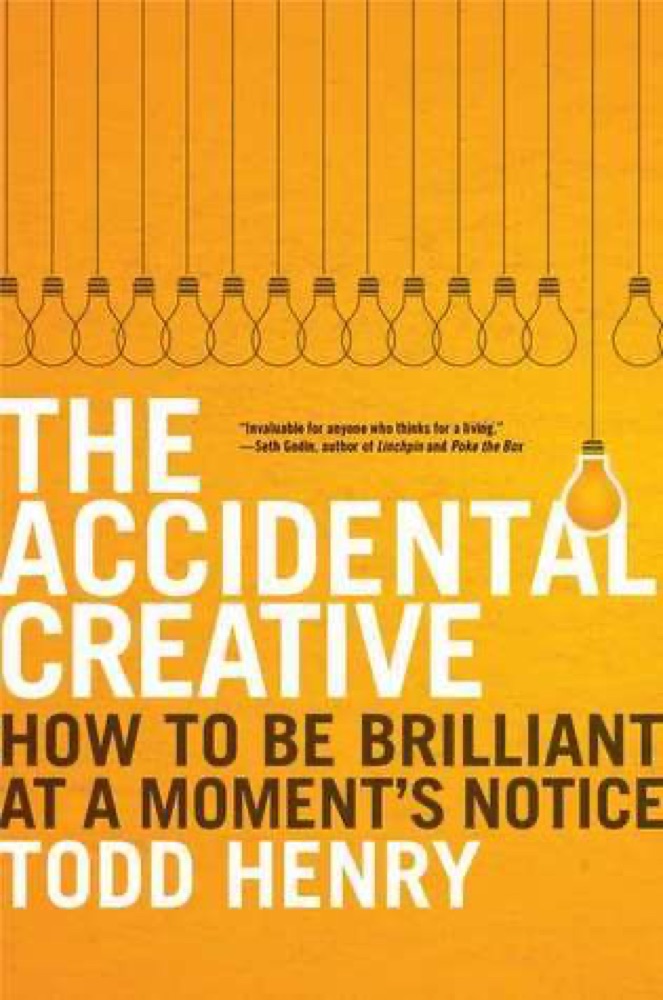 The Accidental Creative: How to Be Brilliant at a Moment's Notice
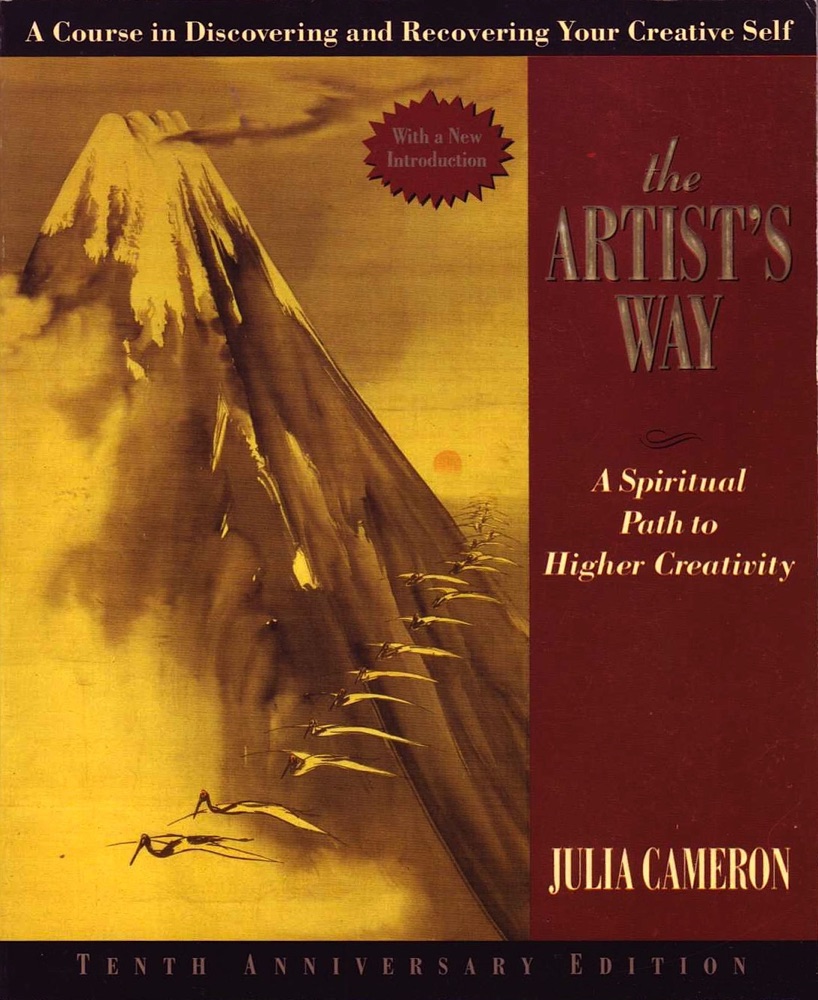 The Artist's Way
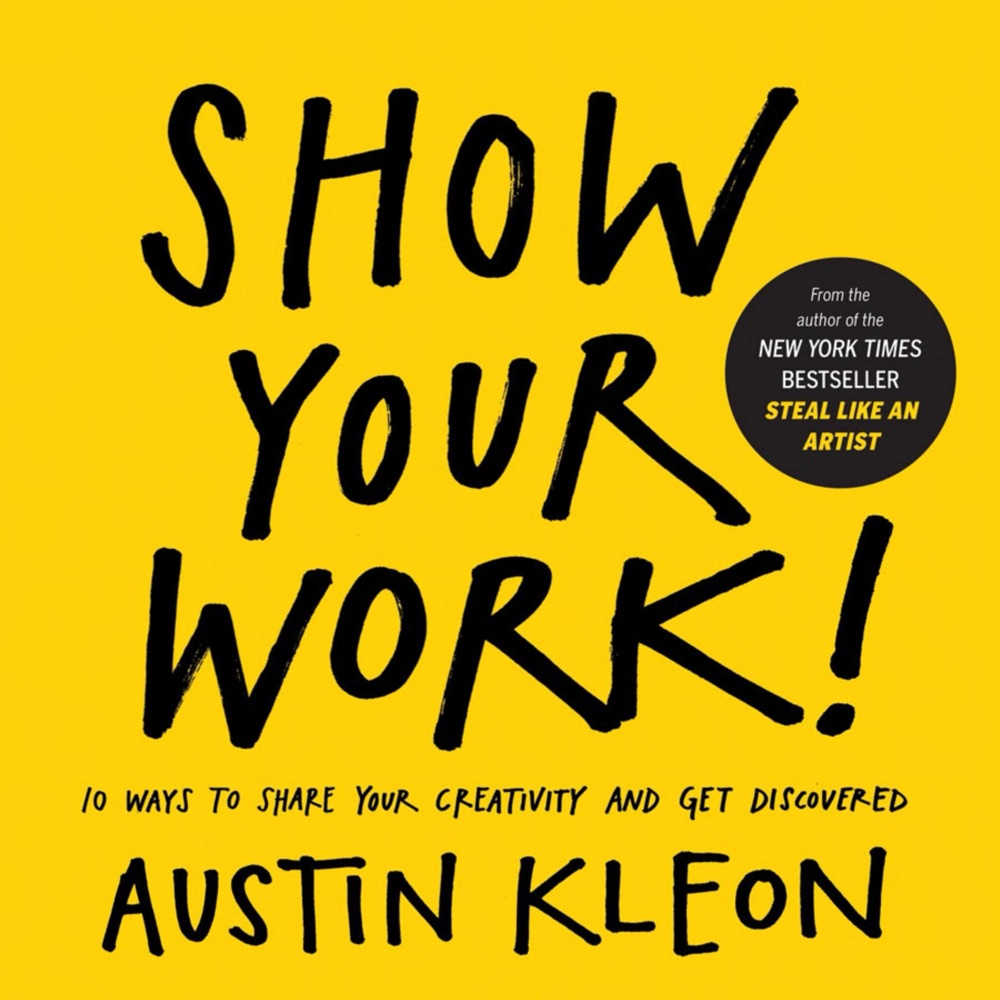 Show Your Work!: 10 Ways to Share Your Creativity and Get Discovered
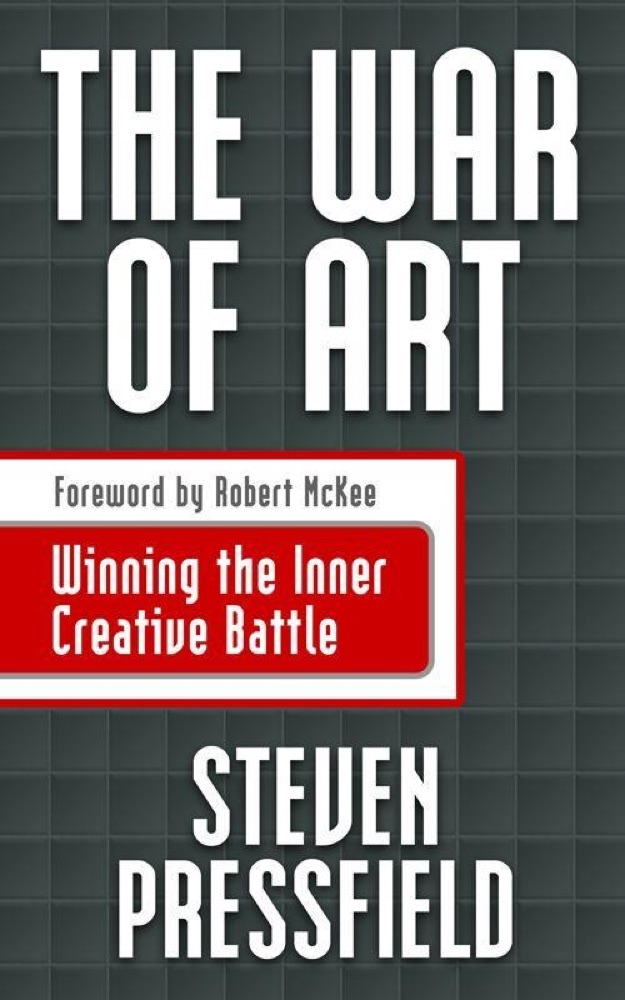 The War of Art
 The Art of Creative Thinking
The Icarus Deception: How High Will You Fly?
The Art of Creative Thinking
The Icarus Deception: How High Will You Fly?
 Ignore Everybody: and 39 Other Keys to Creativity
 How to Fly a Horse: The Secret History of Creation, Invention, and Discovery
 The Creative Habit: Learn It and Use It for Life
 Big Magic: Creative Living Beyond Fear
 Embrace Your Weird: Face Your Fears and Unleash Creativity
 Creativity, Inc.: Overcoming the Unseen Forces That Stand in the Way of True Inspiration
 Creative Quest
 Originals: How Non-Conformists Move the World
 Getting There: A Book of Mentors
 Grit: The Power of Passion and Perseverance
 Things a Little Bird Told Me: Confessions of the Creative Mind
 Creativity: Flow and the Psychology of Discovery and Invention
 Art and Fear: Observations on the Perils (and Rewards) of Artmaking
 Every Tool's a Hammer: Life Is What You Make It
 How to Write One Song: Loving the Things We Create and How They Love Us Back
 The Fire Starter Sessions: A Soulful + Practical Guide to Creating Success on Your Own Terms
 Choose Yourself: Be Happy, Make Millions, Live the Dream
 The Art of the Start: The Time-Tested, Battle-Hardened Guide for Anyone Starting Anything
 Art Matters: Because Your Imagination Can Change the World
 Tribe Of Mentors: Transformative Wisdom From Icons and Innovators to Help You Navigate Life's Challenges
 Be Useful: Seven Tools for Life
 The Art of Work
 Creativity: Unleashing the Forces Within
 Be Your Future Self Now: The Science of Intentional Transformation
 Principles: Life and Work
 Steal Like an Artist: 10 Things Nobody Told You About Being Creative
 Talk Like TED: The 9 Public-Speaking Secrets of the World's Top Minds
 Mastery
 Improv Wisdom: Don't Prepare, Just Show Up
 Make Good Art
 The Obstacle Is the Way: The Timeless Art of Turning Trials into Triumph
 The E-myth Revisited
 Smarter Faster Better: The Secrets of Being Productive in Life and Business
 The Compound Effect: Jumpstart Your Income, Your Life, Your Success
 The 7 Habits of Highly Effective People: Personal Workbook
 The Element: How Finding Your Passion Changes Everything
 Still Writing: The Perils and Pleasures of a Creative Life
 Turning Pro
 The Bullet Journal Method: Track Your Past, Order Your Present, Plan Your Future
 The Daily Laws: 366 Meditations
 How to Fail at Almost Everything and Still Win Big: Kind of the Story of My Life
 It's Not How Good You Are, It's How Good You Want To Be
 Tools of Titans: The Tactics, Routines, and Habits of Billionaires, Icons, and World-Class Performers
 Ego Is the Enemy
 Rework
 High Performance Habits: How Extraordinary People Become That Way
 Ready for Anything: 52 Productivity Principles for Getting Things Done
 Delivering Happiness: A Path to Profits, Passion, and Purpose
 The Happiness of Pursuit: Finding the Quest That Will Bring Purpose to Your Life
 Will
Will
 What Color Is Your Parachute? A Practical Manual for Job-Hunters and Career-Changers
 The Art of Impossible: A Peak Performance Primer