 Barking Up the Wrong Tree: The Surprising Science Behind Why Everything You Know About Success Is (Mostly) Wrong
Quotes from the Book
Genius has less to do with the size of your mind than how open it is.
16
New ideas emerge when you question the assumptions upon which a problem is based
13
Intuition is the result of nonconscious pattern recognition,
7
You cannot dig a hole in a different place by digging the same hole deeper.
6
PRETEND YOU ARE DRIVING a car in the middle of a thunderstorm and you happen upon three people on the side of the road. One of them is a frail old woman, who looks on the verge of collapse. Another is a friend who once saved your life. The other is the romantic interest of your dreams, and this is a once-in-a-lifetime opportunity to meet him or her. You have only one other seat in the car. Who do you pick up? There’s a good reason to choose any of the three. The old woman needs help. The friend deserves your payback. And clearly, a happy future with the man or woman of your dreams will have an enormous long-term impact on your life. So, who should you pick? The old woman, of course. Then, give the car keys to your friend, and stay behind with the romantic interest to wait for the bus!
6
Oscar Wilde once said, “Experience is the name everyone gives to their mistakes.
5
There are a lot of great inventors and improvers in the world. But those who hack world-class success tend to be the ones who can focus relentlessly on a tiny number of things. In other words, to soar, we need to simplify.
5
the advice of “what doesn’t kill you makes you stronger” and “failure makes you wiser” isn’t actually true.
4
The research showed that experts—people who were masters at a trade—vastly preferred negative feedback to positive. It spurred the most improvement. That was because criticism is generally more actionable than compliments.
4
build up potential energy, so that unexpected opportunities can be amplified. On
3
Great stories build relationships and make people care. Those two things are necessary to change anything.
3
The most popular post on Eli Pariser’s blog on the day after he launched it was about Gandhi. Twelve people shared it. The post told the story of the talisman the revered Indian leader once gave to his grandson Arun, which listed the seven “blunders” he believed led to violence: Wealth without work. Pleasure without conscience. Knowledge without character. Commerce without morality. Science without humanity. Religion without sacrifice. Politics without principle.
2
WE LIVE IN AN age of nontraditional ladder climbing. Not just in politics, but in business and personal development and education and entertainment and innovation. Traditional paths are not just slow; they’re no longer viable if we want to compete and innovate. That’s great news, because throwing out the dues paradigm leads us toward meritocracy. But to be successful, we need to start thinking more like hackers, acting more like entrepreneurs. We have to work smarter, not just harder. We’ll see throughout the following chapters how Sinatra-style credibility and ladder switching—always parlaying for something more—are the foundation for how the most interesting people and companies in the world succeed. It’s not just how presidents get to the top. It’s how CEOs and comedians and racecar drivers hone their skills and make it in the big leagues. It’s how new businesses grow fast, and old businesses grow faster. It’s how entrepreneurs create life-changing products in record time and inventors parlay dreams for bigger dreams. Hacking the ladder is the mind-set they use to get places. The rest of this book is about becoming good enough to deserve it.
2
20% Time” is not Google indigenous. It was borrowed from a company formerly known as Minnesota Mining and Manufacturing, aka 3M, which allowed its employees to spend 15 percent of their work hours experimenting with new ideas, no questions asked. 3M’s “15% Time” brought us, among other things, Post-it Notes.
2
Traditional paths are not just slow; they’re no longer viable if we want to compete and innovate.
2
The secret of the Finland phenomenon, Wagner discovered, was a platform it built by elevating the education level of its teachers. Finland’s public school system was experiencing the same thing that made Harvard University’s curriculum and network the envy of the academic world: it hired only teachers with incredible qualifications and it had them mentor students closely. Thus, students who went to school at Harvard—or in Finland—started out a rung above their peers.
2
You can accelerate your training if you know how to train properly, but you still don’t need to be that special. I don’t think I’m that special of a programmer or a businessperson or a race car driver. I just know how to train.
2
Kids there have much more sense that they’re going to have to construct their own future,” Wagner says. They’re taught to be entrepreneurs of their own lives. Instead of standing passively on an education assembly line and being handed reams of facts and figures, they are thrown into rooms of bricks and asked to build castles.
2
Counterintuitively, however, “Informal mentoring,” Underhill found, “produced a larger and more significant effect on career outcomes than formal mentoring.
2
Good fortune and talent are both ingredients of success, but like any recipe, they can be substituted with clever alternatives. The one irreplaceable ingredient I've found, however, is work.
2
The late literary giant Saul Bellow would call someone with the ability to spot important details among noise a “first-class noticer.” This is a key difference between those who learn more quickly than others.
2
Companies that pivot—that is, switch business models or products—while on the upswing tend to perform much better than those that stay on a single course. The 2011 Startup Genome Report of new technology companies states that, “Startups that pivot once or twice raise 2.5x more money, have 3.6x better user growth, and are 52% less likely to scale prematurely.
2
There’s a big difference, in other words, between having a mentor guide our practice and having a mentor guide our journey. OUR TYPICAL PARADIGM FOR mentorship is that of a young, enterprising worker sitting across from an elderly executive at an oak desk, engaging in Q& A about how to succeed at specific challenges. On the other hand, a smartcut-savvy mentee approaches things a bit differently. She develops personal relationships with her mentors, asks their advice on other aspects of life, not just the formal challenge at hand. And she cares about her mentors’ lives too. Business owner Charlie Kim, founder of Next Jump and one of my own mentors, calls this vulnerability. It’s the key, he says, to developing a deep and organic relationship that leads to journey-focused mentorship and not just a focus on practice. Both the teacher and the student must be able to open up about their fears, and that builds trust, which in turn accelerates learning. That trust opens us up to actually heeding the difficult advice we might otherwise ignore. “It drives you to do more,” Kim says. The best mentors help students to realize that the things that really matter are not the big and obvious. The more vulnerability is shown in the relationship, the more critical details become available for a student to pick up on, and assimilate. And, crucially, a mentor with whom we have that kind of relationship will be more likely to tell us “no” when we need it—and we’ll be more likely to listen.
1
Indeed, equal amounts of research support both assertions: that mentorship works and that it doesn’t. Mentoring programs break down in the workplace so often that scholarly research contradicts itself about the value of mentoring at all, and prompts Harvard Business Review articles with titles such as “Why Mentoring Doesn’t Work.” The mentorship slip is illustrated well by family businesses: 70 percent of them fail when passed to the second generation. A business-owner parent is in a perfect spot to mentor his or her child to run a company. And yet, sometime between mentorship and the business handoff, something critical doesn’t stick. One of the most tantalizing ideas about training with a master is that the master can help her protégé skip several steps up the ladder. Sometimes this ends up producing Aristotle. But sometimes it produces Icarus, to whom his father and master craftsman Daedalus of Greek mythology gave wings; Icarus then flew too high too fast and died. Jimmy Fallon’s mentor, one of the best-connected managers Jimmy could have for his SNL dream, served him up on a platter to SNL auditions in a fraction of the expected time it should take a new comedian to get there. But Jimmy didn’t cut it—yet. There was still one more ingredient, the one that makes the difference between rapid-rising protégés who soar and those who melt their wings and crash. III.
1
Both C.K. and Bieber are extremely gifted performers. Both climbed to the top of their industry, and in fact, both ultimately used the Internet to get big. But somehow Bieber “made it” in one-fifteenth of the time. How did he climb so much faster than the guy Rolling Stone calls the funniest man in America—and what does this have to do with Jimmy Fallon? The answer begins with a story from Homer’s Odyssey. When the Greek adventurer Odysseus embarked for war with Troy, he entrusted his son, Telemachus, to the care of a wise old friend named Mentor. Mentor raised and coached Telemachus in his father’s absence. But it was really the goddess Athena disguised as Mentor who counseled the young man through various important situations. Through Athena’s training and wisdom, Telemachus soon became a great hero. “Mentor” helped Telemachus shorten his ladder of success. The simple answer to the Bieber question is that the young singer shot to the top of pop with the help of two music industry mentors. And not just any run-of-the-mill coach, but R& B giant Usher Raymond and rising-star manager Scooter Braun. They reached from the top of the ladder where they were and pulled Bieber up, where his talent could be recognized by a wide audience. They helped him polish his performing skills, and in four years Bieber had sold 15 million records and been named by Forbes as the third most powerful celebrity in the world. Without Raymond’s and Braun’s mentorship, Biebs would probably still be playing acoustic guitar back home in Canada. He’d be hustling on his own just like Louis C.K., begging for attention amid a throng of hopeful entertainers. Mentorship is the secret of many of the highest-profile achievers throughout history. Socrates mentored young Plato, who in turn mentored Aristotle. Aristotle mentored a boy named Alexander, who went on to conquer the known world as Alexander the Great. From The Karate Kid to Star Wars to The Matrix, adventure stories often adhere to a template in which a protagonist forsakes humble beginnings and embarks on a great quest. Before the quest heats up, however, he or she receives training from a master: Obi Wan Kenobi. Mr. Miyagi. Mickey Goldmill. Haymitch. Morpheus. Quickly, the hero is ready to face overwhelming challenges. Much more quickly than if he’d gone to light-saber school. The mentor story is so common because it seems to work—especially when the mentor is not just a teacher, but someone who’s traveled the road herself. “A master can help you accelerate things,” explains Jack Canfield, author of the Chicken Soup for the Soul series and career coach behind the bestseller The Success Principles. He says that, like C.K., we can spend thousands of hours practicing until we master a skill, or we can convince a world-class practitioner to guide our practice and cut the time to mastery significantly.
1
Too many of us place our hopes and dreams in the unreliable hands of luck, but the world’s most rapidly successful people take luck into their own hands (even though many are too humble to say so). Too many of us accept the plateaus our lives have offered us and succumb to passivity, to the well-meaning delusion of “If I work hard enough, something good will hopefully happen to me.” By the end of this book, I’d like to convince you that serendipity can be engineered, that luck can be manufactured, convention can be defied, and that the best paths to success—no matter how you define it—are different today from what they were yesterday.
1
By itself, one small win may seem unimportant,” writes Dr. Karl Weick in a seminal paper for American Psychologist in 1984. “A series of wins at small but significant tasks, however, reveals a pattern that may attract allies, deter opponents, and lower resistance to subsequent proposals.” “Once a small win has been accomplished,” Weick continues, “forces are set in motion that favor another small win.” From
1
Mentorship is the secret of many of the highest-profile achievers throughout history.
1
To be good citizens, responsible workers and providers, and ethical businesspeople, we need a minimum level of knowledge about the way the world works, who’s in it, and how things fit together.
1
Watch on YouTube
About Shane Snow
About the book
Entrepreneur and journalist Shane Snow ( Wired, Fast Company, The New Yorker , and cofounder of Contently) analyzes the lives of people and companies that do incredible things in implausibly short time.
How do some startups go from zero to billions in mere months? How did Alexander the Great, YouTube tycoon Michelle Phan, and Tonight Show host Jimmy Fallon climb to the top in less time than it takes most of us to get a promotion? What do high-growth businesses, world-class heart surgeons, and underdog marketers do in common to beat the norm?
One way or another, they do it like computer hackers. They employ what psychologists call "lateral thinking" to rethink convention and break "rules" that aren't rules.
In Smartcuts , Snow shatters common wisdom about success, revealing how conventions like "paying dues" prevent progress, why kids shouldn't learn times tables, and how, paradoxicall
Book details
- First published
- 2014
- Author
- Shane Snow
- Genre
- Nonfiction
- Goodreads rating
- 3.88 (7k ratings)
Keep reading
Barking Up the Wrong Tree: The Surprising Science Behind Why Everything You Know About Success Is (Mostly) Wrong
 Things a Little Bird Told Me: Confessions of the Creative Mind
 Zero to One: Notes on Startups, or How to Build the Future
 Range: Why Generalists Triumph in a Specialized World
 Outliers: The Story of Success
 Originals: How Non-Conformists Move the World
 Hackers & Painters: Big Ideas from the Computer Age
 Getting There: A Book of Mentors
 Think Like a Rocket Scientist: Simple Strategies You Can Use to Make Giant Leaps in Work and Life
 Principles: Life and Work
 Good to Great: Why Some Companies Make the Leap... and Others Don't
 Creativity, Inc.: Overcoming the Unseen Forces That Stand in the Way of True Inspiration
 Chaos Monkeys: Obscene Fortune and Random Failure in Silicon Valley
 The Element: How Finding Your Passion Changes Everything
 The Art of Thinking Clearly
 The Art of the Start: The Time-Tested, Battle-Hardened Guide for Anyone Starting Anything
 Talent is Overrated: What Really Separates World-Class Performers from Everybody Else
 Tools of Titans: The Tactics, Routines, and Habits of Billionaires, Icons, and World-Class Performers
 Invent and Wander: The Collected Writings of Jeff Bezos
 Think Like a Freak
 The Startup of You: Adapt to the Future, Invest in Yourself, and Transform Your Career
 Give and Take: A Revolutionary Approach to Success
 Smarter Faster Better: The Secrets of Being Productive in Life and Business
 The Ride of a Lifetime: Lessons Learned from 15 Years as CEO of the Walt Disney Company
 Pour Your Heart Into It: How Starbucks Built a Company One Cup at a Time
 What the Dog Saw and Other Adventures
 Founders at Work: Stories of Startups' Early Days
 Grit: The Power of Passion and Perseverance
 The Art of Creative Thinking
 The Algebra of Wealth: A Simple Formula for Financial Security
 Black Box Thinking: Why Some People Never Learn from Their Mistakes - But Some Do
 Built to Last: Successful Habits of Visionary Companies
 You Can Win: A Step by Step Tool for Top Achievers
 The E-myth Revisited
 The Hard Thing About Hard Things: Building a Business When There Are No Easy Answers―Straight Talk on the Challenges of Entrepreneurship
 Same as Ever: A Guide to What Never Changes
 Amp It Up: Leading for Hypergrowth by Raising Expectations, Increasing Urgency, and Elevating Intensity
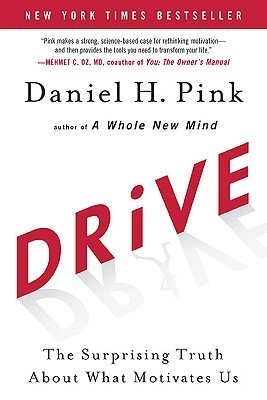 Drive: The Surprising Truth About What Motivates Us
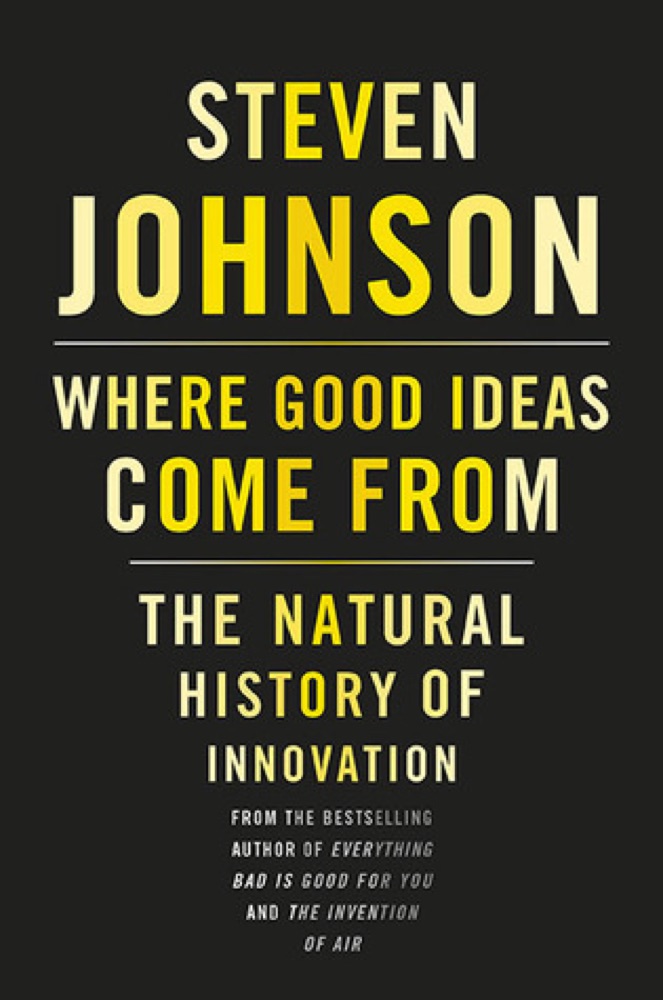 Where Good Ideas Come From: The Natural History of Innovation
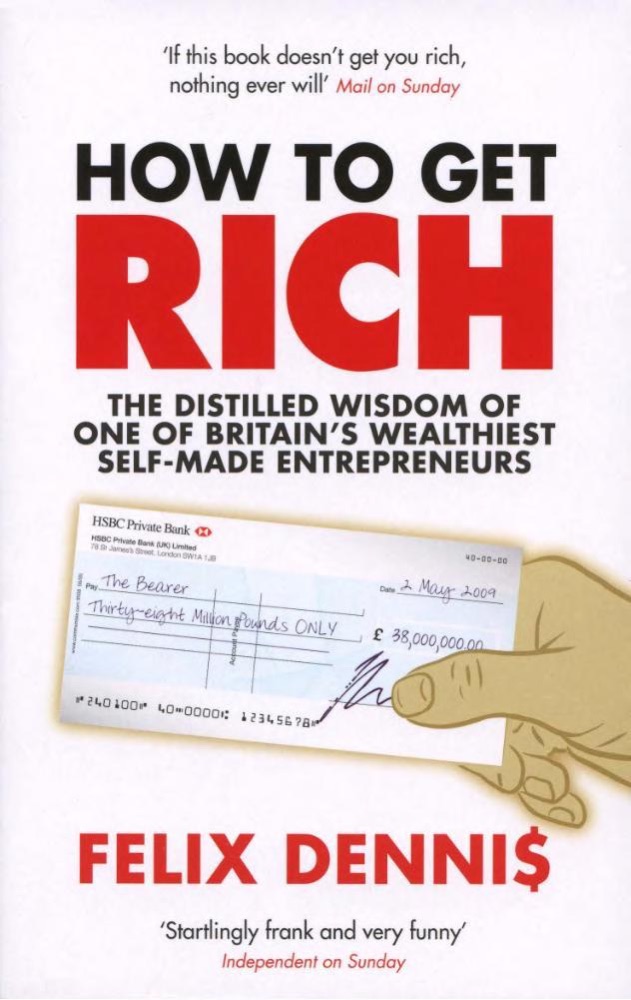 How To Get Rich
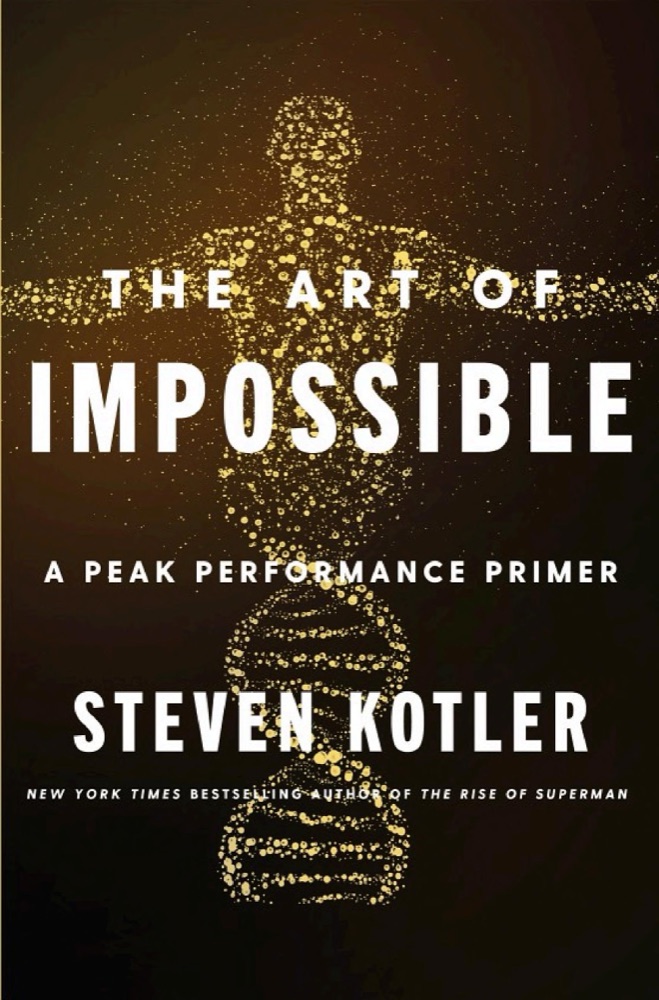 The Art of Impossible: A Peak Performance Primer
 How to Fail at Almost Everything and Still Win Big: Kind of the Story of My Life
 The 80/20 Principle: The Secret to Achieving More with Less
 Making Ideas Happen: Overcoming the Obstacles Between Vision and Reality
 Your Next Five Moves: Master the Art of Business Strategy
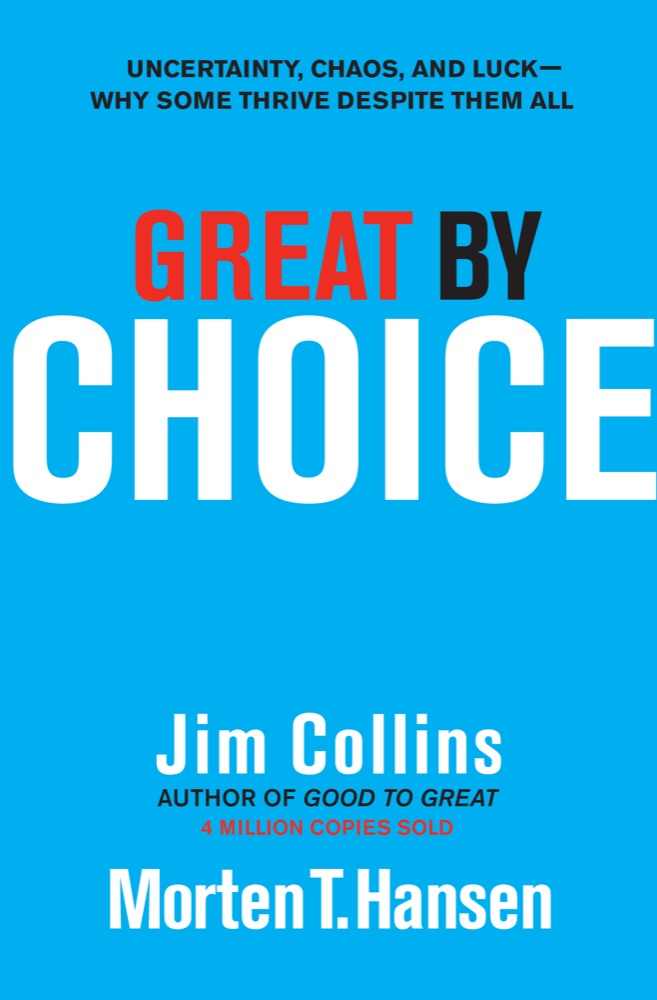 Great by Choice: Uncertainty, Chaos, and Luck—Why Some Thrive Despite Them All
 How to Fly a Horse: The Secret History of Creation, Invention, and Discovery
 Delivering Happiness: A Path to Profits, Passion, and Purpose
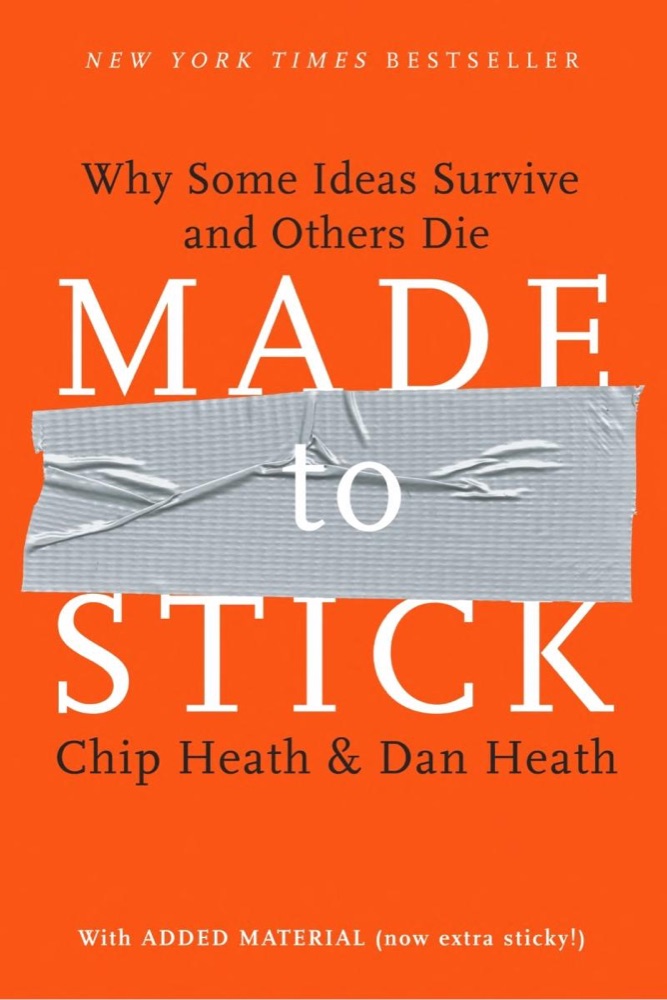 Made to Stick: Why Some Ideas Survive and Others Die
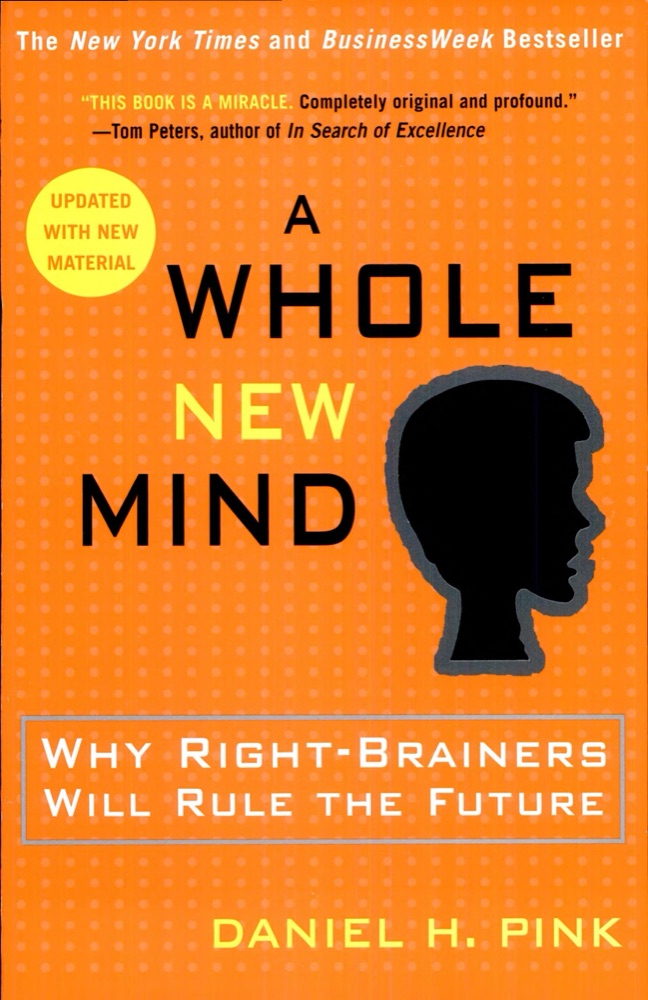 A Whole New Mind: Why Right-Brainers Will Rule the Future
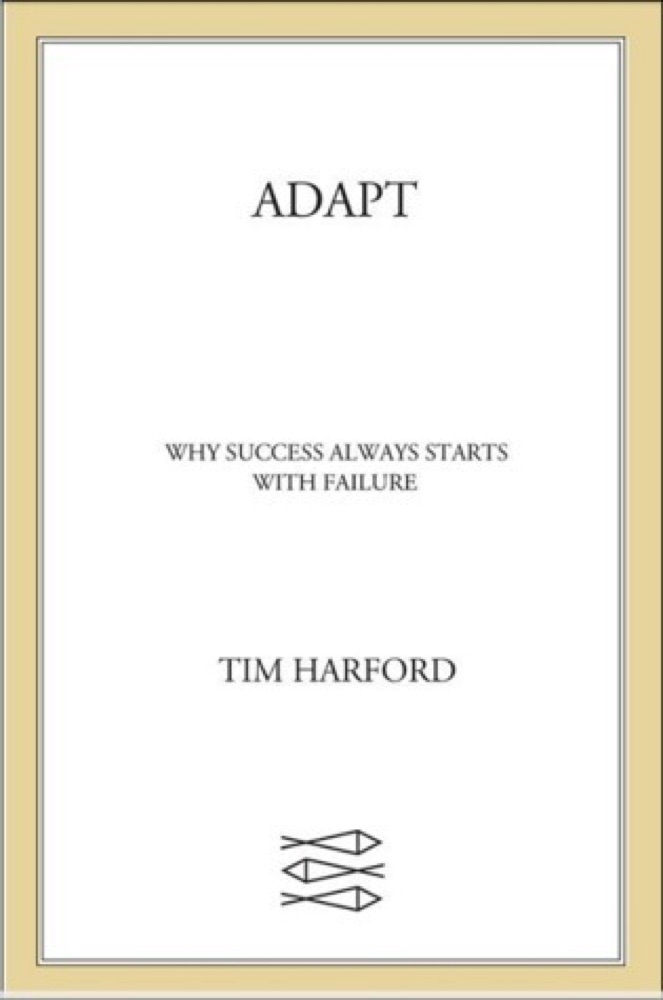 Adapt: Why Success Always Starts with Failure
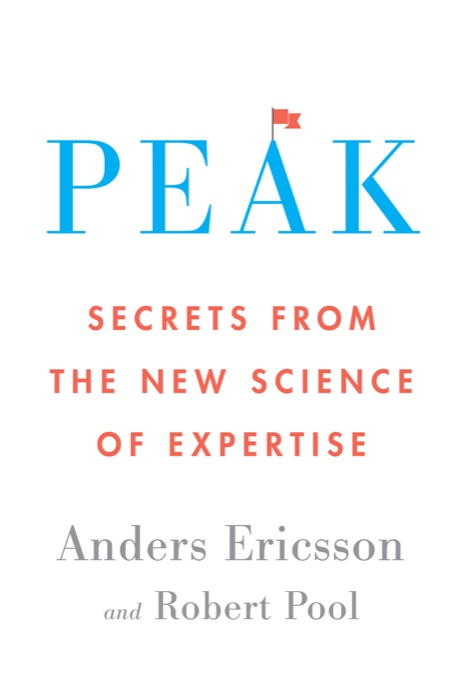 Peak: Secrets from the New Science of Expertise
 Late Bloomers: The Power of Patience in a World Obsessed with Early Achievement
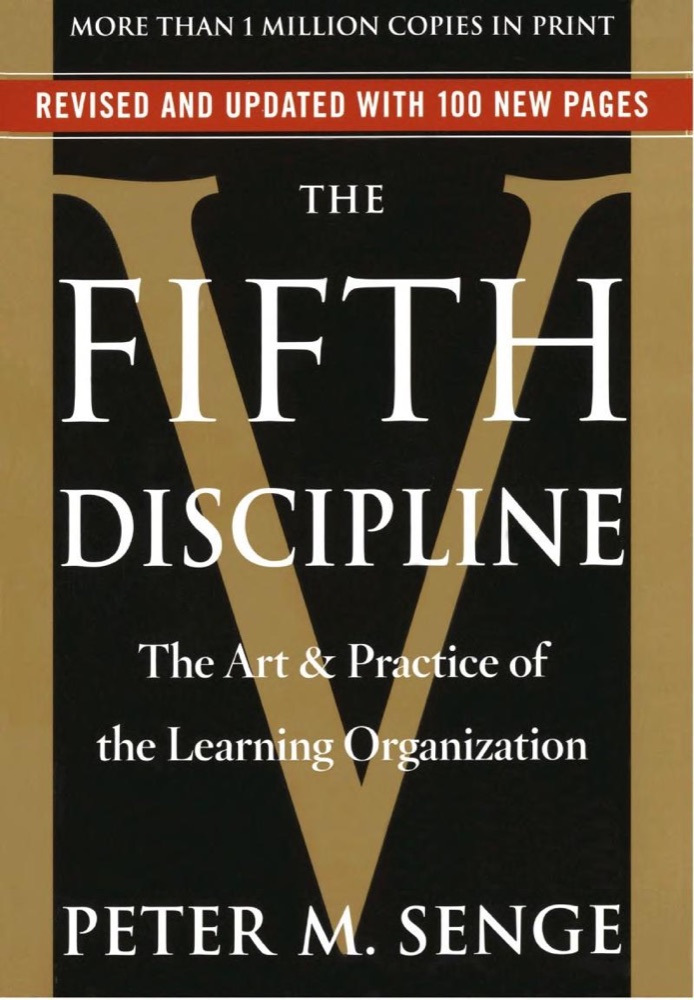 The Fifth Discipline: The Art & Practice of The Learning Organization
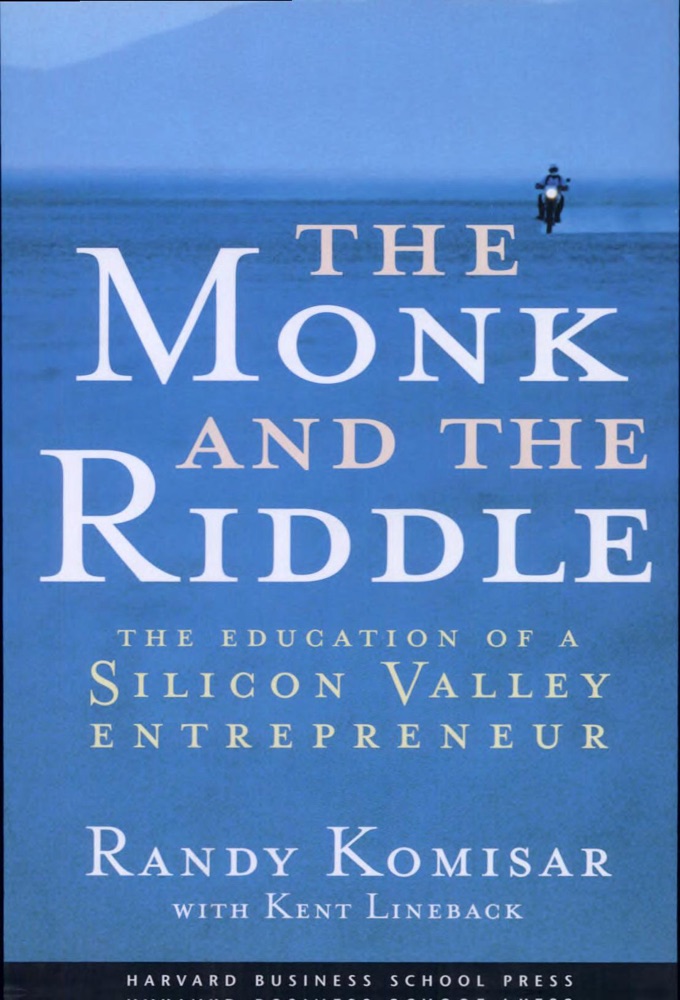 The Monk and the Riddle: The Education of a Silicon Valley Entrepreneur
 The Algebra of Happiness: Notes on the Pursuit of Success, Love, and Meaning
 Linchpin: Are You Indispensable?
 Tribe Of Mentors: Transformative Wisdom From Icons and Innovators to Help You Navigate Life's Challenges
 The Tipping Point: How Little Things Can Make a Big Difference