
 On Writing Well: The Classic Guide to Writing Nonfiction
Quotes from the Book
Without extraneous words or phrases or clauses, there will be room for implication. The longer the sentence, the less it’s able to imply, And writing by implication should be one of your goals. Implication is almost nonexistent in the prose that surrounds you, The prose of law, science, business, journalism, and most academic fields. It was nonexistent in the way you were taught to write. That means you don’t know how to use one of a writer’s most important tools: The ability to suggest more than the words seem to allow, The ability to speak to the reader in silence.
7
A cliché is dead matter. It causes gangrene in the prose around it, and sooner or later it eats your brain. You can’t fix a cliché by using it ironically. You can’t make it less gangrenous by appearing to “quote” it or invert it or joke about it. A cliché isn’t just a familiar, overused saying. It’s the debris of someone else’s thinking, Any group of words that seem to cluster together “naturally” And enlist in your sentence. The only thing to do with a cliché is send it to the sports page Or the speechwriters, where it will live forever. Volunteer
5
Volunteer sentences are the relics of your education And the desire to emulate the grown-up, workaday prose that surrounds you, Which is made overwhelmingly of sentences that are banal and structurally thoughtless. A volunteer sentence is almost always a perfunctory sentence. That can change. But only after years of questioning the shapes of sentences you read, And every sentence you write. Don’t let the word “years” alarm you. Think of it as months and months and months and months. You may think a volunteer sentence is an inspired one Simply because it volunteers. This is one reason to abandon the idea of inspiration. All the idea of inspiration will do Is stop you from revising a volunteer sentence. Only revision will tell you whether a sentence that offers itself is worth keeping.
5
Writing isn’t a conveyer belt bearing the reader to “the point” at the end of the piece, where the meaning will be revealed. Good writing is significant everywhere, Delightful everywhere.
5
In school you learned to write as if the reader Were in constant danger of getting lost, A problem you were taught to solve not by writing clearly But by shackling your sentences and paragraphs together. Think about transitions. Remember how it goes? Late in the paragraph you prepare for the transition to the next paragraph— The great leap over the void, across that yawning indentation. You were taught the art of the flying trapeze, But not how to write.
5
There’s another trouble with meaning. We’ve been taught to believe it comes near the end. As if the job of all those sentences were to ferry us along to the place where meaning is enacted—to “the point,” Just before the conclusion, Which restates “the point.” This is especially true in the school model of writing. Remember the papers you wrote? Trying to save that one good idea till the very end? Hoping to create the illusion that it followed logically from the previous paragraphs? You were stalling until you had ten pages. Much of what’s taught under the name of expository writing could be called “The Anxiety of Sequence.” Its premise is this: To get where you’re going, you have to begin in just the right place And take the proper path, Which depends on knowing where you plan to conclude. This is like not knowing where to begin a journey Until you decide where you want it to end. Begin in the wrong place, make the wrong turn, And there’s no getting where you want to go. Why not begin where you already are?
5
With luck, you were read aloud to as a child.
5
Imagine a reader you can trust. This sounds like a simple imperative. But the difference between writing for the reader implicit in your education And writing for one you trust is the difference between writing clumsily, Using all the grappling hooks of transition and false logic, And writing well, able to move briskly and freely, Going anywhere from anywhere almost instantly. All your life you’ve been reading books that trusted you, Trusted your intelligence, your keenness, Your ability to feel an invisible wink, To follow any trail, Even while you were learning in school not to trust the reader.
4
One purpose of writing—its central purpose—is to offer your testimony About the character of existence at this moment. It will be part of your job to say how things are, To attest to life as it is. This will feel strange at first. You’ll wonder whether you’re allowed to say things that sound Not merely observant but true, And not only true in carefully framed, limited circumstances, But true for all of us and, perhaps, for all time. Who asked you to say how things are? Where do you get the authority to do any of this? The answer is yours to find.
4
Think of all the requirements writers imagine for themselves: A cabin in the woods A plain wooden table Absolute silence A favorite pen A favorite ink A favorite blank book A favorite typewriter A favorite laptop A favorite writing program A large advance A yellow pad A wastebasket A shotgun The early light of morning The moon at night A rainy afternoon A thunderstorm with high winds The first snow of winter A cup of coffee in just the right cup A beer A mug of green tea A bourbon Solitude Sooner or later the need for any one of these will prevent you from writing. Anything you think you need in order to write— Or be “inspired” to write or “get in the mood” to write— Becomes a prohibition when it’s lacking. Learn to write anywhere, at any time, in any conditions, With anything, starting from nowhere. All you really need is your head, the one indispensable
4
In your head, you’ll probably find two models for writing. One is the familiar model taught in high school and college—a matter of outlines and drafts and transitions and topic sentences and argument. The other model is its antithesis—the way poets and novelists are often thought to write. Words used to describe this second model include “genius,” “inspiration,” “flow,” and “natural,” sometimes even “organic.” Both models are useless. I should qualify that sentence. Both models are completely useless.
3
But long sentences often tend to collapse or break down or become opaque or trip over their awkwardness.
2
But” is always preferable to “however,” Except in the rare cases where “however” is preferable to “but,” Which
2
Natural” is a word that invites suspicion. It should always present itself in quotation marks, A sign that its meaning is slippery. Humans can justify almost anything by calling it natural. Naturalness is the pervasive myth—the one to root out of your head.
2
When students are free to write anything they want, What they write first are pieces they hope look like something they saw published somewhere About subjects they believe are pre-authorized Because someone has already written about them In pieces they hoped looked like something they saw published somewhere. A first piece of that kind is a tacit way of taking shelter under the authority of someone else’s perceptions. It’s also a way of saying, “I know you’re not really interested in what I think or notice.” But that’s the very thing the reader is interested in If your sentences allow him to be.
2
You’ll have stopped making sentences in quarantine, In the special ward set aside for sentence making once the outline is finished, The way you were taught in school. Instead, writing becomes intrinsic to the act of thinking, Completely intertwined with it. You’re also learning to trust the ability to work in your head And learning how your mind works, Which is something you may not have noticed before. We’re always hastening to be done writing, But we’re also hastening to get out of the presence of our thoughts. Everything about thinking makes us nervous. We don’t believe there’s much of value to be found there. We don’t know when we’ll come to the end of our thoughts, But we think it may be soon. Why? Your mind is silent yet filled with voices and uncertainty. The uncertainty you feel is one of the places sentences will come from, And experience will make your uncertainty more certain. Stop fearing what you’ll find as you think. Give yourself over to this experiment. Your intentions will diverge from themselves. Your starting point may lead to places you didn’t imagine, Places that ask you to reconsider your starting point. You may feel yourself clinging to your original intention. Why? Because it came first? Why not follow the crosscurrents of your thinking And see where they lead? I don’t mean follow them blindly. Allow your thinking to adjust your intentions in the light of your discoveries. This may mean relinquishing your original intention If you find a better one as you write. The piece you’re writing is simply the one that happens to get written. If you’d begun another way, made a different turn, even started in a different mood, A different piece would have come into being. The writer’s world is full of parallel universes. You discover, word by word, the one you discover. Ten minutes later—another hour of thought—and you would have found your way into a different universe. The piece is permeable to the world around it. It’s responsive to time itself, to the very hour of its creation. This is an immensely freeing thing to understand. It liberates you from the anxiety of sequence, The fear that there’s only one way through your subject, Only one useful approach. Learn to accept the discontinuity between yourself and what you write, The discontinuity between your will, your intention, your plan And the discoveries you make as you work. Abandon the idea of predetermination, The shaping force of your intention, Until you’ve given it up for good. Bring your intentions, by all means, but accept that the language we use Is a language of accidentals, always skewing away from the course we set. This is something not to mourn but to revel in— Not only for the friction and sideslip inherent in the language But for freeing us from the narrowness of our preconceptions.
1
We forget something fundamental as we read: Every sentence could have been otherwise but isn't. We can't see all the decisions that led to the final shape of the sentence. But we can see the residue of those decisions.
1
The malaise given off by an awkwardness in the syntax.
And yet we think and read and write as if the fit between language and meaning were approximate, As though many different sentences were capable of meaning the same thing.
Shape, form, structure, genre, the whole—these have a way of clarifying themselves when sentences become clear. Once you can actually see your thoughts and perceptions, It’s surprising how easy it is to arrange them or discover their arrangement.
Let’s make a simple list from the preceding lines: 1. What you’ve been taught. 2. What you assume is true because you’ve heard it repeated by others. 3. What you feel, no matter how subtle. 4. What you don’t know. 5. What you learn from your own experience.
Writers are curators of the language. Our work helps keep language from collapsing in on itself, from becoming merely colloquial or ordinary or, like the language of business and politics, sterile and largely unmeaning. The farther back in time you read, the more surprising the English language feels, because we come upon unexpected unfamiliarities.
Never stop reading. Say more than you thought you knew how to say In sentences better than you ever imagined For the reader who reads between the lines.
writing becomes intrinsic to the act of thinking, Completely intertwined with it. You’re also learning to trust the ability to work in your head And learning how your mind works, Which is something you may not have noticed before. We’re always hastening to be done writing, But we’re also hastening to get out of the presence of our thoughts. Everything about thinking makes us nervous. We don’t believe there’s much of value to be found there. We don’t know when we’ll come to the end of our thoughts, But we think it may be soon. Why? Your mind is silent yet filled with voices and uncertainty. The uncertainty you feel is one of the places sentences will come from, And experience will make your uncertainty more certain. Stop fearing what you’ll find as you think.
You’ll realize that thinking and remembering are almost indistinguishable. You’re not only imagining sentences you want to write down. You’re also reexploring your subject, sifting your research And all the elements that make up your subject Even as you’re imagining sentences. Soon the distinction between thinking about your subject and Thinking about sentences vanishes.
But thought isn’t as fleeting as you think, nor does it come completely unbidden. If the thought was worth having, you’ll rediscover it or find a better one. The fear of forgetting and the rush to be done are closely related. You’ll learn to trust your memory as you work, Though it isn’t even a matter of trusting your memory.
Reread your notes, and take notes on them. And again. Take notes on your thoughts. Most of all, take notes on what interests you. Be certain you’ve marked out what interests you. Don’t make an outline from your notes. Don’t turn your notes into a road map for the sentences to come. Reread your notes. No matter how long or short they are. Then think. And think again. Learn to be patient in the presence of your thoughts. Learn to be equally patient in the presence of a new sentence or a phrase you like. Let yourself pause and work on that sentence. In your head. Don’t write it down. Be patient. Pay attention to everything you’re thinking. Notice your thoughts, See if you can feel your awareness illuminating them. If you’re paying attention, you’ll notice that some of your thoughts interest you and some don’t. How can you tell? You’ll stop and rethink the thought, Pause in its presence. Let the thoughts that interest you distract you. Ask yourself about them. Why do they interest you? What were you thinking about before they appeared? Then come back to the main sequence, Unless you’ve discovered a better main sequence By following a thought you’re interested in. Don’t try to distinguish between thinking and making sentences. Pretend they’re the same thing. Don’t rush your thinking. Don’t rush to make sentences. See what happens when you try to put words to a thought that interests you. See what words the thought itself is presenting and try making a sentence out of them, A sentence like the ones we’ve been talking about, with rhythm and clarity and balance. Not a volunteer sentence. See if the thought you’re interested in becomes sharper and clearer by making a sentence from it. It may become more obscure. What does that tell you? Don’t panic, keep working at it. If you make a sentence while thinking, It doesn’t mean you have to make more sentences immediately. You can go back to thinking and see what the business of making a sentence stirred up in you. It may have dislodged other thoughts, other connections. No one will teach you how to wait while you think or what to wait for while you’re thinking. You’ll have to teach yourself. Above all, you’ll have to teach yourself to be patient. Trying this once or twice won’t do.
You begin to compose a sentence in your head. You don’t write it down. You let the sentence play through your mind again. (It’s only six words long.) You replace one or two of the words. You adjust the rhythm by changing the verb. You discard the metaphor. You decide you like the sentence. You write it down. Is this composition? Or revision? It’s both.
You may think a volunteer sentence is an inspired one Simply because it volunteers. This is one reason to abandon the idea of inspiration. All the idea of inspiration will do Is stop you from revising a volunteer sentence. Only revision will tell you whether a sentence that offers itself is worth keeping.
Watch on YouTube
About Verlyn Klinkenborg
We have collected 29 quotes from 1 book by Verlyn Klinkenborg on BookQuoters.
More about the author →About the book
Most of what you think you know about writing is useless. It’s the harmful debris of your education—a mixture of half-truths, myths, and false assumptions that prevents you from writing well. Drawing on years of experience as a writer and teacher of writing, Verlyn Klinkenborg offers an approach to writing that will change the way you work and think. There is no gospel, no orthodoxy, no dogma in this book. What you’ll find here isn’t the way to write. Instead, you’ll find a way to clear your mind of illusions about writing and discover how you write. Several Short Sentences About Writing is a book of first steps and experiments. They will revolutionize the way you think and perceive, and they will change forever the sense of your own authority as a writer. This is a book full of learning, but it’s also a book full of unlearning—a way to recover the vivid, rhythmic, poetic sense of langua
Book details
- First published
- 2012
- Author
- Verlyn Klinkenborg
- Genre
- Nonfiction
- Goodreads rating
- 4.13 (4k ratings)
Keep reading
On Writing Well: The Classic Guide to Writing Nonfiction
 Sin and Syntax: How to Craft Wickedly Effective Prose
 Writing Tools: 50 Essential Strategies for Every Writer
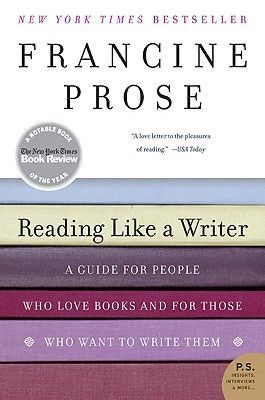 Reading Like a Writer: A Guide for People Who Love Books and for Those Who Want to Write Them
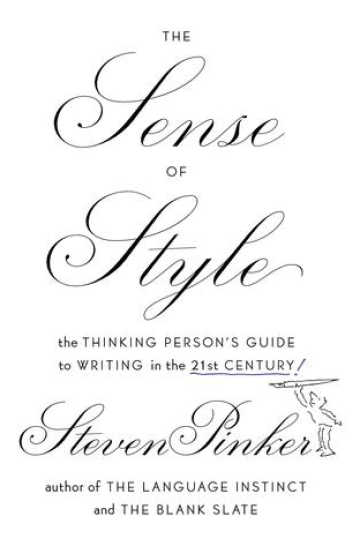 The Sense of Style: The Thinking Person's Guide to Writing in the 21st Century
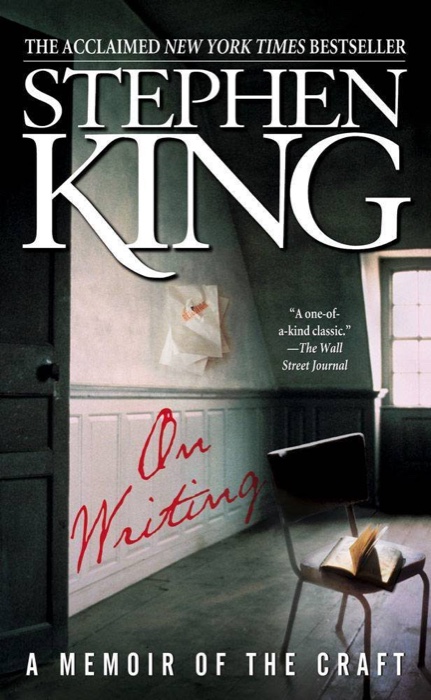 On Writing: A Memoir of the Craft
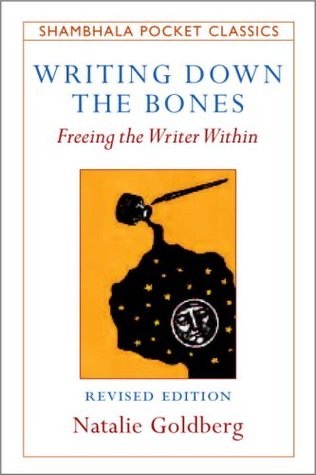 Writing Down the Bones: Freeing the Writer Within
 Dreyer's English: An Utterly Correct Guide to Clarity and Style
 The Elements of Style
 Consider This: Moments in My Writing Life After Which Everything Was Different
 Becoming a Writer
 On Writing
 The Elements of Eloquence: How to Turn the Perfect English Phrase
 The Getaway Car: A Practical Memoir About Writing and Life
 Bird by Bird
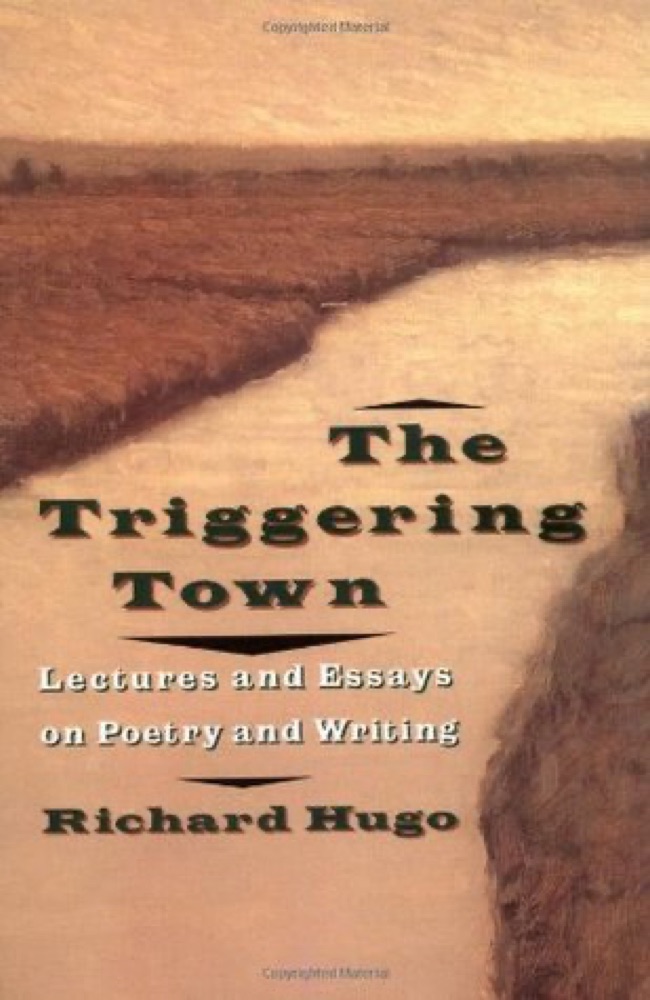 The Triggering Town: Lectures and Essays on Poetry and Writing
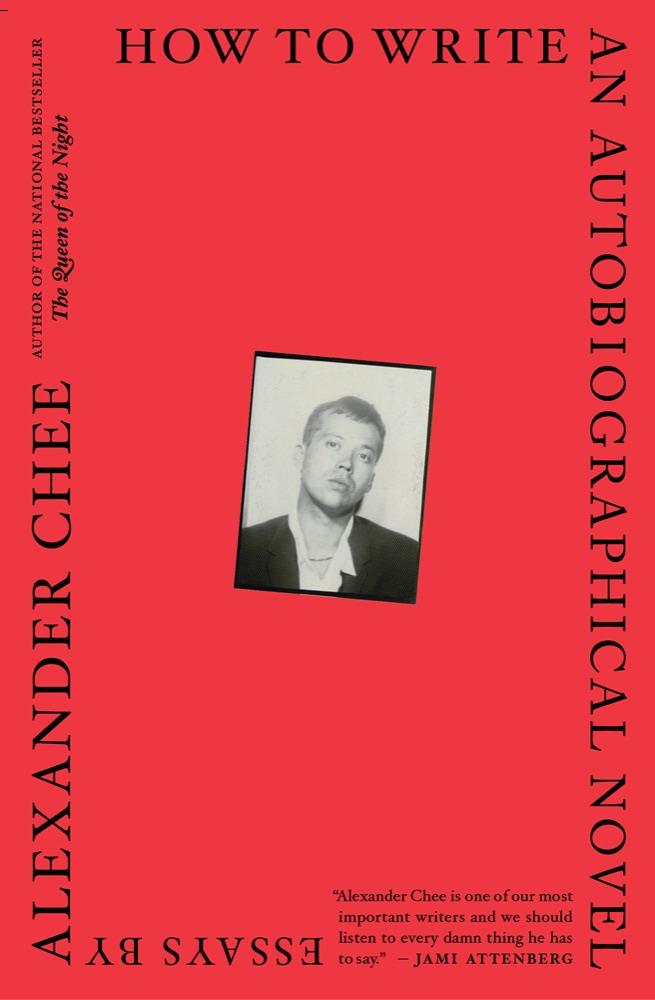 How to Write an Autobiographical Novel
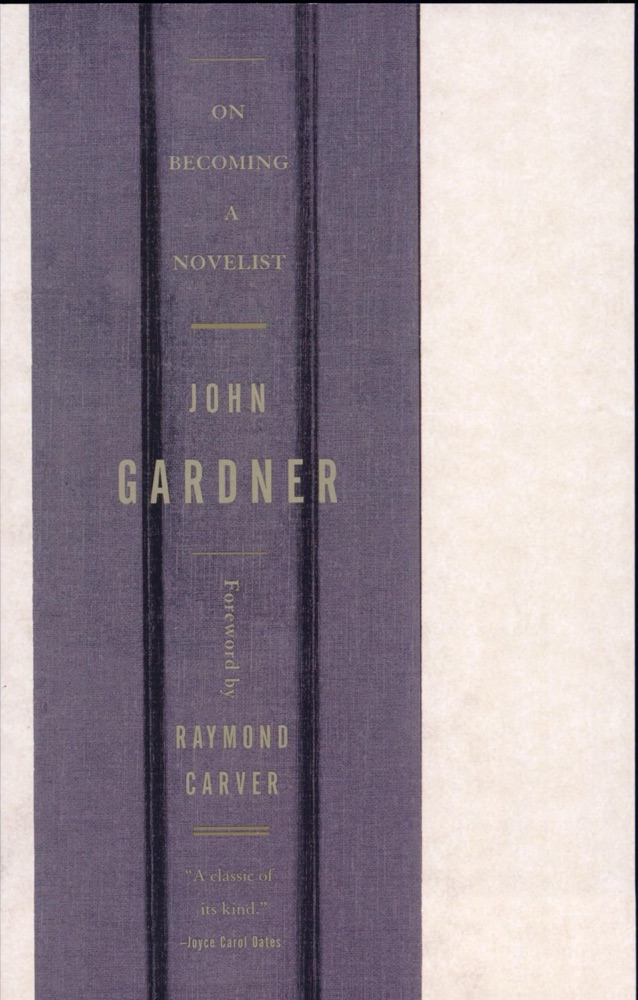 On Becoming a Novelist
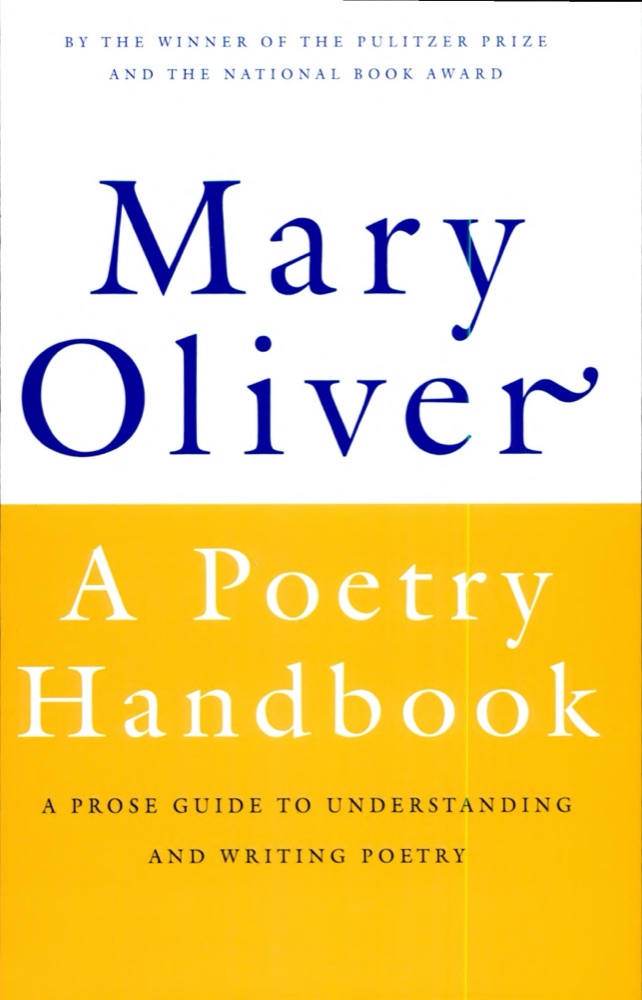 A Poetry Handbook
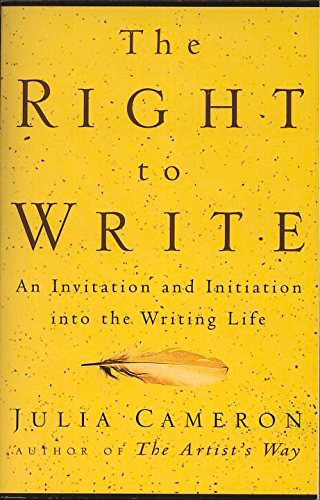 The Right to Write: An Invitation and Initiation Into the Writing Life
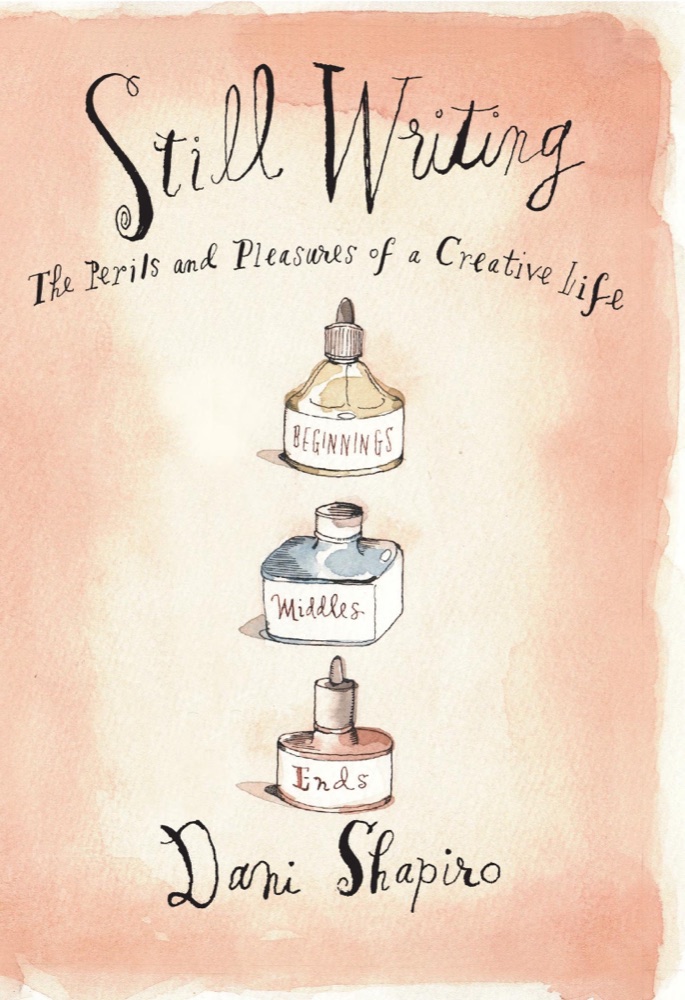 Still Writing: The Perils and Pleasures of a Creative Life
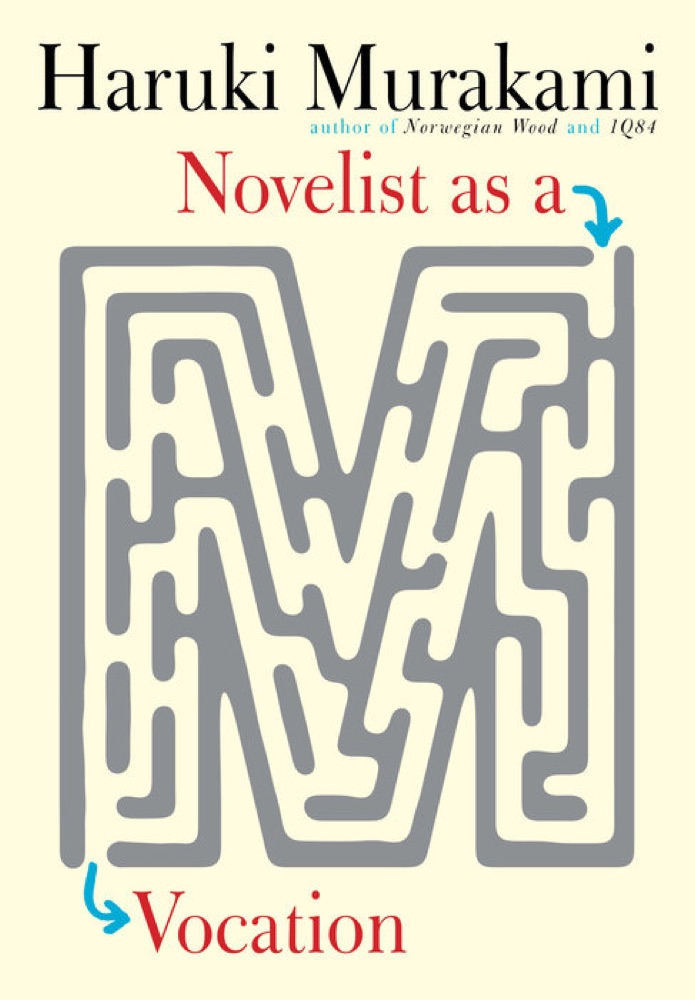 Novelist as a Vocation
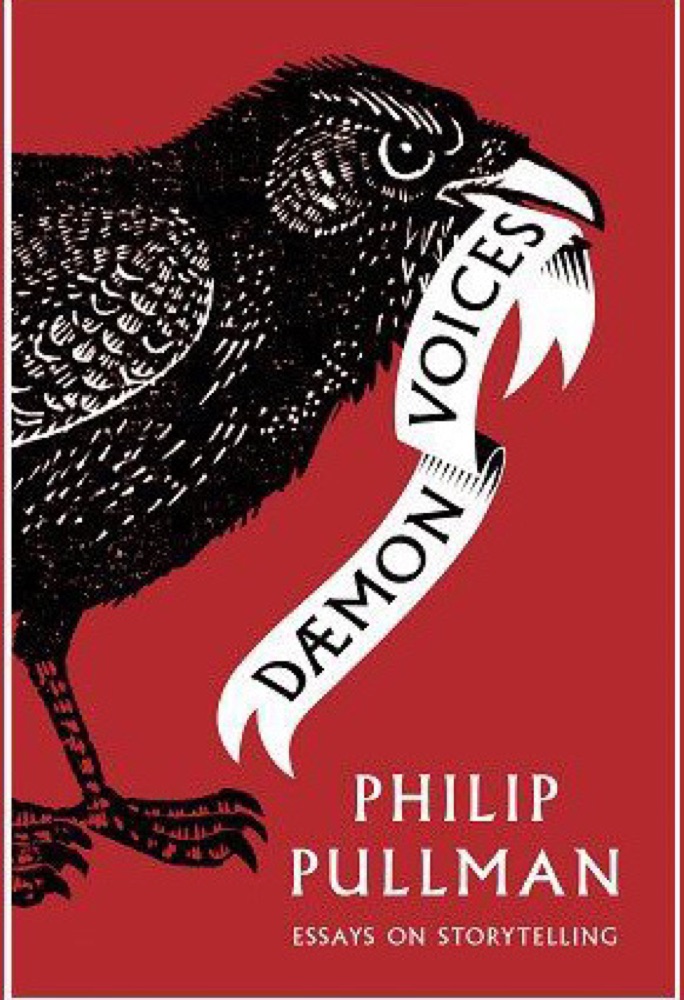 Dæmon Voices
 The Writing Life
 Stein on Writing
 The Power of Writing It Down: A Simple Habit to Unlock Your Brain and Reimagine Your Life
 How Not to Write a Novel: 200 Classic Mistakes and How to Avoid Them—A Misstep-by-Misstep Guide
 If You Want to Write: A Book about Art, Independence and Spirit
 Storyworthy: Engage, Teach, Persuade, and Change Your Life through the Power of Storytelling
 Reality Hunger: A Manifesto
 How to Take Smart Notes
 Poison for Breakfast
 Wired for Story: The Writer's Guide to Using Brain Science to Hook Readers from the Very First Sentence
 Screenplay: The Foundations of Screenwriting
 Walking on Water: Reading, Writing, and Revolution
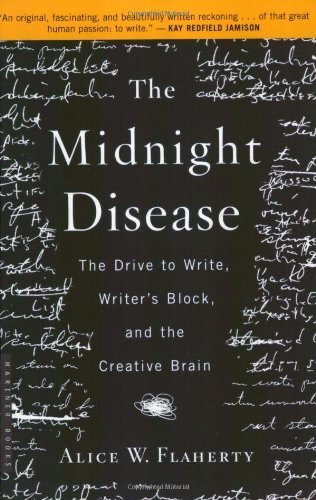 The Midnight Disease: The Drive to Write, Writer's Block, and the Creative Brain
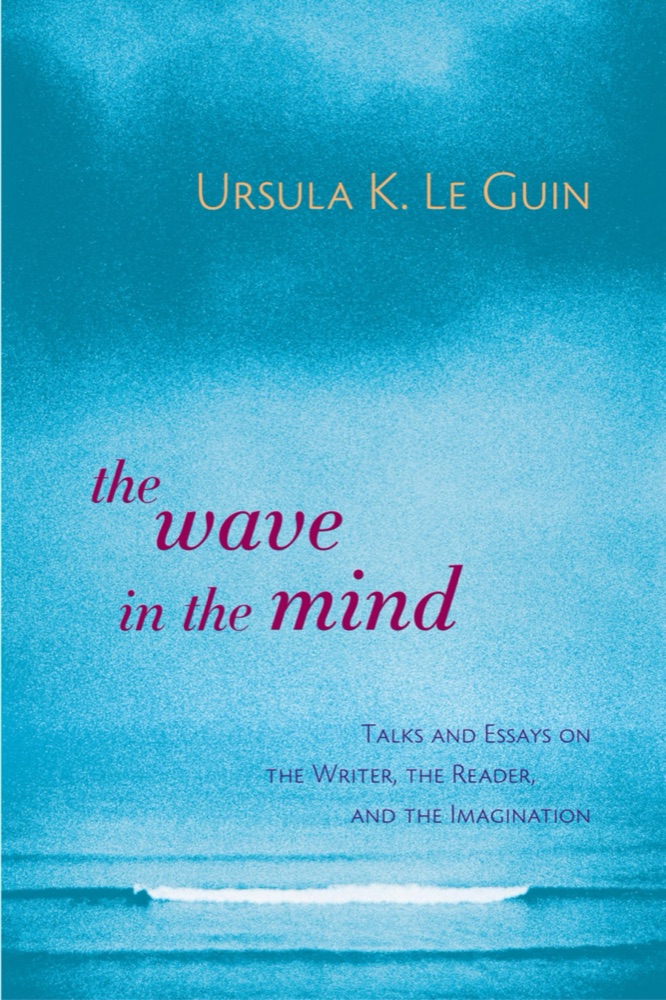 The Wave in the Mind: Talks and Essays on the Writer, the Reader and the Imagination
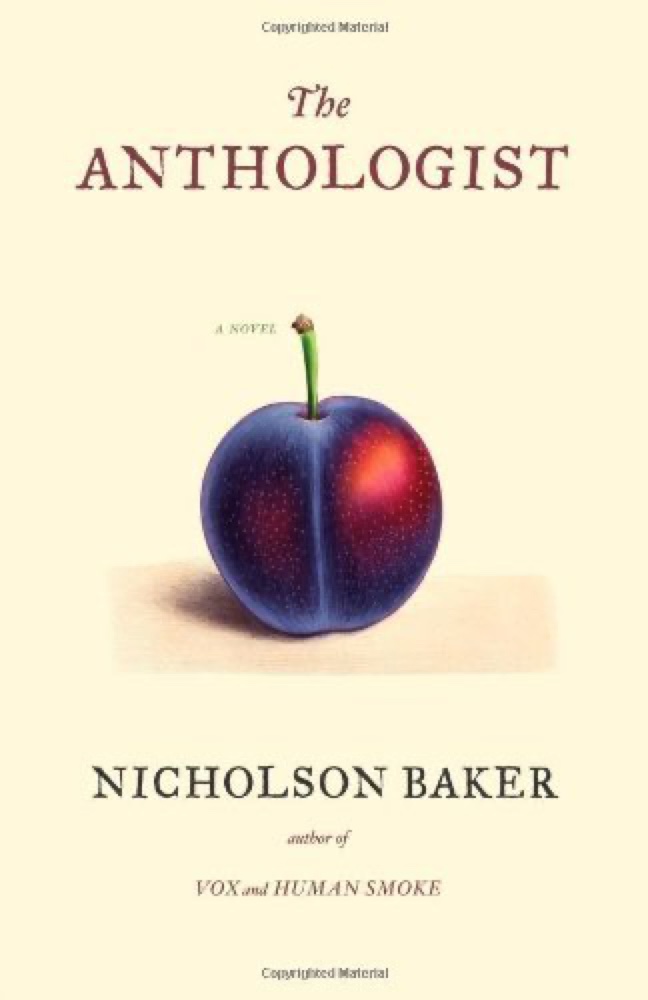 The Anthologist
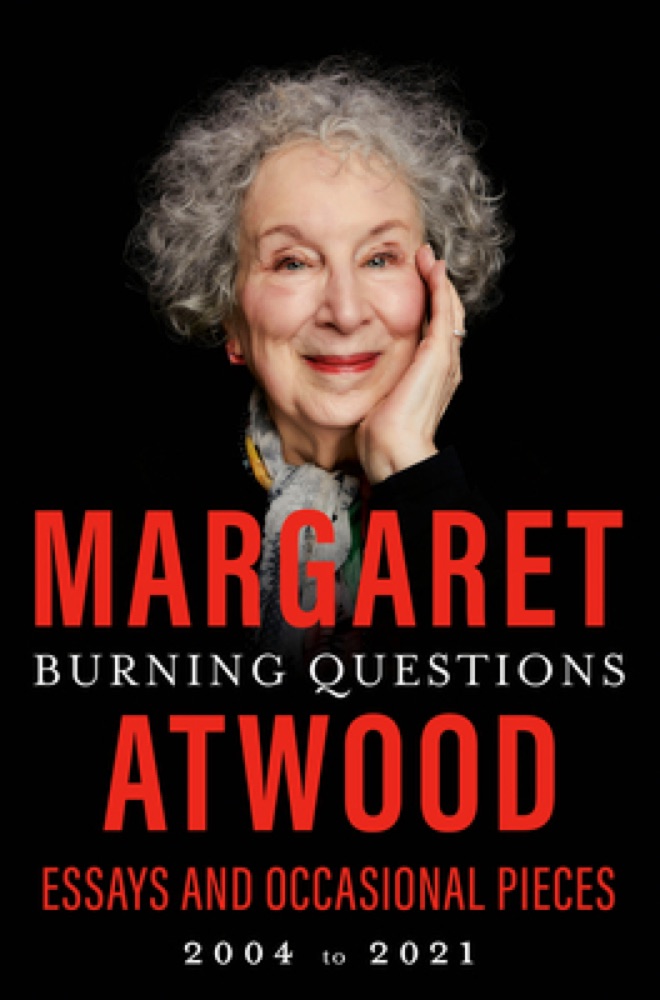 Burning Questions: Essays and Occasional Pieces, 2004 to 2021
 Writing Magic: Creating Stories that Fly
 Between You & Me: Confessions of a Comma Queen
 Call If You Need Me: The Uncollected Fiction and Other Prose
 How to Read a Book: The Classic Guide to Intelligent Reading
 The View from the Cheap Seats: Selected Nonfiction
 Blueberries: Essays Concerning Understanding
 Negotiating with the Dead: A Writer on Writing
 The Art of Fiction: Notes on Craft for Young Writers
 The Book of Form and Emptiness
 Wonderbook: The Illustrated Guide to Creating Imaginative Fiction
 Zen in the Art of Writing
 Checkout 19
 The Stuff of Thought: Language as a Window into Human Nature
 Body Work: The Radical Power of Personal Narrative
 What We See When We Read
 Politics and the English Language
 The Writing Class
 Eats, Shoots & Leaves: The Zero Tolerance Approach to Punctuation
 A Slip of the Keyboard: Collected Non-Fiction
 Flaubert's Parrot
 Death in the Afternoon