
 The Shining
Quotes from the Book
Books are a uniquely portable magic.
The road to hell is paved with adverbs.
The scariest moment is always just before you start.
you can, you should, and if you’re brave enough to start, you will.
Description begins in the writer’s imagination, but should finish in the reader’s.
Writing isn't about making money, getting famous, getting dates, getting laid, or making friends. In the end, it's about enriching the lives of those who will read your work, and enriching your own life, as well. It's about getting up, getting well, and getting over. Getting happy, okay? Getting happy.
Amateurs sit and wait for inspiration, the rest of us just get up and go to work.
Write with the door closed, rewrite with the door open.
In many cases when a reader puts a story aside because it 'got boring,' the boredom arose because the writer grew enchanted with his powers of description and lost sight of his priority, which is to keep the ball rolling.
Kill your darlings, kill your darlings, even when it breaks your egocentric little scribbler’s heart, kill your darlings.
If you expect to succeed as a writer, rudeness should be the second-to-least of your concerns. The least of all should be polite society and what it expects. If you intend to write as truthfully as you can, your days as a member of polite society are numbered, anyway.
Writing is not life, but I think that sometimes it can be a way back to life.
Just remember that Dumbo didn't need the feather; the magic was in him.
So okay― there you are in your room with the shade down and the door shut and the plug pulled out of the base of the telephone. You've blown up your TV and committed yourself to a thousand words a day, come hell or high water. Now comes the big question: What are you going to write about? And the equally big answer: Anything you damn well want.
If you want to be a writer, you must do two things above all others: read a lot and write a lot. There's no way around these two things that I'm aware of, no shortcut.
You cannot hope to sweep someone else away by the force of your writing until it has been done to you.
Words create sentences; sentences create paragraphs; sometimes paragraphs quicken and begin to breathe.
Your job isn't to find these ideas but to recognize them when they show up.
I have spent a good many years since―too many, I think―being ashamed about what I write. I think I was forty before I realized that almost every writer of fiction or poetry who has ever published a line has been accused by someone of wasting his or her God-given talent. If you write (or paint or dance or sculpt or sing, I suppose), someone will try to make you feel lousy about it, that's all.
To write is human, to edit is divine.
Reading in bed can be heaven, assuming you can get just the right amount of light on the page and aren't prone to spilling your coffee or cognac on the sheets.
I'm a slow reader, but I usually get through seventy or eighty books a year, most fiction. I don't read in order to study the craft; I read because I like to read
Good description is a learned skill, one of the prime reasons why you cannot succeed unless you read a lot and write a lot. It’s not just a question of how-to, you see; it’s also a question of how much to. Reading will help you answer how much, and only reams of writing will help you with the how. You can learn only by doing.
Let's get one thing clear right now, shall we? There is no Idea Dump, no Story Central, no Island of the Buried Bestsellers; good story ideas seem to come quite literally from nowhere, sailing at you right out of the empty sky: two previously unrelated ideas come together and make something new under the sun. Your job isn't to find these ideas but to recognize them when they show up.
It starts with this: put your desk in the corner, and every time you sit down there to write, remind yourself why it isn't in the middle of the room. Life isn't a support system for art. It's the other way around.
The most important things to remember about back story are that (a) everyone has a history and (b) most of it isn’t very interesting.
Bad writing is more than a matter of shit syntax and faulty observation; bad writing usually arises from a stubborn refusal to tell stories about what people actually do― to face the fact, let us say, that murderers sometimes help old ladies cross the street.
Writing is a lonely job. Having someone who believes in you makes a lot if difference. They don't have to makes speeches. Just believing is usually enough.
I like to get ten pages a day, which amounts to 2,000 words. That’s 180,000 words over a three-month span, a goodish length for a book — something in which the reader can get happily lost, if the tale is done well and stays fresh.
Writing is seduction. Good talk is part of seduction. If not so, why do so many couples who start the evening at dinner wind up in bed?
Did you know?
- The book is divided into sections including "C.V.," "What Writing Is," "Toolbox," "On Writing," and "On Living: A Postscript."
- King began the book in 1997, abandoned it in 1998, and resumed work in June 1999.
- On June 19, 1999, King was struck by a van while walking near his home in Maine, an accident described in the book's postscript.
- It was the first book King published following that 1999 accident.
- The book won the Locus Award for Best Non-fiction in 2001.
- A twentieth anniversary edition published in 2020 includes contributions from King's sons Joe Hill and Owen King.
About Stephen King
Stephen King is an American author, born in 1947 in Portland, Maine, best known for his bestselling horror, suspense, and fantasy fiction. His novels, many adapted into films and television, have sold hundreds of millions of copies worldwide.
More about the author →
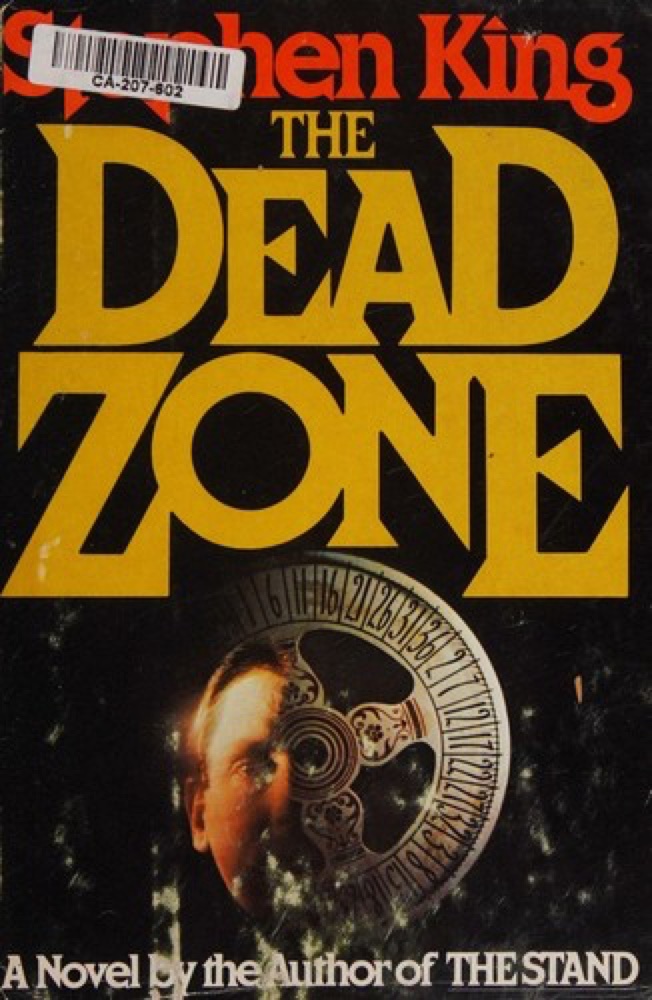
About the book
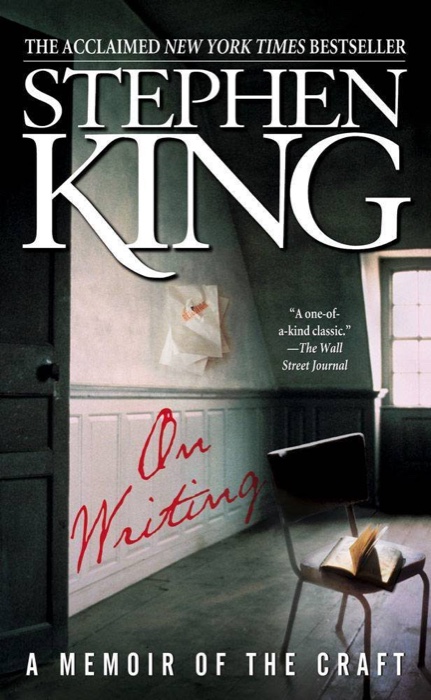
"On Writing: A Memoir of the Craft" is Stephen King's part-autobiography, part-guide to the writer's craft, first published by Scribner in 2000. The first half, a memoir King calls his "C.V.," traces his path to becoming a writer: his childhood, his formative influences, the lean years of rejection, and the period before the success of his debut novel Carrie. The second half turns to practical instruction, covering the mechanics of English, vocabulary, grammar, and style, along with King's views on plot, character, revision, and the daily habits of a working writer.
King frames writing as a serious craft that can be strengthened through discipline and honesty rather than mystical inspiration. He argues for reading widely, writing consistently, and cutting ruthlessly, distilling his advice into memorable principles about clarity, self-editing, and telling the truth on the page. Threaded throughout is his own experience of a writing life, giving the instruction the weight of hard-won practice rather than abstract theory.
The book closes with "On Living: A Postscript," King's account of the June 1999 accident in which he was struck by a van while walking near his Maine home, and of how returning to writing became part of his recovery. It was King's first book published after the accident. Widely recommended to aspiring authors, it won the Locus Award for Best Non-fiction in 2001 and has remained one of the most popular books about the craft of writing.
Book details
- First published
- 2000
- Length
- 288 pages
- Reading time
- 3 hours
- Author
- Stephen King
- Genre
- Nonfiction
- Goodreads rating
- 4.34 (325k ratings) →
If you liked this, read…
- 1Bird by BirdAnne Lamott's warm, candid guide to the writing life and craft.
- 2The Elements of StyleStrunk and White's classic on clear, concise prose that King praises.
- 3Zen in the Art of WritingRay Bradbury's essays on creativity and the joy of writing.
Keep reading
 On Writing Well: The Classic Guide to Writing Nonfiction
 The Getaway Car: A Practical Memoir About Writing and Life
 Writing Down the Bones: Freeing the Writer Within
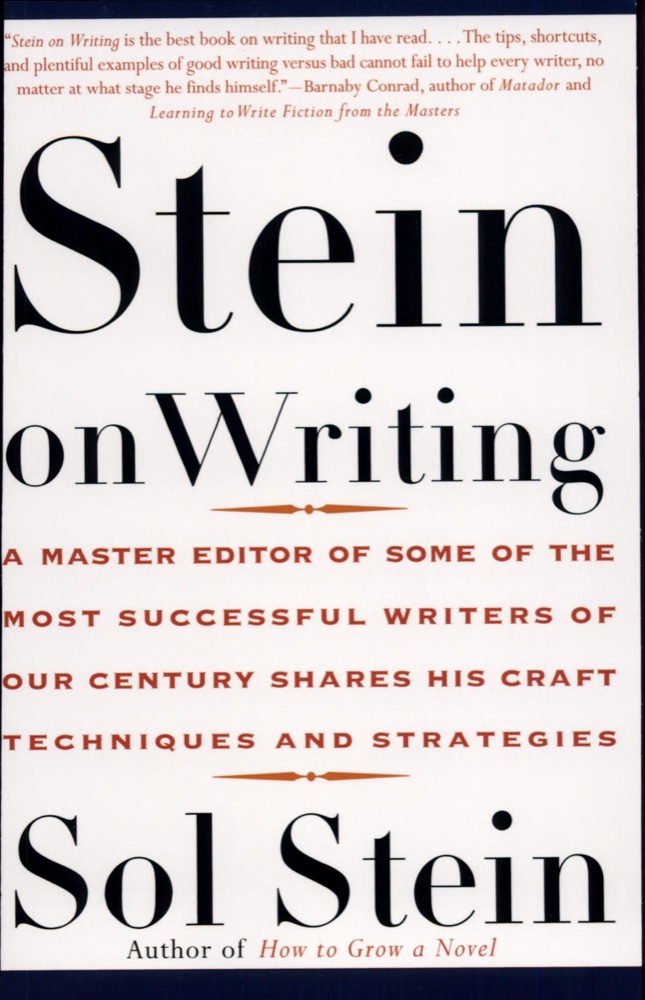 Stein on Writing
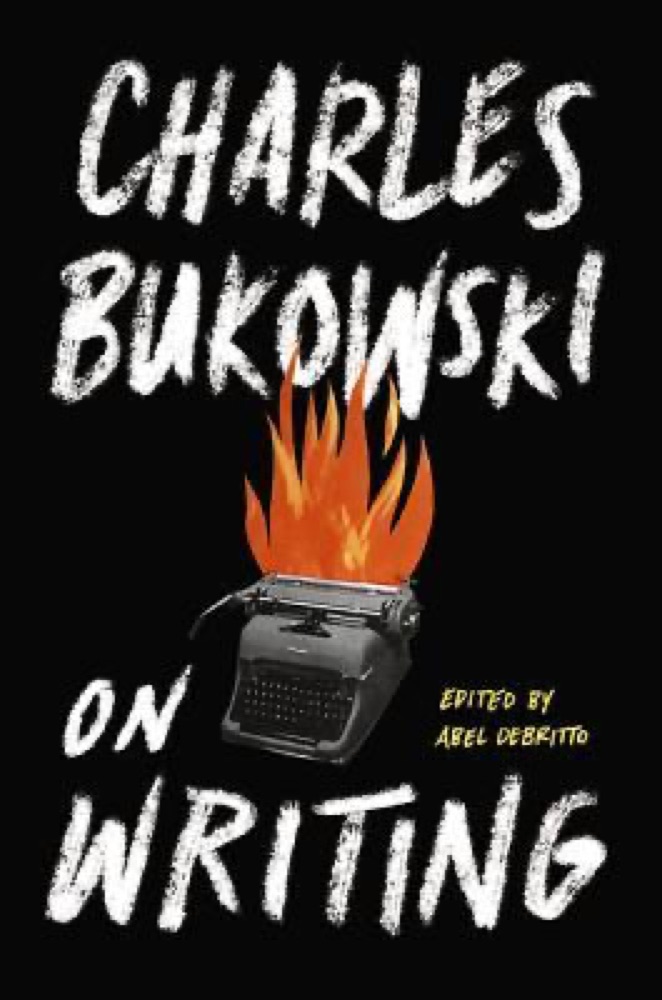 On Writing
 Reading Like a Writer: A Guide for People Who Love Books and for Those Who Want to Write Them
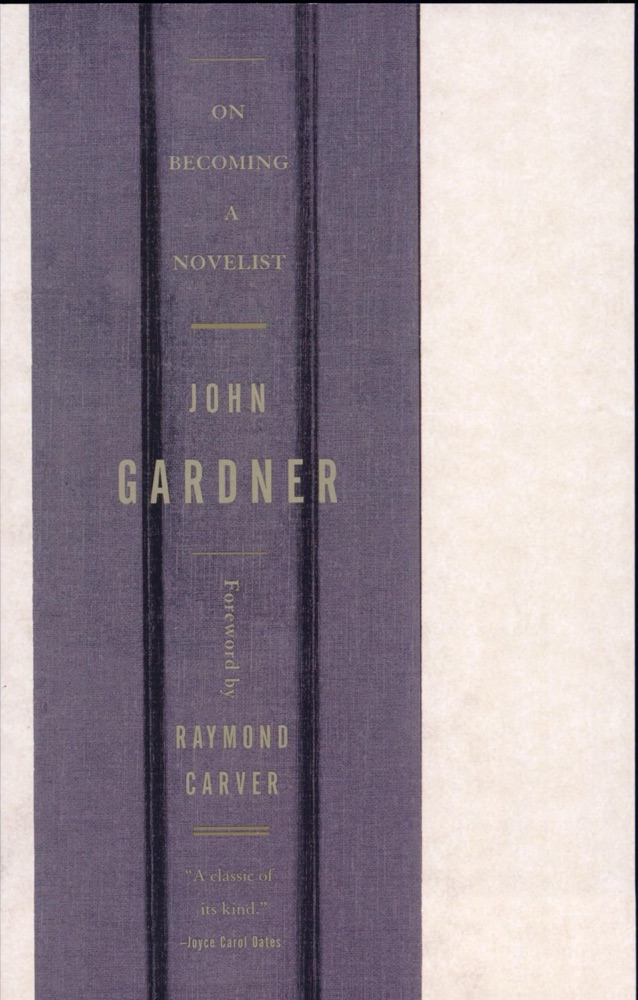 On Becoming a Novelist
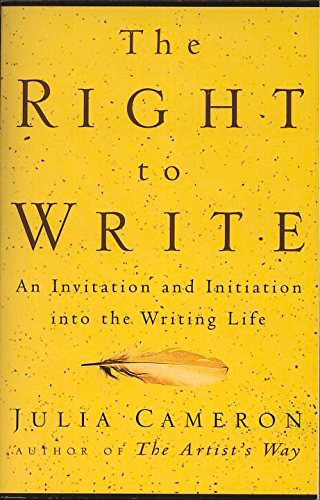 The Right to Write: An Invitation and Initiation Into the Writing Life
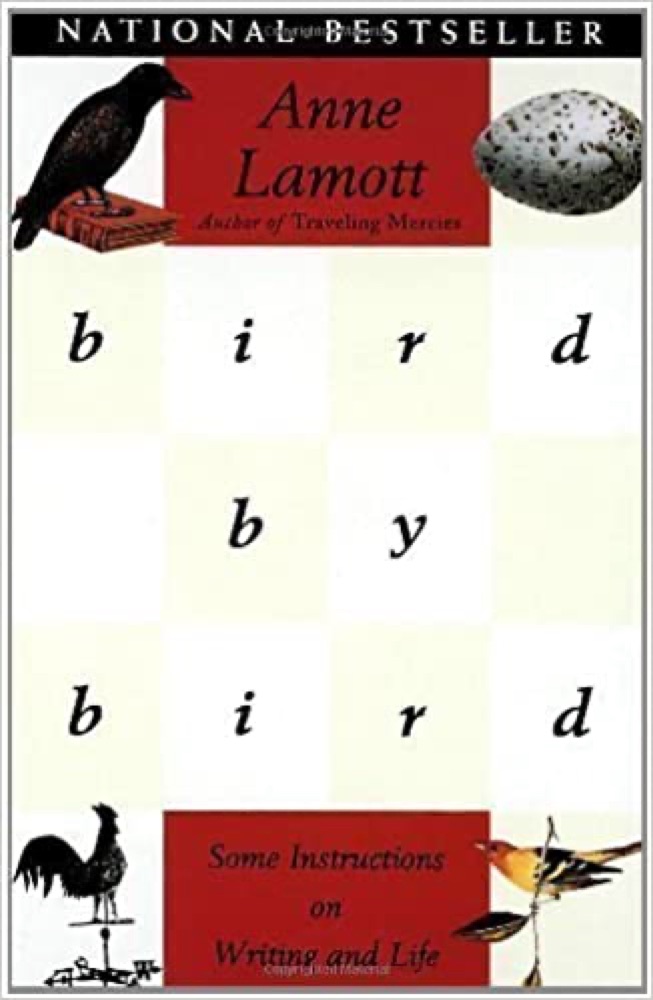 Bird by Bird
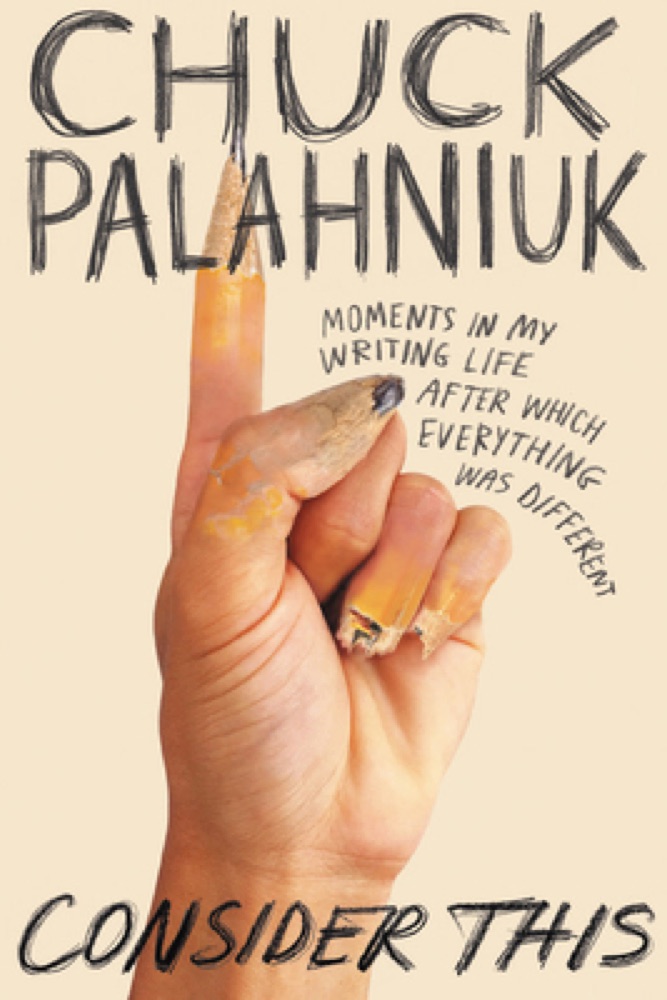 Consider This: Moments in My Writing Life After Which Everything Was Different
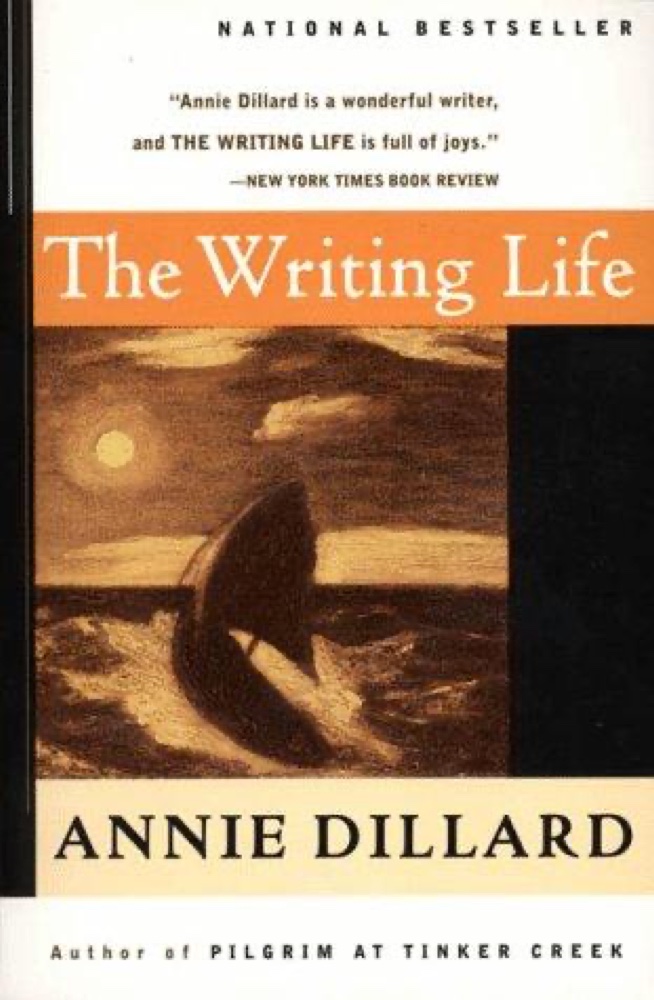 The Writing Life
 Still Writing: The Perils and Pleasures of a Creative Life
 Becoming a Writer
 How to Write an Autobiographical Novel
 No Plot? No Problem!
 Story Engineering: Character Development, Story Concept, Scene Construction
 The Writing Class
 Zen in the Art of Writing
 If You Want to Write: A Book about Art, Independence and Spirit
 The Sense of Style: The Thinking Person's Guide to Writing in the 21st Century
 APE: Author, Publisher, Entrepreneur. How to Publish a Book
 Several Short Sentences About Writing
 The Art of Fiction: Notes on Craft for Young Writers
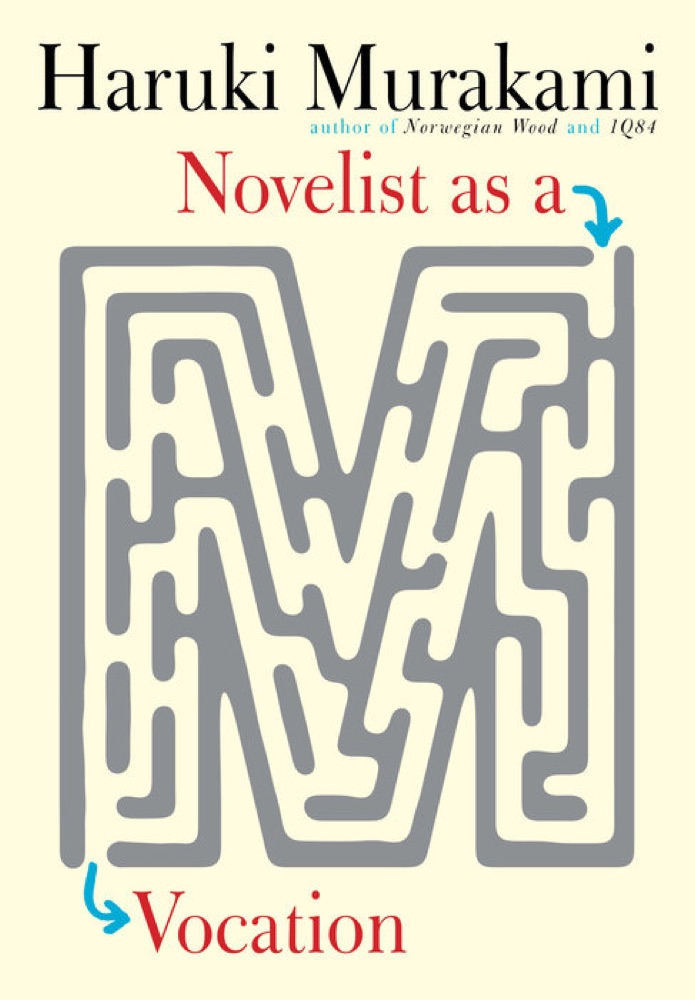 Novelist as a Vocation
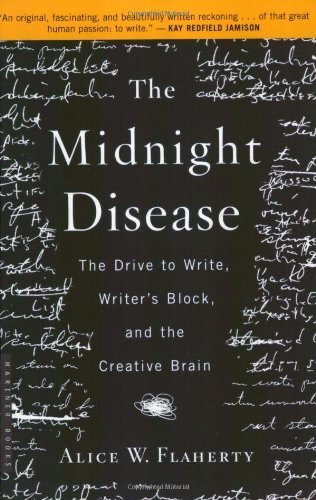 The Midnight Disease: The Drive to Write, Writer's Block, and the Creative Brain
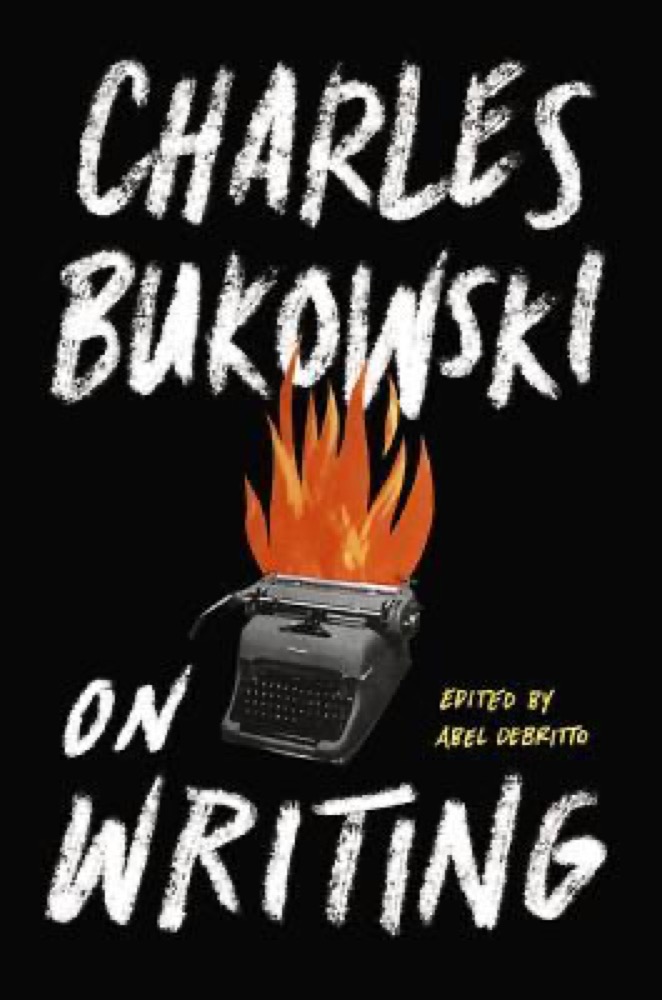 On Writing
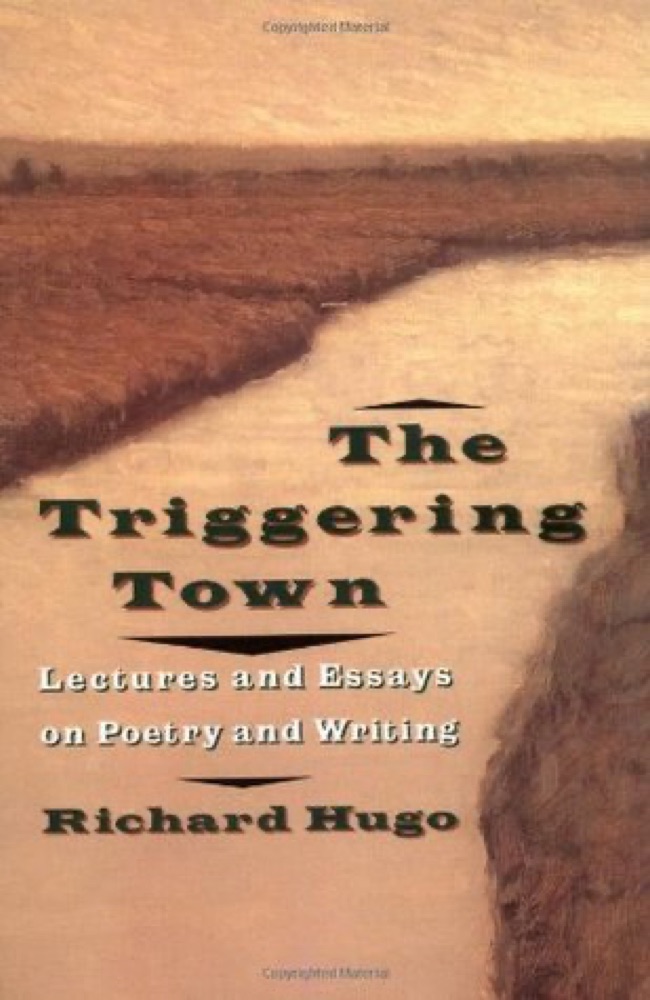 The Triggering Town: Lectures and Essays on Poetry and Writing
 Everyone on This Train Is a Suspect
 Negotiating with the Dead: A Writer on Writing
 The Ghost Writer
 Writing Tools: 50 Essential Strategies for Every Writer
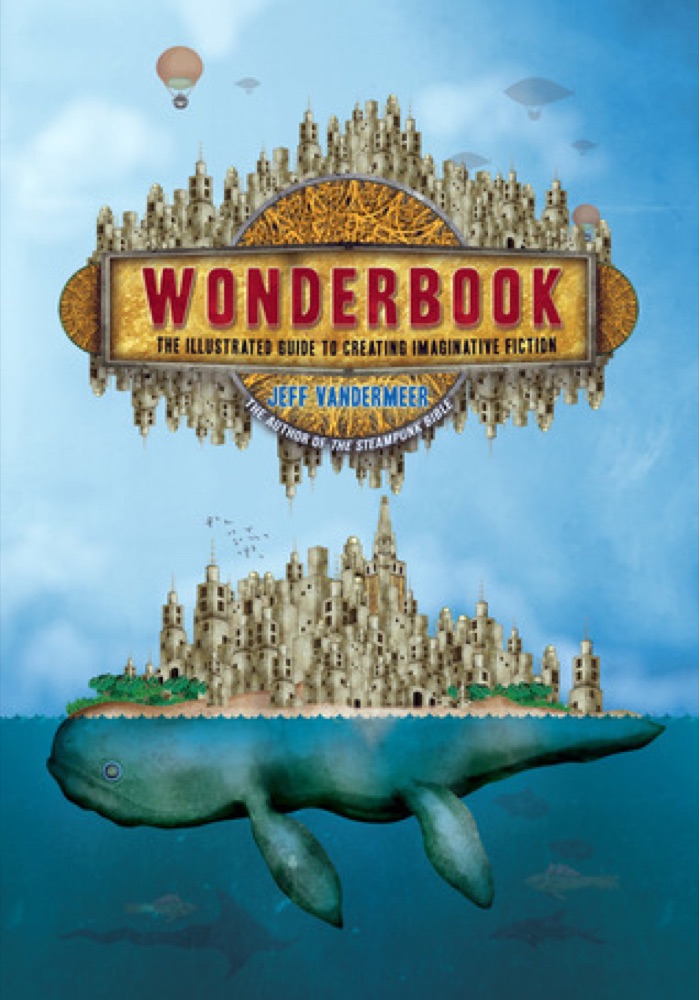 Wonderbook: The Illustrated Guide to Creating Imaginative Fiction
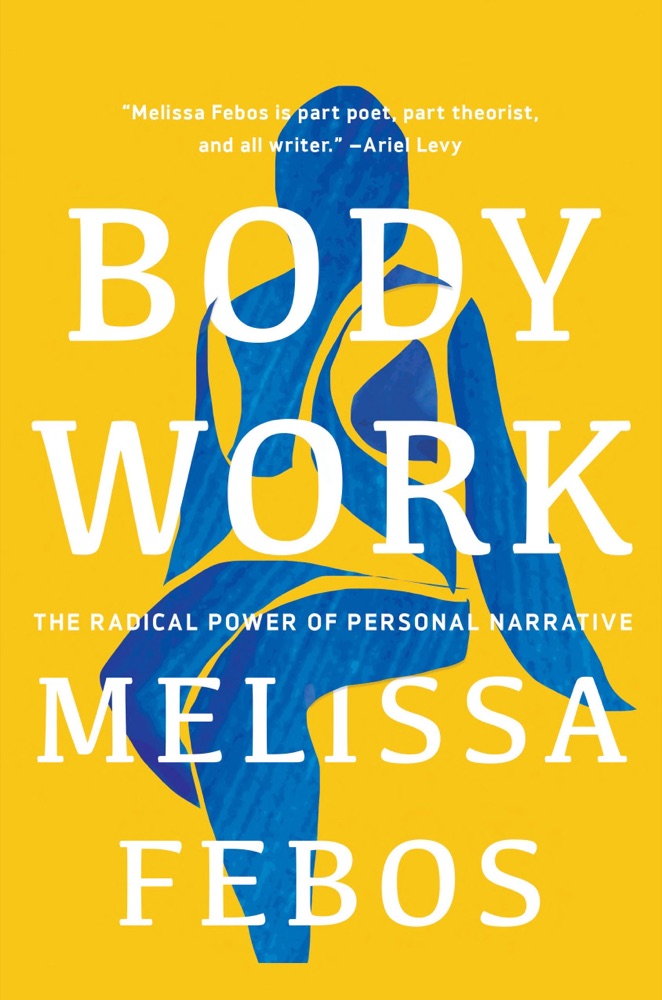 Body Work: The Radical Power of Personal Narrative
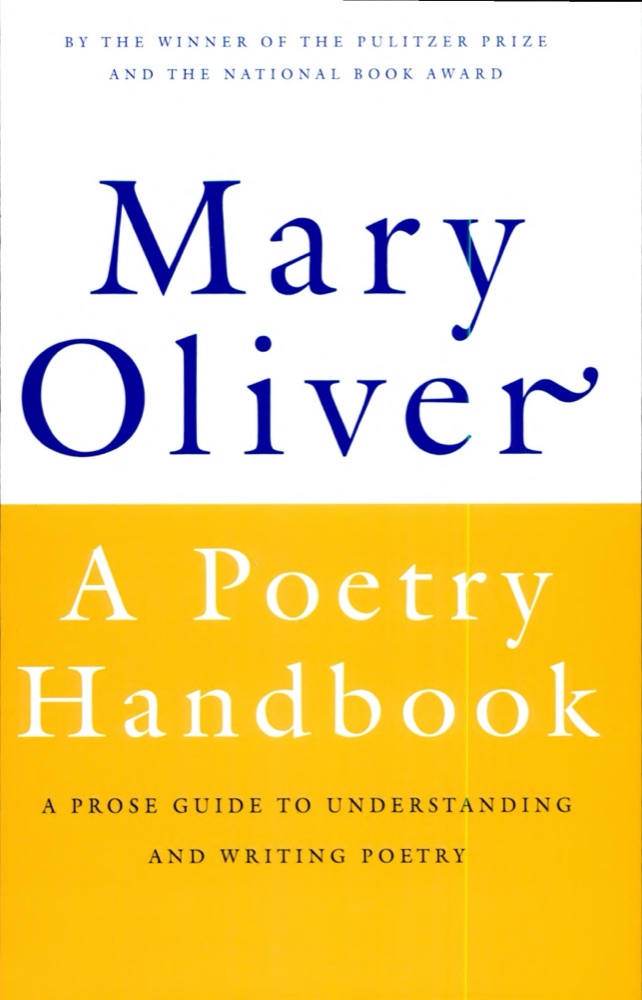 A Poetry Handbook
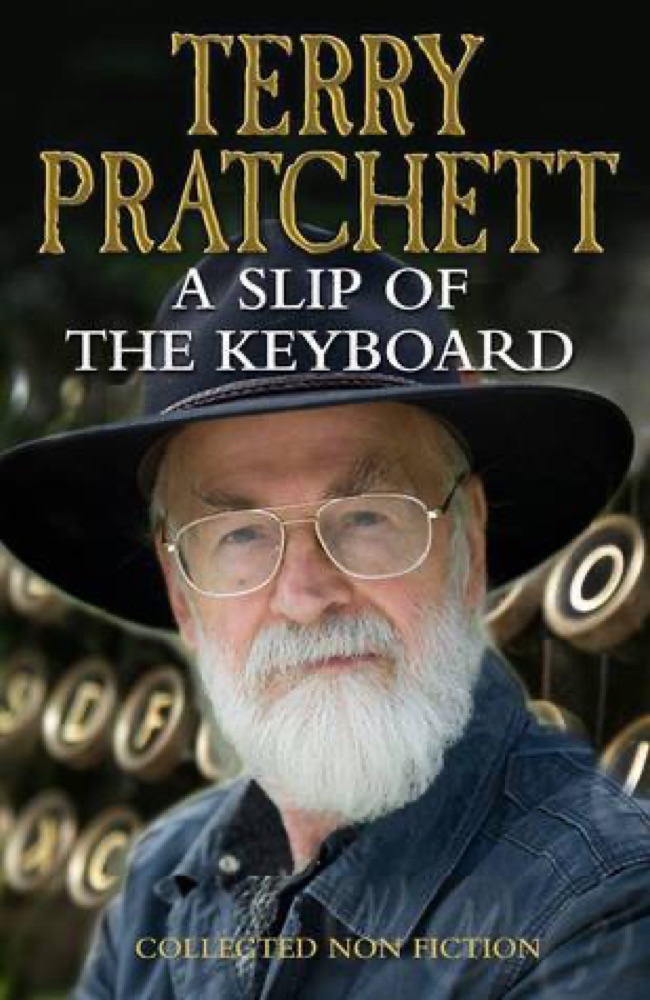 A Slip of the Keyboard: Collected Non-Fiction
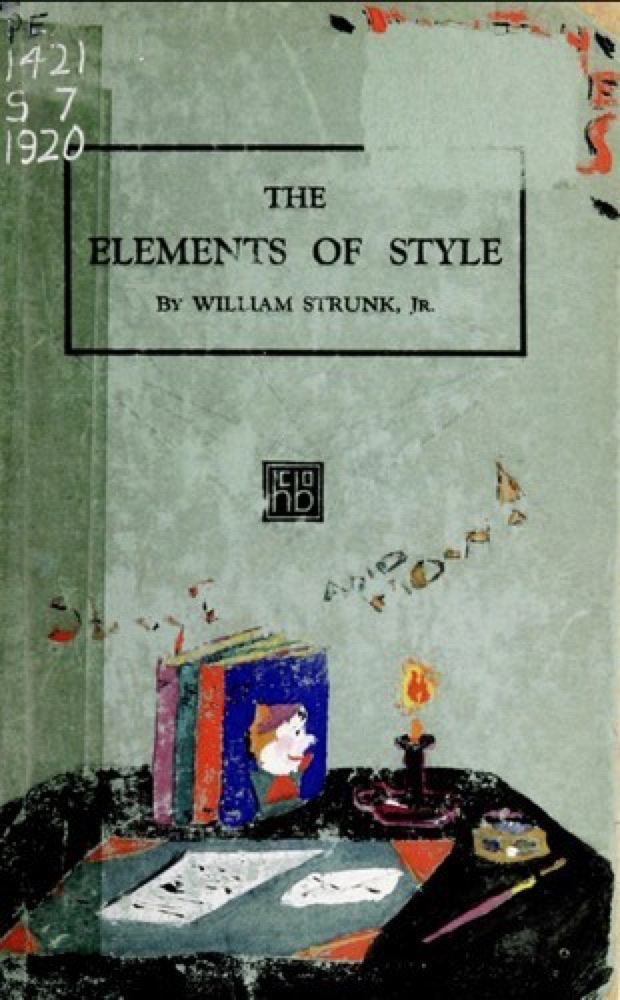 The Elements of Style
 Stranger than Fiction
 Sin and Syntax: How to Craft Wickedly Effective Prose
 Death in the Afternoon
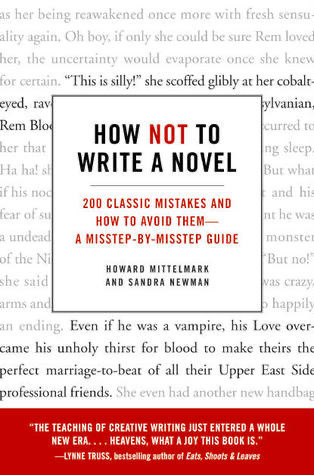 How Not to Write a Novel: 200 Classic Mistakes and How to Avoid Them—A Misstep-by-Misstep Guide
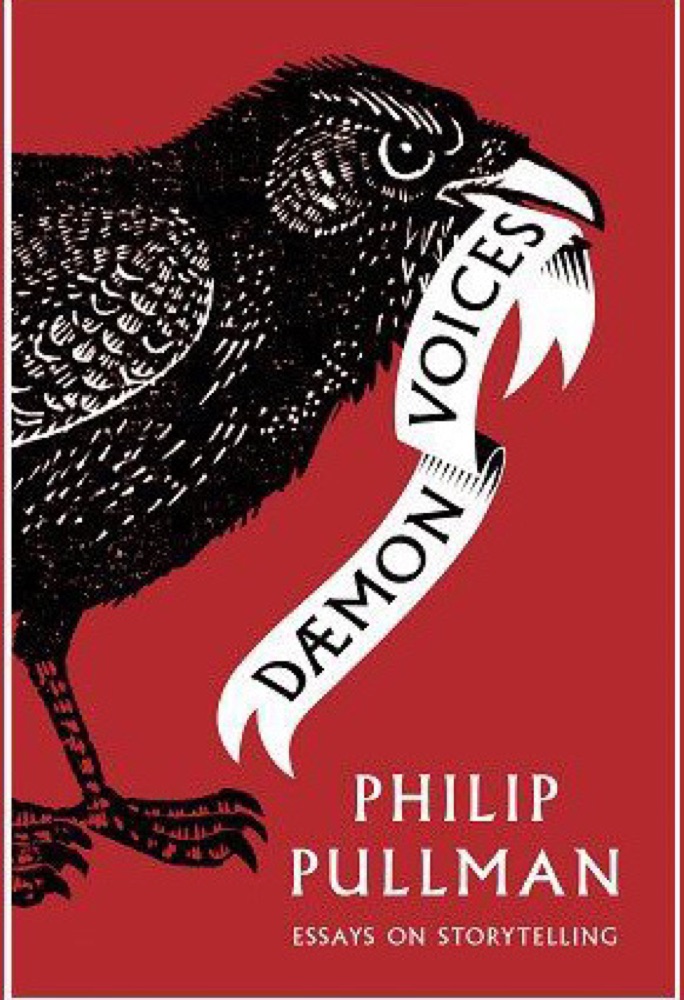 Dæmon Voices
 Reality Hunger: A Manifesto
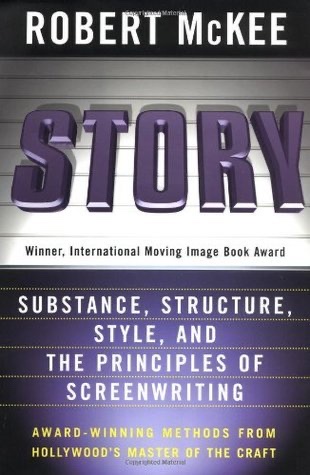 Story: Substance, Structure, Style, and the Principles of Screenwriting
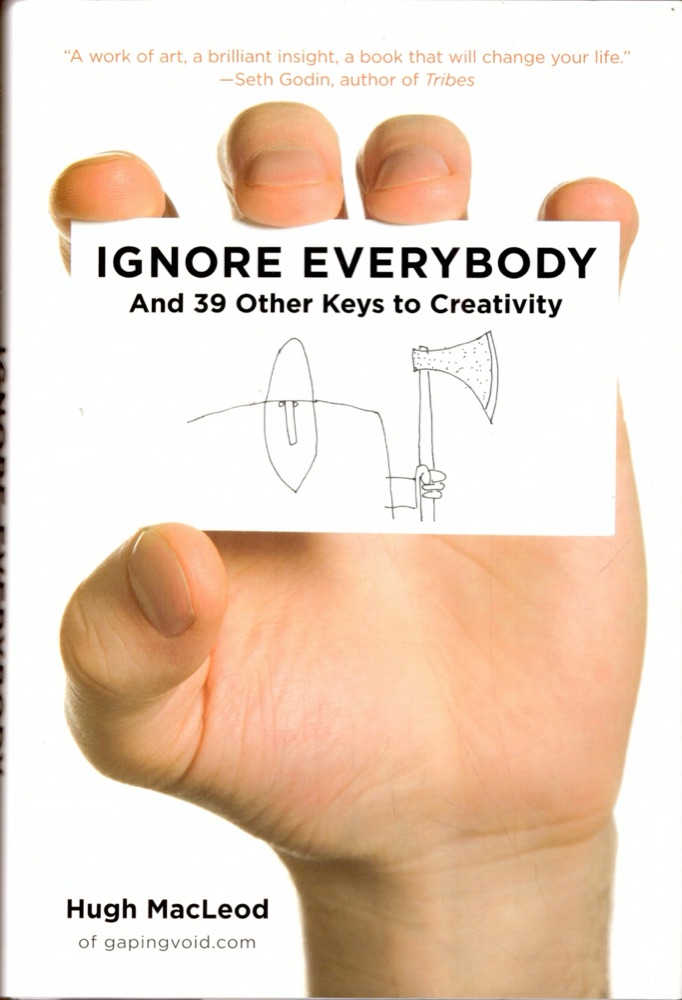 Ignore Everybody: and 39 Other Keys to Creativity
 Writing Magic: Creating Stories that Fly
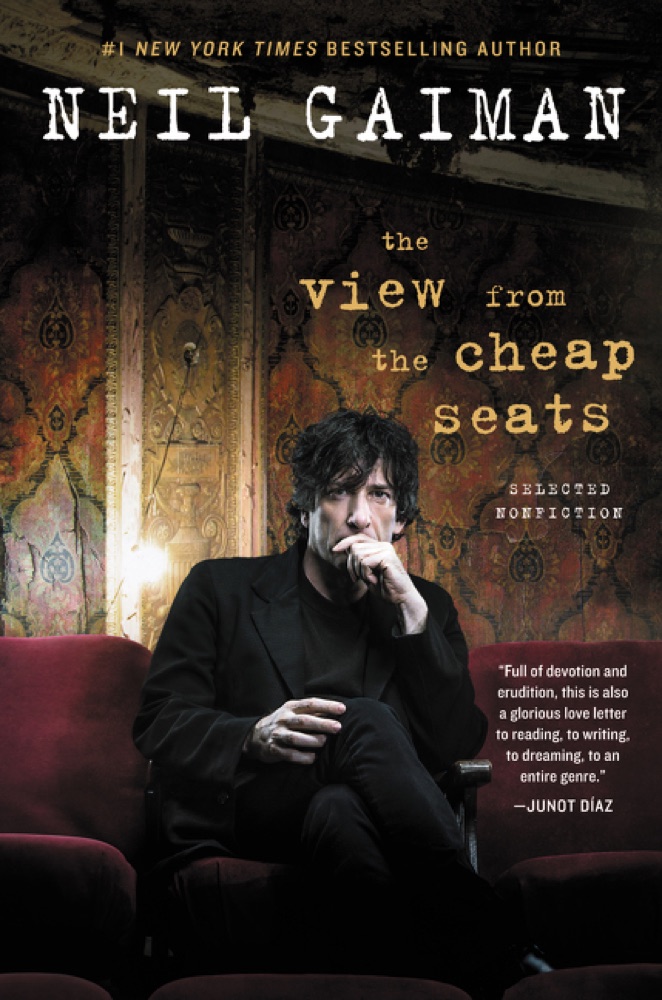 The View from the Cheap Seats: Selected Nonfiction
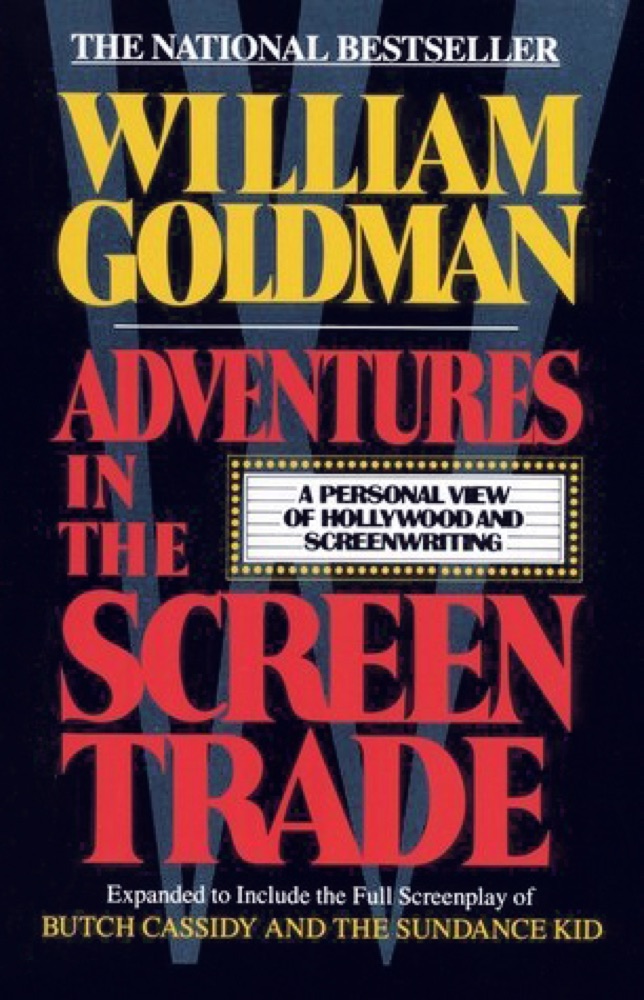 Adventures in the Screen Trade
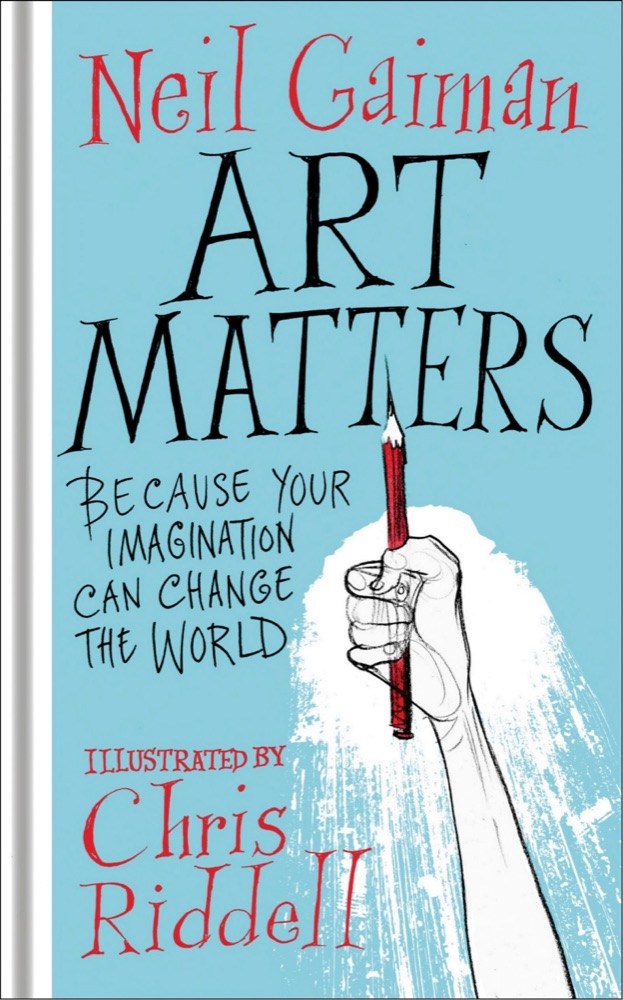 Art Matters: Because Your Imagination Can Change the World
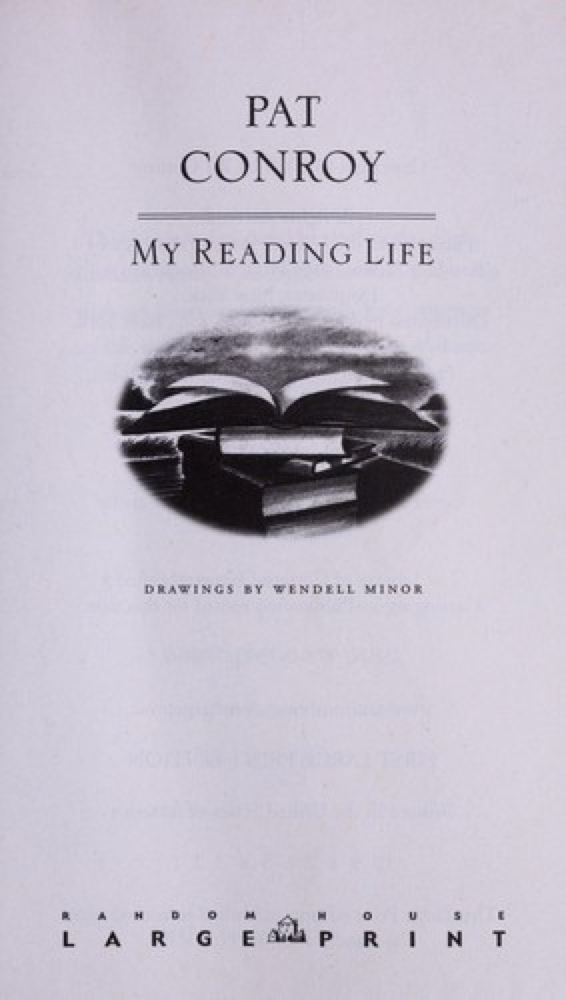 My Reading Life
 Let Me Tell You What I Mean
 The Well of Lost Plots
 Storyworthy: Engage, Teach, Persuade, and Change Your Life through the Power of Storytelling
 Old School
 Story Genius: How to Use Brain Science to Go Beyond Outlining and Write a Riveting Novel
 Flaubert's Parrot
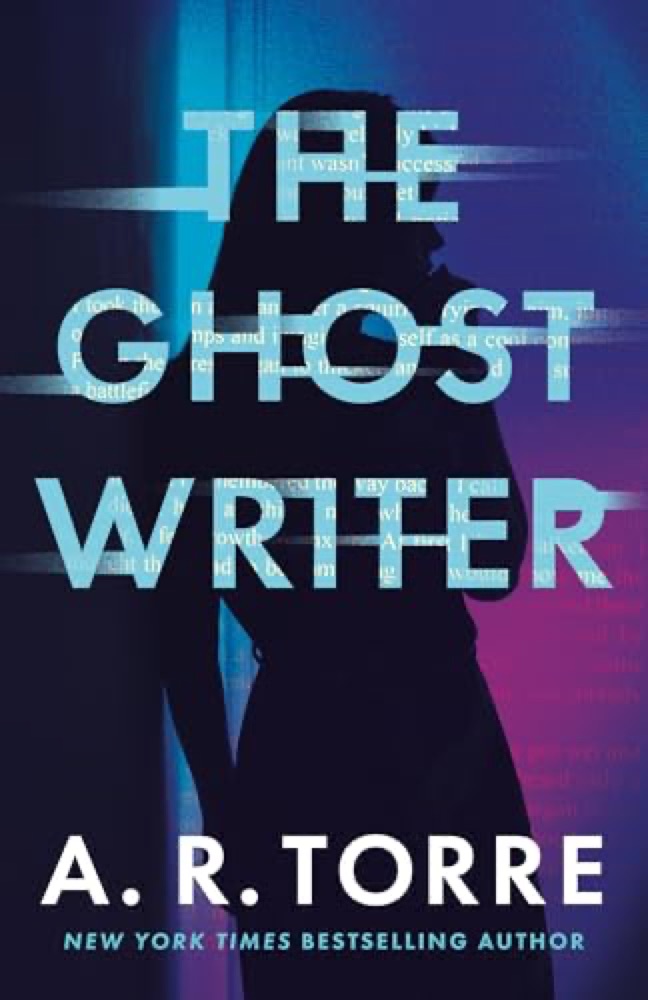 The Ghostwriter
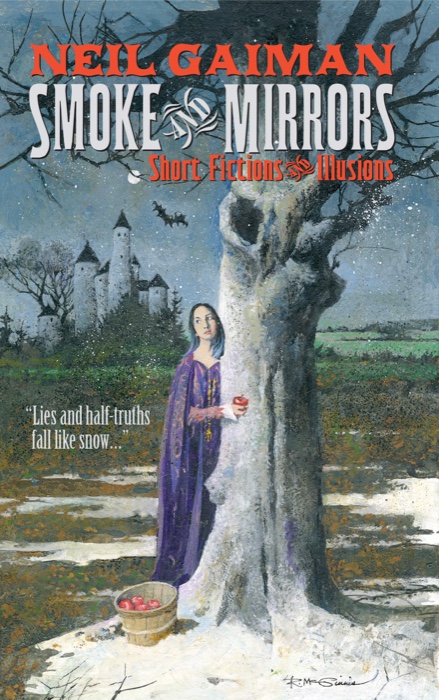 Smoke and Mirrors: Short Fiction and Illusions
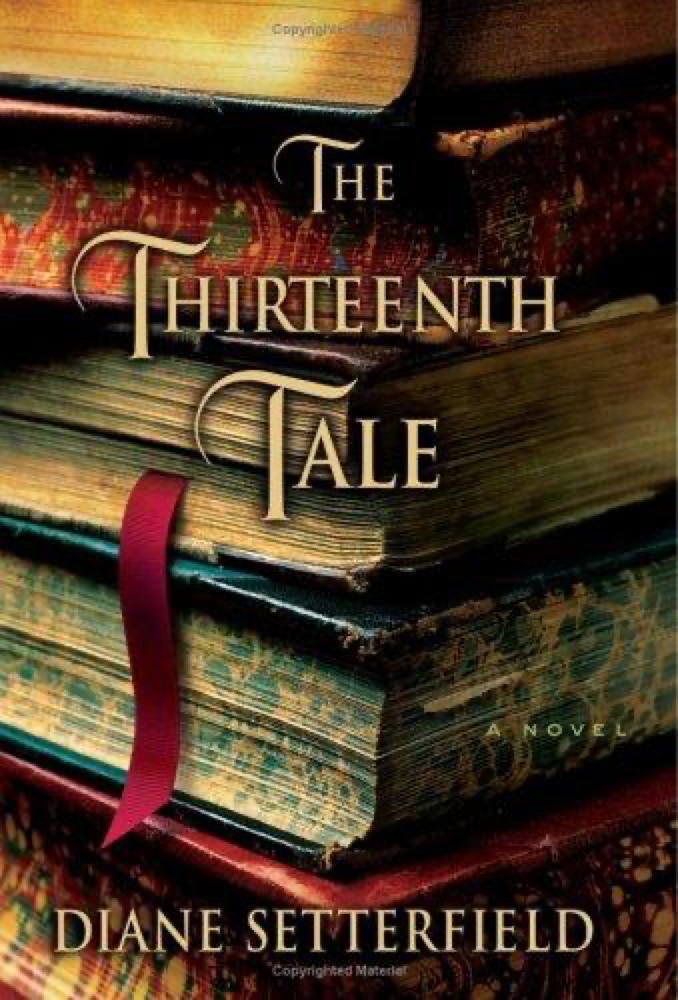 The Thirteenth Tale
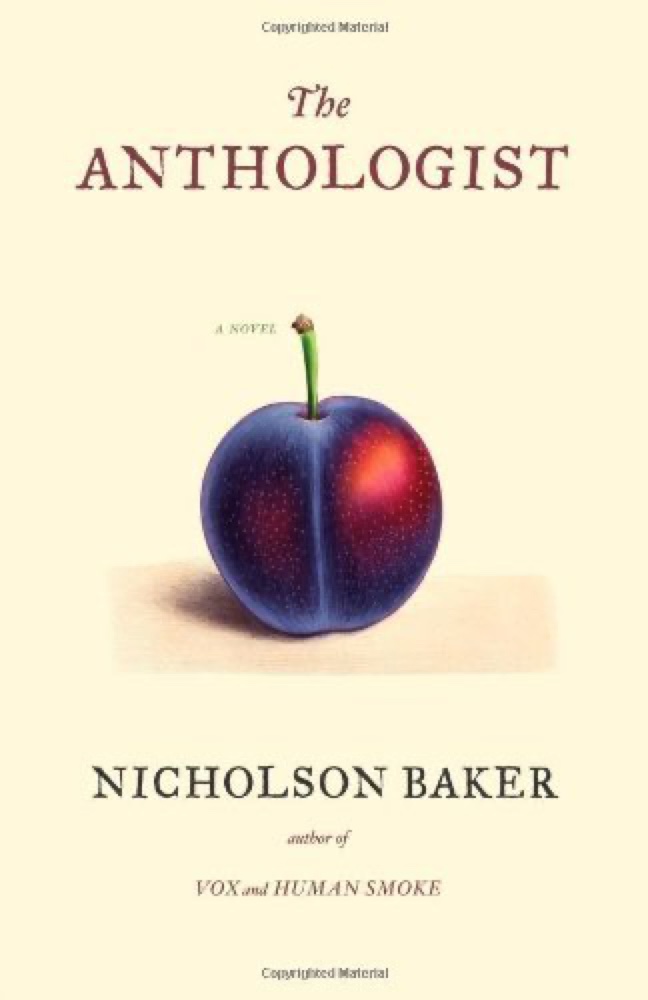 The Anthologist
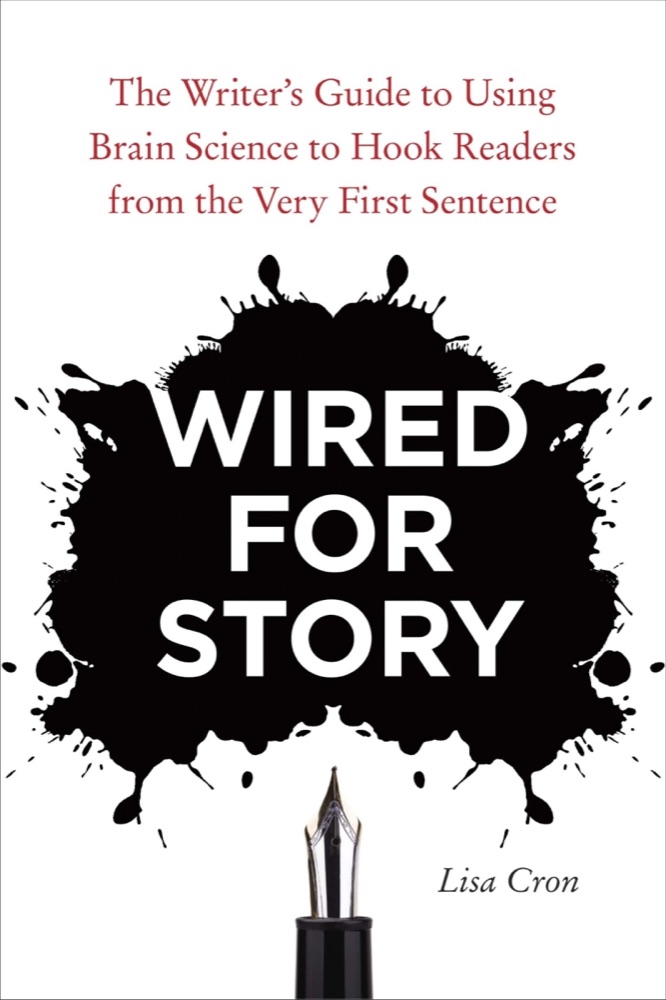 Wired for Story: The Writer's Guide to Using Brain Science to Hook Readers from the Very First Sentence