
 Dandelion Wine
Quotes from the Book
You must stay drunk on writing so reality cannot destroy you.
I have never listened to anyone who criticized my taste in space travel, sideshows or gorillas. When this occurs, I pack up my dinosaurs and leave the room.
Every morning I jump out of bed and step on a landmine. The landmine is me. After the explosion, I spend the rest of the day putting the pieces together.
That's the great secret of creativity. You treat ideas like cats: you make them follow you.
You grow ravenous. You run fevers. You know exhilarations. You can't sleep at night, because your beast-creature ideas want out and turn you in your bed. It is a grand way to live.
Plot is no more than footprints left in the snow after your characters have run by on their way to incredible destinations.
What are the best things and the worst things in your life, and when are you going to get around to whispering or shouting them?
And what, you ask, does writing teach us? First and foremost, it reminds us that we are alive and that it is a gift and a privilege, not a right.
We must take arms each and every day, perhaps knowing that the battle cannot be entirely won, but fight we must, if only a gentle bout. The smallest effort to win means, at the end of each day, a sort of victory. Remember that pianist who said that if he did not pratice every day he would know, if he did not practice for two days, the critics would know, after three days, his audiences would know. A variation of this is true for writers. Not that your style, whatever that is, would melt out of shape in those few days. But what would happen is that the world would catch up with and try to sicken you. If you did not write every day, the poisons would accumulate and you would begin to die, or act crazy, or both.
We have our Arts so we won't die of Truth
Writing is supposed to be difficult, agonizing, a dreadful exercise, a terrible occupation.
In your reading, find books to improve your color sense, your sense of shape and size in the world.
Read poetry every day of your life. Poetry is good because it flexes muscles you don’t use often enough. Poetry expands the senses and keeps them in prime condition. It keeps you aware of your nose, your eye, your ear, your tongue, your hand. And, above all, poetry is compacted metaphor or simile. Such metaphors, like Japanese paper flowers, may expand outward into gigantic shapes. Ideas lie everywhere through the poetry books, yet how rarely have I heard short story teachers recommending them for browsing. What poetry? Any poetry that makes your hair stand up along your arms. Don’t force yourself too hard. Take it easy. Over the years you may catch up to, move even with, and pass T. S. Eliot on your way to other pastures. You say you don’t understand Dylan Thomas? Yes, but your ganglion does, and your secret wits, and all your unborn children. Read him, as you can read a horse with your eyes, set free and charging over an endless green meadow on a windy day.
Ours is a culture and a time immensely rich in trash as it is in treasures.
Life is like underwear, should be changed twice a day.
Now that I have you thoroughly confused, let me pause to hear your own dismayed cry.
And metaphors like cats behind your smile, Each one wound up to purr, each one a pride, Each one a fine gold beast you've hid inside (...)
We need our Arts to teach us how to breathe
We never sit anything out. We are cups, quietly and constantly being filled. The trick is knowing how to tip ourselves over and let the beautiful stuff out.
This afternoon, burn down the house. Tomorrow, pour critical water upon the simmering coals. Time enough to think and cut and rewrite tomorrow. But today-explode-fly-apart-disintegrate! The other six or seven drafts are going to be pure torture. So why not enjoy the first draft, in the hope that your joy will seek and find others in the world who, by reading your story, will catch fire, too?
Think of Shakespeare and Melville and you think of thunder, lightning, wind. They all knew the joy of creating in large or small forms, on unlimited or restricted canvases. These are the children of the gods.
I came on the old and best ways of writing through ignorance and experiment and was startled when truths leaped out of brushes like quail before gunshot.
Who are your friends? Do they believe in you? Or do they stunt your growth with ridicule and disbelief? If the latter, you haven't friends. Go find some.
It is a lie to write in such way as to be rewarded by fame offered you by some snobbish quasi-literary groups in the intellectual gazettes.
We all are rich and ignore the buried fact of accumulated wisdom.
What is the greatest reward a writer can have? Isn't it that day when someone rushes up to you, his face bursting with honesty, his eyes afire with admiration and cries, "That new story of yours was fine, really wonderful!
Through neglect, ignorance, or inability, the new intellectual Borgias cram hairballs down our throats and refuse us the convulsion that could make us well. They have forgotten, if they ever knew, the ancient knowledge that only by being truly sick can one regain health. Even beasts know when it is good and proper to throw up. Teach me how to be sick then, in the right time and place, so that I may again walk in the fields and with the wise and smiling dogs know enough to chew sweet grass.
If you have moved over vast territories and dared to love silly things, you will have learned even from the most primitive items collected and put aside in your life.
If you did not write every day, the poisons would accumulate and you would begin to die, or act crazy, or both. You must stay drunk on writing so reality cannot destroy you.
Watch on YouTube
About Ray Bradbury
We have collected 324 quotes from 17 books by Ray Bradbury on BookQuoters.
More about the author →More by Ray Bradbury
Dandelion Wine
 Bradbury Stories: 100 of His Most Celebrated Tales
 The Illustrated Man
 The October Country
About the book
"Every morning I jump out of bed and step on a land mine. The land mine is me. After the explosion, I spend the rest of the day putting the pieces back together. Now, it's your turn. Jump!"
Zest. Gusto. Curiosity. These are the qualities every writer must have, as well as a spirit of adventure. In this exuberant book, the incomparable Ray Bradbury shares the wisdom, experience, and excitement of a lifetime of writing. Here are practical tips on the art of writing from a master of the craft—everything from finding original ideas to developing your own voice and style—as well as the inside story of Bradbury's own remarkable career as a prolific author of novels, stories, poems, films, and plays.
Zen in the Art of Writing is more than just a how-to manual for the would-be writer: it is a celebration of the act of writing itself that will delight, impassion, and inspire the writer in y
Book details
- First published
- 1973
- Author
- Ray Bradbury
- Genre
- Nonfiction
- Goodreads rating
- 4.08 (22k ratings)
Keep reading
 Bird by Bird
 The Writing Life
 If You Want to Write: A Book about Art, Independence and Spirit
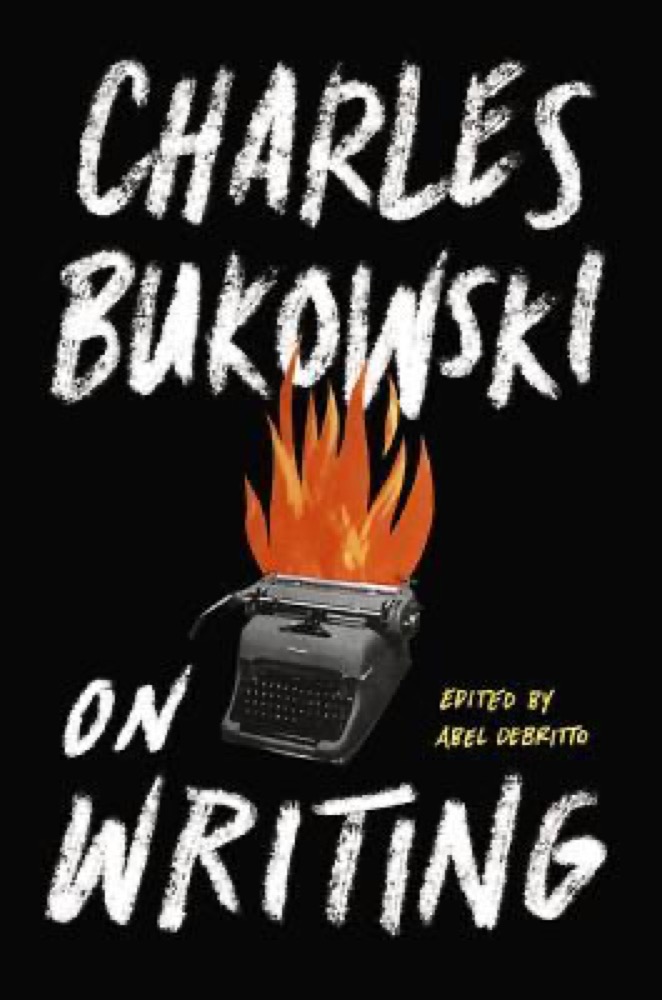 On Writing
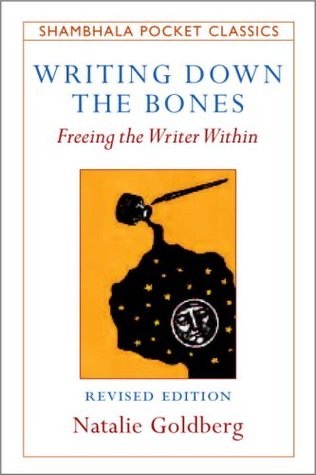 Writing Down the Bones: Freeing the Writer Within
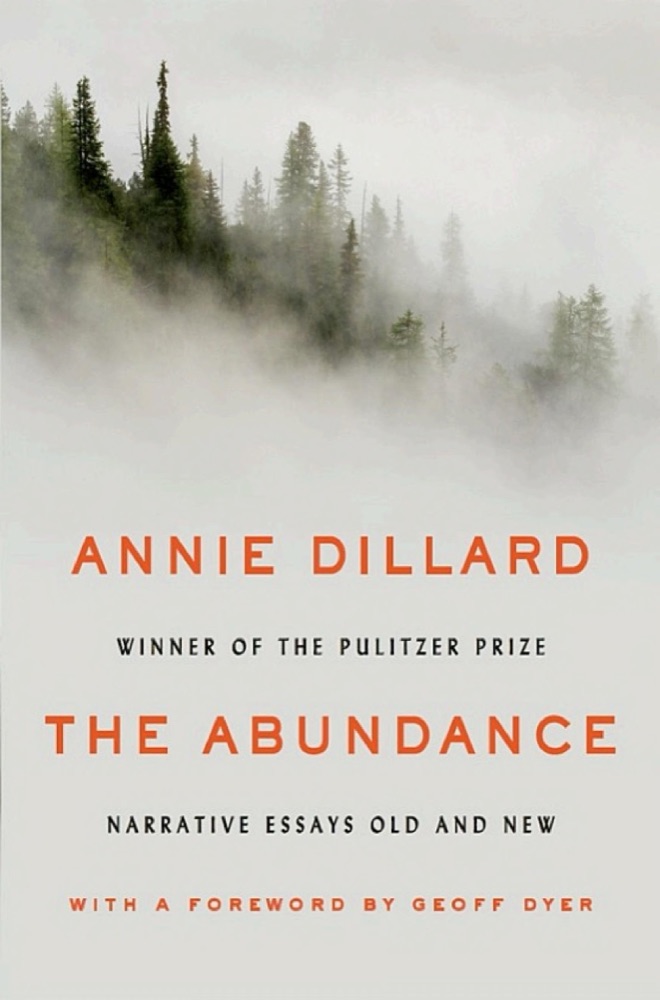 The Abundance
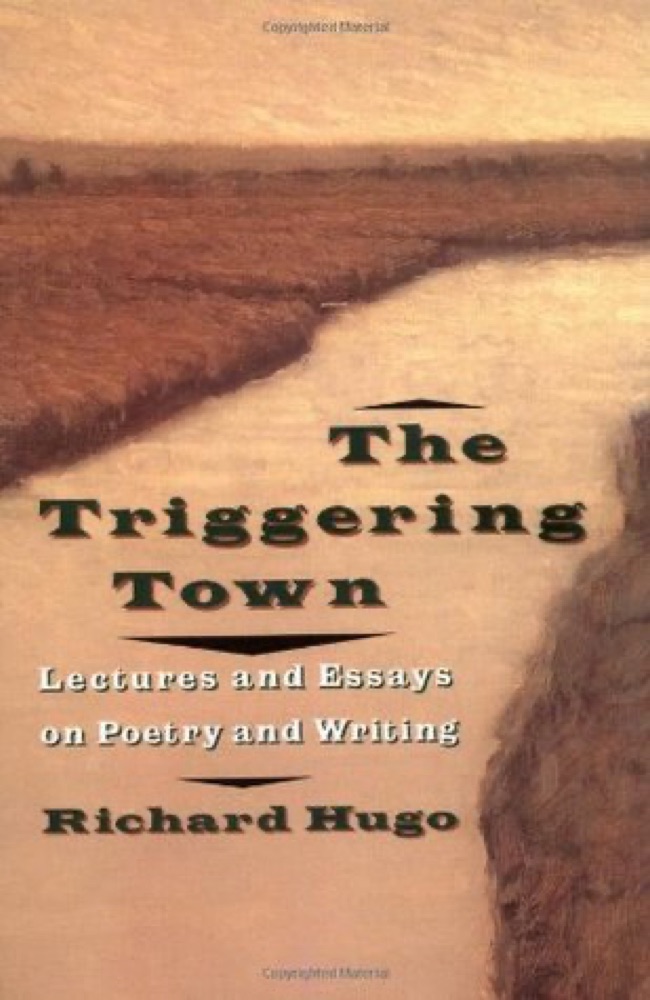 The Triggering Town: Lectures and Essays on Poetry and Writing
 The Ghost Writer
 On Writing: A Memoir of the Craft
 The Anthologist
 The Getaway Car: A Practical Memoir About Writing and Life
 How to Write an Autobiographical Novel
 Consider This: Moments in My Writing Life After Which Everything Was Different
 Still Writing: The Perils and Pleasures of a Creative Life
 Poison for Breakfast
 The Creative Habit: Learn It and Use It for Life
 A Heartbreaking Work of Staggering Genius
 The Rent Collector
 Blueberries: Essays Concerning Understanding
 The Angel's Game
 Tibetan Peach Pie
 Wild Ducks Flying Backward
 A Writer's Diary
 Hard-Boiled Wonderland and the End of the World
 Betting on the Muse: Poems & Stories
 Big Magic: Creative Living Beyond Fear
 Cat's Cradle
 The Savage Detectives
 Only Dull People Are Brilliant at Breakfast
 Dead Poets Society
 Winter Hours: Prose, Prose Poems, and Poems
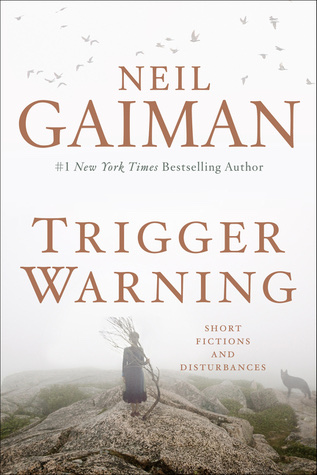 Trigger Warning: Short Fictions and Disturbances
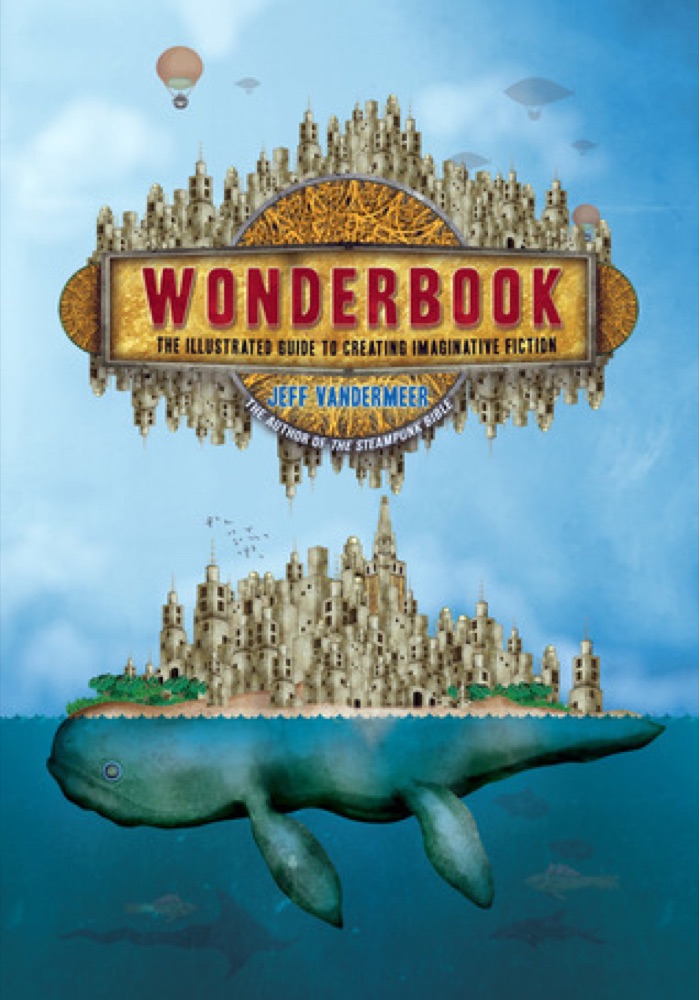 Wonderbook: The Illustrated Guide to Creating Imaginative Fiction
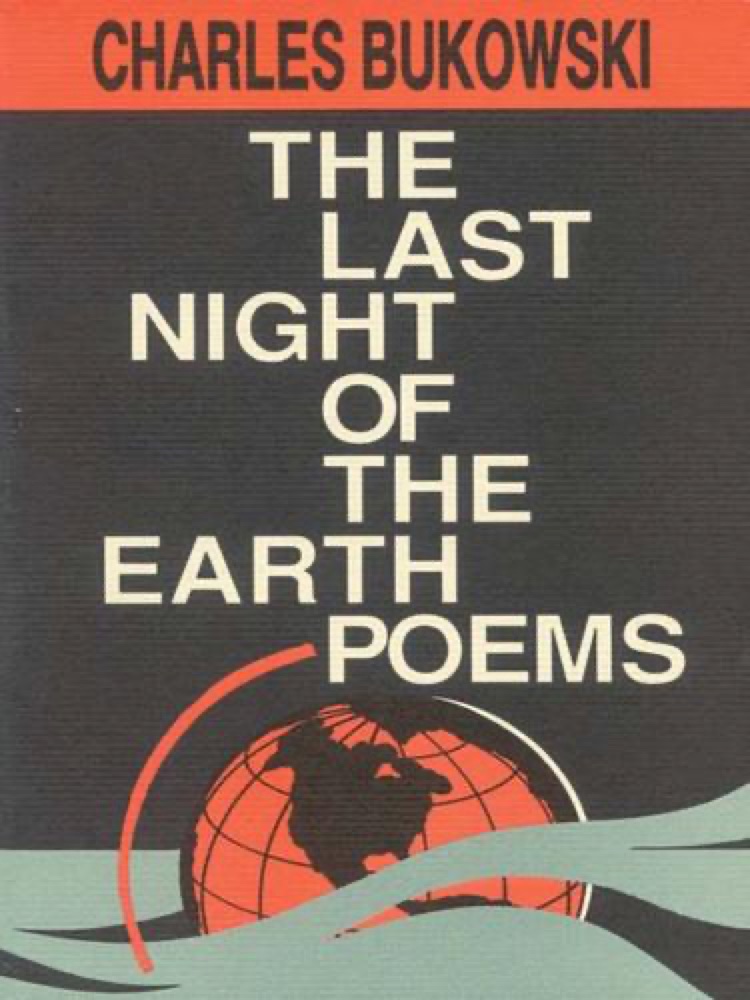 The Last Night of the Earth Poems
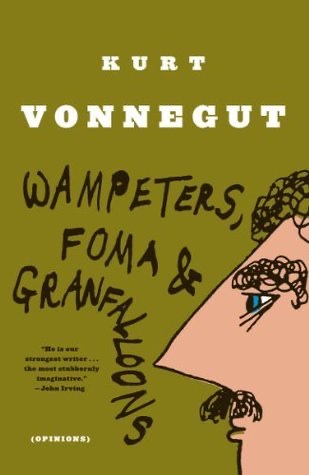 Wampeters, Foma and Granfalloons
 Art Matters: Because Your Imagination Can Change the World
 These Precious Days: Essays
 Smoke and Mirrors: Short Fiction and Illusions
 The Artist's Way
 A Slip of the Keyboard: Collected Non-Fiction
 Flaubert's Parrot
 The Book of Form and Emptiness
 Old School
 Mao II
 If This Isn't Nice, What Is?: Advice for the Young
 On Writing
 Embrace Your Weird: Face Your Fears and Unleash Creativity
 My Reading Life
 Fahrenheit 451
 We Took to the Woods
 Asymmetry
 The Golden Notebook
 The Book of Dreams
 Ignore Everybody: and 39 Other Keys to Creativity
 The Braindead Megaphone
 Negotiating with the Dead: A Writer on Writing
 The Diary of Anaïs Nin, Vol. 1: 1931-1934
 The Letters of Vincent van Gogh
 Like Streams to the Ocean: Notes on Ego, Love, and the Things That Make Us Who We Are
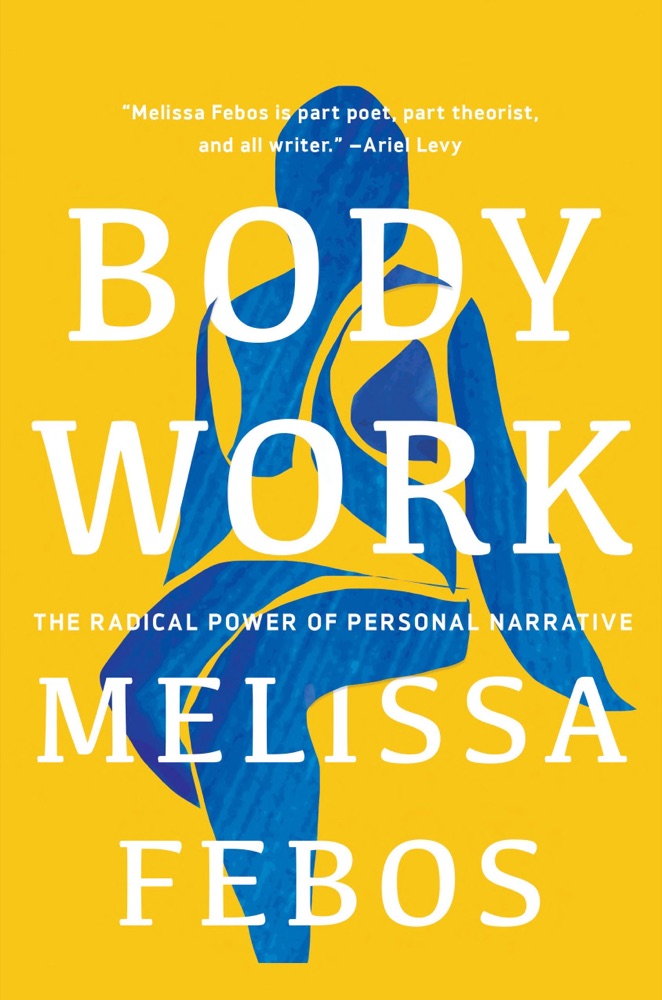 Body Work: The Radical Power of Personal Narrative