 What We Talk About When We Talk About Love
Quotes from the Book
If we're lucky, writer and reader alike, we'll finish the last line or two of a short story and then just sit for a minute, quietly. Ideally, we'll ponder what we've just written or read; maybe our hearts or intellects will have been moved off the peg just a little from where they were before. Our body temperature will have gone up, or down, by a degree. Then, breathing evenly and steadily once more, we'll collect ourselves, writers and readers alike, get up, "created of warm blood and nerves" as a Chekhov character puts it, and go on to the next thing: Life. Always life.
34
Evan Connell said once that he knew he was finished with a short story when he found himself going through it and taking out commas and then going through the story again and putting the commas back in the same places. I like that way of working on something. I respect that kind of care for what is being done. That's all we have, finally, the words, and they had better be the right ones, with the punctuation in the right places so that they an best say what they are meant to say. If the words are heavy with the writer's own unbridled emotions, or if they are imprecise and inaccurate for some other reason -- if the worlds are in any way blurred -- the reader's eyes will slide right over them and nothing will be achieved. Henry James called this sort of hapless writing 'weak specification'.
23
V.S. Pritchett's definition of a short story is 'something glimpsed from the corner of the eye, in passing.' Notice the 'glimpse' part of this. First the glimpse. Then the glimpse gives life, turned into something that illuminates the moment and may, if we're lucky -- that word again -- have even further ranging consequences and meaning. The short story writer's task is to invest the glimpse with all that is in his power. He'll bring his intelligence and literary skill to bear (his talent), his sense of proportion and sense of the fitness of things: of how things out there really are and how he sees those things -- like no one else sees them. And this is done through the use of clear and specific language, language used so as to bring to life the details that will light up the story for the reader. For the details to be concrete and convey meaning, the language must be accurate and precisely given. The words can be so precise they may even sound flat, but they can still carry; if used right they can hit all the notes.
15
It was [John Gardner's] conviction that if the words in the story were blurred because of the author's insensitivity, carelessness, or sentimentality, then the story suffered from a tremendous handicap. But there was something even worse and something that must be avoided at all costs: if the words and the sentiments were dishonest, the author was faking it, writing about things he didn't care about or believe in, then nobody could ever care anything about it.
8
I have a three-by-five up there with this fragment of a sentence from a story by Chekhov: “… and suddenly everything became clear to him.” I find these words filled with wonder and possibility. I love their simple clarity, and the hint of revelation that’s implied. There is mystery, too. What has been unclear before? Why is it just now becoming clear? What’s happened? Most of all—what now? There are consequences as a result of such sudden awakenings. I feel a sharp sense of relief—and anticipation.
2
Mia moglie ha l'abitudine di raccontarmi i suoi sogni quando si sveglia. Io le porto il caffè e un bicchiere di succo di frutta e mi siedo accanto al letto mentre lei si sveglia e si scosta i capelli dalla faccia. Ha la solita espressione di quando ci si sveglia, ma anche lo sguardo di chi torna da qualche parte.
Watch on YouTube
About Raymond Carver
We have collected 91 quotes from 6 books by Raymond Carver on BookQuoters.
More about the author →More by Raymond Carver
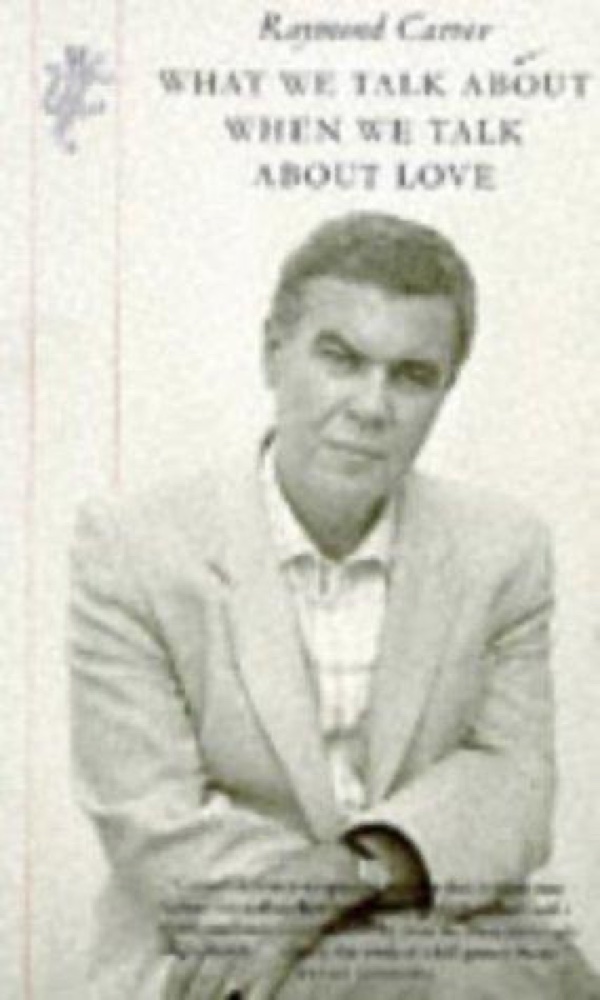
What We Talk About When We Talk About Love
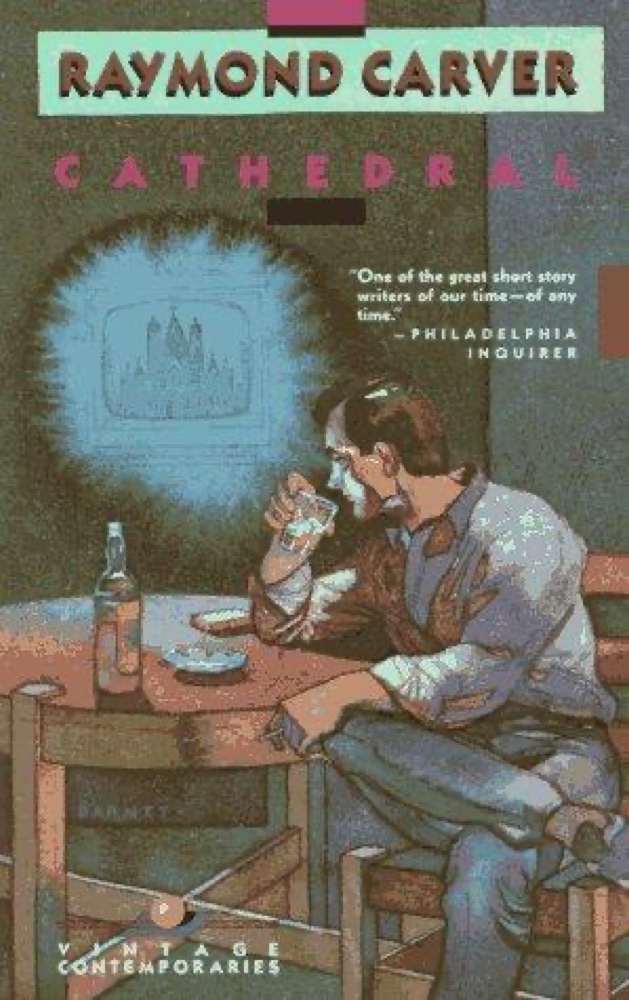 Cathedral
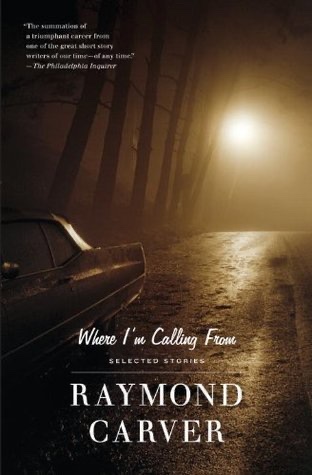 Where I'm Calling From: New and Selected Stories
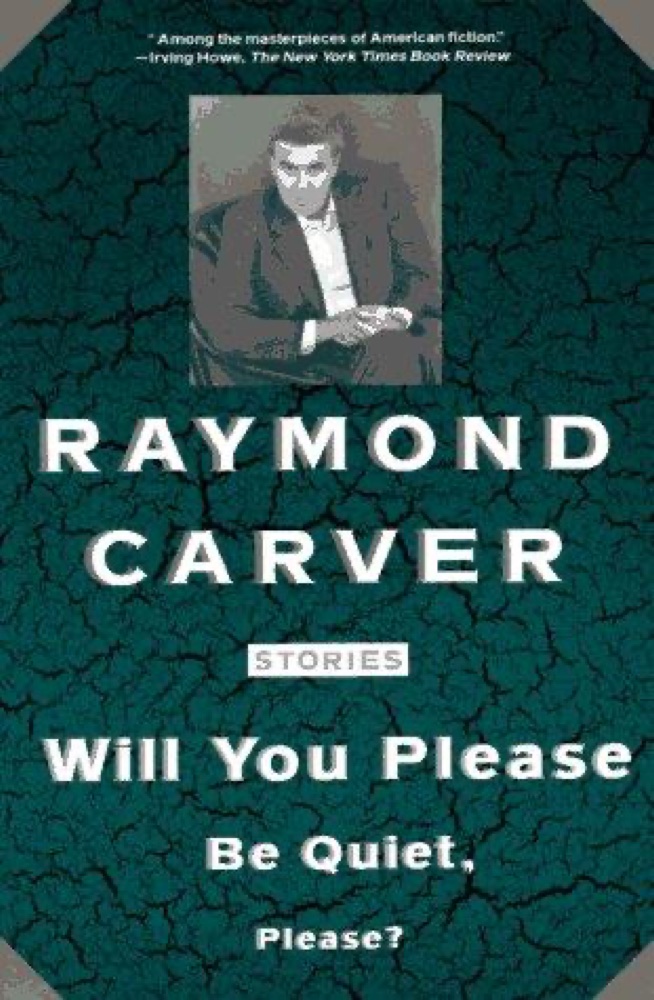 Will You Please Be Quiet, Please?
About the book
Perhaps no other writer of his generation has had more impact on the shape of fiction in the latter decades of the twentieth century than Raymond Carver. From the blue-collar realism of his early writing to his expansive later stories, the cool-eyed intensity and steady witnessing of Carver's work remains an inspiration for readers and writers alike.
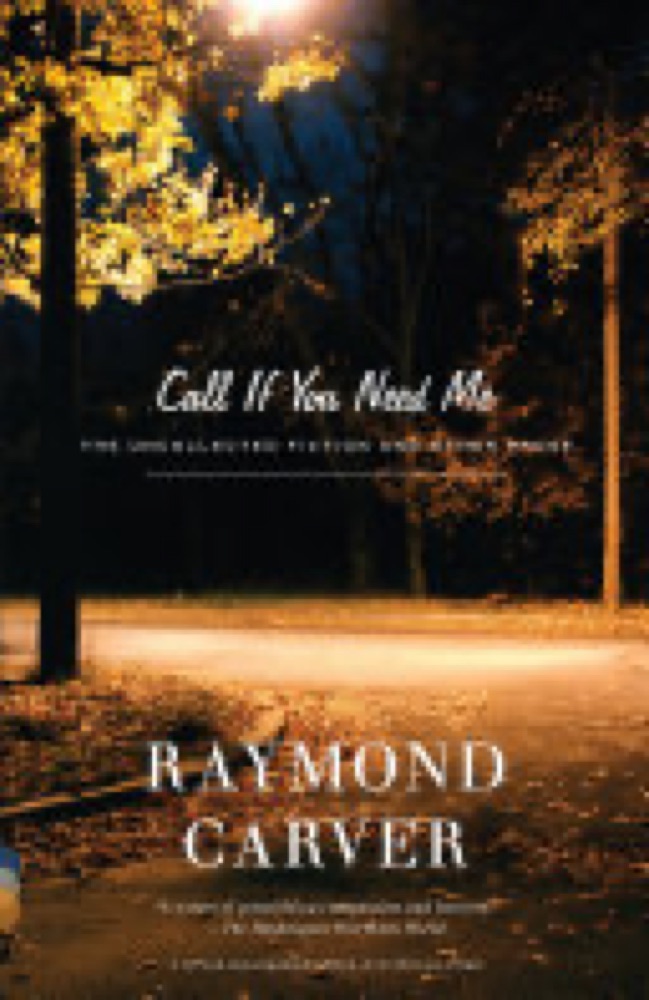
Call If You Need Me traces the arc of Carver's career, not in the widely anthologized stories that have become classics, but through his uncollected fiction and his essays. Here are the five "last stories," discovered a decade after Carver's death. Also here are Carver's first published story, the fragment of an unfinished novel, and all of his nonfiction--from a recollection of his father to reflections on writers as varied as Anton Chekhov and John Gardner, Donald Barthelme and Sherwood Anderson. Call If You Need Me does not merely enha
Book details
- First published
- 2000
- Author
- Raymond Carver
- Genre
- Fiction
- Goodreads rating
- 4.04 (3k ratings)
Keep reading
 On Becoming a Novelist
 Dæmon Voices
 The Art of Fiction: Notes on Craft for Young Writers
 Reading Like a Writer: A Guide for People Who Love Books and for Those Who Want to Write Them
 Mystery and Manners: Occasional Prose
 Becoming a Writer
 How Fiction Works
 Stein on Writing
 How to Write an Autobiographical Novel
 On Writing
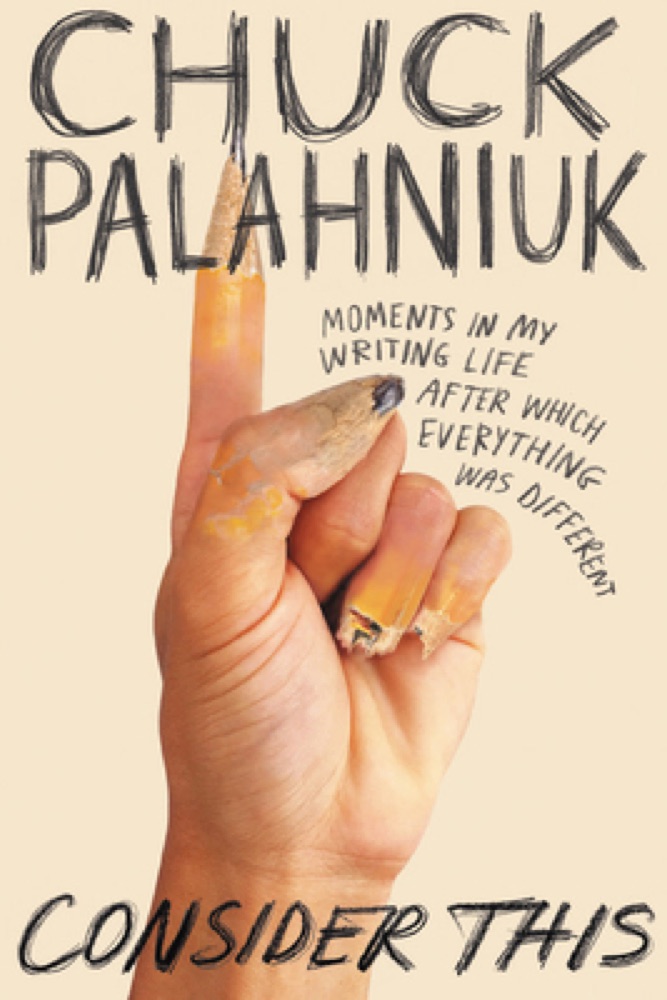 Consider This: Moments in My Writing Life After Which Everything Was Different
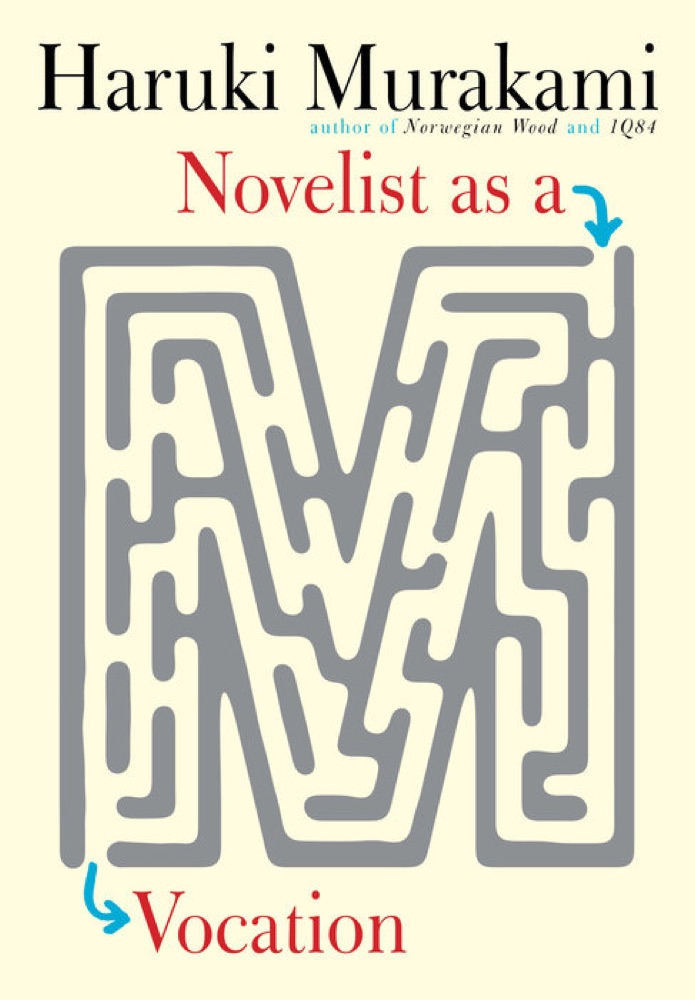 Novelist as a Vocation
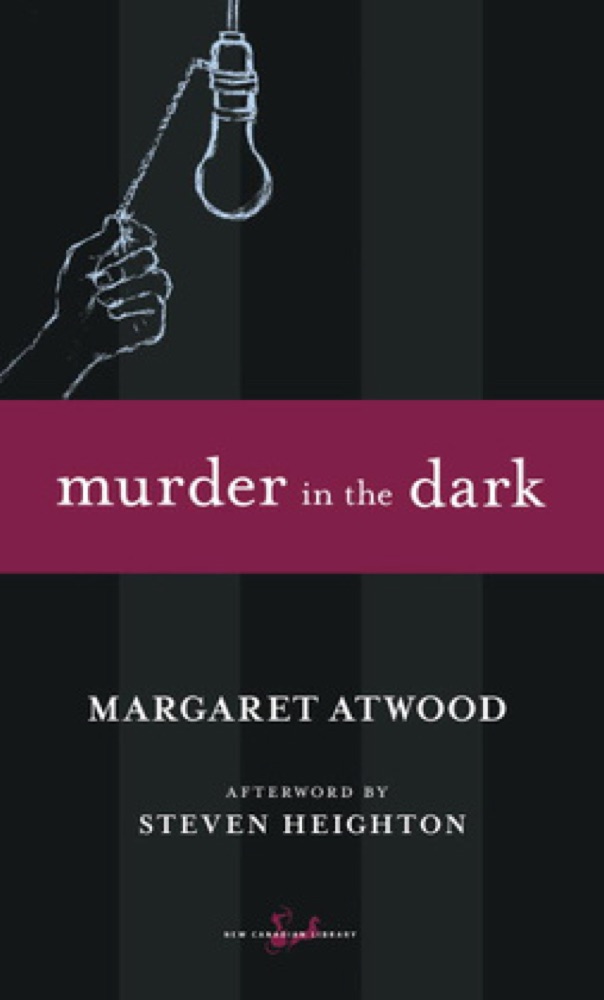 Murder in the Dark: Short Fictions and Prose Poems
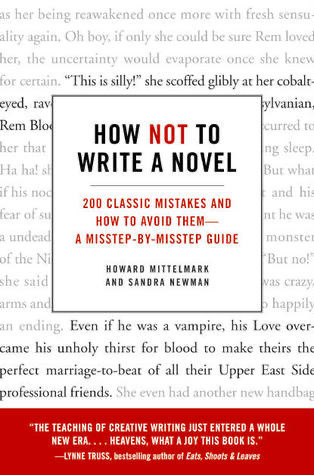 How Not to Write a Novel: 200 Classic Mistakes and How to Avoid Them—A Misstep-by-Misstep Guide
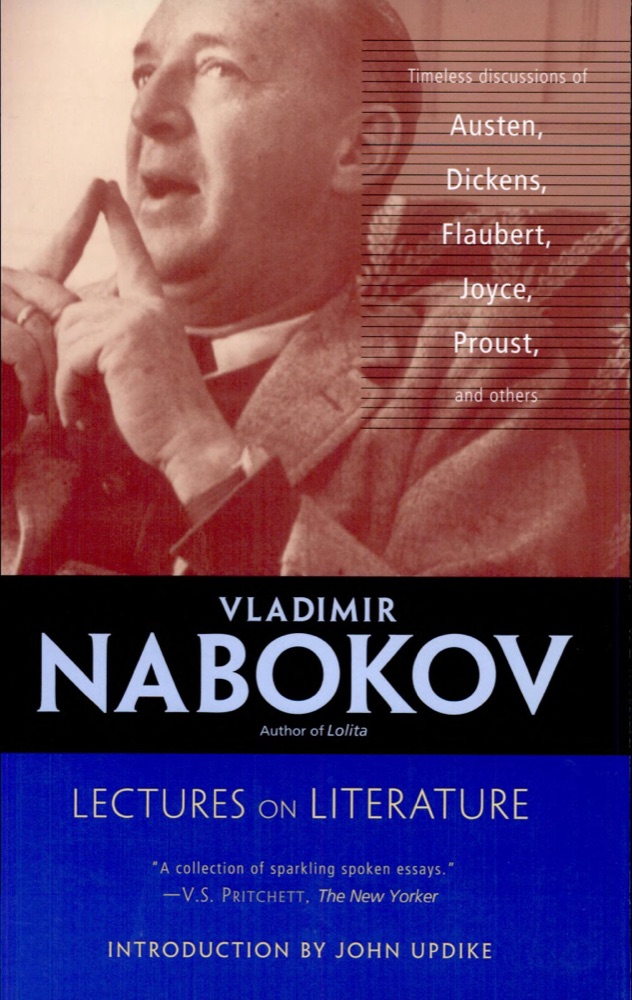 Lectures on Literature
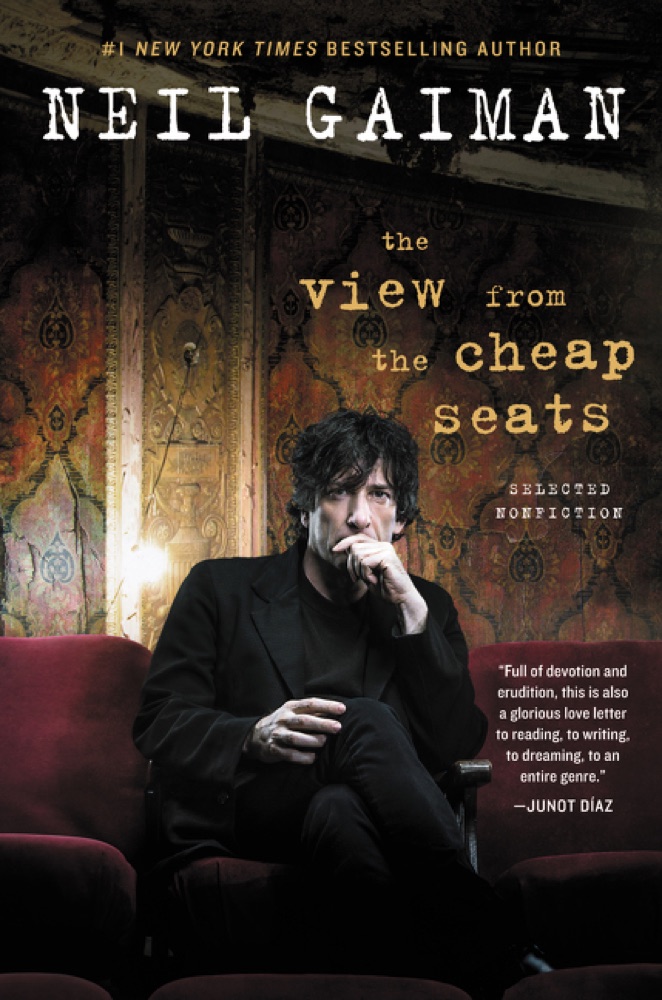 The View from the Cheap Seats: Selected Nonfiction
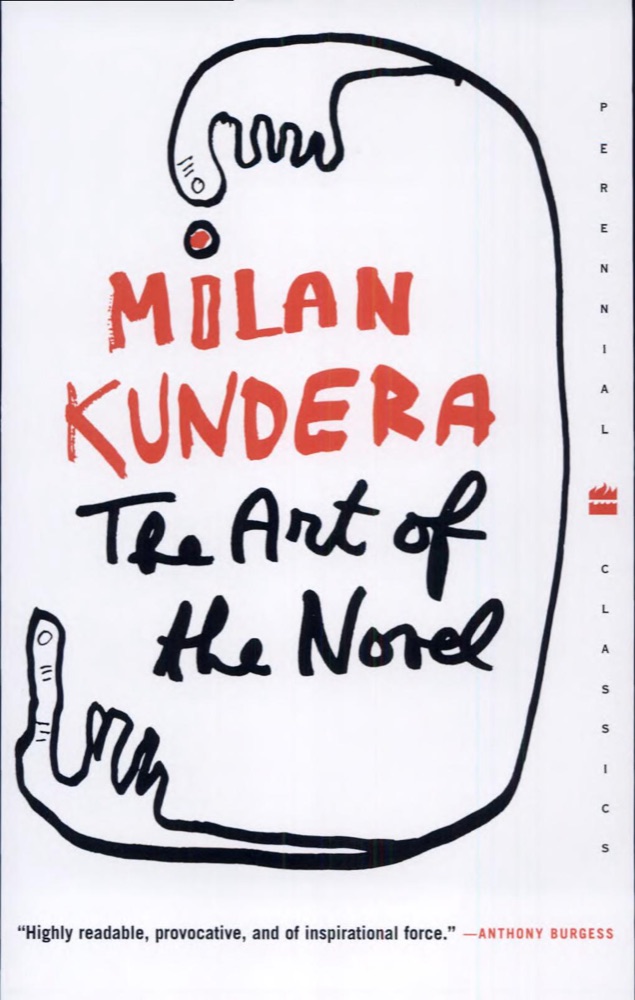 The Art of the Novel
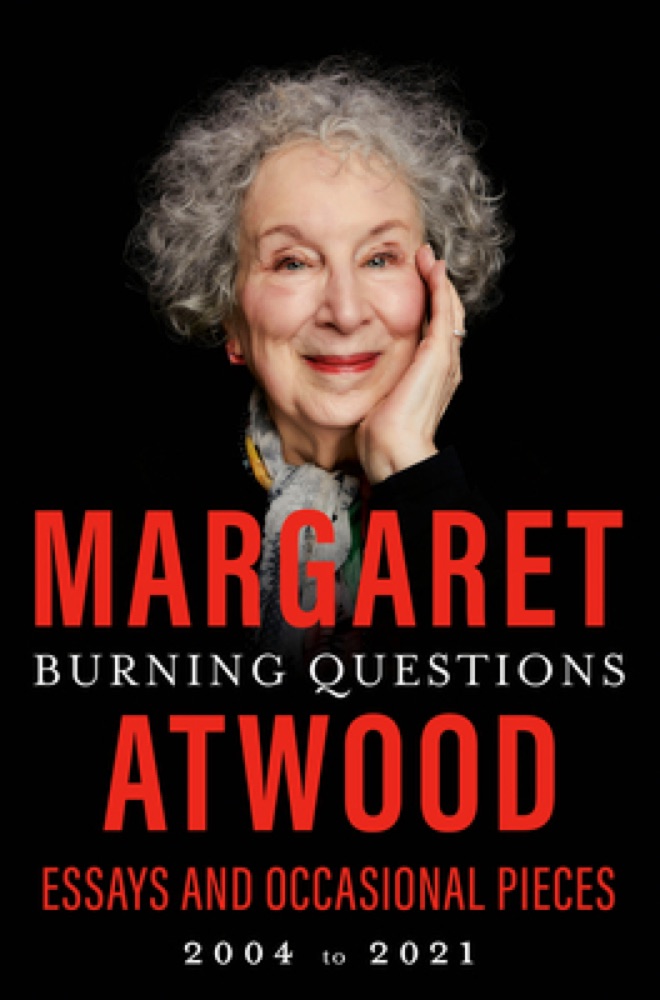 Burning Questions: Essays and Occasional Pieces, 2004 to 2021
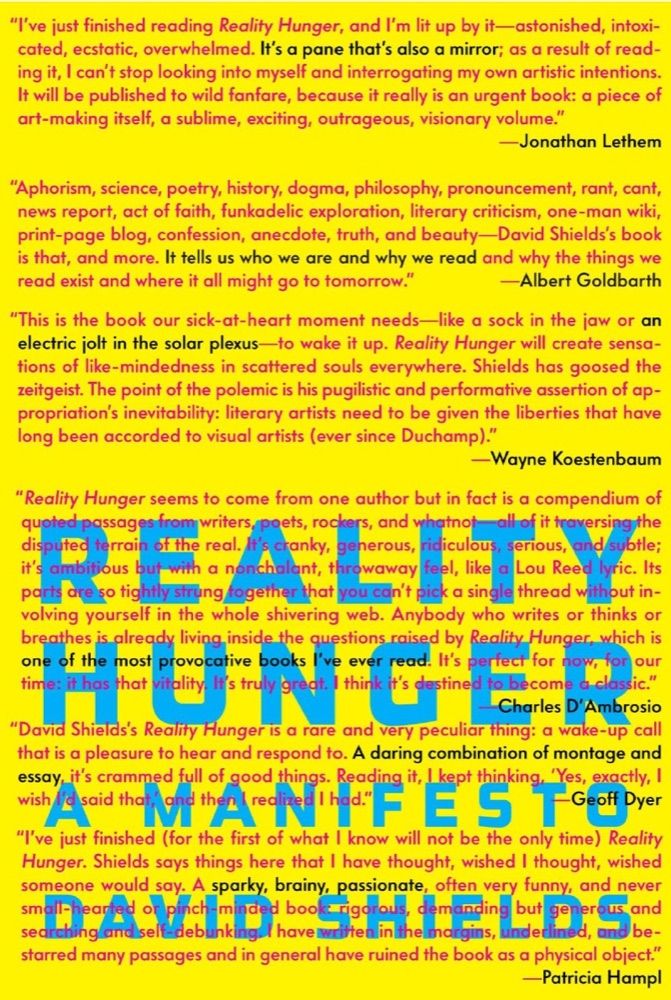 Reality Hunger: A Manifesto
 The Language of the Night: Essays on Writing, Science Fiction, and Fantasy
 The Wave in the Mind: Talks and Essays on the Writer, the Reader and the Imagination
 The Anthologist
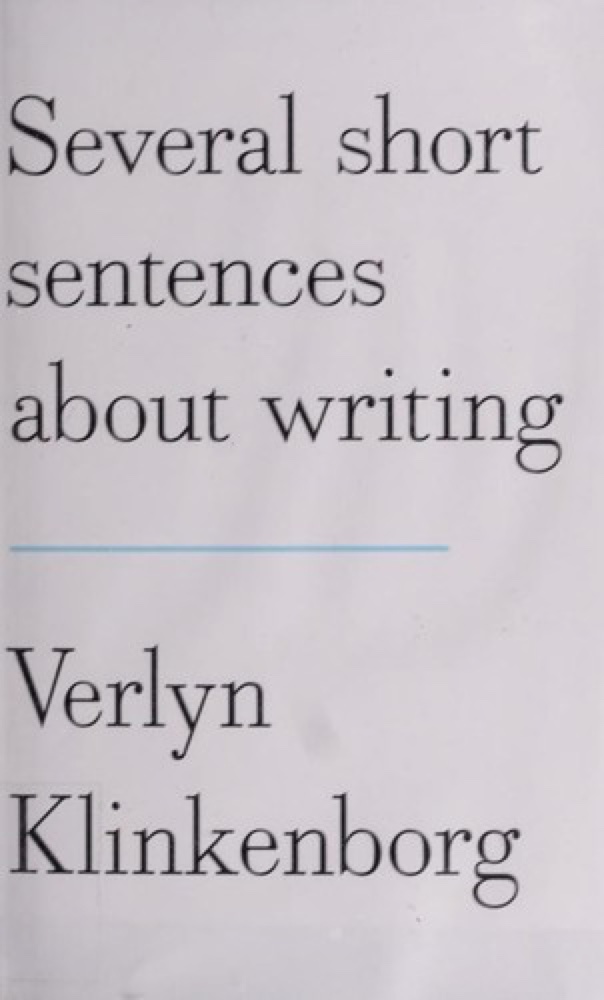 Several Short Sentences About Writing
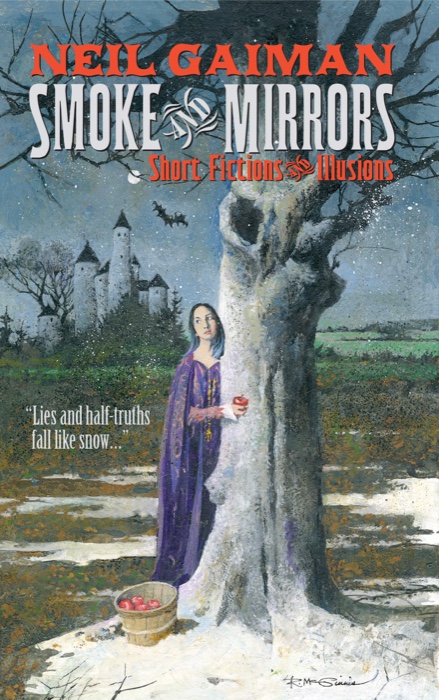 Smoke and Mirrors: Short Fiction and Illusions
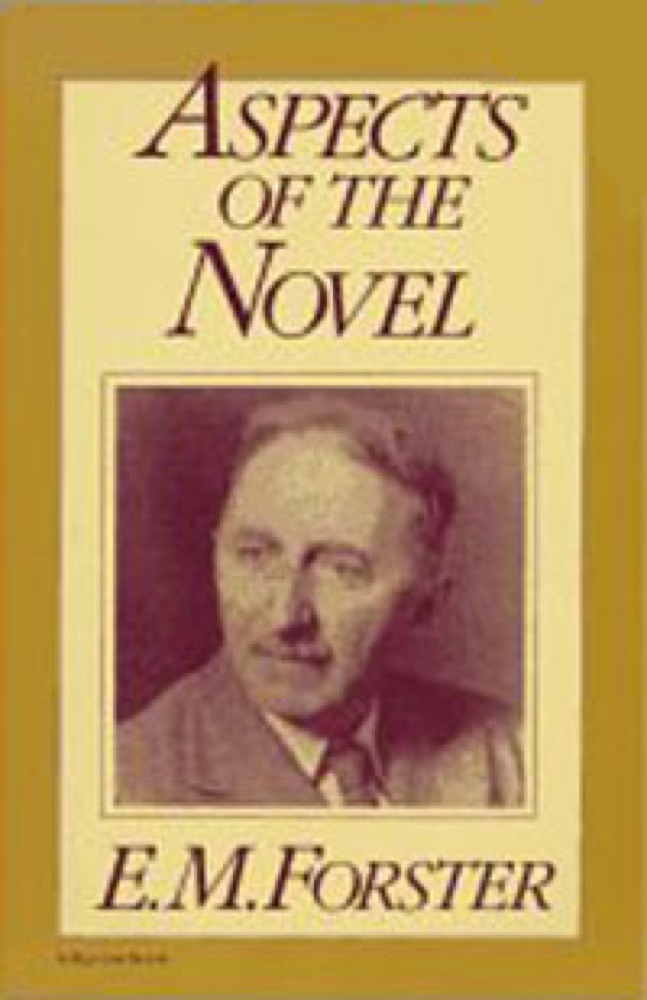 Aspects of the Novel
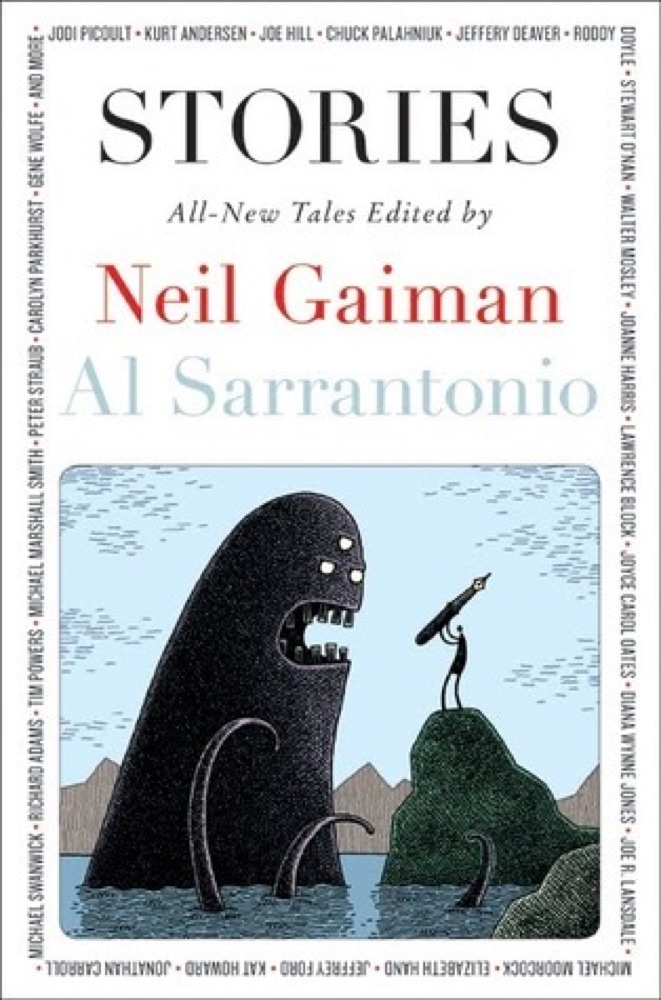 Stories: All-New Tales
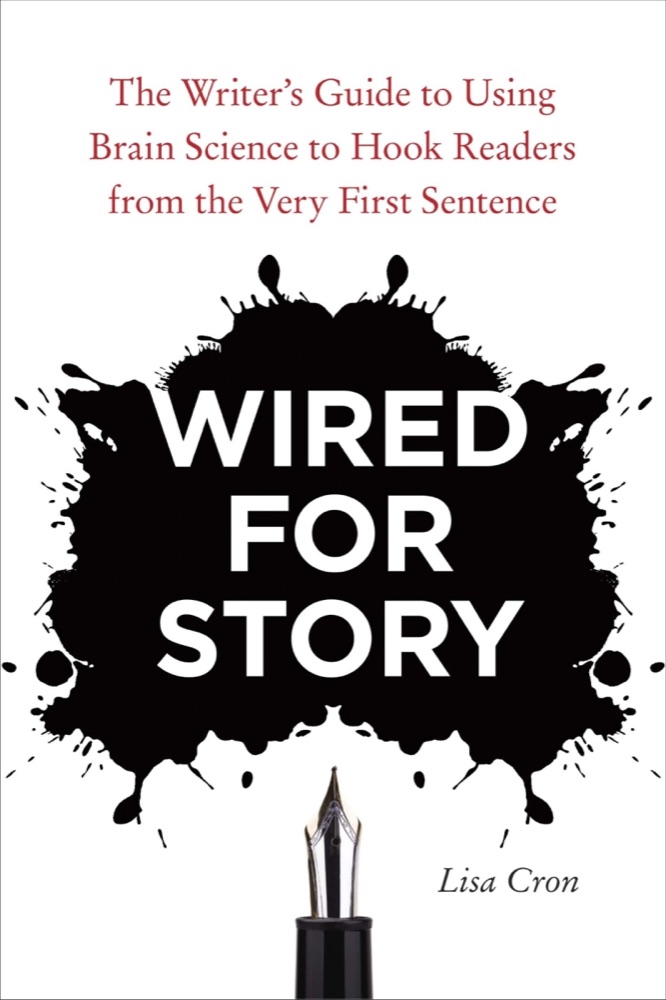 Wired for Story: The Writer's Guide to Using Brain Science to Hook Readers from the Very First Sentence
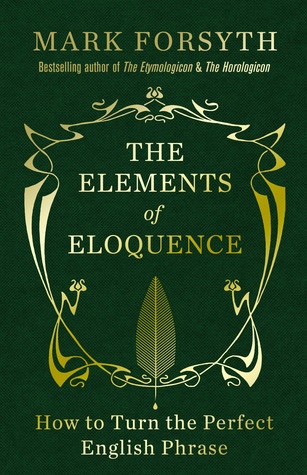 The Elements of Eloquence: How to Turn the Perfect English Phrase
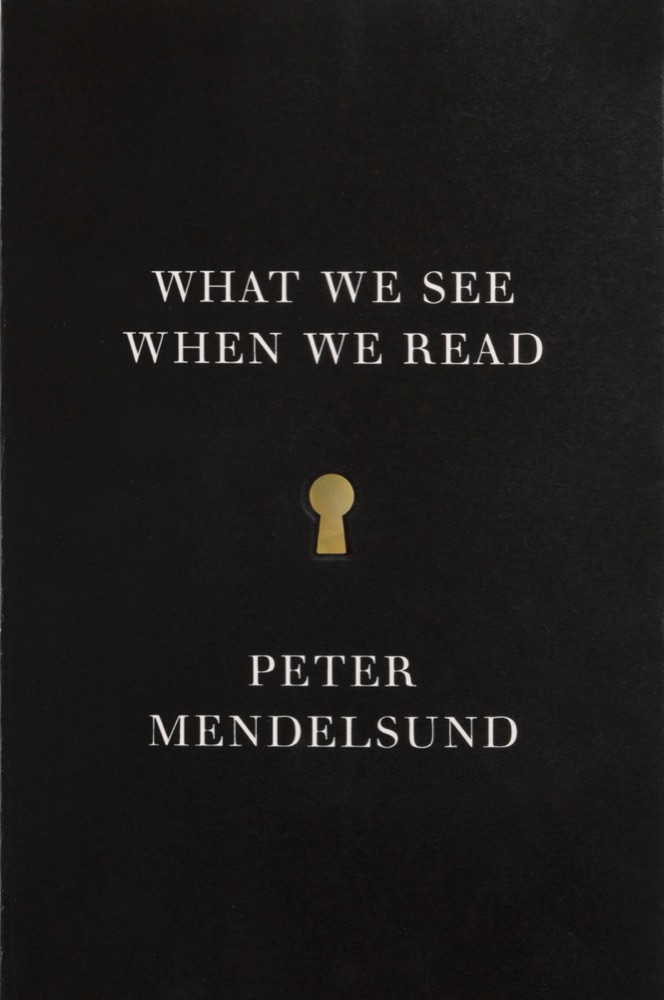 What We See When We Read
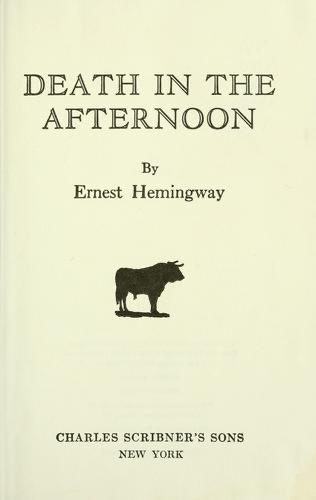 Death in the Afternoon
 The Writing Life
 The Book of Form and Emptiness
 Negotiating with the Dead: A Writer on Writing
 Experience
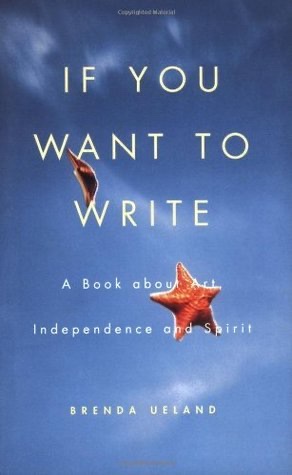 If You Want to Write: A Book about Art, Independence and Spirit
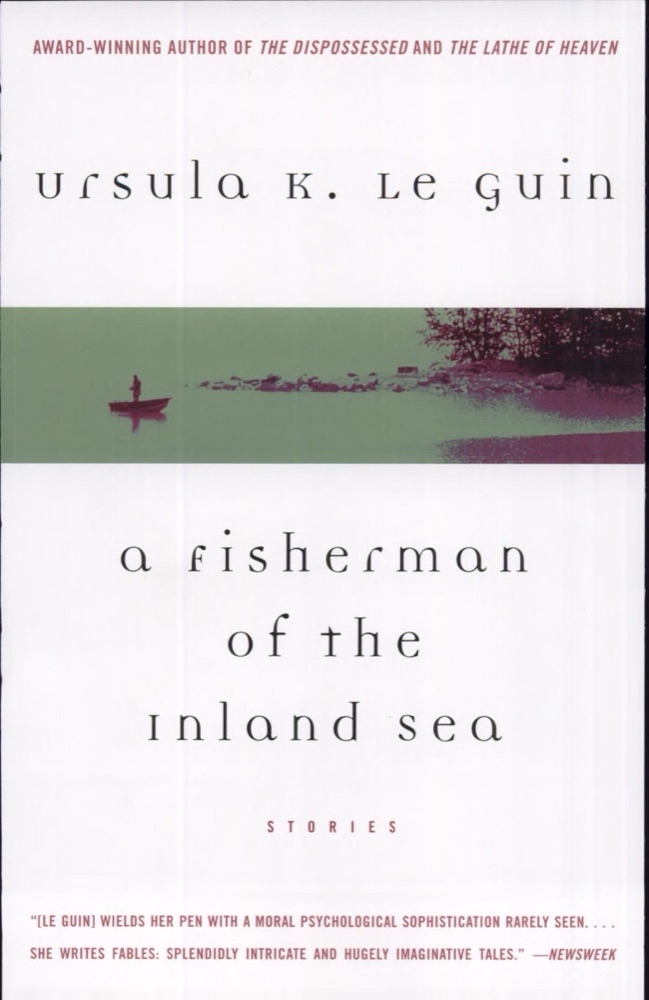 A Fisherman of the Inland Sea
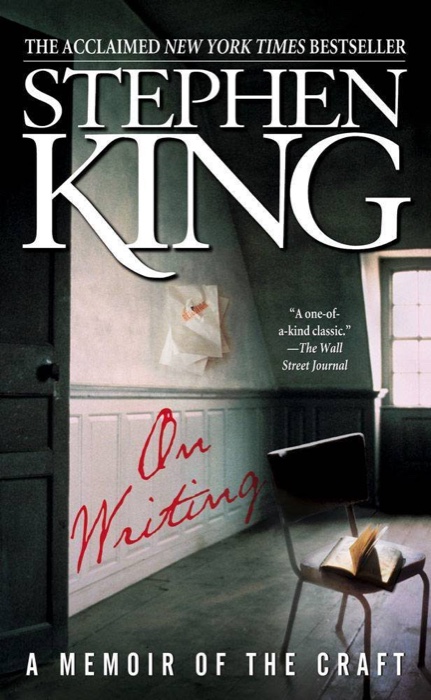 On Writing: A Memoir of the Craft
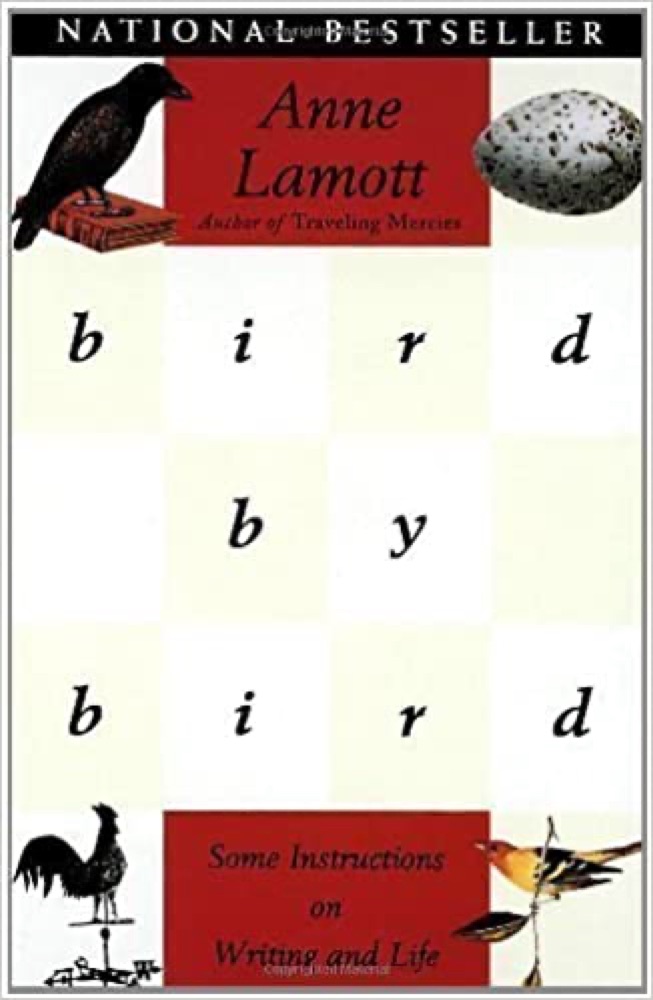 Bird by Bird
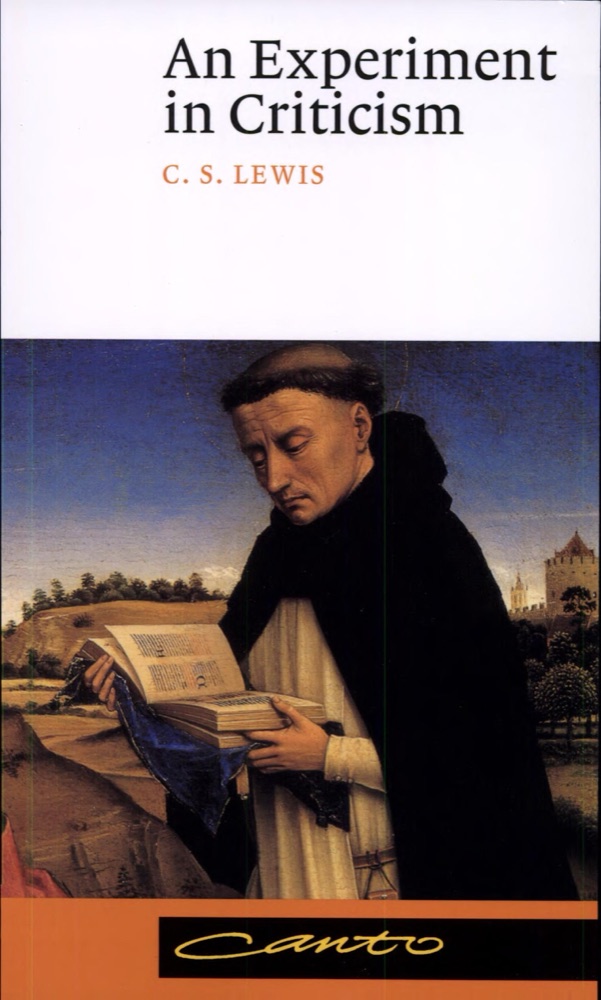 An Experiment in Criticism
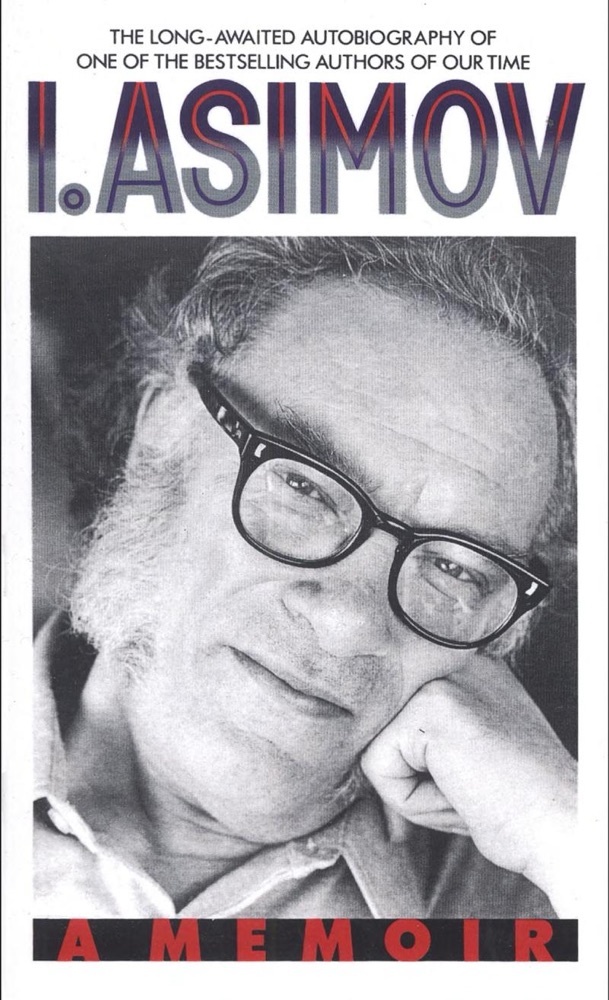 I. Asimov: A Memoir
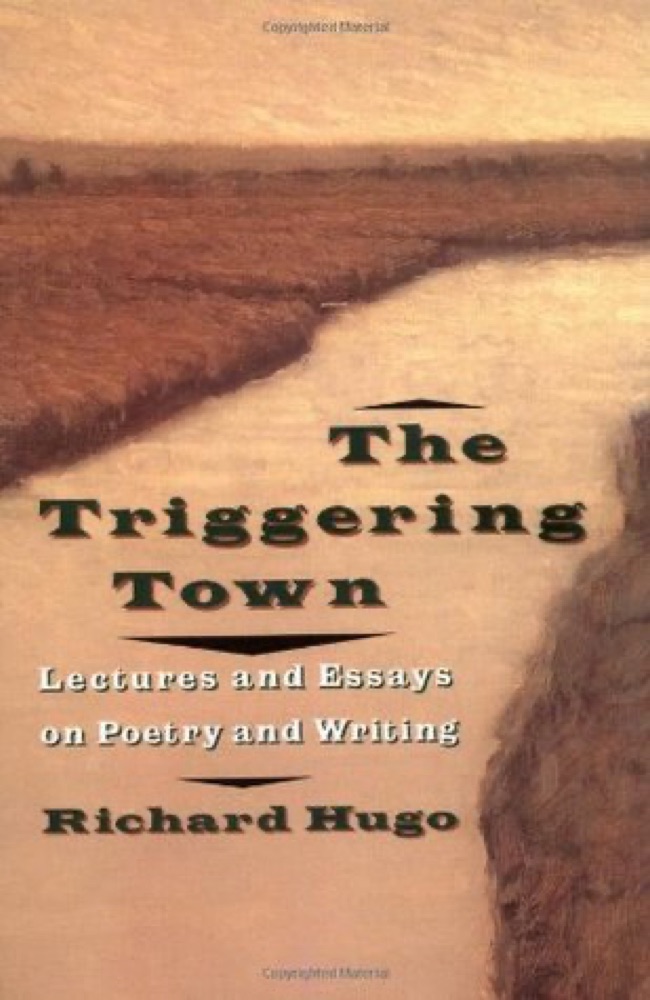 The Triggering Town: Lectures and Essays on Poetry and Writing
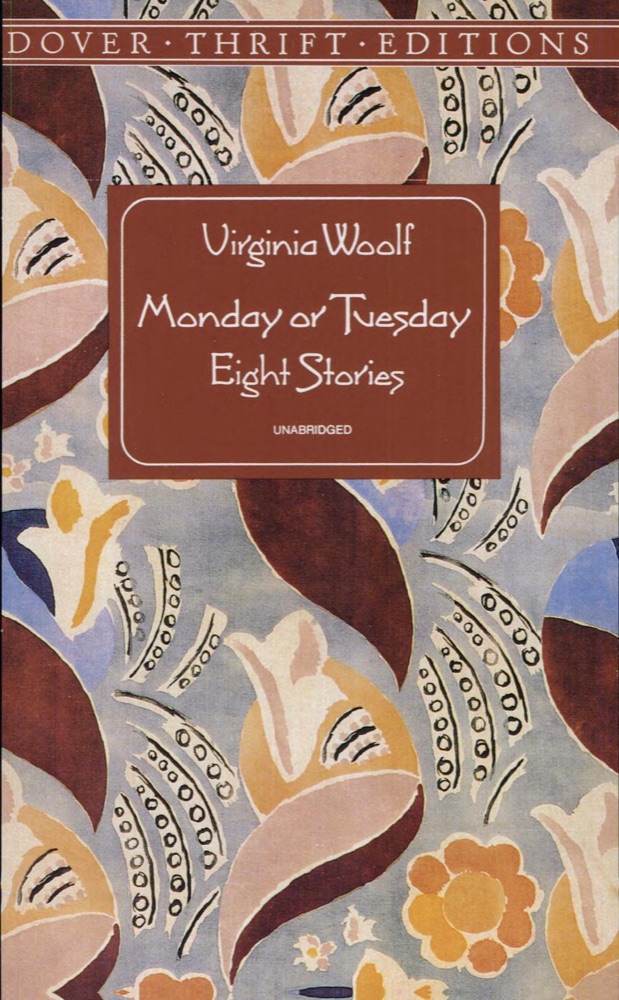 Monday or Tuesday
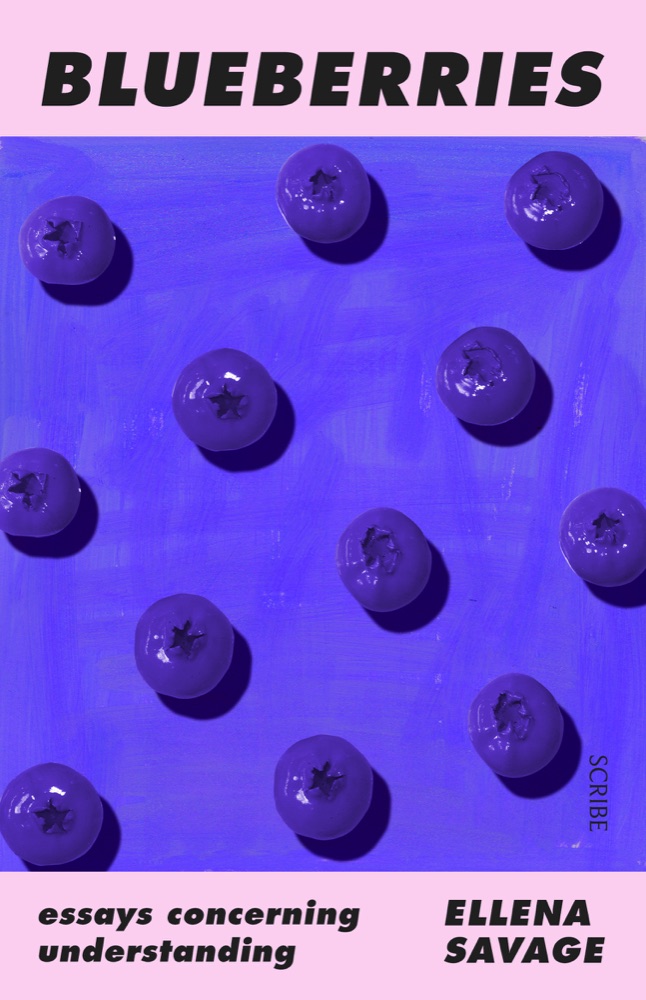 Blueberries: Essays Concerning Understanding
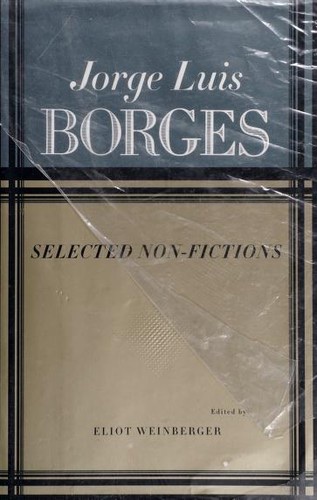 Selected Non-Fictions
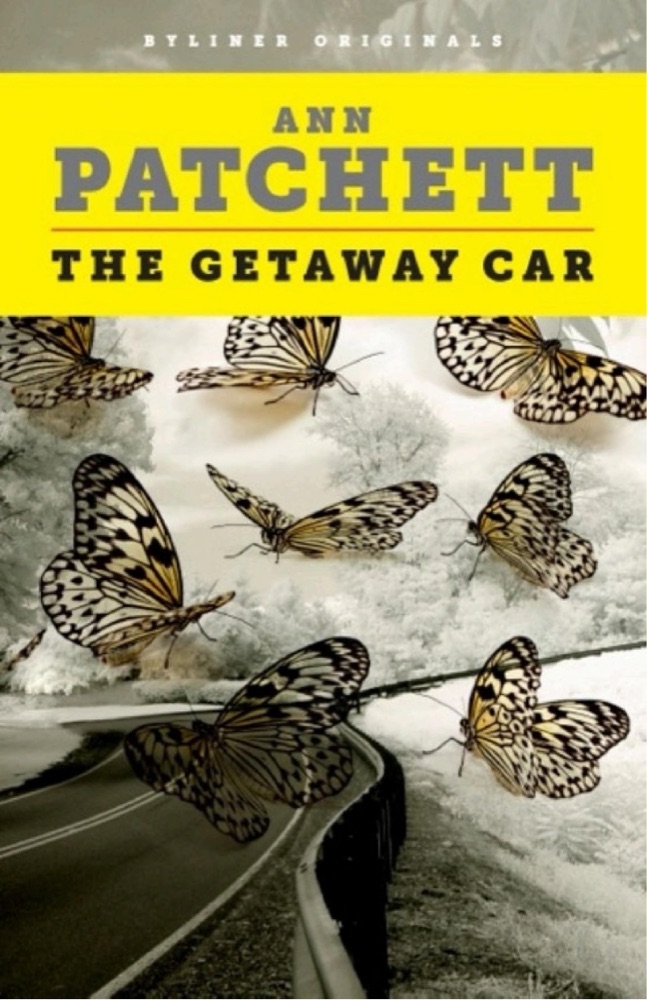 The Getaway Car: A Practical Memoir About Writing and Life
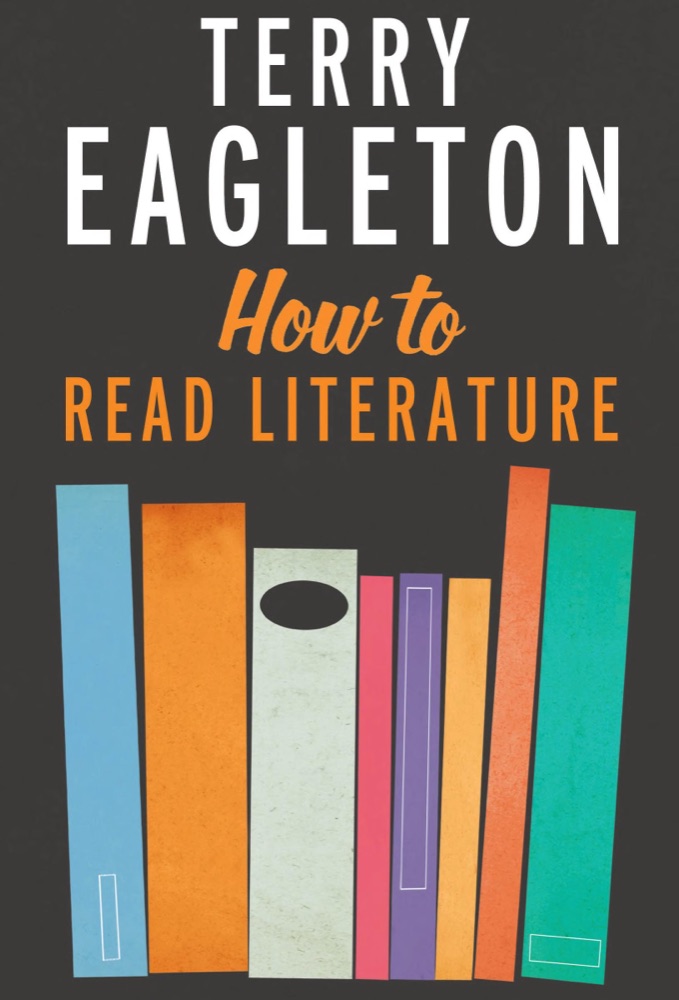 How to Read Literature
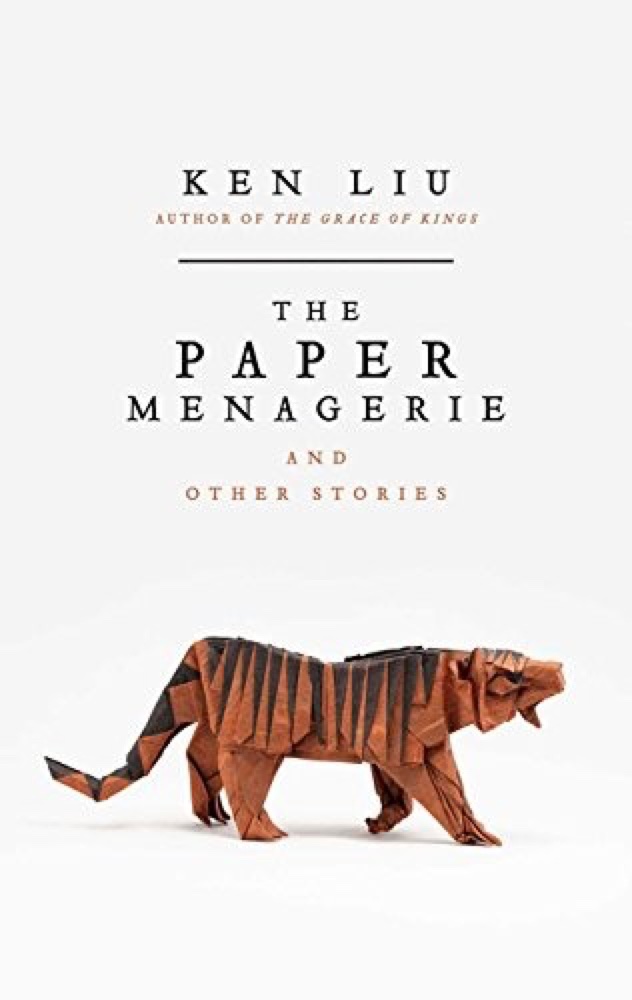 The Paper Menagerie and Other Stories
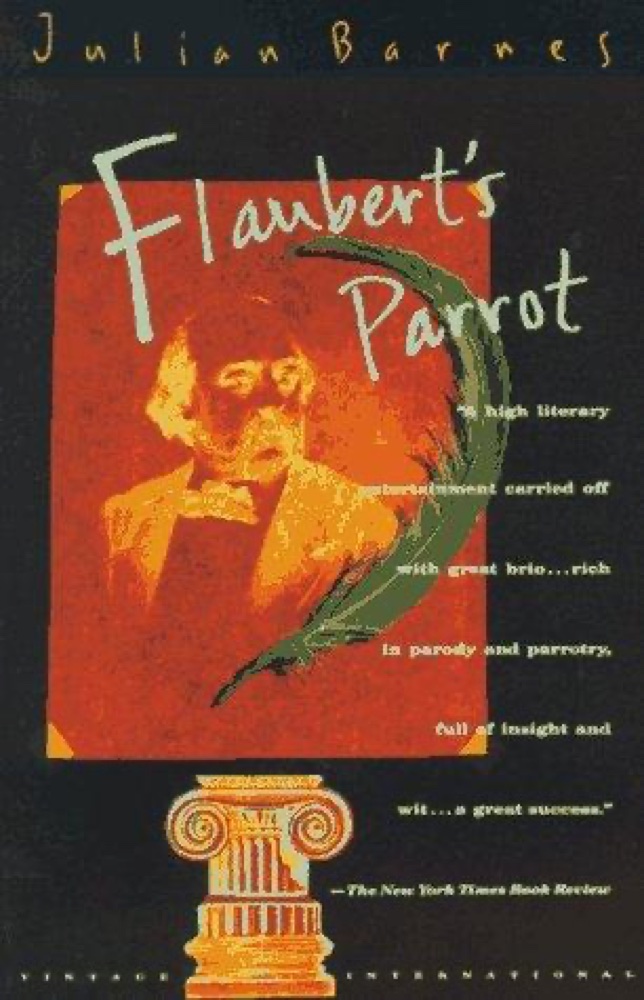 Flaubert's Parrot
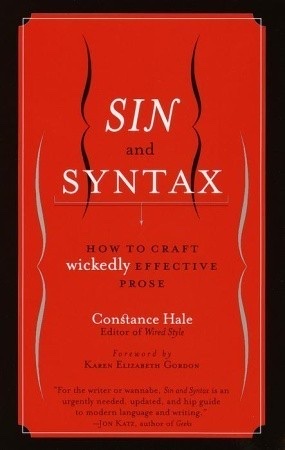 Sin and Syntax: How to Craft Wickedly Effective Prose
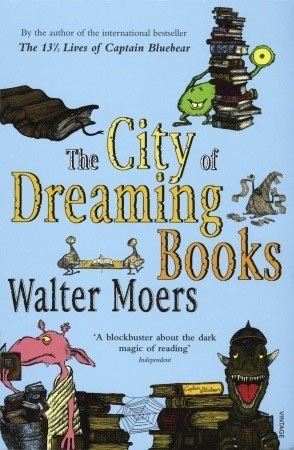 The City of Dreaming Books
 Wonderbook: The Illustrated Guide to Creating Imaginative Fiction
 The Emotional Craft of Fiction: How to Write the Story Beneath the Surface
 The Rabbit Back Literature Society
 Checkout 19
 Both Flesh and Not: Essays
 Illuminations: Essays and Reflections
 Dear Mr. M
 The Stories of Vladimir Nabokov
 Let Me Tell You What I Mean
 The Elements of Style