
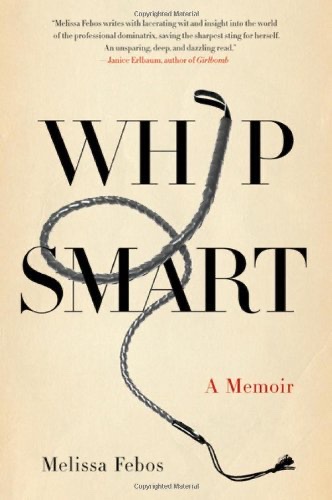
 Whip Smart: A Memoir
Quotes from the Book
There is no pain in my life that has not been given value by the alchemy of creative attention.
23
Writing is a form of freedom more accessible than many and there are forces at work that would like to withhold it from those whose stories most threaten the regimes that govern this society. Fuck them. Write your life. Let this book be a totem of permission, encouragement, proof, whatever you need it to be.
12
Navel-gazing is not for the faint of heart. The risk of honest self-appraisal requires bravery. To place our flawed selves in the context of this magnificent, broken world is the opposite of narcissism, which is building a self-image that pleases you.
10
Writing is a form of freedom more accessible than many
9
Listen to me: It is not gauche to write about trauma. It is subversive. The stigma of victimhood is a timeworn tool of oppressive powers to gaslight the people they subjugate into believing that by naming their disempowerment they are being dramatic, whining, attention-grabbing, or else beating a dead horse. By convincing us to police our own and one another’s stories, they have enlisted us in the project of our own continued disempowerment.
9
Transforming my secrets into art has transformed me. I believe that stories like these have the power to transform the world. That is the point of literature, or at least that's what I tell my students. We are writing the history that we could not find in any other book. We are telling the stories that no one else can tell, and we are giving this proof of our survival to each other. What I mean is, tell me about your navel. Tell me about your rape. Tell me about your mad love affair, how you forgot and then remembered yourself. Tell me about your hands, the things they have done and held and hit and let go. Tell me about your drunk father and your friend who died.
7
I have found that a fulfilling writing life is one in which the creative process merges with the other necessary processes of good living, which only the individual can define.
6
Writing is, like gender or dominatricing, a kind of performance. But the craft of writing is primarily an art of making decisions. I often like to terrorize my students by insisting that every single notation—every piece of punctuation, every word, every paragraph break—in a piece of writing is a decision. You know when something is done, I tell them (they always want to know how to know when something is done), when you know the argument for every single choice, when not a single apostrophe has slipped by uninterrogated, when every word has been swapped for its synonym and then recovered. I don’t mean to take the fun out of creation, or even to impose my own laborious process on them, but I actually believe this. Not in the first draft, or even the fifth, but by the end, I want to have stripped as many tics and defaults, as many blind choices as is in my power. I want to be awake to all my choices.
6
Those who benefit from the inequities of our society resist the stories of people whose suffering is in large part owed to the structures of our society. They do not want to have to change. We see this in a thousand forms of white fragility, male fragility, and transphobic and homophobic tantrums protesting the ground gained by trans and queer storytellers.
6
The resistance to memoirs about trauma is in many respects a reiteration of the classic role of perpetrator: to deny, discredit, and dismiss victims in order to avoid being implicated or losing power. Anyone who writes the story of their individual trauma, and especially those of identities that have been historically oppressed and abused, is subject to the retraumatization by ongoing perpetrators: the patriarchal, white supremacist, colonizing nation(s) in which they must live and learn to heal.
5
It quickly became apparent to me that embodied writing is not in opposition to political writing. In fact, it is the kind of political writing that I am most interested in reading.
4
I have found a church in art, a form of work that is also a form of worship—it is a means of understanding myself, all my past selves, and all of you as beloved. This is why I will never stop doing it, even if no publisher ever again wants to share the results. Ironically, this kind of investment in the process is a boon to those who seek publication. Tenacity is often cited as the most common characteristic of successful authors. Of the many talented people I’ve met—classmates, students, friends—many of them no longer write.18 The ones who have kept doing so have made it central to their lives both external and internal. Writing is hard. It is not the most apparently useful kind of work to do in the world. Most of us are not out here saving any lives but our own, though its power to do that (at least in my case) is uncontestable. The older I get, the less convinced I am about most things, but this is one of the great facts of my life.
3
It is joy to be hidden and disaster not to be found.
2
...while I sometimes resist the work of writing I resist my own psychic suffering more, and writing has become for me a primary means of digesting and integrating my experiences and thereby reducing the pains of living. Or if not, at least making them useful to myself and to others. There is no pain in my life that has not been given value by the alchemy of creative attention.
2
Her body had developed early and she was in the midst of a year characterized by relentless sexual harassment at school, and the shocking change of her body’s meaning in the world—a confounding degradation publicized as a promotion.
2
...The more we believe we ought to be something that we are not, the more money we will spend in that mission.
2
I’ll say it again, because it bears repeating: the resistance to memoirs about trauma is always in part—and often nothing but—a resistance to movements for social justice.
2
I believe that stories like these have the power to transform the world. That is the point of literature, or at least that’s what I tell my students. We are writing the history that we could not find in any other book. We are telling the stories that no one else can tell, and we are giving this proof of our survival to each other.
1
Sometimes the best way to unlearn something is by simply cultivating defiance toward those unchosen rules. Willful opposite action can counteract their habitual governance of your writing and thinking.
1
A secret is anathema to believing love is true. A kernel of promise that if the past is exposed, love will abandon her. What a terrible predicament, to not know if love is conditional, and yet, to understand that the only way to find out is to risk losing it.
1
Writer was the only role I could see myself occupying in society, the only one that might hold everything that I was. Queer, overly emotional, burdensomely perceptive, reluctant to do any kind of work whose purpose was opaque to me, ravenous in ways that made me an outlier. It was an occupation that seemed to offer respite and relief, but also was connected to the sublime. It offered the gift of self-forgetting, a transcendence on the other side of which lay insight.
1
How hard it can be to differentiate the unspoken from the unspeakable
To William H. Gass's argument, "To have written an autobiography is already to have made yourself a monster," I say that refusing to write your story can make you into a monster. Or perhaps more accurately, we are already monsters. And to deny the monstrous is to deny its beauty, its meaning, and its devastation.
Knee-jerk bias backed by flimsy logic and pseudoscience has always been a preferred disguise of our national prejudices
I do not think that the vocation of writer is superior to any other, but I do believe it is the most useful life for me, the one in which I can most be of service to this questionable project of human civilization—partly because it is where my strengths lie, and partly because it keeps me stable enough to be available in other respects.
Every single thing I have created worth a damn has been a practice of love, healing, and redemption. I know this process to be divine.
Watch on YouTube
About Melissa Febos
We have collected 33 quotes from 2 books by Melissa Febos on BookQuoters.
More about the author →More by Melissa Febos
Whip Smart: A Memoir
About the book
Memoir meets craft masterclass in this “daring, honest, psychologically insightful” exploration of how we think and write about intimate experiences—“a must read for anybody shoving a pen across paper or staring into a screen or a past" (Mary Karr).
In this bold and exhilarating mix of memoir and master class, Melissa Febos tackles the emotional, psychological, and physical work of writing intimately while offering an utterly fresh examination of the storyteller’s life and the questions which run through it.
How might we go about capturing on the page the relationships that have formed us? How do we write about our bodies, their desires and traumas? What does it mean for an author’s way of writing, or living, to be dismissed as “navel-gazing”—or else hailed as “so brave, so raw”? And to whom, in the end, do our most intimate stories belong?
Drawing on her own path from aspirin
Book details
- First published
- 2022
- Author
- Melissa Febos
- Genre
- Nonfiction
- Goodreads rating
- 4.22 (6k ratings)
The buzz
- The AtlanticReview in The Atlanticprofessional review (via Book Marks)
- NPRReview in NPRprofessional review (via Book Marks)
- Kirkus ReviewsReview in Kirkus Reviewsprofessional review (via Book Marks)
- Publishers WeeklyReview in Publishers Weeklyprofessional review (via Book Marks)
- The Boston GlobeReview in The Boston Globeprofessional review (via Book Marks)
- BooklistReview in Booklistprofessional review (via Book Marks)
Keep reading
 How to Write an Autobiographical Novel
 Still Writing: The Perils and Pleasures of a Creative Life
 Skin: Talking About Sex, Class And Literature
 Blueberries: Essays Concerning Understanding
 The Getaway Car: A Practical Memoir About Writing and Life
 Reality Hunger: A Manifesto
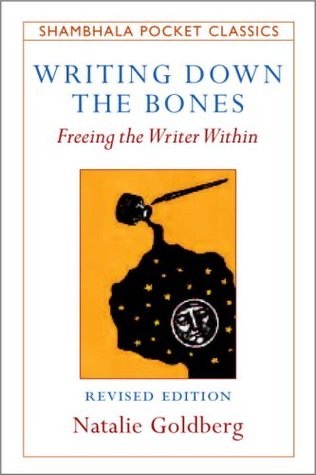 Writing Down the Bones: Freeing the Writer Within
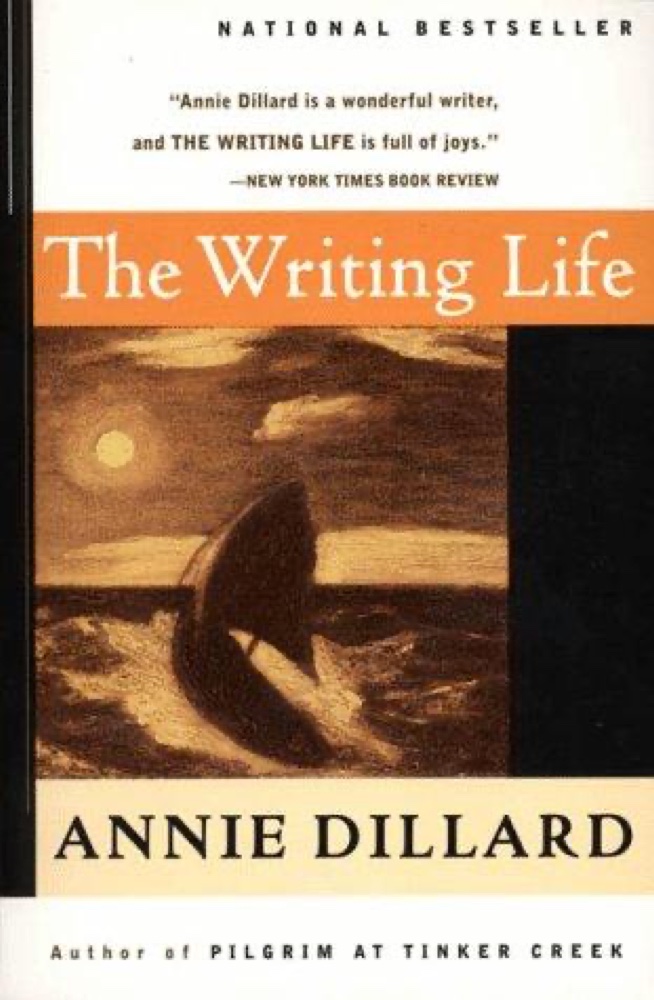 The Writing Life
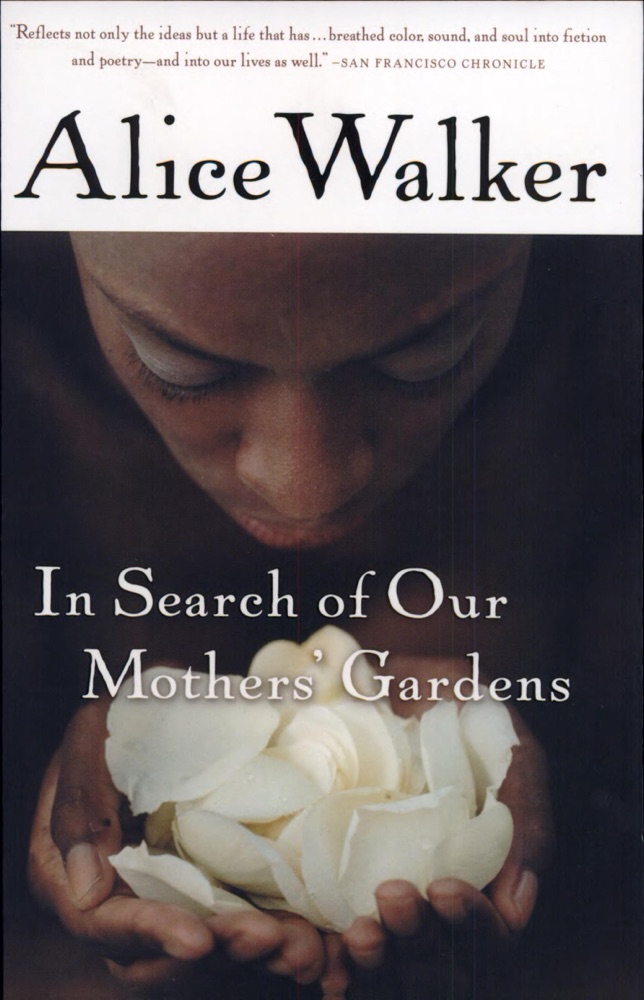 In Search of Our Mothers' Gardens: Womanist Prose
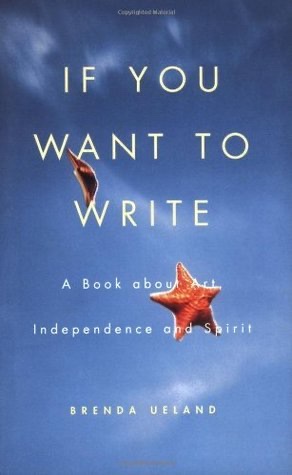 If You Want to Write: A Book about Art, Independence and Spirit
 Dæmon Voices
 The Argonauts
 Becoming a Writer
 The Source of Self-Regard: Selected Essays, Speeches, and Meditations
 Bird by Bird
 Consider This: Moments in My Writing Life After Which Everything Was Different
 Negotiating with the Dead: A Writer on Writing
 A Lowcountry Heart: Reflections on a Writing Life
 Well-Read Black Girl: Finding Our Stories, Discovering Ourselves
 The Ghost Writer
 On Writing
 On Writing: A Memoir of the Craft
 On Connection
 Monsters: A Fan's Dilemma
 Burning Questions: Essays and Occasional Pieces, 2004 to 2021
 The Book of Alchemy: A Creative Practice for an Inspired Life
 Walking on Water: Reading, Writing, and Revolution
 Novelist as a Vocation
 A History of My Brief Body
 Like Streams to the Ocean: Notes on Ego, Love, and the Things That Make Us Who We Are
 Inheritance: A Memoir of Genealogy, Paternity, and Love
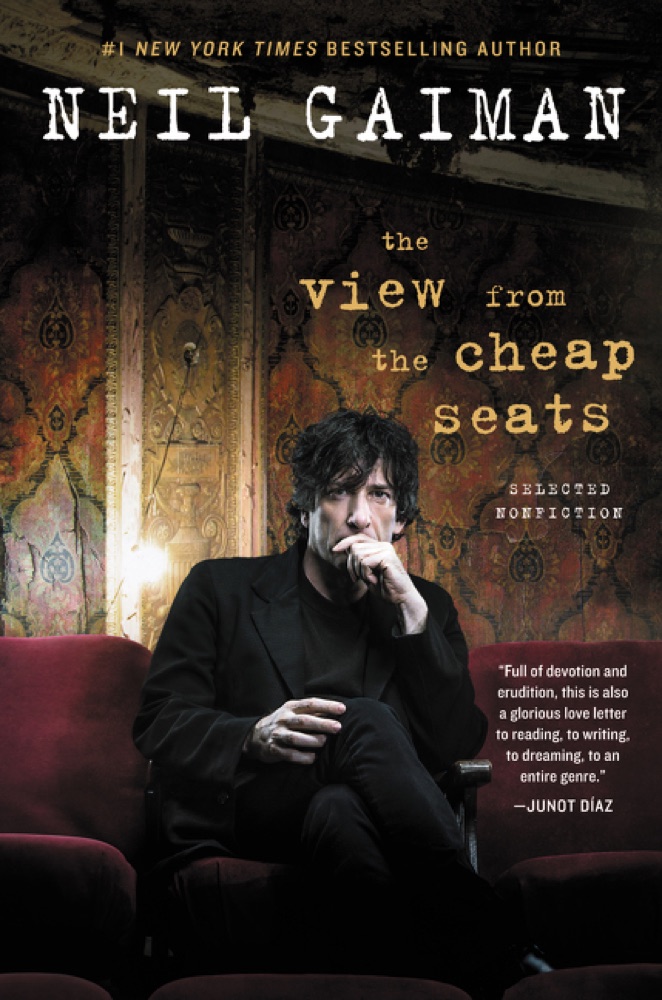 The View from the Cheap Seats: Selected Nonfiction
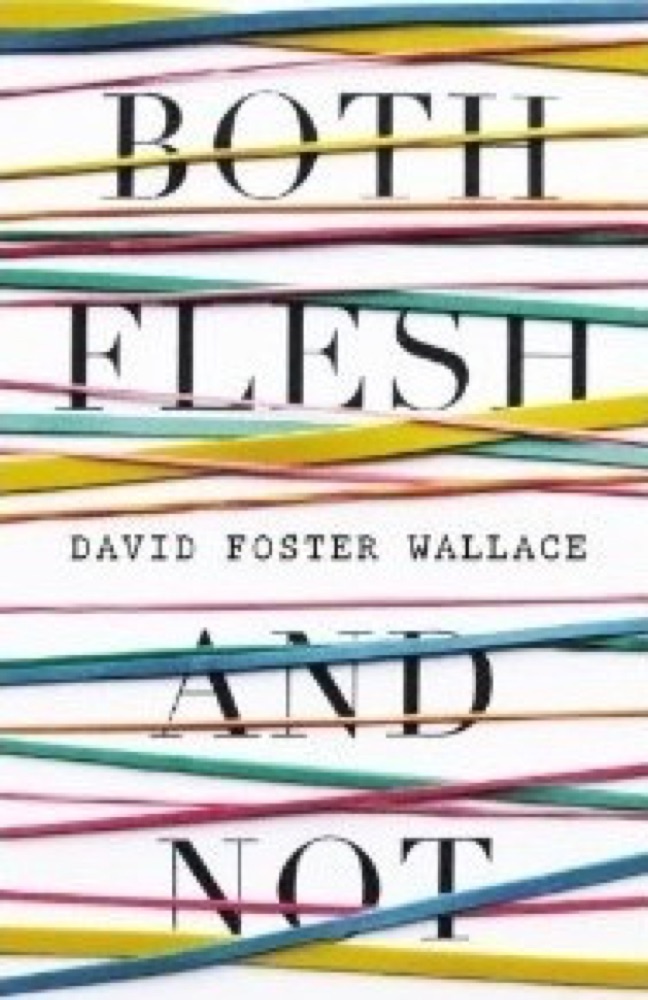 Both Flesh and Not: Essays
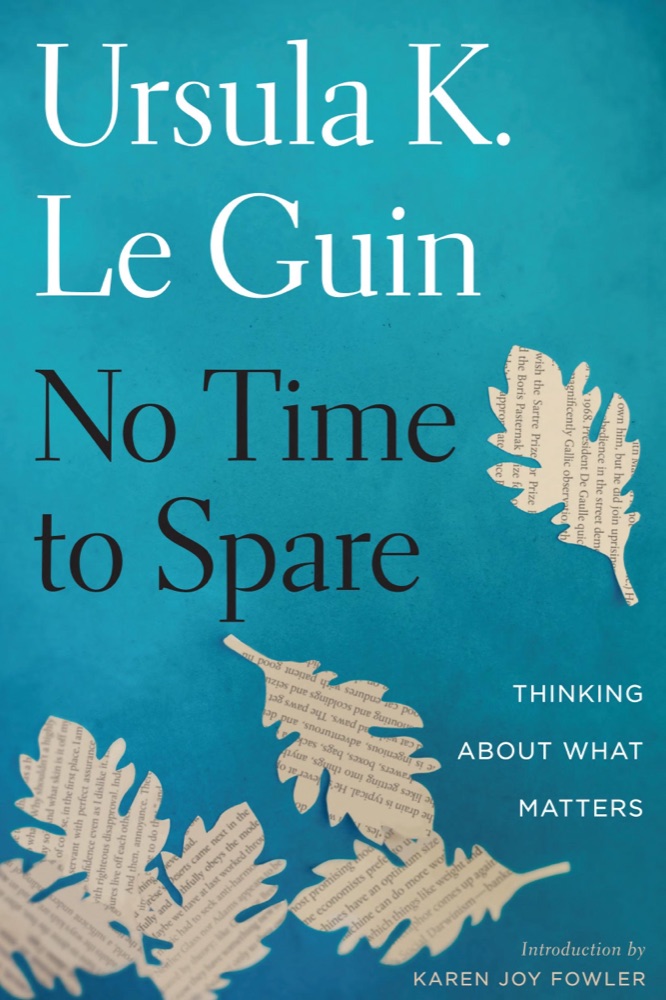 No Time To Spare: Thinking About What Matters
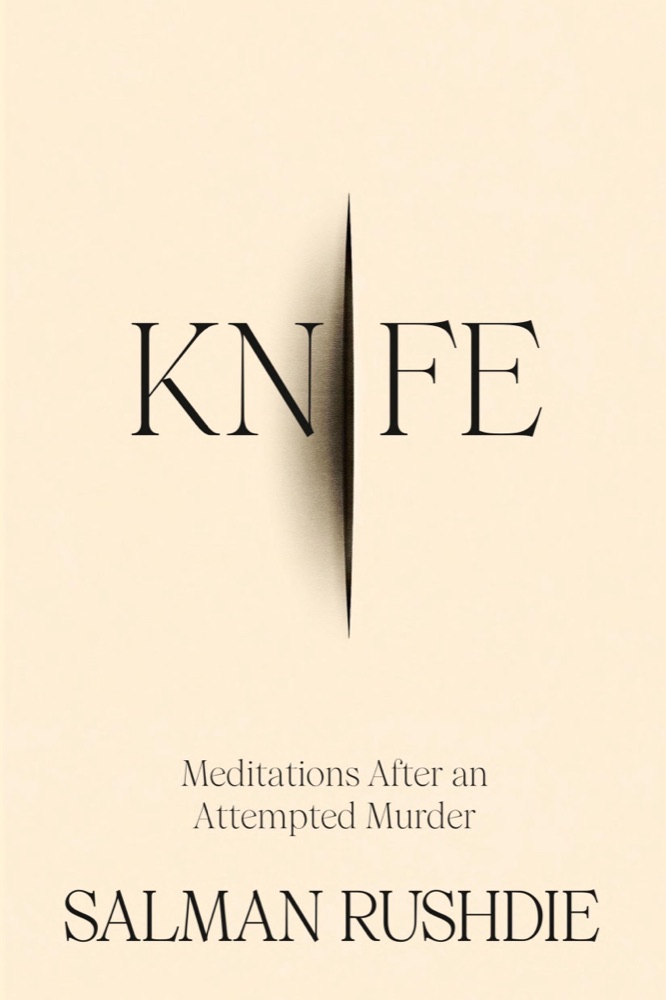 Knife: Meditations After an Attempted Murder
 The Power of Writing It Down: A Simple Habit to Unlock Your Brain and Reimagine Your Life
 Make It Scream, Make It Burn
 The Triggering Town: Lectures and Essays on Poetry and Writing
 Trash
Trash
 Let Me Tell You What I Mean
 The Diary of Anaïs Nin, Vol. 1: 1931-1934
 Zen in the Art of Writing
 The Cancer Journals
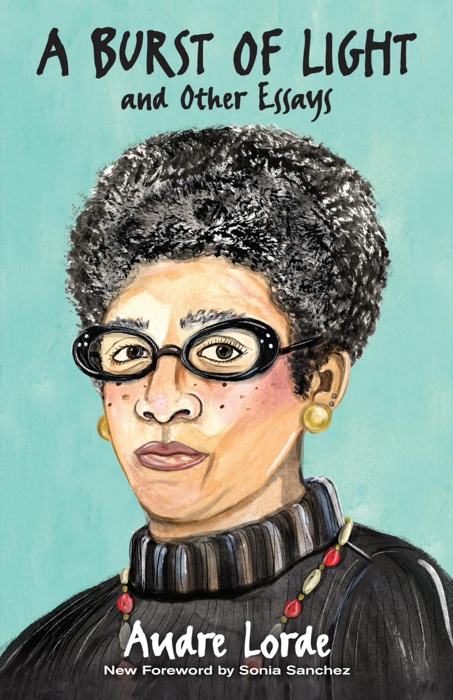 A Burst of Light
 I Love Dick
 Dear Friend, from My Life I Write to You in Your Life
 The Wave in the Mind: Talks and Essays on the Writer, the Reader and the Imagination
 Why Be Happy When You Could Be Normal?
 Incidental Inventions
 Asymmetry
 Upstream: Selected Essays
 The War of Art
 In the Dream House
 This Is the Story of a Happy Marriage
 Mystery and Manners: Occasional Prose
 My Reading Life
 An Unnecessary Woman
 Trick Mirror: Reflections on Self-Delusion
 The Geek Feminist Revolution