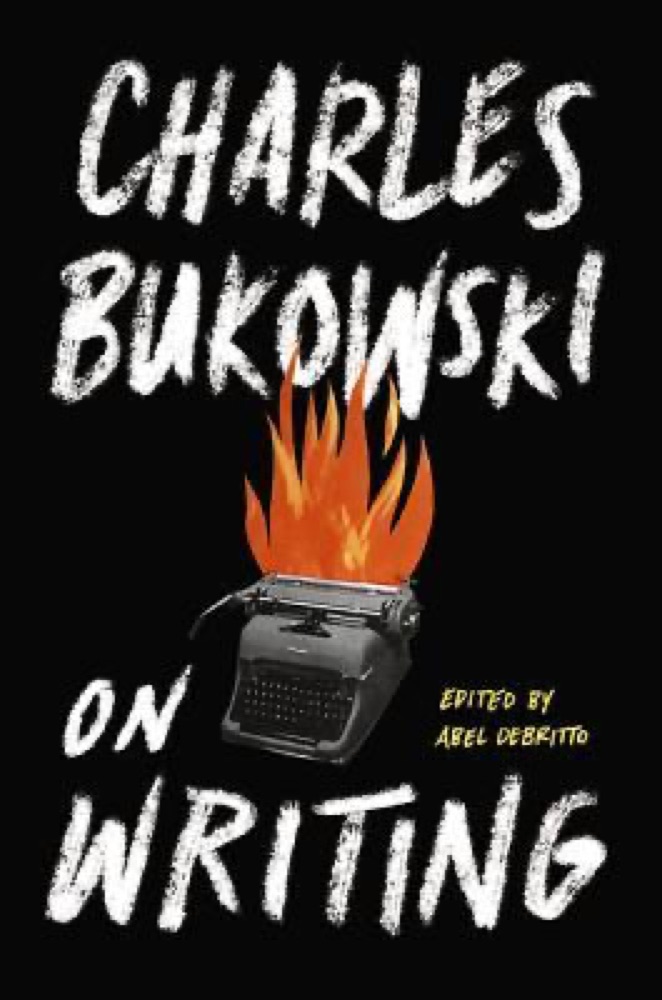
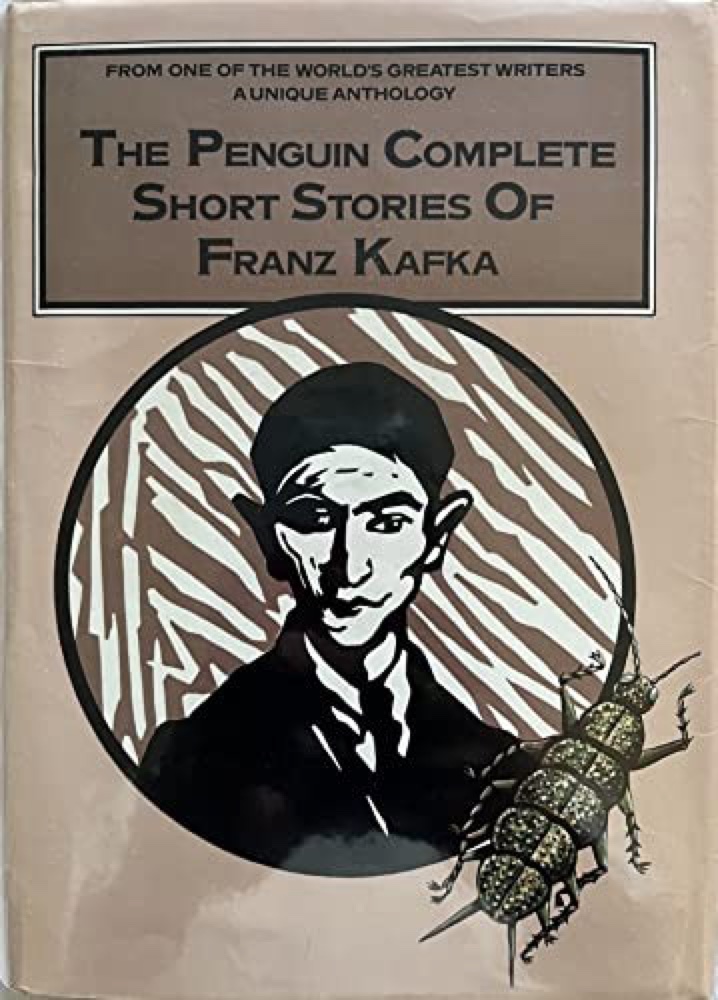
 The Complete Short Stories
Quotes from the Book
Mice: What is the best early training for a writer? Y.C.: An unhappy childhood.
61
Don't let yourself slip and get any perfect characters... keep them people, people, people, and don't let them get to be symbols.
24
In truly good writing no matter how many times you read it you do not know how it is done. That is beacause there is a mystery in all great writing and that mystery does not dis-sect out. It continues and it is always valid. Each time you re-read you see or learn something new.
17
Good writing is true writing. If a man is making a story up it will be true in proportion to the amount of knowledge of life that he has and how conscientious he is; so that when he makes something up it is as it would truly be.
15
Dostoevsky was made by being sent to Siberia. Writers are forged in injustice as a sword is forged.
15
…Writing is something that you can never do as well as it can be done. It is a perpetual challenge and it is more difficult than anything else that I have ever done—so I do it. And it makes me happy when I do it well.
14
The more I'm let alone and not worried the better I can function.
13
The hardest thing in the world to do is to write straight honest prose on human beings. First you have to know the subject; then you have to know how to write. Both take a lifetime to learn…
13
I still need some more healthy rest in order to work at my best. My health is the main capital I have and I want to administer it intelligently.
11
I love to write. But it has never gotten any easier to do and you can't expect it to if you keep trying for something better than you can do.
9
Remember to get the weather in your god damned book—weather is very important.
8
The good writers are Henry James, Stephen Crane, and Mark Twain. That’s not the order they’re good in. There is no order for good writers.” Green Hills of Africa, p. 22
5
Writers should work alone. They should see each other only after their work is done, and not too often then. Otherwise they become like writers in New York. All angleworms in a bottle, trying to derive knowledge and nourishment from their own contact and from the bottle. Sometimes the bottle is shaped art, sometimes economics, sometimes economic-religion. But once they are in the bottle they stay there. They are lonesome outside of the bottle. They do not want to be lonesome. They are afraid to be alone in their beliefs…
5
When you first start writing stories in the first person if the stories are made so real that people believe them the people reading them nearly always think the stories really happened to you. That is natural because while you were making them up you had to make them happen to the person who was telling them. If you do this successfully enough you make the person who is reading them believe that the things happened to him too. If you can do this you are beginning to get what you are trying for which is to make the story so real beyond any reality that it will become a part of the reader’s experience and a part of his memory. There must be things that he did not notice when he read the story or the novel which without his knowing it, enter into his memory and experience so that they are a part of his life. This is not easy to do. unpublished
5
Mice: But reading all the good writers might discourage you. Y.C.: Then you ought to be discouraged.
5
It wasn't by accident that the Gettysburg adress was so short. The laws of prose writing are immutable as those of flight, of mathematics, of physics. Fr letter to Maxwell Perkins 1945
5
When writing a novel a writer should create living people; people not characters. A character is a caricature. If a writer can make people live there may be no great characters in his book, but it is possible that his book will remain as a whole; as an entity; as a novel. If the people the writer is making talk of old masters; of music; of modern painting; of letters; or of science then they should talk of those subjects in the novel. If they do not talk of those subjects and the writer makes them talk of them he is a faker, and if he talks about them himself to show how much he knows then he is showing off. No matter how good a phrase or a simile he may have if he puts it in where it is not absolutely necessary and irreplaceable he is spoiling his work for egotism. Prose is architecture, not interior decoration, and the Baroque is over. For a writer to put his own intellectual musings, which he might sell for a low price as essays, into the mouths of artificially constructed characters which are more remunerative when issued as people in a novel is good economics, perhaps, but does not make literature. People in a novel, not skillfully constructed characters, must be projected from the writer’s assimilated experience, from his knowledge, from his head, from his heart and from all there is of him. If he ever has luck as well as seriousness and gets them out entire they will have more than one dimension and they will last a long time.
4
Writing, at its best, is a lonely life. Organizations for writers palliate the writer’s loneliness but I doubt if they improve his writing. He grows in public stature as he sheds his loneliness and often his work deteriorates. For he does his work alone and if he is a good enough writer he must face eternity, or the lack of it, each day.” Excerpt from Nobel Prize acceptance speech
4
Writing and travel broaden your ass if not your mind and I like to write standing up.
4
The secret is that it is poetry written into prose and it is the hardest of all things to do…
4
I’ve been reading all the time down here. Turgenieff to me is the greatest writer there ever was. Didn’t write the greatest books, but was the greatest writer. That’s only for me of course. Did you ever read a short story of his called The Rattle of Wheels? It’s in the 2nd vol. of A Sportsman’s Sketches. War and Peace is the best book I know but imagine what a book it would have been if Turgenieff had written it. Chekov wrote about 6 good stories. But he was an amateur writer. Tolstoi was a prophet. Maupassant was a professional writer, Balzac was a professional writer, Turgenieff was an artist.
3
Remember this too: all bad writers are in love with the epic. Death in the Afternoon, p. 54
3
If a writer of prose knows enough about what he is writing about he may omit things that he knows and the reader, if the writer is writing truly enough, will have a feeling of those things as strongly as though the writer had stated them. The dignity of movement of an ice-berg is due to only one-eighth of it being above water. A writer who omits things because he does not know them only makes hollow places in his writing. Death in the Afternoon, p. 192
3
I’ve seen the marlin mate and know about that. So I leave that out. I’ve seen a school (or pod) of more than fifty sperm whales in that same stretch of water and once harpooned one nearly sixty feet in length and lost him. So I left that out. All the stories I know from the fishing village I leave out. But the knowledge is what makes the underwater part of the iceberg.
3
…you ought to write, invent, out of what you know and keep the people’s antecedants straight.
3
P.P.S. Don’t you drink? I notice you speak slightingly of the bottle. I have drunk since I was fifteen and few things have given me more pleasure. When you work hard all day with your head and know you must work again the next day what else can change your ideas and make them run on a different plane like whisky?
3
I have to ease off on makeing love when writing hard as the two things are run by the same motor.
3
I…threw away about 100,000 words which was better than most of what left in. It is the most cut book in the world [To Have and Have Not]. That may be part of what offends people. It does not have that handy family package size character you get in Dr. Dickens. to Lillian Ross, 1948
2
Watch on YouTube
About Ernest Hemingway
We have collected 374 quotes from 18 books by Ernest Hemingway on BookQuoters.
More about the author →More by Ernest Hemingway
All books by Ernest Hemingway →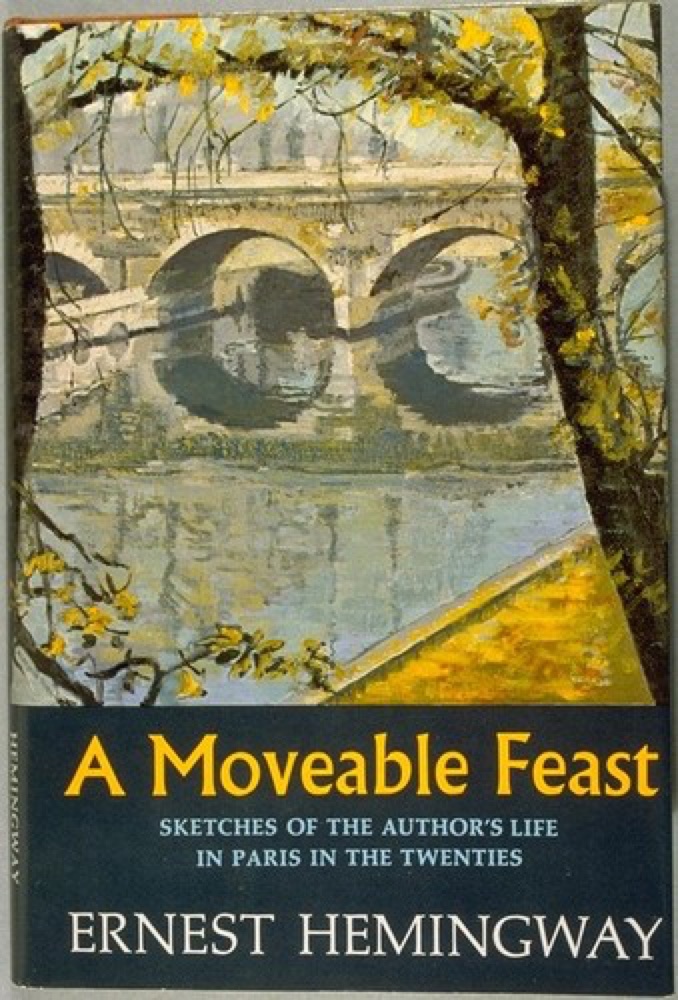
About the book
An assemblage of reflections on the nature of writing and the writer from one the greatest American writers of the twentieth century.
Throughout Hemingway’s career as a writer, he maintained that it was bad luck to talk about writing—that it takes off “whatever butterflies have on their wings and the arrangement of hawk’s feathers if you show it or talk about it.”
Despite this belief, by the end of his life he had done just what he intended not to do. In his novels and stories, in letters to editors, friends, fellow artists, and critics, in interviews and in commissioned articles on the subject, Hemingway wrote often about writing. And he wrote as well and as incisively about the subject as any writer who ever lived…
This book contains Hemingway’s reflections on the nature of the writer and on elements of the writer’s life, including specific and helpful advice to writers on the
Book details
- First published
- 1984
- Author
- Ernest Hemingway
- Genre
- Nonfiction
- Goodreads rating
- 4.02 (5k ratings) →
Keep reading
 On Writing Well: The Classic Guide to Writing Nonfiction
 On Writing: A Memoir of the Craft
 If You Want to Write: A Book about Art, Independence and Spirit
 The Getaway Car: A Practical Memoir About Writing and Life
 On Becoming a Novelist
 Death in the Afternoon
 Bird by Bird
 Becoming a Writer
 The Writing Life
 The Triggering Town: Lectures and Essays on Poetry and Writing
 How to Write an Autobiographical Novel
 Writing Down the Bones: Freeing the Writer Within
 Stein on Writing
 On Writing
 Consider This: Moments in My Writing Life After Which Everything Was Different
 Still Writing: The Perils and Pleasures of a Creative Life
 Dæmon Voices
 Novelist as a Vocation
 A Poetry Handbook
 Reading Like a Writer: A Guide for People Who Love Books and for Those Who Want to Write Them
 Negotiating with the Dead: A Writer on Writing
 The Art of Fiction: Notes on Craft for Young Writers
 Flaubert's Parrot
 Zen in the Art of Writing
 I. Asimov: A Memoir
 Several Short Sentences About Writing
 Adventures in the Screen Trade
 The Wave in the Mind: Talks and Essays on the Writer, the Reader and the Imagination
 The Midnight Disease: The Drive to Write, Writer's Block, and the Creative Brain
 The Right to Write: An Invitation and Initiation Into the Writing Life
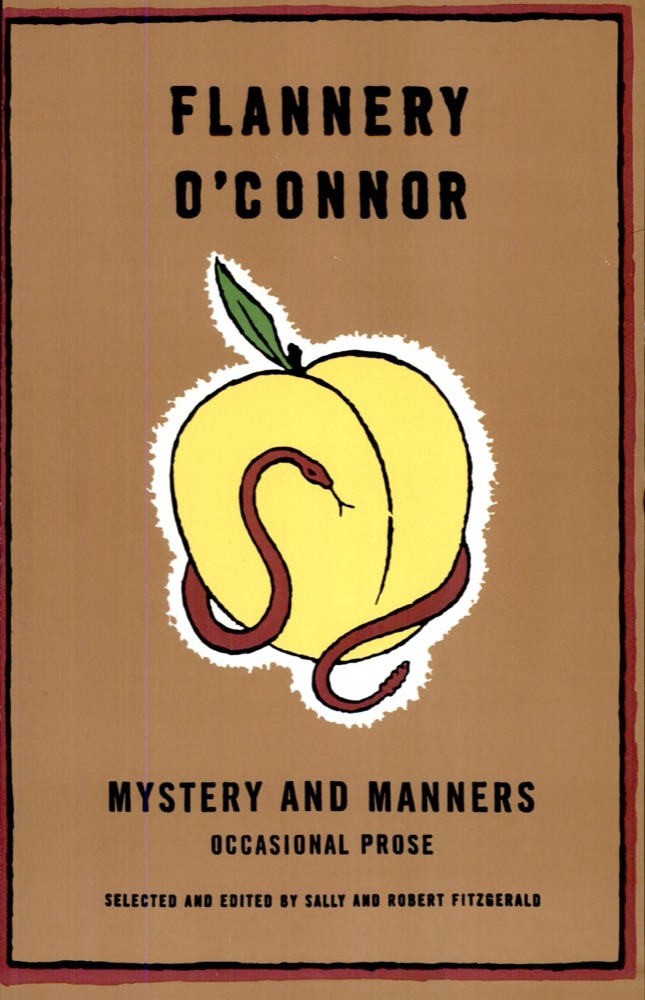 Mystery and Manners: Occasional Prose
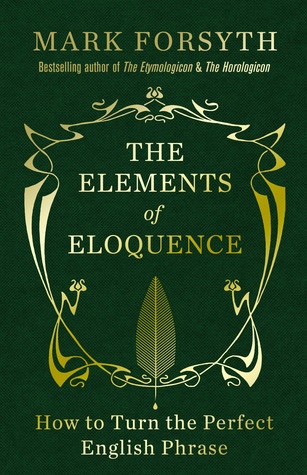 The Elements of Eloquence: How to Turn the Perfect English Phrase
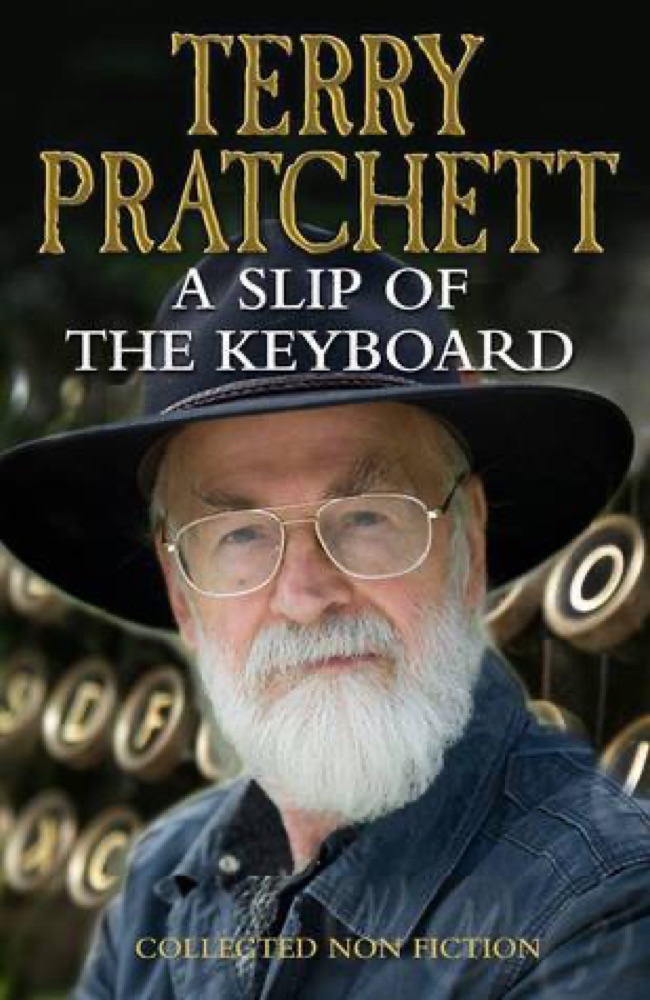 A Slip of the Keyboard: Collected Non-Fiction
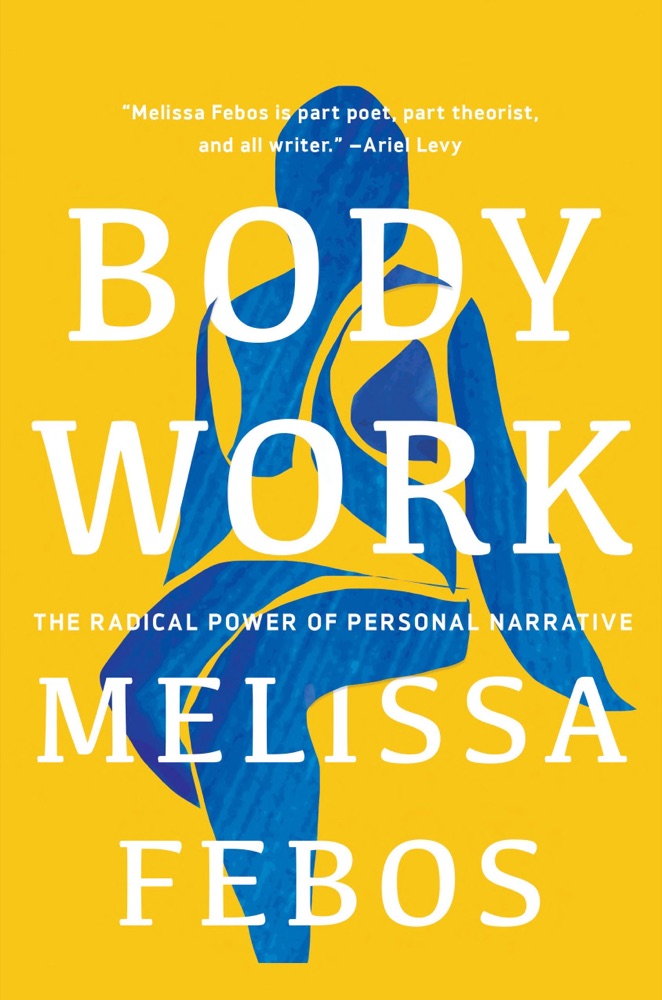 Body Work: The Radical Power of Personal Narrative
 The View from the Cheap Seats: Selected Nonfiction
 Art Matters: Because Your Imagination Can Change the World
 Sin and Syntax: How to Craft Wickedly Effective Prose
 The Language of the Night: Essays on Writing, Science Fiction, and Fantasy
 Writing
 The Anthologist
 Reality Hunger: A Manifesto
 The Writing Class
 The Rabbit Back Literature Society
 APE: Author, Publisher, Entrepreneur. How to Publish a Book
 Burning Questions: Essays and Occasional Pieces, 2004 to 2021
 How Not to Write a Novel: 200 Classic Mistakes and How to Avoid Them—A Misstep-by-Misstep Guide
 Poison for Breakfast
 Blueberries: Essays Concerning Understanding
 Both Flesh and Not: Essays
 The Sense of Style: The Thinking Person's Guide to Writing in the 21st Century
 Writing Tools: 50 Essential Strategies for Every Writer
 The Ghost Writer
 Stranger than Fiction
 Writing Magic: Creating Stories that Fly
 Ignore Everybody: and 39 Other Keys to Creativity
 Dear Mr. M
 The Elements of Style
 Experience
 Everyone on This Train Is a Suspect
 This Is the Story of a Happy Marriage