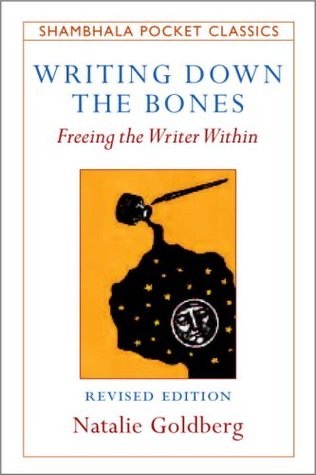
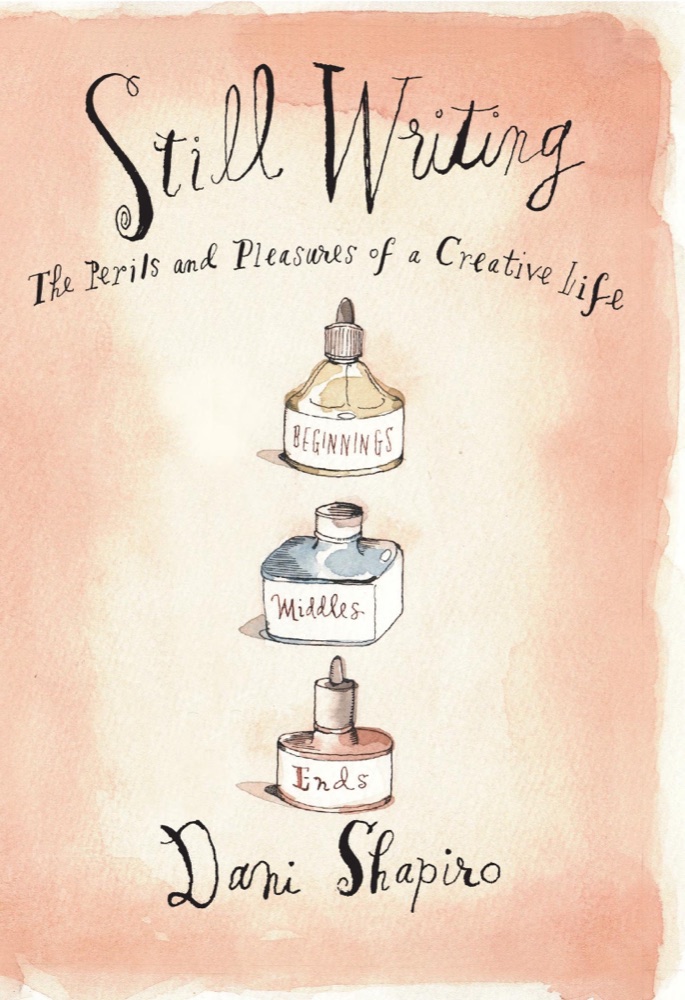
 Still Writing: The Perils and Pleasures of a Creative Life
Quotes from the Book
Write what disturbs you, what you fear, what you have not been willing to speak about. Be willing to be split open.
We are important and our lives are important, magnificent really, and their details are worthy to be recorded. This is how writers must think, this is how we must sit down with pen in hand. We were here; we are human beings; this is how we lived. Let it be known, the earth passed before us. Our details are important. Otherwise, if they are not, we can drop a bomb and it doesn't matter. . . Recording the details of our lives is a stance against bombs with their mass ability to kill, against too much speed and efficiency. A writer must say yes to life, to all of life: the water glasses, the Kemp's half-and-half, the ketchup on the counter. It is not a writer's task to say, "It is dumb to live in a small town or to eat in a café when you can eat macrobiotic at home." Our task is to say a holy yes to the real things of our life as they exist – the real truth of who we are: several pounds overweight, the gray, cold street outside, the Christmas tinsel in the showcase, the Jewish writer in the orange booth across from her blond friend who has black children. We must become writers who accept things as they are, come to love the details, and step forward with a yes on our lips so there can be no more noes in the world, noes that invalidate life and stop these details from continuing.
If you are not afraid of the voices inside you, you will not fear the critics outside you.
I write because I am alone and move through the world alone. No one will know what has passed through me... I write because there are stories that people have forgotten to tell, because I am a woman trying to stand up in my life... I write out of hurt and how to make hurt okay; how to make myself strong and come home, and it may be the only real home I'll ever have.
Play around. Dive into absurdity and write. Take chances. You will succeed if you are fearless of failure.
I don't think everyone wants to create the great American novel, but we all have a dream of telling our stories-of realizing what we think, feel, and see before we die. Writing is a path to meet ourselves and become intimate.
Anything you do fully is an alone journey.
Writers are great lovers. They fall in love with other writers. That's how they learn to write. They take on a writer, read everything by him or her, read it over again until they understand how the writer moves, pauses, and sees. That's what being a lover is: stepping out of yourself, stepping into someone else's skin.
Writing is the act of discovery.
Handwriting is more connected to the movement of the heart.
I think talent is like a water table under the earth—you tap it with your effort and it comes through you.
First, consider the pen you write with. It should be a fast-writing pen because your thoughts are always much faster than your hand. You don't want to slow up your hand even more with a slow pen. A ballpoint, a pencil, a felt tip, for sure, are slow. Go to a stationery store and see what feels good to you. Try out different kinds. Don't get too fancy and expensive. I mostly use a cheap Sheaffer fountain pen, about $1.95.... You want to be able to feel the connection and texture of the pen on paper.
poems are small moments of enlightenment
It is odd that we never question the feasibility of a football team practicing long hours for one game; yet in writing we rarely give ourselves the space for practice.
We walk through so many myths of each other and ourselves; we are so thankful when someone sees us for who we are and accepts us.
Accept loss forever Be submissive to everything, open, listening No fear or shame in the dignity of your experience, language, and knowledge Be in love with your life
There is freedom in being a writer and writing. It is fulfilling your function. I used to think freedom meant doing whatever you want. It means knowing who you are, what you are supposed to be doing on this earth, and then simply doing it.
Basically, if you want to become a good writer, you need to do three things. Read a lot, listen well and deeply, and write a lot. And don’t think too much. Just enter the heat of words and sounds and colored sensations and keep your pen moving across the page. If you read good books, when you write, good books will come out of you.
People often say, “I was walking along [or driving, shopping, jogging] and I had this whole poem go through my mind, but when I sat down to write it, I couldn’t get it to come out right.” I never can either. Sitting to write is another activity. Let go of walking or jogging and the poem that was born then in your mind. This is another moment. Write another poem. Perhaps secretly hope something of what you thought a while ago might come out, but let it come out however it does. Don’t force it.
If something comes up in your writing that is scary or naked, dive right into it. It probably has lots of energy.
It's the process of writing and life that matters.Too many writers have written great books and gone insane or alcoholic or killed themselves. This process teaches about sanity. We are trying to become sane along with our poems and stories.
It’s pretty nice to be talented. If you are, enjoy, but it won’t take you that far. Work takes you a lot further.
If you are not afraid of the voices inside you, you will not fear the critics outside you. Besides, those voices are merely guardians and demons protecting the real treasure, the first thoughts of the mind.
The deepest secret in our heart of hearts is that we are writing because we love the world, and why not finally carry that secret out with our bodies into the living rooms and porches, backyards and grocery stores? Let the whole thing flower: the poem and the person writing the poem. And let us always be kind in this world.
As writers we are always seeking support. First we should notice that we are already supported every moment. There is the earth below our feet and there is the air, filling our lungs and emptying them. We should begin from this when we need support. There is the sunlight coming through the window and the silence of the morning. Begin from these. Then turn to face a friend and feel how good it is when she says, “I love your work.” Believe her as you believe the floor will hold you up, the chair will let you sit.
What crannies of untouched perception can you explore? What autumn was it that the moon entered your life? When was it that you picked blueberries at their quintessential moment? How long did you wait for your first true bike? Who are your angels? What are you thinking of? Not thinking of? What are you looking at? Not looking at?
Choose your tools carefully, but not so carefully that you get uptight or spend more time at the stationery store than at your writing table.
This is why it is good to remember: if you want to get high, don’t drink whiskey; read Shakespeare, Tennyson, Keats, Neruda, Hopkins, Millay, Whitman, aloud and let your body sing.
14294Inspiration means breathing in. Breathing in God. You actually become larger than yourself and first thoughts are present.
Watch on YouTube
About Natalie Goldberg
We have collected 29 quotes from 1 book by Natalie Goldberg on BookQuoters.
More about the author →Book details
- Author
- Natalie Goldberg
- Genre
- Nonfiction
- Goodreads rating
- 4.21 (32k ratings) →
Keep reading
Still Writing: The Perils and Pleasures of a Creative Life
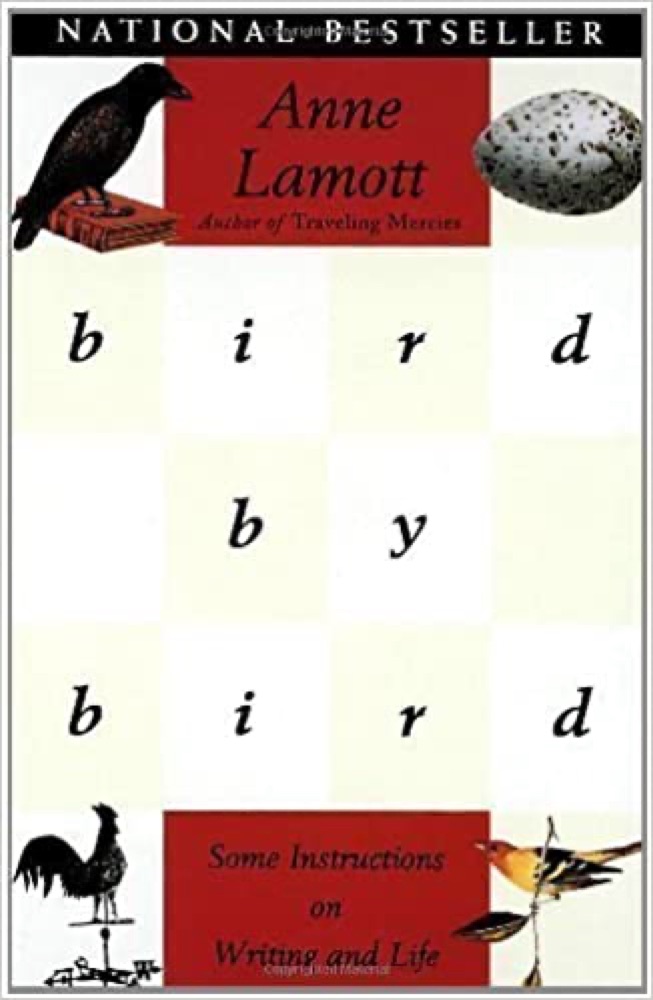 Bird by Bird
 The Getaway Car: A Practical Memoir About Writing and Life
 On Writing: A Memoir of the Craft
 The Right to Write: An Invitation and Initiation Into the Writing Life
 The Power of Writing It Down: A Simple Habit to Unlock Your Brain and Reimagine Your Life
 If You Want to Write: A Book about Art, Independence and Spirit
 On Writing Well: The Classic Guide to Writing Nonfiction
 How to Write an Autobiographical Novel
 The Writing Life
 Zen in the Art of Writing
 Body Work: The Radical Power of Personal Narrative
 The Triggering Town: Lectures and Essays on Poetry and Writing
 Consider This: Moments in My Writing Life After Which Everything Was Different
 On Writing
 Becoming a Writer
 A Poetry Handbook
 How to Write One Song: Loving the Things We Create and How They Love Us Back
 Several Short Sentences About Writing
 A Writer's Diary
 The Midnight Disease: The Drive to Write, Writer's Block, and the Creative Brain
 Novelist as a Vocation
 The Book of Alchemy: A Creative Practice for an Inspired Life
 Reading Like a Writer: A Guide for People Who Love Books and for Those Who Want to Write Them
 Blueberries: Essays Concerning Understanding
 Writing Magic: Creating Stories that Fly
 Embrace Your Weird: Face Your Fears and Unleash Creativity
 Walking on Water: Reading, Writing, and Revolution
 On Writing
 Big Magic: Creative Living Beyond Fear
 The Stories We Tell: Every Piece of Your Story Matters
 On Becoming a Novelist
 Negotiating with the Dead: A Writer on Writing
 Art Matters: Because Your Imagination Can Change the World
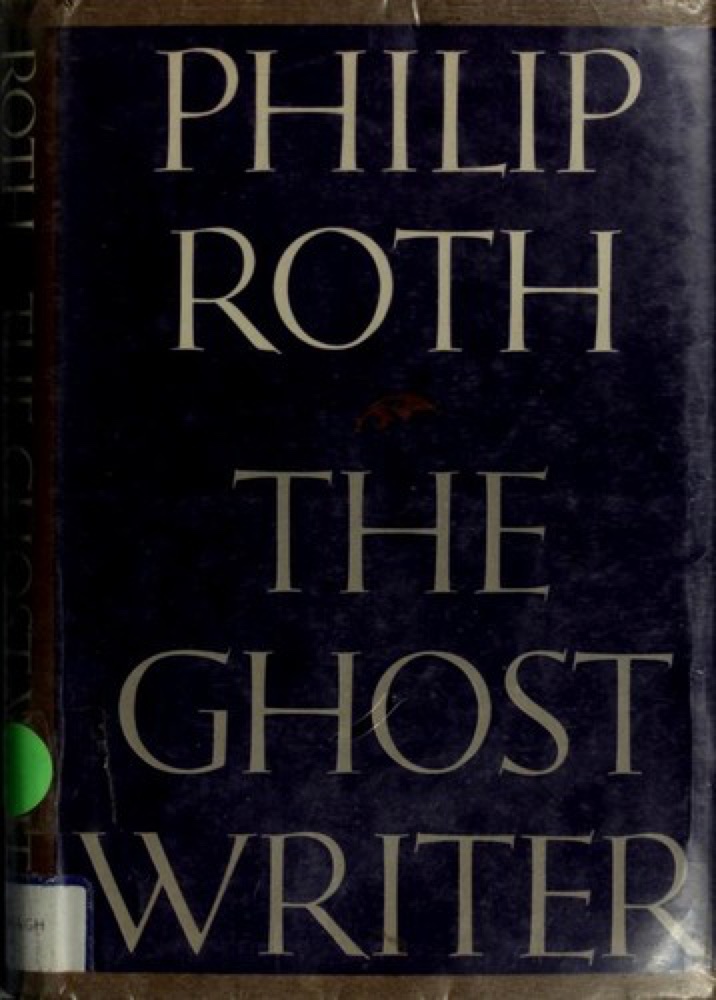 The Ghost Writer
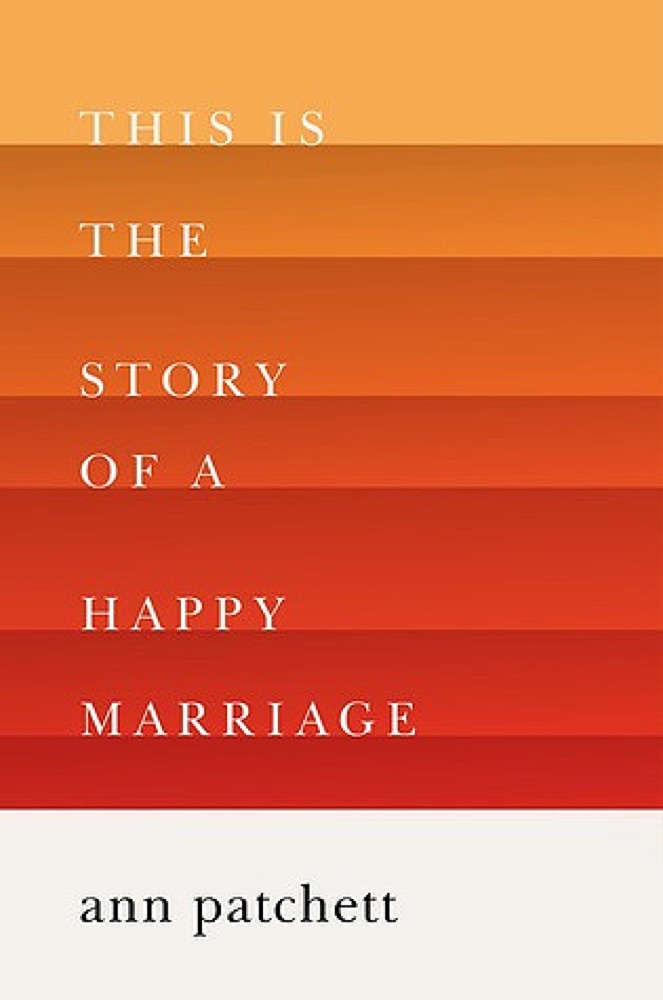 This Is the Story of a Happy Marriage
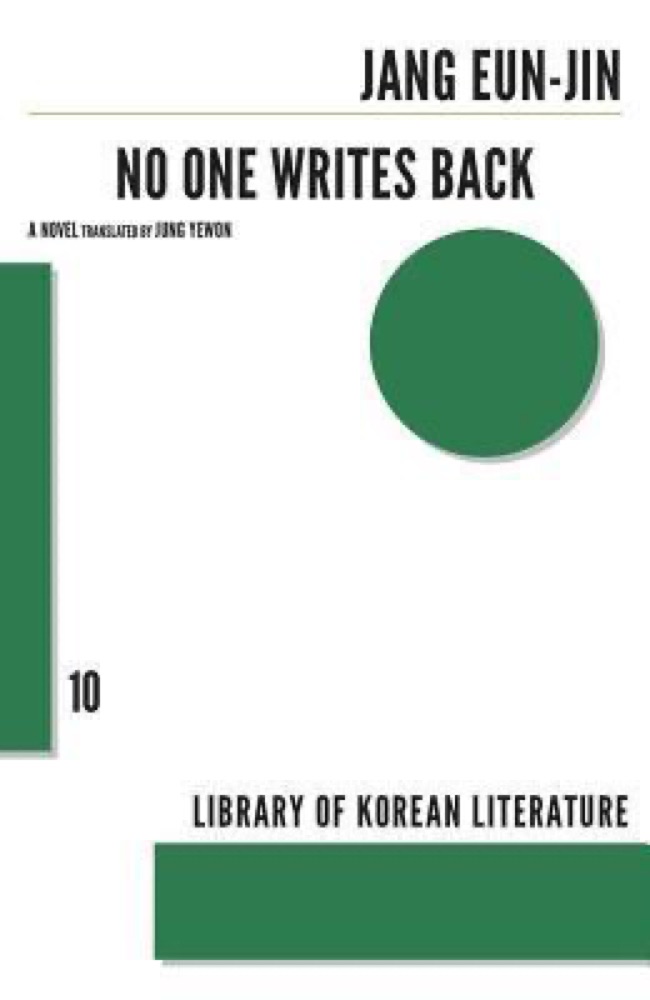 No One Writes Back
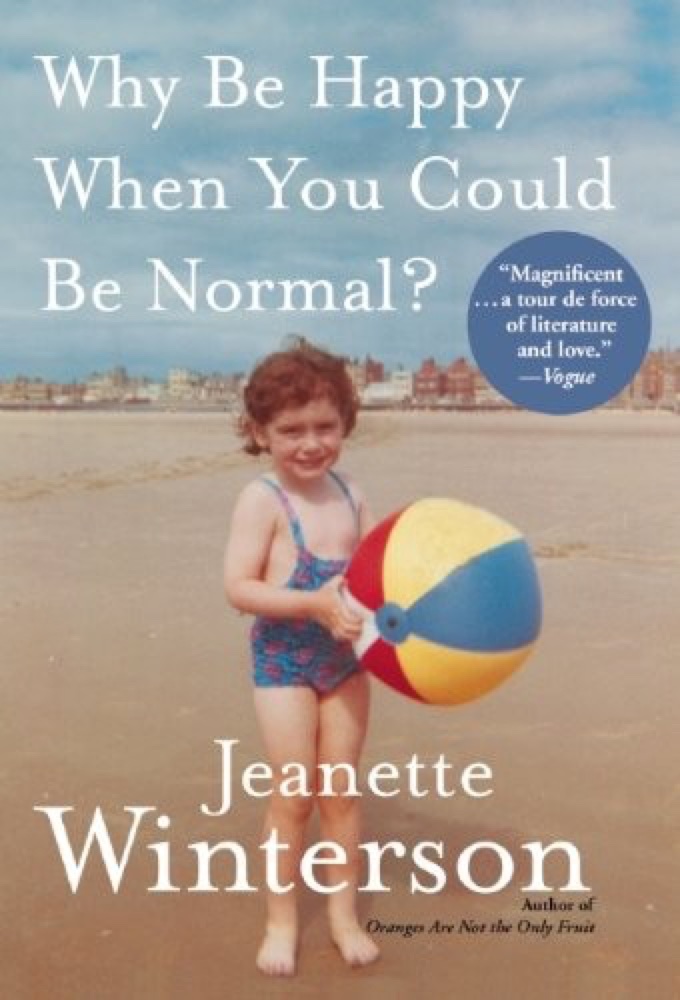 Why Be Happy When You Could Be Normal?
 The Artist's Way
 The Anthologist
 Ignore Everybody: and 39 Other Keys to Creativity
 Madness, Rack, and Honey: Collected Lectures
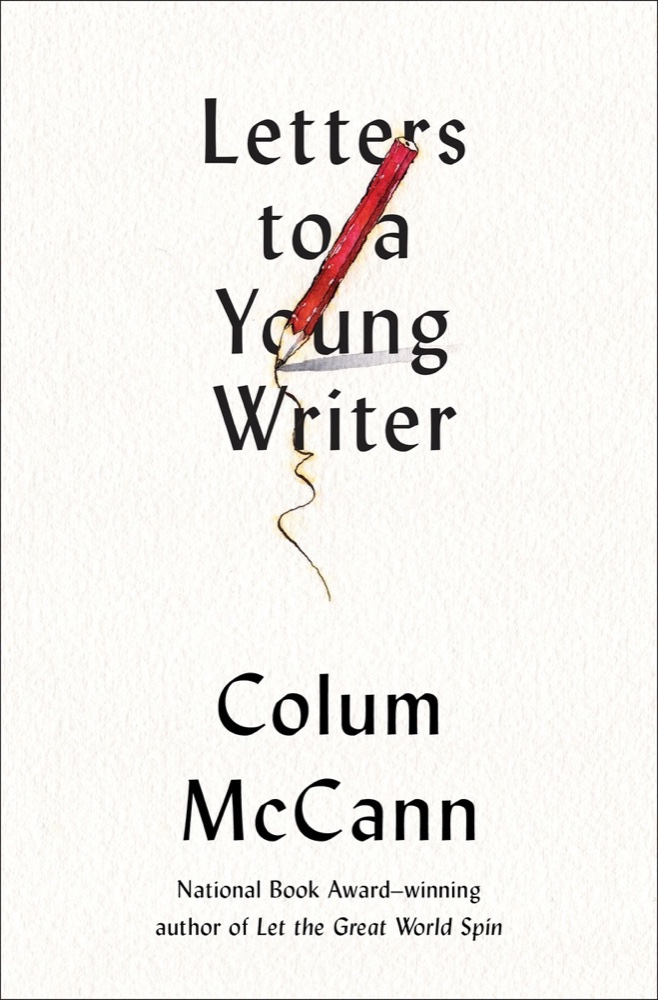 Letters to a Young Writer: Some Practical and Philosophical Advice
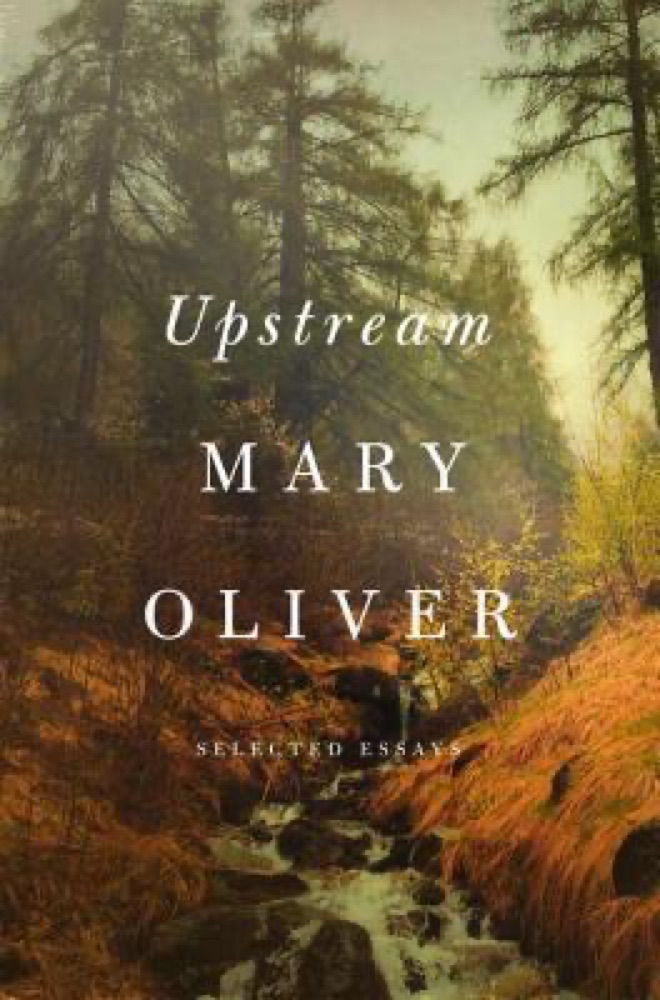 Upstream: Selected Essays
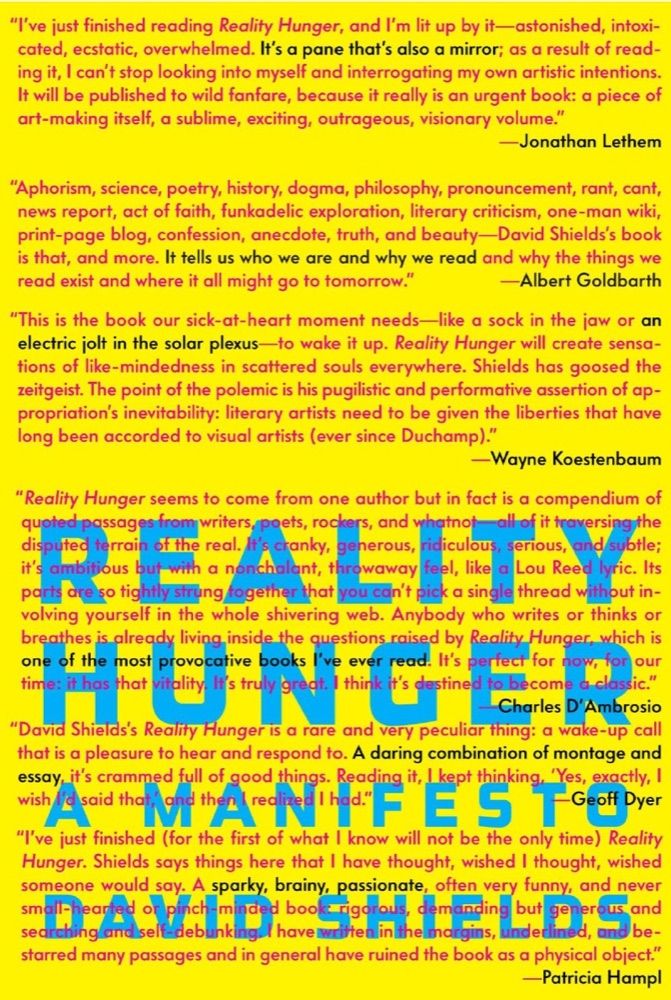 Reality Hunger: A Manifesto
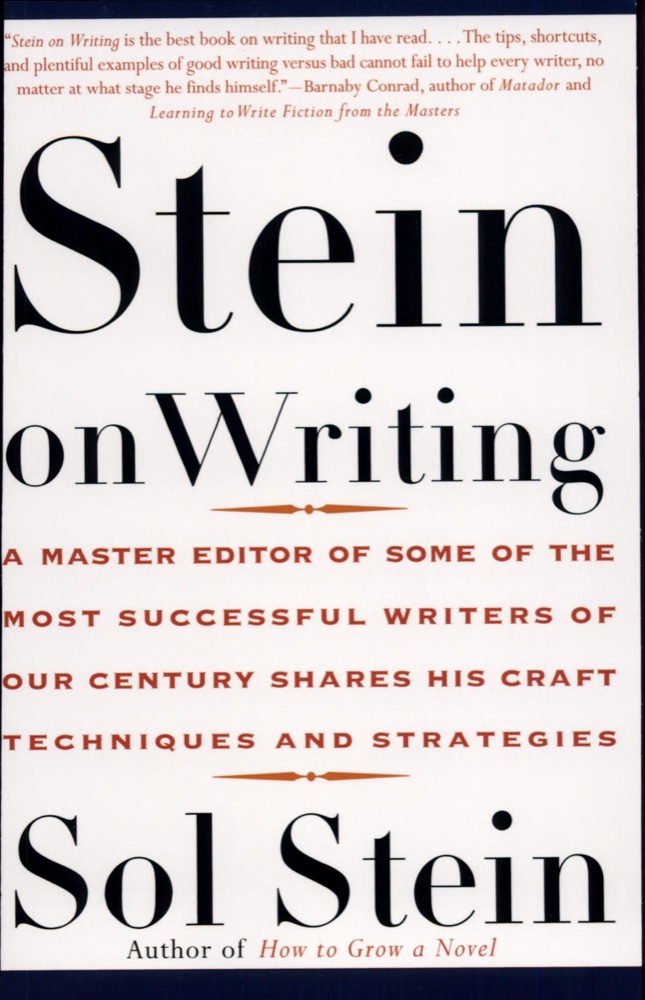 Stein on Writing
 Like Streams to the Ocean: Notes on Ego, Love, and the Things That Make Us Who We Are
 The Princesses of Iowa
 Poemcrazy: Freeing Your Life with Words
 Buffering: Unshared Tales of a Life Fully Loaded
 Poison for Breakfast
 Old School
 Winter Hours: Prose, Prose Poems, and Poems
 Dead Poets Society
 A Circle of Quiet
 Creativity: Flow and the Psychology of Discovery and Invention
 Dæmon Voices
 The Book of Form and Emptiness
 No Plot? No Problem!
 The Letters of Vincent van Gogh