
 Authority
Quotes from the Book
The world is filled with people who have too much imagination solely because the people around them have too little.
3
Imbuing fiction with a life that extends beyond the last word is in some ways the goal: the ending that goes beyond the ending in the reader's mind, so invested are they in the story.
3
If we start off on a journey toward Mordor without our bearings, tagging along with people we know nothing about and care nothing about, we might decide to go AWOL.
1
No good ever came from not putting dialogue between quotation marks.
El juego creativo y la imaginación están en el centro de la vida de un escritor. La forma en que alimentamos la imaginación afecta a todos los aspectos de lo que escribimos y de cómo lo escribimos. Como dijo Jung: "El principio dinámico de la fantasía es el juego, que también pertenece al niño, y como tal parece ser incoherente con el principio del trabajo serio. Pero sin este juego con la fantasía ninguna obra creativa ha llegado a nacer".
The word “frivolous” lurks in the subtext of such opinions, along with the assumption that flights of fantasy have no moorings to reality, a tether believed by some to be essential. Yet completely un-utilitarian fantastical “documents” like the famed Codex Seraphinianus (created by Luigi Serafini in the 1970s), the mysterious fifteenth-century Voynich Manuscript, or writer-artist Richard A. Kirk’s “Iconoclast” imaginings have a marvelous intrinsic value no matter what we can actually glean from them. Lewis Carroll’s Alice in Wonderland may or may not include some interesting life lessons, but that is beside the point of the mathematical precision of its frivolity. As the award-winning Australian writer Lisa L. Hannett points out, “‘ frivolous’ reading is as important as creative play. Reading for fun, reading to feed your imagination, reading to revel in the childlike wonder of being elsewhere.
WRITE WHAT’S RANDOM. Some writers require chaos to find inspiration. You might be someone who needs a jolt to the system—who needs to tell yourself, on seeing a duck wearing a sun hat, being led on a leash by a child, “I need to write about that duck, that hat, that child.” You don’t require anything more than surprise and the unexpected moment for inspiration. That sudden shock—that introduction of chaos into the world—serves as the catalyst back into writing what’s interesting, personal, or uncomfortable.
As much as possible, allow yourself to be a raw nerve end that internalizes whatever is experienced in life.
I’m not an answering machine—I don’t have a message for you! What I have for you is a story.
Be fiercely protective of your imagination, and nurture it.
Some people can stick to one type of writing and be perfectly happy. I’m not one of them. Once I knew that, and once I stopped trying to pigeonhole myself for the sake of a career and originality and beating Georg Büchner, I didn’t suffer any significant writer’s block again. The lesson I take from that experience is that the way to beat writer’s block is to get to know yourself better as a writer, and once you know yourself, accept yourself. You’re not Shakespeare or Joyce or Gertrude Stein or Theodore Sturgeon or Joseph Mitchell or Tillie Olsen or Fran Lebowitz or James Redfield. For better or worse, you’re you.
Think about how backstory fits the tale you're trying to tell...
Agency in fiction has to exist in the context of the worldview. Otherwise agency is not just meaningless or unconvincing, it is often laughable. Unfortunately, agency is often thoughtlessly given to characters who would not have it in reality.
...your antagonist is a hero in their own mind...
Watch on YouTube
About Jeff Vandermeer
We have collected 204 quotes from 9 books by Jeff Vandermeer on BookQuoters.
More about the author →More by Jeff Vandermeer
All books by Jeff Vandermeer →
About the book
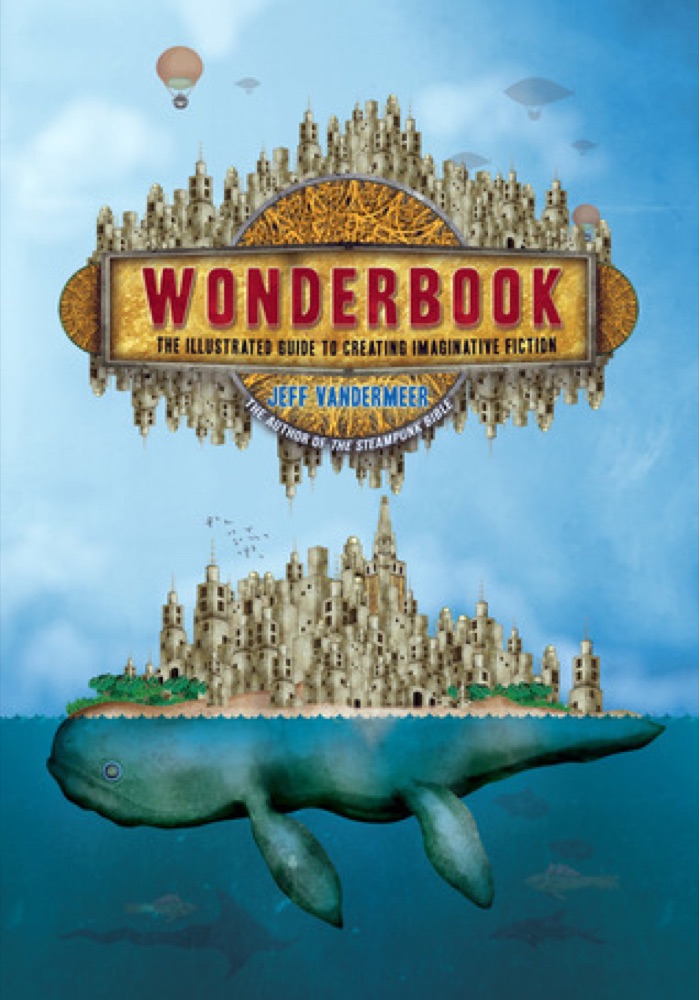
This all-new definitive guide to writing imaginative fiction takes a completely novel approach and fully exploits the visual nature of fantasy through original drawings, maps, renderings, and exercises to create a spectacularly beautiful and inspiring object. Employing an accessible, example-rich approach, Wonderbook energizes and motivates while also providing practical, nuts-and-bolts information needed to improve as a writer. Aimed at aspiring and intermediate-level writers, Wonderbook includes helpful sidebars and essays from some of the biggest names in fantasy today, such as George R. R. Martin, Lev Grossman, Neil Gaiman, Michael Moorcock, Catherynne M. Valente, and Karen Joy Fowler, to name a few.
Praise for
“Jammed with storytelling wisdom.” — Fast Company ’s Co.Create blog
“This is the kind of book you leave sitting out for all to see . . . and the kind of book you will find
Book details
- First published
- 2013
- Author
- Jeff Vandermeer
- Genre
- Nonfiction
- Goodreads rating
- 4.32 (4k ratings)
Keep reading
 Wired for Story: The Writer's Guide to Using Brain Science to Hook Readers from the Very First Sentence
 Consider This: Moments in My Writing Life After Which Everything Was Different
 Story Genius: How to Use Brain Science to Go Beyond Outlining and Write a Riveting Novel
 Stein on Writing
 The Language of the Night: Essays on Writing, Science Fiction, and Fantasy
 Stories: All-New Tales
 The Art of Fiction: Notes on Craft for Young Writers
 A Slip of the Keyboard: Collected Non-Fiction
 Dæmon Voices
 The View from the Cheap Seats: Selected Nonfiction
 On Becoming a Novelist
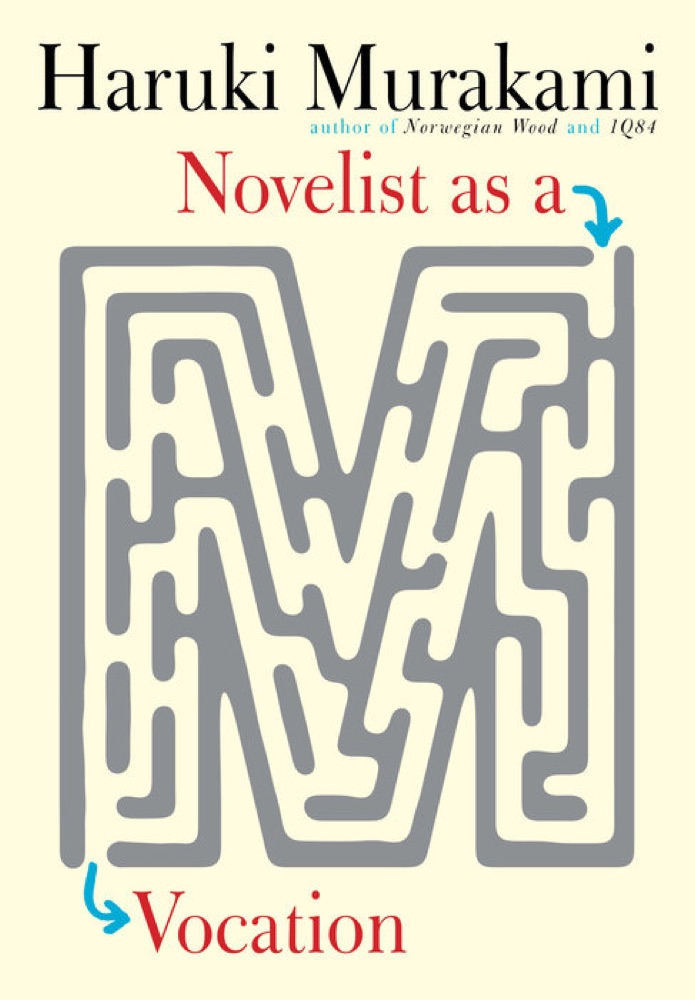 Novelist as a Vocation
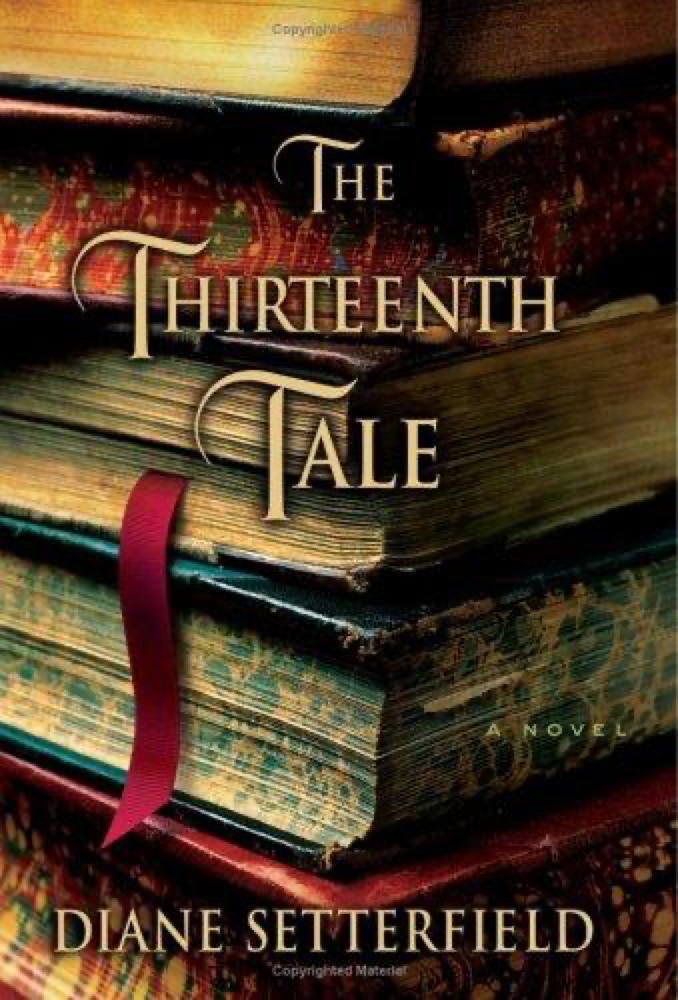 The Thirteenth Tale
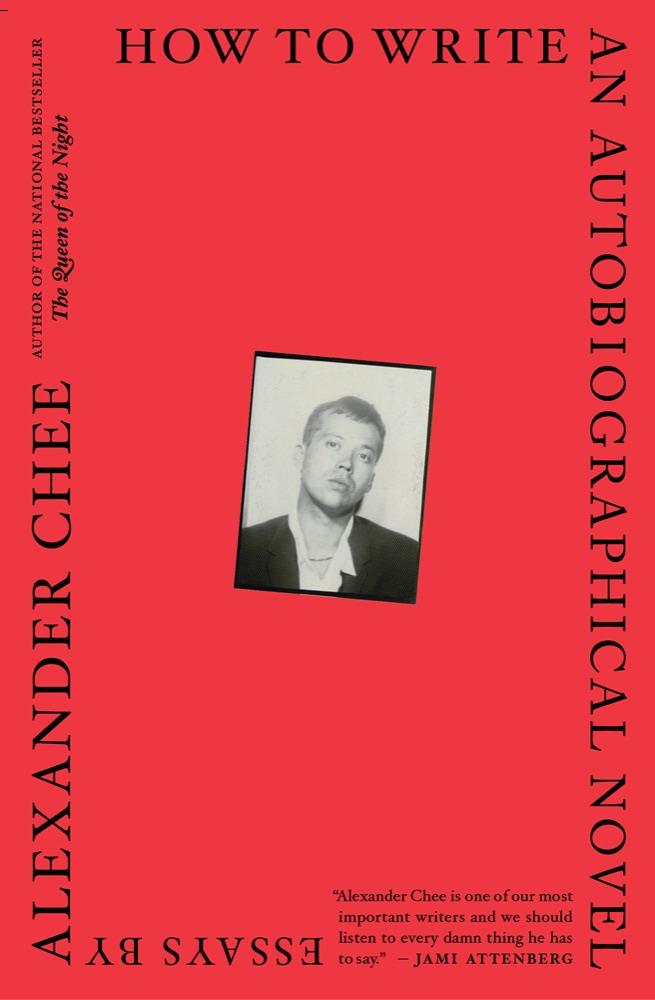 How to Write an Autobiographical Novel
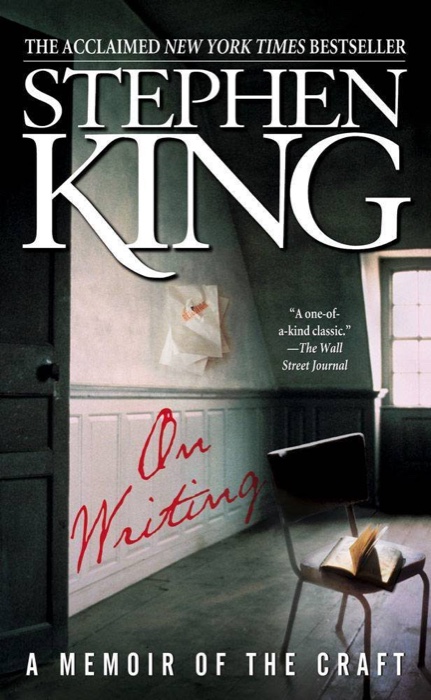 On Writing: A Memoir of the Craft
 Tales from Earthsea
 Story Engineering: Character Development, Story Concept, Scene Construction
 Zen in the Art of Writing
 The Triggering Town: Lectures and Essays on Poetry and Writing
 The Unlikely Escape of Uriah Heep
 The Getaway Car: A Practical Memoir About Writing and Life
 Story: Substance, Structure, Style, and the Principles of Screenwriting
 The Well of Lost Plots
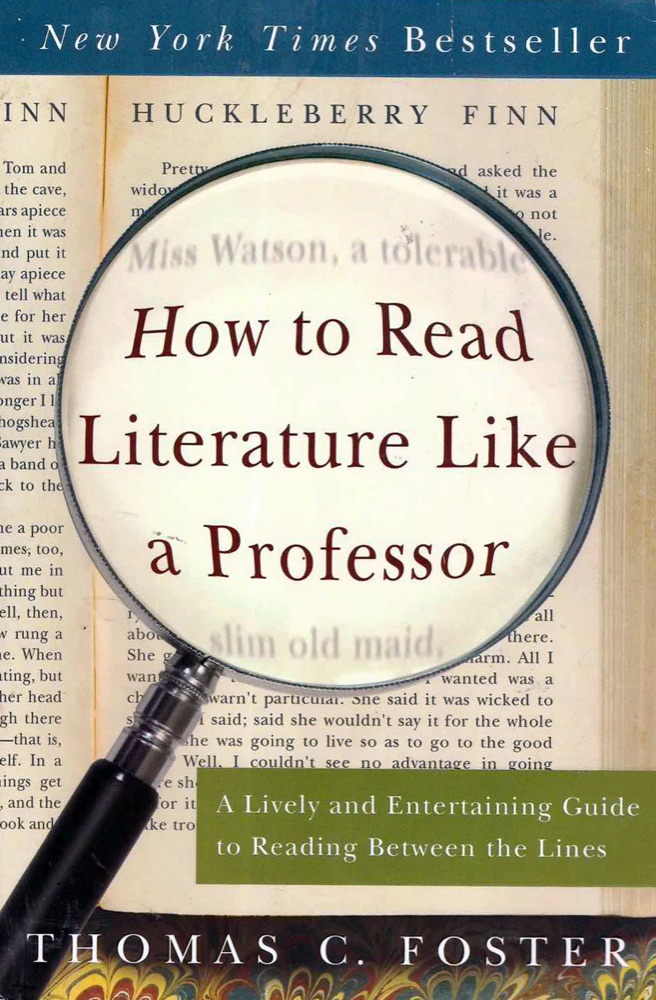 How to Read Literature Like a Professor
 Becoming a Writer
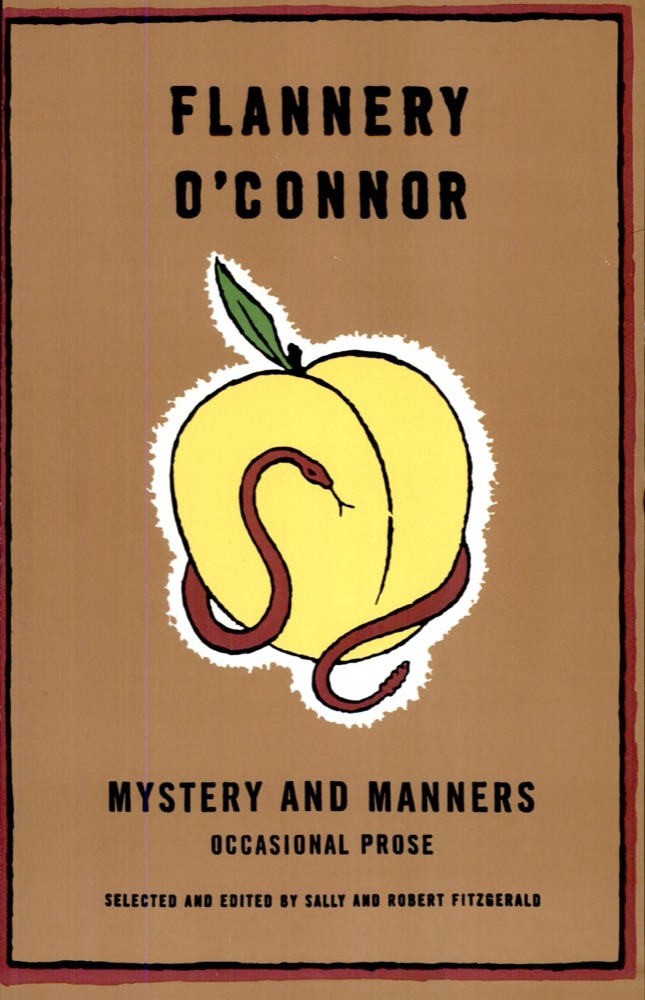 Mystery and Manners: Occasional Prose
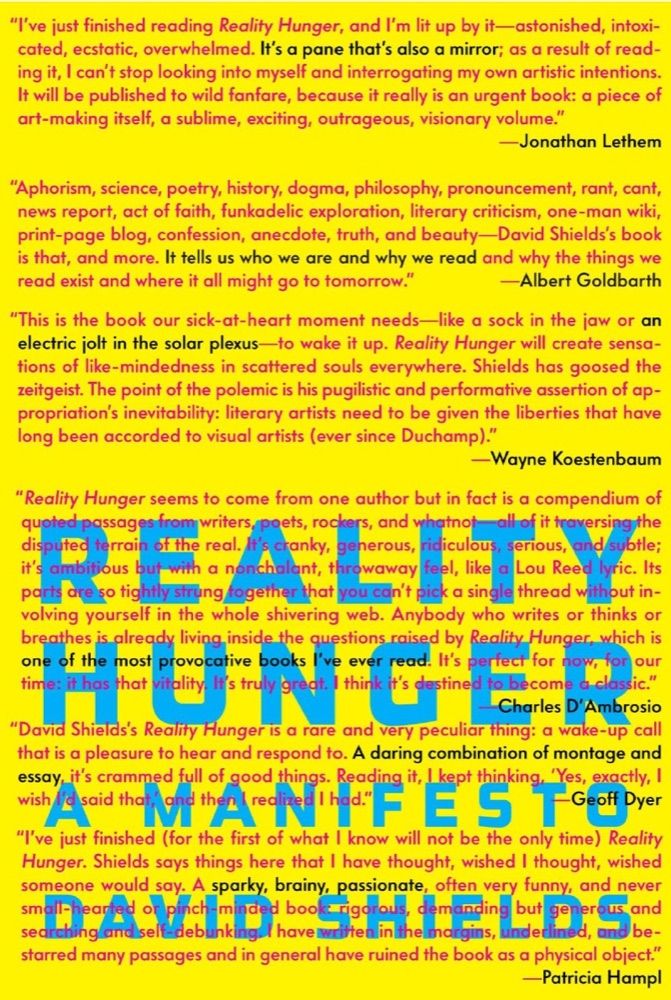 Reality Hunger: A Manifesto
 How to Read Literature
 Negotiating with the Dead: A Writer on Writing
 The Wave in the Mind: Talks and Essays on the Writer, the Reader and the Imagination
 The Hero's Journey: Joseph Campbell on His Life & Work
 Smoke and Mirrors: Short Fiction and Illusions
 The Writing Life
 The Madwoman Upstairs
 How Not to Write a Novel: 200 Classic Mistakes and How to Avoid Them—A Misstep-by-Misstep Guide
 The Library of the Unwritten
 The Book of Form and Emptiness
 Storyworthy: Engage, Teach, Persuade, and Change Your Life through the Power of Storytelling
 The Neverending Story
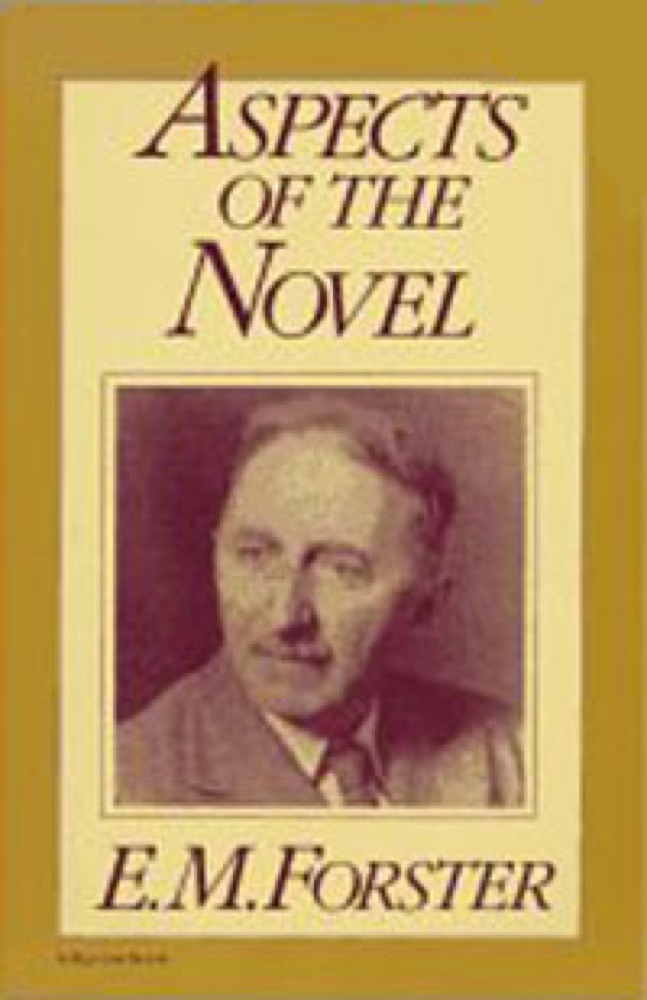 Aspects of the Novel
 The Science of Storytelling
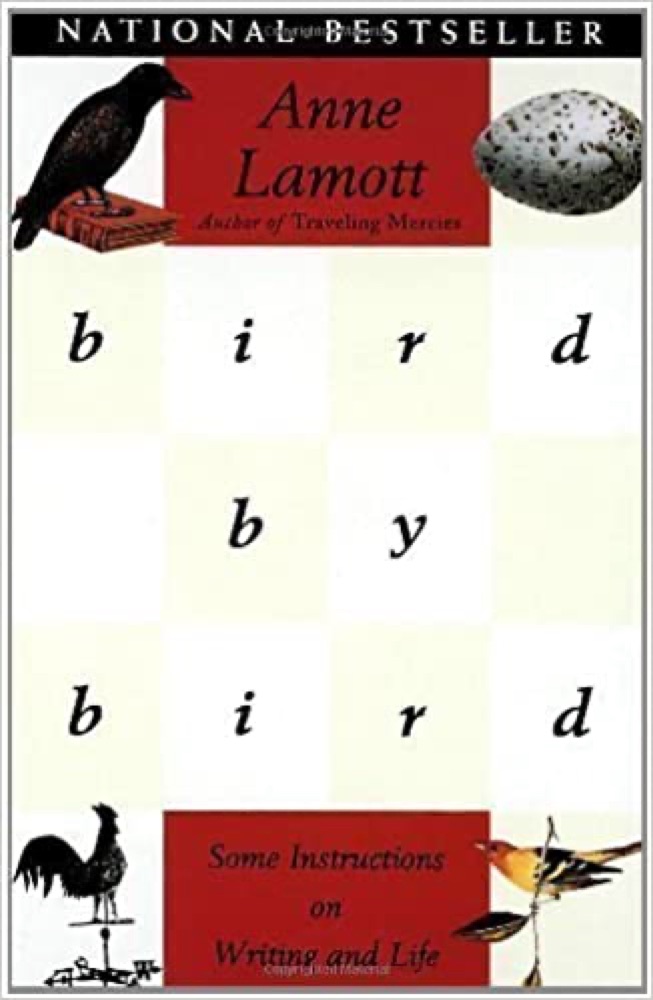 Bird by Bird
 Poison for Breakfast
 Stranger than Fiction
 The Name of This Book Is Secret
 The Book of Dreams
 The Writer's Journey: Mythic Structure for Writers
 Afterworlds
 The Faraway Nearby
 A Million Miles in a Thousand Years: What I Learned While Editing My Life
 Letters to a Young Writer: Some Practical and Philosophical Advice
 The Anatomy of Story: 22 Steps to Becoming a Master Storyteller
 Danse Macabre
 Our Tragic Universe
 The Archive of the Forgotten
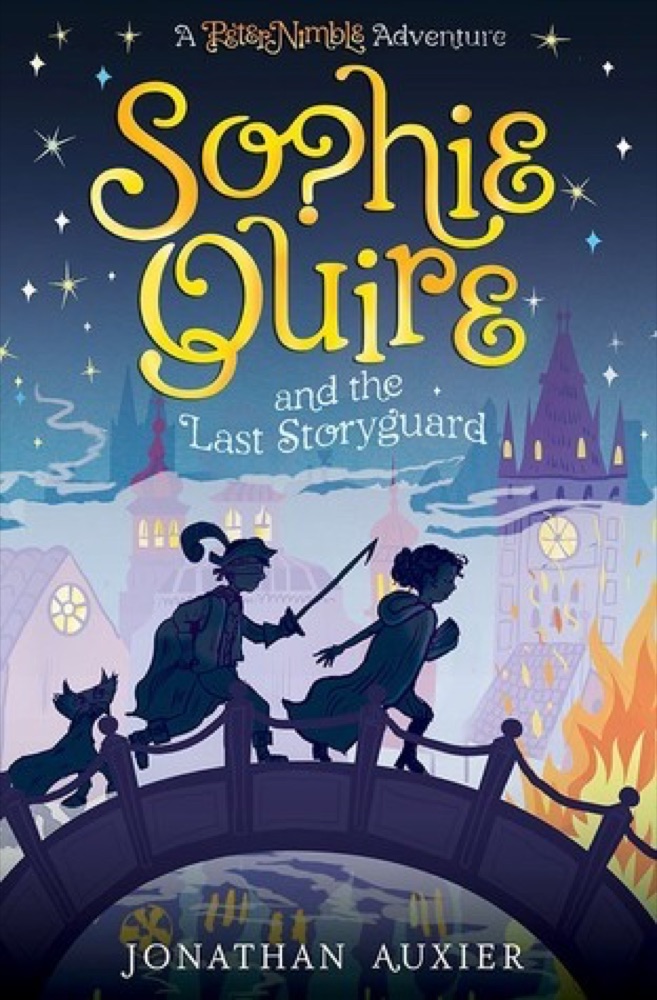 Sophie Quire and the Last Storyguard
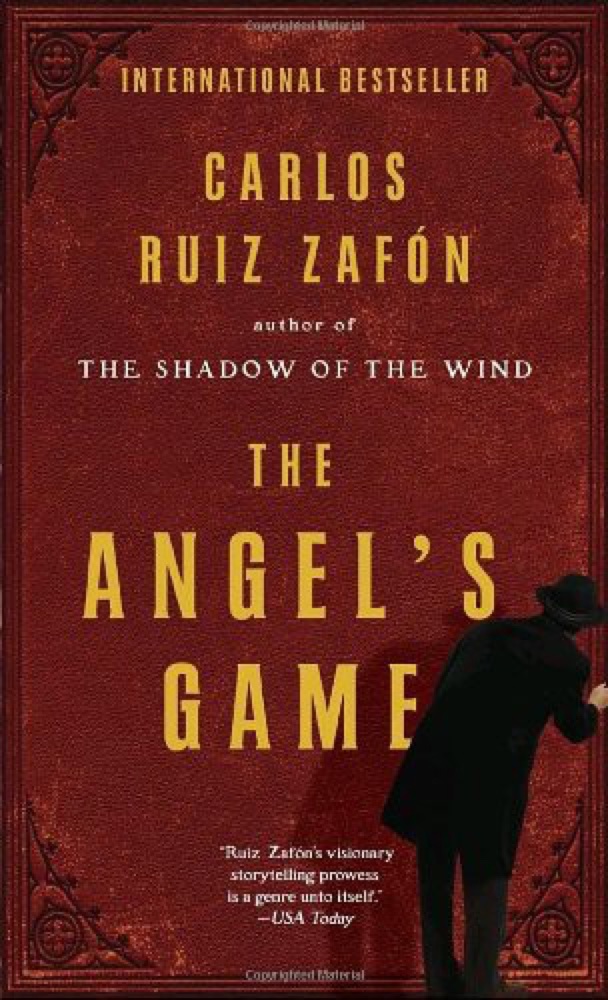 The Angel's Game
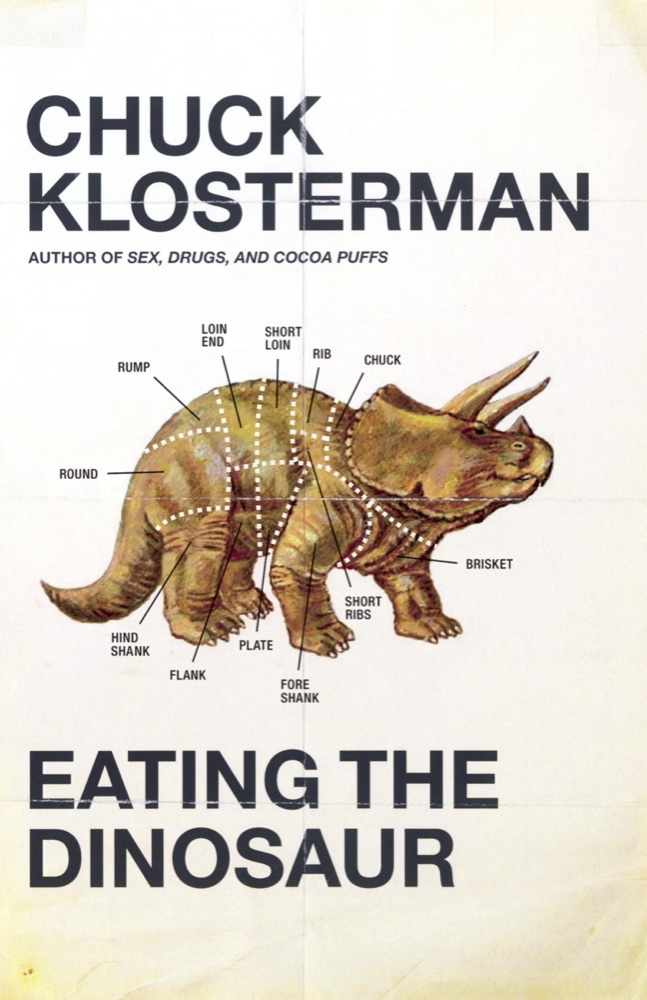 Eating the Dinosaur
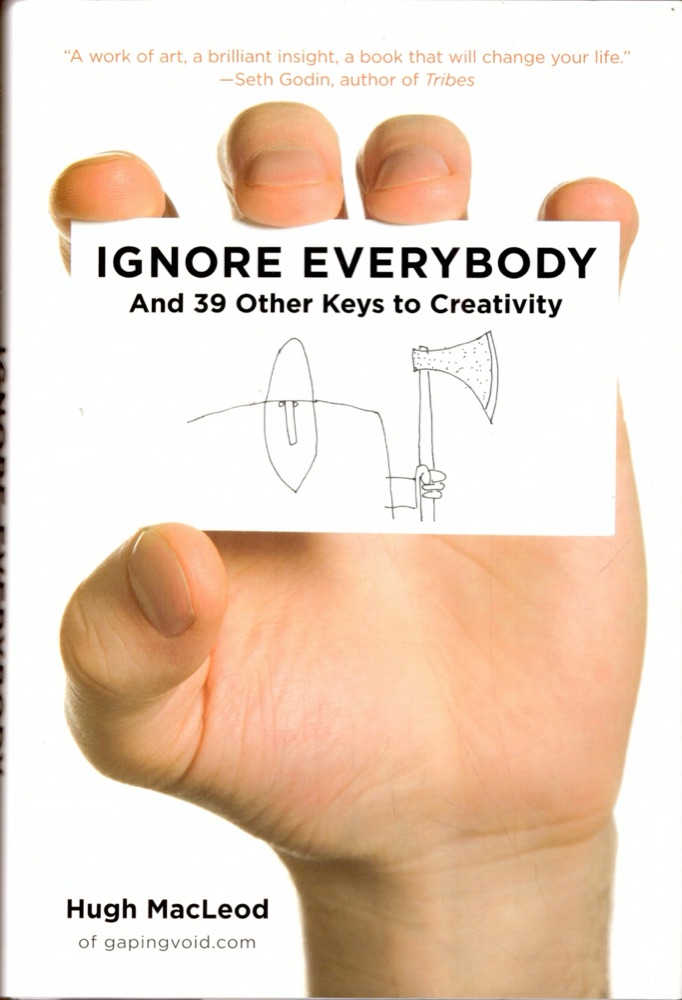 Ignore Everybody: and 39 Other Keys to Creativity
 The Summer Without Men