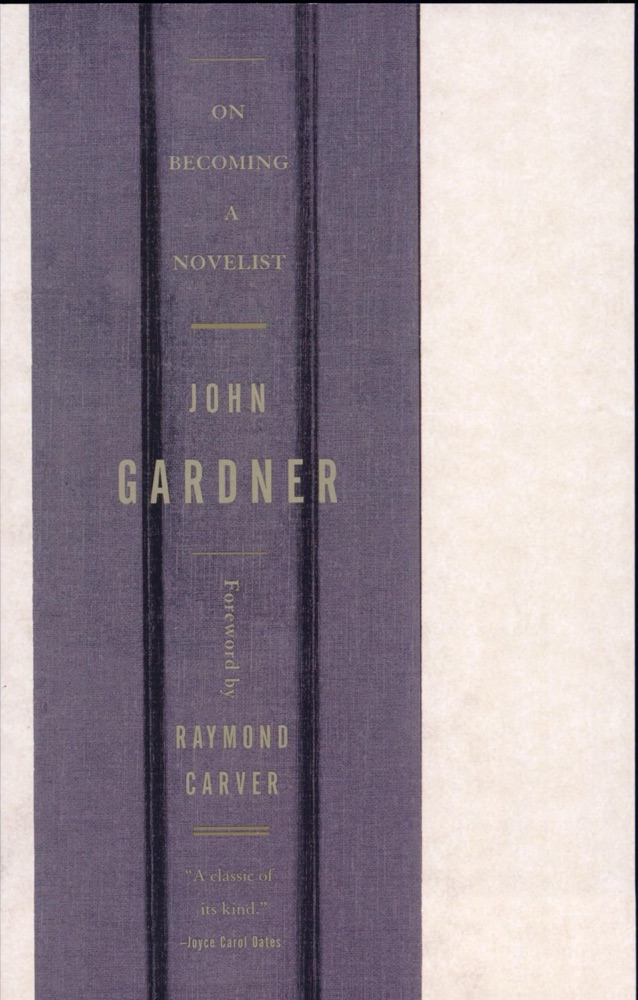
 On Becoming a Novelist
Quotes from the Book
The primary subject of fiction is and has always been human emotion, values, and beliefs.
29
Fiction does not spring into the world fully grown, like Athena. It is the process of writing and rewriting that makes a fiction original, if not profound.
21
Mastery is not something that strikes in an instant, like a thunderbolt, but a gathering power that moves steadily through time, like weather.
18
To write with taste, in the highest sense, is to write [...] so that no one commits suicide, no one despairs; to write [...] so that people understand, sympathize, see the universality of pain, and feel strengthened, if not directly encouraged to live on. If there is good to be said, the writer should say it. If there is bad to be said, he should say it in a way that reflects the truth that, though we see the evil, we choose to continue among the living. The true artist [...] gets his sense of worth and honor from his conviction that art is powerful--
16
As in the universe every atom has an effect, however miniscule, on every other atom, so that to pinch the fabric of Time and Space at any point is to shake the whole length and breadth of it, so that to change a character's name from Jane to Cynthia is to make the fictional ground shudder under her feet.
10
He must shape simultaneously (in an expanding creative moment) his characters, plot, and setting, each inextricably connected to the others; he must make his whole world in a single, coherent gesture, as a potter makes a pot...
10
In university courses we do exercises. Term papers, quizzes, final examinations are not meant for publication. We move through a course on Dostoevsky or Poe as we move through a mildly good cocktail party, picking up the good bits of food or conversation, bearing with the rest, going home when it comes to seem the reasonable thing to do. Art, at those moments when it feels most like art -- when we feel most alive, most alert, most triumphant -- is less like a cocktail party than a tank full of sharks.
10
The writer's characters must stand before us with a wonderful clarity, such continuous clarity that nothing they do strikes us as improbable behavior for just that character, even when the character's action is, as sometimes happens, something that came as a surprise to the writer himself. We must understand, and the writer before us must understand, more than we know about the character; otherwise neither the writer nor the reader after him could feel confident of the character's behavior when the character acts freely.
8
The instruction here is not for every kind of writer - not for the writer of nurse books or thrillers or porno or the cheaper sort of sci-fi - though it is true that what holds for the most serious kind of fiction will generally hold for junk fiction as well. (Not everyone is capable of writing junk fiction: It requires an authentic junk mind. Most creative-writing teachers have had the experience of occasionally helping to produce, by accident, a pornographer. The most elegant techniques in the world, filtered through a junk mind, become elegant junk techniques.)
6
[the writer] must copy, with his finite mind, the process of the infinite 'I AM.
5
Not everyone is capable of writing junk fiction: It requires an authentic junk mind.
5
This highest kind of truth is never something the artist takes as given. It's not his point of departure but his goal. Though the artist has beliefs, like other people, he realizes that a salient characteristic of art is its radical openness to persuasion. Even those beliefs he's surest of, the artist puts under pressure to see if they will stand.
5
No fiction can have real interest if the central character is not an agent struggling for his or her own goals but a victim, subject to the will of others. (Failure to recognize that the central character must act, not simply be acted upon, is the single most common mistake in the fiction of beginners.)
4
As in the universe every atom has an effect, however minuscule, on every other atom, so that to pinch the fabric of Time and Space at any point is to shake the whole length and breadth of it, so in fiction every element has effect on every other, so that to change a character's name from Jane to Cynthia is to make the fictional ground shudder under her feet.
4
neatness can be carried too far, so that the work begins to seem fussy and overwrought, anal compulsive, unspontaneous, and remembering that, on the other hand, mess is no adequate alternative.
3
all writers, given adequate technique—technique that communicates—can stir our interest in their special subject matter, since at heart all fiction treats, directly or indirectly, the same thing: our love for people and the world, our aspirations and fears. The particular characters, actions, and settings are merely instances, variations on the universal theme.
3
...{N}othing is harder for the developing writer than overcoming his anxiety that he is fooling himself and cheating or embarrassing his family and friends.
2
Most creative-writing teachers have had the experience of occasionally helping to produce, by accident, a pornographer.
2
All great literature is one of the two stories; a man goes on a jorney, or a stranger comes to town.
1
It might be objected here that no law requires art to be “pleasing.” A story that raises expectations, then shows why they can neither be satisfied nor denied, can be as illuminating,
1
True artists, whatever smiling faces they may show you, are obsessive, driven people—whether driven by some mania or driven by some high, noble vision need not presently concern us.
1
The writer is more servant than master of his story.
1
We move through a course on Dostoevsky or Poe as we move through a mildly good cocktail party...Art...is less like a cocktail party thank a tank of shark.
1
Watch on YouTube
About John Gardner
We have collected 51 quotes from 2 books by John Gardner on BookQuoters.
More about the author →More by John Gardner
On Becoming a Novelist
About the book
This classic guide, from the renowned novelist and professor, has helped transform generations of aspiring writers into masterful writers— and will continue to do so for many years to come. John Gardner was almost as famous as a teacher of creative writing as he was for his own works. In this practical, instructive handbook, based on the courses and seminars that he gave, he explains, simply and cogently, the principles and techniques of good writing. Gardner’s lessons, exemplified with detailed excerpts from classic works of literature, sweep across a complete range of topics—from the nature of aesthetics to the shape of a refined sentence. Written with passion, precision, and a deep respect for the art of writing, Gardner’s book serves by turns as a critic, mentor, and friend. Anyone who has ever thought of taking the step from reader to writer should begin here.
Book details
- First published
- 1984
- Author
- John Gardner
- Genre
- Nonfiction
- Goodreads rating
- 3.99 (6k ratings)
Keep reading
On Becoming a Novelist
 Stein on Writing
 Mystery and Manners: Occasional Prose
 Becoming a Writer
 Aspects of the Novel
 How Fiction Works
 Reality Hunger: A Manifesto
 Novelist as a Vocation
 The Getaway Car: A Practical Memoir About Writing and Life
 The Language of the Night: Essays on Writing, Science Fiction, and Fantasy
 Both Flesh and Not: Essays
 Dæmon Voices
 Wonderbook: The Illustrated Guide to Creating Imaginative Fiction
 Reading Like a Writer: A Guide for People Who Love Books and for Those Who Want to Write Them
 Story: Substance, Structure, Style, and the Principles of Screenwriting
 On Writing: A Memoir of the Craft
 Consider This: Moments in My Writing Life After Which Everything Was Different
 How to Read Literature
 Negotiating with the Dead: A Writer on Writing
 How to Read Literature Like a Professor
 The Writing Life
 Story Engineering: Character Development, Story Concept, Scene Construction
 Death in the Afternoon
 Into the Woods: A Five Act Journey Into Story
 On Writing
 If You Want to Write: A Book about Art, Independence and Spirit
 Wired for Story: The Writer's Guide to Using Brain Science to Hook Readers from the Very First Sentence
 Story Genius: How to Use Brain Science to Go Beyond Outlining and Write a Riveting Novel
 The View from the Cheap Seats: Selected Nonfiction
 How Not to Write a Novel: 200 Classic Mistakes and How to Avoid Them—A Misstep-by-Misstep Guide
 The Triggering Town: Lectures and Essays on Poetry and Writing
 The Wave in the Mind: Talks and Essays on the Writer, the Reader and the Imagination
 The Sense of Style: The Thinking Person's Guide to Writing in the 21st Century
 How to Write an Autobiographical Novel
 Illuminations: Essays and Reflections
 The Well of Lost Plots
 The Writer's Journey: Mythic Structure for Writers
 A Slip of the Keyboard: Collected Non-Fiction
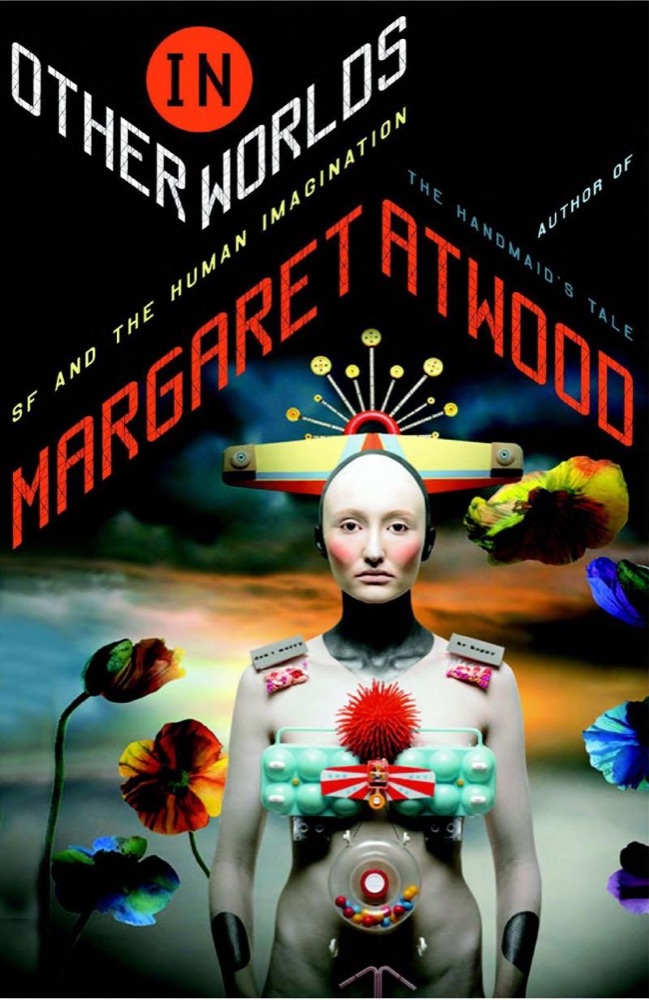 In Other Worlds: SF and the Human Imagination
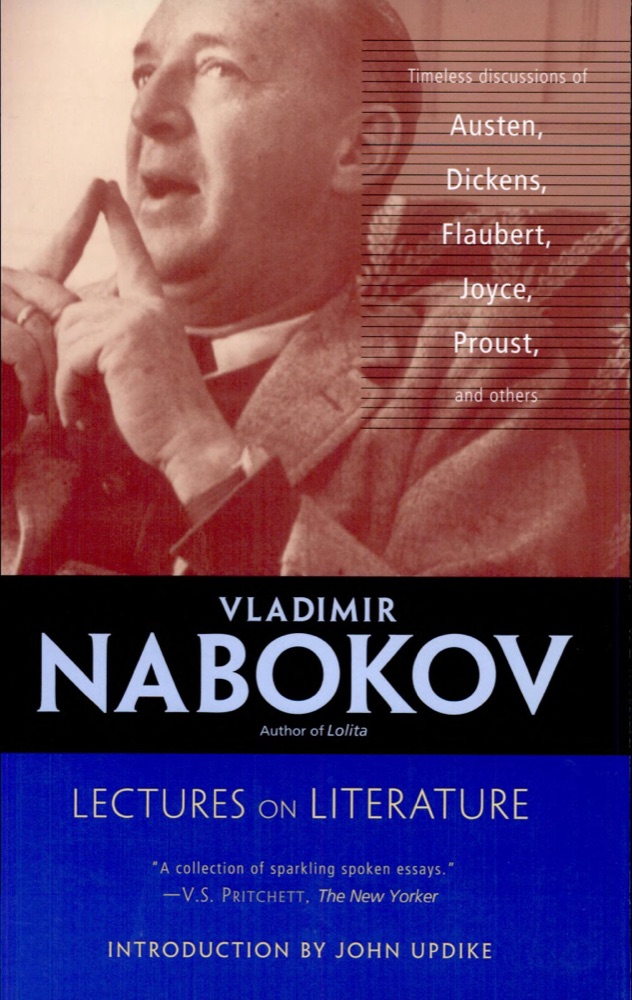 Lectures on Literature
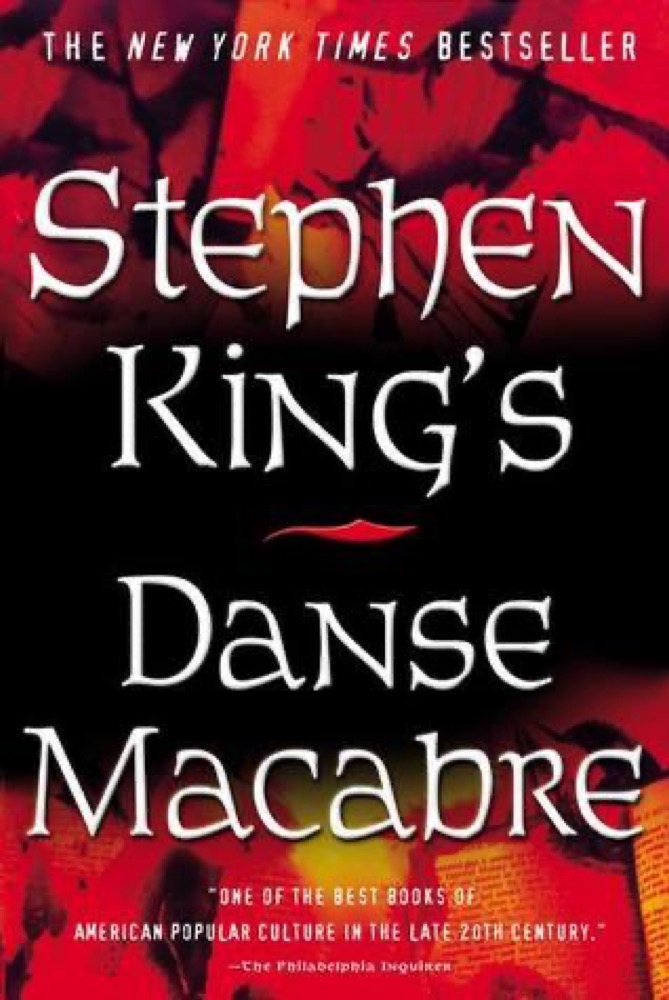 Danse Macabre
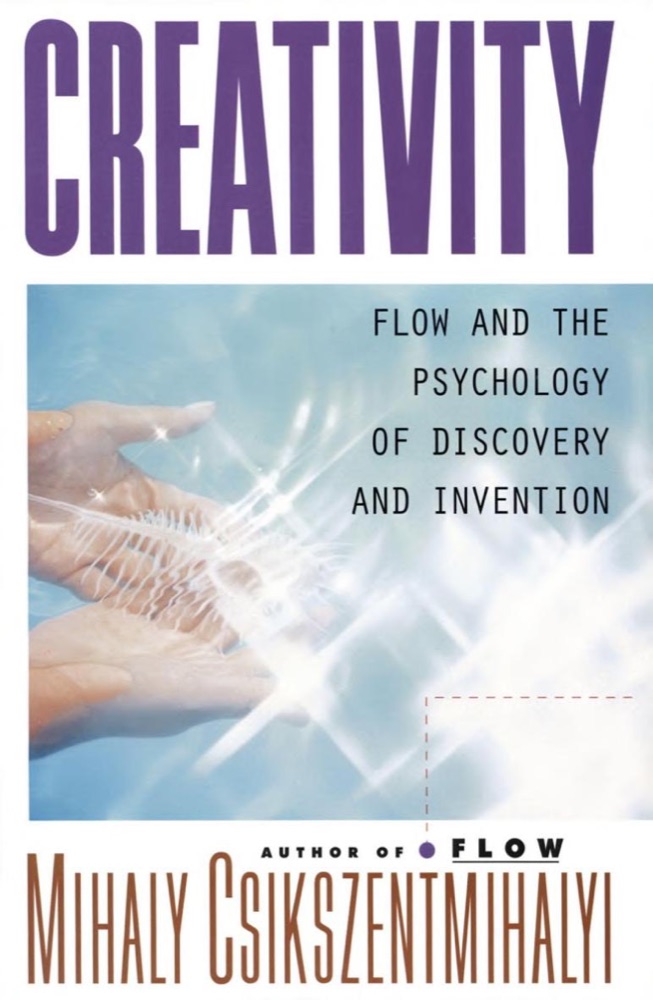 Creativity: Flow and the Psychology of Discovery and Invention
 Body Work: The Radical Power of Personal Narrative
 The Common Reader
 Stories: All-New Tales
 The Anatomy of Story: 22 Steps to Becoming a Master Storyteller
 On Writing Well: The Classic Guide to Writing Nonfiction
 The Art of the Novel
 The Midnight Disease: The Drive to Write, Writer's Block, and the Creative Brain
 What the Dog Saw and Other Adventures
 Zen in the Art of Writing
 Still Writing: The Perils and Pleasures of a Creative Life
 Call If You Need Me: The Uncollected Fiction and Other Prose
 Flaubert's Parrot
 The Writing Class
 The Hero's Journey: Joseph Campbell on His Life & Work
 Art Matters: Because Your Imagination Can Change the World
 Bird by Bird
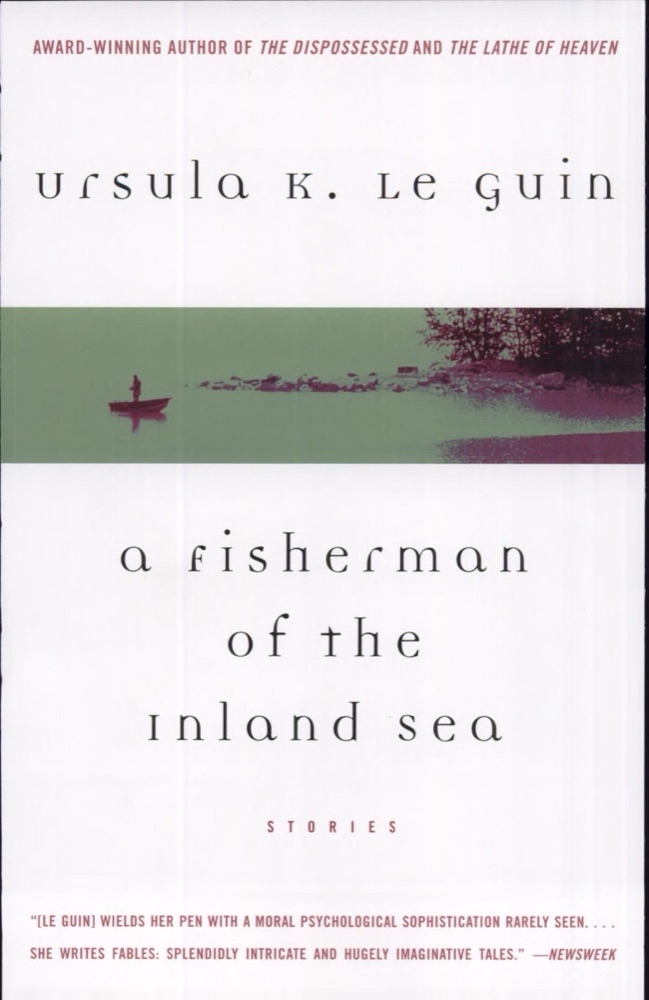 A Fisherman of the Inland Sea