 The Art of Fiction: Notes on Craft for Young Writers
Quotes from the Book
We read five words on the first page of a really good novel and we begin to forget that we are reading printed words on a page; we begin to see images.
75
As every writer knows... there is something mysterious about the writer's ability, on any given day, to write. When the juices are flowing, or the writer is 'hot', an invisible wall seems to fall away, and the writer moves easily and surely from one kind of reality to another... Every writer has experienced at least moments of this strange, magical state. Reading student fiction one can spot at once where the power turns on and where it turns off, where the writer writes from 'inspiration' or deep, flowing vision, and where he had to struggle along on mere intellect.
41
Like other kinds of intelligence, the storyteller's is partly natural, partly trained. It is composed of several qualities, most of which, in normal people, are signs of either immaturity or incivility: wit (a tendency to make irreverent connections); obstinacy and a tendency toward churlishness (a refusal to believe what all sensible people know is true); childishness (an apparent lack of mental focus and serious life purpose, a fondness for daydreaming and telling pointless lies, a lack of proper respect, mischievousness, an unseemly propensity for crying over nothing); a marked tendency toward oral or anal fixation or both (the oral manifested by excessive eating, drinking, smoking, and chattering; the anal by nervous cleanliness and neatness coupled with a weird fascination with dirty jokes); remarkable powers of eidetic recall, or visual memory (a usual feature of early adolescence and mental retardation); a strange admixture of shameless playfulness and embarrassing earnestness, the latter often heightened by irrationally intense feelings for or against religion; patience like a cat's; a criminal streak of cunning; psychological instability; recklessness, impulsiveness, and improvidence; and finally, an inexplicable and incurable addiction to stories, written or oral, bad or good.
24
Because his art is such a difficult one, the writer is not likely to advance in the world as visibly as do his neighbors: while his best friends from high school or college are becoming junior partners in prestigious law firms, or opening their own mortuaries, the writer may be still sweating out his first novel.
15
The best way a writer can find to keep himself going is to live off his (or her) spouse. The trouble is that, psychologically at least, it’s hard. Our culture teaches none of its false lessons more carefully than that one should never be dependent. Hence the novice or still unsuccessful writer, who has enough trouble believing in himself, has the added burden of shame. It’s hard to be a good writer and a guilty person; a lack of self-respect creeps into one’s prose.
11
What the best fiction does is make powerful affirmations of familiar truths...the trivial fiction which times filters out is that which either makes wrong affirmations or else makes affirmations in a squeaky little voice. Powerful affirmation comes from strong intellect and strong emotions supported by adequate technique.
11
Fiction, like sculpture or painting, begins with a rough sketch. One gets down the characters and their behavior any way one can, knowing the sentences will have to be revised,knowing the characters' actions may change. It makes no difference how clumsy the sketch is—sketches are not supposed to be polished and elegant. All that matters is that, going over and over the sketch as if one had all eternity for finishing one's story, one improves now this sentence, now that, noticing what changes the new sentences urge, and in the process one gets the characters and their behavior clearer in one's head, gradually discovering deeper and deeper implications of the characters' problems and hopes.
10
the chief offense in bad fiction: we sense that characters are being manipulated, forced to do things they would not really do.
7
Writer's block comes from the feeling that one is doing the wrong thing or doing the right thing badly. Fiction written for the wrong reason may fail to satisfy the motive behind it and thus may block the writer, as I've said; but there is no wrong motive for writing fiction. At least in some instances, good fiction has come from the writer's wish to be loved, his wish to take revenge, his wish to work out his psychological woes, his wish for money, and so on. No motive is too low for art; finally it's the art, not the motive, that we judge.
7
Good writers may “tell” about almost anything in fiction except the characters’ feelings. One may tell the reader that the character went to a private school (one need not show a scene at the private school if the scene has no importance for the rest of the narrative), or one may tell the reader that the character hates spaghetti; but with rare exceptions the characters’ feelings must be demonstrated: fear, love, excitement, doubt, embarrassment, despair become real only when they take the form of events—action (or gesture), dialogue, or physical reaction to setting. Detail is the lifeblood of fiction.
6
It is the nature of stupid people to hide their perplexity and attack what they cannot grasp.
5
The best way in the world for breaking up a writer's block is to write a lot.
5
It is this experience of seeing something one has written come alive—literally, not metaphorically, a character or scene daemonically entering the world by its own strange power, so that the writer feels not the creator but only the instrument, or conjurer, the priest who stumbled onto the magic spell—it is this experience of tapping some magic source that makes the writer an addict, willing to give up almost anything for his art, and makes him, if he fails, such a miserable human being.
4
In the final analysis, real suspense comes with moral dilemma and the courage to make and act upon choices. False suspense comes from the accidental and meaningless occurrence of one damned thing after another.
4
Part of the writer's problem may be thee wrong kind of appreciation: hen he does work he knows to be less than he's capable of, his friends praise precisely those things he knows to be weak or meretricious. The writer who cannot write because nothing he writes is good enough, by his own standards, and because no one around him seems to share his standards, is in a special sort of bind: the love of good fiction that gets him started in the first place makes him scornful of the flawed writing he does (nearly all first-draft writing is flawed) and his sense that nobody cares about truly good fiction robs him of motivation.
4
The writer sensitive to language finds his own metaphors, not simply because he has been taught to avoid clichés but because he enjoys finding an exact and vivid metaphor, one never before thought of, so far as he knows.
3
The very qualities that make one a writer in the first place contribute to the block: hypersensitivity, stubbornness, insatiability, and so on. Given the general oddity of writers, no wonder there are no sure cures.
3
In writing short stories—as in writing novels—take one thing at a time. (For some writers, this advice I'm giving may apply best to a first draft; for others, it may hinder the flow at first but be useful when time for revision comes.) Treat a short passage of description as a complete unit and make that one small unit as perfect as you can; then turn to the next unit— a passage of dialogue, say—and make that as perfect as you can. Move to larger units, the individual scenes that together make up the plot, and work each scene until it sparkles.
3
The question one asks of the young writer who wants to know if he's got what it takes is this: "Is writing novels what you want to do? Really want to do?" If the young writer answers, "Yes," then all one can say is: Do it. In fact, he will anyway.
3
Nothing is sillier than the creative writing teacher's dictum "Write about what you know." But whether you're writing about people or dragons, your personal observation of how things happen in the world—how character reveals itself—can turn a dead scene into a vital one. Preliminary good advice might be: Write as if you were a movie camera. Get exactly what is there. All human beings see with astonishing accuracy, not that they can necessarily write it down.
3
I think there really is no other way to write a long, serious novel. You work, shelve it for a while, work, shelve it again, work some more, month after month, year after year, and then one day you read the whole piece through and, so far as you can see, there are no mistakes. (The minute it's published and you read the printed book you see a thousand.) This tortuous process is not necessary, I suspect, for the writing of a popular novel in which the characters are not meant to have depth and complexity, where character A is consistently stingy and character B is consistently openhearted and nobody is a mass of contradictions, as are real human beings. But for a true novel there is generally no substitute for slow, slow baking. We've all heard the stories of Tolstoy's pains over Anna Karenina, Jane Austen's over Emma, or even Dostoevsky's over Crime and Punishment, a novel he grieved at having to publish prematurely,though he had worked at it much longer than most popular-fiction writers work at their novels.
3
One has to be just a little crazy to write a great novel. One must be capable of allowing the darkest, most ancient and shrewd parts of one's being to take over the work from time to time. Or be capable of cracking the door now and then to the deep craziness of life itself—as when in Anna Karenina, Levin proposes to Kitty in the same weird way Tolstoy himself proposed to his wife. Strangeness is the one quality in fiction that cannot be faked.
3
Often one finds novelists are people who learned in childhood to turn, in times of distress, to their own fantasies or to fiction, the voice of some comforting writer, not to human beings near at hand.
2
Getting down what the writer really cares about—setting down what the writer himself notices, as opposed to what any fool might notice—is all that is meant by the originality of the writer’s eye. Every human being has original vision. Most can’t write it down without cheapening or falsifying. Most human beings haven’t developed what Hemingway called the “built-in shock-resistant shit detector.
2
Novel-writing is not so much a profession as a yoga, or “way,” an alternative to ordinary life-in-the-world. Its benefits are quasi-religious—a changed quality of mind and heart, satisfactions no non-novelist can understand—and its rigors generally bring no profit except to the spirit. For those who are authentically called to the profession, spiritual profits are enough.
2
it’s a law of the universe that 87 percent of all people in all professions are incompetent.
2
one sign of a writer’s potential is his especially sharp ear—and eye—for language.
2
Theoretically there's no reason one should get [writer's block], if one understands that writing, after all, is only writing, neither something one ought to feel deeply guilty about nor something one ought to be inordinately proud of.
2
Watch on YouTube
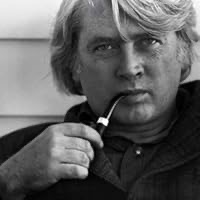
About John Gardner
We have collected 51 quotes from 2 books by John Gardner on BookQuoters.
More about the author →More by John Gardner
The Art of Fiction: Notes on Craft for Young Writers
About the book
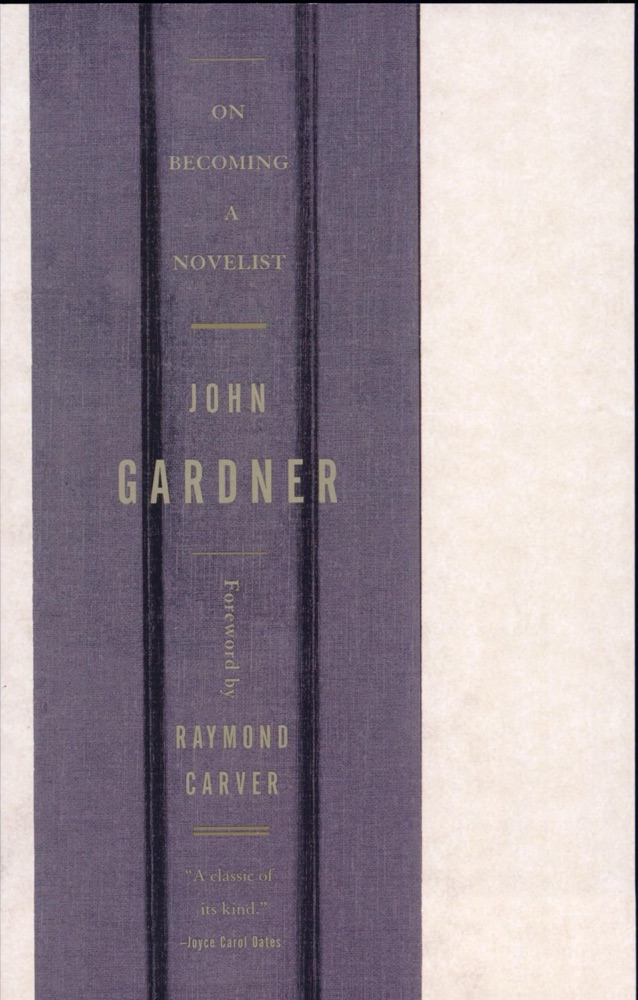
On Becoming a Novelist contains the wisdom accumulated during John Gardner's distinguished twenty-year career as a fiction writer and creative writing teacher. With elegance, humor, and sophistication, Gardner describes the life of a working novelist; warns what needs to be guarded against, both from within the writer and from without; and predicts what the writer can reasonably expect and what, in general, he or she cannot. "For a certain kind of person," Gardner writes, "nothing is more joyful or satisfying than the life of a novelist." But no other vocation, he is quick to add, is so fraught with professional and spiritual difficulties. Whether discussing the supposed value of writer's workshops, explaining the role of the novelist's agent and editor, or railing against the seductive fruits of literary elitism, On Becoming a Novelist is an indispensable, life-affirming handbook for an
Book details
- First published
- 1983
- Author
- John Gardner
- Genre
- Nonfiction
- Goodreads rating
- 4.10 (3k ratings)
Keep reading
The Art of Fiction: Notes on Craft for Young Writers
 Stein on Writing
 On Writing: A Memoir of the Craft
 Becoming a Writer
 Novelist as a Vocation
 On Writing
 The Getaway Car: A Practical Memoir About Writing and Life
 Reading Like a Writer: A Guide for People Who Love Books and for Those Who Want to Write Them
 Mystery and Manners: Occasional Prose
 On Writing Well: The Classic Guide to Writing Nonfiction
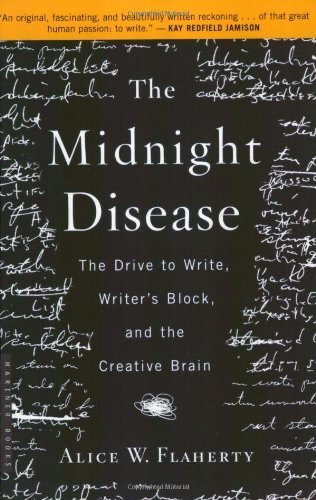 The Midnight Disease: The Drive to Write, Writer's Block, and the Creative Brain
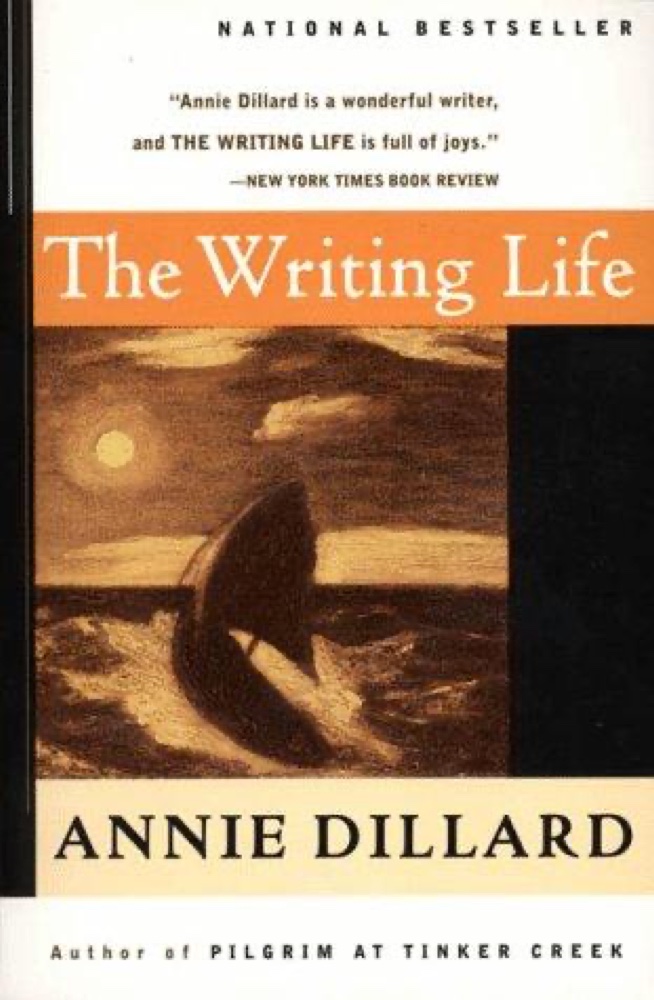 The Writing Life
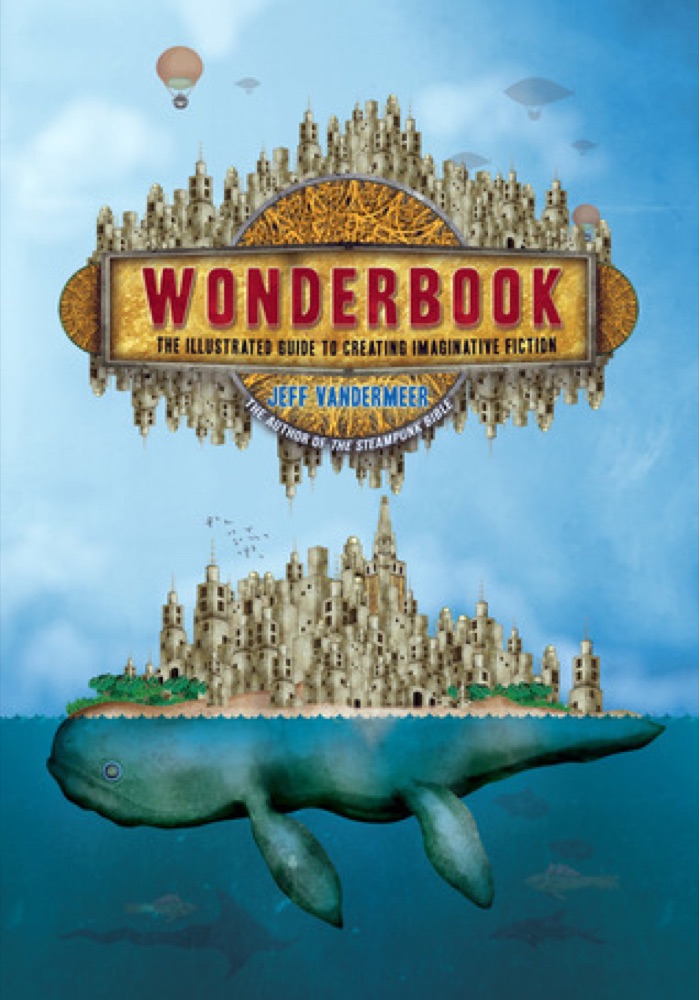 Wonderbook: The Illustrated Guide to Creating Imaginative Fiction
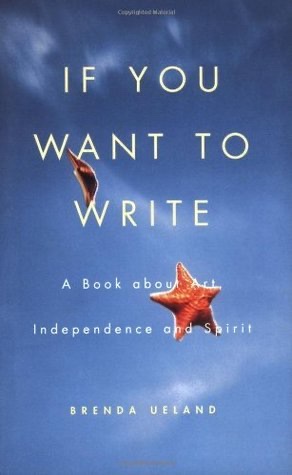 If You Want to Write: A Book about Art, Independence and Spirit
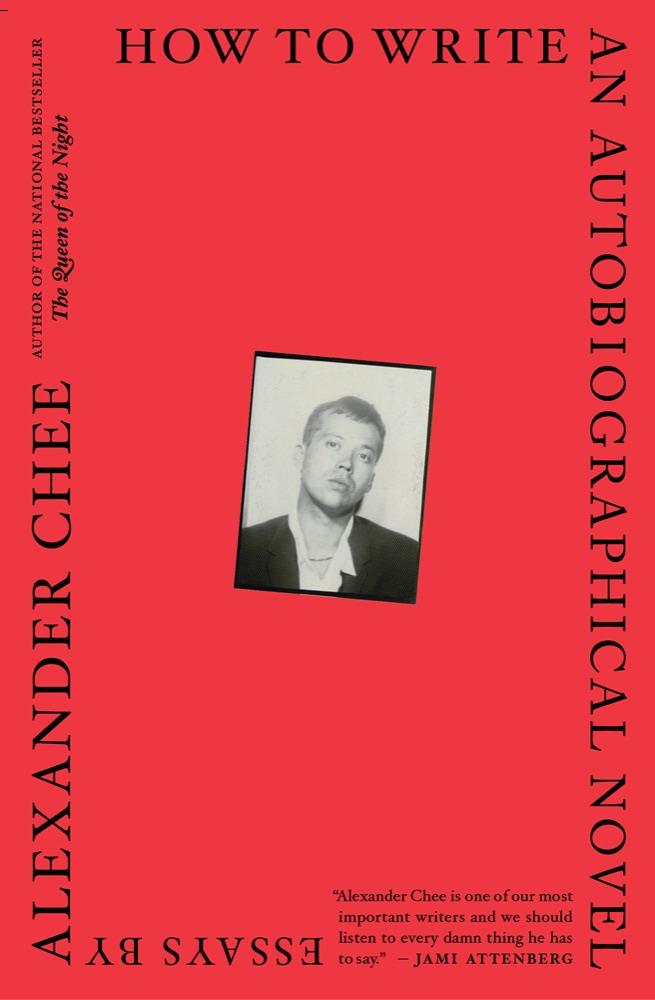 How to Write an Autobiographical Novel
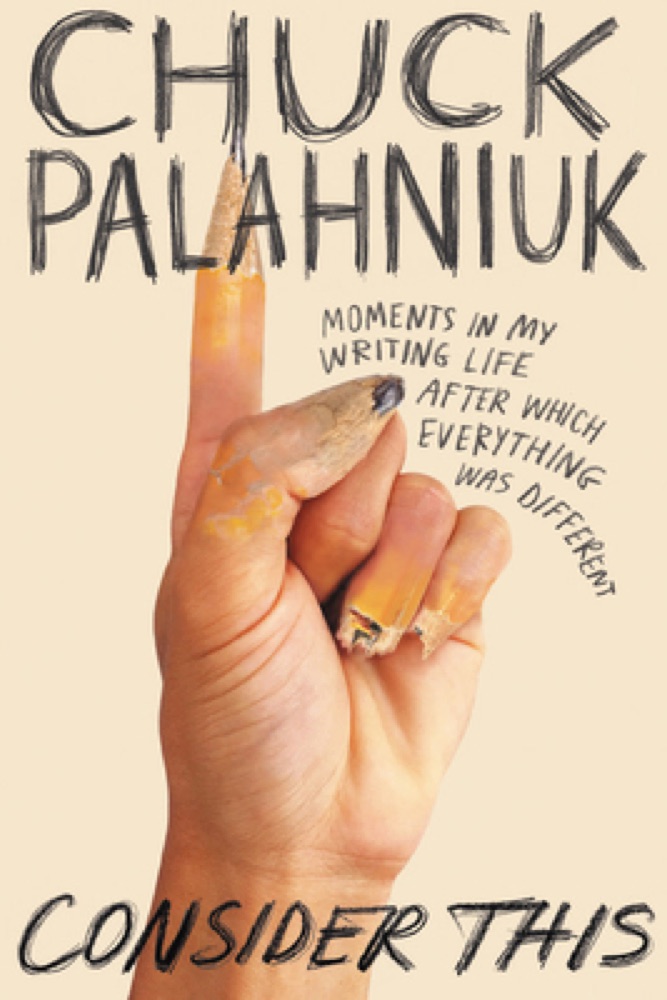 Consider This: Moments in My Writing Life After Which Everything Was Different
 How Fiction Works
 Call If You Need Me: The Uncollected Fiction and Other Prose
 Negotiating with the Dead: A Writer on Writing
 Dæmon Voices
 The Language of the Night: Essays on Writing, Science Fiction, and Fantasy
 How Not to Write a Novel: 200 Classic Mistakes and How to Avoid Them—A Misstep-by-Misstep Guide
 Death in the Afternoon
 Aspects of the Novel
 The Sense of Style: The Thinking Person's Guide to Writing in the 21st Century
 Wired for Story: The Writer's Guide to Using Brain Science to Hook Readers from the Very First Sentence
 Writing Down the Bones: Freeing the Writer Within
 The Triggering Town: Lectures and Essays on Poetry and Writing
 Still Writing: The Perils and Pleasures of a Creative Life
 No Plot? No Problem!
 Story Genius: How to Use Brain Science to Go Beyond Outlining and Write a Riveting Novel
 Bird by Bird
 Reality Hunger: A Manifesto
 The Writing Class
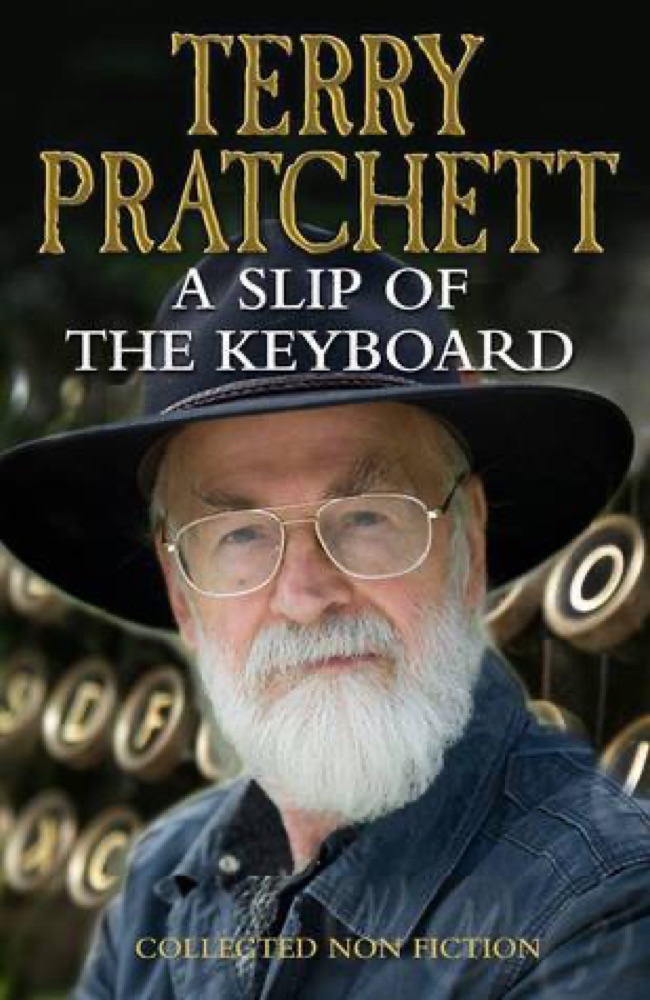 A Slip of the Keyboard: Collected Non-Fiction
 Several Short Sentences About Writing
 The Right to Write: An Invitation and Initiation Into the Writing Life
 Both Flesh and Not: Essays
 Story: Substance, Structure, Style, and the Principles of Screenwriting
 Body Work: The Radical Power of Personal Narrative
 The Emotional Craft of Fiction: How to Write the Story Beneath the Surface
 How to Read Literature
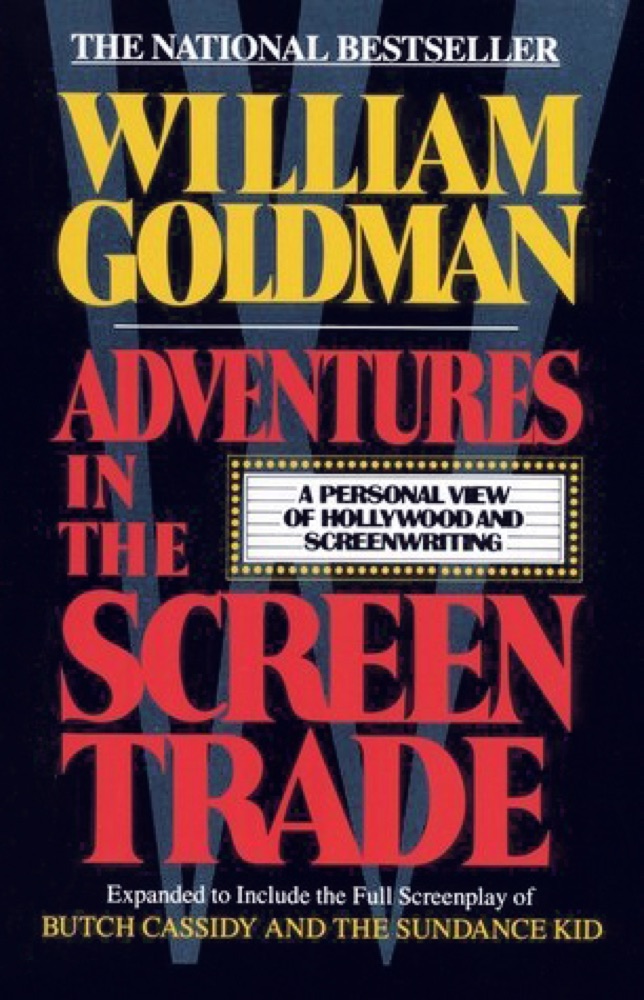 Adventures in the Screen Trade
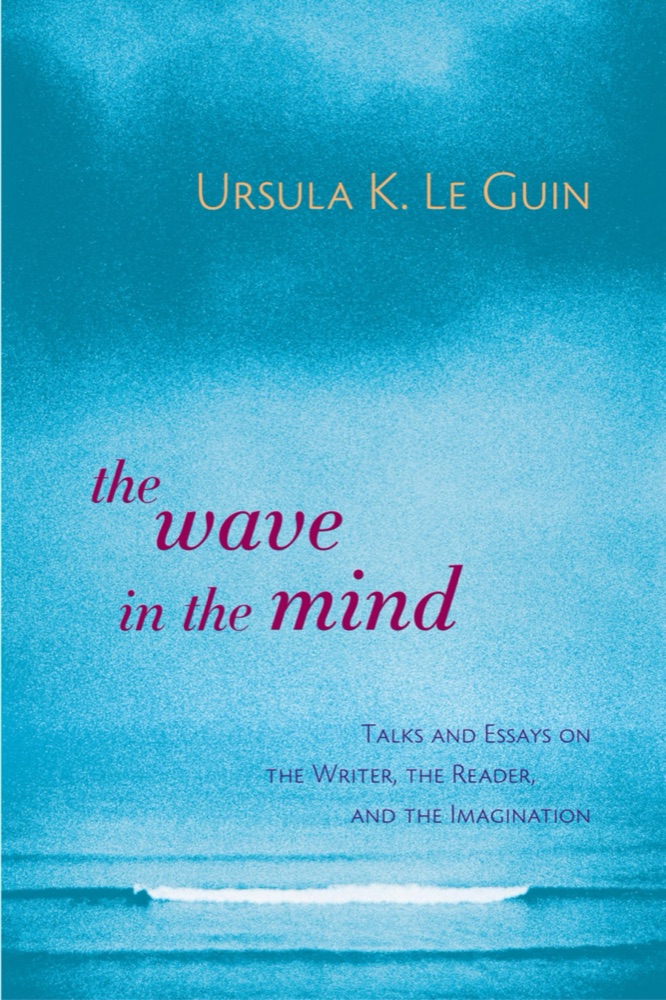 The Wave in the Mind: Talks and Essays on the Writer, the Reader and the Imagination
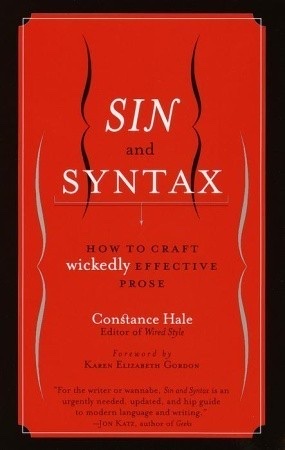 Sin and Syntax: How to Craft Wickedly Effective Prose
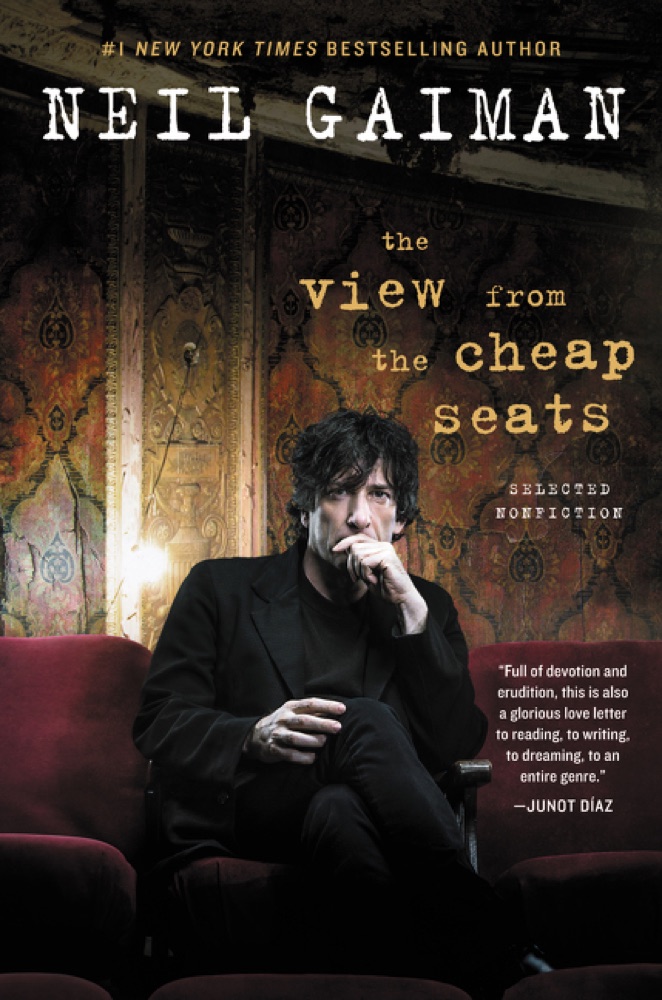 The View from the Cheap Seats: Selected Nonfiction
 Story Engineering: Character Development, Story Concept, Scene Construction
 A Poetry Handbook
 Flaubert's Parrot
 On Writing
 Writing Tools: 50 Essential Strategies for Every Writer
 The Well of Lost Plots
 The Anatomy of Story: 22 Steps to Becoming a Master Storyteller
 Zen in the Art of Writing
 The Elements of Style
 The Rabbit Back Literature Society
 Screenplay: The Foundations of Screenwriting
 Creativity: Flow and the Psychology of Discovery and Invention
 APE: Author, Publisher, Entrepreneur. How to Publish a Book