 Bird by Bird
Quotes from the Book
When Van Gogh was a young man in his early twenties, he was in London studying to be a clergyman. He had no thought of being an artist at all. he sat in his cheap little room writing a letter to his younger brother in Holland, whom he loved very much. He looked out his window at a watery twilight, a thin lampost, a star, and he said in his letter something like this: "it is so beautiful I must show you how it looks." And then on his cheap ruled note paper, he made the most beautiful, tender, little drawing of it. When I read this letter of Van Gogh's it comforted me very much and seemed to throw a clear light on the whole road of Art. Before, I thought that to produce a work of painting or literature, you scowled and thought long and ponderously and weighed everything solemnly and learned everything that all artists had ever done aforetime, and what their influences and schools were, and you were extremely careful about *design* and *balance* and getting *interesting planes* into your painting, and avoided, with the most astringent severity, showing the faintest *acedemical* tendency, and were strictly modern. And so on and so on. But the moment I read Van Gogh's letter I knew what art was, and the creative impulse. It is a feeling of love and enthusiasm for something, and in a direct, simple, passionate and true way, you try to show this beauty in things to others, by drawing it. And Van Gogh's little drawing on the cheap note paper was a work of art because he loved the sky and the frail lamppost against it so seriously that he made the drawing with the most exquisite conscientiousness and care.
210
The only good teachers for you are those friends who love you, who think you are interesting, or very important, or wonderfully funny; whose attitude is: "Tell me more. Tell me all you can. I want to understand more about everything you feel and know and all the changes inside and out of you. Let more come out." And if you have no such friend,--and you want to write,--well, then you must imagine one.
106
Everybody is original, if he tells the truth, if he speaks from himself. But it must be from his *true* self and not from the self he thinks he *should* be.
50
No writing is a waste of time – no creative work where the feelings, the imagination, the intelligence must work. With every sentence you write, you have learned something. It has done you good.
48
Don't always be appraising yourself, wondering if you are better or worse than other writers. "I will not Reason and Compare," said Blake; "my business is to Create." Besides, since you are like no other being ever created since the beginning of Time, you are incomparable.
45
Yes, I hate orthodox criticism. I don't mean great criticism, like that of Matthew Arnold and others, but the usual small niggling, fussy-mussy criticism, which thinks it can improve people by telling them where they are wrong, and results only in putting them in straitjackets of hesitancy and self-consciousness, and weazening all vision and bravery. ...I hate it because of all the potentially shining, gentle, gifted people of all ages, that it snuffs out every year. It is a murderer of talent. And because the most modest and sensitive people are the most talented, having the most imagination and sympathy, these are the very first ones to get killed off. It is the brutal egotists that survive.
35
...at last I understood that writing was this: an impulse to share with other people a feeling or truth that I myself had.
32
Work freely and rollickingly as though you were talking to a friend who loves you. Mentally (at least three or four times a day) thumb your nose at all know-it-alls, jeerers, critics, doubters.
29
...writing is not a performance but a generosity.
27
(about William Blake) As for Blake's happiness--a man who knew him said: "If asked whether I ever knew among the intellectual, a happy man, Blake would be the only one who would immediately occur to me." And yet this creative power in Blake did not come from ambition. ...He burned most of his own work. Because he said, "I should be sorry if I had any earthly fame, for whatever natural glory a man has is so much detracted from his spiritual glory. I wish to do nothing for profit. I wish to live for art. I want nothing whatever. I am quite happy." ...He did not mind death in the least. He said that to him it was just like going into another room. On the day of his death he composed songs to his Maker and sang them for his wife to hear. Just before he died his countenance became fair, his eyes brightened and he burst into singing of the things he saw in heaven.
27
But the great artists like Michelangelo and Blake and Tolstoi--like Christ whom Blake called an artist because he had one of the most creative imaginations that ever was on earth--do not want security, egoistic or materialistic. Why, it never occurs to them. "Be not anxious for the morrow," and "which of you being anxious can add one cubit to his stature?" So they dare to be idle, i.e. not to be pressed and duty-driven all the time. They dare to love people even when they are very bad, and they dare not to try and dominate others to show them what they must do for their own good.
22
Remember William Blake who said: "Improvement makes straight, straight roads, but the crooked roads without improvement are roads of genius." The truth is, life itself, is always startling, strange, unexpected. But when the truth is told about it everybody knows at once that it is life itself and not made up. But in ordinary fiction, movies, etc, everything is smoothed out to seem plausible--villains made bad, heroes splendid, heroines glamorous, and so on, so that no one believes a word
21
Creative power flourishes only when I am living in the present.
21
We have come to think that duty should come first. I disagree. Duty should be a by-product. Writing, the creative effort, the use of the imagination, should come first – at least, for some part of every day of your life. It is a wonderful blessing if you use it. You will become happier, more enlightened, alive, impassioned, light-hearted and generous to everybody else. Even your health will improve. Colds will disappear and all the other ailments of discouragement and boredom.
19
(about William Blake) [Blake] said most of us mix up God and Satan. He said that what most people think is God is merely prudence, and the restrainer and inhibitor of energy, which results in fear and passivity and "imaginative death." And what we so often call "reason" and think is so fine, is not intelligence or understanding at all, but just this: it is arguing from our *memory* and the sensations of our body and from the warnings of other people, that if we do such and such a thing we will be uncomfortable. "It won't pay." "People will think it is silly." "No one else does it." "It is immoral." But the only way you can grow in understanding and discover whether a thing is good or bad, Blake says, is to do it. "Sooner strangle an infant in its cradle than nurse unacted desires." For this "Reason" as Blake calls it (which is really just caution) continually nips and punctures and shrivels the imagination and the ardor and the freedom and the passionate enthusiasm welling up in us. It is Satan, Blake said. It is the only enemy of God. "For nothing is pleasing to God except the invention of beautiful and exalted things." And when a prominent citizen of his time, a logical, opining, erudite, measured, rationalistic, Know-it-all, warned people against "mere enthusiasm," Blake wrote furiously (he was a tender-hearted, violent and fierce red-haired man): "Mere enthusiasm is the All in All!
18
Families are great murderers of the creative impulsive, particularly husbands.
17
Everyone knows how people who laugh easily create us by their laughter,--making us think of funnier and funnier things.
15
...the best way to know the Truth or Beauty is to try to express it. And what is the purpose of existence Here or Yonder but to discover truth and beauty and express it, i.e., share it with others?
12
I found that many gifted people are so afraid of writing a poor story that they cannot summon the nerve to write a single sentence for months. The thing to say to such people is: "See how *bad* a story you can write. See how dull you can be. Go ahead. That would be fun and interesting. I will give you ten dollars if you can write something thoroughly dull from beginning to end!" And of course, no one can.
11
I will tell you what I have learned myself. For me, a long five- or six-mile walk helps. And one must go alone and every day. I have done this for many years. It is at these times I seem to get re-charged. If I do not walk one day, I seem to have on the next what van Gogh calls "the meagerness.""The meagerness," he said, "or what is called depression." After a day or two of not walking, when I try to write I feel a little dull and irresolute. For a long time I thought that the dullness was just due to the asphyxiation of an indoor, sedentary life (which all people who do not move around a great deal in the open air suffer from, though they do not know it).
10
The only way to write well, so that people believe what we say and are interested or touched by it, is to slough off all pretentiousness and attitudinizing.
10
At least I understood that writing was this: an impulse to share with other people a feeling or truth that I myself had. Not to preach to them, but to give it to them if they cared to hear it.
9
Of course, in fairness, I must remind you of this: that we writers are the most lily-livered of all craftsmen. We expect more, for the most peewee efforts, than any other people.
9
There is that American pastime known as "kidding" - with the result that everyone is ashamed and hangdog about showing the slightest enthusiasm or passion or sincere feeling about anything.
8
I want to assure you with all earnestness, that no writing is a waste of time, – no creative work where the feelings, the imagination, the intelligence must work. With every sentence you write, you have learned something. It has done you good. It has stretched your understanding.
6
The only way to find your true self is by recklessness and freedom.
5
For when you come to think of it, the only way to love a person is not, as the stereotyped Christian notion is, to coddle them and bring them soup when they are sick, but by listening to them and seeing and believing in the god, in the poet, in them. For by doing this, you keep the god and the poet alive and make it flourish.
5
A great musician once told me that one should never play a single note without hearing it, feeling that it is true, thinking it beautiful.
4
By encouraging the critic in themselves (the hater) they have killed the artist (the lover).
3
The true self is always in motion - like music, a river of life, changing, moving, failing, suffering, learning, shining.
3
Watch on YouTube
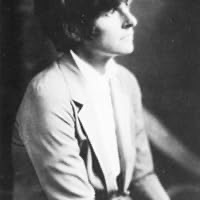
About Brenda Ueland
We have collected 30 quotes from 1 book by Brenda Ueland on BookQuoters.
More about the author →About the book
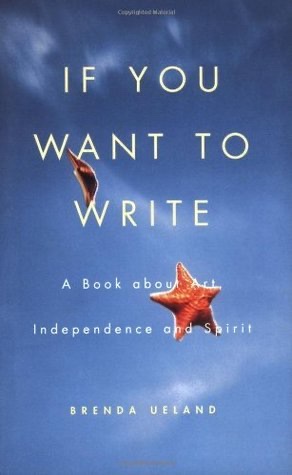
In her 93 remarkable years, Brenda Ueland published six million words. She said she had two rules she followed absolutely: to tell the truth, and not to do anything she didn't want to do. Her integrity shines throughout If You Want to Write, her best-selling classic on the process of writing that has already inspired thousands to find their own creative center. Carl Sandburg called this book "The best book ever written about how to write." Yet Ueland reminds us that "Whenever I say 'writing' in this book, I also mean anything that you love and want to do or to make." Ueland's writing and her teaching are made compelling by her feisty spirit of independence and joy.
Book details
- First published
- 2012
- Author
- Brenda Ueland
- Genre
- Nonfiction
- Goodreads rating
- 4.12 (9k ratings)
Keep reading
Bird by Bird
 On Writing
 Writing Down the Bones: Freeing the Writer Within
 Becoming a Writer
 The Getaway Car: A Practical Memoir About Writing and Life
 The Writing Life
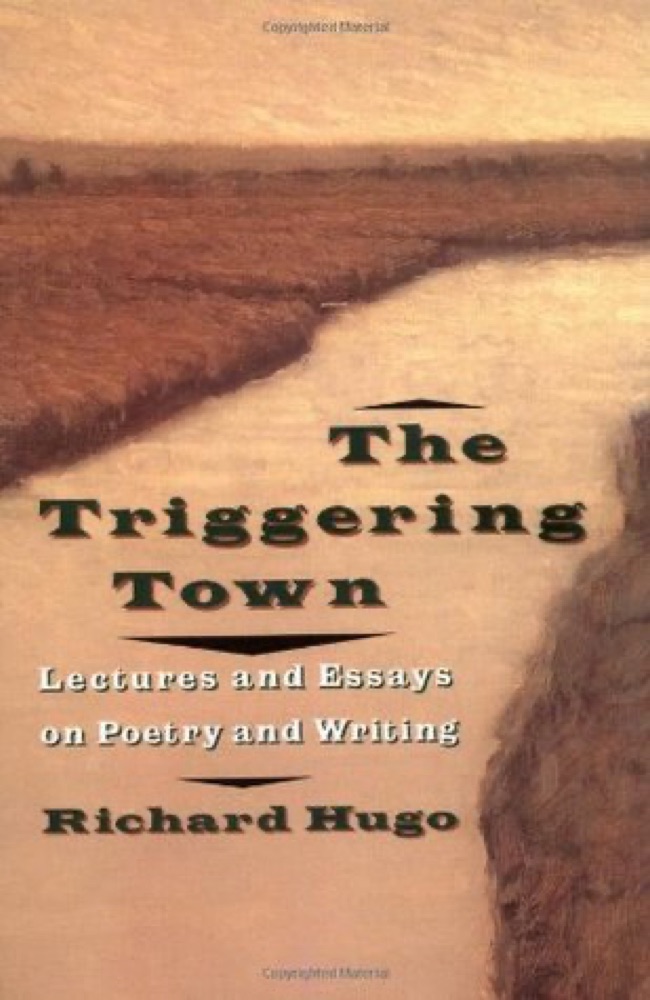 The Triggering Town: Lectures and Essays on Poetry and Writing
 Zen in the Art of Writing
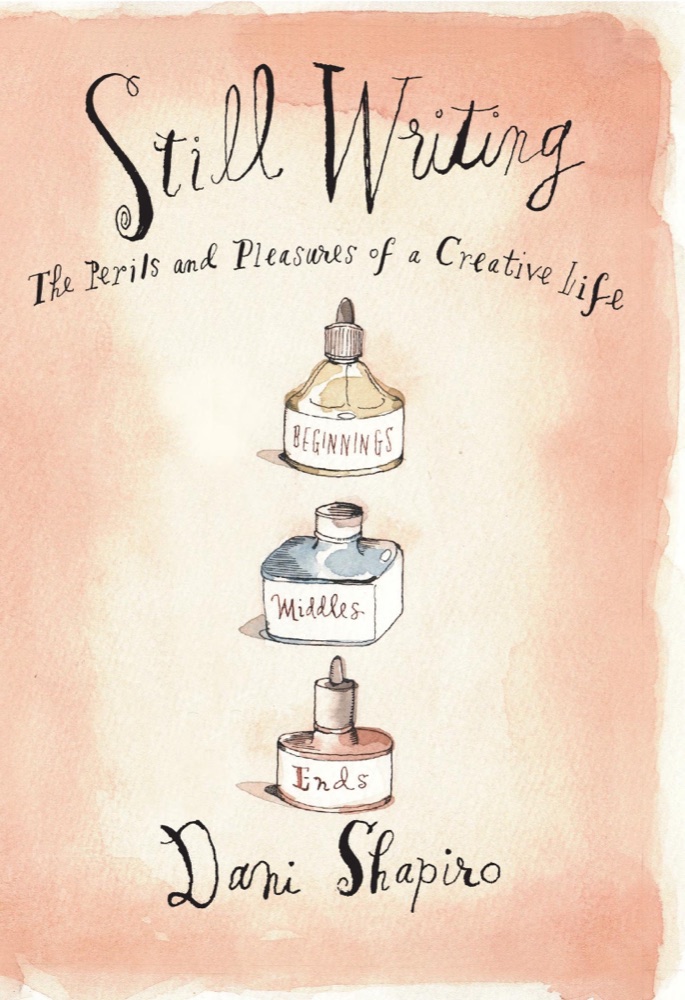 Still Writing: The Perils and Pleasures of a Creative Life
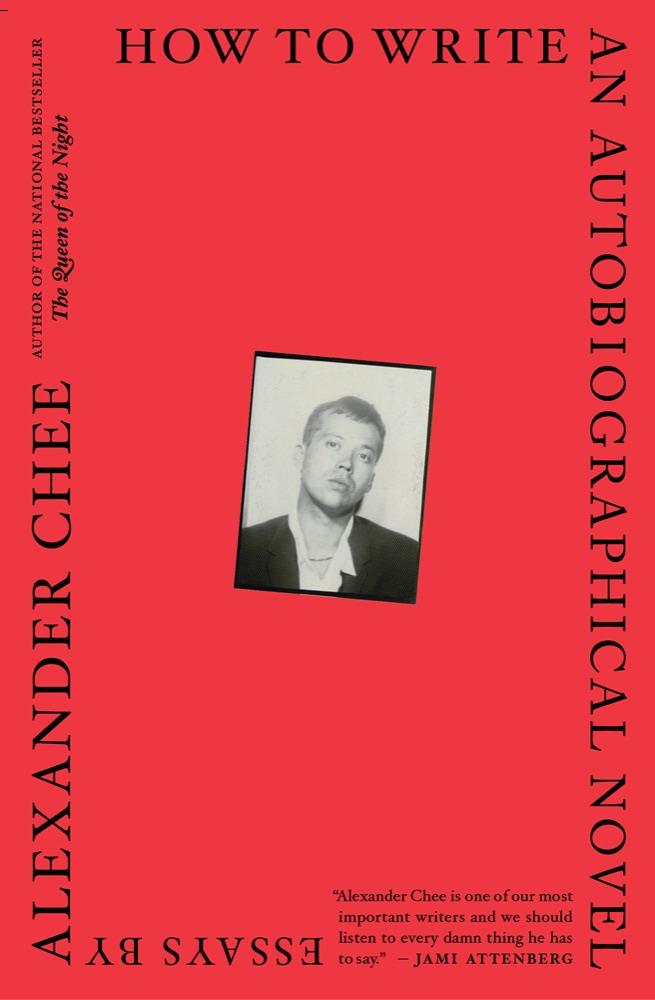 How to Write an Autobiographical Novel
 On Writing
 Death in the Afternoon
 On Writing: A Memoir of the Craft
 Flaubert's Parrot
 Consider This: Moments in My Writing Life After Which Everything Was Different
 Novelist as a Vocation
 Ignore Everybody: and 39 Other Keys to Creativity
 Creativity: Flow and the Psychology of Discovery and Invention
 Art Matters: Because Your Imagination Can Change the World
 Body Work: The Radical Power of Personal Narrative
 I. Asimov: A Memoir
 Dæmon Voices
 A Circle of Quiet
 The Ghost Writer
 On Becoming a Novelist
 If This Isn't Nice, What Is?: Advice for the Young
 This Is the Story of a Happy Marriage
 How to Write One Song: Loving the Things We Create and How They Love Us Back
 On Writing Well: The Classic Guide to Writing Nonfiction
 Negotiating with the Dead: A Writer on Writing
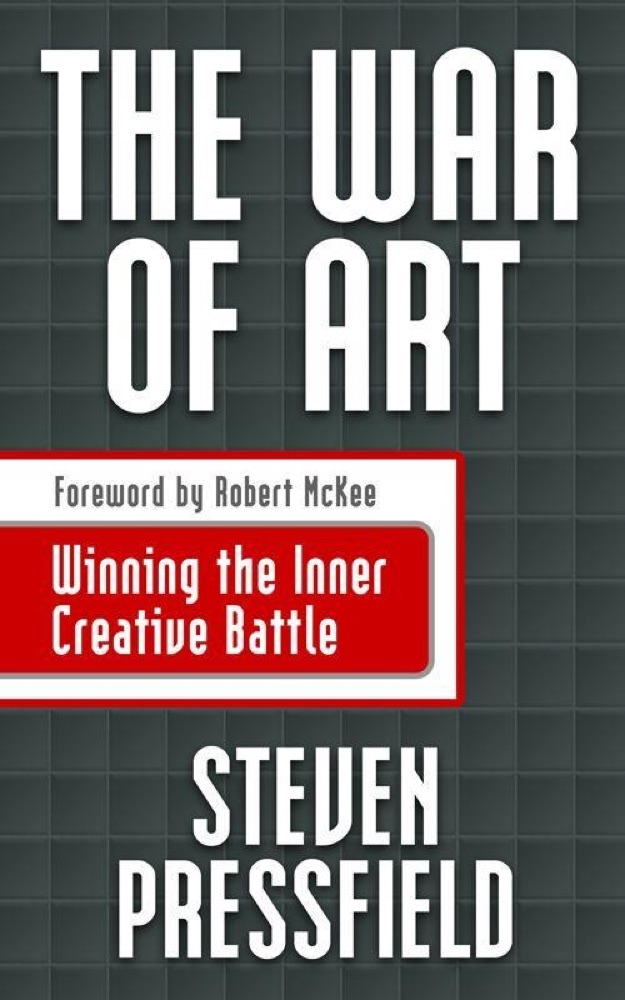 The War of Art
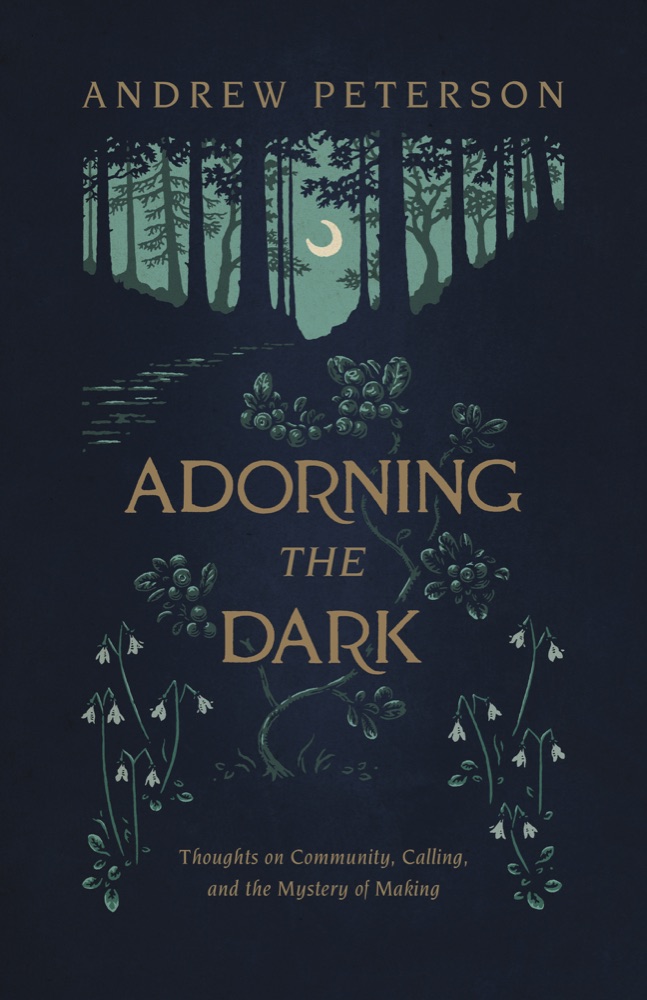 Adorning the Dark: Thoughts on Community, Calling, and the Mystery of Making
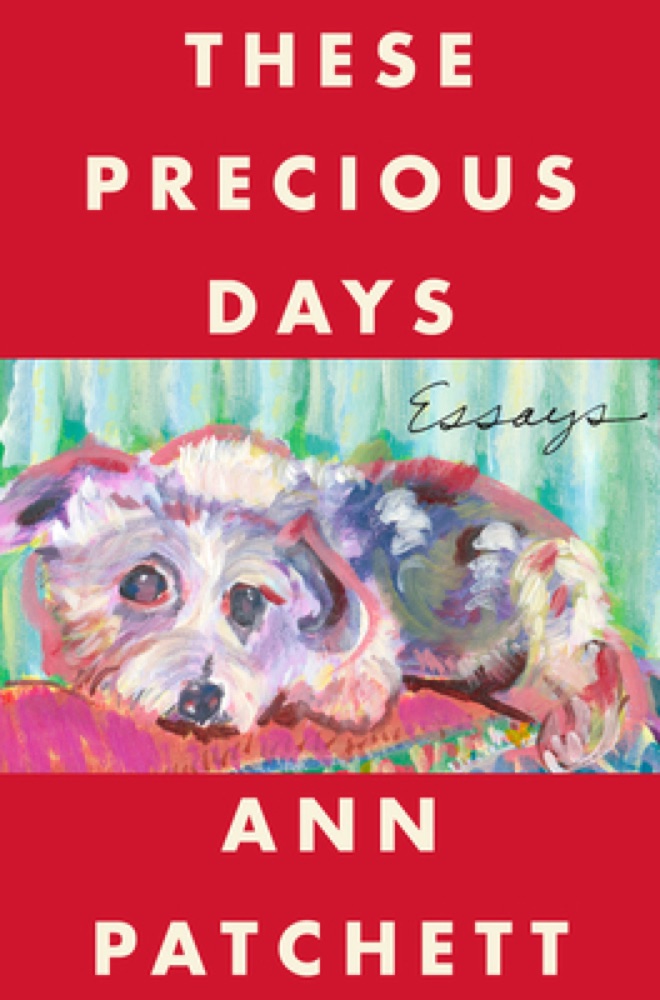 These Precious Days: Essays
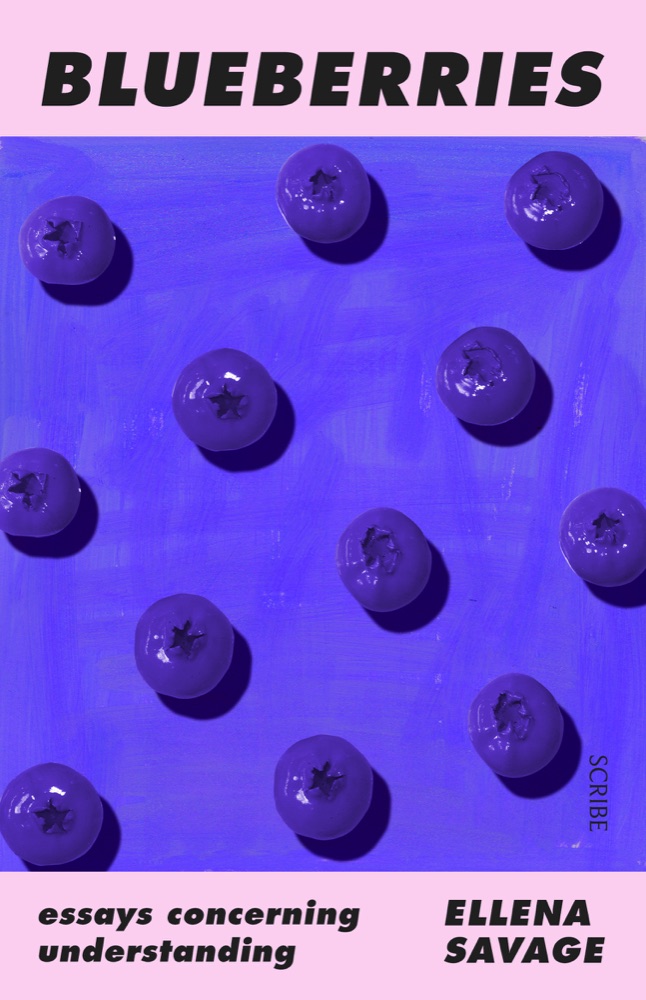 Blueberries: Essays Concerning Understanding
 A Poetry Handbook
 The Art of Fiction: Notes on Craft for Young Writers
 The Artist's Way
 Half Empty
 The Muse
 Only Dull People Are Brilliant at Breakfast
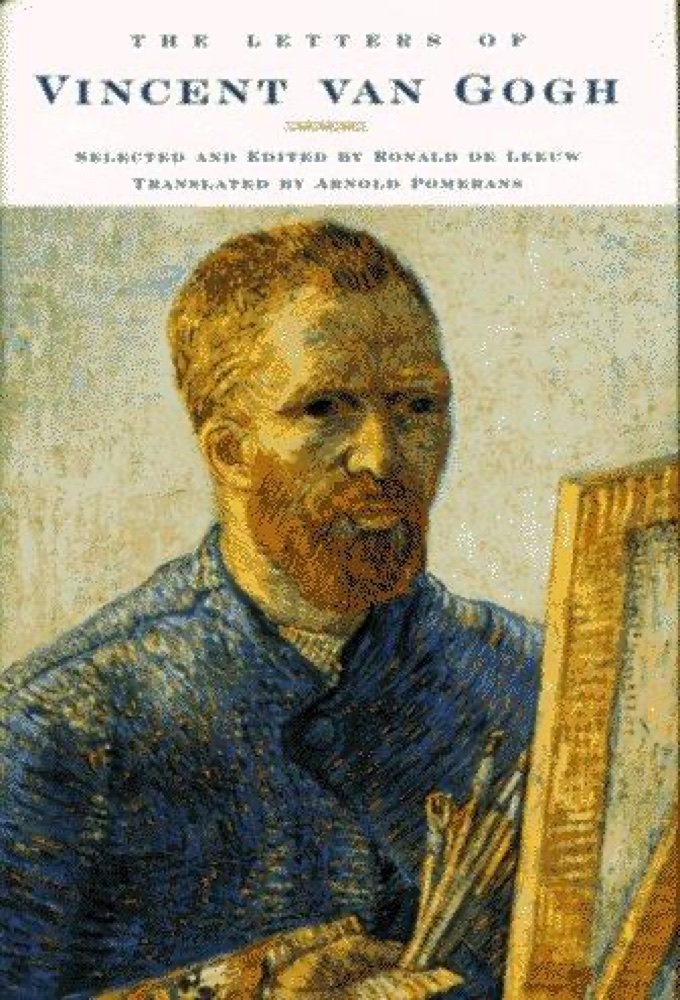 The Letters of Vincent van Gogh
 Mystery and Manners: Occasional Prose
 Asymmetry
 Dead Poets Society
 A Writer's Diary
 Walking on Water: Reading, Writing, and Revolution
 The Wave in the Mind: Talks and Essays on the Writer, the Reader and the Imagination
 Reality Hunger: A Manifesto
 Big Magic: Creative Living Beyond Fear
 The Abundance
 The Right to Write: An Invitation and Initiation Into the Writing Life
 The Anthologist
 Old School
 The Braindead Megaphone
 No One Writes Back
 Big Sur and the Oranges of Hieronymus Bosch
 Either/Or: A Fragment of Life
 The View from the Cheap Seats: Selected Nonfiction
 Let Me Tell You What I Mean
 The Fountainhead