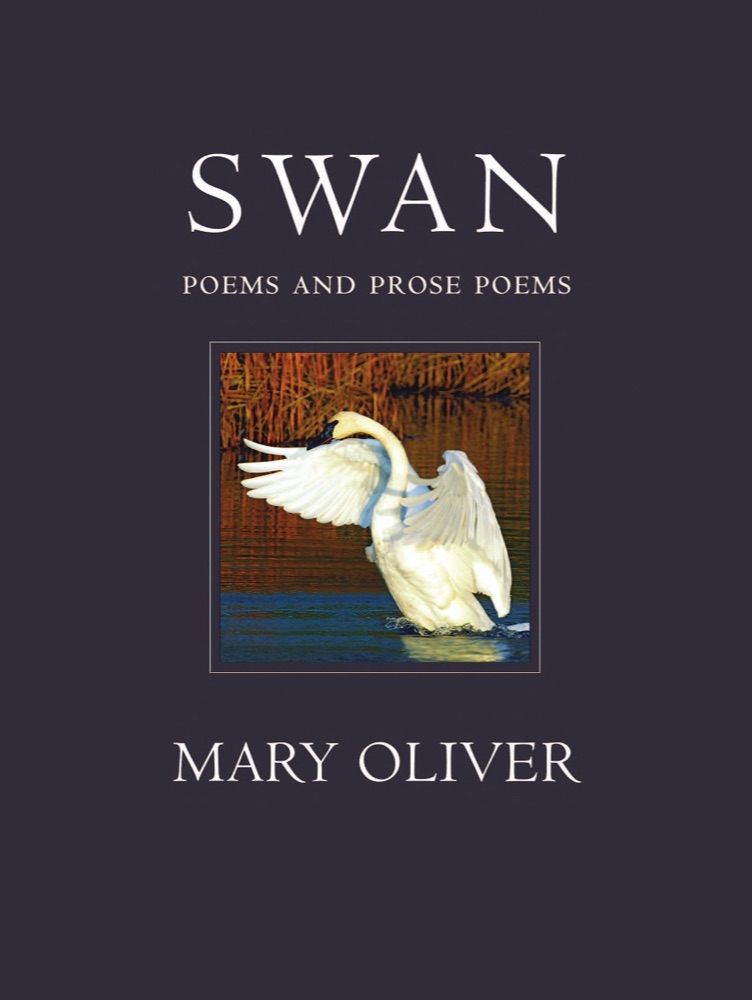
 Swan: Poems and Prose Poems
Quotes from the Book
Poetry is a life-cherishing force. For poems are not words, after all, but fires for the cold, ropes let down to the lost, something as necessary as bread in the pockets of the hungry.
489
The poet must not only write the poem but must scrutinize the world intensely, or anyway that part of the world he or she has taken for subject. If the poem is thin, it is likely so not because the poet does not know enough words, but because he or she has not stood long enough among the flowers--has not seen them in any fresh, exciting, and valid way.
33
I cherish two sentences and keep them close to my desk. The first is by Flaubert. I came upon it among Van Gough's letters. It says, simply, 'Talent is long patience, and originality an effort of will and of intense observation.
17
It is no use thinking that writing of poems – the actual writing – can accommodate itself to a social setting, even the most sympathetic social setting of a workshop composed of friends. It cannot. The work improves there and often the will to work gets valuable nourishment and ideas. But, for good reasons, the poem requires of the writer not society or instruction, but a patch of profound and unbroken solitude.
13
Invention hovers always a little above the rules.
11
The language of the poem is the language of particulars.
11
To be contemporary is to rise through the stack of the past, like the fire through the mountain. Only a heat so deeply and intelligently born can carry a new idea into the air.
9
But, to write well it is entirely necessary to read widely and deeply. Good poems are the best teachers. Perhaps they are the only teachers. I would go so far as to say that, if one must make a choice between reading or taking part in a workshop, one should read.
7
Every adjective and adverb is worth five cents. Every verb is worth fifty cents
6
Poems must, of course, be written in emotional freedom. Moreover, poems are not language but the content of the language.
6
The subjects that stir the heart are not so many, after all, and they do not change.
6
One learns by thinking about writing, and by talking about writing-but primarily through writing.
4
This I have always known - that if I did not live my life immersed in the one activity which suits me, and which also, to tell the truth, keeps me utterly happy and intrigued, I would come someday to bitter and mortal regret.
3
But very little of it can do more than start you on your way to the real, unimaginably difficult goal of writing memorably. That work is done slowly and in solitude, and it is as improbable as carrying water in a sieve.
3
Among the things I learned in those years were two of special interest to poets. First, that one can rise early in the morning and have time to write (or, even, to take a walk and then write) before the world's work schedule begins. Also, that one can live simply and honorably on just about enough money to keep a chicken alive. And do so cheerfully.
2
These days many poets live in cities, or at least in suburbs, and the natural world grows ever more distant from our everyday lives. Most people, in fact, live in cities, and therefore most readers are not necessarily very familiar with the natural world. And yet the natural world has always been the great warehouse of symbolic imagery. Poetry is one of the ancient arts, and it began, as did all the fine arts, within the original wilderness of the earth.
2
You would learn very little in this world if you were not allowed to imitate. And to repeat your imitations until some solid grounding in the skill was achieved and the slight but wonderful difference-that made you you and no one else-could assert itself. Every child is encouraged to imitate. But in the world of writing it is originality that is sought out, and praised, while imitation is the sin of sins. Too bad. I think if imitation were encouraged much would be learned well that is now learned partially and haphazardly. Before we can be poets, we must practice; imitation is a very good way of investigating the real thing.
2
Various ambitions to complete the poem, to see it in print, to enjoy the gratification of someone's comment about it—serve in some measure as incentives to the writer's work. Though each of these is reasonable, each is a threat to the other ambition of the poet, which is to write as well as Keats, Yeats, or Williams—or whoever it was who scribbled onto a page a few lines whose force the reader once felt and has never forgotten. Every poet's ambition should be to write as well. Anything else is only a flirtation.
2
A poem requires a design--a sense of orderliness. Part of our pleasure in the poem is that it is a well-made thing. . . .
1
A poem on the page speaks to the listening mind.
1
If it is...not just one's own accomplishment that carries one from this green and mortal world--that lifts the latch and gives a glimpse into a greater paradise--then perhaps one has the sensibility: a gratitude apart from authorship, a fervor and desire beyond the margins of the self.
1
One learns thinking about writing, and by talking about writing—but primarily through writing.
1
These days many poets live in cities, or at least in suburbs, and the natural world grows ever more distant from our everyday lives. Most people, in fact, live in cities, and therefore most readers are not necessarily very familiar with the natural world. And yet the natural world has always been the great warehouse of symbolic imagery. Poetry is one of the ancient arts, and it began, as did all the fine arts, within the original wilderness of the earth. Also, it began through the process of seeing, and feeling, and hearing, and smelling, and touching, and then remembering—I mean remembering in words—what these perceptual experiences were like, while trying to describe the endless invisible fears and desires of our inner lives. The poet used the actual, known event or experience to elucidate the inner, invisible experience—or, in other words, the poet used figurative language, relying for those figures on the natural world.
1
Athletes take care of their bodies. Writers must similarly take care of the sensibility that houses the possibility of the poems. There is nourishment in books, other art, history, philosophies--in holiness and mirth.
1
from Emerson's journals. In the context, it is written in the past tense; changing the verb to present tense it reads: The poem is a confession of faith. Which is to say, the poem is not an exercise. It is not 'wordplay.' Whatever skill or beauty it has, in contains something beyond language devices, and has a purpose other than itself.
1
Especially when writers are just starting out, the emphasis should be not only upon what they write, but equally upon the process of writing. A successful class is a class where no one feels that 'writer's block' is a high-priority subject.
1
Say you promise to be at your desk in the evenings, from seven to nine. It waits, it watches. If you are reliably there, it begins to show itself-- soon it begins to arrive when you do.
But the music of your talk Never shall the chemistry Of the secret earth restore. All your lovely words are spoken. Once the ivory box is broken, Beats the golden bird no more. (Edna St. Vincent Millay, Memorial to D.C. V Elegy)
ALLITERATION, strictly speaking, is the repetition of the initial sound of words in a line or lines of verse.
Watch on YouTube
About Mary Oliver
More by Mary Oliver
All books by Mary Oliver →
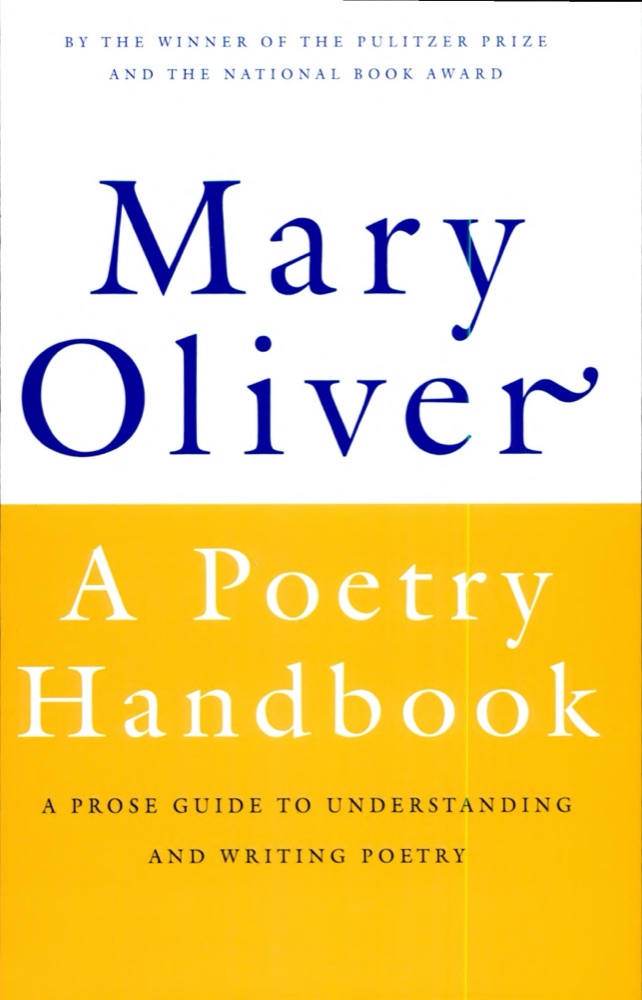
About the book
"(...) A Poetry Handbook was written with writers of poetry most vividly in my mind; their needs and problems and increase have most directly been my concerns. But I am hopeful that readers of poetry will feel welcome here, too, and will gain from these chapters an insight into the thoughtful machinery of the poem, as well as some possibly useful ideas about its history, and, if you please, some ideas also of the long work and intense effort that goes into the making of a poem. The final three chapters are especially directed towards issues important to the writer of poems, but here too the reader of poems is heartily welcome. (...)"
[Text taken from the final part of the Introduction written by Mary Oliver]
Book details
- First published
- 1994
- Author
- Mary Oliver
- Genre
- Literature
- Goodreads rating
- 4.23 (10k ratings)
Keep reading
 The Triggering Town: Lectures and Essays on Poetry and Writing
 Madness, Rack, and Honey: Collected Lectures
 The Ode Less Travelled: Unlocking the Poet Within
 The Anthologist
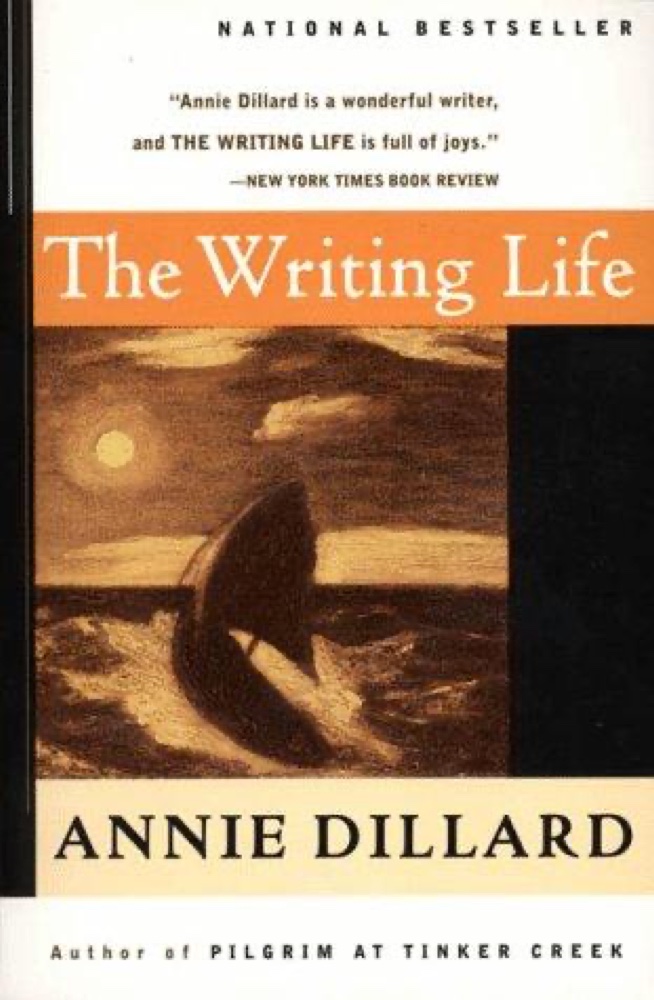 The Writing Life
 Writing Down the Bones: Freeing the Writer Within
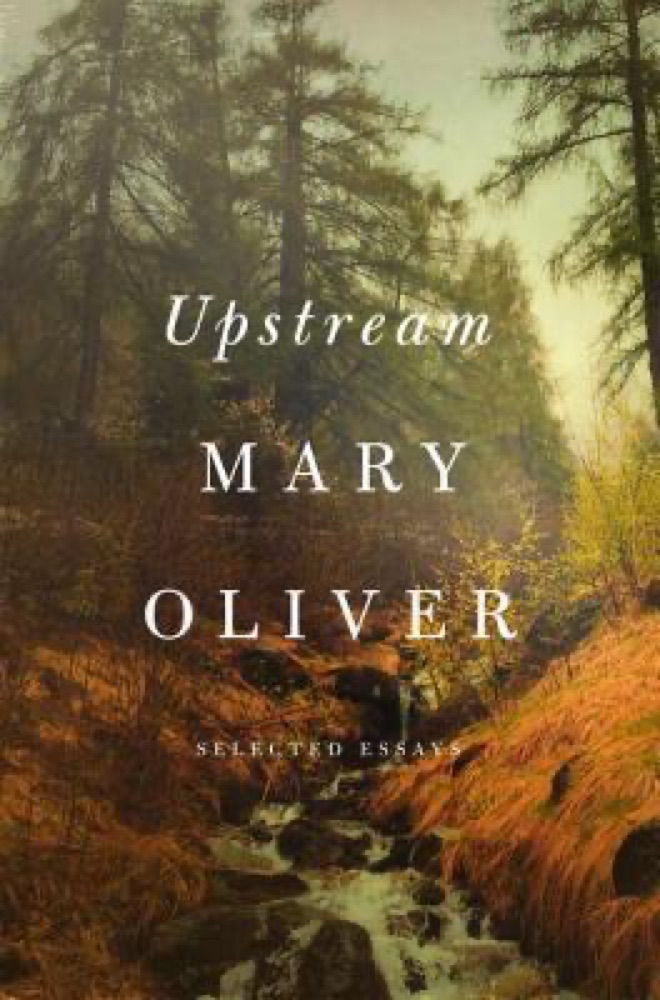 Upstream: Selected Essays
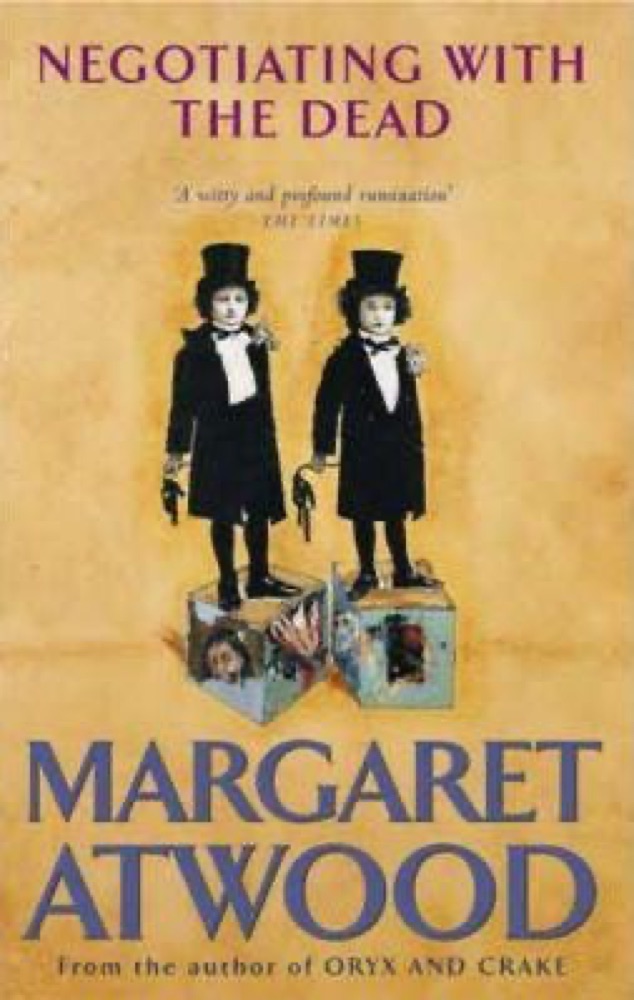 Negotiating with the Dead: A Writer on Writing
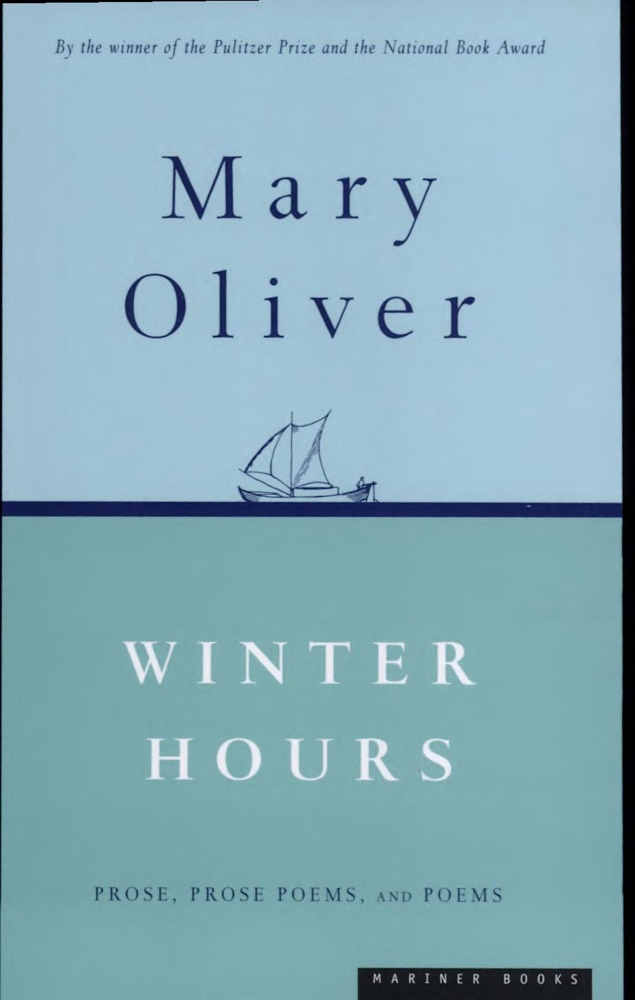 Winter Hours: Prose, Prose Poems, and Poems
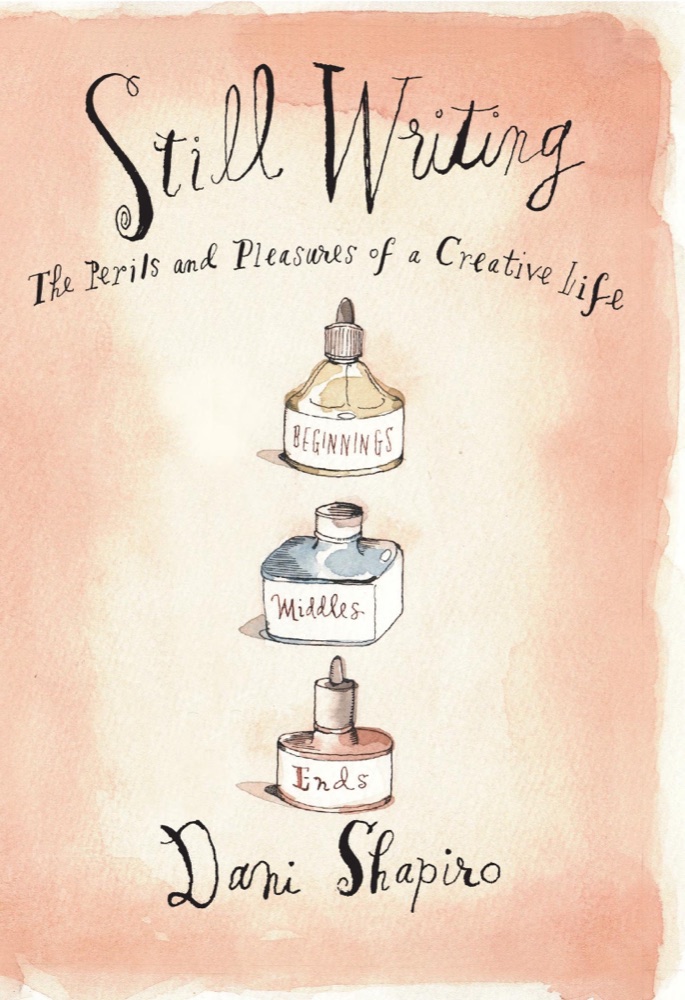 Still Writing: The Perils and Pleasures of a Creative Life
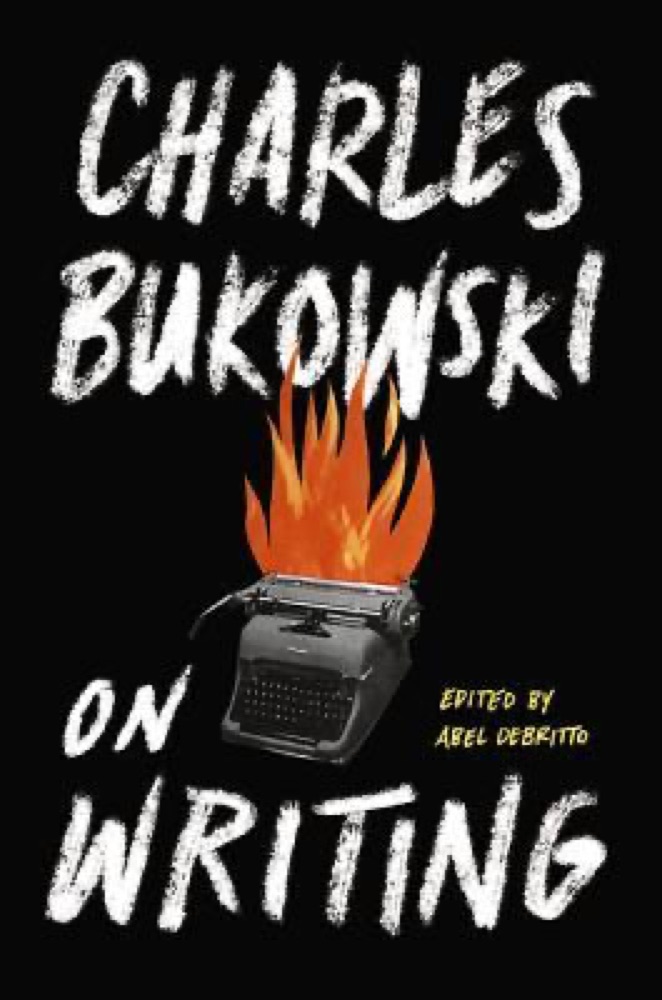 On Writing
 Becoming a Writer
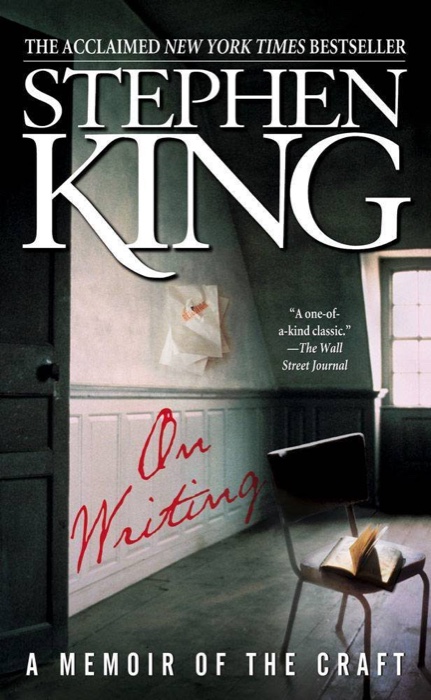 On Writing: A Memoir of the Craft
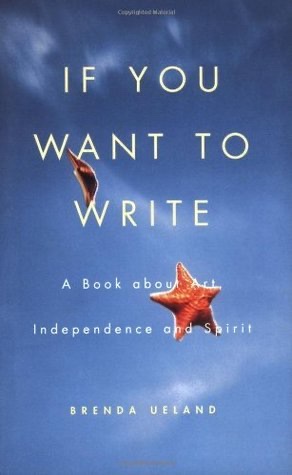 If You Want to Write: A Book about Art, Independence and Spirit
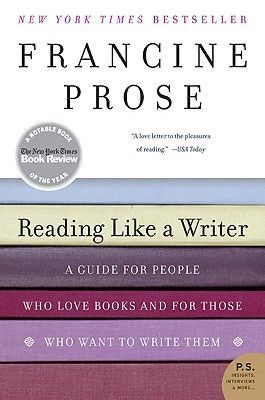 Reading Like a Writer: A Guide for People Who Love Books and for Those Who Want to Write Them
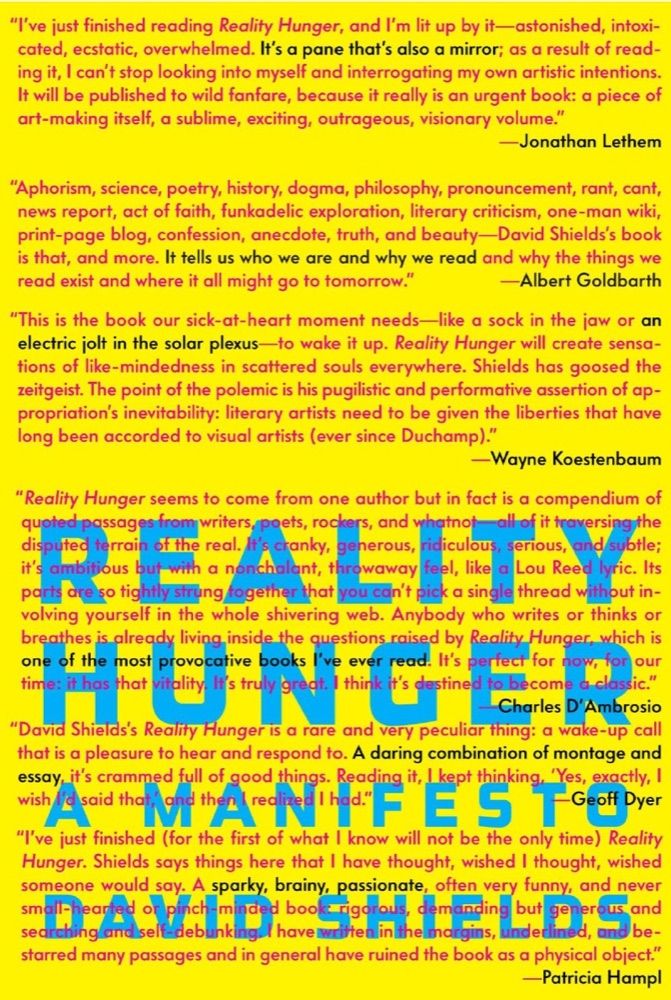 Reality Hunger: A Manifesto
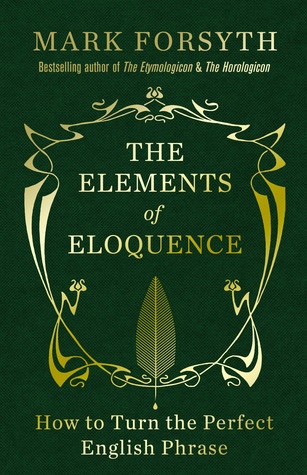 The Elements of Eloquence: How to Turn the Perfect English Phrase
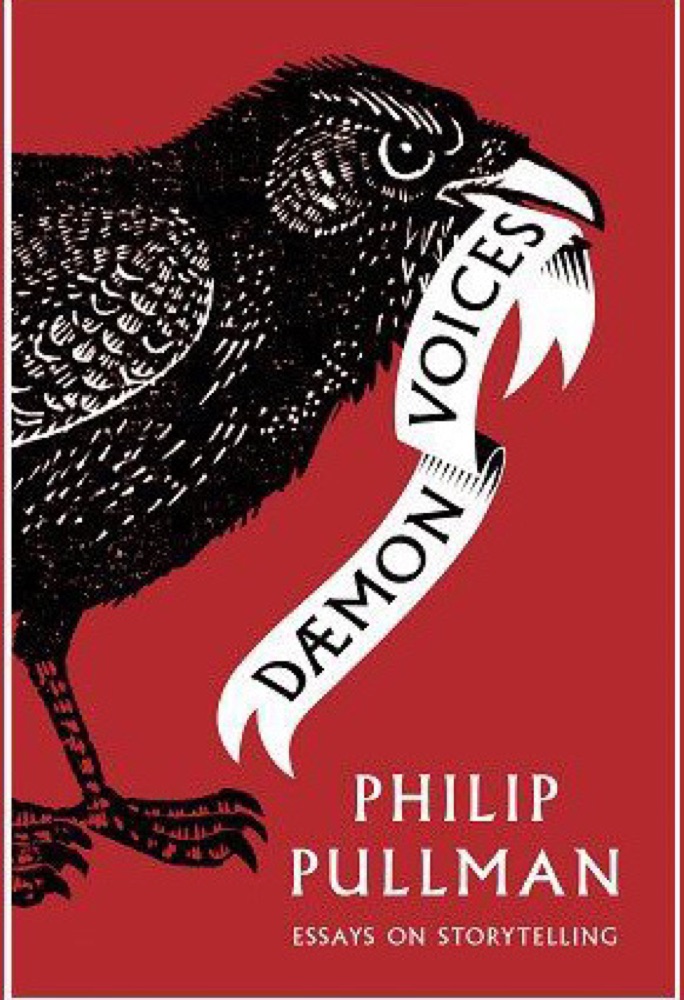 Dæmon Voices
 Selected Non-Fictions
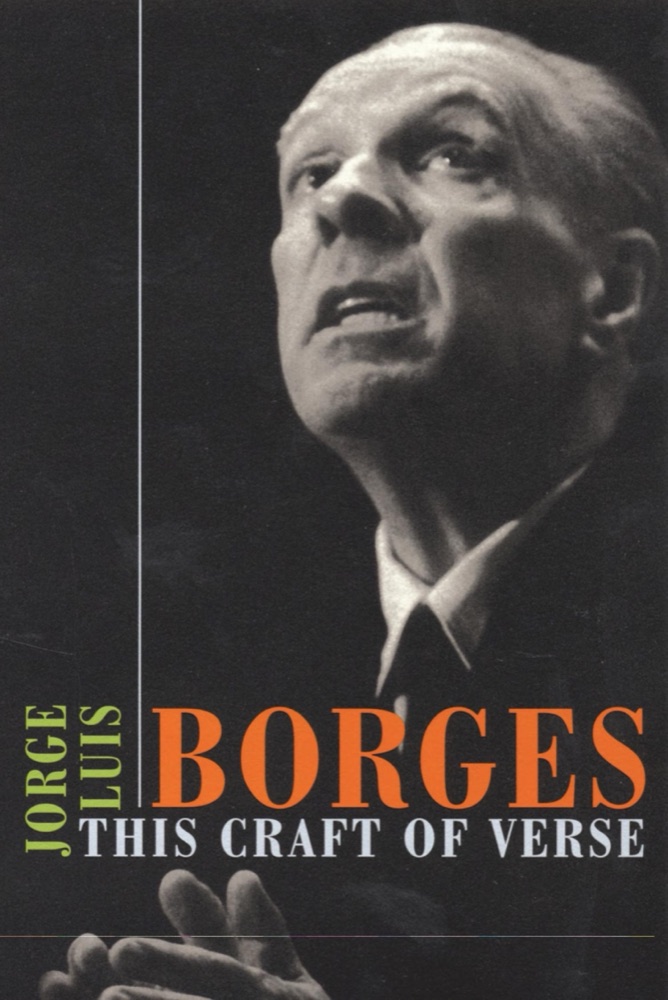 This Craft of Verse
 The Getaway Car: A Practical Memoir About Writing and Life
 Dead Poets Society
 Novelist as a Vocation
 Poemcrazy: Freeing Your Life with Words
 On Writing
 Bird by Bird
 How to Write an Autobiographical Novel
 Flaubert's Parrot
 On Writing Well: The Classic Guide to Writing Nonfiction
 Old School
 An Experiment in Criticism
 Sin and Syntax: How to Craft Wickedly Effective Prose
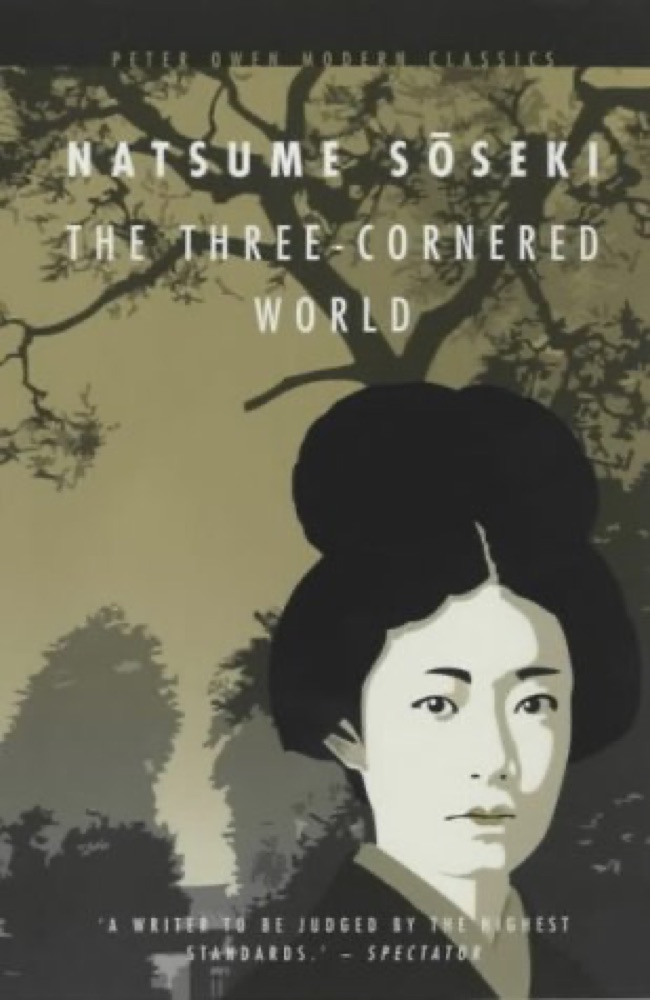 The Three-Cornered World
 Several Short Sentences About Writing
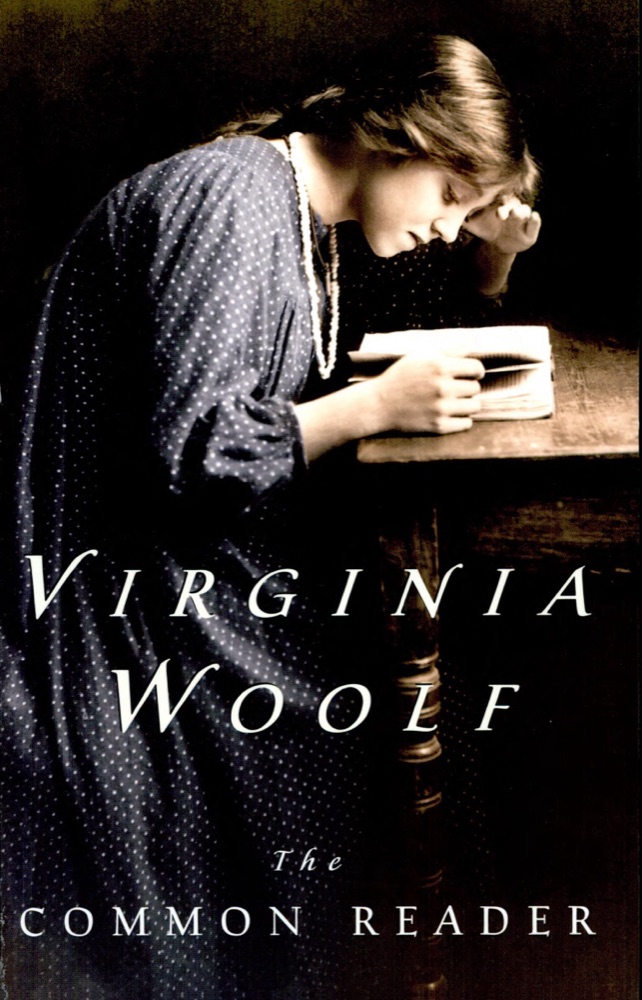 The Common Reader
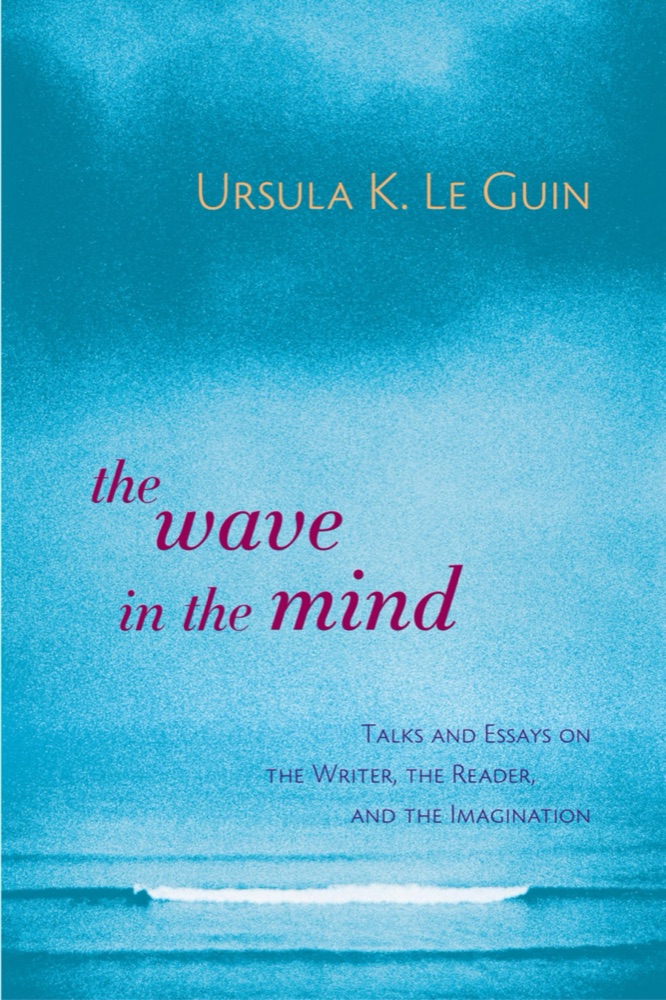 The Wave in the Mind: Talks and Essays on the Writer, the Reader and the Imagination
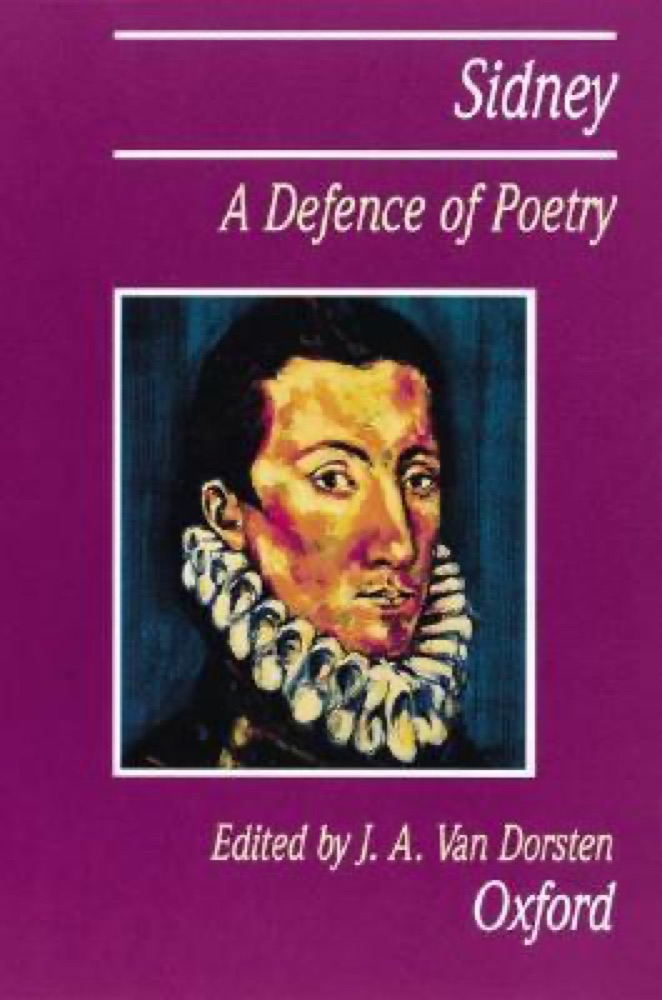 A Defence of Poetry
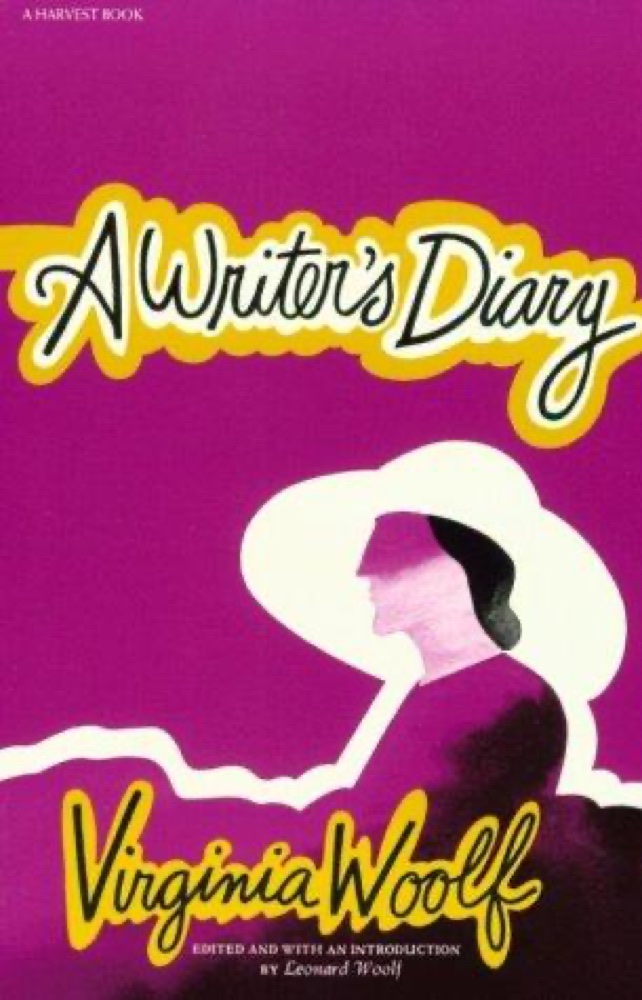 A Writer's Diary
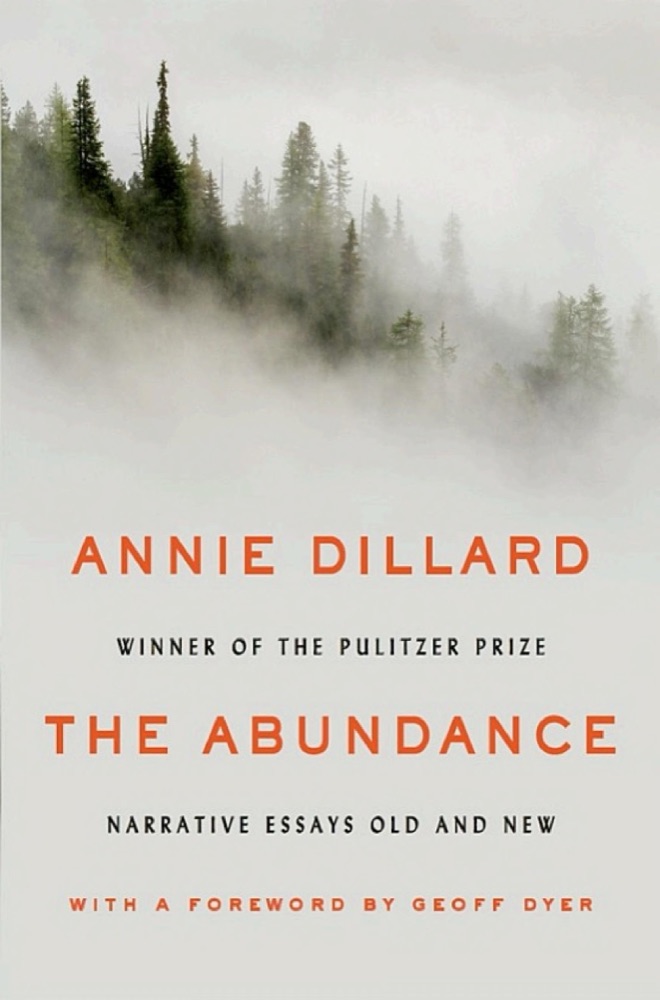 The Abundance
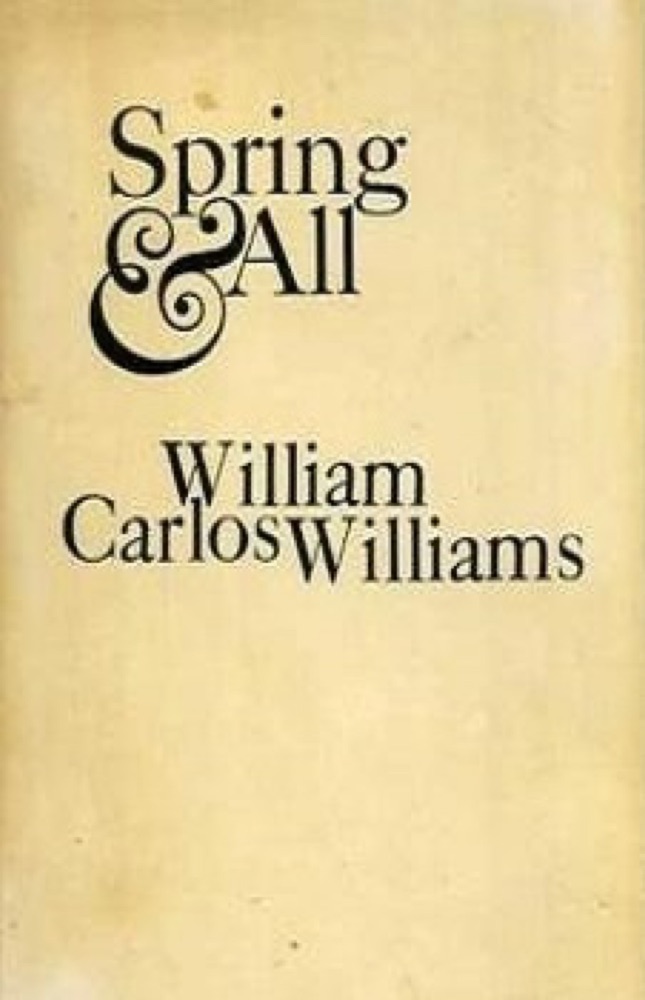 Spring and All
 The Letters of Vincent van Gogh
 Illuminations: Essays and Reflections
 Consider This: Moments in My Writing Life After Which Everything Was Different
 Silence: Lectures and Writings
 Creativity: Flow and the Psychology of Discovery and Invention
 Stein on Writing
 Body Work: The Radical Power of Personal Narrative
 Death in the Afternoon
 How to Read Literature
 Opened Ground
 The Sense of Style: The Thinking Person's Guide to Writing in the 21st Century
 The Art of Fiction: Notes on Craft for Young Writers
 The Book of Delights: Essays
 Zen in the Art of Writing
 Toward Eternity
 At Large and At Small: Familiar Essays
 The Elements of Style
 Seven Nights
 Blueberries: Essays Concerning Understanding
 The Midnight Disease: The Drive to Write, Writer's Block, and the Creative Brain