
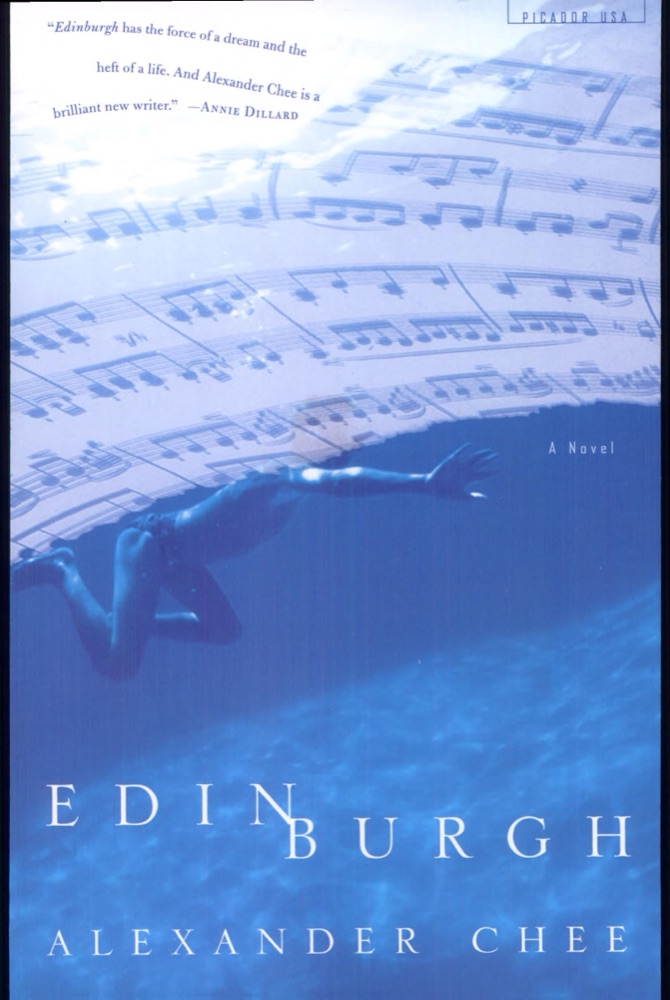
 Edinburgh
Quotes from the Book
To write is to sell a ticket to escape, not from the truth, but into it.
23
What would you read to someone who was dying? Annie Dillard had asked our class. She wanted this to be the standard for our work. There, at the memorial service for my friend, I thought of another: Dying, what stories would you tell?
21
Yes, everything's been written, but also, the thing you want to write, before you wrote it, was impossible to write. Otherwise it would already exist. Your writing makes it possible.
14
When I am gripped with despair, when I think I might stop, I speak to my dead. Tell them a story. What am I doing with this life? They hold me accountable. I let them make me bolder or more modest or louder or more moving, but I ask them to listen, and then write.
14
...you can lose more than you thought possible and still grow back, stronger than anyone imagined.
13
Destroying art is practice for destroying people.
12
I was by now used to people being surprised by me and my background, and their surprise offended me. I was always having to be what I was looking for in the world, wishing the person I would become already existed — some other I before me. I was forever finding even the tiniest way to identify with someone to escape how empty the world seemed to be of what I was.
11
WE ARE NOT WHAT we think we are. The stories we tell of ourselves are like thin trails across something that is more like the ocean. A mask afloat on the open sea. There were moments before the memory’s return when I experienced what I now understand as its absence as not a gap but a whole other self, a whole other me. As if a copy of me had secretly replaced me. An android of me moving through the landscape, independent of the other me, exactly like me but not me. Every now and then, I could see the distance between us. Three times, in particular, this other self had appeared before me.
10
The story of your life, described, will not describe how you came to think about your life or yourself, nor describe any of what you learned. This is what fiction can do - I think it is even what fiction is for.
9
There's a reason that whenever fascists come to power, the writers are among the first to go to jail.
9
My job is to make something happen in a space barely larger than the span of your hand, behind your eyes, distilled out of all that I have carried, from friends, from teachers, people met on planes, people I have only seen in my mind, every favorite book, until it meets and distills from you, the reader, something out of the everything it finds in you. All of this meets along the edge of a sentence like this one, as if the sentence is a fence, with you on one side and me on the other. When the writing works best, I feel like I could poke one of these words out of place and find the writer's eye there, looking through to me.
7
The weight of him pressed me out. I felt covered, safe; something dark in me retreated and, for what felt like the first time in the arms of a man, I felt safe. I was still me -- the switch was not flicked, but the terrible feeling haunting me then didn't reach me. Which is one of the things that love can feel like. Peter stayed there for some time. He may have fallen asleep at some point. And so it is that when I hear stories of how thin he became, I can't reconcile them with the weight of the boy who pinned me to myself, made me feel the place in me where I attached to the world.
7
What if the novel in you is one you yourself would never read? A beach novel, a blockbuster, a long, windy, character-driven literary drama that ends sadly? What if the one novel in you is the opposite of your idea of yourself?
5
There are two kinds of people, I think: those who want to know the future and those who do not. I've never met anyone ambivalent about this. I have been both kinds. For now, I think I know which one is better, but I'm prepared to change my mind again. It may be I am like that drunk who tells himself he can handle his alcohol now. But if I told you I could tell the future, you would laugh at me. And I would laugh at me too.
5
Much of what I love about literature is also what I love about the Tarot - archetypes at play, hidden forces, secrets brought to light. When I bought the deck, it was for the same reason I bought the car: I felt too much like a character in a novel, buffeted by cruel turns of fate. I wanted to feel powerful in the face of my fate. I wanted to look over the top of my life and see what was coming. I wanted to be the main character of this story, and its author. And if I were writing a novel about someone like me, this is exactly what would lead him astray.
5
Most people misunderstand the crime of sexual abuse. They think of stolen youth, a child tucked under the arm and spirited away. But it isn’t like someone entering your house and stealing something from you. Instead, someone leaves something with you that grows until it replaces you. They themselves were once replaced this way, and what they leave with you they have carried for years within them, like a fire guarded all this time as it burned them alive inside, right under the skin. The burning hidden to protect themselves from being revealed as burned. You imagine that the worst thing is that someone would know. The attention you need to heal you have been taught will end you. And it will—it will end the pain you have mistaken for yourself. The worst thing is not that someone would know. The worst thing is that you might lay waste to your whole life by hiding.
5
Only in America do we ask our writers to believe they don't matter as a condition of writing. It is time to end this. Much of my time as a student was spent doubting the importance of my work, doubting the power it had to reach anyone or do anything of significance. I was already tired o hearing about how the pen was mightier than the sword by the time I was studying writing. Swords, it seemed to me, won all the time. By the time I found that Auden quote -- "poetry makes nothing happen" -- I was more than ready to believe what I thought he was saying. But books were still to me as they had been when I found them: the only magic. My mother's most common childhood memory of me is of standing next to me trying to be heard over the voice of the page. I didn't really commit to writing until I understood that it meant making that happen for someone else. And in order to do that, I had to commit the chaos inside of me to an intricate order, an articulate complexity. To write is to tell a ticket to escape, not from the truth, but into it. My job is to make something happen in a space barely larger than the span of your hand, behind your eyes, distilled out of all that I have carried, from friends, teachers, people met on planes, people I have only seen in my mind, all my mother and father ever did, every favorite book, until it meets and distills from you, the reader, something out of the everything it finds in you. All of this meets along the edge of a sentence like this on, as if the sentence is a fence, with you on one side and me on the other. When the writing works best, I feel like I could poke one of these words out of place and find the writer's eye there, looking through to me. If you don't know what I mean, what I mean is this: when I speak of walking through a snowstorm, you remember a night from your childhood full of snow, or from last winter, say, driving home at night, surprised by a storm. When I speak of my dead friends and poetry, you may remember your own dead friends, or if none of your friends are dead, you may imagine how it might feel to have them die. You may think of your poems, or poems you've seen or heard. You may remember you don't like poetry. Something new is made from my memories and yours as you read this. It is not my memory, not yours, and it is born and walks the bridges and roads of your mind, as long as it can. After it has left mine. All my life I've been told this isn't important, that it doesn't matter, that it could never matter. And yet I think it does. I think it is the real reason the people who would take everything from us say this. I think it's the same reason that when fascists come to power, writers are among the first to go to jail. And that is the point of writing.
4
1. Sometimes music is needed. 2. Sometimes silence. 3. A novel, like all written things, is a piece of music, the language demanding you make a sound as you read it. Writing one, then, is like remembering a song you've never heard before.
4
Writing is work. Anyone can do this, anyone can learn to do this. It's not rocket science; it's habits of mind and habits of work.
4
Whenever I am back in the neighborhood, I sometimes pass my apartment from the street. I like to believe, stupidly, that if I were to open the front door again, in the back I would find my roses, huge from their seaweed tea and the many days of six hours' sunlight, perhaps growing legs, ready to push down the building and walk out to the street, striking cars out of the way and slicing the blacktop to ribbons. I want to think that they would miss me, their erstwhile tormentor, the one who pushed them so hard to grow, cutting and soaking them in the blazing sun from spring to winter. From the street, from across the river, where I live now without them, I can feel them still, the sap pulsing in their veins, pushing their way to the sky. But the creature that grew legs and walked away from the garden was me. I was not their gardener. They were mine.
3
...the only things you must have to become a writer are the stamina to continue and a wily, cagey heart in the face of extremity, failure and success.
3
You could mistake your ability to go this far for strength. So you go on. Strength is admirable, after all, and you are ashamed of everything else about yourself. This endurance at least — this you can admire.
2
But inside the self performing as someone who was fine was the self who was not, and the vision I'd had of my life, the one that had me wanting to scream, was a vision of how living this way, inside of this performance, had blighted my life. I felt like a tree struck by lightning a long time ago, burning secretly from the inside out, the bark still smooth to the end -- the word FINE painted on it.
2
Something new is made from my memories and yours as you read this. It is not my memory, not yours, and it is born and walks the bridges and roads of your mind, as long as it can. After it has left mine. All my life I've been told this isn't important, that it doesn't matter. And yet I think it does. I think it is the real reason the people who would take everything from us say this. I think it's the same reason that when fascists come to power, writers are among the first to go to jail. And that is the point of writing.
2
It's a strange time to teach someone to write stories. But I think it always is. This is just our strange time.
2
When writers in New York complained they could not write after 9/11, it seemed to me they were frozen by writing for that audience, by writing for the missing. Who we all felt, somehow, were watching. Waiting to see if we were worthy of being alive when they were dead. Waiting to see the stories we would tell about the life they would no longer have among us - waiting to see if it was worth it.
2
Your imagination needs o be broken in, I think, to become anywhere near as weird as the world.
2
...believing trouble is gone forever is the beginning of a special kind of trouble.
2
My first novel was not the first one I started. It was the first one I finished.
2
Write fiction about your life and pay with your life, at least three times. Here is the ax.
2
Watch on YouTube
About Alexander Chee
We have collected 81 quotes from 3 books by Alexander Chee on BookQuoters.
More about the author →More by Alexander Chee
Edinburgh
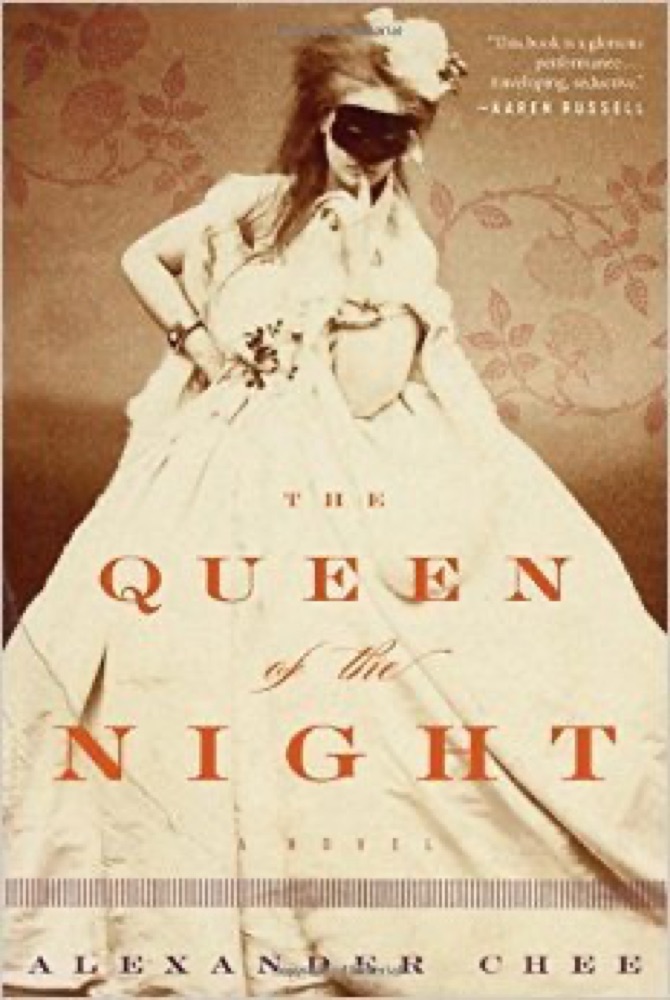 The Queen of the Night
About the book
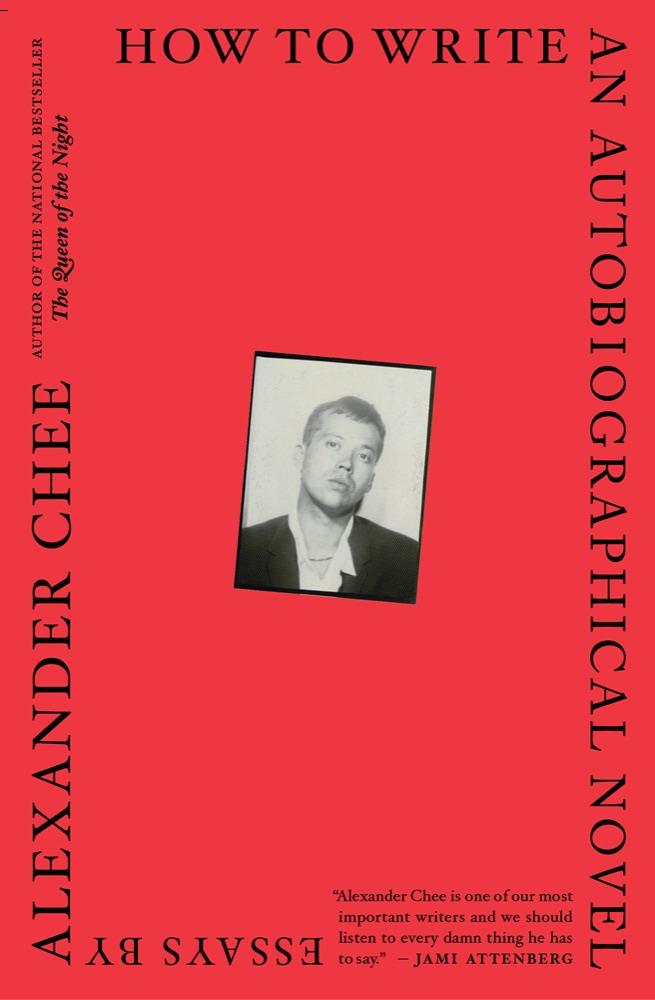
How to Write an Autobiographical Novel is the author’s manifesto on the entangling of life, literature, and politics, and how the lessons learned from a life spent reading and writing fiction have changed him. In these essays, he grows from student to teacher, reader to writer, and reckons with his identities as a son, a gay man, a Korean American, an artist, an activist, a lover, and a friend. He examines some of the most formative experiences of his life and the nation’s history, including his father’s death, the AIDS crisis, 9/11, the jobs that supported his writing—Tarot-reading, bookselling, cater-waiting for William F. Buckley—the writing of his first novel, Edinburgh, and the election of Donald Trump.
Book details
- First published
- 2018
- Author
- Alexander Chee
- Genre
- Nonfiction
- Goodreads rating
- 4.38 (13k ratings)
Keep reading
 Blueberries: Essays Concerning Understanding
 Bird by Bird
 Negotiating with the Dead: A Writer on Writing
 The Getaway Car: A Practical Memoir About Writing and Life
 Consider This: Moments in My Writing Life After Which Everything Was Different
 Body Work: The Radical Power of Personal Narrative
 Novelist as a Vocation
 Still Writing: The Perils and Pleasures of a Creative Life
 Trigger Warning: Short Fictions and Disturbances
 The Book of Dreams
 Writing Down the Bones: Freeing the Writer Within
 Fragile Things: Short Fictions and Wonders
 The Triggering Town: Lectures and Essays on Poetry and Writing
 The Book of Form and Emptiness
 The Writing Life
 The Ghost Writer
 Why Be Happy When You Could Be Normal?
 Dear Friend, from My Life I Write to You in Your Life
 These Precious Days: Essays
 The Muse
 No One Writes Back
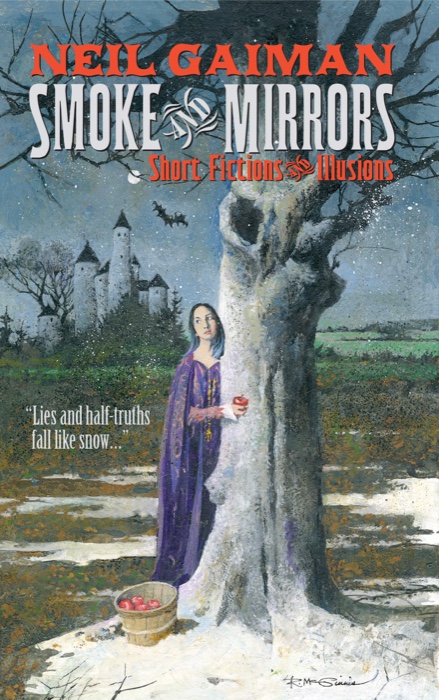 Smoke and Mirrors: Short Fiction and Illusions
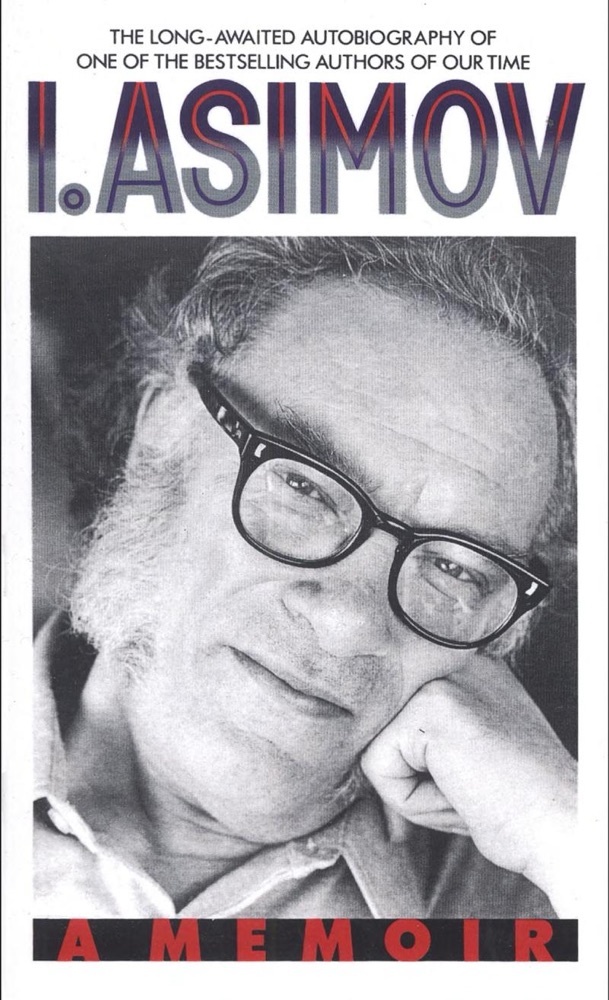 I. Asimov: A Memoir
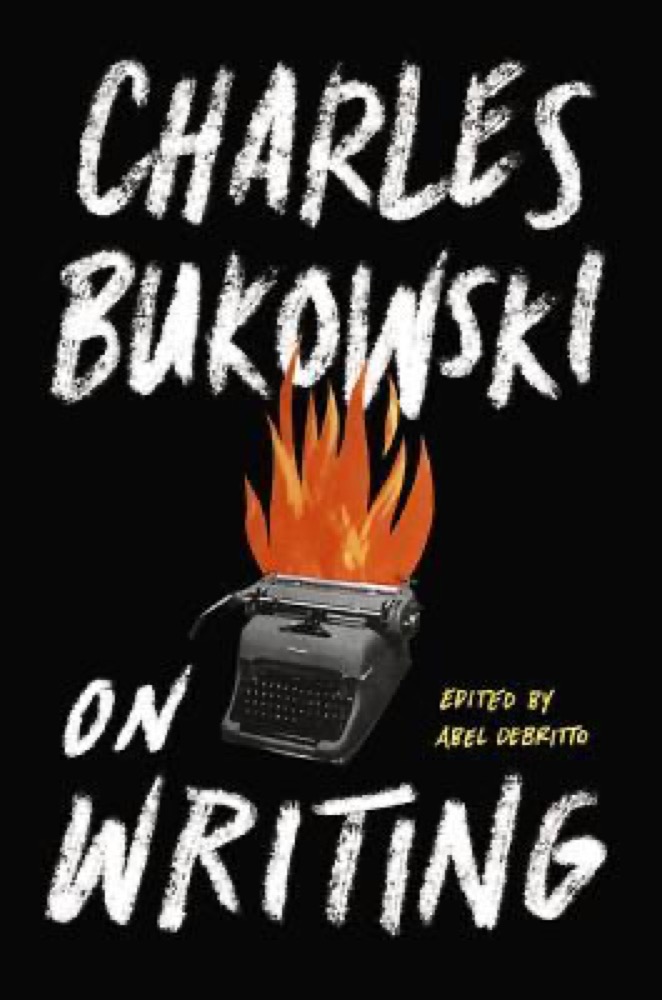 On Writing
 Mao II
 Inheritance: A Memoir of Genealogy, Paternity, and Love
 Dæmon Voices
 The Shock of the Fall
 Born to Run
 Let Me Tell You What I Mean
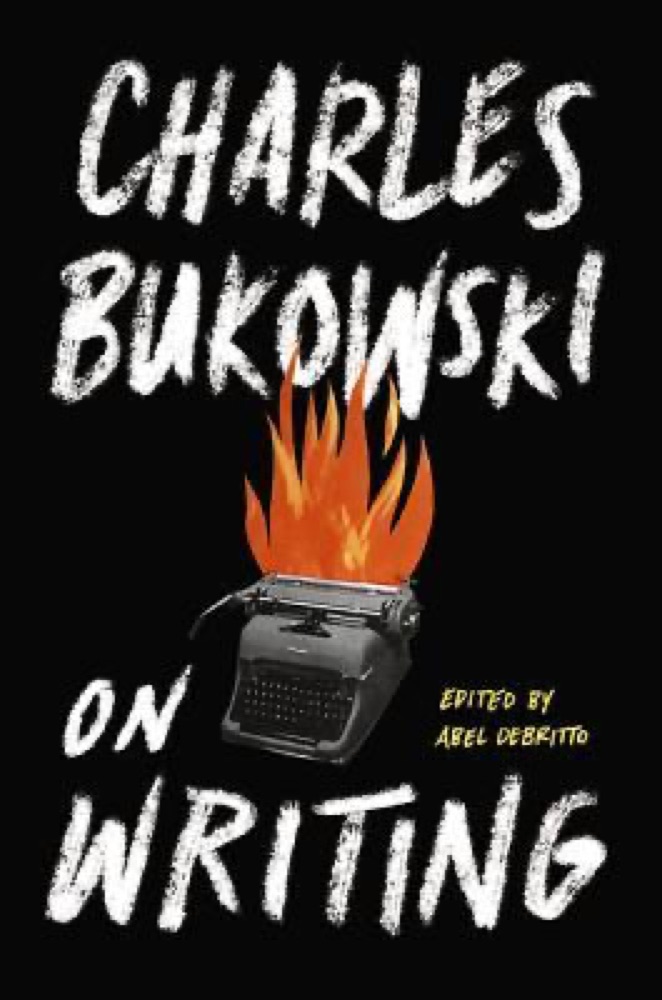 On Writing
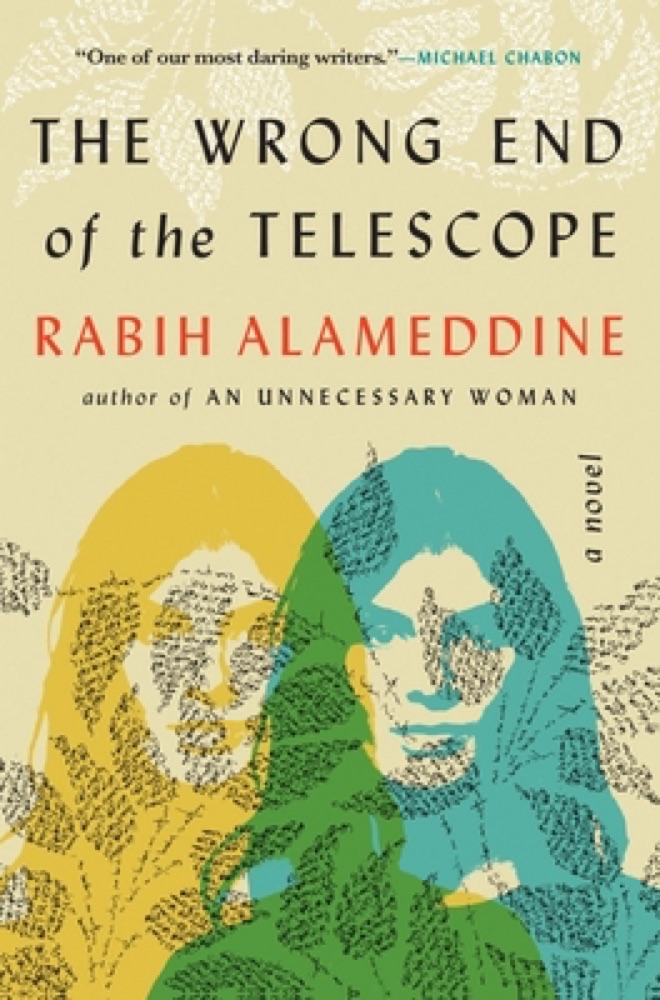 The Wrong End of the Telescope
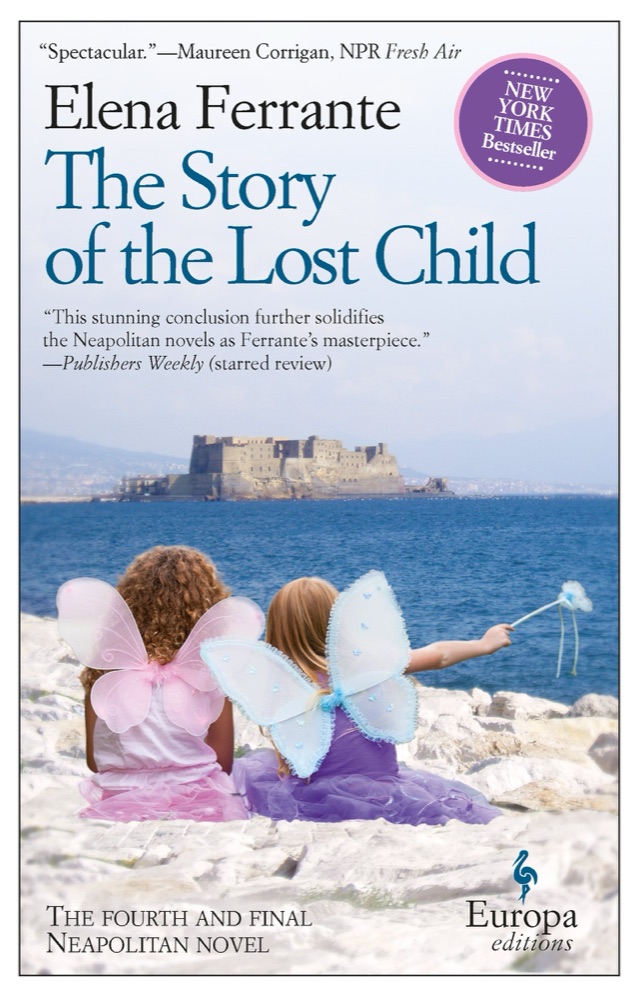 The Story of the Lost Child
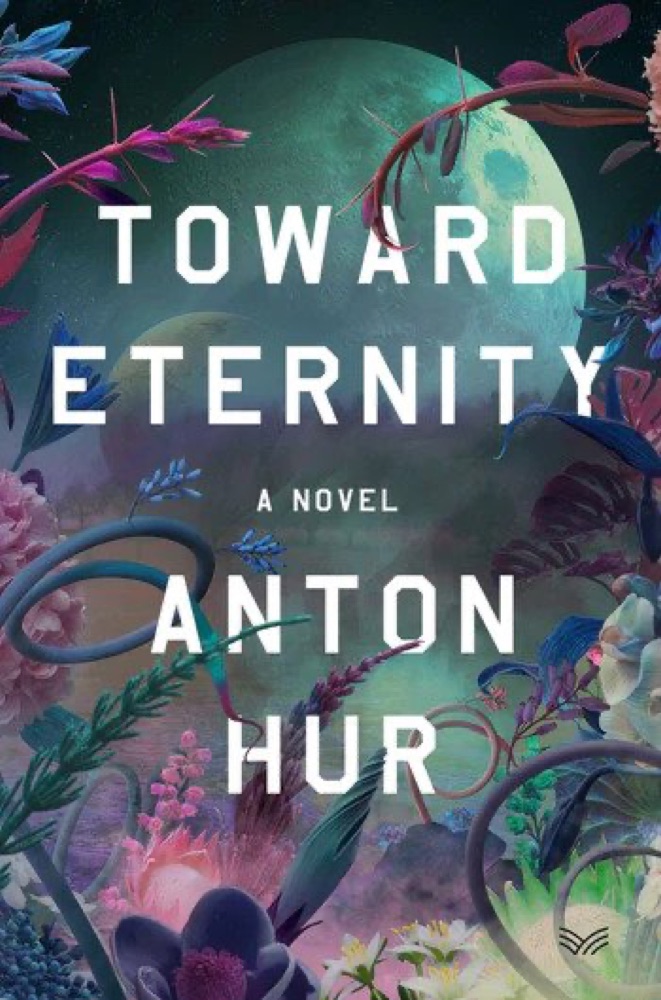 Toward Eternity
 Anthropology of an American Girl
 Trash
Trash
 Sad Girls
 If You Want to Write: A Book about Art, Independence and Spirit
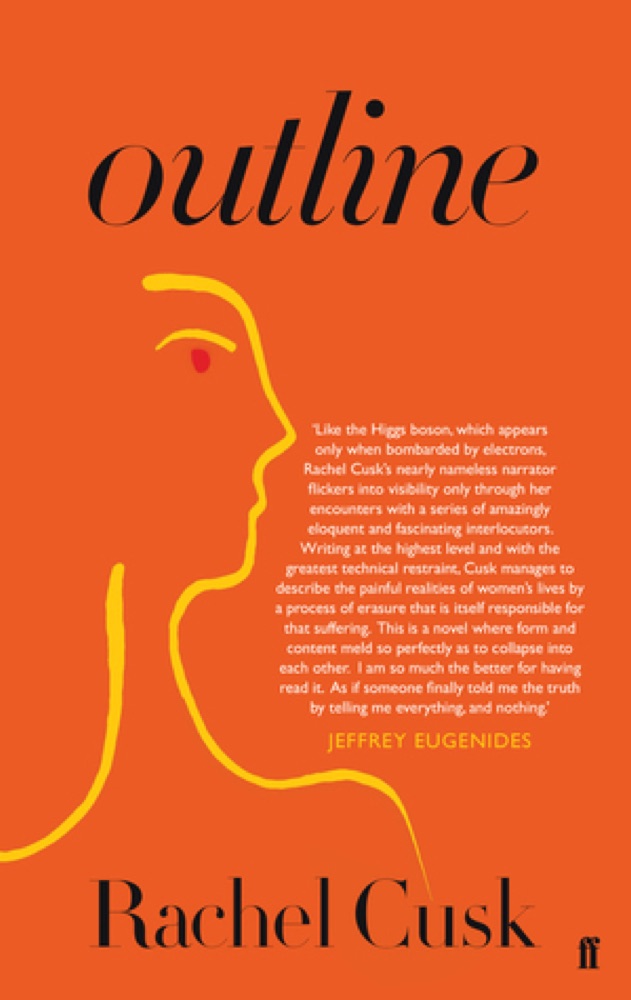 Outline
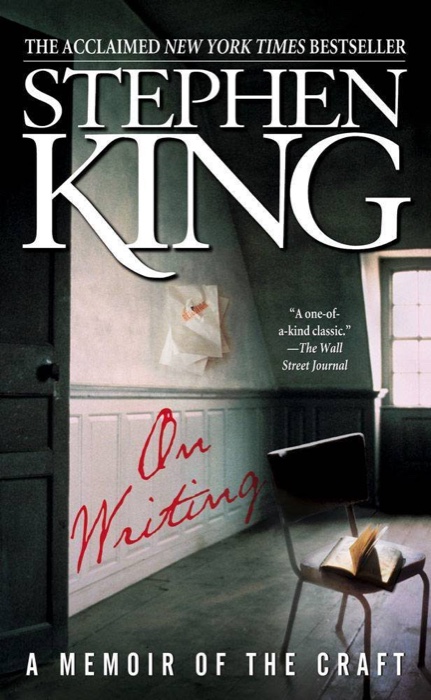 On Writing: A Memoir of the Craft
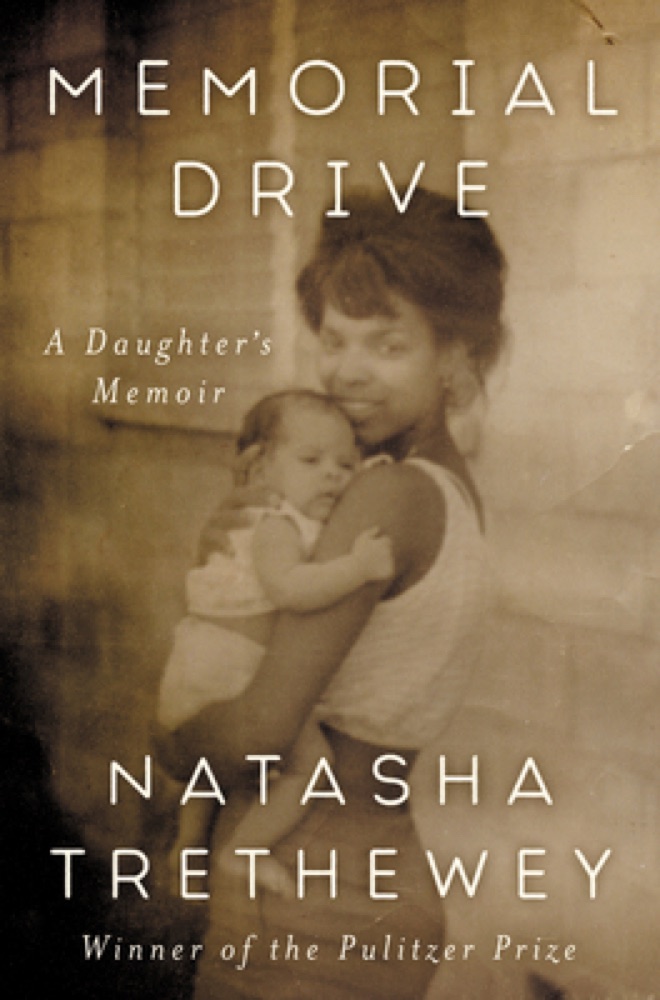 Memorial Drive: A Daughter's Memoir
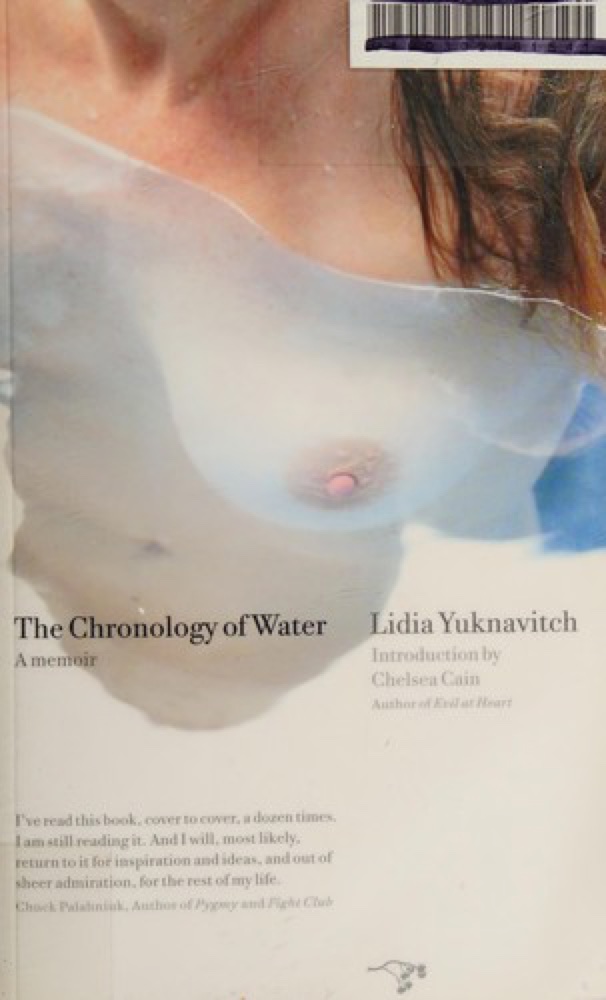 The Chronology of Water
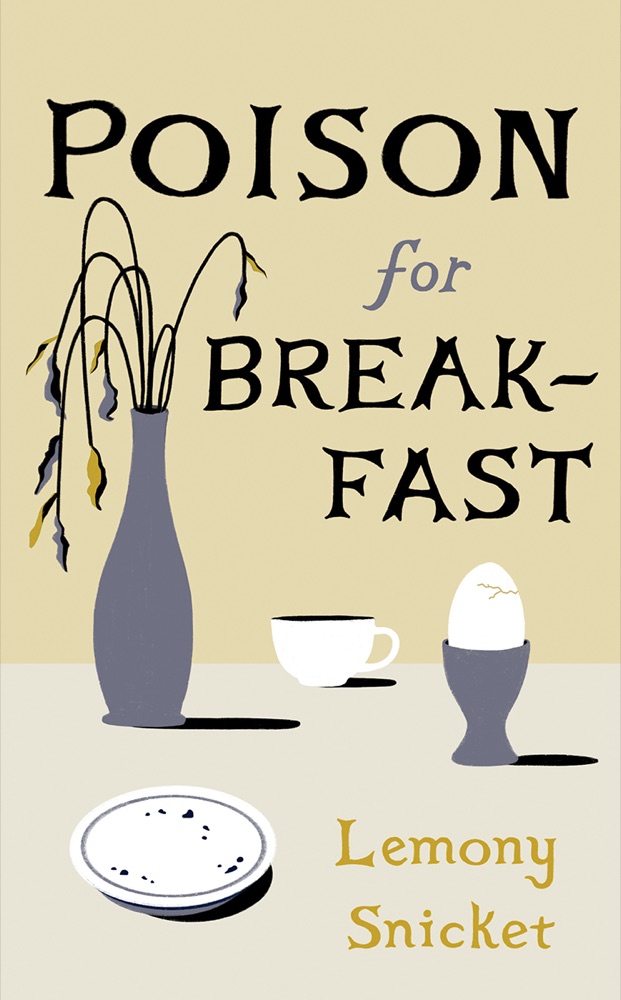 Poison for Breakfast
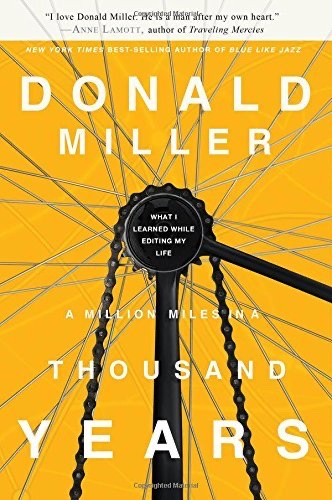 A Million Miles in a Thousand Years: What I Learned While Editing My Life
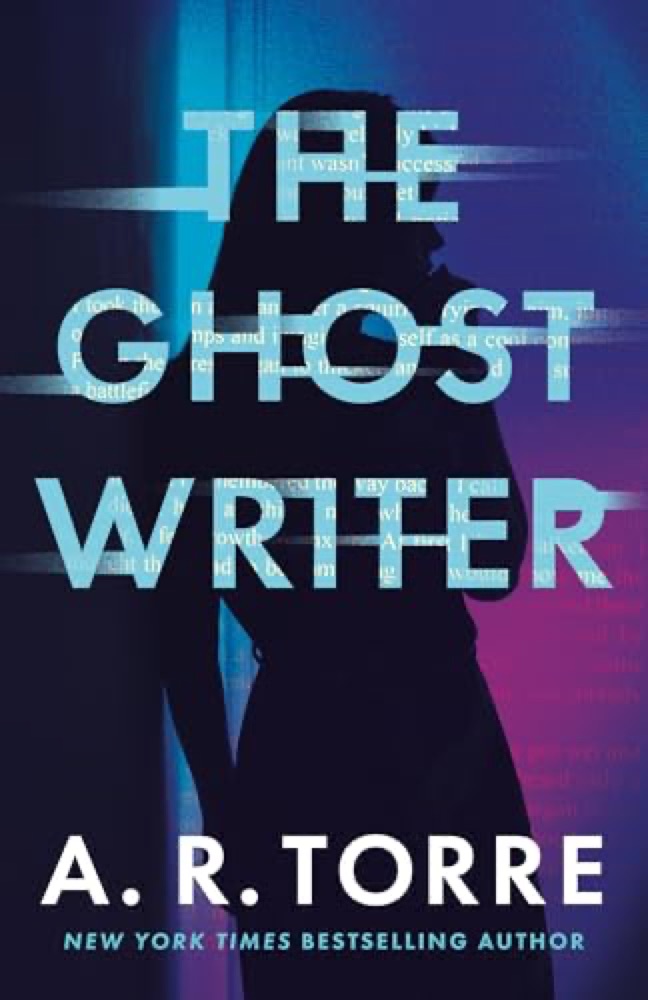 The Ghostwriter
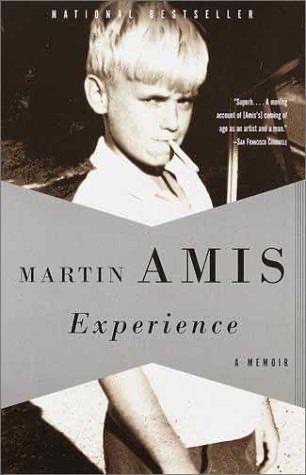 Experience
 The Sportswriter
 The Unlikely Escape of Uriah Heep
 The Faraway Nearby
 In the Dream House
 The Journals of Sylvia Plath
 Here for It; Or, How to Save Your Soul in America: Essays
 The Summer Without Men
 Everything Sad Is Untrue
 Like Streams to the Ocean: Notes on Ego, Love, and the Things That Make Us Who We Are
 Flights
 Kafka on the Shore
 Asymmetry
 An Unnecessary Woman
 Skin: Talking About Sex, Class And Literature