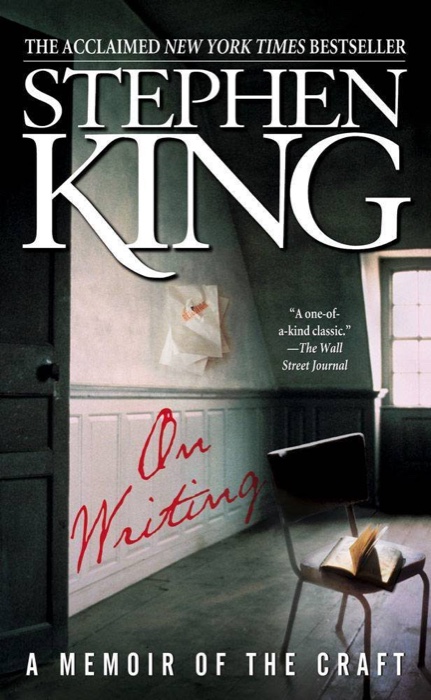
 On Writing: A Memoir of the Craft
Quotes from the Book
Nothing was truly unbearable if you had something to read.
105
Just start the sentence...and see what happens. This is how we write.
43
(N)ot writing was hard work, almost as hard as writing.
7
(T)here are worse things than falling on your face right out of college...Like instant, unearned success. Like getting your first novel accepted by the first publisher you send it to. Like getting your first rejection slip at the age of thirty-five.
7
(D)ialogue is generally the worst choice for exposition. 'When you're writing lines...you need to focus on the way people actually talk. And when we talk to each other we never actually explain our terms. We don't say 'Sweetheart, would you pass me the sugar bowl, which we picked up for a song at that antique stall in Munich.
7
Arithmetic is the death of story.
7
That's the hard work of writing. The imagining.
4
All plots are cliche.
4
(T)hey were at ease with each other, which was essential to a productive workshop.
4
Only in art were there cliches; never in nature. There were no ordinary human beings. Everybody was born with surprise inside.
3
What was the value, really, of an alibi between lovers, friends, or family members? Idea for greeting card: ‘Will You Be My Alibi?
3
Oh, but it is!" said Dot. "You see, I've taken many, many writing workshops. You'd be surprised how many." No I wouldn't, thought Amy, although she would be surprised if any of the other classes had actually encouraged critical reading. Dot was ideal prey for the sort of writing guru who praised everybody's use of metaphor whenever a metaphor, however exhausted, was actually used. No doubt Dot had been told more than once that her work was publishable, and Dot, hearing identical assurances given to others, had believed in her heart of hearts that she was the only one not being patronized. There was a local industry devoted to Dots: weekend writing conferences, during which the Dots could pay extra to have a real-live literary agent actually read one of their paragraphs; expensive weeklong retreats in Anza-Borrego or Julian or Ensenada, where the Dots could locate their inner voices; and at least three annual fiction-writing contests which the Dots could enter at will, for a hefty fee. Amy was willing to bet that in Dot's living room an entire wall was devoted to framed literary awards, including Third Runner-Up Best Unpublished Romance Manuscript.
3
You might ask yourself why you want to surprise your readers in the first place. A surprise ending is sort of like a surprise party. Probably some people, somewhere, enjoy having friends and trusted colleagues lunge at them in the sudden blinding light of their own living room, but I don't think most of us do.
2
Actually, the Sniper's sense of humor frightened Amy more than anything else. The parody of Carla's poem had been witty, the rudeness of Marvy's critique outlandish, and she was still, for some reason, focused on that "youse" in the Sniper's counterfeit email. "Youse" was like a spectral elbow to Amy's ribs. Dangerous, malevolent people should not be amusing. In order to be humorous, you had to have perspective, to be able to stand outside yourself and your own needs and grudges and fears and see yourself for the puny ludicrous creature you really are. How could somebody do that and still imagine himself entitled to harry, to wound, to kill?
2
But all this was beside the point. What scared Amy was the mere fact of what looked inescapably like recreational malevolence. The poem had been written by an adult, not some teen with an unfinished brain. Whoever wrote the line bootlicker, sycophant, toady intended damage, understood how Carla would feel, how anybody would feel, being called such names. The line was playful, offhand, the poem itself a smug, imperious cat stretch. The writer was having fun. Amy had been comfortable in the same room with someone whose idea of fun this was.
2
It was morning, and nothing frightened Amy in the morning, because her will to live never kicked in until after lunch.
1
Ultimately, nobody is predictable, least of all to himself…there wouldn’t be any point in writing fiction otherwise.
1
But she did have to do something creative, even if it was just some little thing, because she was not writing, and not writing is hard work, almost as hard as writing.
1
Carla was wearing a No Fear sweatshirt. You are too old, Amy wanted to tell her, for legible clothing.
1
She pretended to find dust ruffles feminine and cozy, but really they were just flimsy barriers beyond which lurked the malign viscosity under her bed.
About Jincy Willett
We have collected 20 quotes from 1 book by Jincy Willett on BookQuoters.
More about the author →About the book
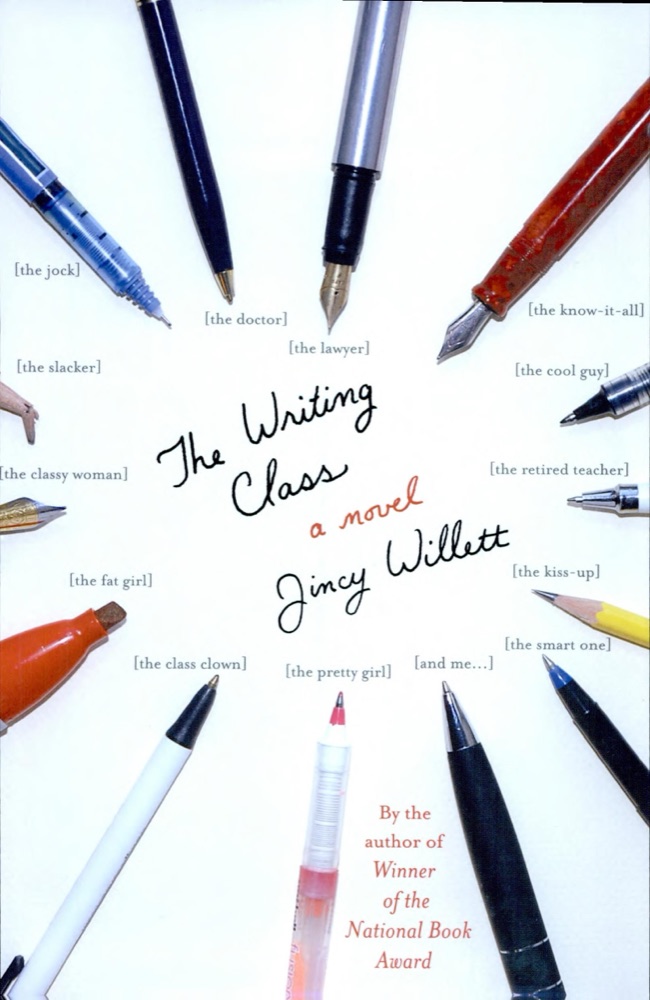
Amy Gallup is gifted, perhaps too gifted for her own good. Published at only twenty-two, she peaked early and found critical but not commercial success. Now her former life is gone, along with her writing career and beloved husband. A reclusive widow, her sole companion a dour, flatulent basset hound who barely tolerates her, her daily mantra Kill Me Now, she is a loner afraid to be alone. Her only bright spot each week is the writing class that she teaches at the university extension.
This semester's class is full of the usual suspects: the doctor who wants to be the next Robin Cook, the overly enthusiastic repeat student, the slacker, the unassuming student with the hidden talent, the prankster, the know-it-all... Amy's seen them all before. But something is very different about this class—and the clues begin with a scary phone call in the middle of the night and obscene threats ins
Book details
- First published
- 2008
- Author
- Jincy Willett
- Genre
- Mystery
- Goodreads rating
- 3.51 (3k ratings)
Keep reading
On Writing: A Memoir of the Craft
 Everyone on This Train Is a Suspect
 The Ghostwriter
 A Widow for One Year
 Stein on Writing
 The Rabbit Back Literature Society
 The Muse
 Afterworlds
 The Getaway Car: A Practical Memoir About Writing and Life
 Negotiating with the Dead: A Writer on Writing
 The Silkworm
 Everything's Eventual
 Let Me Tell You What I Mean
 How Not to Write a Novel: 200 Classic Mistakes and How to Avoid Them—A Misstep-by-Misstep Guide
 Everything's Eventual
 How to Write an Autobiographical Novel
 Smoke and Mirrors: Short Fiction and Illusions
 Speedboat
 The Madwoman Upstairs
 On Writing
 Consider This: Moments in My Writing Life After Which Everything Was Different
 Dear Mr. M
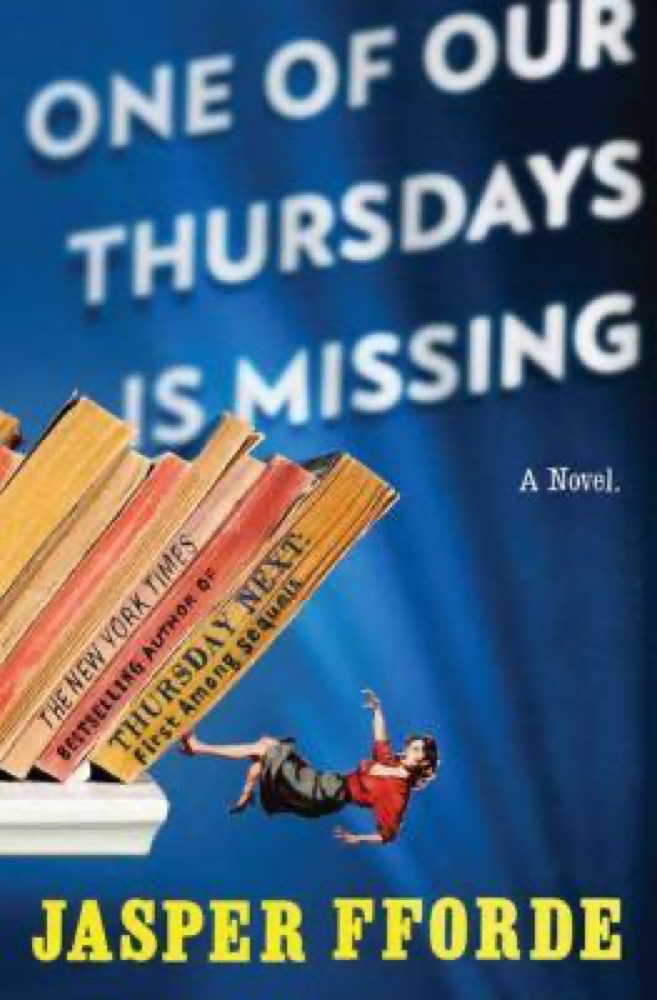 One of Our Thursdays Is Missing
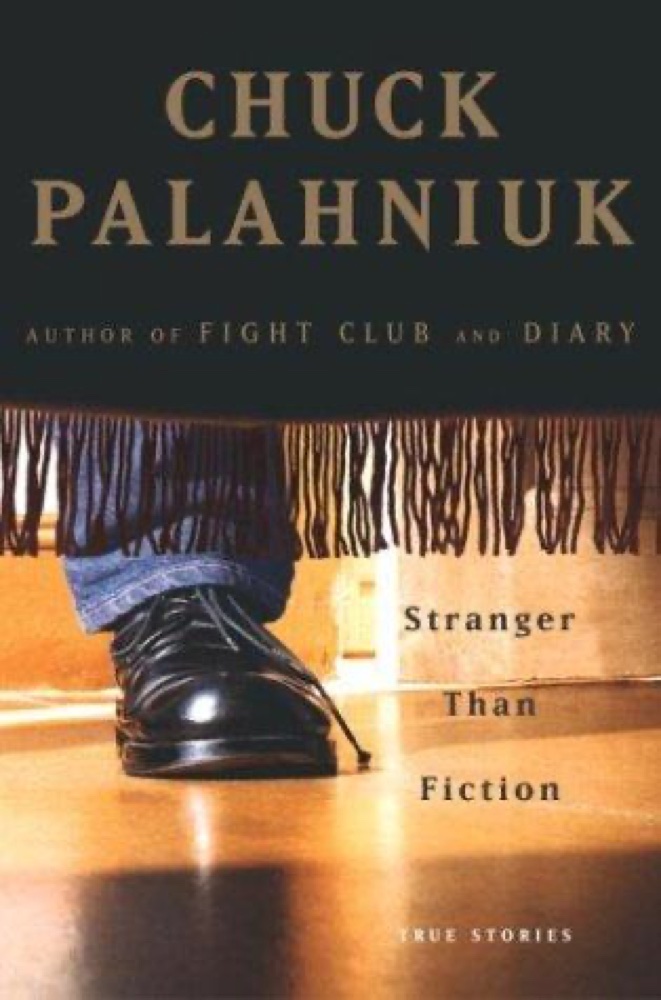 Stranger than Fiction
 Death in the Afternoon
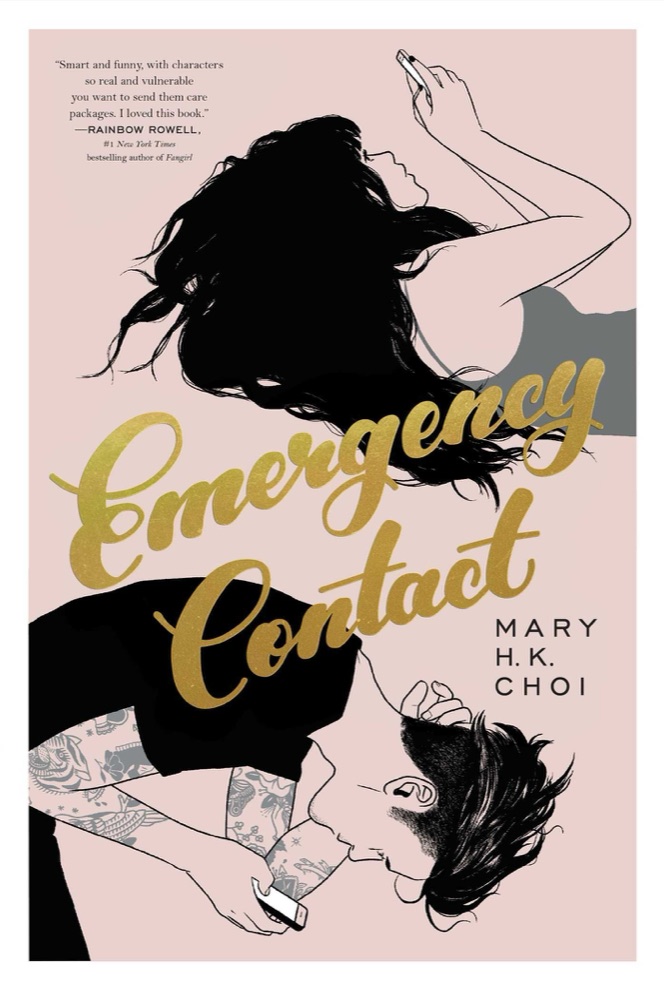 Emergency Contact
 One Hundred Names
 The Woman in the Library
 Too Much Happiness: Stories
 Inkspell
 Lost for Words
 Truly, Devious
 The Summer Without Men
 The Austere Academy
 On Writing Well: The Classic Guide to Writing Nonfiction
 On Becoming a Novelist
 I Have Some Questions for You
 Dead Man's Folly
 Verity
 Nova
Nova
 The Imperfectionists
 The Triggering Town: Lectures and Essays on Poetry and Writing
 Dæmon Voices
 A Slow Fire Burning
 The Jane Austen Book Club
 The Distant Hours
 Experience
 First Among Sequels
 The Hostile Hospital
 Bird by Bird
 On Writing
 The Brooklyn Follies
 Lexicon
 Our Tragic Universe
 The Writing Life
 The Ghost
 NW
NW
 Birds of America
 Old School
 The Ghost Writer