
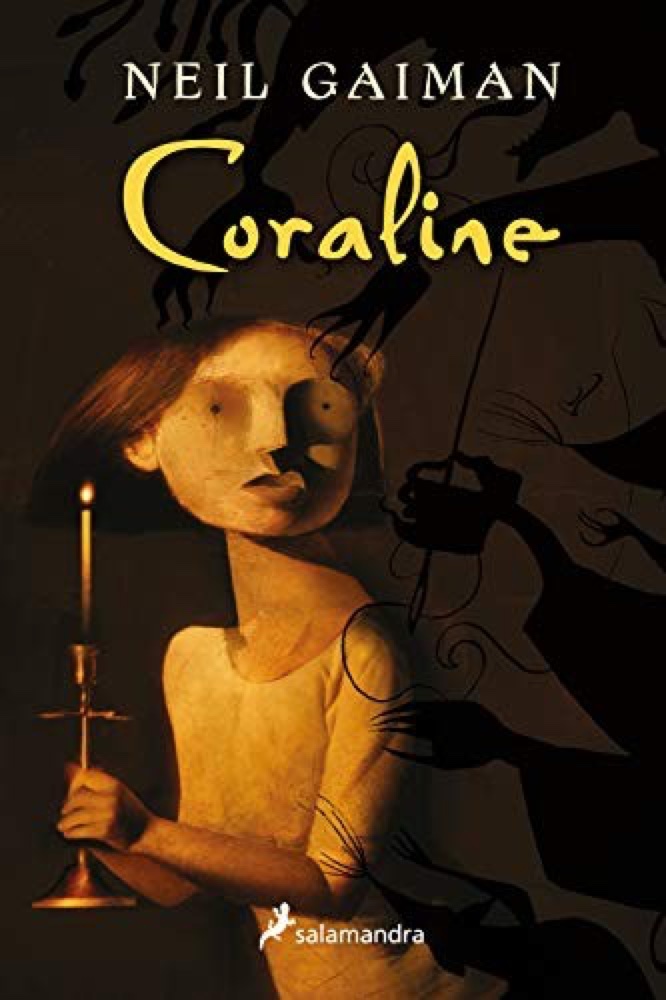
 Coraline
Quotes from the Book
Fiction can show you a different world. It can take you somewhere you've never been. Once you've visited other worlds, like those who ate fairy fruit, you can never be entirely content with the world that you grew up in. Discontent is a good thing: discontented people can modify and improve their worlds, leave them better, leave them different. And while we're on the subject, I'd like to say a few words about escapism. I hear the term bandied about as if it's a bad thing. As if "escapist" fiction is a cheap opiate used by the muddled and the foolish and the deluded, and the only fiction that is worthy, for adults or for children, is mimetic fiction, mirroring the worst of the world the reader finds herself in. If you were trapped in an impossible situation, in an unpleasant place, with people who meant you ill, and someone offered you a temporary escape, why wouldn't you take it? And escapist fiction is just that: fiction that opens a door, shows the sunlight outside, gives you a place to go where you are in control, are with people you want to be with(and books are real places, make no mistake about that); and more importantly, during your escape, books can also give you knowledge about the world and your predicament, give you weapons, give you armour: real things you can take back into your prison. Skills and knowledge and tools you can use to escape for real. As JRR Tolkien reminded us, the only people who inveigh against escape are jailers.
285
You can no more read the same book again than you can step into the same river.
46
Fiction is the lie that tells the truth, after all.
39
We have an obligation to read aloud to our children. To read them things they enjoy. To read to them stories we are already tired of. To do the voices, to make it interesting, and not to stop reading to them just because they learn to read to themselves. We have an obligation to use reading-aloud time as bonding time, as time when no phones are being checked, when the distractions of the world are put aside. We have an obligation to use the language. To push ourselves: to find out what words mean and how to deploy them, to communicate clearly, to say what we mean. We must not attempt to freeze language, or to pretend it is a dead thing that must be revered, but we should use it as a living thing, that flows, that borrows words, that allows meanings and pronunciations to change with time.
34
We all have stories. Or perhaps it's because, as humans, we are already an assemblage of stories and the gulf that exists between us as people is that when we look at each other we might see faces, skin color, gender, race, or attitudes. But we don't see - we can't see the stories. And once we hear each other's stories, we realize the things we see as dividing us are all too often illusions; falsehoods. That the walls between us are, in truth, no thicker than scenery.
31
I believe we have an obligation to read for pleasure, in private and in public places. If we read for pleasure, if others see us reading, then we learn, we exercise our imaginations. We show others that reading is a good thing.
30
Libraries are about Freedom. Freedom to read, freedom of ideas, freedom of communication. They are about education (which is not a process that finishes the day we leave school or university), about entertainment, about making safe spaces, and about access to information.
28
Albert Einstein was asked once how we could make our children intelligent. His reply was both simple and wise. “If you want your children to be intelligent,” he said, “read them fairy tales. If you want them to be more intelligent, read them more fairy tales.
27
You don’t discourage children from reading because you feel they are reading the wrong thing. Fiction you do not like is the gateway drug to other books you may prefer them to read. And not everyone has the same taste as you.
27
We who make stories know that we tell lies for a living. But they are good lies that say true things, and we owe it to our readers to build them as best we can. Because somewhere out there is someone who needs that story.
27
I believe that in the battle between guns and ideas, ideas will, eventually, win. Because the ideas are invisible, and they linger, and, sometimes, they can even be true. Eppur si muove: and yet it moves.
26
Honesty matters. Vulnerability matters. Being open about who you were at a moment in time when you were in a difficult or an impossible place matters more than anything. Having a place the story starts and a place it's going, that's important. Telling your story as honestly as you can and leaving out the things you don't need, that's vital.
24
Literature does not occur in a vacuum. It cannot be a monologue. It has to be a conversation, and new people, new readers, need to be brought into the conversation too.
23
We all—adults and children, writers and readers—have an obligation to daydream. We have an obligation to imagine. It is easy to pretend that nobody can change anything, that we are in a world in which society is huge and the individual is less than nothing: an atom in a wall, a grain of rice in a rice field. But the truth is, individuals change their world over and over, individuals make the future, and they do it by imagining that things can be different.
20
Another piece of advice: I've learned over the years that everything is more or less the same amount of work. So you may as well set your sights high and try and do something really cool. There are other people around who can do the mediocre meat and potatoes work that anybody can do. So let them do that. You make the art that only you can make. You tell the stories only you can tell.
18
Empathy is a tool for building people into groups, for allowing us to function as more than self-obsessed individuals.
14
We have an obligation to make things beautiful, to not leave the world uglier than we found it. An obligation not to empty the oceans, not to leave our problems for the next generation. We have an obligation to clean up after ourselves, and not to leave our children with a world we’ve shortsightedly messed up, shortchanged, and crippled.
13
No two readers can or will ever read the same book, because the reader builds the book in collaboration with the author.
10
In truth, Kipling's politics are not mine. But then, it would be a poor sort of world if one were only able to read authors who expressed points of view that one agreed with entirely. It would be a bland sort of world if we could not spend time with people who thought differently, and who saw the world from a different place.
10
It's easy to be cynical about death when you're young. When you are young, death is an anomaly. It's not real. It only affects other people. It's a bullet you'll dodge easily. It's why young people can go into battle: they really will live forever. They know. As you stick around, as you go around the Earth, you realize that life is an ever-narrowing conveyor belt. Slowly, inexorably, it takes us all along with it, and one by one we tumble off the side of the conveyor belt into darkness. . . They fall off the conveyor belt into the darkness, our friends, and we cannot talk to them anymore.
9
And he told me that anything more than twelve minutes of personal pain was self-indulgence, which did more to jerk me out of the state of complete numbness I was in than anything else could have done
9
And I knew then, as I know now, that things need not have happened to be true.
9
Some years ago a writer not much older than I am now told me (not bitterly, but matter-of-factly) that it was a good thing that I, as a young writer, did not have to face the darkness that he faced every day, the knowledge that his best work was behind him. And another, in his eighties, told me that what kept him going every day was the knowledge that his best work was still out there, the great work that he would one day do. I aspire to the condition of the second of my friends, I like the idea that one day I'll do something that really works, even if I fear that I've been saying the same things for over thirty years. As we get older, each thing we do, each thing we write reminds us of something else we've done. Events rhyme. Nothing quite happens for the first time anymore.
9
truth is not in what happens but in what it tells us about who we are. Fiction is the lie that tells the truth, after all.
9
We win some, but we lose many. We lose a lot. We lose our friends and we lose our family. In the end we lose everything. No matter who's with us, we always die alone. When you fight your battles, whatever battles you fight, it's always going to be about life.
9
It is the job of the creator to explode. It is the task of the academic to walk around the bomb site, gathering up the shrapnel, to figure out what kind of an explosion it was, who was killed, how much damage it was meant to do and how close it came to actually achieving that.
9
Books are really places, make no mistake about that.
8
Yes, I was scared of the Daleks and the Zarbi and the rest, but I was taking other, stranger, more important lessons away from my Saturday tea time serial. For a start, I became infected by the idea that there are an infinite number of worlds only a foot step away. And another part of the meme was this- some things are bigger on the inside than they are on the outside. And perhaps some people are bigger on the inside than they are on the outside as well. And that was only the start of it.
8
We have an obligation to use the language. To push ourselves: to find out what words mean and how to deploy them, to communicate clearly, to say what we mean. We must not attempt to freeze language, or to pretend it is a dead thing that must be revered, but we should use it as a living thing, that flows, that borrows words, that allows meanings and pronunciations to change with time. We
8
Watch on YouTube
About Neil Gaiman
We have collected 917 quotes from 34 books by Neil Gaiman on BookQuoters.
More about the author →More by Neil Gaiman
Coraline
 Trigger Warning: Short Fictions and Disturbances
 The Graveyard Book
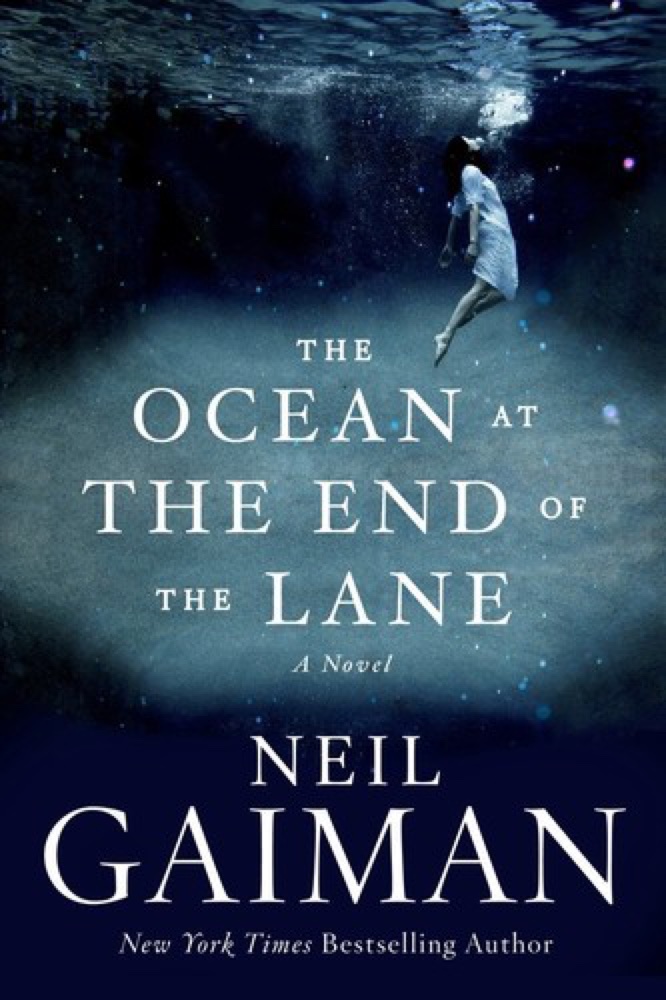 The Ocean at the End of the Lane
About the book
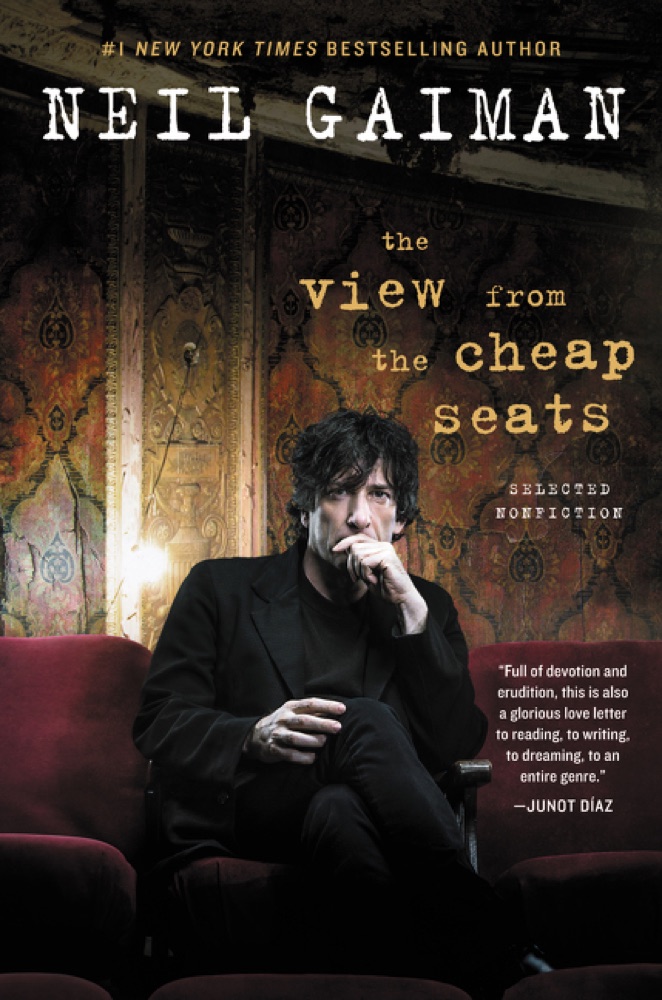
An inquisitive observer, thoughtful commentator, and assiduous craftsman, Neil Gaiman has long been celebrated for the sharp intellect and startling imagination that informs his bestselling fiction. Now, The View from the Cheap Seats brings together for the first time ever more than sixty pieces of his outstanding nonfiction. Analytical yet playful, erudite yet accessible, this cornucopia explores a broad range of interests and topics, including (but not limited to): authors past and present; music; storytelling; comics; bookshops; travel; fairy tales; America; inspiration; libraries; ghosts; and the title piece, at turns touching and self-deprecating, which recounts the author’s experiences at the 2010 Academy Awards in Hollywood.
Book details
- First published
- 2016
- Author
- Neil Gaiman
- Genre
- Nonfiction
- Goodreads rating
- 3.96 (16k ratings)
Keep reading
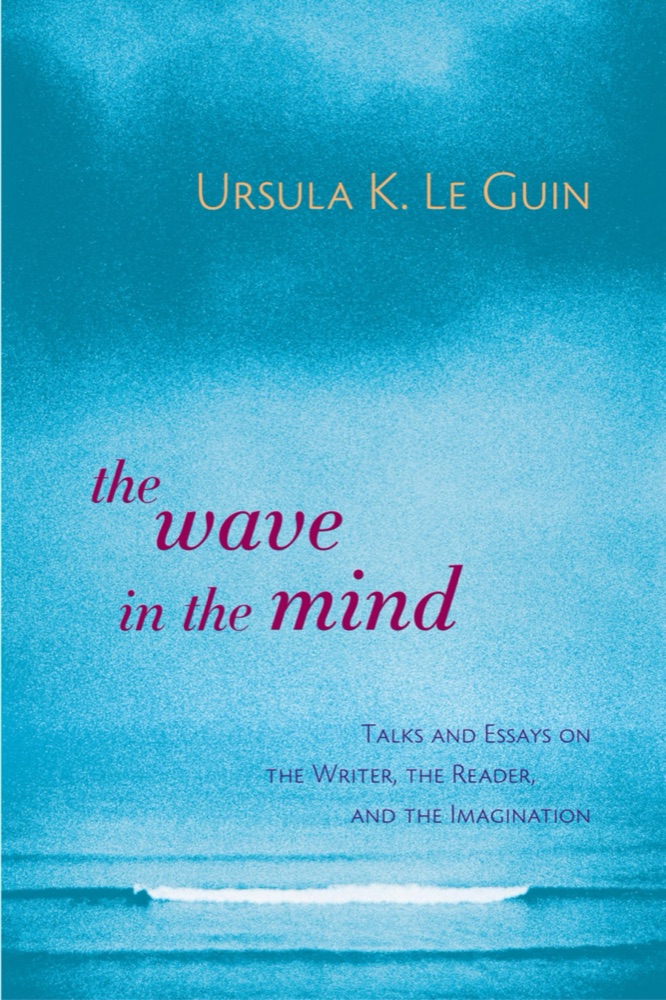 The Wave in the Mind: Talks and Essays on the Writer, the Reader and the Imagination
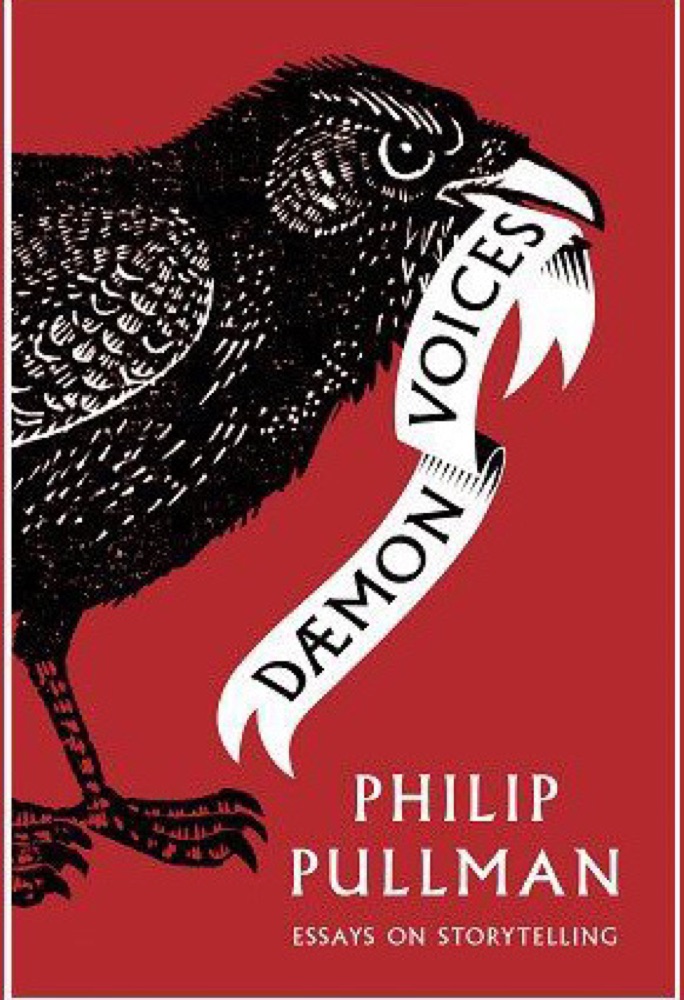 Dæmon Voices
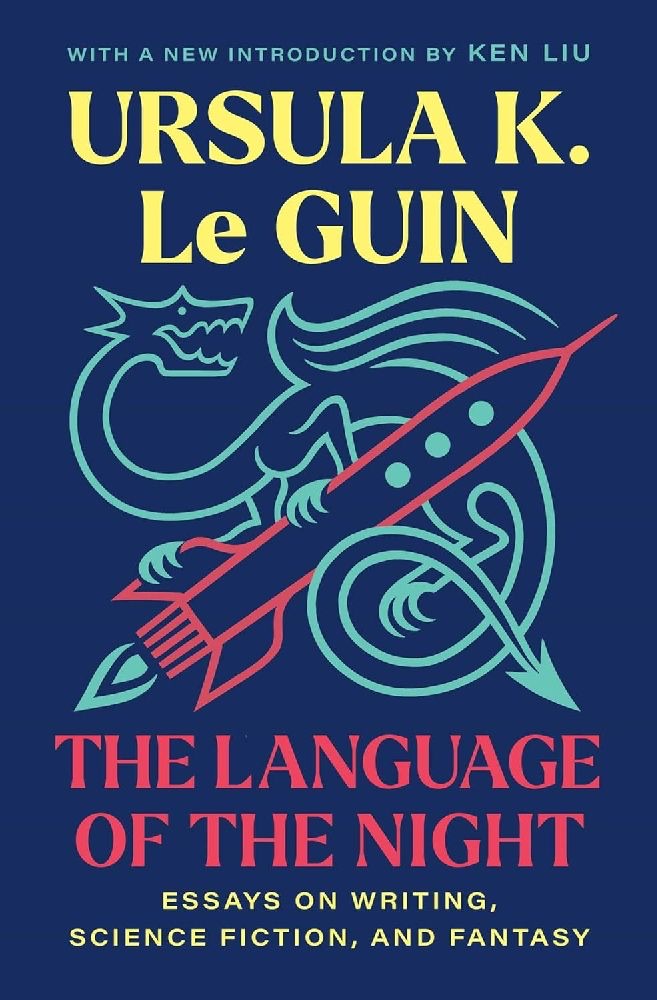 The Language of the Night: Essays on Writing, Science Fiction, and Fantasy
 Stories: All-New Tales
 The Thirteenth Tale
 The Book of Form and Emptiness
 Art Matters: Because Your Imagination Can Change the World
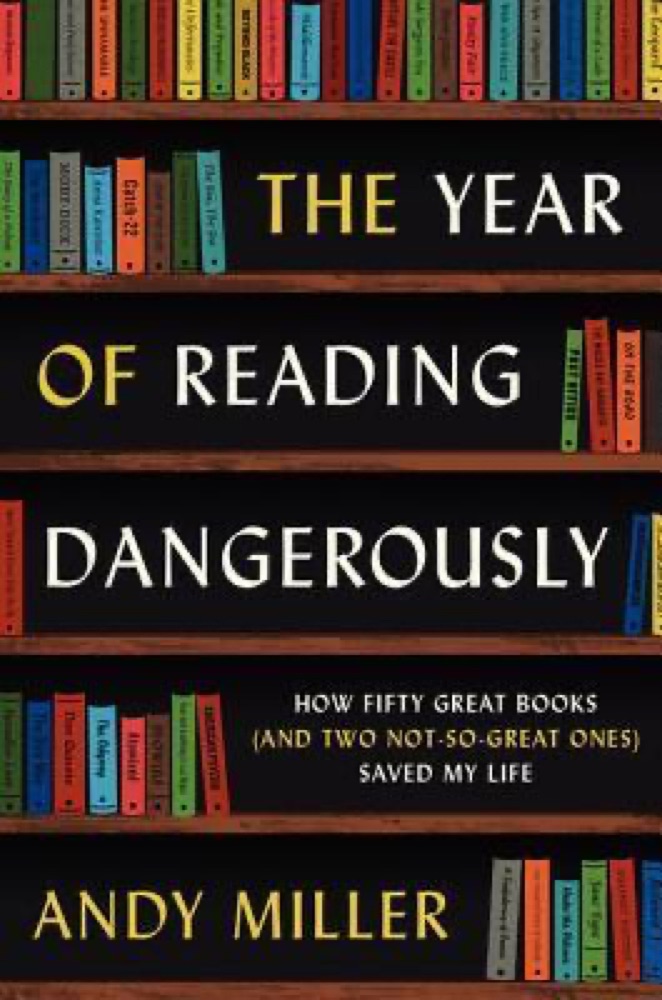 The Year of Reading Dangerously
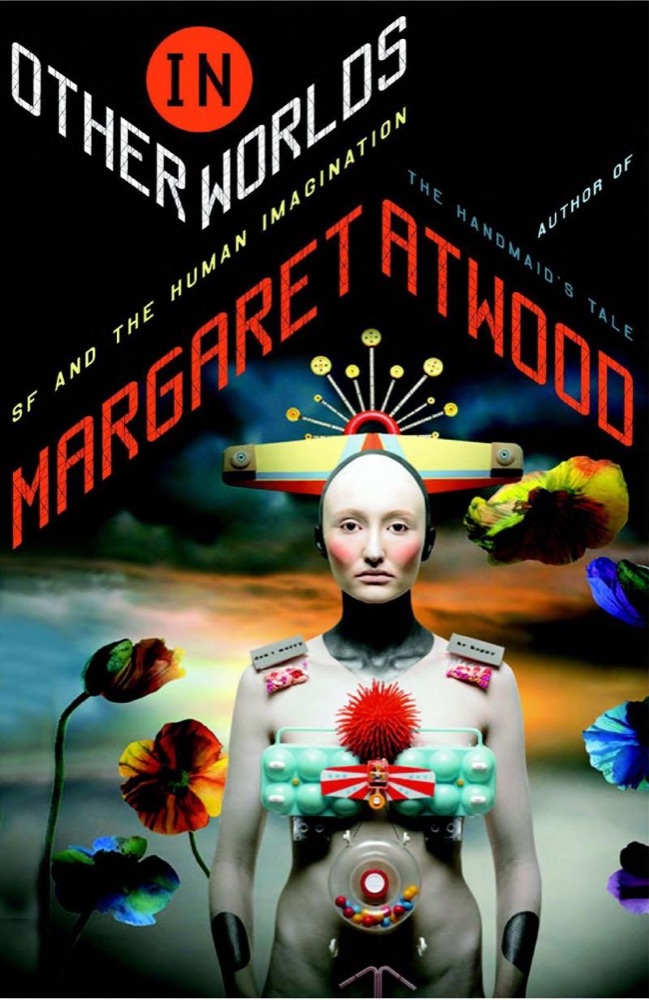 In Other Worlds: SF and the Human Imagination
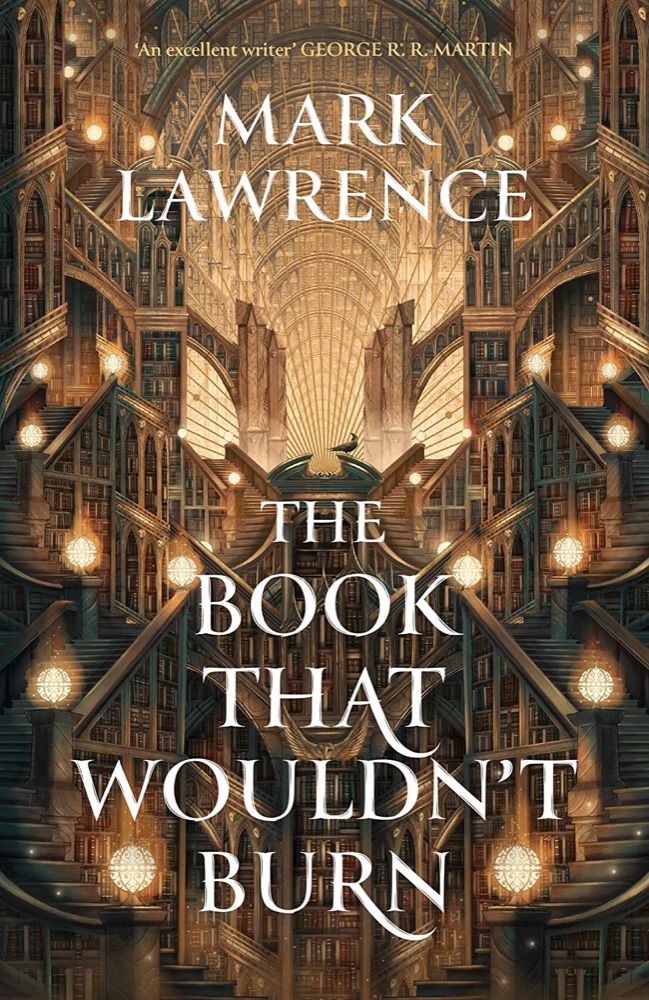 The Book That Wouldn’t Burn
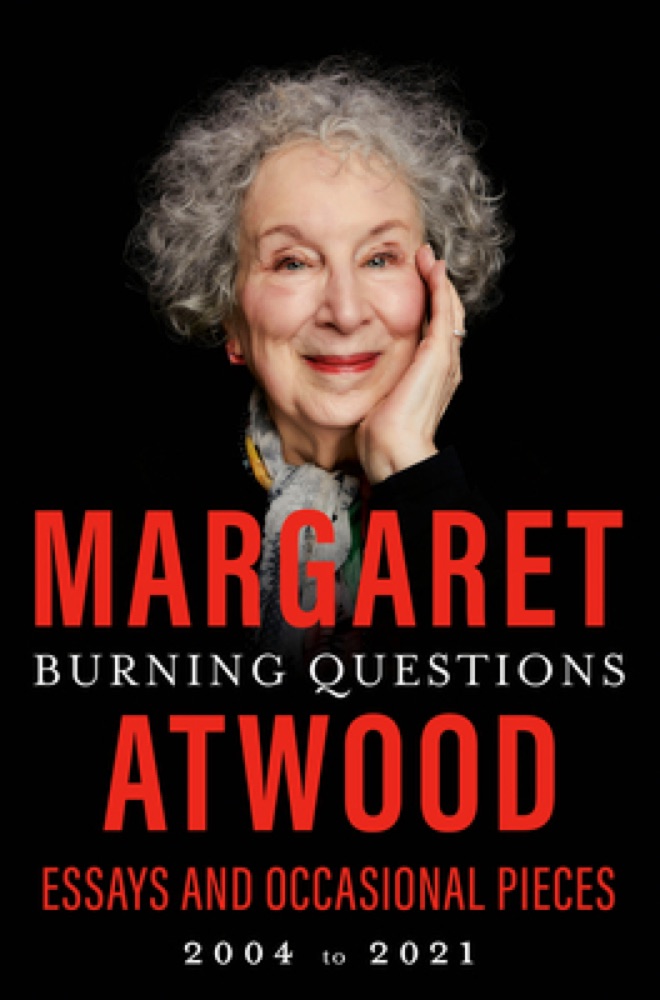 Burning Questions: Essays and Occasional Pieces, 2004 to 2021
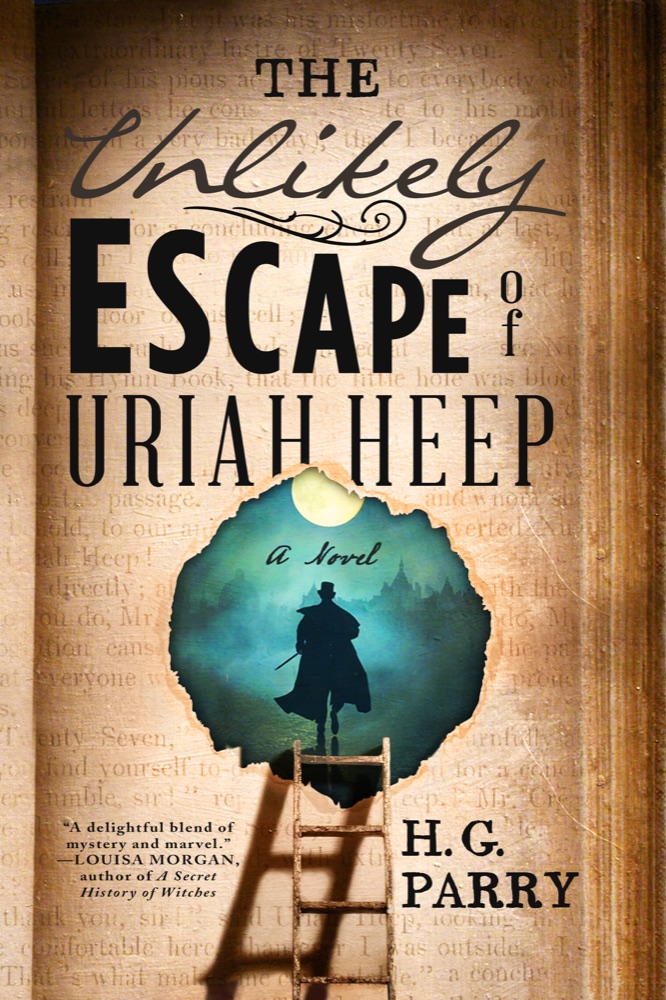 The Unlikely Escape of Uriah Heep
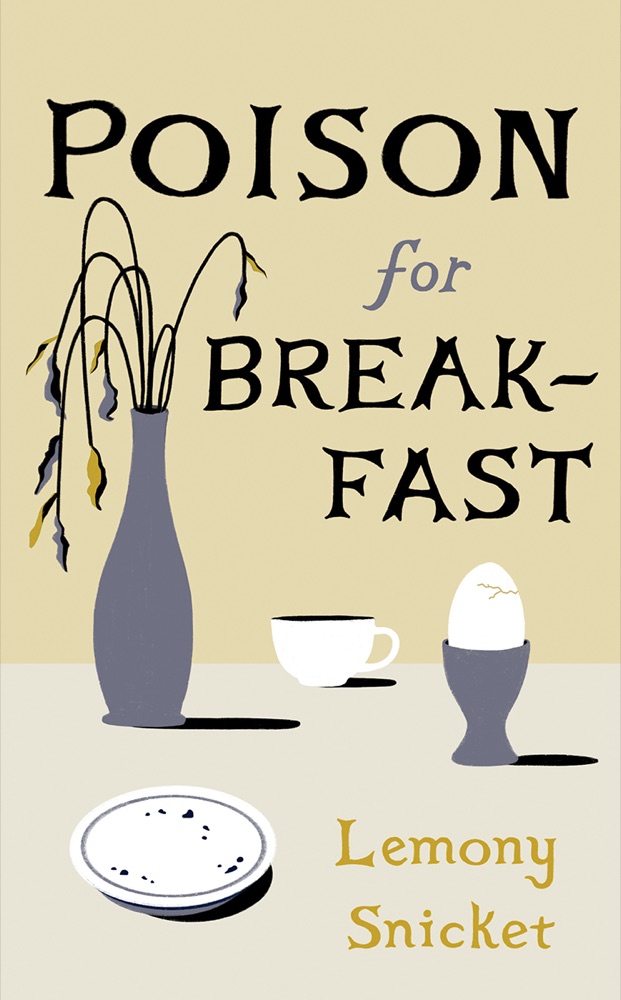 Poison for Breakfast
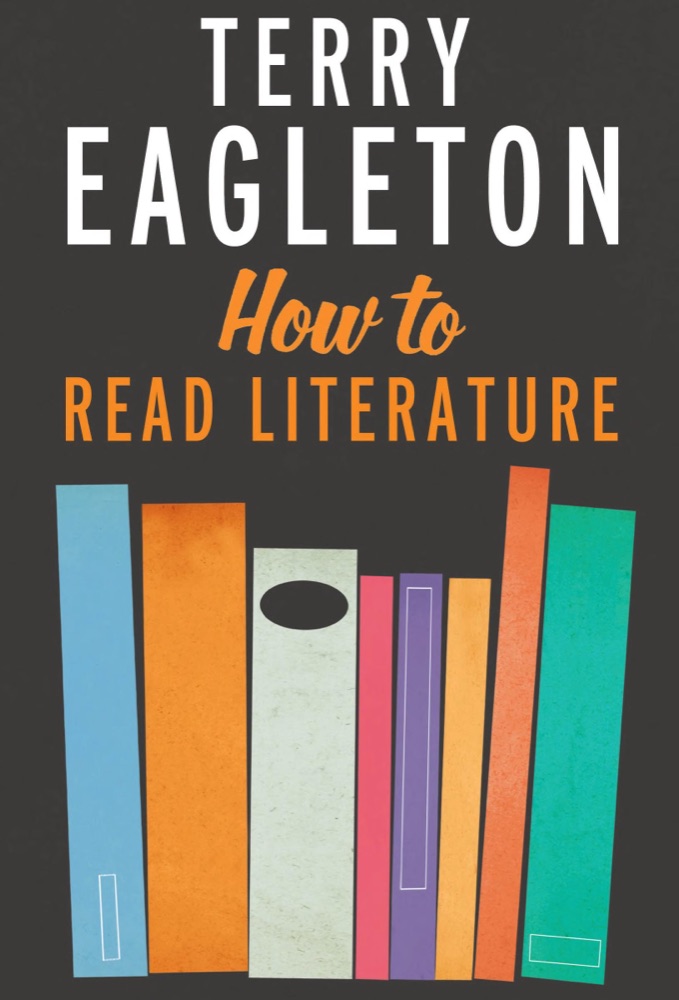 How to Read Literature
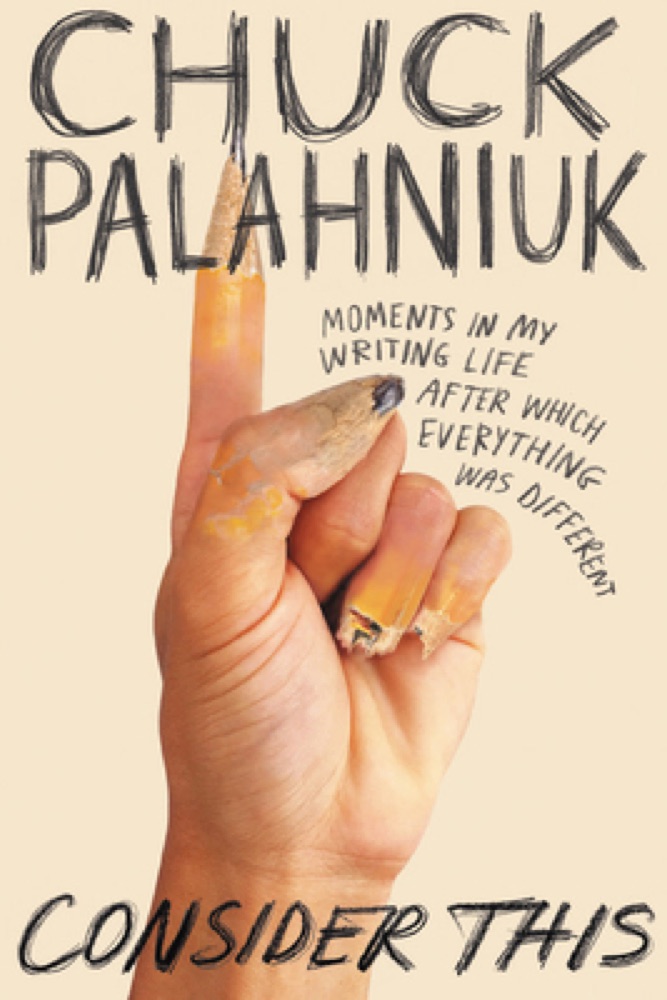 Consider This: Moments in My Writing Life After Which Everything Was Different
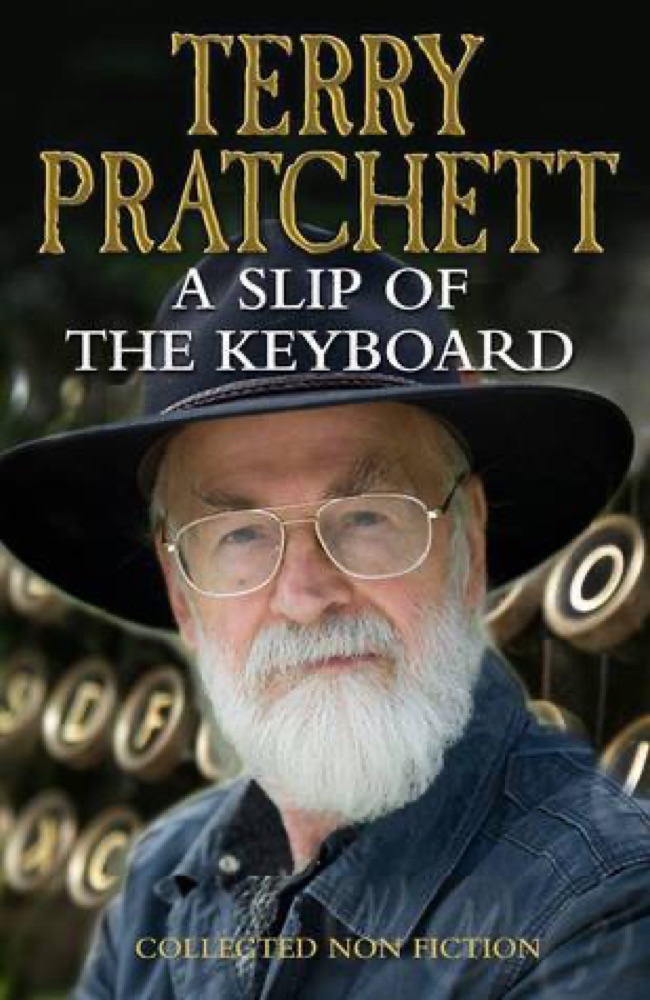 A Slip of the Keyboard: Collected Non-Fiction
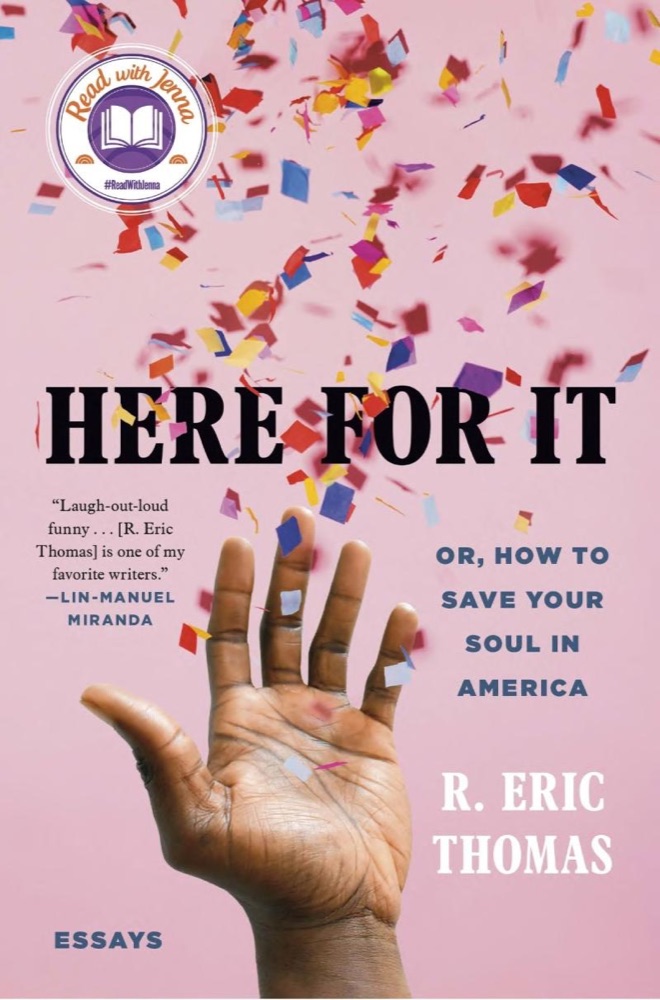 Here for It; Or, How to Save Your Soul in America: Essays
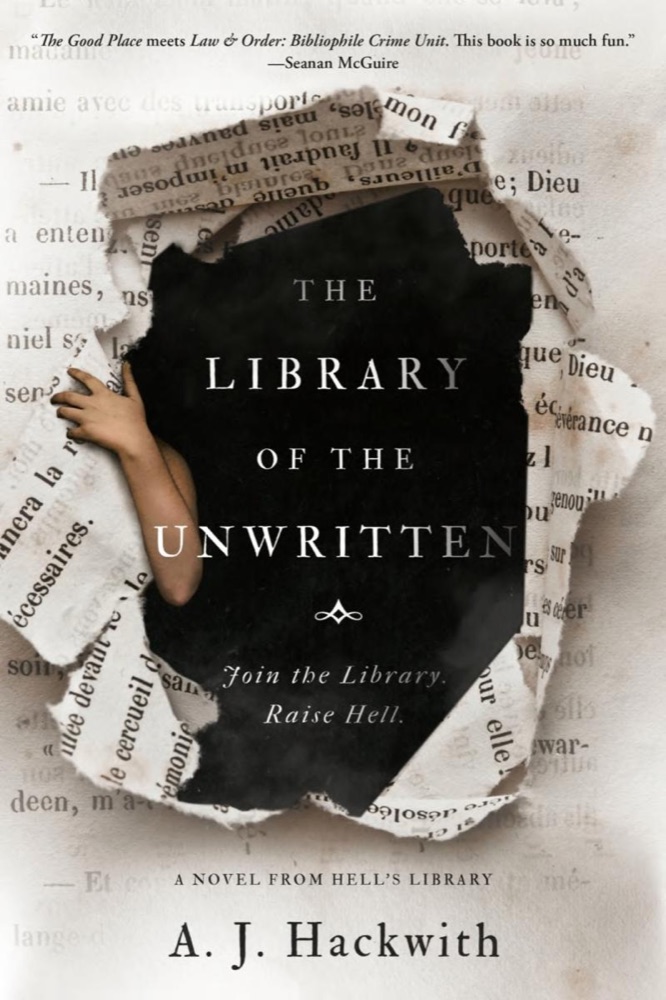 The Library of the Unwritten
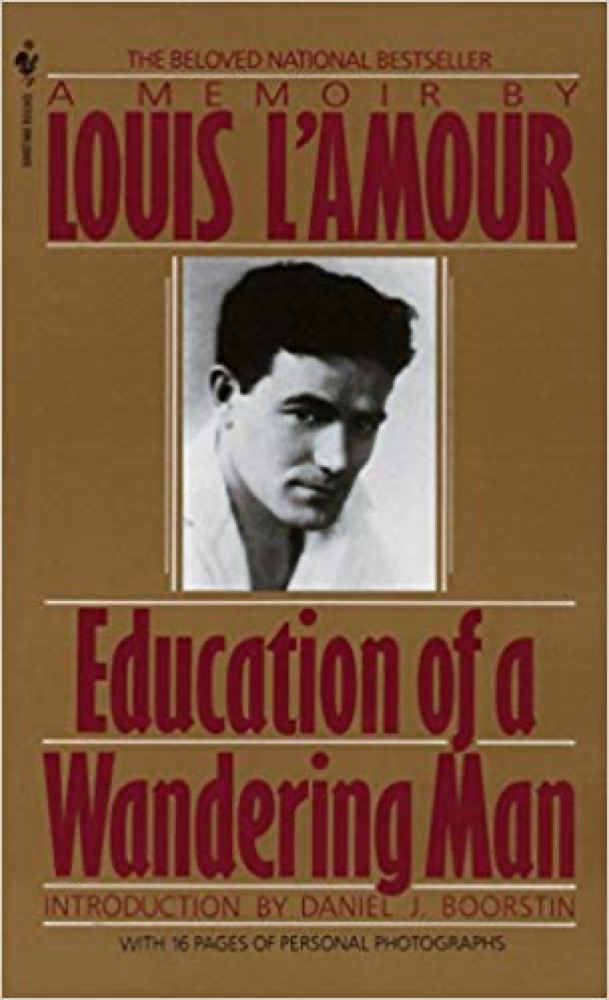 Education of a Wandering Man: A Memoir
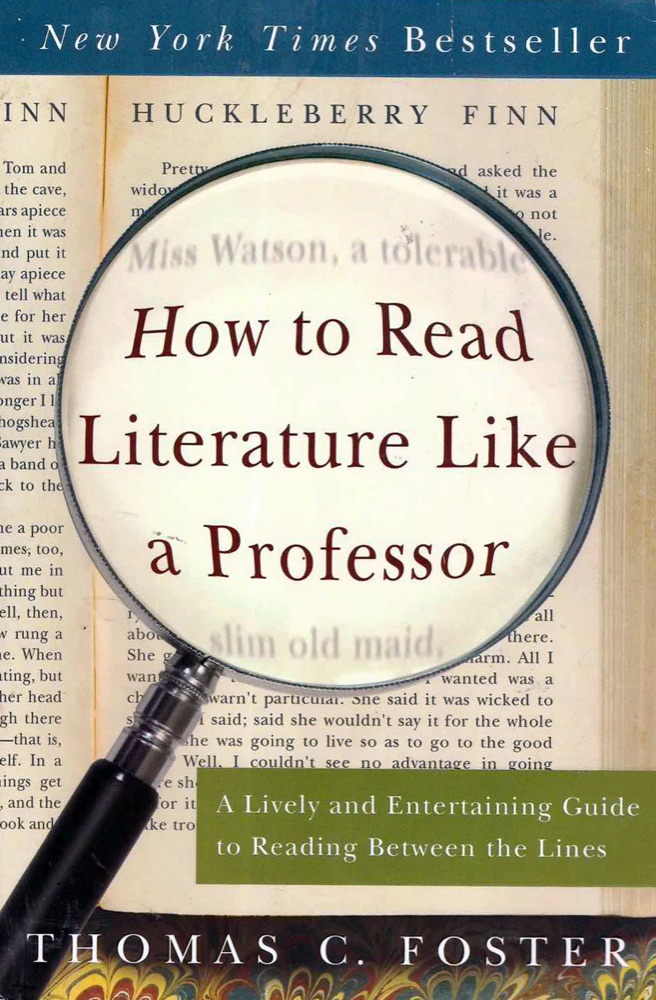 How to Read Literature Like a Professor
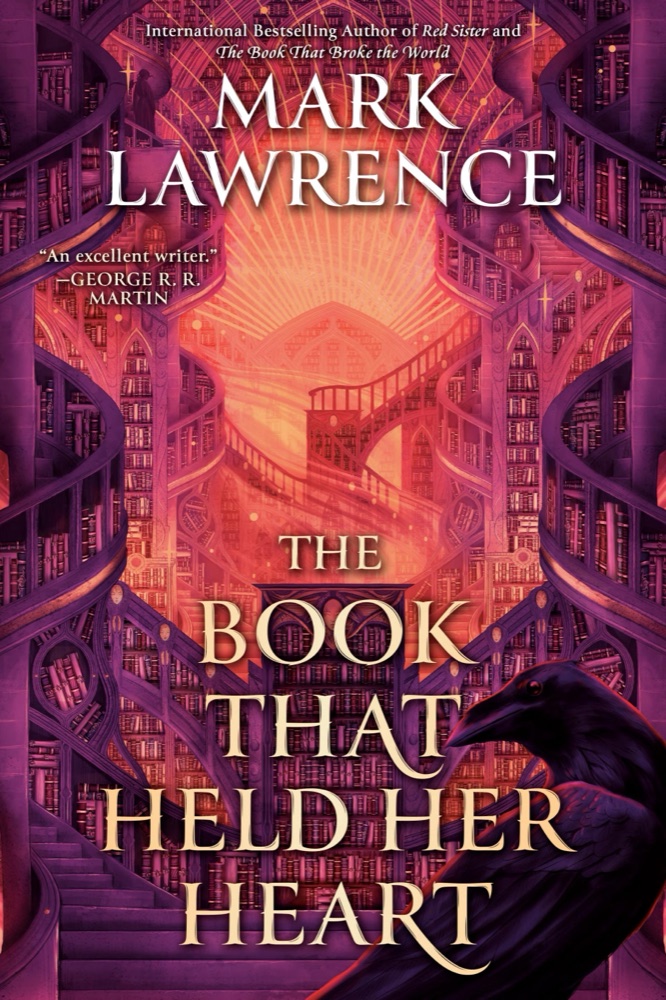 The Book That Held Her Heart
 The Storied Life of A.J. Fikry
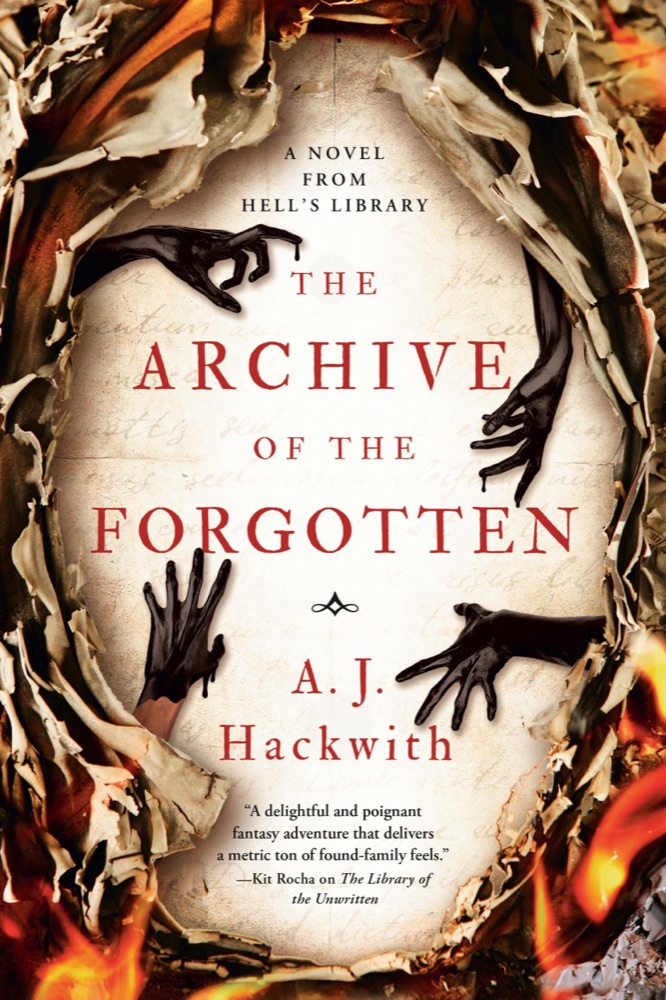 The Archive of the Forgotten
 Mystery and Manners: Occasional Prose
 The Faraway Nearby
 Bird by Bird
 The Rabbit Back Literature Society
 How to Read Now
 I. Asimov: A Memoir
 Flaubert's Parrot
 The Rent Collector
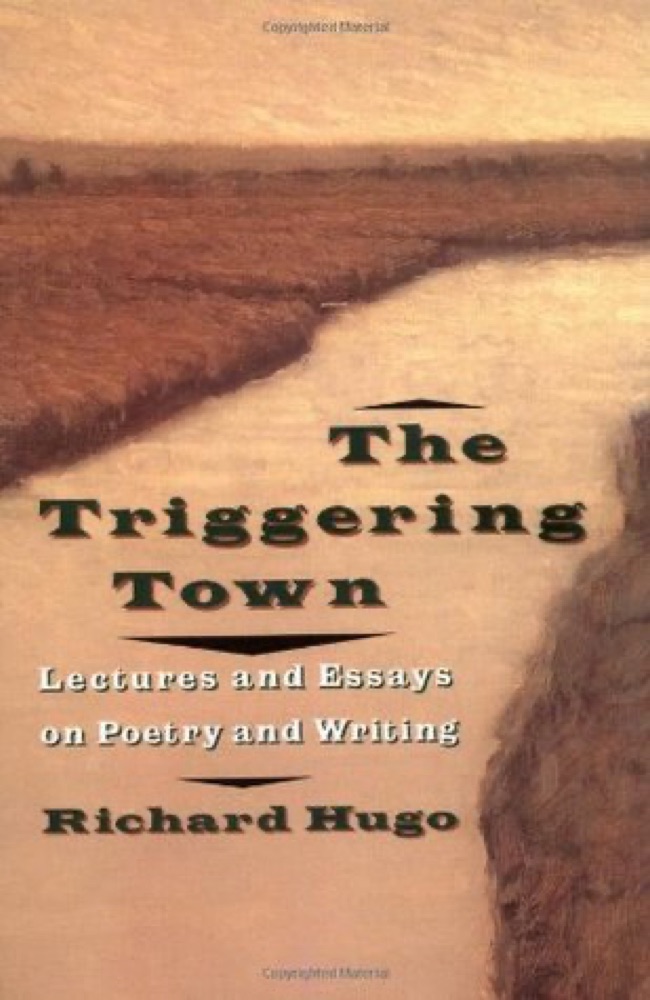 The Triggering Town: Lectures and Essays on Poetry and Writing
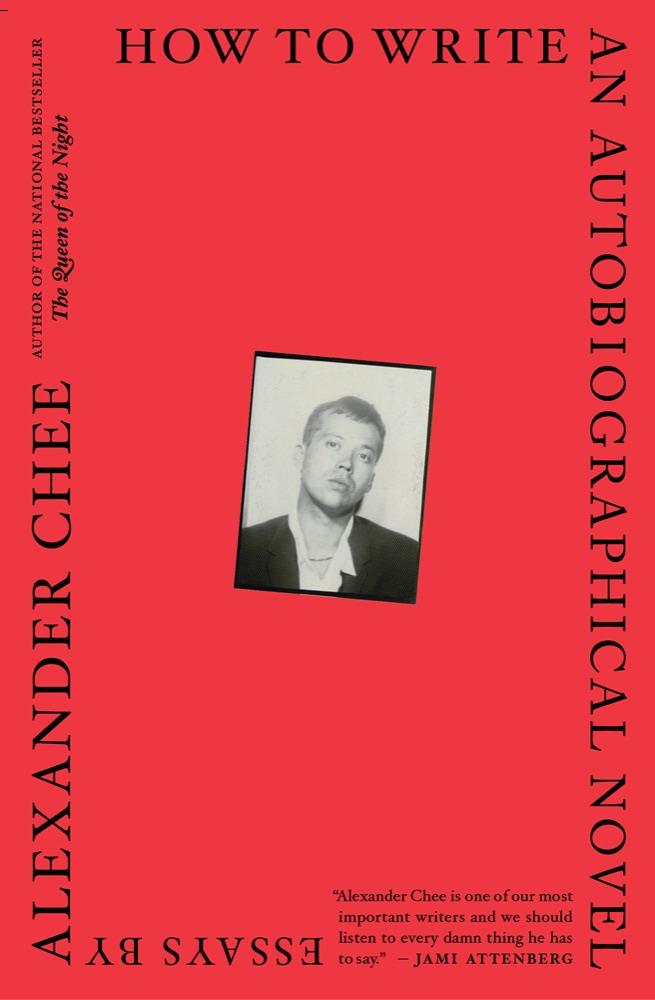 How to Write an Autobiographical Novel
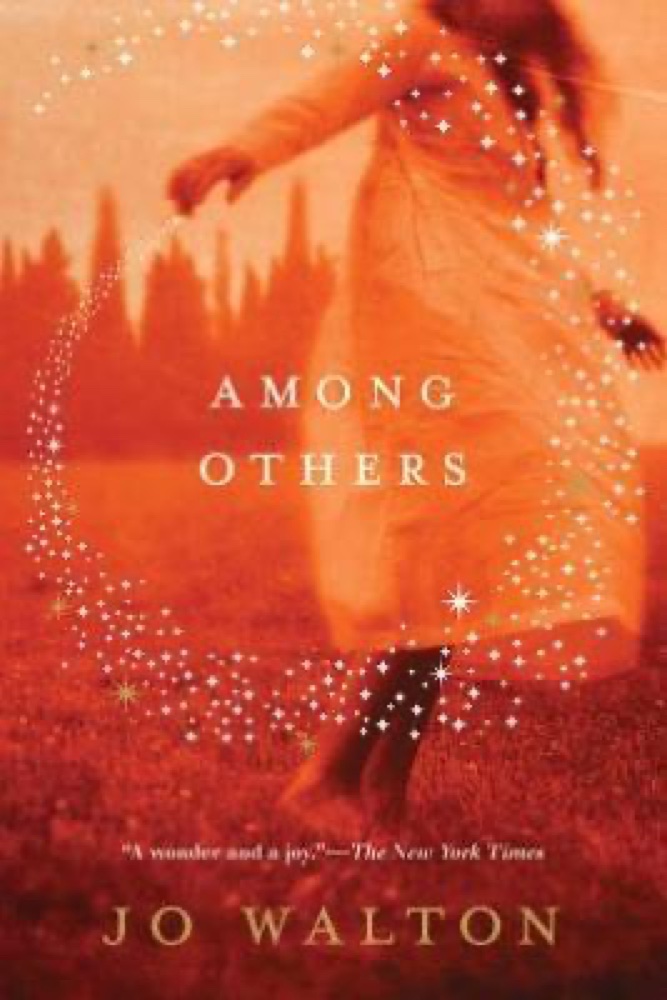 Among Others
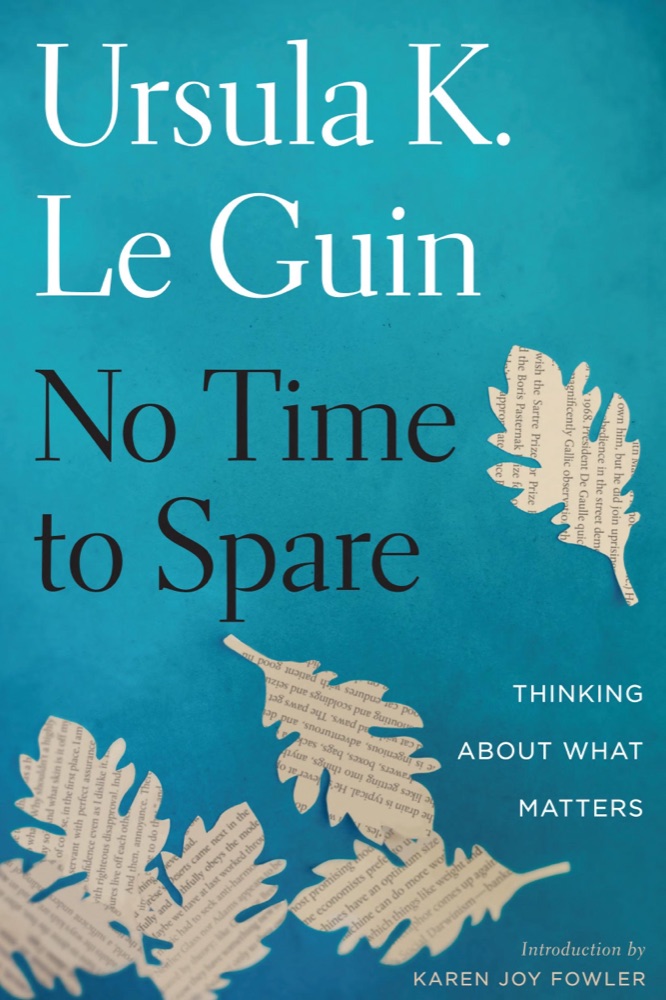 No Time To Spare: Thinking About What Matters
 The Last Librarian
 The Cat Who Saved Books
 An Experiment in Criticism
 The Ogress and the Orphans
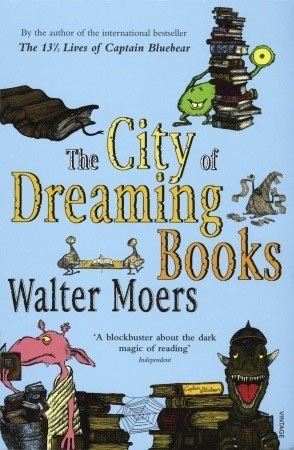 The City of Dreaming Books
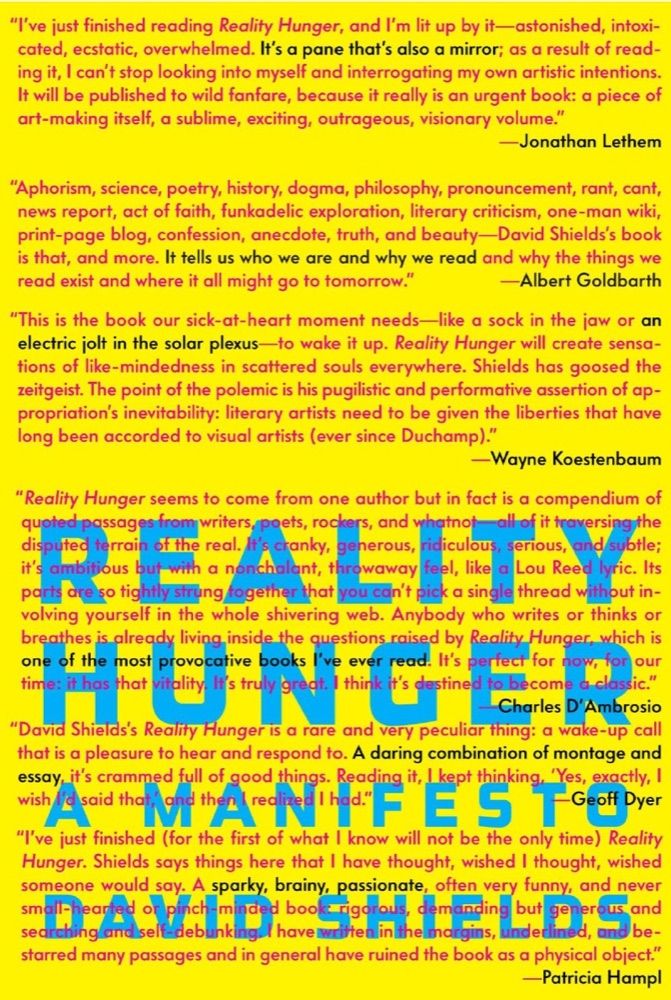 Reality Hunger: A Manifesto
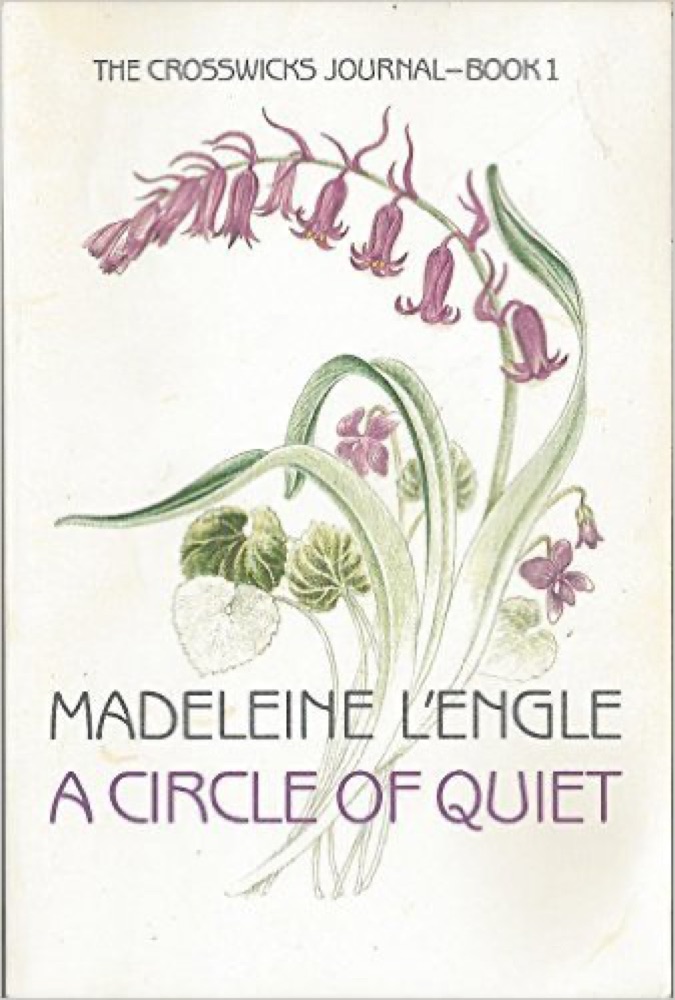 A Circle of Quiet
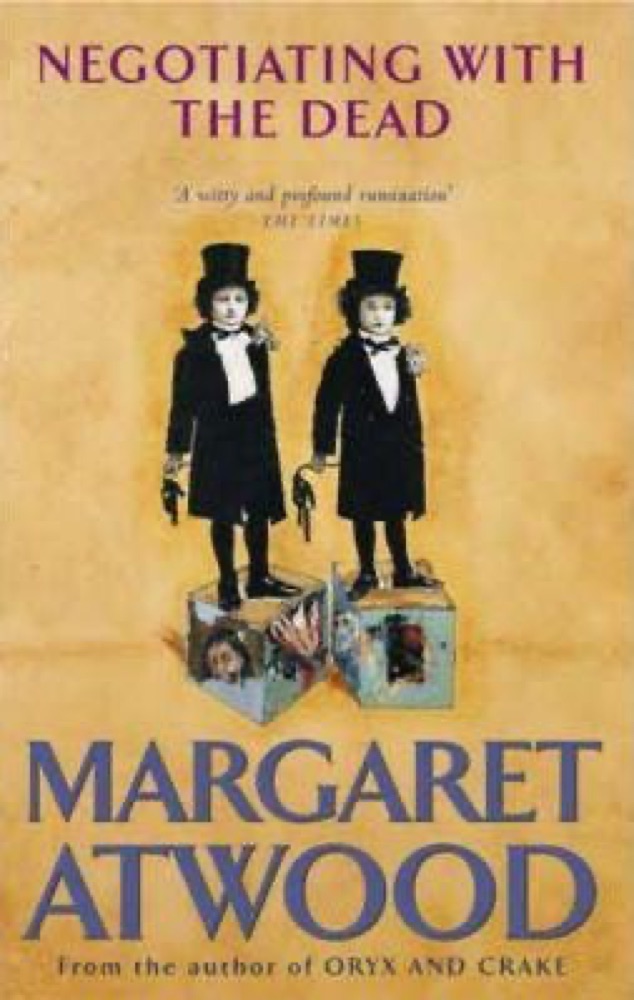 Negotiating with the Dead: A Writer on Writing
 Rite of Passage
 Lectures on Literature
 Why Be Happy When You Could Be Normal?
 The Book That Broke the World
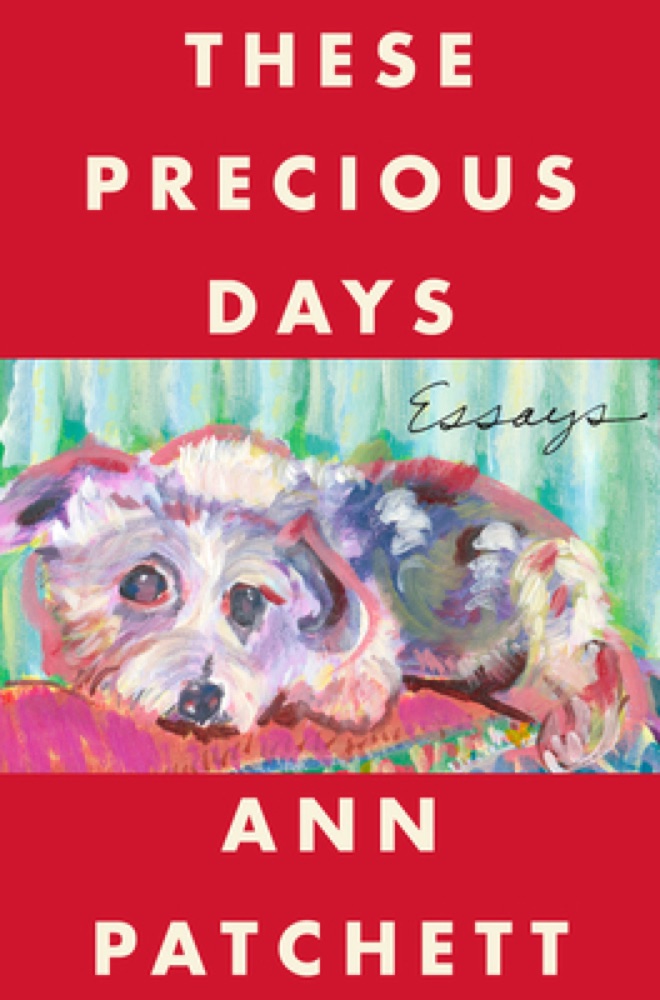 These Precious Days: Essays
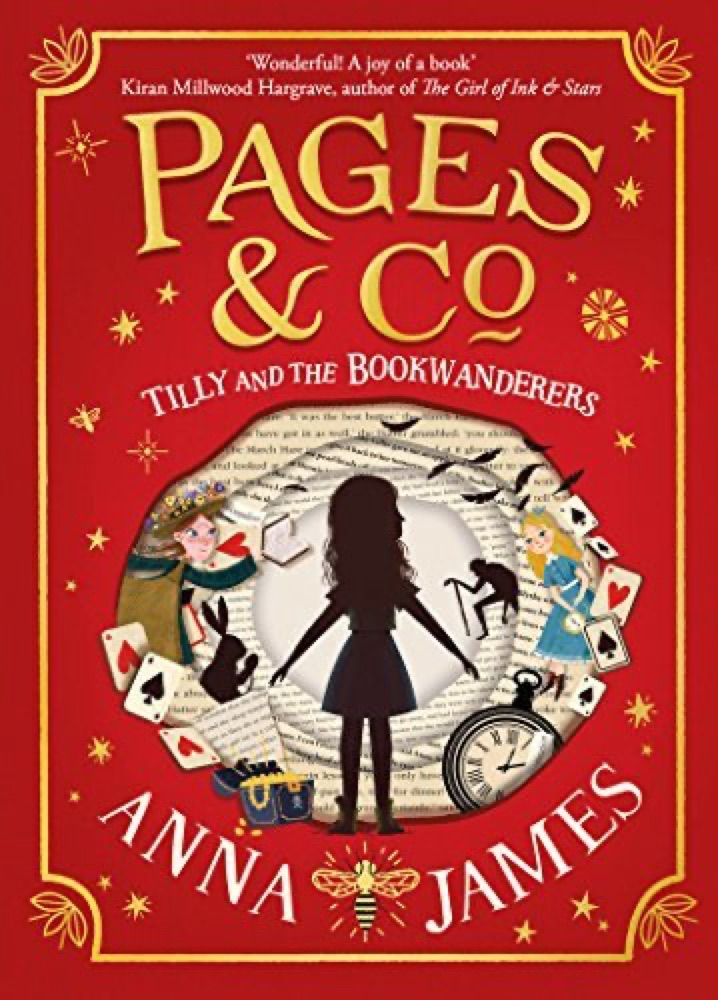 Tilly and the Bookwanderers
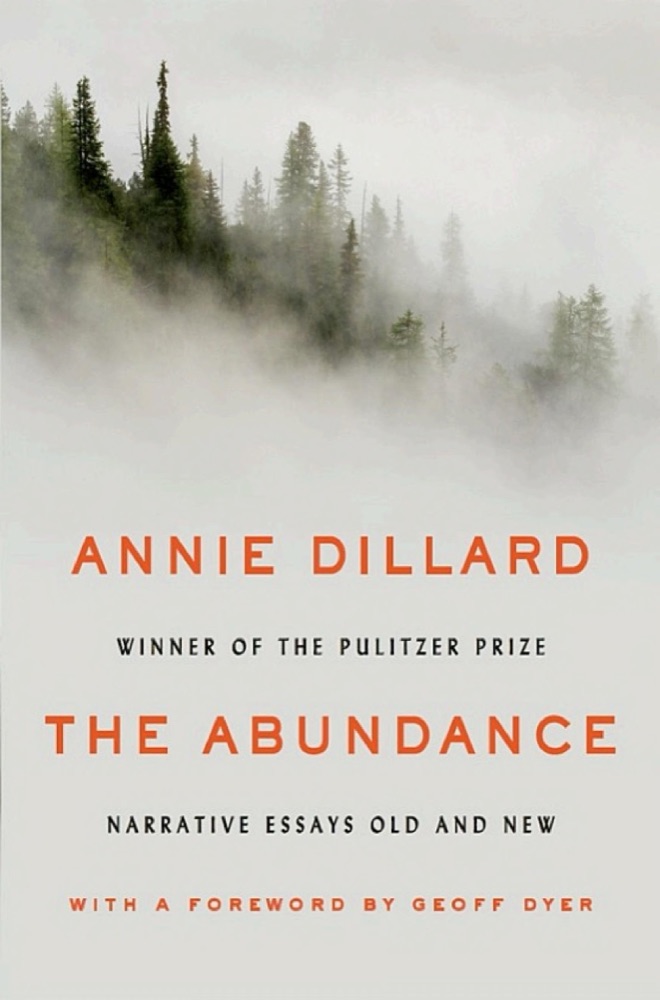 The Abundance
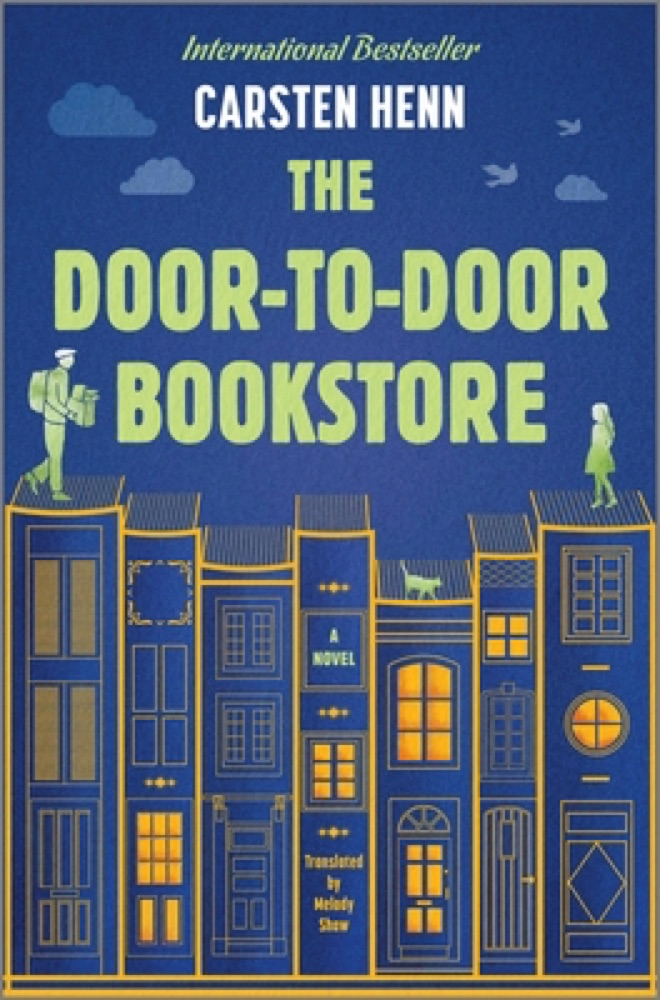 The Door-to-Door Bookstore
 How to Read a Book: The Classic Guide to Intelligent Reading
 The Secret, Book & Scone Society
 If This Isn't Nice, What Is?: Advice for the Young
 Once Upon a Wardrobe
 The Source of Self-Regard: Selected Essays, Speeches, and Meditations
 The Writing Life
 The Braindead Megaphone
 The Truth About Stories: A Native Narrative
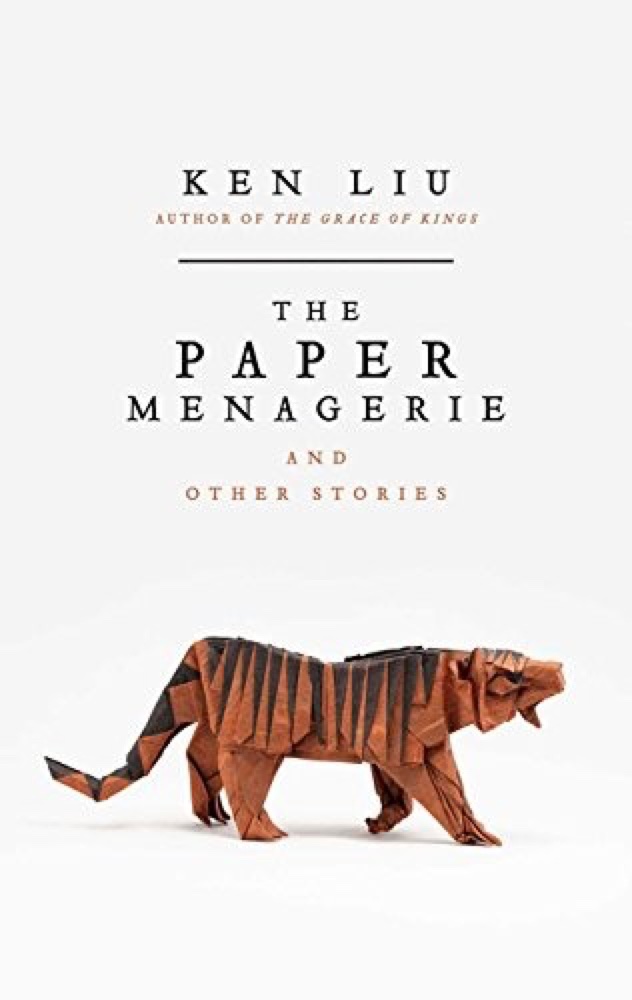 The Paper Menagerie and Other Stories