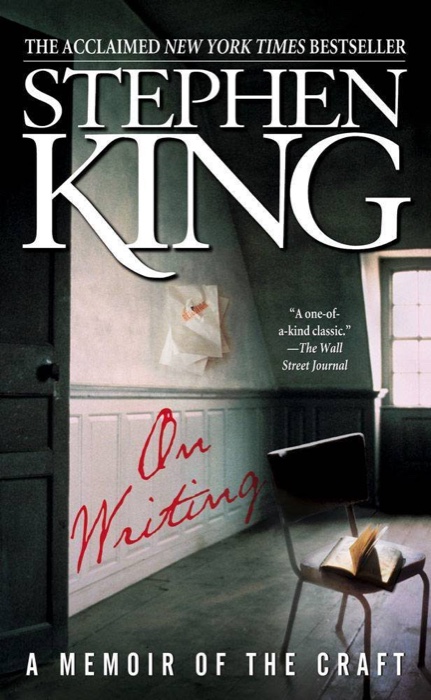
 On Writing: A Memoir of the Craft
Quotes from the Book
Decide what you want to do. Then decide to do it. Then do it.
52
Don’t try to visualize the great mass audience. There is no such audience—every reader is a different person.
48
Writing is hard work. A clear sentence is no accident. Very few sentences come out right the first time, or even the third time. Remember this in moments of despair. If you find that writing is hard, it’s because it is hard.
44
Writing is an act of ego, and you might as well admit it.
42
Examine every word you put on paper. You'll find a surprising number that don't serve any purpose.
39
There are many good reasons for writing that have nothing to do with being published. Writing is a powerful search mechanism, and one of its satisfactions is to come to terms with your life narrative. Another is to work through some of life’s hardest knocks—loss, grief, illness, addiction, disappointment, failure—and to find understanding and solace.
28
Clutter is the disease of American writing. We are a society strangling in unnecessary words, circular constructions, pompous frills and meaningless jargon.
26
The only way to learn to write is to force yourself to produce a certain number of words on a regular basis.
25
Don't be kind of bold. Be bold.
21
the secret of good writing is to strip every sentence to its cleanest components.
19
Don’t say you were a bit confused and sort of tired and a little depressed and somewhat annoyed. Be confused. Be tired. Be depressed. Be annoyed. Don’t hedge your prose with little timidities. Good writing is lean and confident.
14
Clear thinking becomes clear writing; one can't exist without the other.
14
Look for the clutter in your writing and prune it ruthlessly. Be grateful for everything you can throw away. Reexamine each sentence you put on paper. Is every word doing new work? Can any thought be expressed with more economy?
14
Learn to enjoy this tidying process. I don't like to write; I like to have written. But I love to rewrite. I especially like to cut: to press the DELETE key and see an unnecessary word or phrase or sentence vanish into the electricity. I like to replace a humdrum word with one that has more precision or color. I like to strengthen the transition between one sentence and another. I like to rephrase a drab sentence to give it a more pleasing rhythm or a more graceful musical line. With every small refinement I feel that I'm coming nearer to where I would like to arrive, and when I finally get there I know it was the rewriting, not the writing, that wont the game.
13
If the nails are weak, your house will collapse. If your verbs are weak and your syntax is rickety, your sentences will fall apart.
13
There’s not much to be said about the period except that most writers don’t reach it soon enough.
11
The reader is someone with an attention span of about 30 seconds.
11
Beware, then, of the long word that's no better than the short word: "assistance" (help), "numerous" (many), "facilitate" (ease), "Individual" (man or woman), "remainder" (rest), "initial" (first), "implement" (do), "sufficient" (enough), "attempt" (try), "referred to as" (called), and hundreds more. Beware of all the slippery new fad words: paradigm and parameter, prioritize and potentialize. They are all weeds that will smother what you write. Don't dialogue with someone you can talk to. Don't interface with anybody.
7
As a writer you must keep a tight rein on your subjective self—the traveler touched by new sights and sounds and smells—and keep an objective eye on the reader.
7
Never say anything in writing that you wouldn’t comfortably say in conversation. If you’re not a person who says “indeed” or “moreover,” or who calls someone an individual (“he’s a fine individual”), please don’t write it.
6
Rewriting is the essence of writing well: it’s where the game is won or lost. That idea is hard to accept. We all have an emotional equity in our first draft; we can’t believe that it wasn’t born perfect. But the odds are close to 100 percent that it wasn’t. Most writers don’t initially say what they want to say, or say it as well as they could.
6
But the secret of good writing is to strip every sentence to its cleanest components. Every words that serves no function, every long word that could be a short word, every adverb that carries the same meaning that's already in the verb, every passive construction that leaves the reader unsure of who is doing what--these are the thousand and one adulterants that weaken the strength of a sentence. And they usually occur in proportion to education and rank,
6
writing is a craft, not an art, and that the man who runs away from his craft because he lacks inspiration is fooling himself.
6
Writers are the custodians of memory...
6
Don't annoy your readers by over-explaining--by telling them something they already know or can figure out. Try not to use words like "surprisingly," "predictably" and "of course," which put a value on a fact before the reader encounters the fact. Trust your material.
5
Thinking clearly is a conscious act that writers must force on themselves,
5
A clear sentence is no accident. Very few sentences come out right the first time, or even the third time... If you find that writing is hard, it's because it is hard.
4
...being "rather unique" is no more possible than being rather pregnant.
4
Watch on YouTube
About William Zinsser
We have collected 28 quotes from 1 book by William Zinsser on BookQuoters.
More about the author →About the book
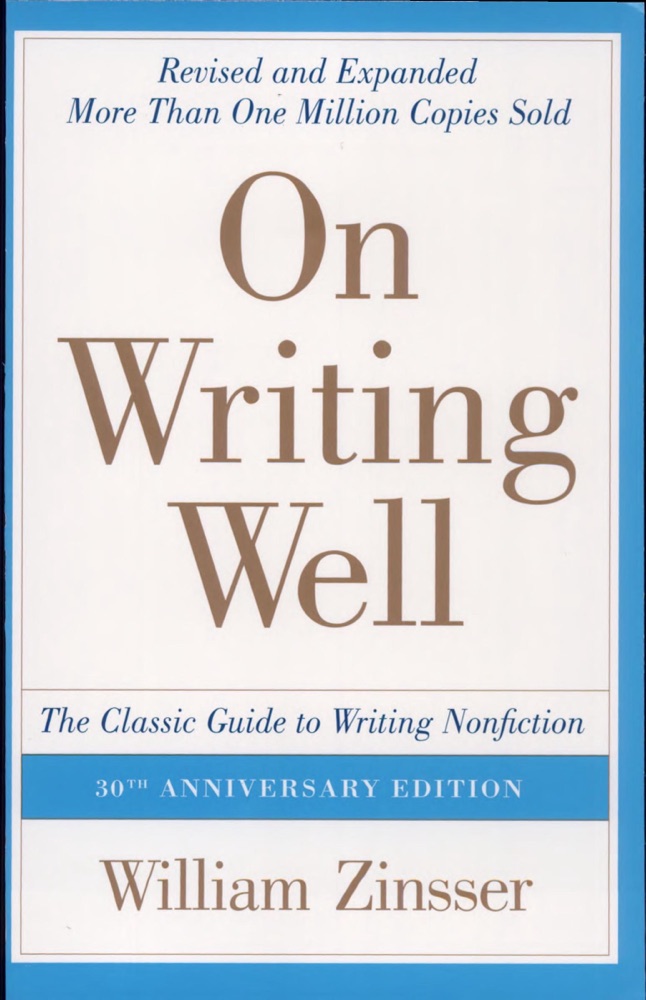
On Writing Well has been praised for its sound advice, its clarity and the warmth of its style. It is a book for everybody who wants to learn how to write or who needs to do some writing to get through the day, as almost everybody does in the age of e-mail and the Internet. Whether you want to write about people or places, science and technology, business, sports, the arts or about yourself in the increasingly popular memoir genre, On Writing Well offers you fundamental priciples as well as the insights of a distinguished writer and teacher. With more than a million copies sold, this volume has stood the test of time and remains a valuable resource for writers and would-be writers.
Book details
- First published
- 1976
- Author
- William Zinsser
- Genre
- Nonfiction
- Goodreads rating
- 4.24 (31k ratings)
Keep reading
On Writing: A Memoir of the Craft
 Several Short Sentences About Writing
 On Writing
 Writing Down the Bones: Freeing the Writer Within
 The Getaway Car: A Practical Memoir About Writing and Life
 Reading Like a Writer: A Guide for People Who Love Books and for Those Who Want to Write Them
 The Elements of Style
 The Sense of Style: The Thinking Person's Guide to Writing in the 21st Century
 Consider This: Moments in My Writing Life After Which Everything Was Different
 Writing Tools: 50 Essential Strategies for Every Writer
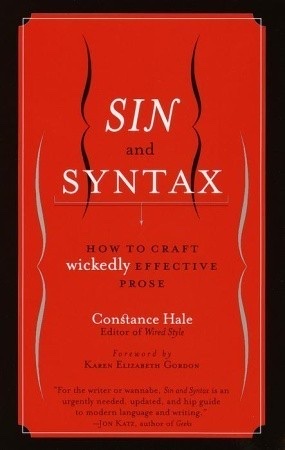 Sin and Syntax: How to Craft Wickedly Effective Prose
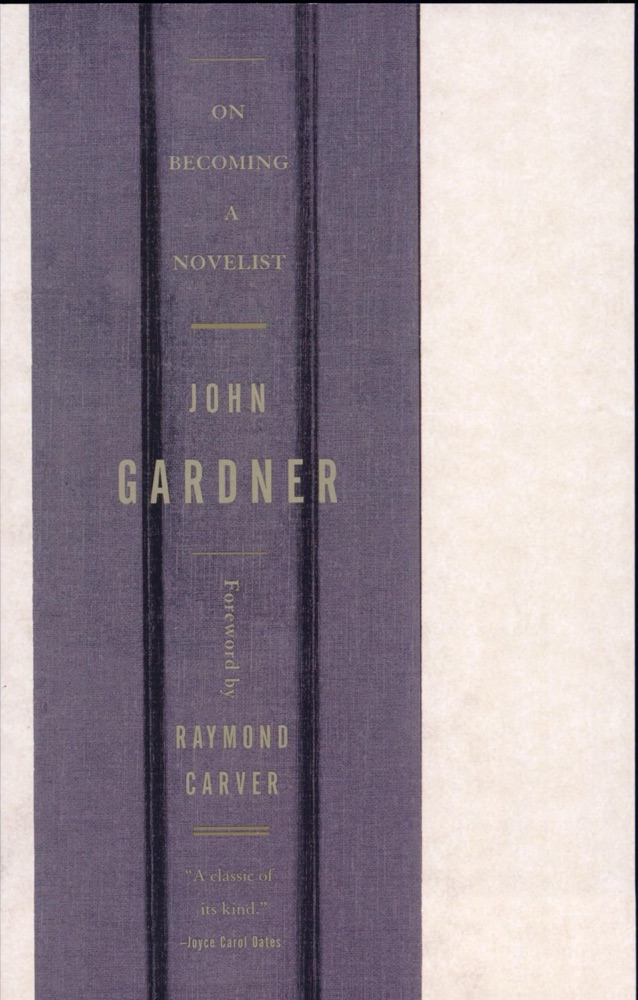 On Becoming a Novelist
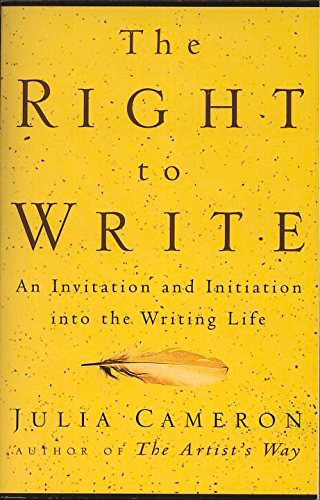 The Right to Write: An Invitation and Initiation Into the Writing Life
 Becoming a Writer
 Stein on Writing
 Bird by Bird
 The Writing Life
 If You Want to Write: A Book about Art, Independence and Spirit
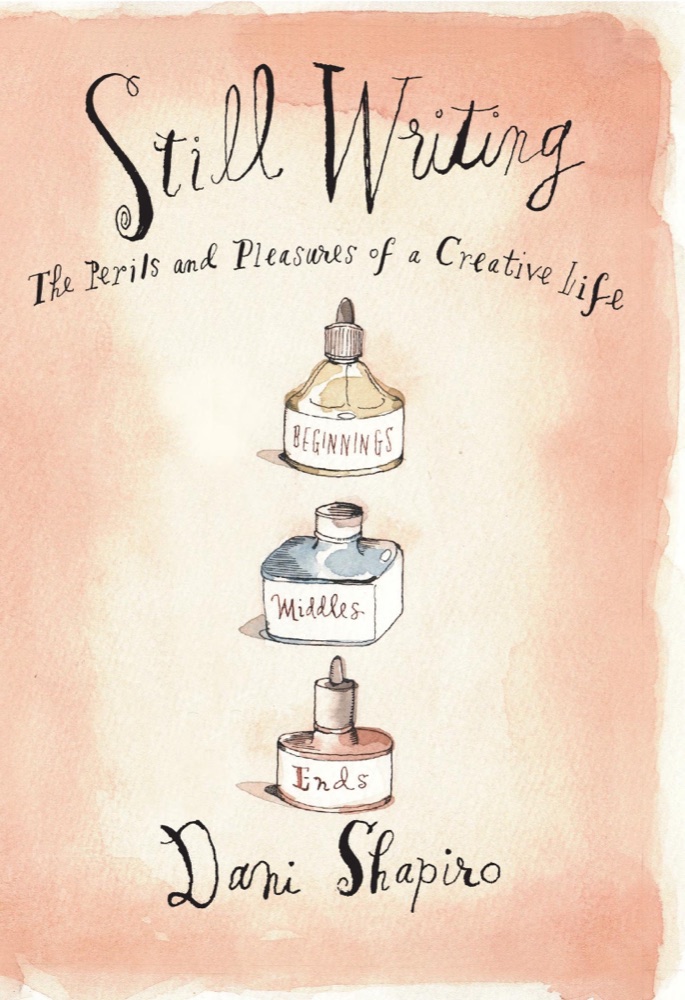 Still Writing: The Perils and Pleasures of a Creative Life
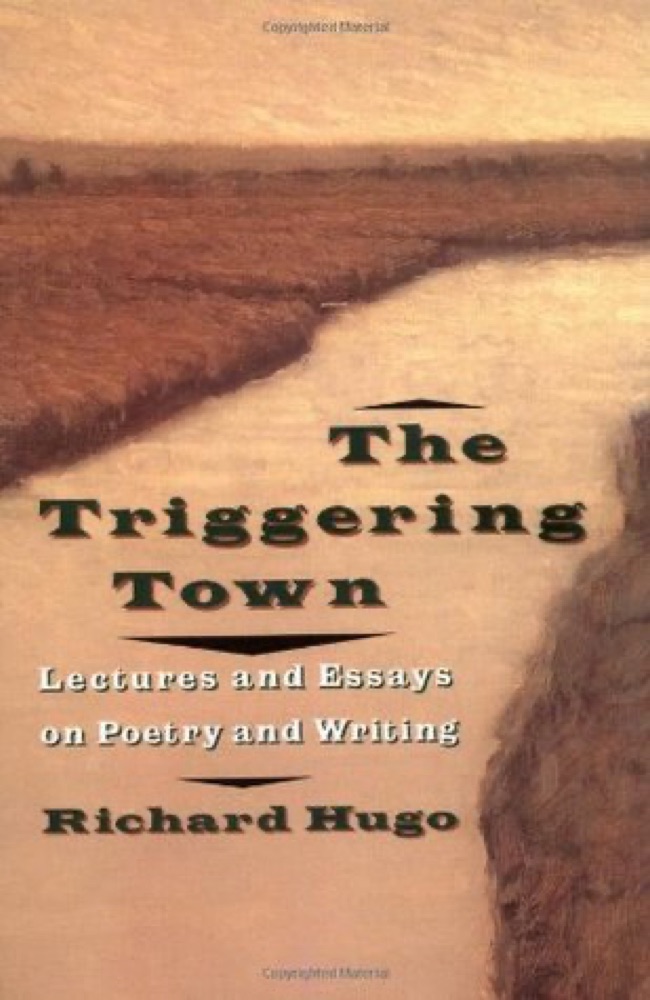 The Triggering Town: Lectures and Essays on Poetry and Writing
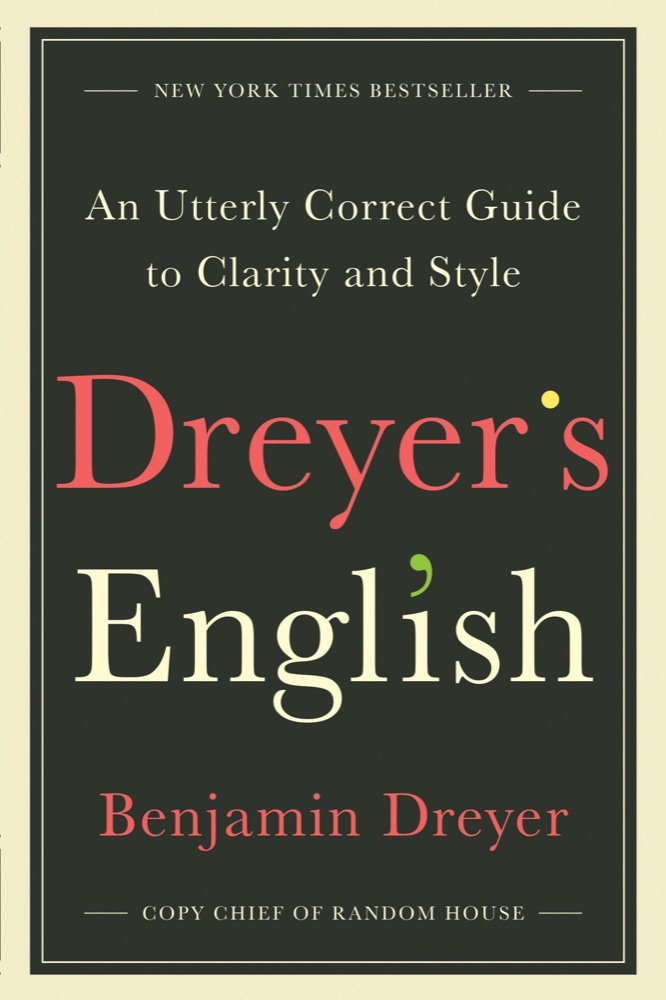 Dreyer's English: An Utterly Correct Guide to Clarity and Style
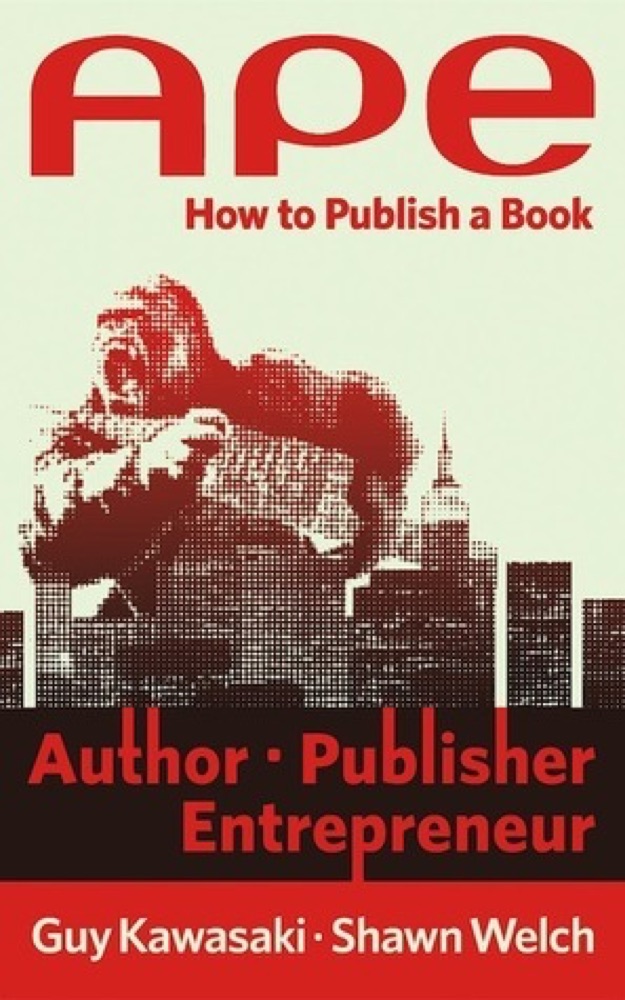 APE: Author, Publisher, Entrepreneur. How to Publish a Book
 The Elements of Eloquence: How to Turn the Perfect English Phrase
 No Plot? No Problem!
 How to Write an Autobiographical Novel
 A Poetry Handbook
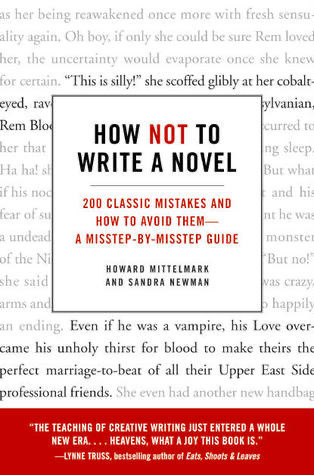 How Not to Write a Novel: 200 Classic Mistakes and How to Avoid Them—A Misstep-by-Misstep Guide
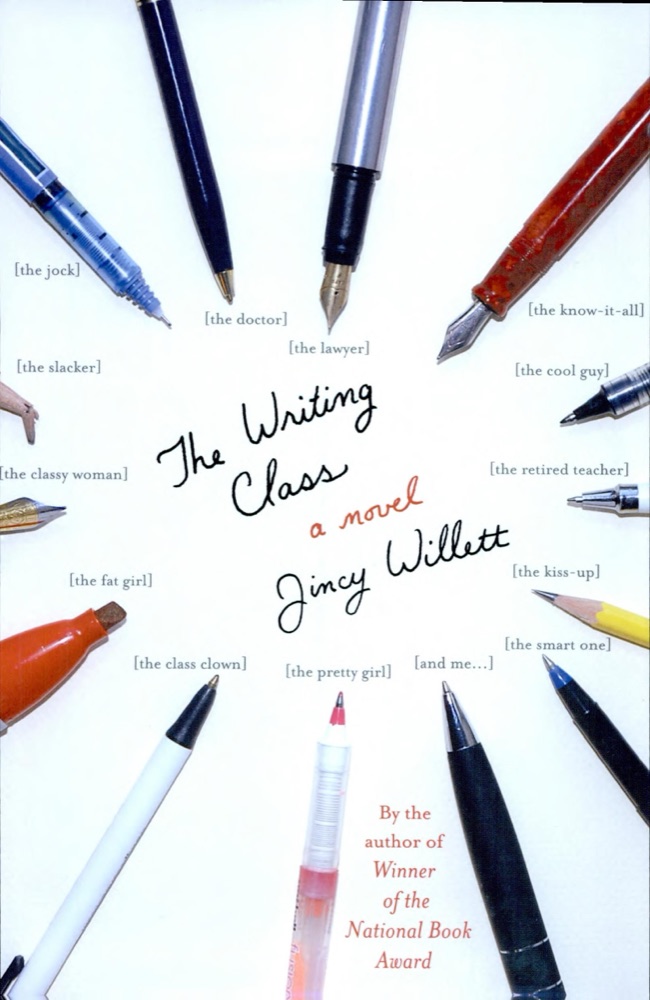 The Writing Class
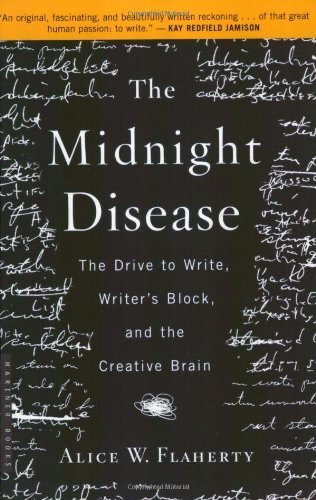 The Midnight Disease: The Drive to Write, Writer's Block, and the Creative Brain
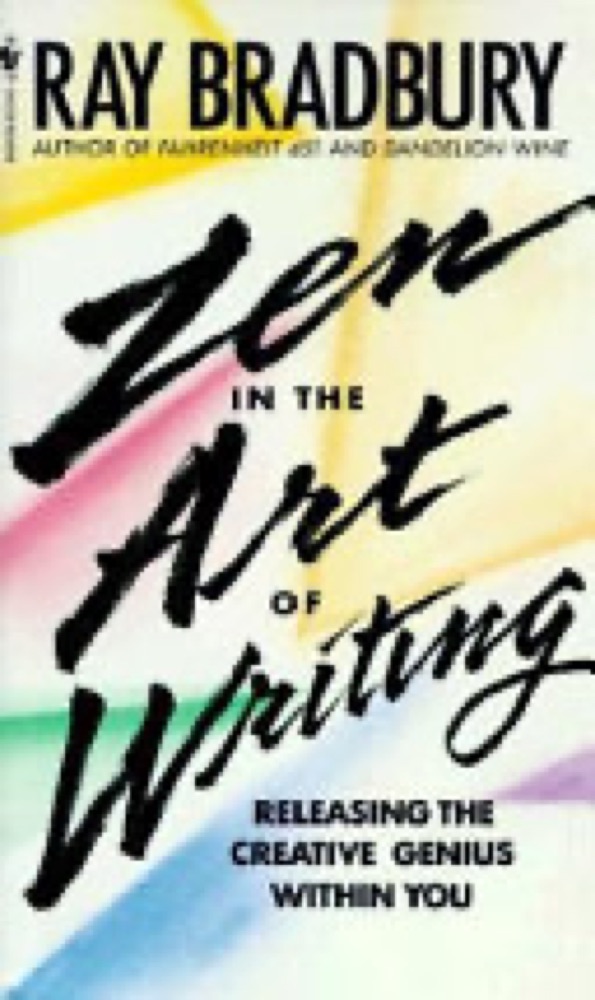 Zen in the Art of Writing
 The Art of Fiction: Notes on Craft for Young Writers
 Novelist as a Vocation
 The Power of Writing It Down: A Simple Habit to Unlock Your Brain and Reimagine Your Life
 On Writing
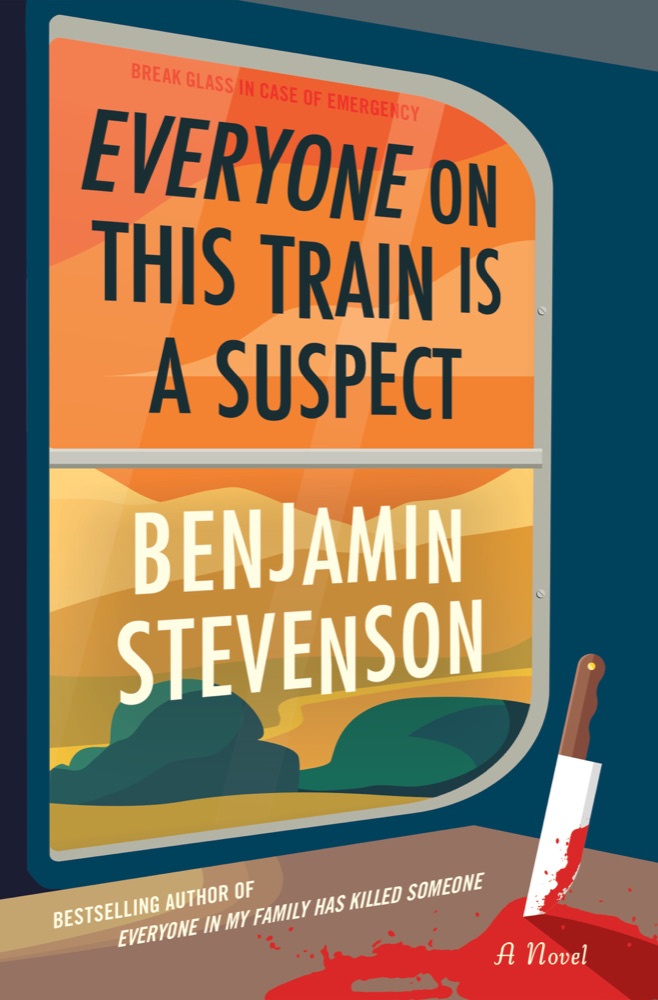 Everyone on This Train Is a Suspect
 Death in the Afternoon
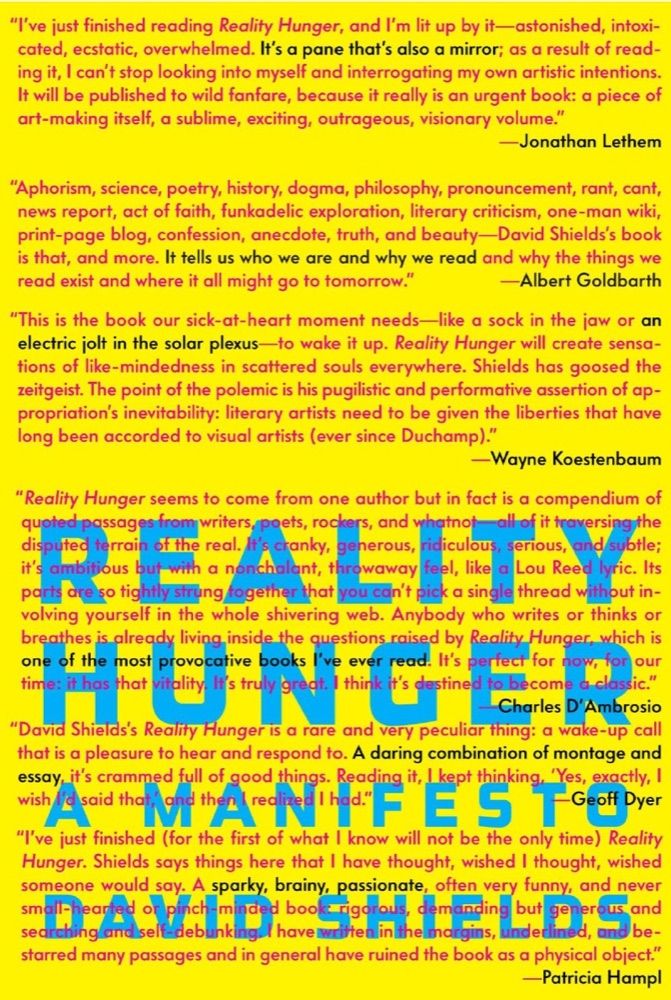 Reality Hunger: A Manifesto
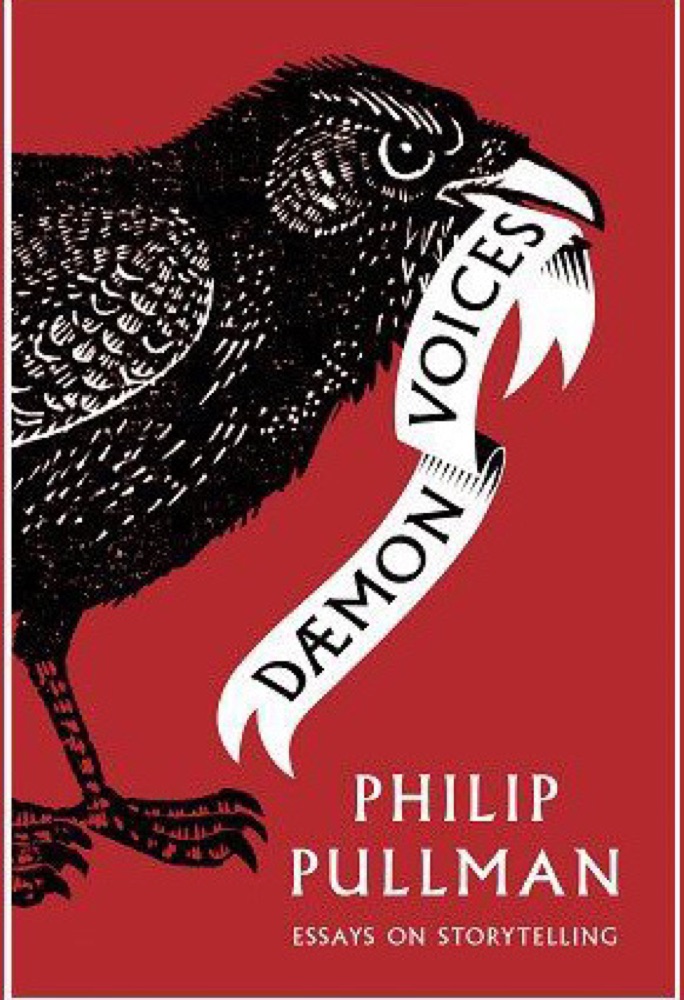 Dæmon Voices
 Between You & Me: Confessions of a Comma Queen
 Body Work: The Radical Power of Personal Narrative
 Adventures in the Screen Trade
 Elmore Leonard's 10 Rules of Writing
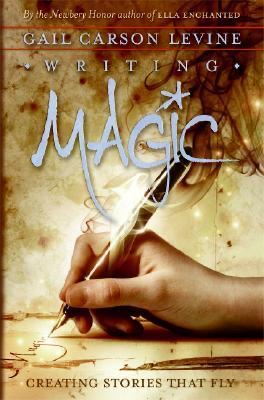 Writing Magic: Creating Stories that Fly
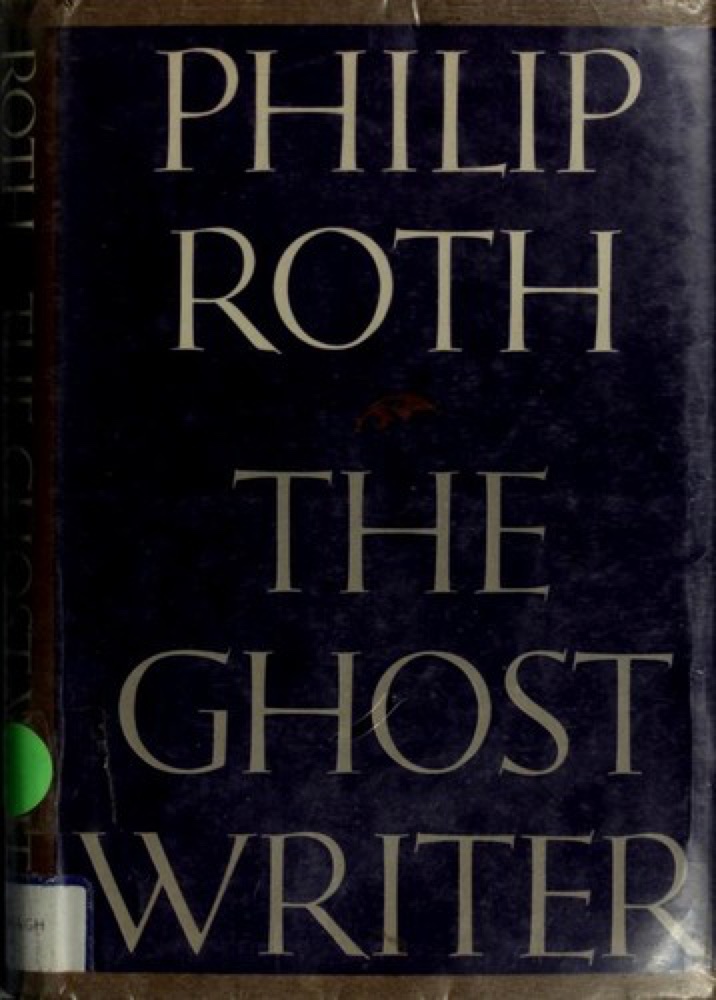 The Ghost Writer
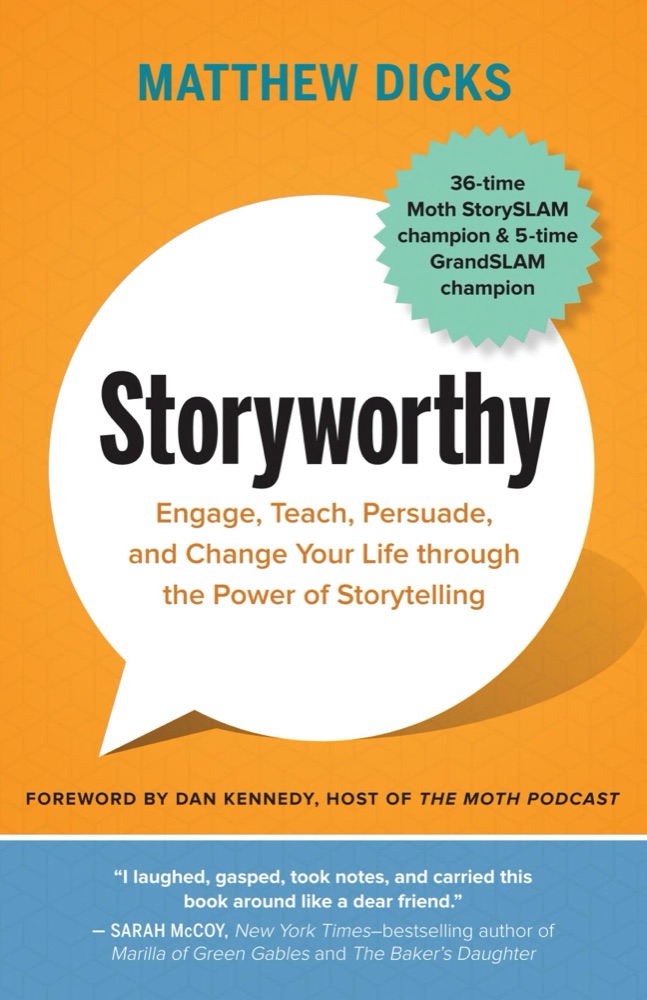 Storyworthy: Engage, Teach, Persuade, and Change Your Life through the Power of Storytelling
 Story Engineering: Character Development, Story Concept, Scene Construction
 Walking on Water: Reading, Writing, and Revolution
 Ignore Everybody: and 39 Other Keys to Creativity
 Wonderbook: The Illustrated Guide to Creating Imaginative Fiction
 The Anthologist
 Story: Substance, Structure, Style, and the Principles of Screenwriting
 Flaubert's Parrot
 Stranger than Fiction
 Art Matters: Because Your Imagination Can Change the World
 Negotiating with the Dead: A Writer on Writing
 How to Write One Song: Loving the Things We Create and How They Love Us Back
 A Writer's Diary
 The Wave in the Mind: Talks and Essays on the Writer, the Reader and the Imagination
 Writing
 The View from the Cheap Seats: Selected Nonfiction