
 Writing Down the Bones: Freeing the Writer Within
Quotes from the Book
What do you remember about your life? When was the last time you felt joyful? What about devastated? Research shows you’re much more likely to be able to answer the second question than the first. Negative emotions carve deep ruts in our brains and are memorized by our bodies so they can be replayed over and over and over again. Positive emotions like joy and peace and love don’t always have the same impact. Do you want to get to the end of your life and remember only the negative? What parts do you want to remember? What we write down is what we remember. It’s like a time capsule in a way, a lifeline back to the best parts of ourselves. A little popcorn trail of words we can follow so that we never lose sight of the path we’re on. Words help us see ourselves more clearly. They help us remember who we are and what we’re here for. They help others remember us, too.
6
The research is clear: writing can help us manage negative emotional states, process our lives, and even heal from trauma. One of the reasons writing does this, I believe, is because it invites us, and even requires us, to look at our pain in a new way and for a long time. It requires contemplation.
4
What is the cost of holding back what is trying to be expressed through you?
3
What if there is no one else on the planet who can express the thing that’s trying to be expressed through you? What if this is your one shot, and you don’t have much time left? The thing in you that wants to be expressed can never be expressed through anyone else.
3
Emotional healing is not delivered through Amazon Prime.* In fact, the best things in life grow slowly: relationships, children, careers, the oak tree in your backyard, and your writing practice. Think of it like a garden. Get started now, so that in a few months, you will have something to eat. The reason I bring this up is so that when the feeling inevitably comes up that this is taking too long, you’ll remember these words and you won’t give up. You are about to get to the good stuff. The worst mistake you could make is to get days or weeks into this, worry you aren’t making any progress, and decide to move onto something more efficient and productive.
2
Writing helps us not only see the words we’re already using but then change the words we’re using so that we can in turn change our lives.
2
What Writing Can Help Us Do: Name our experience so we can more fully understand it. Give language to the future we want to create so it stops feeling vague and begins to seem achievable. Build a bridge (neural pathways) between the now we’re experiencing and the future we’d like to create. Heal and engineer our own resilience from past experience. Find perspective for life’s challenges, large and small. Invent brand-new solutions for age-old problems. Build our confidence. Increase our working memory and overall cognitive power. Cultivate more gratitude and contentment. Provide clarity for our decisions. Increase satisfaction in our romantic partnerships. Level up our immune system, help us sleep better, etc. Combat and curb anxiety, stress, and depression. Tune out the well-meaning and critical voices around us so we can finally understand what we think.
2
Writing is not some elite activity reserved for the uniquely gifted. Writing is communication, self-discovery, creativity, spirituality, and self-expression. Writing is the essential tool we use to find and practice our sense of voice. Writing is a distinctly human impulse.
2
Writing will show you the stories you’ve made up about your life. It will show you how those narratives are just that - made up. And it will help you change the narratives so you can change the outcome. Writing helps us step outside of our stories and see them differently. It helps us reclaim our stories for ourselves again.
1
What do I spend most of my time doing? Why am I doing these things? What is my “religion,” according to my calendar? When I come to the end of my life, will I feel I spent my time well? Where can I make space for writing?
1
Pennebaker’s research shows that writing for as little as twenty minutes a day for as little as four days in a row can cause a measurable improvement in your mood.
1
And as is true with all of our unique expressions, it feels both too small and too big at the same time. This is what I have to give. So I give it humbly and without trying to decide if it is “good enough” to give.
What are the facts of the story? What happened? What are my thoughts about those facts? What is the story I am telling myself? How did it make me feel? Where did I experience that in my body? What did I do because I felt that way? What happened next?
Meanwhile, research shows that writing for as little as twenty minutes a day for four days in a row can measurably improve your mood.
We all have infinite strategies to keep us from hearing our own voices.
I tell that writer about the private diary of Anne Frank, a young Jewish girl who lived and died during World War II. The words in that book—which have now been read almost ubiquitously by generations of students—were written by a thirteen-year-old girl who had no idea what she was writing while she was writing it. She even makes a comment in the journal to that effect. Writing in a diary is a really strange experience for someone like me. Not only because I’ve never written anything before, but also because it seems to me that later on neither I nor anyone else will be interested in the musings of a thirteen-year old school girl. Oh well, it doesn’t matter. I feel like writing.1 Catch the irony here. This is a book that has sold more than 30 million copies and has been translated into 70 languages. But did Anne Frank know her words would be read that widely? Or did she just feel like writing?
Most of us, when we get over our need to be important to the world, realize how important we already are. Then, and only then, do the words and ideas that have always been trying to be expressed through us finally come.
Chelsea wrote a book called Negotiating the Inner Peace Treaty that’s all about how to get these voices to communicate with each other so you can finally get some relief.
and Dr. Dispenza agrees with me
writing practice is life practice. Where we get unstuck in our writing, we get unstuck in our lives.
Expressive writing is the act of sharing your deepest thoughts and feelings about a subject on the page.
Watch on YouTube
About Allison Fallon
We have collected 21 quotes from 1 book by Allison Fallon on BookQuoters.
More about the author →About the book
Discover the power of (finally) getting unstuck, claiming your clarity, and becoming the person whose life you want to live–all through a simple self-care practice you can build into your daily routine. For anyone who's trying to make sense of their life, who wants to get unstuck from the patterns that hold them back, hear this incredible everything you need for the freedom you want is entirely within reach. This practice and pathway is free, it's readily available every day of your life, it takes just minutes of your time, and anyone can do it. Author, writing coach, and speaker Allison Fallon's life transformed when she discovered the power of a daily writing practice. As it turns out, using your words is one of the most powerful means you have for unlocking your life. The Power of Writing It Down is your guide to this transformative tool available to us all. In as little as five to tw
Book details
- First published
- 2021
- Author
- Allison Fallon
- Genre
- Nonfiction
- Goodreads rating
- 3.81 (3k ratings)
Keep reading
Writing Down the Bones: Freeing the Writer Within
 Still Writing: The Perils and Pleasures of a Creative Life
 The Right to Write: An Invitation and Initiation Into the Writing Life
 Bird by Bird
 The Getaway Car: A Practical Memoir About Writing and Life
 The Book of Alchemy: A Creative Practice for an Inspired Life
 Body Work: The Radical Power of Personal Narrative
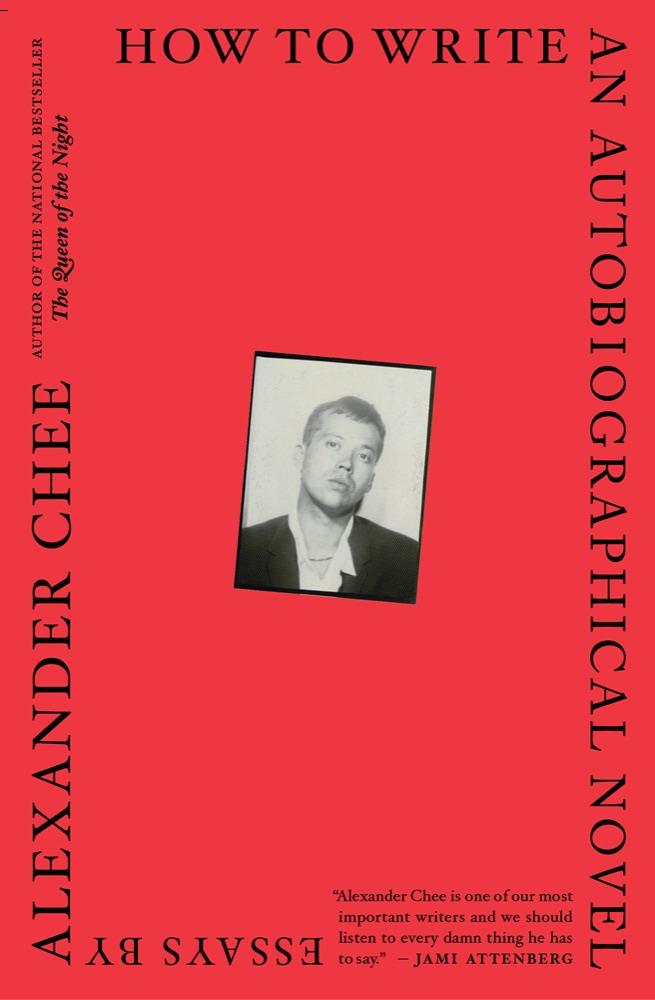 How to Write an Autobiographical Novel
 If You Want to Write: A Book about Art, Independence and Spirit
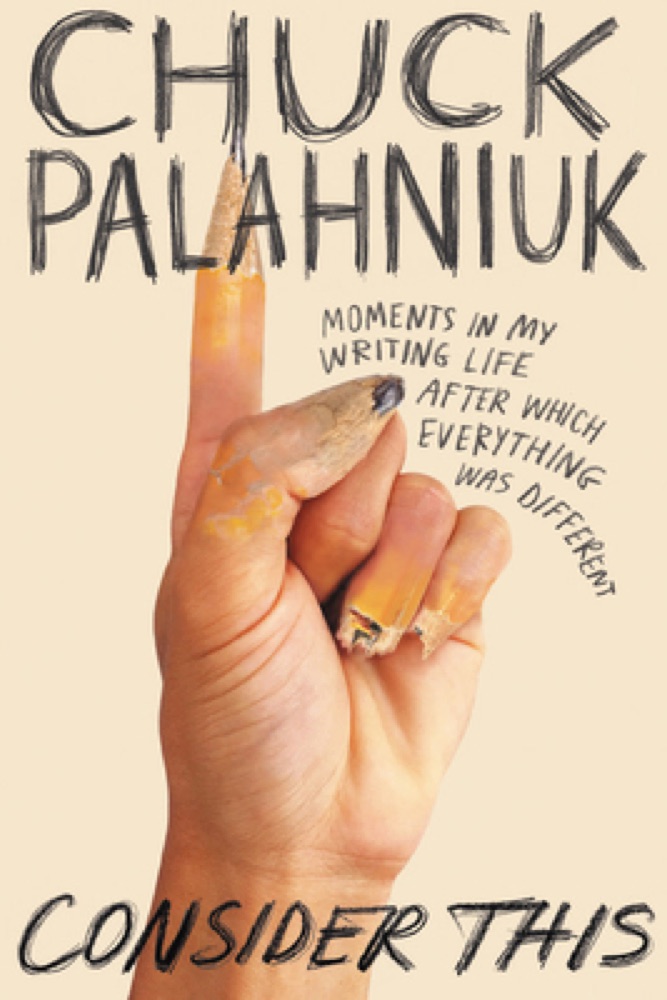 Consider This: Moments in My Writing Life After Which Everything Was Different
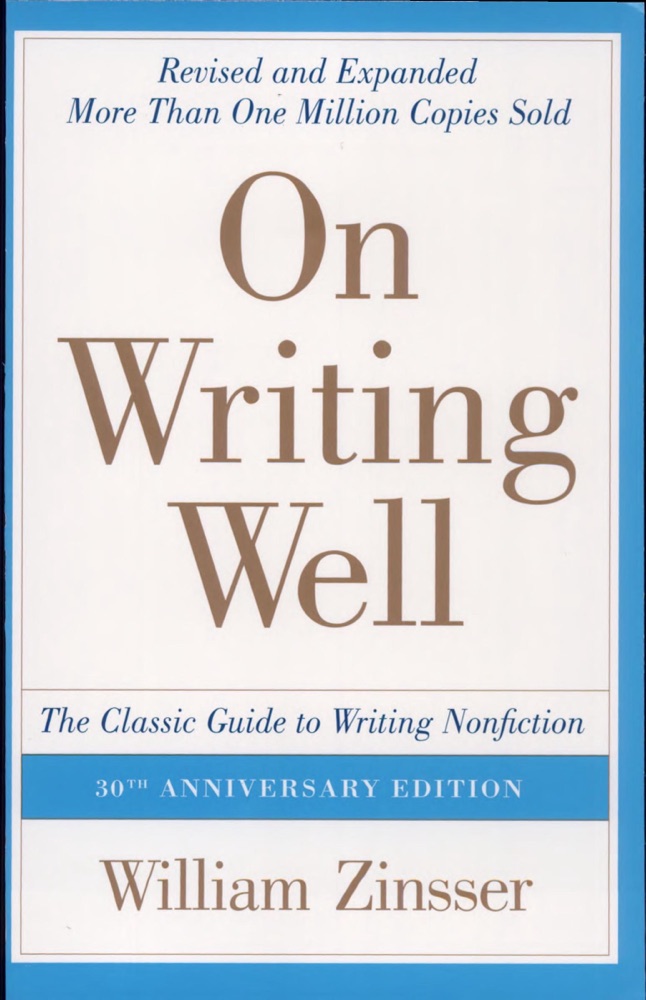 On Writing Well: The Classic Guide to Writing Nonfiction
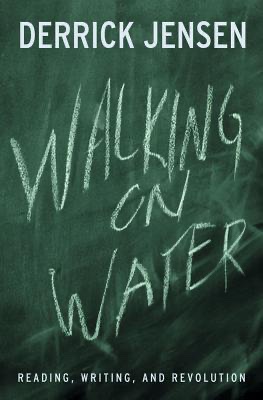 Walking on Water: Reading, Writing, and Revolution
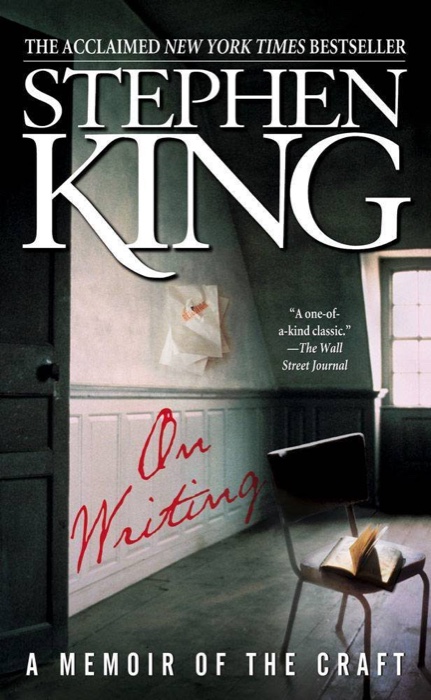 On Writing: A Memoir of the Craft
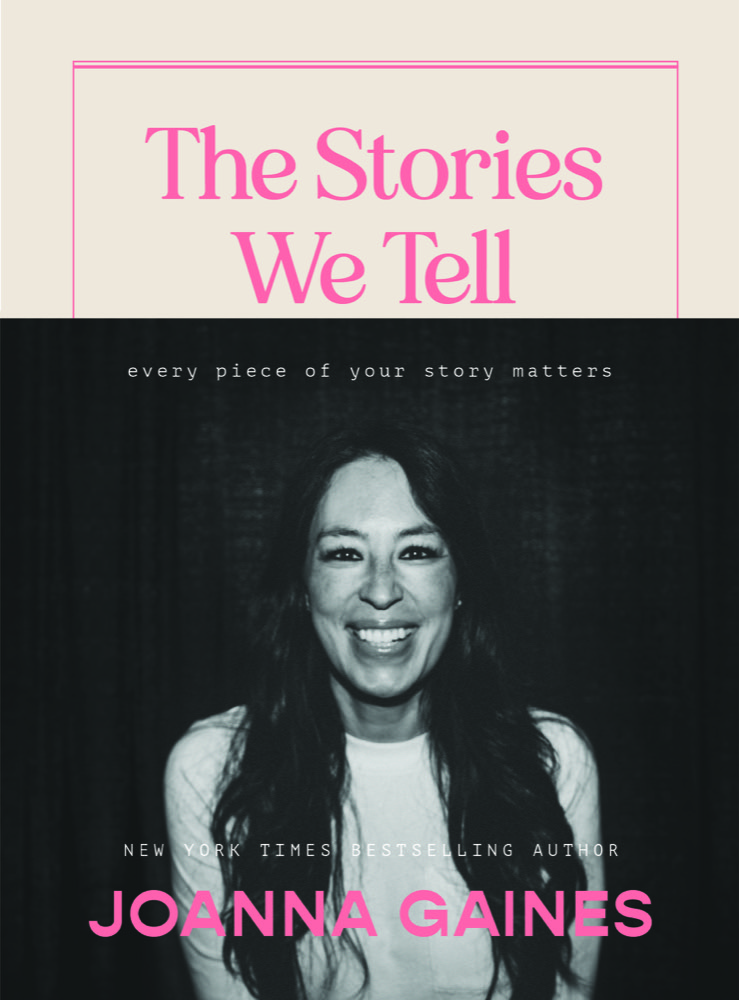 The Stories We Tell: Every Piece of Your Story Matters
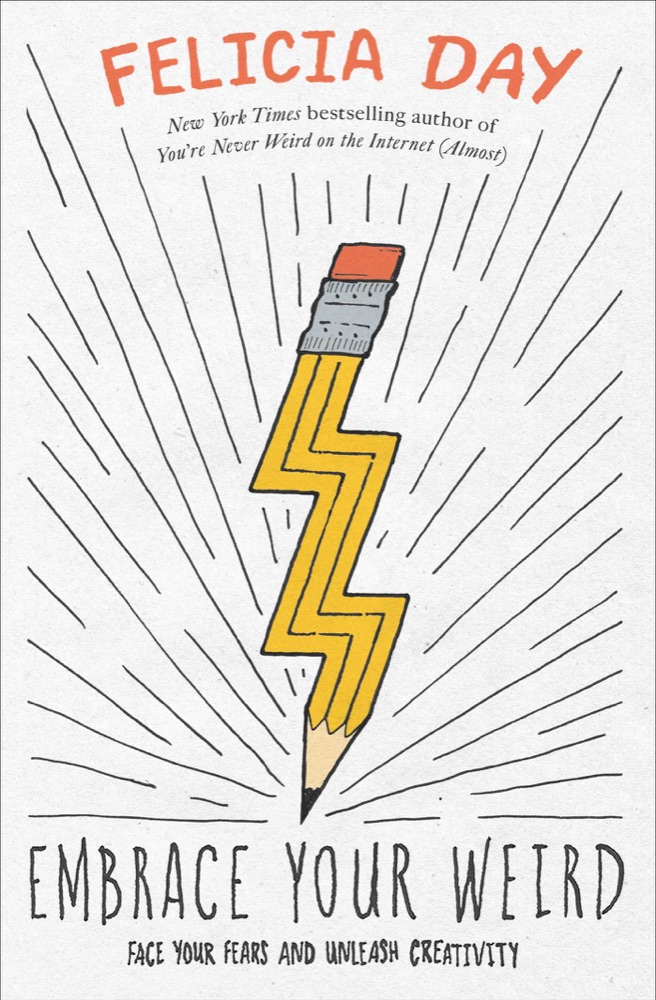 Embrace Your Weird: Face Your Fears and Unleash Creativity
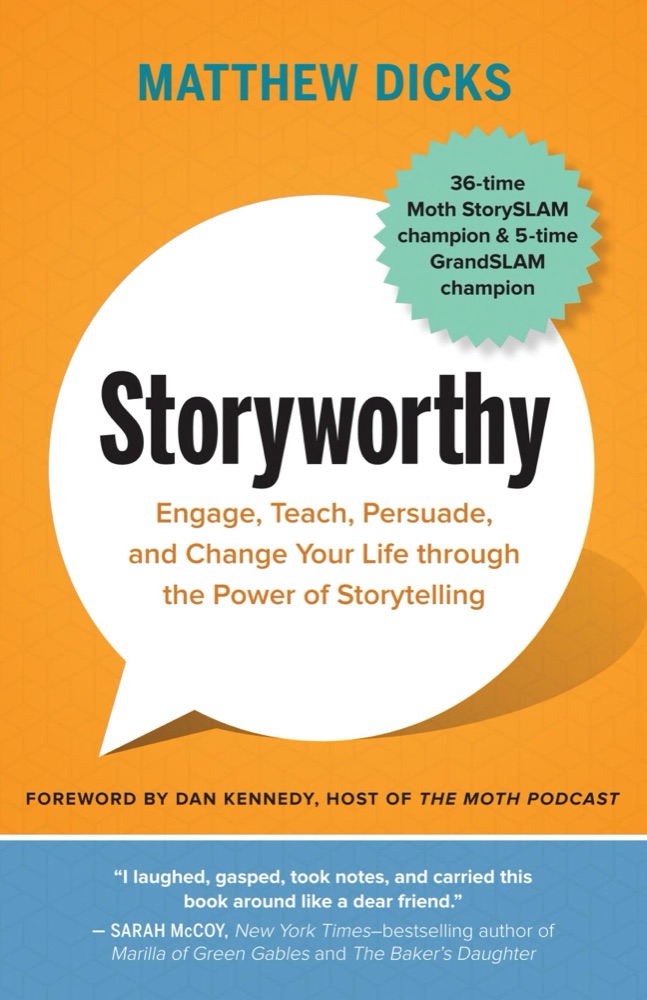 Storyworthy: Engage, Teach, Persuade, and Change Your Life through the Power of Storytelling
 Becoming a Writer
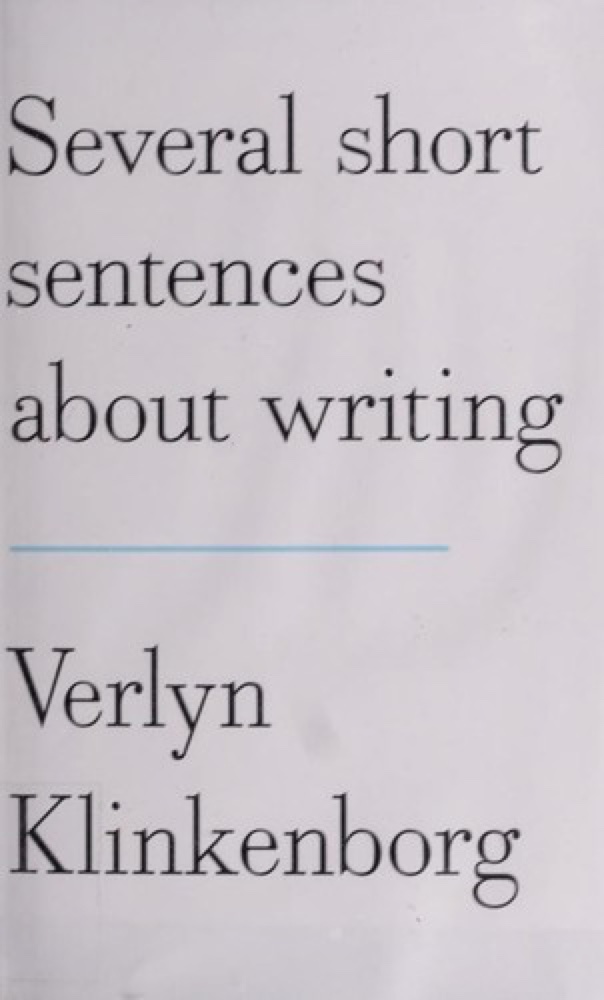 Several Short Sentences About Writing
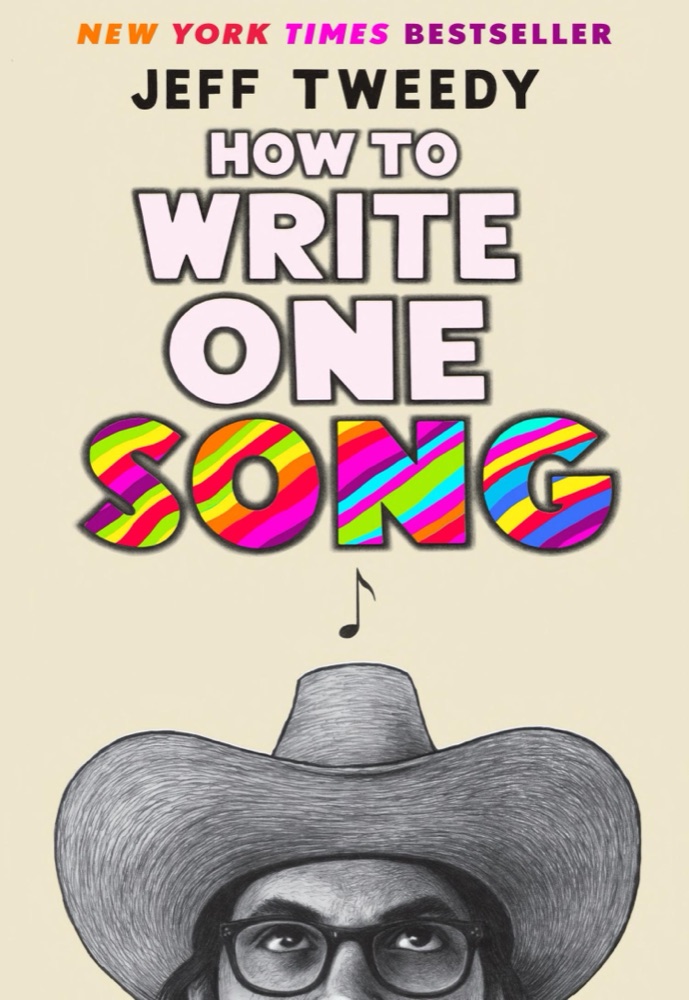 How to Write One Song: Loving the Things We Create and How They Love Us Back
 The Writing Life
 This Is the Story of a Happy Marriage
 The Bullet Journal Method: Track Your Past, Order Your Present, Plan Your Future
 101 Essays That Will Change The Way You Think
 A Writer's Diary
 Zen in the Art of Writing
 Blueberries: Essays Concerning Understanding
 The Midnight Disease: The Drive to Write, Writer's Block, and the Creative Brain
 You Can Heal Your Life
 We Can Do Hard Things: Answers to Life's 20 Questions
 How to Stay Sane
 The Triggering Town: Lectures and Essays on Poetry and Writing
 How to Be Here: A Guide to Creating a Life Worth Living
 We Are the Luckiest: The Surprising Magic of a Sober Life
 The Fire Starter Sessions: A Soulful + Practical Guide to Creating Success on Your Own Terms
 Journal of a Solitude
 Why Be Happy When You Could Be Normal?
 On Connection
 The Light We Carry: Overcoming in Uncertain Times
 Dear Friend, from My Life I Write to You in Your Life
 Let's Talk: ...About Making Your Life Exciting, Easier, And Exceptional
 Build the Life You Want: The Art and Science of Getting Happier
 Writing Magic: Creating Stories that Fly
 No One Writes Back
 Notes on a Nervous Planet
 Like Streams to the Ocean: Notes on Ego, Love, and the Things That Make Us Who We Are
 Carry On, Warrior: Thoughts on Life Unarmed
 Simple Abundance: A Daybook of Comfort of Joy
 Buffering: Unshared Tales of a Life Fully Loaded
 I Miss You When I Blink: Essays
 On Writing
 Art Matters: Because Your Imagination Can Change the World
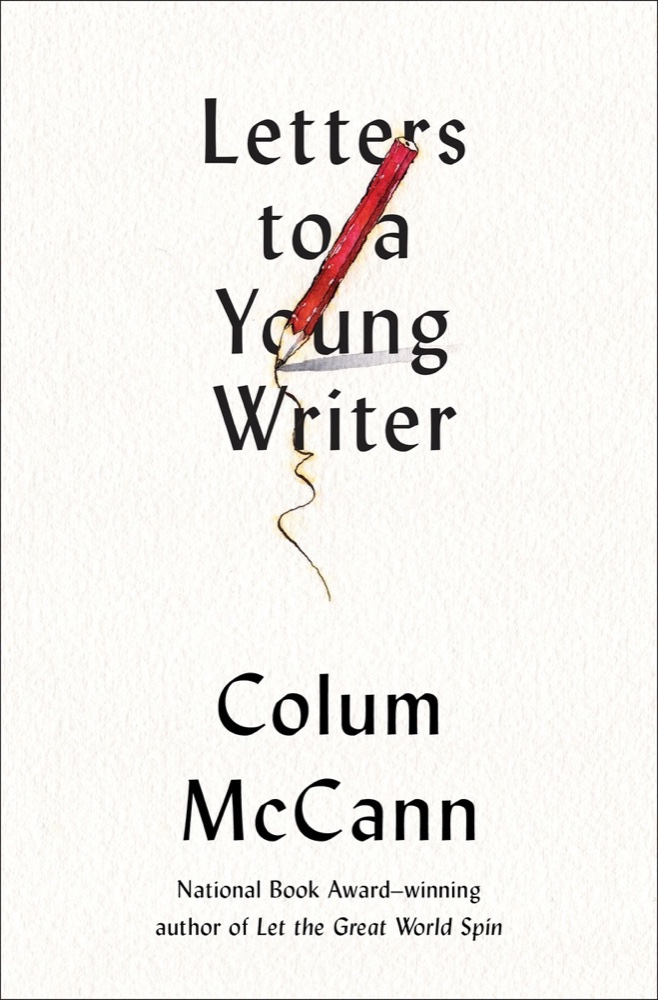 Letters to a Young Writer: Some Practical and Philosophical Advice
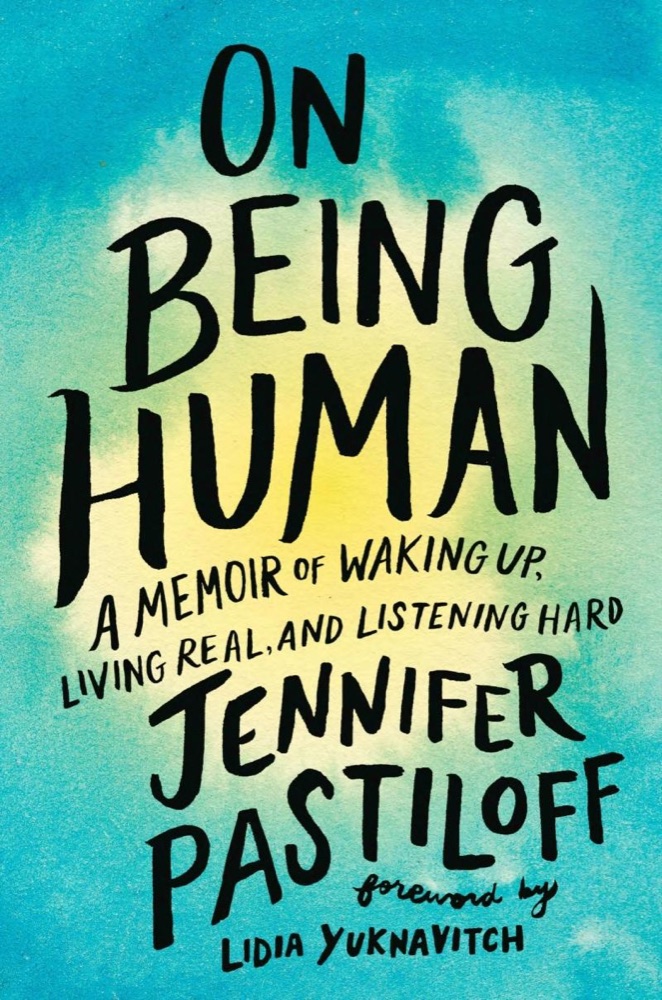 On Being Human: A Memoir of Waking Up, Living Real, and Listening Hard
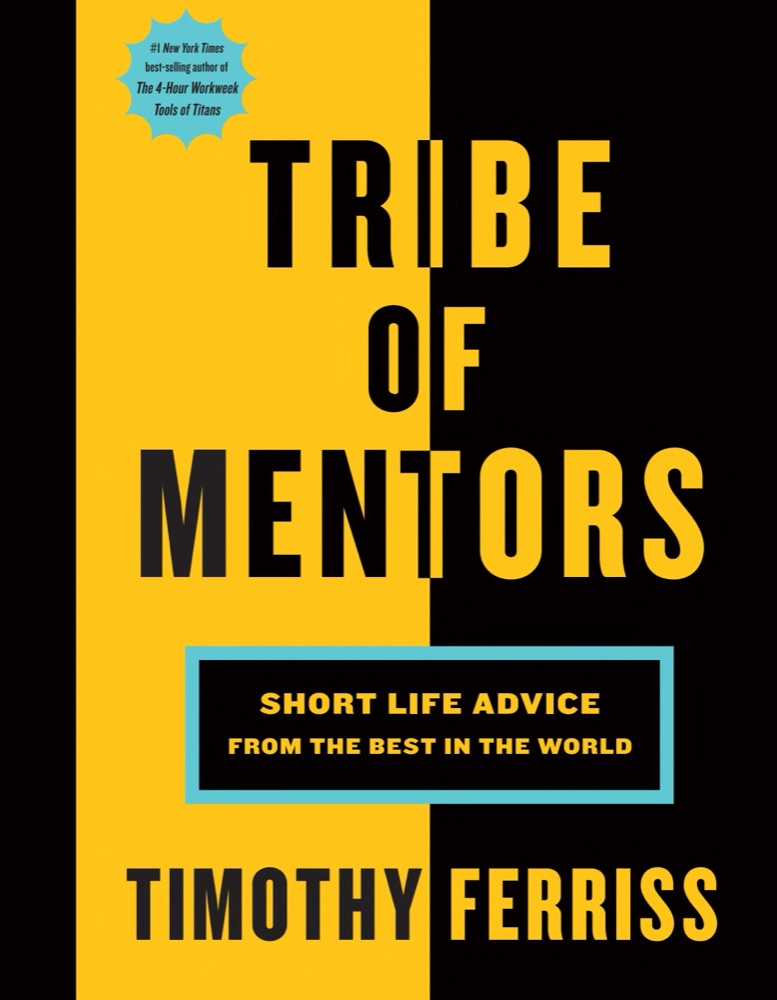 Tribe Of Mentors: Transformative Wisdom From Icons and Innovators to Help You Navigate Life's Challenges
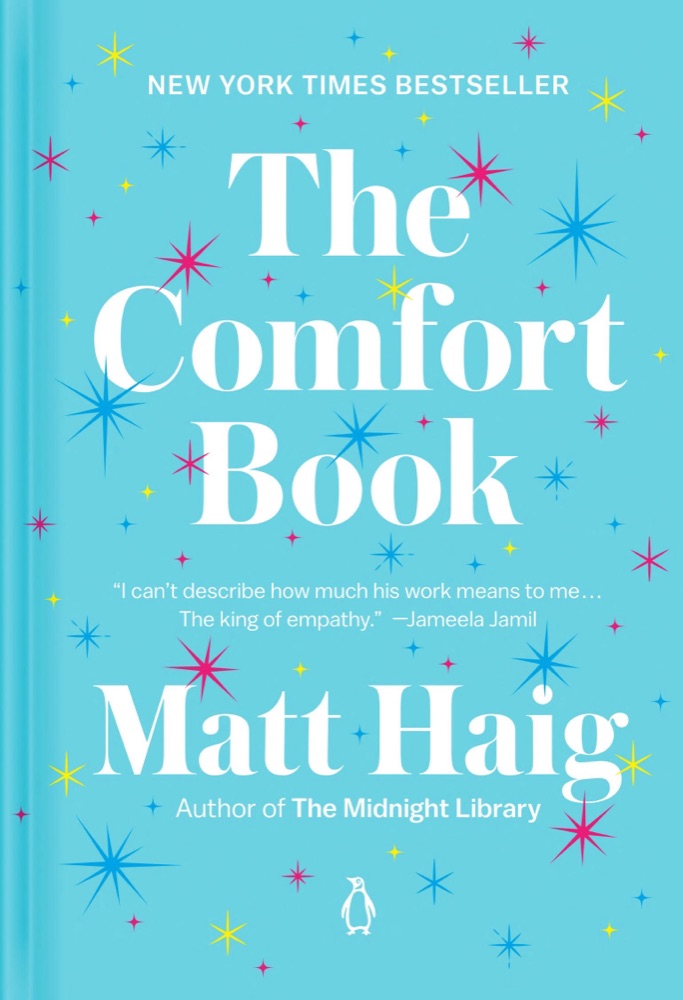 The Comfort Book
 The Chronology of Water
 The Art of Communicating
 These Precious Days: Essays
 Stillness Is the Key
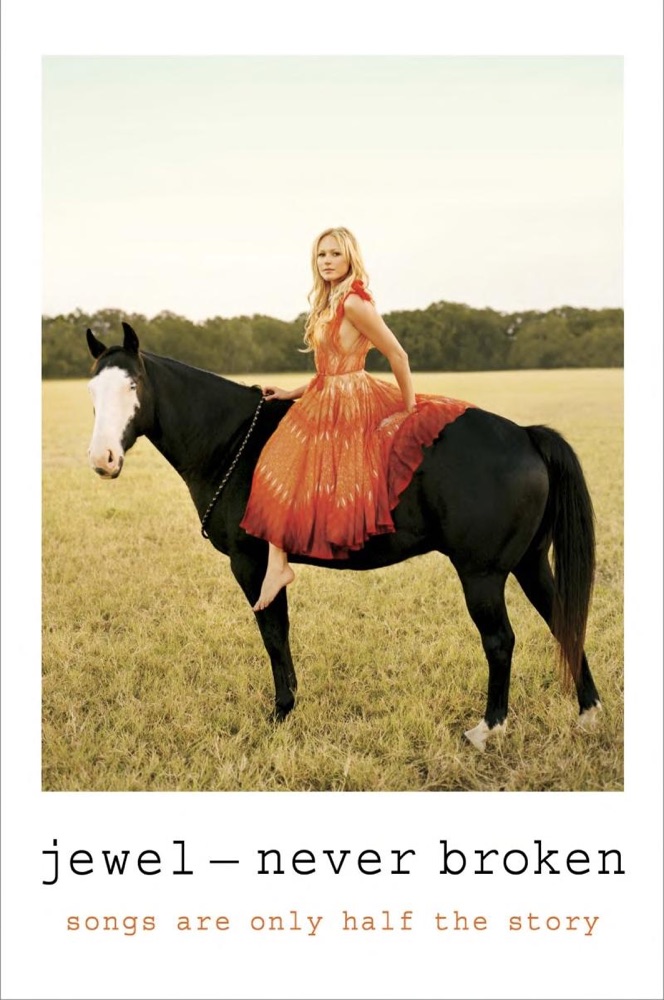 Never Broken: Songs Are Only Half the Story