
 The Art of Fiction: Notes on Craft for Young Writers
Quotes from the Book
Good writing is supposed to evoke sensation in the reader, not the fact that it’s raining, but the feeling of being rained upon.
16
Say it new or say it straight.
5
There’s nothing to writing. All you do is sit down at a typewriter and open a vein.
5
The novelist is like the conductor of an orchestra, his back to the audience, his face invisible, summoning the experience of music for the people he cannot see. The writer as conductor also gets to compose the music and play all of the instruments, a task less formidable than it seems.
4
Characters paralyzed by the meaninglessness of modern life still have to drink water from time to time.
3
You can never know enough about your characters.
3
The function of suspense is to put the reader in danger of an overfull bladder.
3
Tension produces instantaneous anxiety, and the reader finds it delicious.
2
Today’s readers can be roughly divided into two groups, those who accept the fantasy villains of childhood, as in the James Bond stories and Arnold Schwarzenegger films, and those who insist on credibility.
2
Inaccurate similes and metaphors have the effect of deflecting the reader’s attention from the story to the words on the page. Yet when carried off, especially when a simile is original and a metaphor sings, there is no greater glory in the practice of words.
1
What I have never witnessed is a writer’s work succeeding notably in a field he doesn’t habitually read for pleasure.
1
We are all writers from an early age. Most of what we write is nonfiction—essays for school, letters to friends, memoranda to colleagues—in which we are trying to pass on information. We are raised with a traditional nonfiction mind-set. Even when we write love letters, we are trying to communicate how we feel and not necessarily trying to evoke an emotion in the recipient, though that might be better suited to our purpose.
1
be sure you don’t stop the story while describing. You are a storyteller, not an interior decorator.
1
In America only the successful writer is important, in France all writers are important, in England no writer is important, in Australia you have to explain what a writer is.
1
Parents begin by loving their children; as they grow older they judge them; sometimes they forgive them.
1
When we get involved with other people, the chances of a clash are present even with people we love because we do not have the same scripts in our heads.
1
A writer who always has his characters “walk” is missing opportunities.
1
Writers of nonfiction have the right—perhaps even the responsibility—to access the wonders of the writer’s craft to make their work interesting and enjoyable.
1
Wilder taught me that what a writer deals with is the unspoken, what people see or sense in silence. It is our job, in nonfiction as well as fiction, to juxtapose words that reveal what previously may have been blinked, and provide insights obscured by convention and shame.
What went on in that tower was excruciatingly painful. Wilmer Stone read our stories to us in a monotone as if he were reading from the pages of a phone directory. What we learned with each stab of pain was that the words themselves and not the inflections supplied by the reader had to carry the emotion of the story.
Many of us think of clichés as something we learned all about in school. The fact is that some of the best-educated writers fall back on clichés both in their speech and work much more often than they realize. For a fiction writer, learning to avoid them and finding those that slip in are important steps toward learning one of the most important aspects of original creative work: examining each word for its precise meaning and the likely effect of every group of words on the emotions of the reader.
Any word or group of words that makes the reader ask “Why?” or “How?” also serves as an inducement for the reader to go on.
The more the reader’s imagination can be substituted for detail from the writer, the greater the reader’s experience will be.
...the mere description of multiple sexual acts does little or nothing for the reader. A single act, kept at bay, warmed to, stretched out, can have a marked erotic effect.
The main flaw in most love scenes is similar to that of the main flaws in all other scenes: the reader’s emotions have been insufficiently considered by the writer. The primary erogenous zone is in the head, and that’s where the reader experiences writing.
A handsome young man appears at one side of the stage. A beautiful young woman appears on the other side. The audience immediately wants them to get together. It is the author’s job to keep them apart as long as possible.
Men who write love scenes as if they are dealing with the mechanical parts of an engine should know that such scenes have zero erotic effect and do not accomplish their primary mission of evoking a loving experience between people.
In fiction that has a higher aim, the credibility of every important action in the story is at risk unless the writer is confident that the motivation or ability of the character makes the action credible.
The reader doesn’t want to see your chains and pulleys, he just wants the ride.
While an author can write about characters more sophisticated than himself, it is difficult to fashion a character who is more knowledgeable and intelligent than the author, particularly if the author is going into the character’s most profound thoughts. That’s why characters like scientists, public figures, and intellectuals in some popular novels come across as stilted or fake. Similarly, if the author is writing about people less intelligent than himself, he must be careful not to put thoughts into a character’s head that are beyond that character’s capabilities.
Watch on YouTube
About Sol Stein
We have collected 30 quotes from 1 book by Sol Stein on BookQuoters.
More about the author →About the book
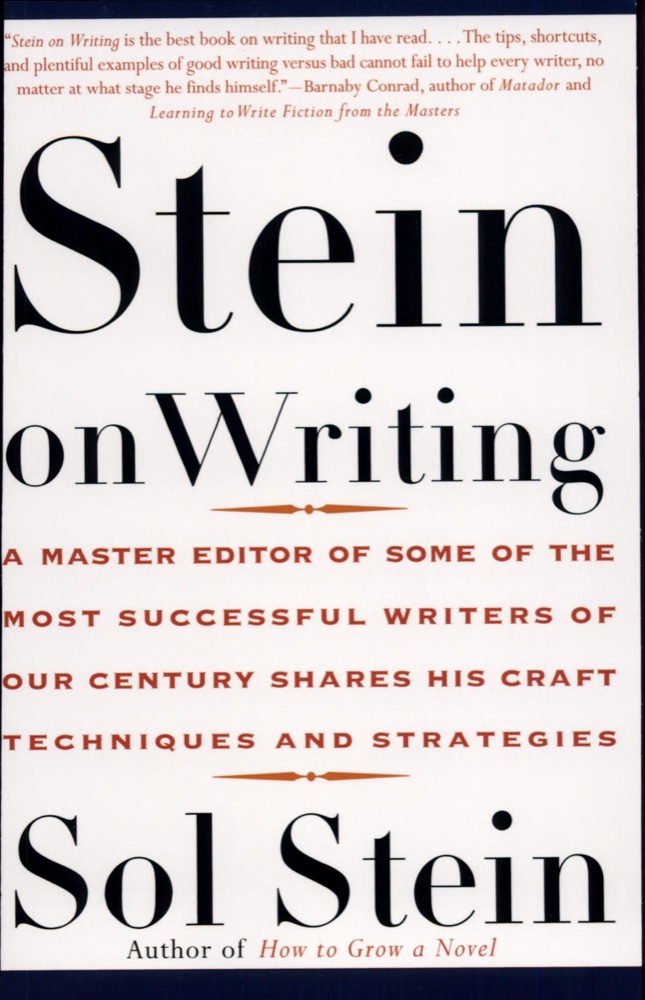
A master editor of some of the most successful writers of our century shares his craft techniques and strategies
Stein on Writing provides immediately useful advice for all writers of fiction and nonfiction, whether they are newcomers or old hands, students or instructors, amateurs or professionals. As the always clear and direct Stein explains here, "This is not a book of theory. It is a book of usable solutions--how to fix writing that is flawed, how to improve writing that is good, how to create interesting writing in the first place." With examples from bestsellers as well as from students' drafts, Stein offers detailed sections on characterization, dialogue, pacing, flashbacks, trimming away flabby wording, the so-called "triage" method of revision, using the techniques of fiction to enliven nonfiction, and more.
Book details
- First published
- 1995
- Author
- Sol Stein
- Genre
- Nonfiction
- Goodreads rating
- 4.28 (5k ratings)
Keep reading
The Art of Fiction: Notes on Craft for Young Writers
 On Becoming a Novelist
 On Writing: A Memoir of the Craft
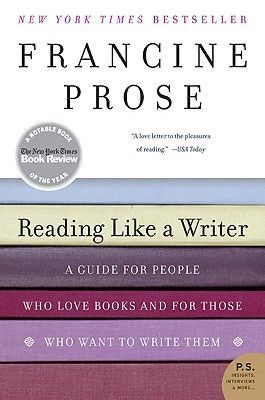 Reading Like a Writer: A Guide for People Who Love Books and for Those Who Want to Write Them
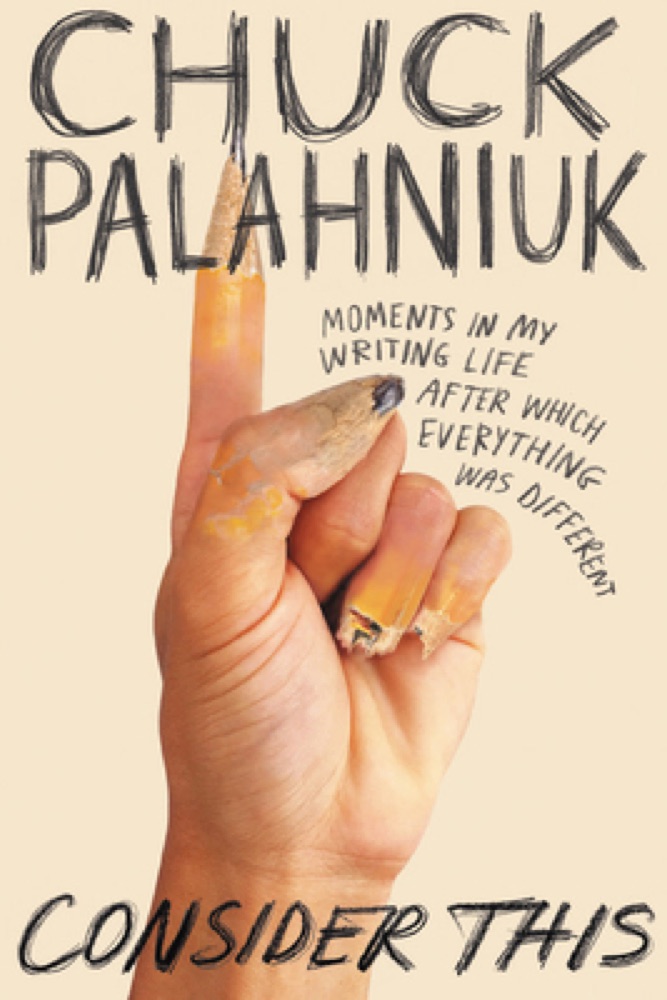 Consider This: Moments in My Writing Life After Which Everything Was Different
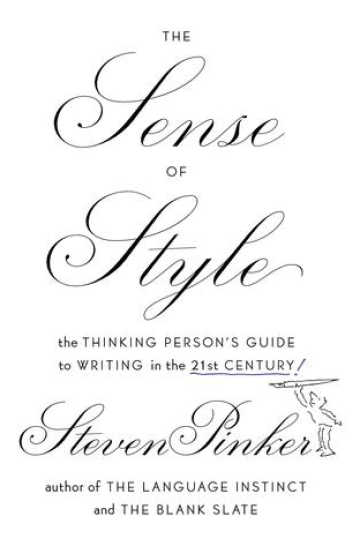 The Sense of Style: The Thinking Person's Guide to Writing in the 21st Century
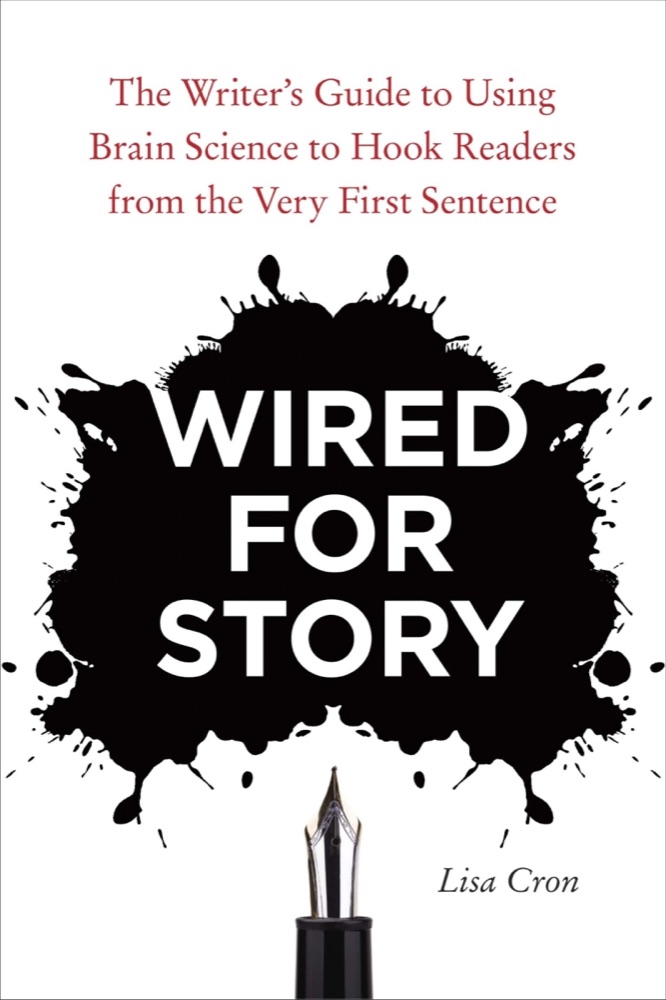 Wired for Story: The Writer's Guide to Using Brain Science to Hook Readers from the Very First Sentence
 Mystery and Manners: Occasional Prose
 How Not to Write a Novel: 200 Classic Mistakes and How to Avoid Them—A Misstep-by-Misstep Guide
 Aspects of the Novel
 Story Genius: How to Use Brain Science to Go Beyond Outlining and Write a Riveting Novel
 Dæmon Voices
 Wonderbook: The Illustrated Guide to Creating Imaginative Fiction
 Everyone on This Train Is a Suspect
 The Getaway Car: A Practical Memoir About Writing and Life
 On Writing
 On Writing Well: The Classic Guide to Writing Nonfiction
 Becoming a Writer
 Reality Hunger: A Manifesto
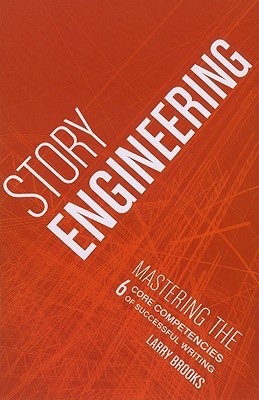 Story Engineering: Character Development, Story Concept, Scene Construction
 Death in the Afternoon
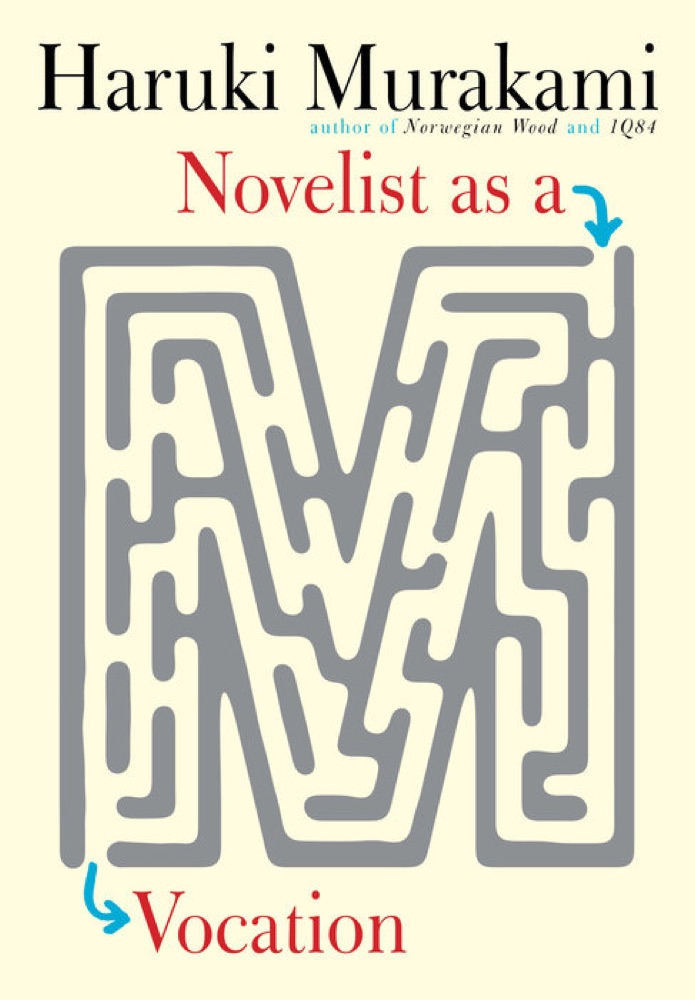 Novelist as a Vocation
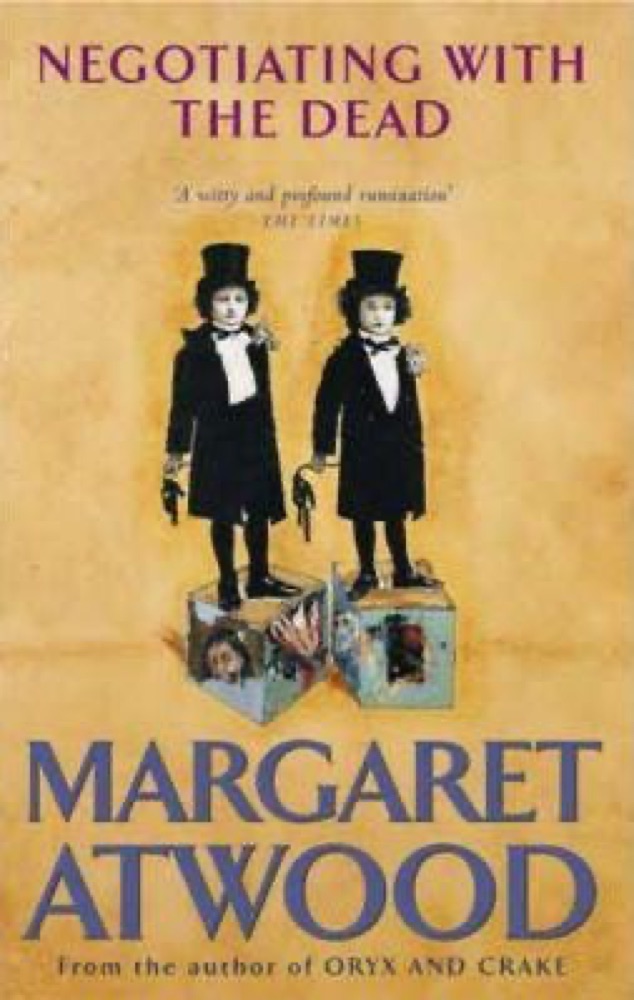 Negotiating with the Dead: A Writer on Writing
 The Writing Life
 The Writing Class
 How to Read Literature
 The Well of Lost Plots
 Story: Substance, Structure, Style, and the Principles of Screenwriting
 How Fiction Works
 How to Read Literature Like a Professor
 Both Flesh and Not: Essays
 The Triggering Town: Lectures and Essays on Poetry and Writing
 The View from the Cheap Seats: Selected Nonfiction
 How to Write an Autobiographical Novel
 The Elements of Style
 Writing Tools: 50 Essential Strategies for Every Writer
 A Slip of the Keyboard: Collected Non-Fiction
 The Language of the Night: Essays on Writing, Science Fiction, and Fantasy
 Sin and Syntax: How to Craft Wickedly Effective Prose
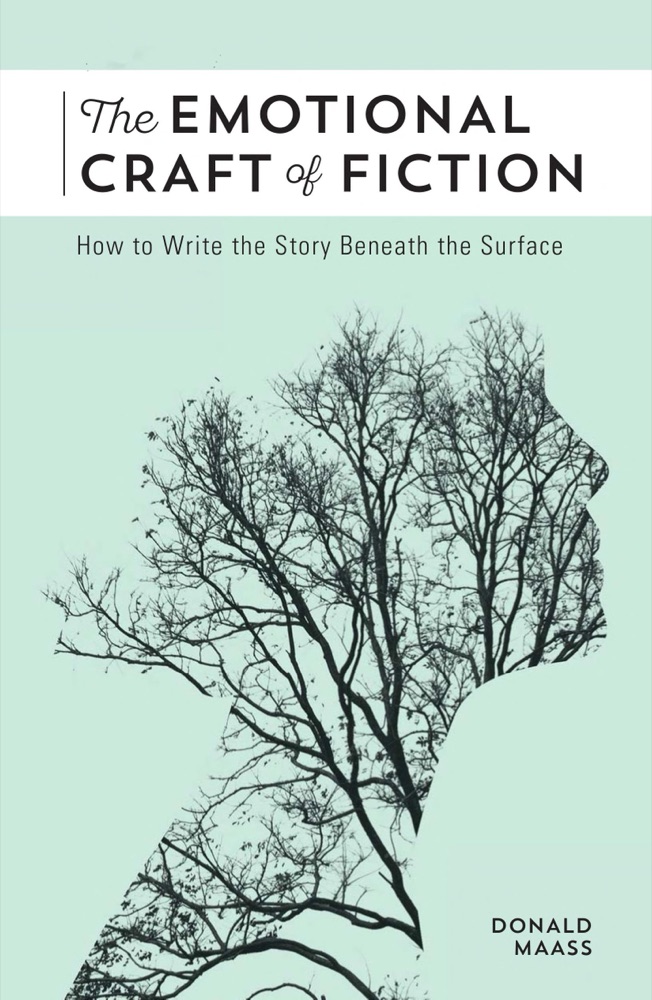 The Emotional Craft of Fiction: How to Write the Story Beneath the Surface
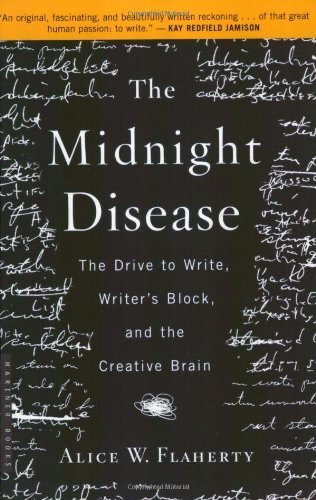 The Midnight Disease: The Drive to Write, Writer's Block, and the Creative Brain
 Into the Woods: A Five Act Journey Into Story
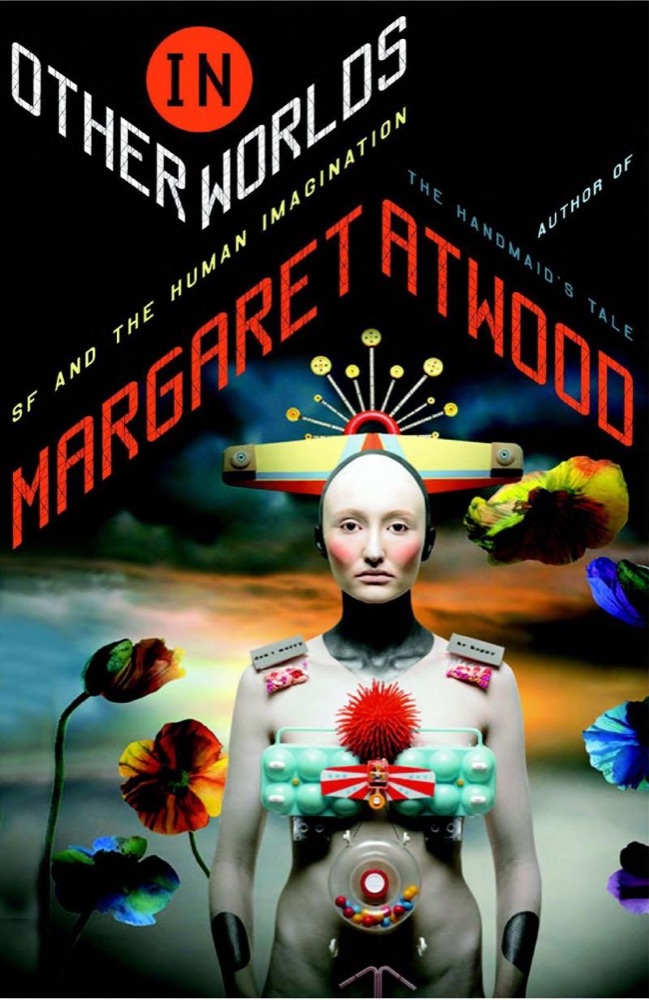 In Other Worlds: SF and the Human Imagination
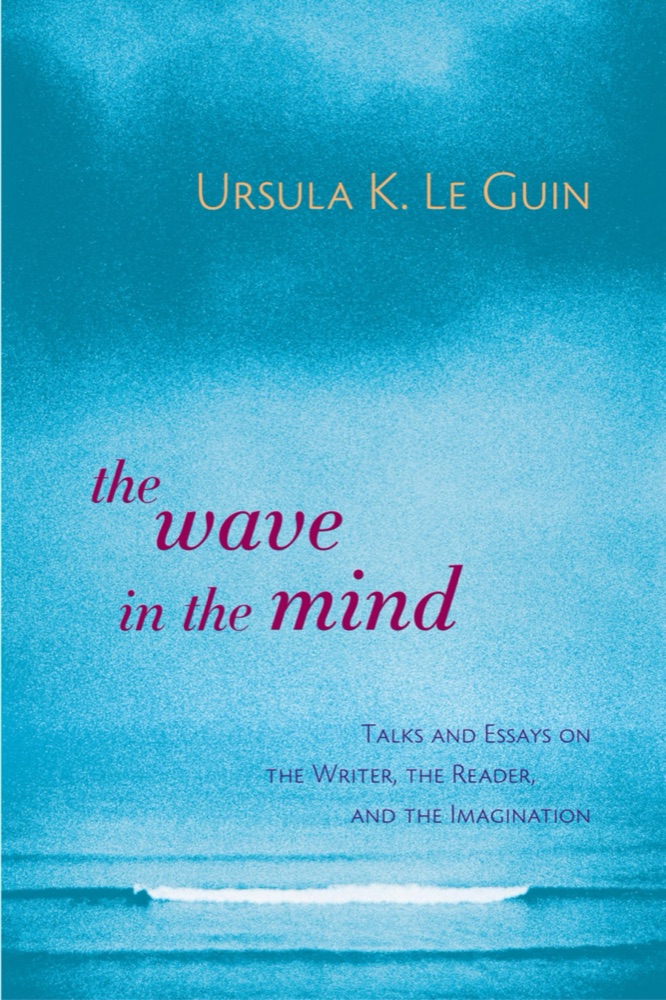 The Wave in the Mind: Talks and Essays on the Writer, the Reader and the Imagination
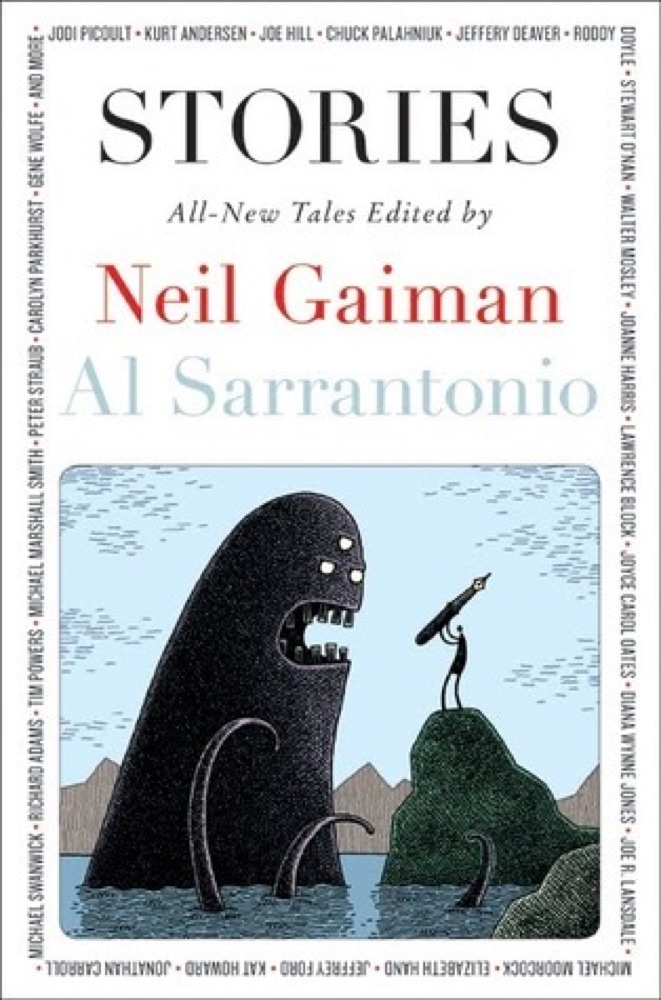 Stories: All-New Tales
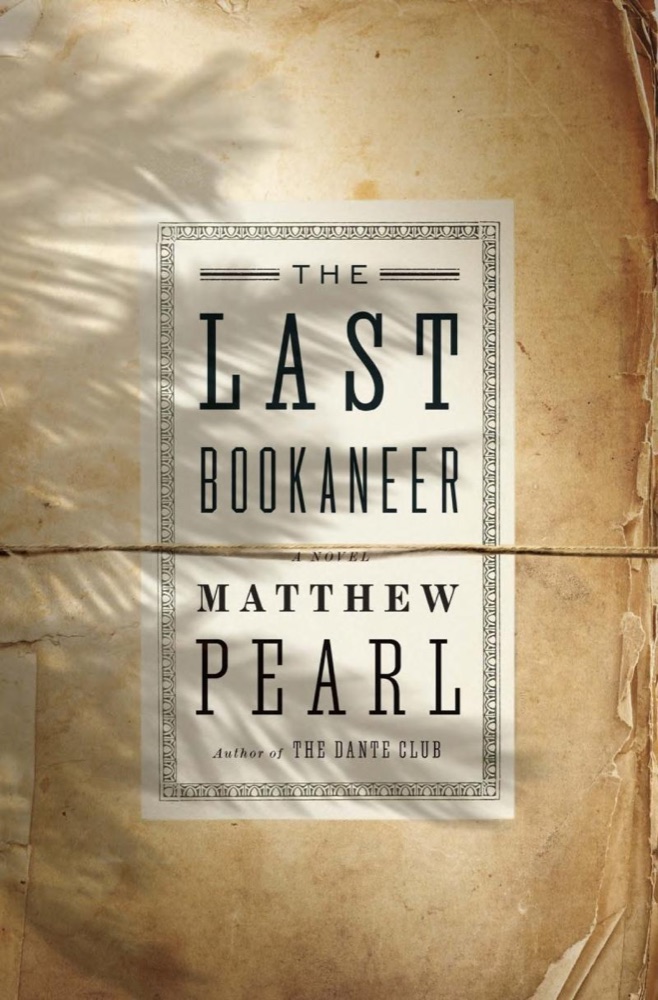 The Last Bookaneer
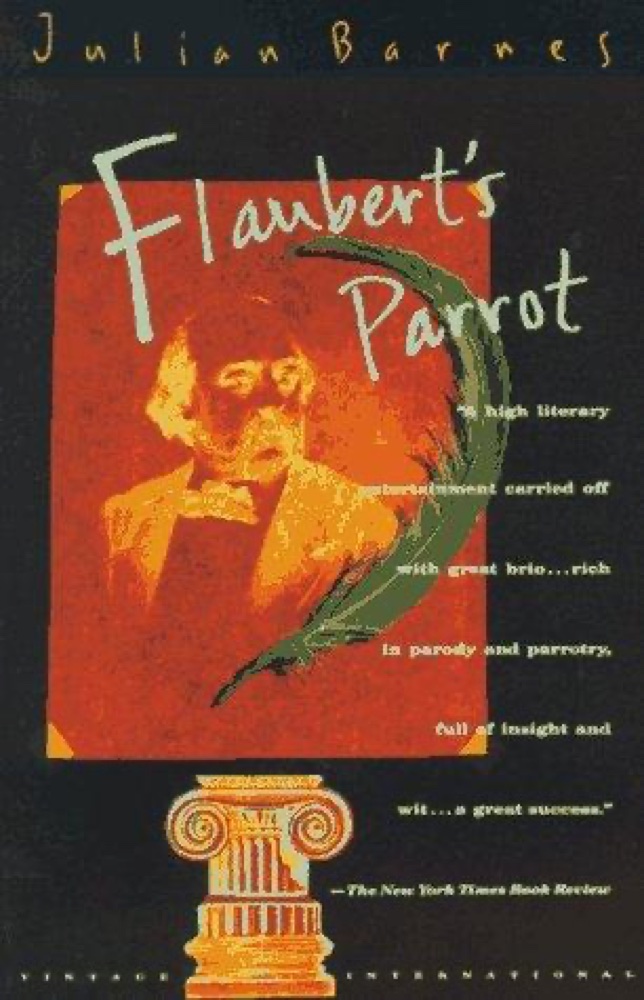 Flaubert's Parrot
 The Unlikely Escape of Uriah Heep
 The Madwoman Upstairs
 Dear Mr. M
 What the Dog Saw and Other Adventures
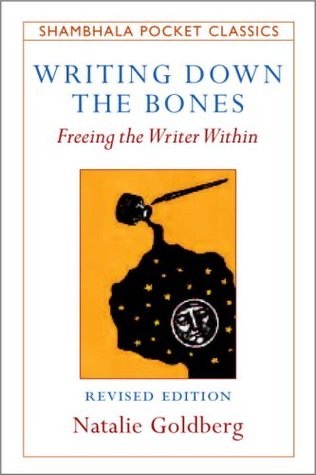 Writing Down the Bones: Freeing the Writer Within
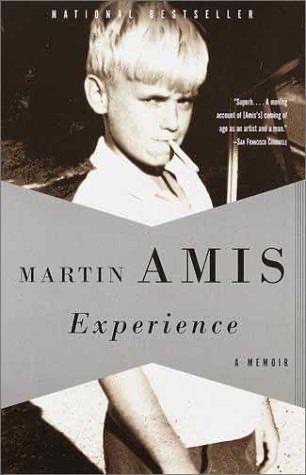 Experience
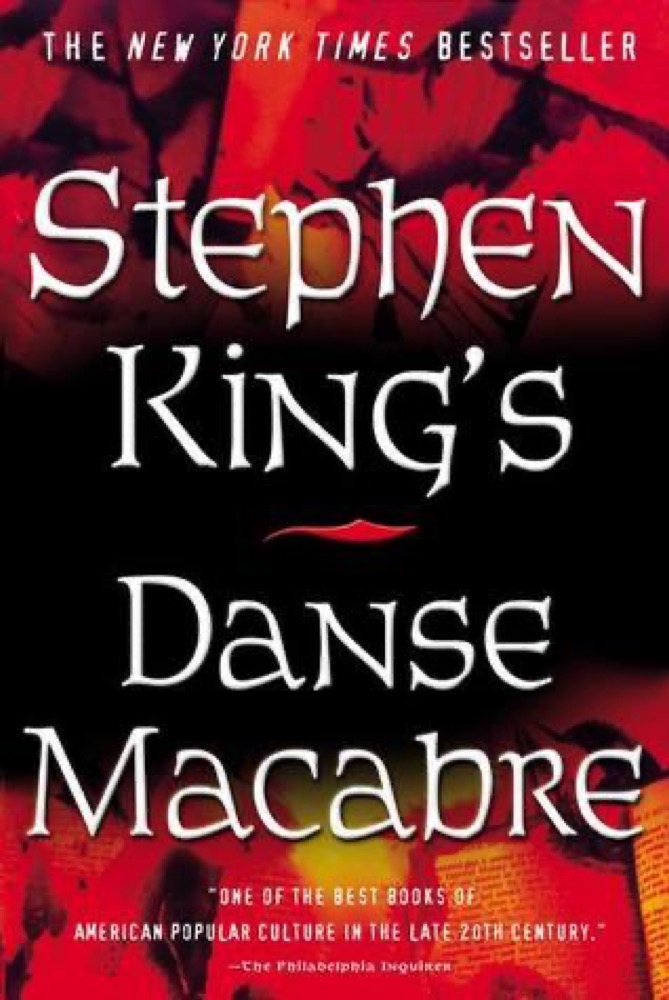 Danse Macabre
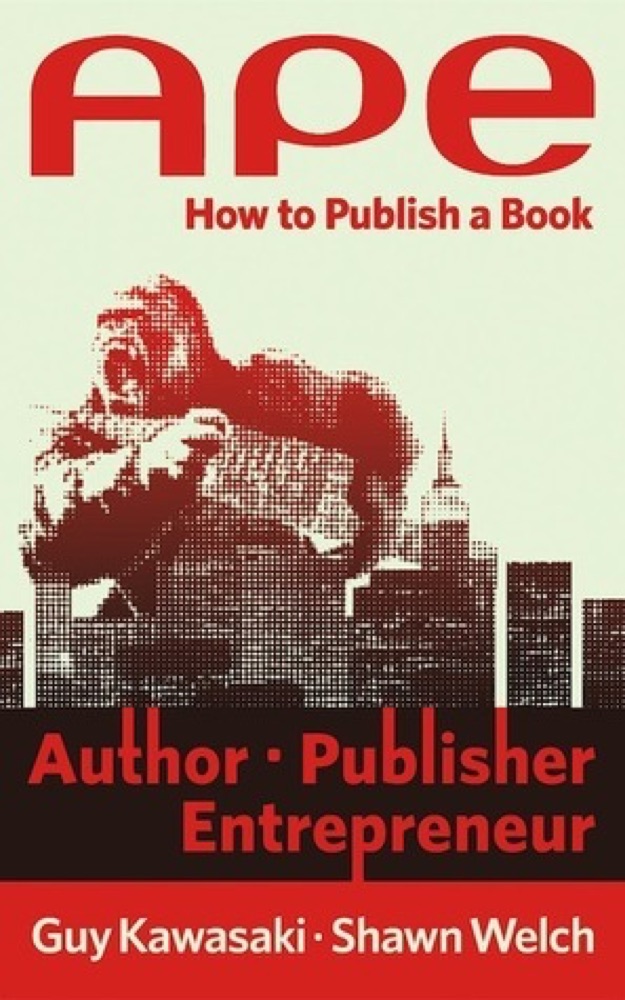 APE: Author, Publisher, Entrepreneur. How to Publish a Book
 The Storied Life of A.J. Fikry
 The City of Dreaming Books
 If You Want to Write: A Book about Art, Independence and Spirit
 The Thirteenth Tale
 The Rabbit Back Literature Society