
 Story Genius: How to Use Brain Science to Go Beyond Outlining and Write a Riveting Novel
Quotes from the Book
If I ask you to think about something, you can decide not to. But if I make you feel something? Now I have your attention.
30
Stories are about people who are uncomfortable.
9
Story, as it turns out, was crucial to our evolution—more so than opposable thumbs. Opposable thumbs let us hang on; story told us what to hang on to.
8
Stories not only give us a much needed practice on figuring out what makes people tick, they give us insight into how we tick.
8
...what draws us into a story and keeps us there is the firing of our dopamine neurons, signaling that intriguing information is on the way.
7
We think in story. It’s hardwired in our brain. It’s how we make strategic sense of the otherwise overwhelming world around us.
5
Elmore Leonard famously said that a story is real life with the boring parts left out.
5
They had mistaken the story for what happens in it. But as we’ve learned, the real story is how what happens affects the protagonist, and what she does as a result.
4
And the best preparation for writing any story is to know with clarity what your protagonists’ worldview is, and more to the point, where and why it’s off base. Thus you have a clear view of the world as your protagonist sees it and insight into how she therefore interprets, and reacts to, everything that happens to her. It’s what allows you to construct a plot that forces her to reevaluate what she was so damn sure was true when the story began. That is what your story is really about, and what readers stay up long past their bedtime to find out.
4
each scene in your story, ask yourself, If I cut it out, would anything that happens afterward change?
4
You cherry-pick events that are relevant to the story question and construct a gauntlet of challenge (read: the plot) that will force the protagonist to put his money where his mouth is. Think baptism by ever-escalating fire.
4
If you don't know what the objective is, everything appears random.
3
That’s why in every scene you write, the protagonist must react in a way the reader can see and understand in the moment. This reaction must be specific, personal, and have an effect on whether the protagonist achieves her goal. What it can’t be is dispassionate objective commentary.
3
In short, when we read a story, we really do slip into the protagonist’s skin, feeling what she feels, experiencing what she experiences. And what we feel is based, 100 percent, on one thing: her goal, which then defines how she evaluates everything the other characters do. If we don’t know what she wants, we have no idea how, or why, what she does helps her achieve it. As Pinker is quick to point out, without a goal, everything is meaningless.6 It
3
To sum up, when writing in the first person, it helps to keep these things in mind: • Every word the narrator says must in some way reflect his point of view. • The narrator never mentions anything that doesn’t affect him in some way. • The narrator draws a conclusion about everything he mentions. • The narrator is never neutral; he always has an agenda. • The narrator can never tell us what anyone else is thinking or feeling. Conveying
3
Simply put, we are looking for a reason to care. So for a story to grab us, not only must something be happening, but also there must be a consequence we can anticipate. As neuroscience reveals, what draws us into a story and keeps us there is the firing of our dopamine neurons, signaling that intriguing information is on its way. This means that whether it’s an actual event unfolding or we meet the protagonist in the midst of an internal quandary or there’s merely a hint that something’s slightly “off” on the first page, there has to be a ball already in play. Not the preamble to the ball. Not all the stuff you have to know to really understand the ball. The ball itself.
2
Think of each detail as an egg. The writer keeps tossing them at us, one after another, seemingly unaware of the growing number of precariously balanced eggs we’re being asked to hold. So somewhere around the middle of the description—say, the huge brass lamp—it’s one egg too many. The trouble is, we don’t just drop that particular egg; all the eggs go crashing to the ground. The more details the writer gives us, the fewer we’ll remember, proving, once again, that as with most things in life, less is more.
2
As counterintuitive as it may sound, a story is not about the plot or even what happens in it. Stories are about how we, rather than the world around us, change. They grab us only when they allow us to experience how it would feel to navigate the plot. Thus story, as we’ll see throughout, is an internal journey, not an external one.
1
a powerful story can have a hand in rewiring the reader’s brain—helping instill empathy, for instance5—which is why writers are, and have always been, among the most powerful people in the world.
1
The narrative voice is almost always neutral, meaning that as omniscient narrator, you’re invisible and just reporting the facts. Your characters, on the other hand, are free to express their opinion on whatever they so desire. As long as the reader knows whose head we’re in—that is, who the point-of-view character is—you rarely need a preamble at all.
1
what we’re hoping for in that opening sentence is the sense that something is about to change (and not necessarily for the better). Simply
1
When you put together large numbers of pieces and parts, the whole can become something larger than the sum.… The concept of emergent properties means that something new can be introduced that is not inherent in any of the parts.
1
You don’t need to know exactly how the story is going to end, but you do need to know what the protagonist will have to learn along the way—that
1
narrators are often unreliable, and part of the reader’s pleasure is figuring out what’s really true. The
1
good judgment comes from experience; experience comes from bad judgment. The
1
And that, my friends, is what makes stories so deeply satisfying. We get to try on trouble, pretty much risk-free.
The essence of a story lies in revealing the things that in real life we don't say out loud.
The joy of reading is getting to make up your own mind about what a story's ultimate message is. The joy of writing is being stealthy enough to stack the deck so your reader will choose yours.
story is how what happens affects someone who is trying to achieve what turns out to be a difficult goal, and how he or she changes as a result. Breaking it down in the soothingly familiar parlance of the writing world, this translates to “What happens” is the plot. “Someone” is the protagonist. The “goal” is what’s known as the story question. And “how he or she changes” is what the story itself is actually about.
Watch on YouTube
About Lisa Cron
We have collected 54 quotes from 2 books by Lisa Cron on BookQuoters.
More about the author →More by Lisa Cron
Story Genius: How to Use Brain Science to Go Beyond Outlining and Write a Riveting Novel
About the book
Imagine knowing what the brain craves from every tale it encounters, what fuels the success of any great story, and what keeps readers transfixed. Wired for Story reveals these cognitive secrets--and it's a game-changer for anyone who has ever set pen to paper. The vast majority of writing advice focuses on writing well as if it were the same as telling a great story. This is exactly where many aspiring writers fail--they strive for beautiful metaphors, authentic dialogue, and interesting characters, losing sight of the one thing that every engaging story must do: ignite the brain's hardwired desire to learn what happens next. When writers tap into the evolutionary purpose of story and electrify our curiosity, it triggers a delicious dopamine rush that tells us to pay attention. Without it, even the most perfect prose won't hold anyone's interest. Backed by recent breakthroughs in neuros
Book details
- First published
- 2012
- Author
- Lisa Cron
- Genre
- Nonfiction
- Goodreads rating
- 4.20 (6k ratings)
Keep reading
Story Genius: How to Use Brain Science to Go Beyond Outlining and Write a Riveting Novel
 The Science of Storytelling
 Story: Substance, Structure, Style, and the Principles of Screenwriting
 Wonderbook: The Illustrated Guide to Creating Imaginative Fiction
 The Anatomy of Story: 22 Steps to Becoming a Master Storyteller
 Stein on Writing
 Storyworthy: Engage, Teach, Persuade, and Change Your Life through the Power of Storytelling
 Consider This: Moments in My Writing Life After Which Everything Was Different
 Story Engineering: Character Development, Story Concept, Scene Construction
 The Emotional Craft of Fiction: How to Write the Story Beneath the Surface
 The Art of Fiction: Notes on Craft for Young Writers
 A Million Miles in a Thousand Years: What I Learned While Editing My Life
 Dæmon Voices
 How to Read Literature Like a Professor
 Screenplay: The Foundations of Screenwriting
 Into the Woods: A Five Act Journey Into Story
 On Becoming a Novelist
 Aspects of the Novel
 The View from the Cheap Seats: Selected Nonfiction
 Stories: All-New Tales
 The Unlikely Escape of Uriah Heep
 The Library of the Unwritten
 On Writing: A Memoir of the Craft
 The Writer's Journey: Mythic Structure for Writers
 The Sense of Style: The Thinking Person's Guide to Writing in the 21st Century
 The Truth About Stories: A Native Narrative
 Mystery and Manners: Occasional Prose
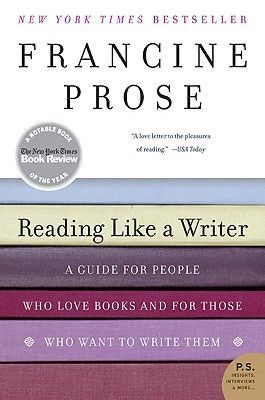 Reading Like a Writer: A Guide for People Who Love Books and for Those Who Want to Write Them
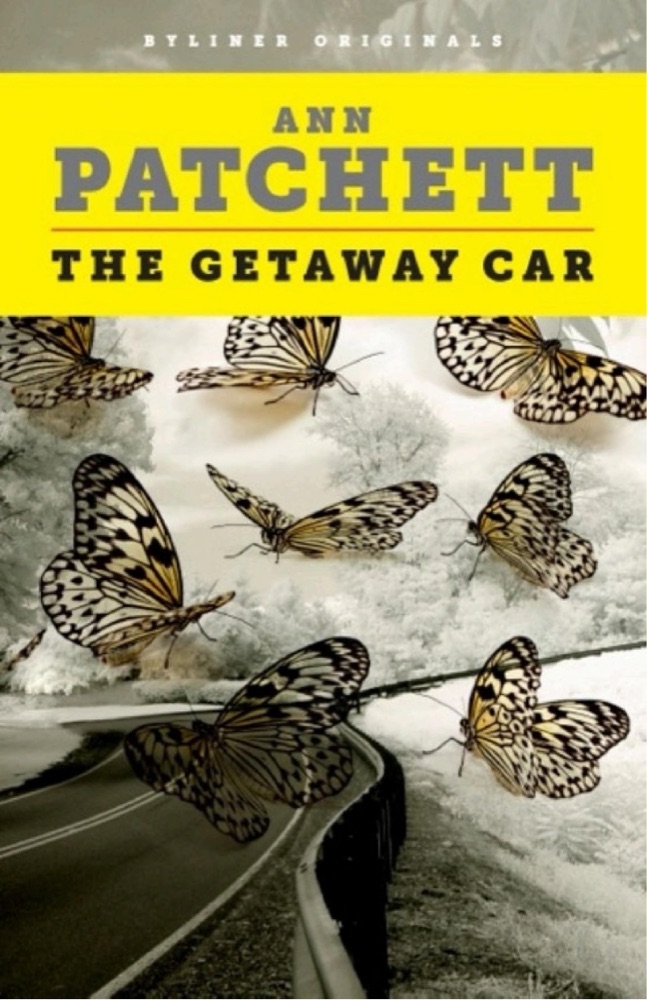 The Getaway Car: A Practical Memoir About Writing and Life
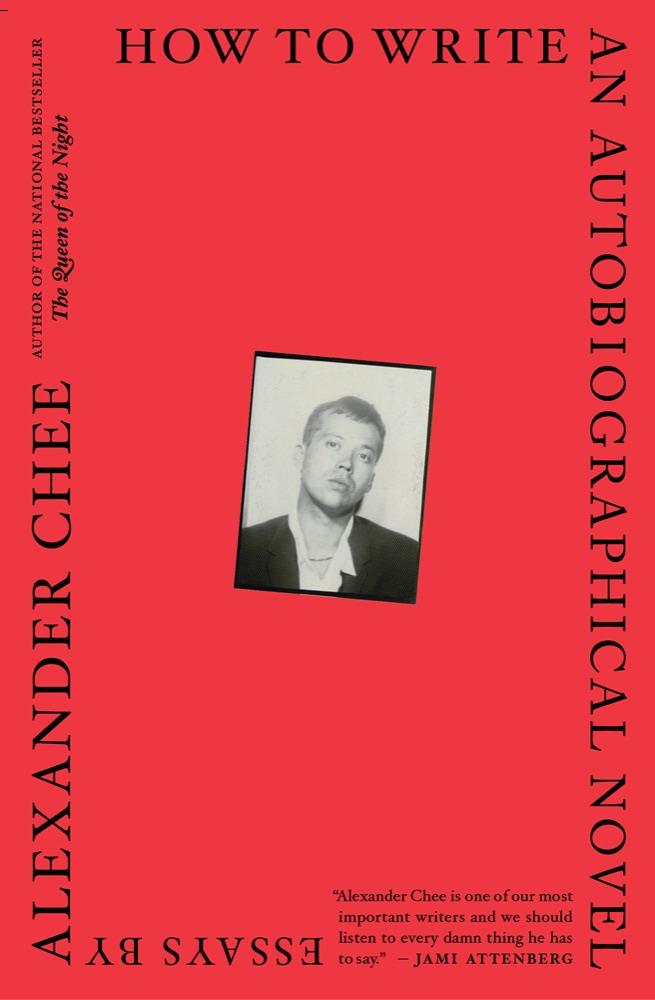 How to Write an Autobiographical Novel
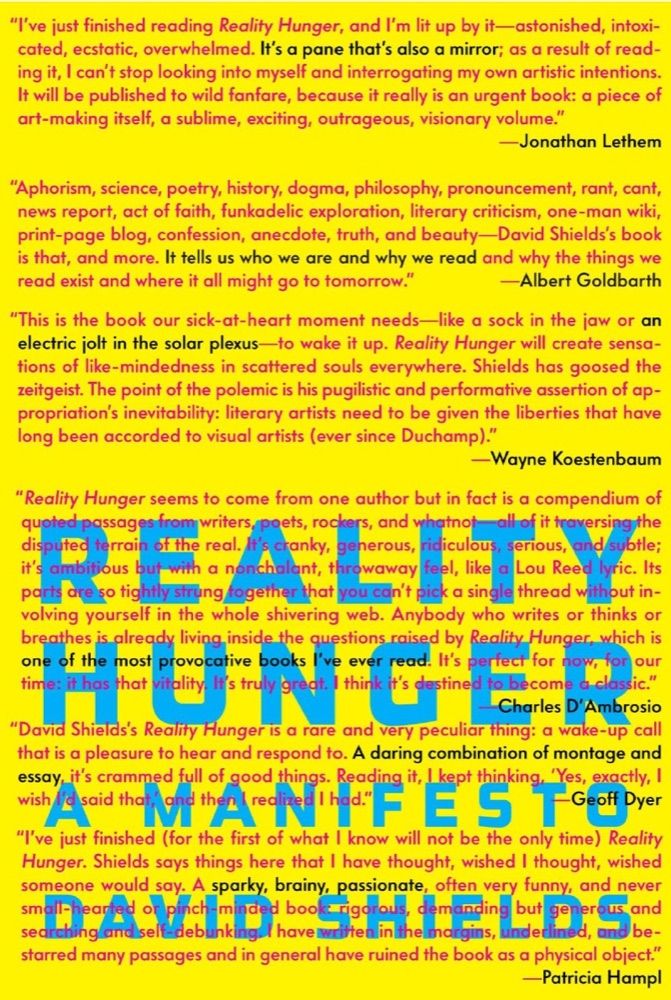 Reality Hunger: A Manifesto
 Made to Stick: Why Some Ideas Survive and Others Die
 The Thirteenth Tale
 How Not to Write a Novel: 200 Classic Mistakes and How to Avoid Them—A Misstep-by-Misstep Guide
 The Rent Collector
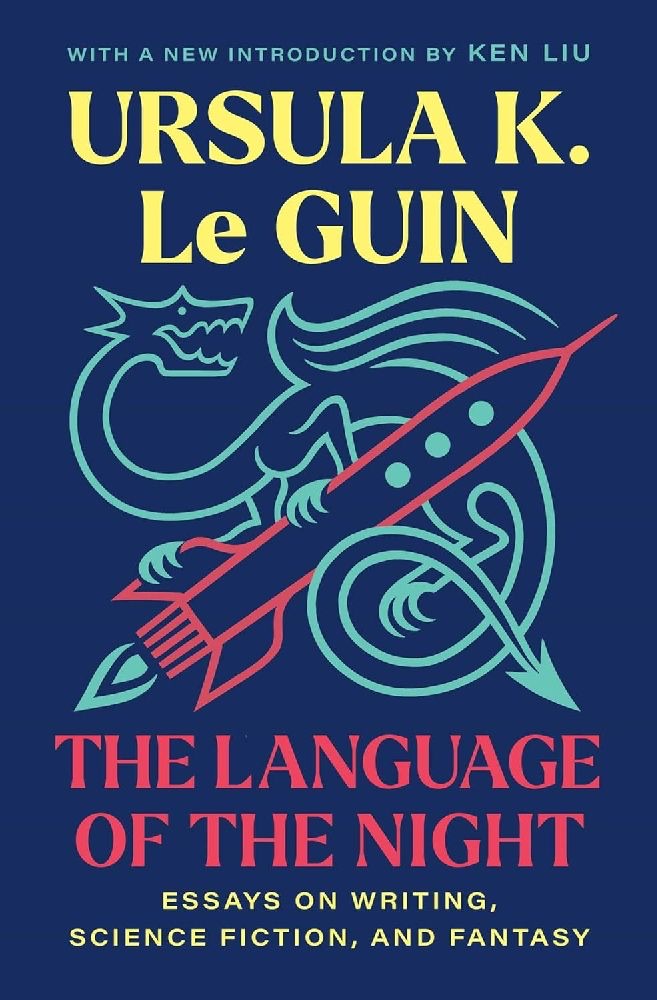 The Language of the Night: Essays on Writing, Science Fiction, and Fantasy
 How Fiction Works
 Becoming a Writer
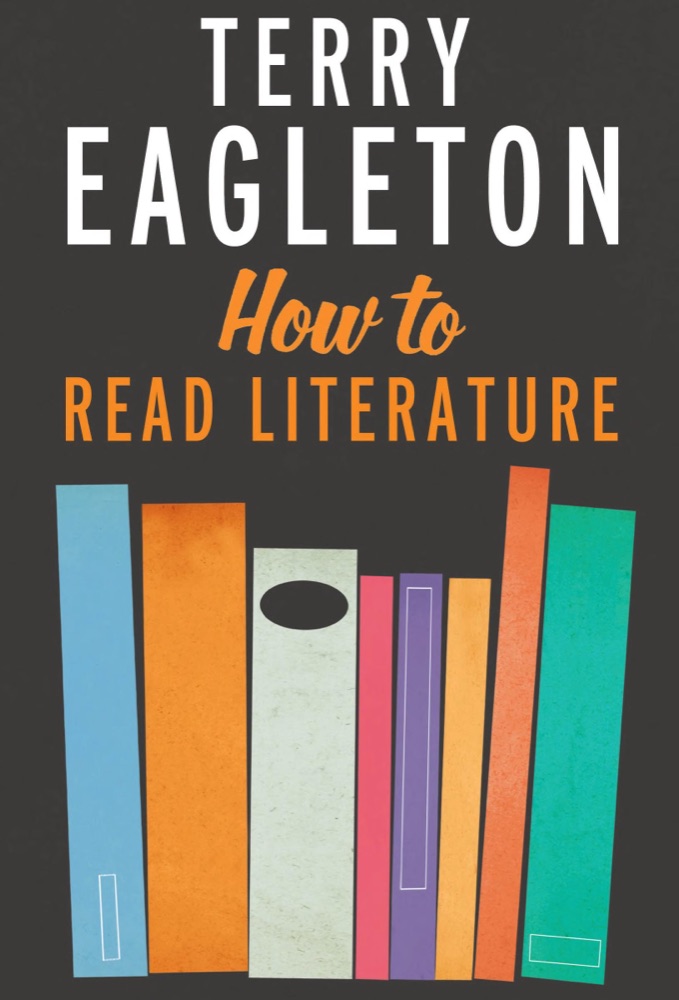 How to Read Literature
 Novelist as a Vocation
 The Book of Form and Emptiness
 The Madwoman Upstairs
 What We See When We Read
 Start Something That Matters
 Off the Page
 Poison for Breakfast
 Mastermind: How to Think Like Sherlock Holmes
 The Book of Dreams
 The Archive of the Forgotten
 What the Dog Saw and Other Adventures
 Several Short Sentences About Writing
 The Braindead Megaphone
 The Neverending Story
 The Archive of Alternate Endings
 Eating the Dinosaur
 Letters to a Young Writer: Some Practical and Philosophical Advice
 Burning Questions: Essays and Occasional Pieces, 2004 to 2021
 And Then I Woke Up
 Smoke and Mirrors: Short Fiction and Illusions