
 Down and Out in Paris and London
Quotes from the Book
But if thought corrupts language, language can also corrupt thought.
2.9k
A scrupulous writer, in every sentence that he writes, will ask himself at least four questions, thus: 1. What am I trying to say? 2. What words will express it? 3. What image or idiom will make it clearer? 4. Is this image fresh enough to have an effect?
622
The great enemy of clear language is insincerity. When there is a gap between one’s real and one’s declared aims, one turns as it were instinctively to long words and exhausted idioms, like a cuttlefish spurting out ink.
181
(i) Never use a metaphor, simile, or other figure of speech which you are used to seeing in print. (ii) Never use a long word where a short one will do. (iii) If it is possible to cut a word out, always cut it out. (iv) Never use the passive where you can use the active. (v) Never use a foreign phrase, a scientific word, or a jargon word if you can think of an everyday English equivalent. (vi) Break any of these rules sooner than say anything outright barbarous.
33
What is above all needed is to let the meaning choose the word, and not the other way around. In prose, the worst thing you can do with words is to surrender to them.
30
When one watches some tired hack on the platform mechanically repeating the familiar phrases - bestial atrocities, iron heel, blood-stained tyranny, free peoples of the world, stand shoulder to shoulder - one often has a curious feeling that one is not watching a live human being but some kind of dummy, the appropriate noises are coming out of his larynx, but his brain is not involved
30
Political language – and with variations this is true of all political parties, from Conservatives to Anarchists – is designed to make lies sound truthful and murder respectable, and to give an appearance of solidity to pure wind.
24
Now that I have made this catalogue of swindles and perversions, let me give another example of the kind of writing that they lead to. This time it must of its nature be an imaginary one. I am going to translate a passage of good English into modern English of the worst sort. Here is a well-known verse from Ecclesiastes: I returned and saw under the sun, that the race is not to the swift, nor the battle to the strong, neither yet bread to the wise, nor yet riches to men of understanding, nor yet favour to men of skill; but time and chance happeneth to them all. Here it is in modern English: Objective considerations of contemporary phenomena compel the conclusion that success or failure in competitive activities exhibits no tendency to be commensurate with innate capacity, but that a considerable element of the unpredictable must invariably be taken into account.
22
The words democracy, socialism, freedom, patriotic, realistic, justice, have each of them several different meanings which cannot be reconciled with one another. In the case of a word like democracy, not only is there no agreed definition, but the attempt to make one is resisted from all sides. It is almost universally felt that when we call a country democratic we are praising it: consequently the defenders of every kind of régime claim that it is a democracy, and fear that they might have to stop using the word if it were tied down to any one meaning. Words of this kind are often used in a consciously dishonest way.
16
The word Fascism has now no meaning except in so far as it signifies ‘something not desirable’. The words democracy, socialism, freedom, patriotic, realistic, justice, have each of them several different meanings which cannot be reconciled with one another. In the case of a word like democracy, not only is there no agreed definition, but the attempt to make one is resisted from all sides. It is almost universally felt that when we call a country democratic we are praising it: consequently the defenders of every kind of régime claim that it is a democracy, and fear that they might have to stop using the word if it were tied down to any one meaning. Words of this kind are often used in a consciously dishonest way. That is, the person who uses them has his own private definition, but allows his hearer to think he means something quite different.
15
Prose consists less and less of words chosen for the sake of their meaning, and more and more of phrases tacked together like the sections of a prefabricated hen-house.
15
[The English language] becomes ugly and inaccurate because our thoughts are foolish, but the slovenliness of our language makes it easier for us to have foolish thoughts... if thought corrupts language, language can also corrupt thought.
11
In our time, political speech and writing are largely the defence of the indefensible. Things like the continuance of British rule in India, the Russian purges and deportations, the dropping of the atom bombs on Japan, can indeed be defended, but only by arguments which are too brutal for most people to face, and which do not square with the professed aims of political parties. Thus political language has to consist largely of euphemism, question-begging and sheer cloudy vagueness
9
Each of these passages has faults of its own, but, quite apart from avoidable ugliness, two qualities are common to all of them. The first is staleness of imagery; the other is lack of precision. The writer either has a meaning and cannot express it, or he inadvertently says something else, or he is almost indifferent as to whether his words mean anything or not. This mixture of vagueness and sheer incompetence is the most marked characteristic of modern English prose, and especially of any kind of political writing. As soon as certain topics are raised, the concrete melts into the abstract and no one seems able to think of turns of speech that are not hackneyed: prose consists less and less of words chosen for the sake of their meaning, and more and more of phrases tacked together like the sections of a prefabricated hen-house.
9
A man may take to drink because he feels himself to be a failure, and then fail all the more completely because he drinks. It is rather the same thing that is happening to the English language. It becomes ugly and inaccurate because our thoughts are foolish, but the slovenliness of our language makes it easier for us to have foolish thoughts.
8
A mass of Latin words falls upon the facts like soft snow, blurring the outlines and covering up the details...
7
In our age there is no such thing as ‘keeping out of politics’. All issues are political issues, and politics itself is a mass of lies, evasions, folly, hatred, and schizophrenia.
6
Modern writing at its worst does not consist in picking out words for the sake of their meaning and inventing images in order to make the meaning clearer. It consists in gumming together long strips of words which have already been set in order by someone else, and making the results presentable by sheer humbug. The attraction of this way of writing is that it is easy. It is easier -- even quicker, once you have the habit -- to say In my opinion it is not an unjustifiable assumption that than to say I think.
6
The great enemy of clear language is insincerity.
5
Bad writers, and especially scientific, political and sociological writers, are nearly always haunted by the notion that Latin or Greek words are grander than Saxon ones, and unnecessary words like expedite, ameliorate, predict, extraneous, deracinated, clandestine, sub-aqueous and hundreds of others constantly gain ground from their Anglo-Saxon opposite numbers.
5
It is easier – even quicker, once you have the habit – to say In my opinion it is a not unjustifiable assumption that than to say I think. If you use ready-made phrases, you not only don’t have to hunt about for words; you also don’t have to bother with the rhythms of your sentences, since these phrases are generally so arranged as to be more or less euphonious.
4
While freely conceding that the Soviet regime exhibits certain features which the humanitarian may be inclined to deplore, we must, I think, agree that a certain curtailment of the right to political opposition is an unavoidable concomitant of transitional periods, and that the rigors which the Russian people have been called upon to undergo have been amply justified in the sphere of concrete achievement.
4
The inflated style is itself a kind of euphemism. A mass of Latin words falls upon the facts like soft snow, blurring the outlines and covering up all the details. The great enemy of clear language is insincerity.
3
If it is possible to cut a word out, always cut it out.
3
Many political words are similarly abused. The word fascism now no meaning except in so far as it signifies ‘something not desirable’. The words democracy, socialism, freedom, patriotic, realistic, justice have each of them several different meanings which cannot be reconciled with one another. In the case of a word like democracy, not only is there no agreed definition, but the attempt to make one is resisted from all sides. It is almost universally felt that when we call a country democratic we are praising it: consequently the defenders of every kind of regime claim that it is a democracy, and fear that they might have to stop using that word if it were tied down to any one meaning. Words of this kind are often used in a consciously dishonest way. That is, the person who uses them has his own private definition, but allows his hearer to think he means something quite different.
3
Watch on YouTube
About George Orwell
We have collected 242 quotes from 10 books by George Orwell on BookQuoters.
More about the author →More by George Orwell
All books by George Orwell →
About the book
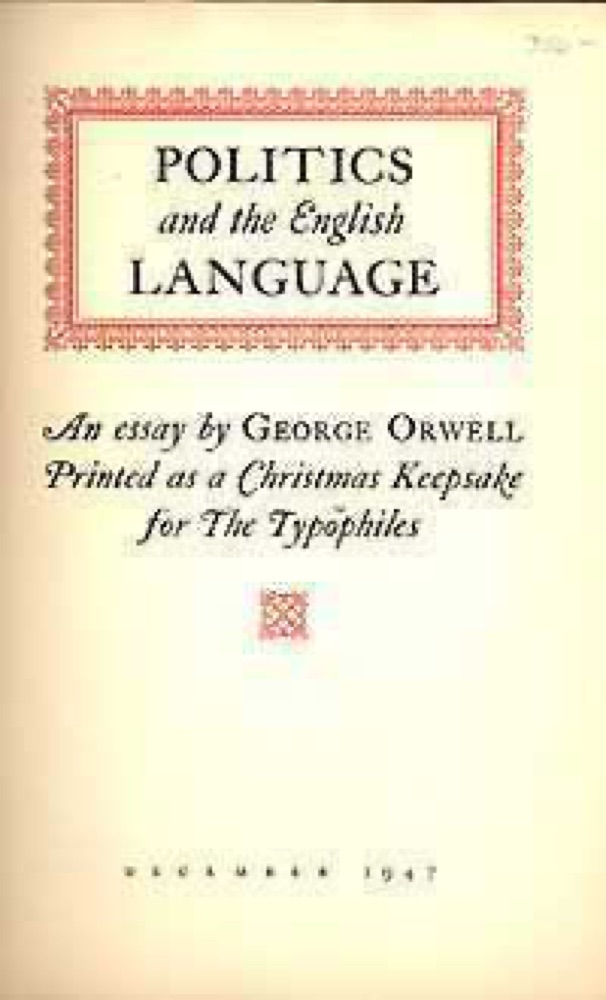
"Politics and the English Language" (1946) is an essay by George Orwell that criticises the "ugly and inaccurate" written English of his time and examines the connection between political orthodoxies and the debasement of language. The essay focuses on political language, which, according to Orwell, "is designed to make lies sound truthful and murder respectable, and to give an appearance of solidity to pure wind." Orwell believed that the language used was necessarily vague or meaningless because it was intended to hide the truth rather than express it.
Book details
- First published
- 1946
- Author
- George Orwell
- Genre
- Nonfiction
- Goodreads rating
- 4.30 (9k ratings)
Keep reading
 Sin and Syntax: How to Craft Wickedly Effective Prose
 The Elements of Eloquence: How to Turn the Perfect English Phrase
 The Elements of Style
 Word by Word: The Secret Life of Dictionaries
 Dreyer's English: An Utterly Correct Guide to Clarity and Style
 Philosophical Investigations
 The Sense of Style: The Thinking Person's Guide to Writing in the 21st Century
 The Mother Tongue: English and How It Got That Way
 Between You & Me: Confessions of a Comma Queen
 The Rhetoric & The Poetics of Aristotle
 Writing Tools: 50 Essential Strategies for Every Writer
 The Unfolding of Language: An Evolutionary Tour of Mankind's Greatest Invention
 Words That Work: It's Not What You Say, It's What People Hear
 Dæmon Voices
 Because Internet: Understanding the New Rules of Language
 Through the Language Glass: Why the World Looks Different in Other Languages
 The Stuff of Thought: Language as a Window into Human Nature
 The Wave in the Mind: Talks and Essays on the Writer, the Reader and the Imagination
 Babel
Babel
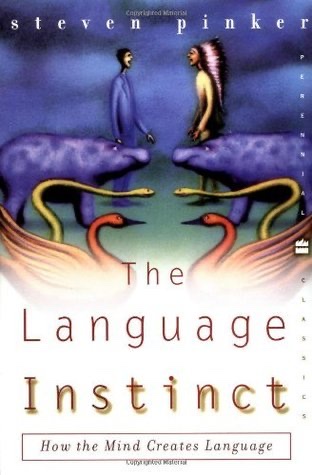 The Language Instinct: How the Mind Creates Language
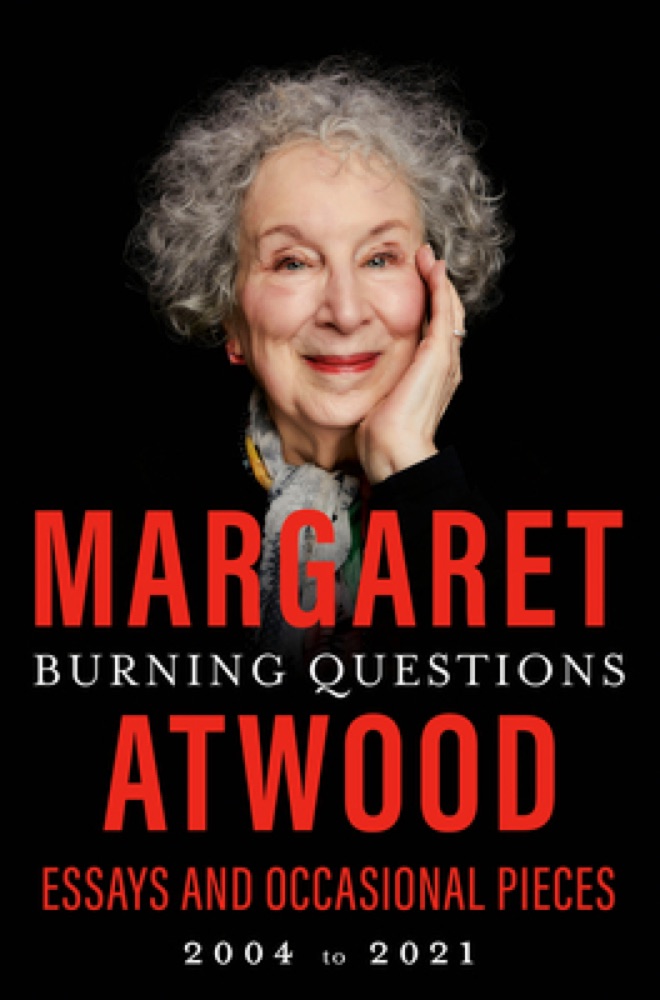 Burning Questions: Essays and Occasional Pieces, 2004 to 2021
 Science and Sanity: An Introduction to Non-Aristotelian Systems and General Semantics
 Consider the Lobster and Other Essays
 Several Short Sentences About Writing
 Amusing Ourselves to Death: Public Discourse in the Age of Show Business
 A Collection of Essays
 How Not to Write a Novel: 200 Classic Mistakes and How to Avoid Them—A Misstep-by-Misstep Guide
 On Writing Well: The Classic Guide to Writing Nonfiction
 Arguably: Selected Essays
 The Triggering Town: Lectures and Essays on Poetry and Writing
 The Professor and the Madman: A Tale of Murder, Insanity and the Making of the Oxford English Dictionary
 Death in the Afternoon
 From Dawn to Decadence: 500 Years of Western Cultural Life, 1500 to the Present
 The Braindead Megaphone
 Letters to a Young Contrarian
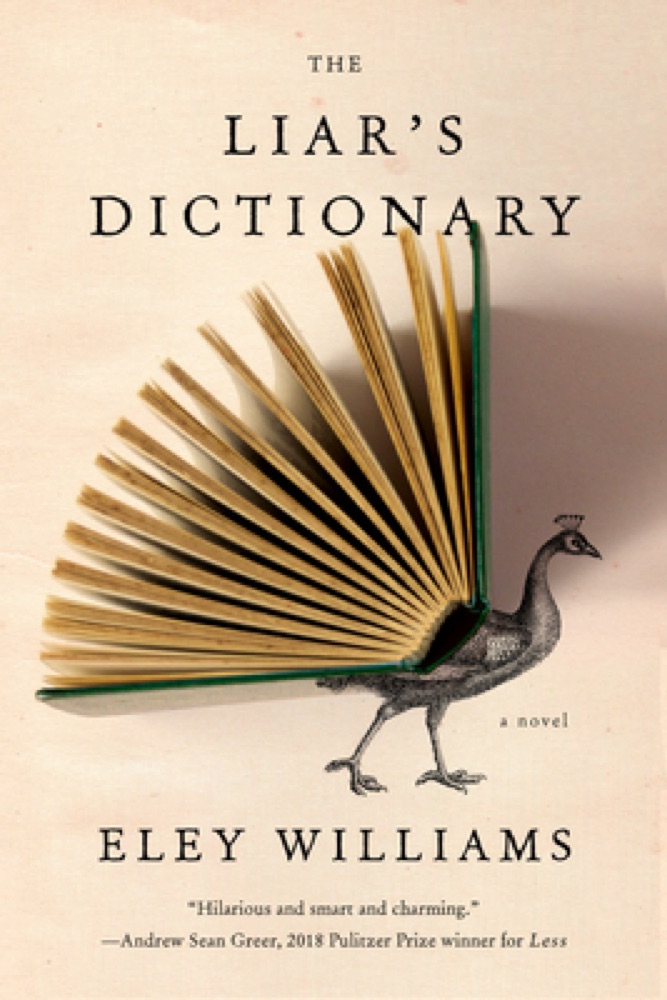 The Liar's Dictionary
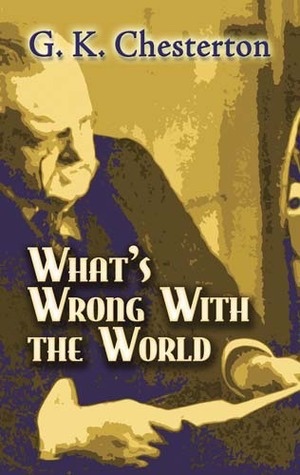 What's Wrong with the World
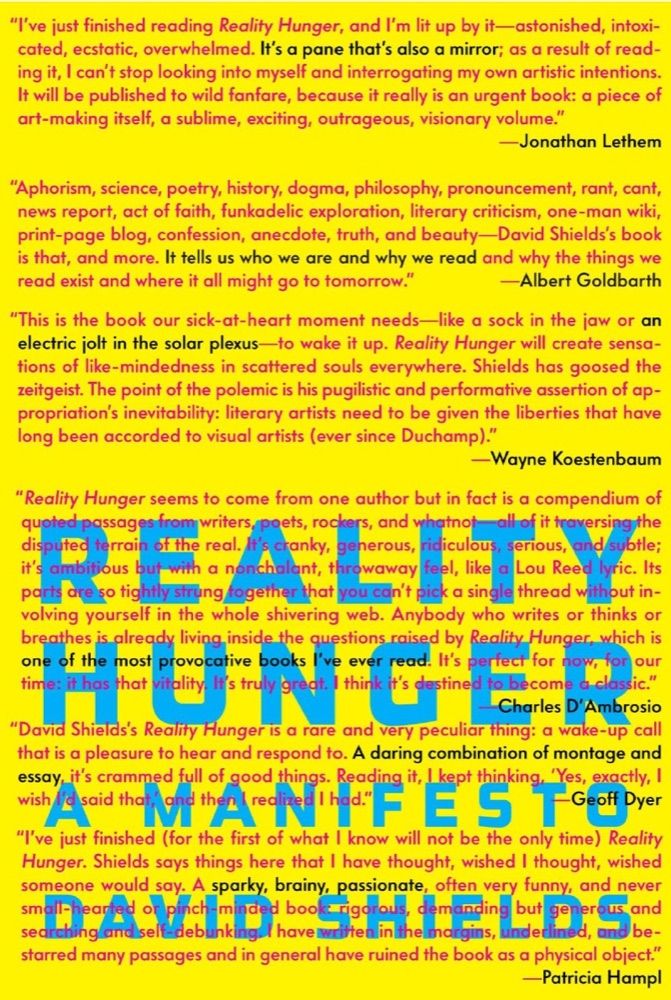 Reality Hunger: A Manifesto
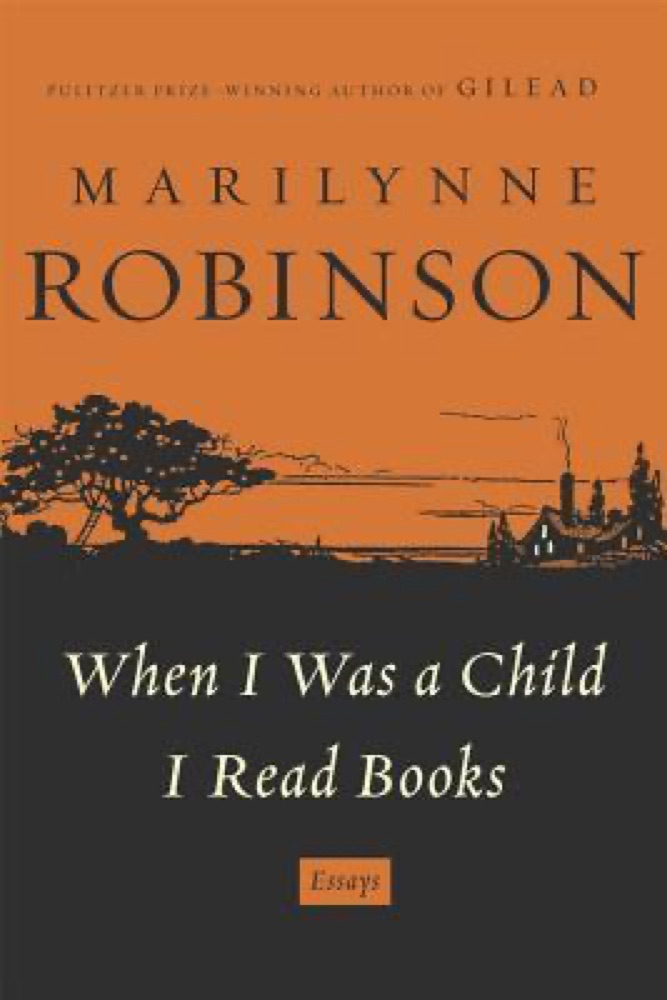 When I Was a Child I Read Books
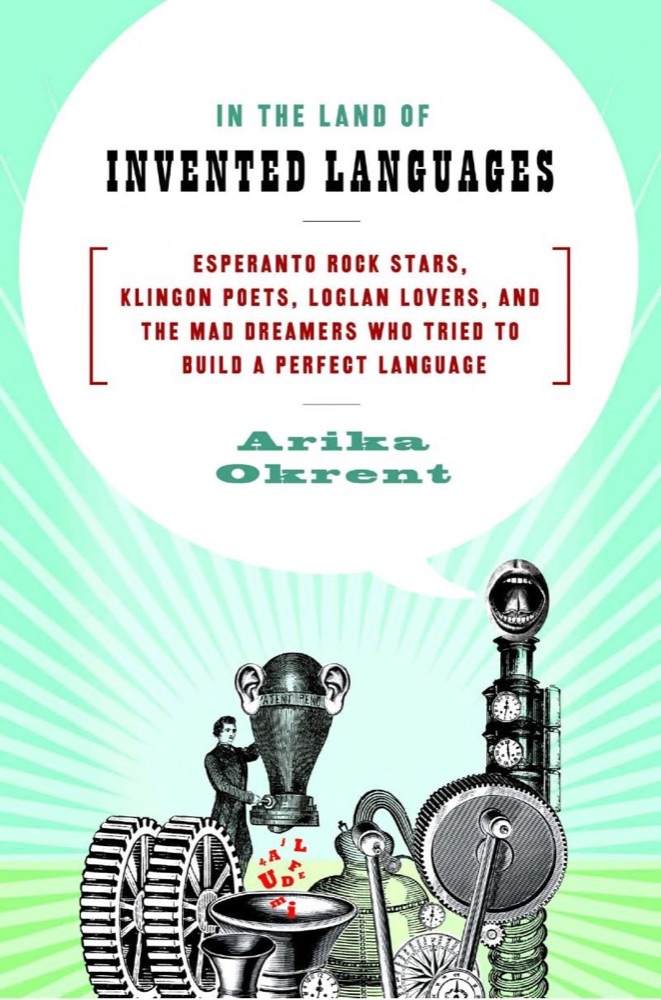 In the Land of Invented Languages: Esperanto Rock Stars, Klingon Poets, Loglan Lovers, and the Mad Dreamers Who Tried to Build a Perfect Language
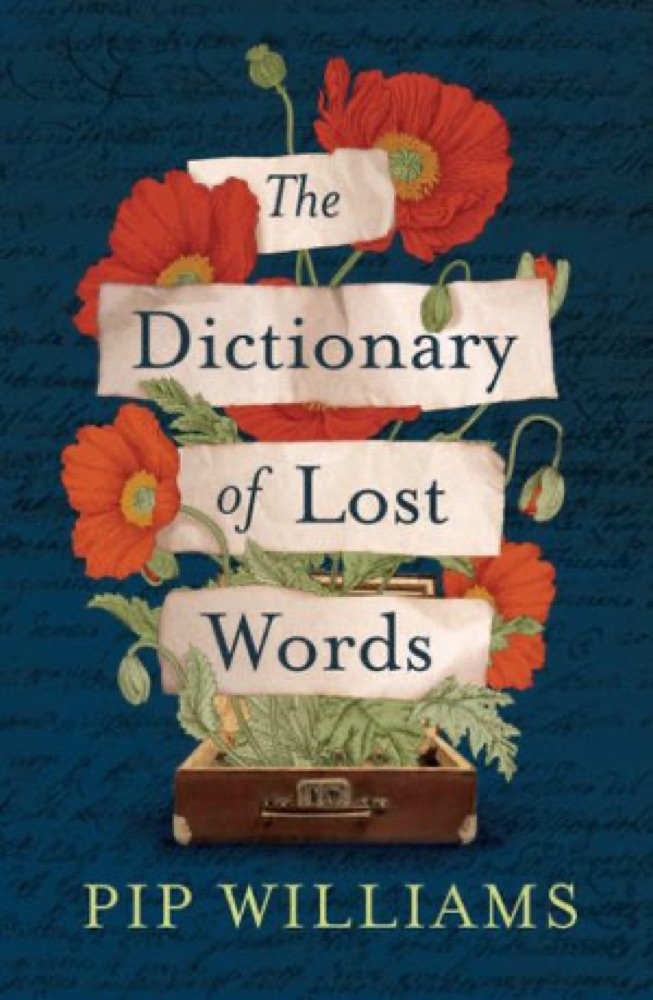 The Dictionary of Lost Words
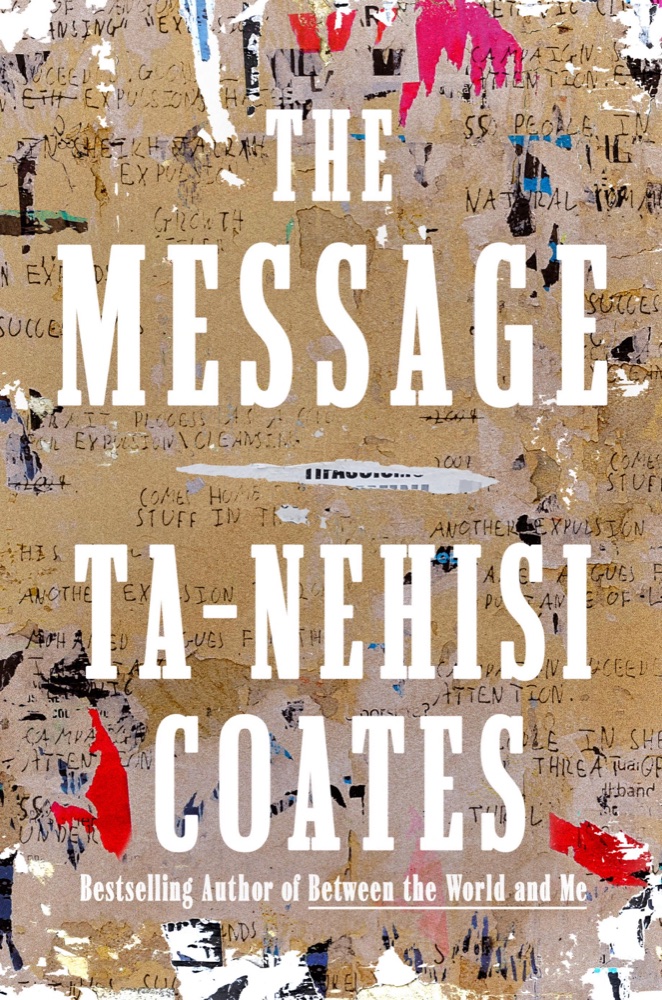 The Message
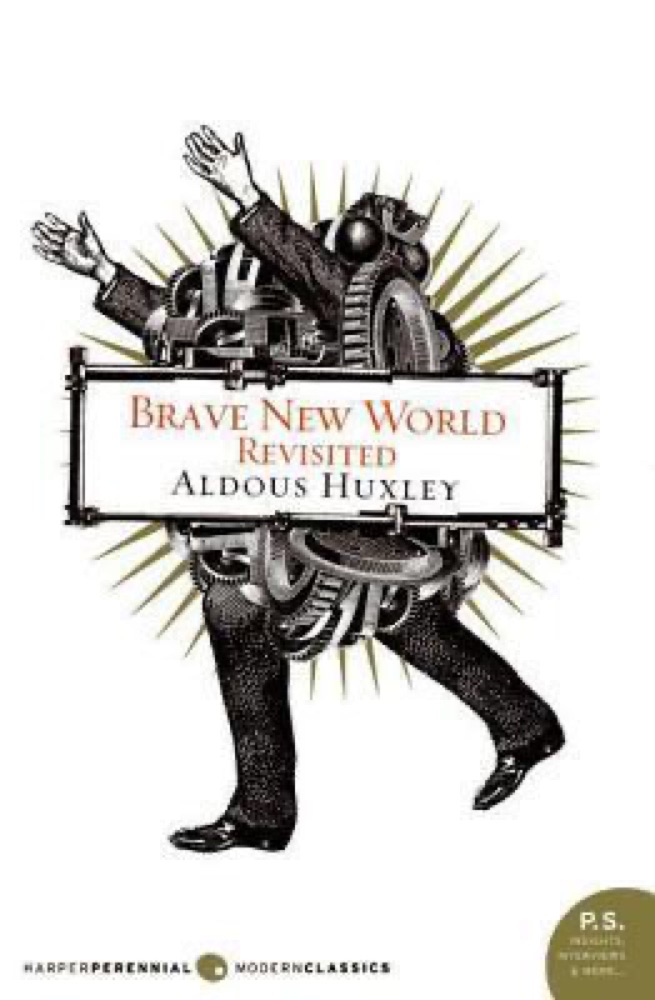 Brave New World Revisited
 Consider This: Moments in My Writing Life After Which Everything Was Different
 Babel-17
 Eats, Shoots & Leaves: The Zero Tolerance Approach to Punctuation
 How to Read Literature
 Flaubert's Parrot
 Literary Theory: An Introduction
 Lexicon
 Watching the English: The Hidden Rules of English Behaviour
 Incidental Inventions
 How to Read a Book: The Classic Guide to Intelligent Reading
 The Master and His Emissary: The Divided Brain and the Making of the Western World
 Parasitic Mind: How Infectious Ideas Are Killing Common Sense
 Understanding Power: The Indispensable Chomsky
 The Magic Mountain
 Hitch-22: A Memoir
 Philosophical Dictionary
 Heretics