
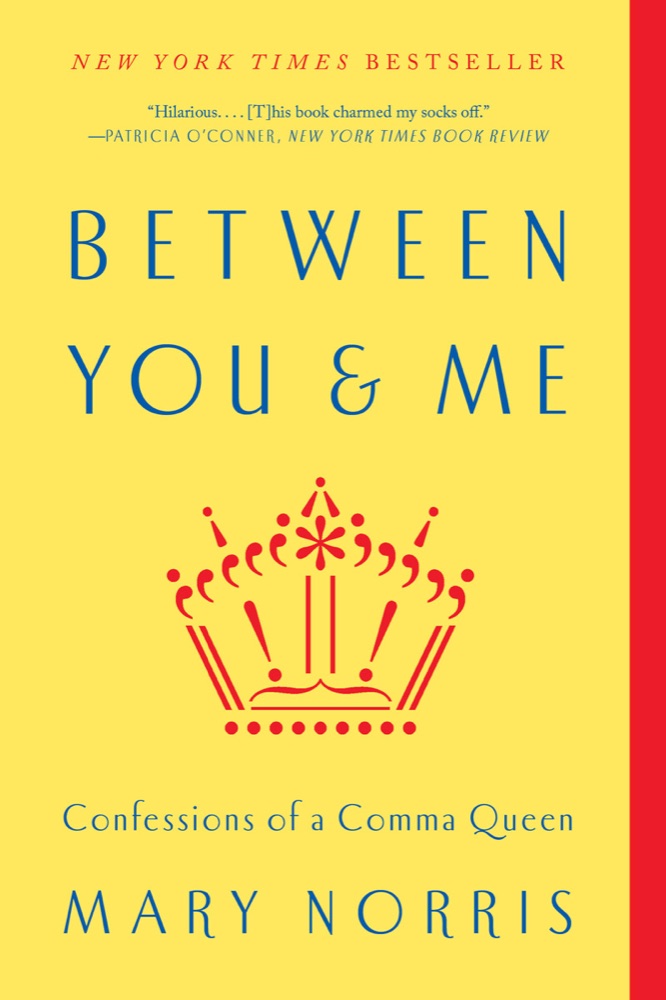
 Between You & Me: Confessions of a Comma Queen
Quotes from the Book
A good sentence, I find myself saying frequently, is one that the reader can follow from beginning to end, no matter how long it is, without having to double back in confusion because the writer misused or omitted a key piece of punctuation, chose a vague or misleading pronoun, or in some other way engaged in inadvertent misdirection.
12
The things I like best in T. S. Eliot’s poetry, especially in the Four Quartets, are the semicolons. You cannot hear them, but they are there, laying out the connections between the images and the ideas. Sometimes you get a glimpse of a semicolon coming, a few lines farther on, and it is like climbing a steep path through woods and seeing a wooden bench just at a bend in the road ahead, a place where you can expect to sit for a moment, catching your breath.
8
Only godless savages eschew the series comma. No sentence has ever been harmed by a series comma, and many a sentence has been improved by one.
4
Step back, I’m about to hit the CAPS LOCK key. DO NOT EVER ATTEMPT TO USE AN APOSTROPHE TO PLURALIZE A WORD. “NOT EVER” AS IN “NEVER.” You may reapproach.
4
But who could possibly read such a sentence and think such a thing? And that’s often the problem, isn’t it? In writing and in so many things: that we accept things we’re taught without thinking about them at all.
3
If there’s a less classy word in the English language to describe classiness than “classy,” I’d like to know what it is.
3
That the French have had for centuries an académie that keeps a sharp and controlling eye on their language is why it’s easier for a modern French speaker to read and understand Molière than it is for a modern English speaker to read and understand Shakespeare.
2
A lot can be accomplished in the conveyance of eccentricity of speech with word choice and word order. Make good use of those.
2
You’re attempting to burrow into the brains of your writers and do for, to, and with their prose what they themselves might have done for, to, and with it had they not already looked at each damn sentence 657 times.
2
Beyond this [checking for spelling, punctuation, and grammar] is where copyediting can elevate itself from what sounds like something a passably sophisticated piece of software should be able to accomplish--it can't, not for style, not for grammar (even if it thinks it can), and not even for spelling (more on spelling, much more on spelling, later)--to true craft. On a good day, it achieves something between a really thorough teeth cleaning--as a writer once described it to me--and a whiz-bang magic act.
1
All this said, there’s nothing wrong with sentences constructed in the passive voice – you’re simply choosing where you want to put the sentence’s emphasis – and I see nothing objectionable in, say, The floors were swept, the beds made, the rooms aired out. Since the point of interest is the cleanness of the house and not the identity of the cleaner. But many a sentence can be improved by putting its true protagonist at the beginning, so that’s something to be considered.fn10
1
If you can append ‘by zombies’ to the end of a sentence (or, yes, ‘by the clown’), you’ve indeed written a sentence in the passive voice.
1
People who are in the business of hating the relatively new-fashioned use of “begs the question” hate it vehemently, and they hate it loudly. Unfortunately, subbing in “raises the question” or “inspires the query” or any number of other phrasings fools no one; one can always detect the deleted “begs the question,” a kind of prose pentimento, for those of you who were paying attention in art history class or have read Lillian Hellman’s thrilling if dubiously accurate memoir.
1
As a lexicographer friend once confided over sushi, the dictionary takes its cues from use: If writers don’t change things, the dictionary doesn’t change things.
1
I know that back when you were in seventh-grade typing class and pecking away at your Smith Corona Coronet Automatic 12, Mrs. Tegnell taught you to type a double space after a sentence-ending period, but you are no longer in the seventh grade, you are no longer typing on a typewriter, and Mrs. Tegnell is no longer looking over your shoulder.
1
And that’s often the problem, isn’t it? In writing and in so many things: that we accept things we’re taught without thinking about them at all.
1
He implied without saying." ...I scarcely had the heart to cross out "without quite saying" and to note in the margin, politely and succinctly,
1
A reversal is a total 180.*10 If you do a total 360, you’re facing the same direction as when you began.
1
EVERYDAY/EVERY DAY “Everyday” is an adjective (“an everyday occurrence”), “every day” an adverb (“I go to work every day”).
1
The English alphabet is comprised of twenty-six letters.” Cue the sirens, because here come the grammar cops. Use plain “comprise” to mean “made up of” and you’re on safe ground. But as soon as you’re about to attach the word “of” to the word “comprise,” raise your hands to the sky and edit yourself. Once you’ve lowered your hands.
1
think of this as the “Jane Austen Did It So It Must Be OK” school of wordsmithery, but it’s not a school I attend. I don’t punctuate like Jane Austen; I feel no compunction to otherwise English like Jane Austen. If our infinitely malleable language gains in expansion, invention, and reinvention, it can also, for the sake of precision and clarity, benefit from occasionally having its screws tightened, and not every centuries-old definition need be retained when a word has, over time, accumulated more meanings than are perhaps useful.
1
Pieter Bruegel the Elder. Sixteenth century Flemish painter. The Matthew McConaughey of his era as no one can ever quite remember how to spell his name.
1
De rigueur. A fancy-schmancy adjective meaning “required or prescribed by fashion”. To misspell it is the ne plus ultra of failed pretention.
1
48 On a Mac, you can create an en dash by typing option-hyphen. On an iPhone, if you lean gently on the hyphen key, an en dash will present itself, as well as an em dash and a bullet. On a PC, I believe one types command–3–do the hokey pokey, or some such.
1
I suppose I might just say “If it starts with a capital letter, look it up” and end this chapter right here, but where would be the fun in that?
1
No live organism can continue for long to exist sanely under conditions of absolute reality; even larks and katydids are supposed, by some, to dream. Hill House, not sane, stood by itself against its hills, holding darkness within; it had stood so for eighty years and might stand for eighty more. Within, walls continued upright, bricks met neatly, floors were firm, and doors were sensibly shut; silence lay steadily against the wood and stone of Hill House, and whatever walked there, walked alone.*30
1
BASED OFF OF No. Just no. “An intentional tremor, with prepositions,” as a friend described it. The inarguably—so don’t argue with me—correct phrase is “based on.
1
There’s nothing to be gained by referring to the playwright Tennessee Williams as “the famous playwright Tennessee Williams.” If a person is famous enough to be referred to as famous, there’s no need to refer to that person as famous, is there. Neither is there much to be gained by referring to “the late Tennessee Williams,” much less “the late, great Tennessee Williams,” which is some major cheese. I’m occasionally asked how long a dead person is appropriately late rather than just plain dead. I don’t know, and apparently neither does anyone else.
1
Footnote pop quiz: Why, then, would I hyphenate the likes of “scholarly-looking teenagers” or “lovely-smelling flowers”? Because not all “-ly” words are adverbs. Sometimes they’re adjectives. Really, I’m sorry.
1
Watch on YouTube
About Benjamin Dreyer
We have collected 29 quotes from 1 book by Benjamin Dreyer on BookQuoters.
More about the author →About the book
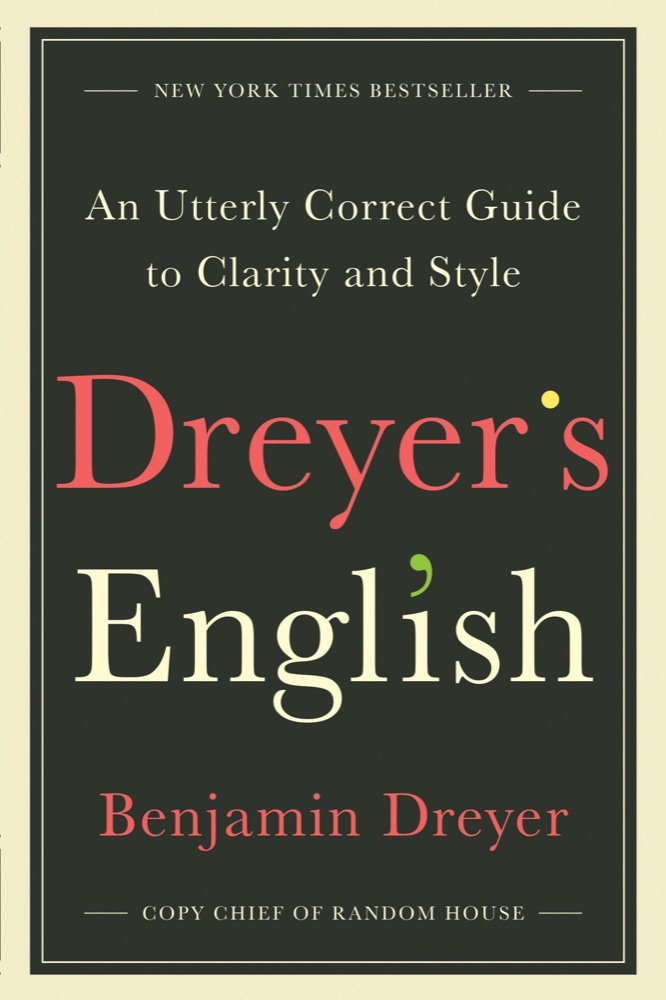
A witty, informative guide to writing "good English" from Random House's longtime copy chief and one of Twitter's leading enforcers of proper grammar--a twenty-first-century Elements of Style
As authoritative as it is amusing, this book distills everything Benjamin Dreyer has learned from the hundreds of books he has copyedited, including works by Elizabeth Strout, E. L. Doctorow, and Frank Rich, into a useful guide not just for writers but for everyone who wants to put their best foot forward in writing prose. Dreyer offers lessons on the ins and outs of punctuation and grammar, including how to navigate the words he calls "the confusables," like tricky homophones; the myriad ways to use (and misuse) a comma; and how to recognize--though not necessarily do away with--the passive voice. (Hint: If you can plausibly add "by zombies" to the end of a sentence, it's passive.)
People a
Book details
- First published
- 2019
- Author
- Benjamin Dreyer
- Genre
- Nonfiction
- Goodreads rating
- 4.34 (10k ratings)
The buzz
- The New YorkerReview in The New Yorkerprofessional review (via Book Marks)
- The Wall Street JournalReview in The Wall Street Journalprofessional review (via Book Marks)
- The GuardianReview in The Guardianprofessional review (via Book Marks)
- The AtlanticReview in The Atlanticprofessional review (via Book Marks)
- The Times Literary SupplementReview in The Times Literary Supplementprofessional review (via Book Marks)
- Kirkus ReviewsReview in Kirkus Reviewsprofessional review (via Book Marks)
Keep reading
Between You & Me: Confessions of a Comma Queen
 Sin and Syntax: How to Craft Wickedly Effective Prose
 The Elements of Style
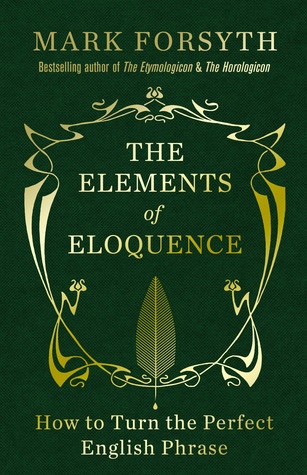 The Elements of Eloquence: How to Turn the Perfect English Phrase
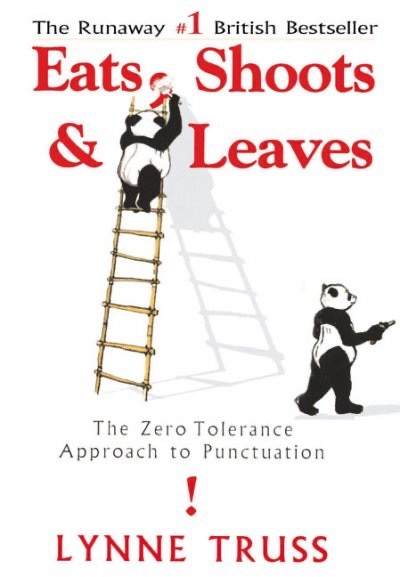 Eats, Shoots & Leaves: The Zero Tolerance Approach to Punctuation
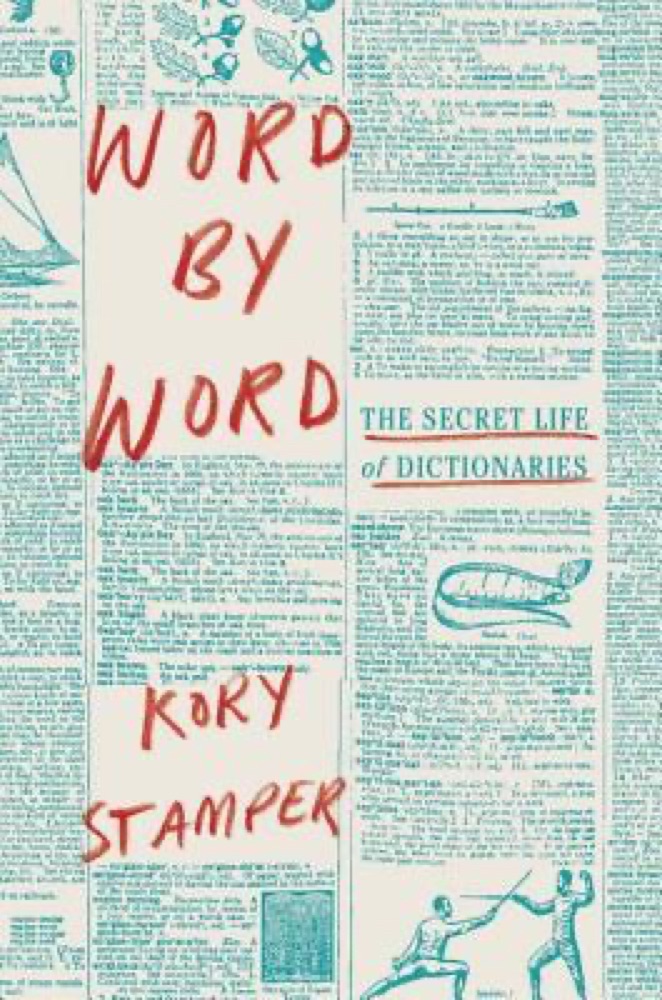 Word by Word: The Secret Life of Dictionaries
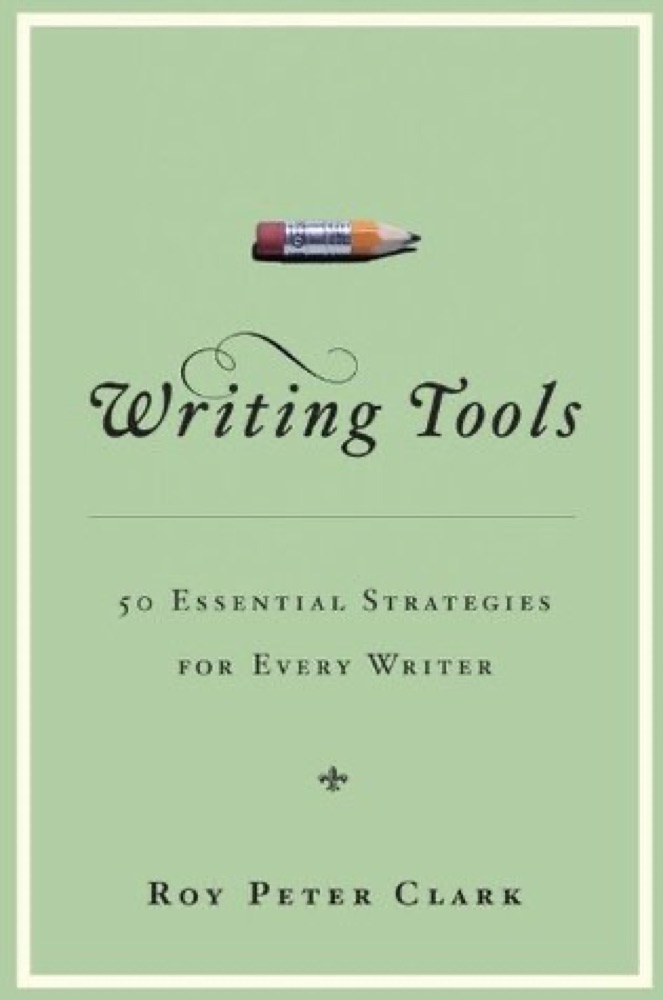 Writing Tools: 50 Essential Strategies for Every Writer
 Several Short Sentences About Writing
 How Not to Write a Novel: 200 Classic Mistakes and How to Avoid Them—A Misstep-by-Misstep Guide
 The Sense of Style: The Thinking Person's Guide to Writing in the 21st Century
 On Writing Well: The Classic Guide to Writing Nonfiction
 The Mother Tongue: English and How It Got That Way
 Politics and the English Language
 Because Internet: Understanding the New Rules of Language
 The Liar's Dictionary
 The Anthologist
 Reading Like a Writer: A Guide for People Who Love Books and for Those Who Want to Write Them
 Babel-17
 Consider This: Moments in My Writing Life After Which Everything Was Different
 The Grammarians
 On Writing
 The Unfolding of Language: An Evolutionary Tour of Mankind's Greatest Invention
 The Triggering Town: Lectures and Essays on Poetry and Writing
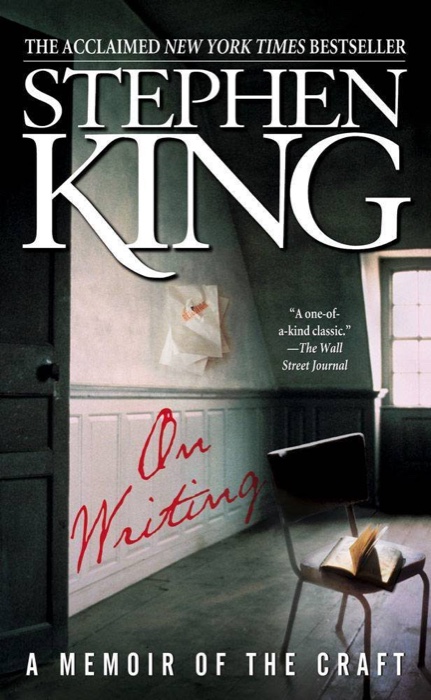 On Writing: A Memoir of the Craft
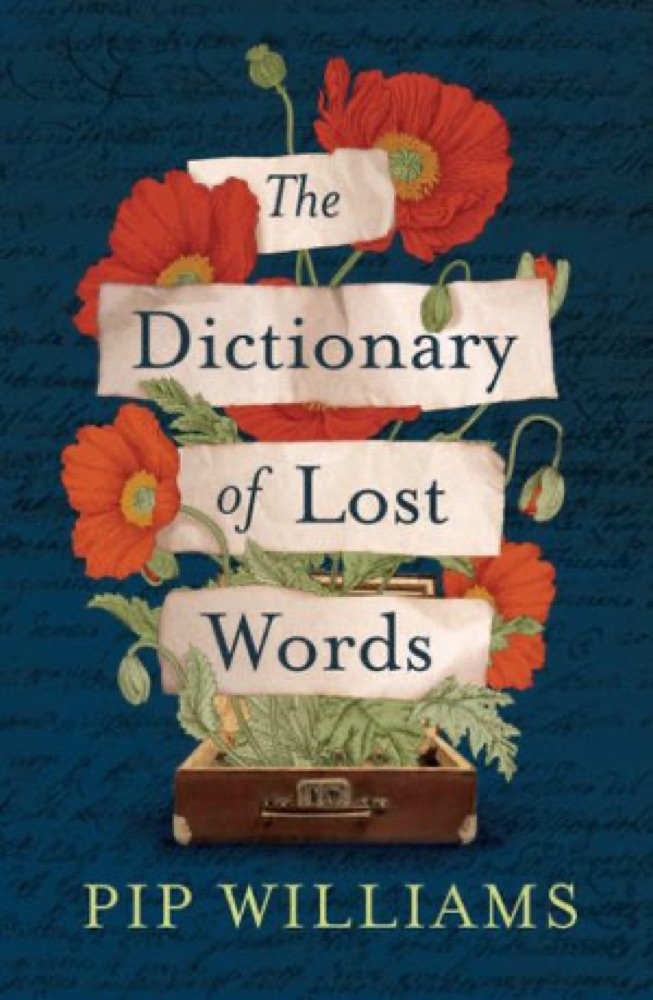 The Dictionary of Lost Words
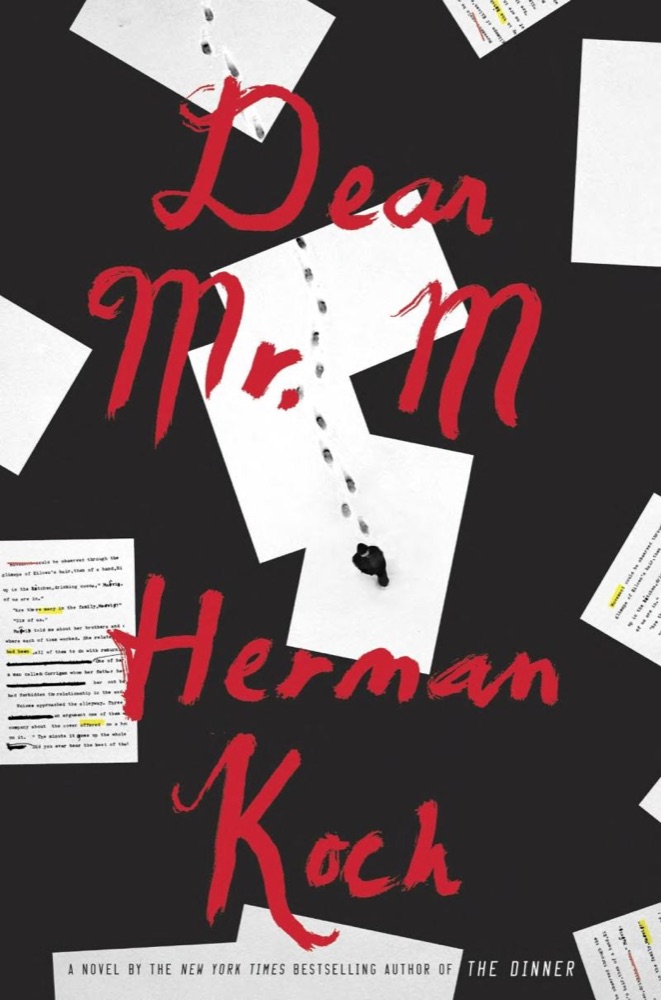 Dear Mr. M
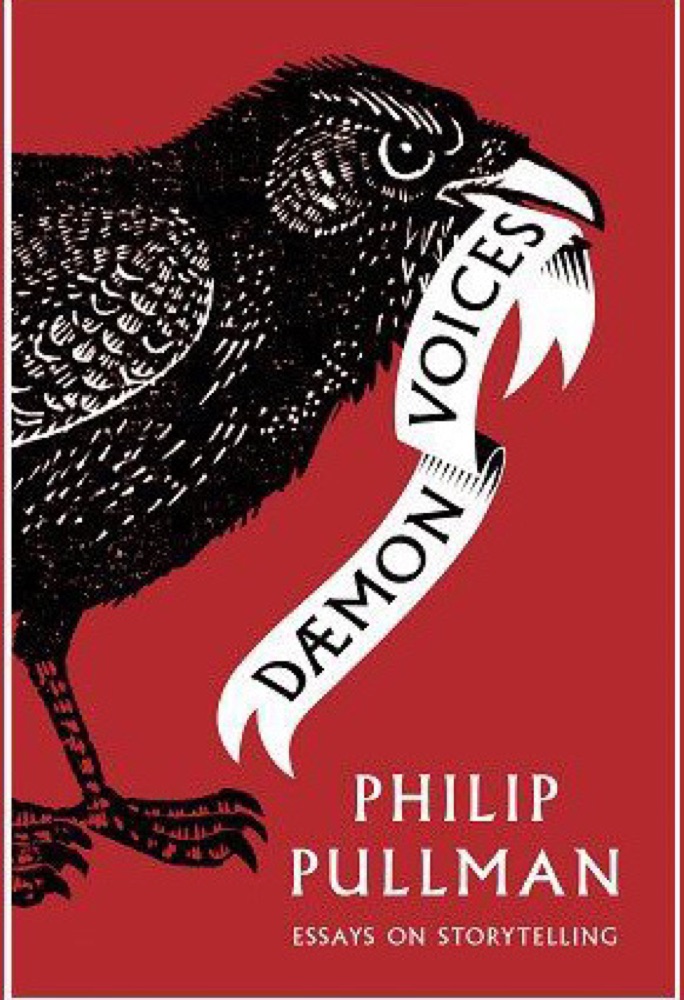 Dæmon Voices
 The Language Instinct: How the Mind Creates Language
 The Know-It-All
 Philosophical Investigations
 Burning Questions: Essays and Occasional Pieces, 2004 to 2021
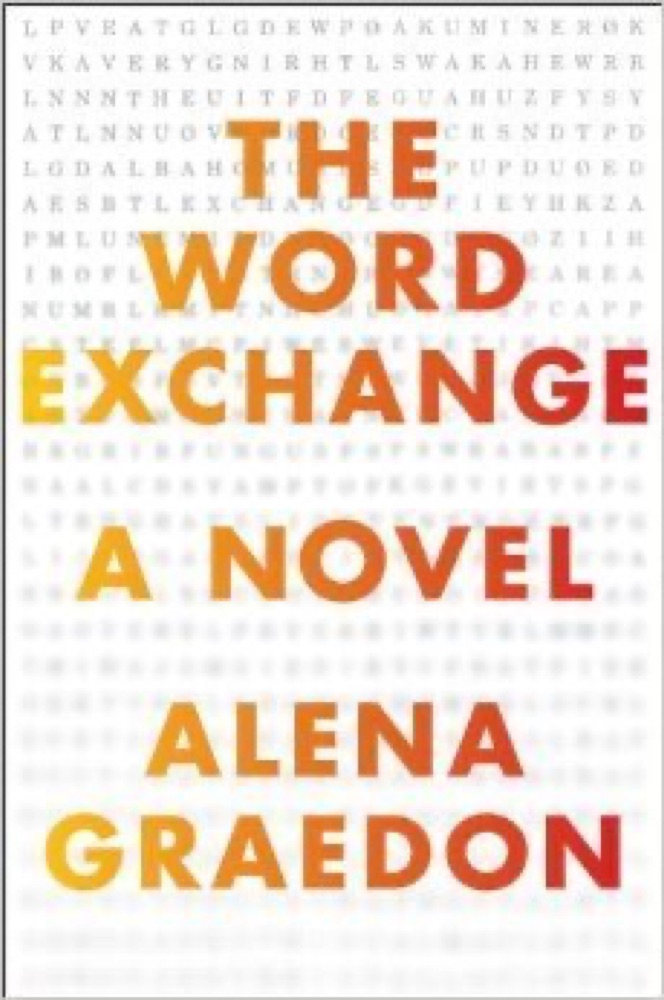 The Word Exchange
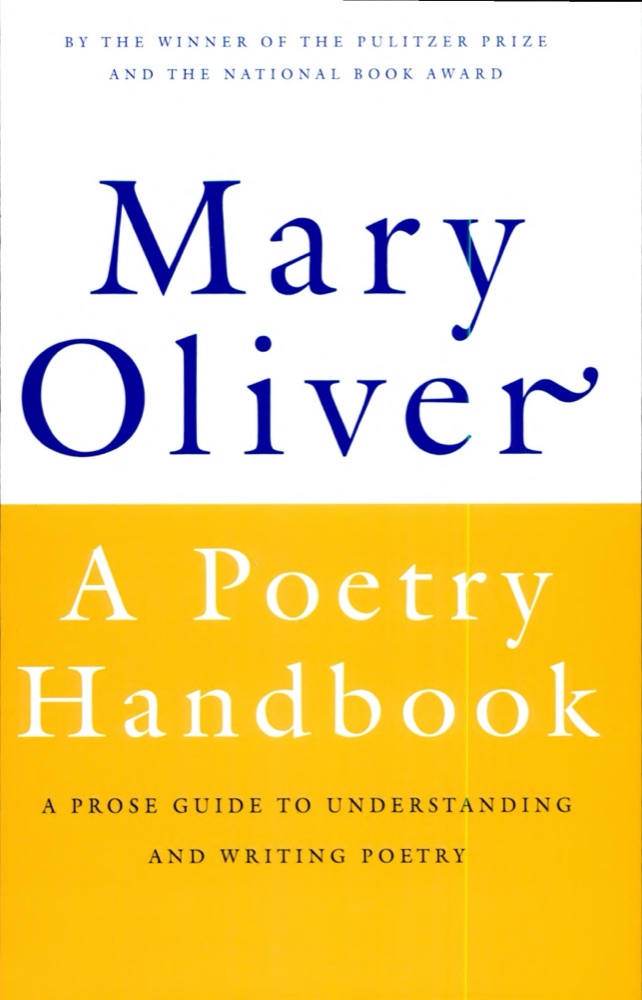 A Poetry Handbook
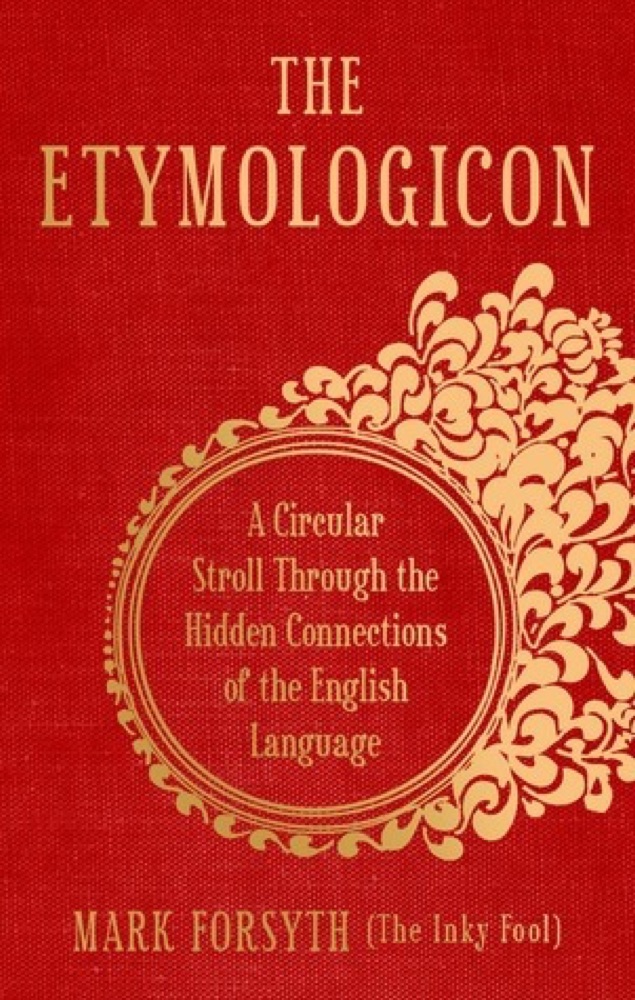 The Etymologicon: A Circular Stroll through the Hidden Connections of the English Language
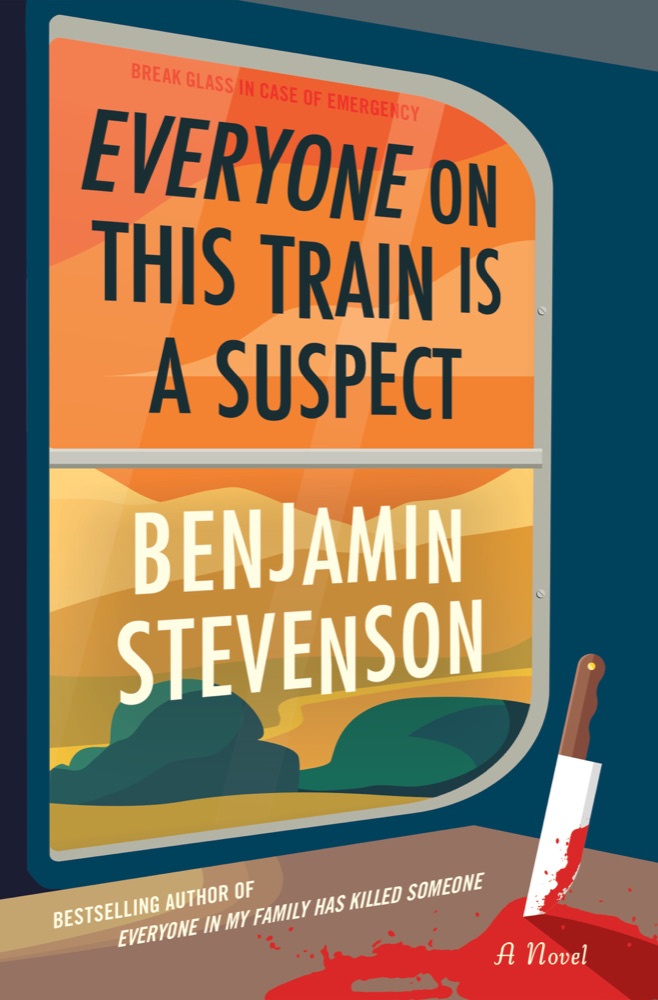 Everyone on This Train Is a Suspect
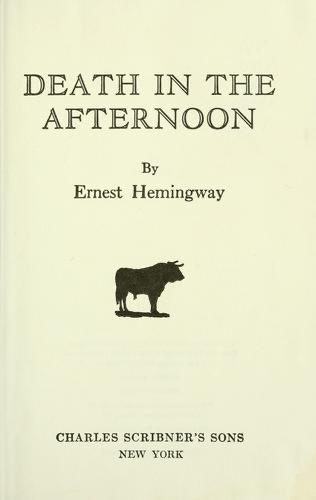 Death in the Afternoon
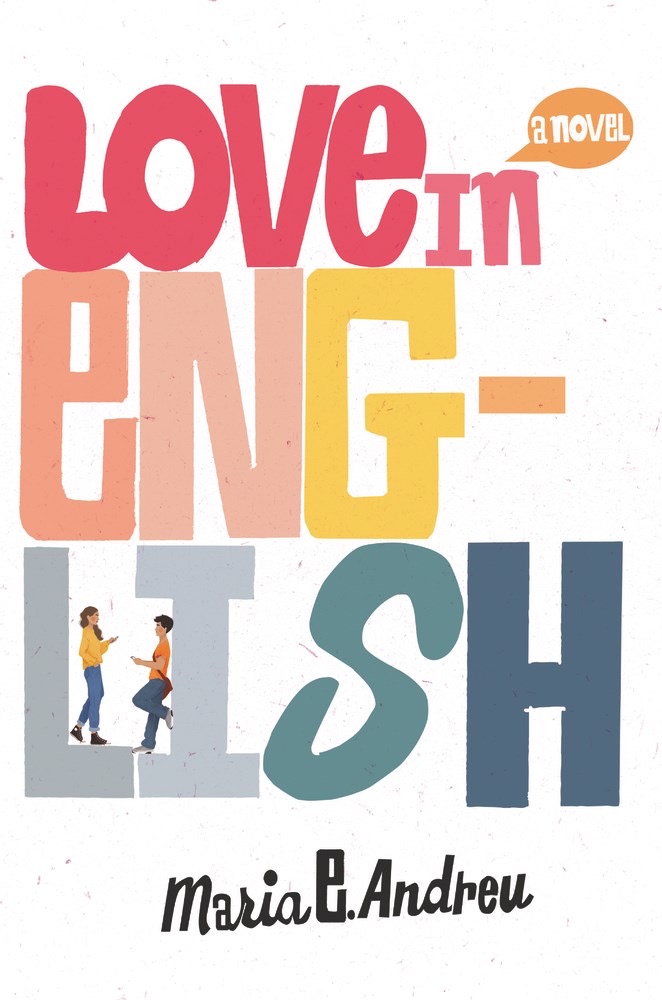 Love in English
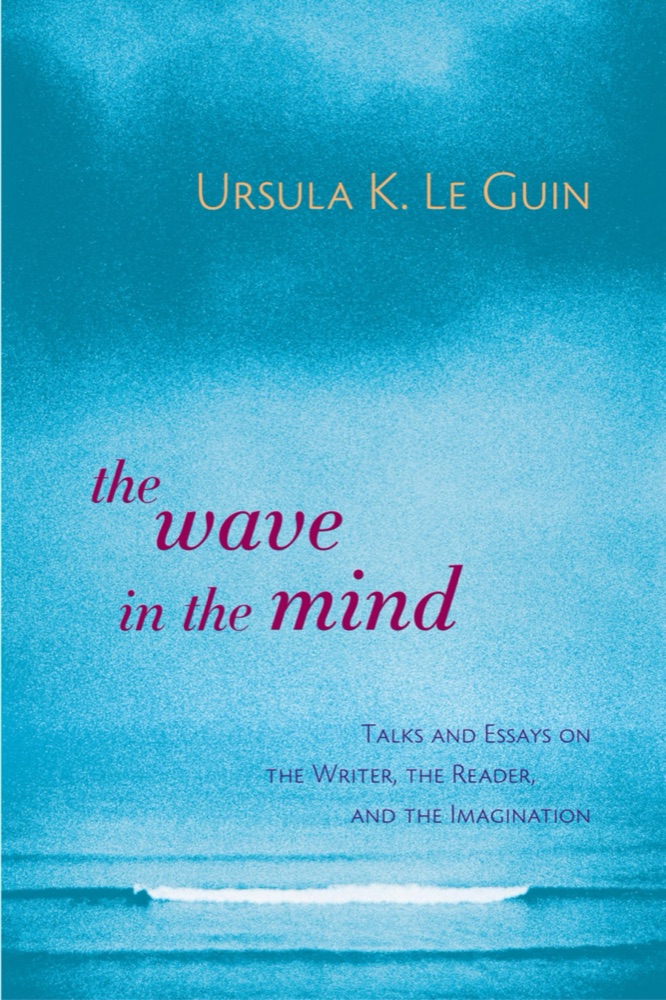 The Wave in the Mind: Talks and Essays on the Writer, the Reader and the Imagination
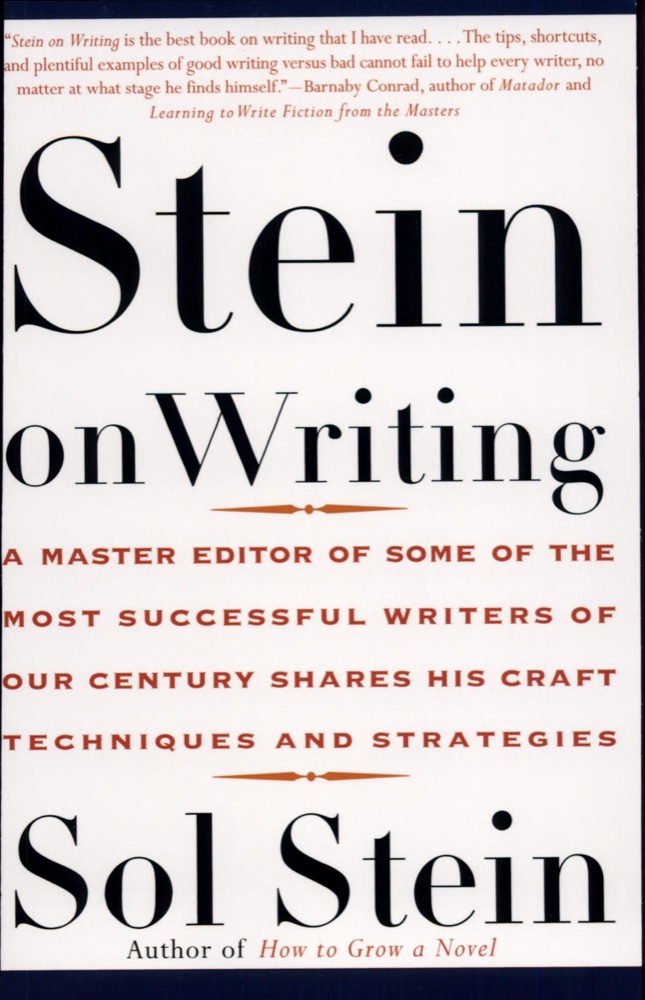 Stein on Writing
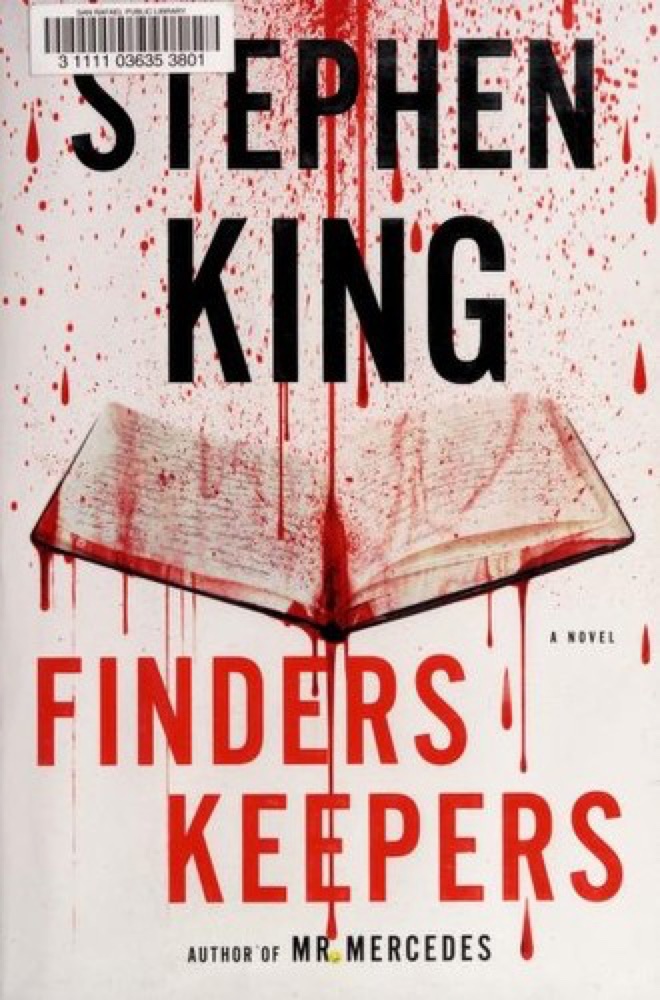 Finders Keepers
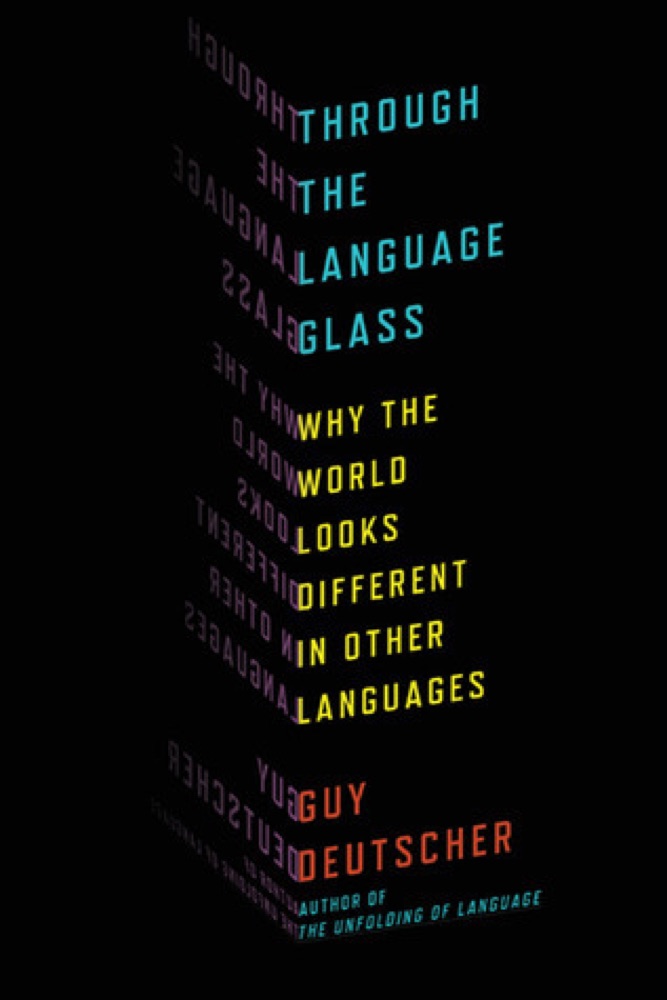 Through the Language Glass: Why the World Looks Different in Other Languages
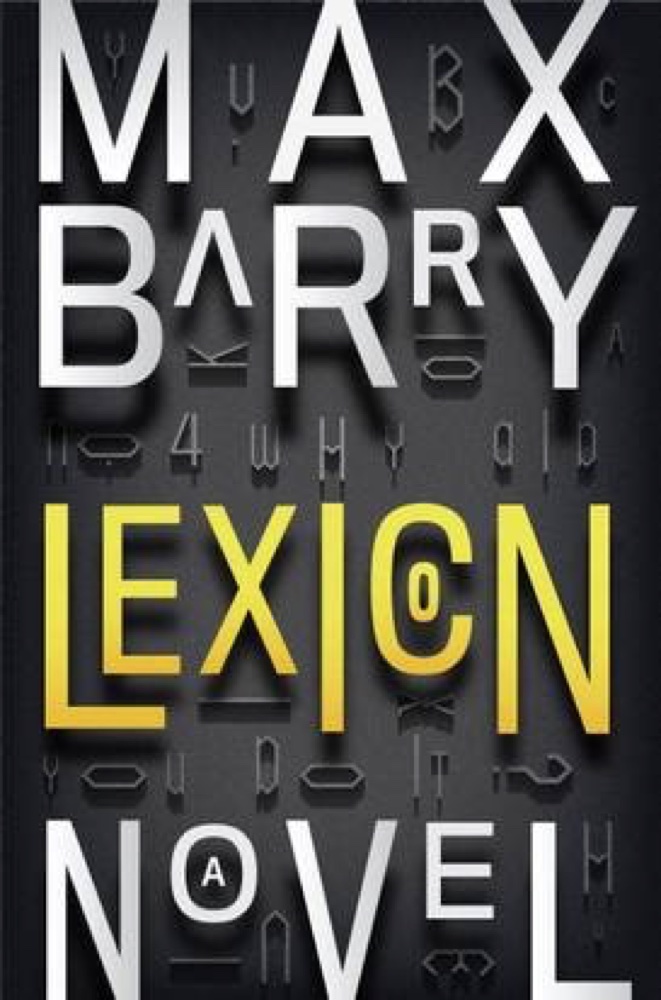 Lexicon
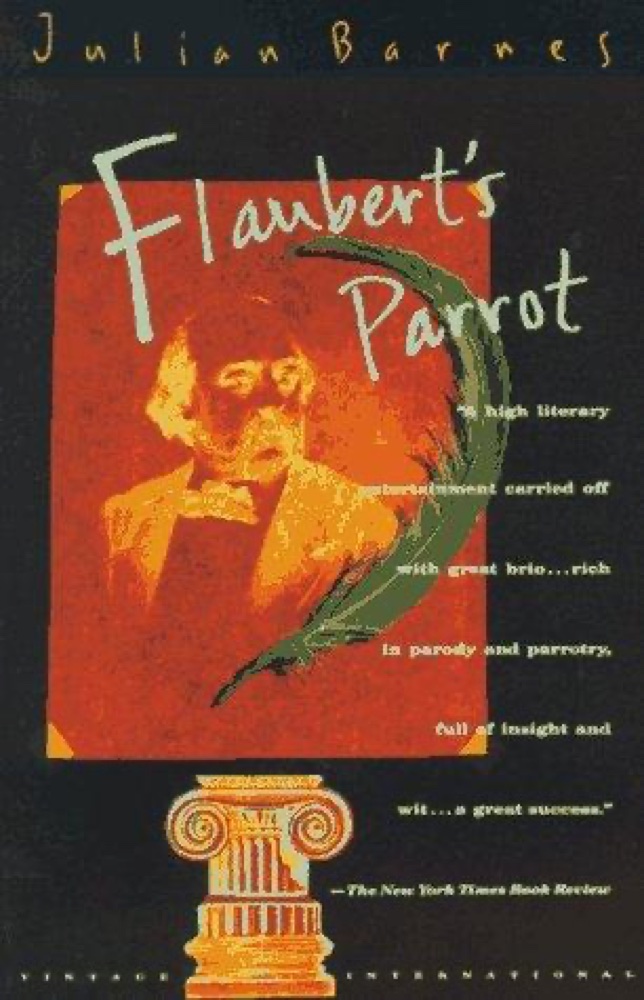 Flaubert's Parrot
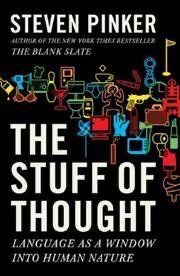 The Stuff of Thought: Language as a Window into Human Nature
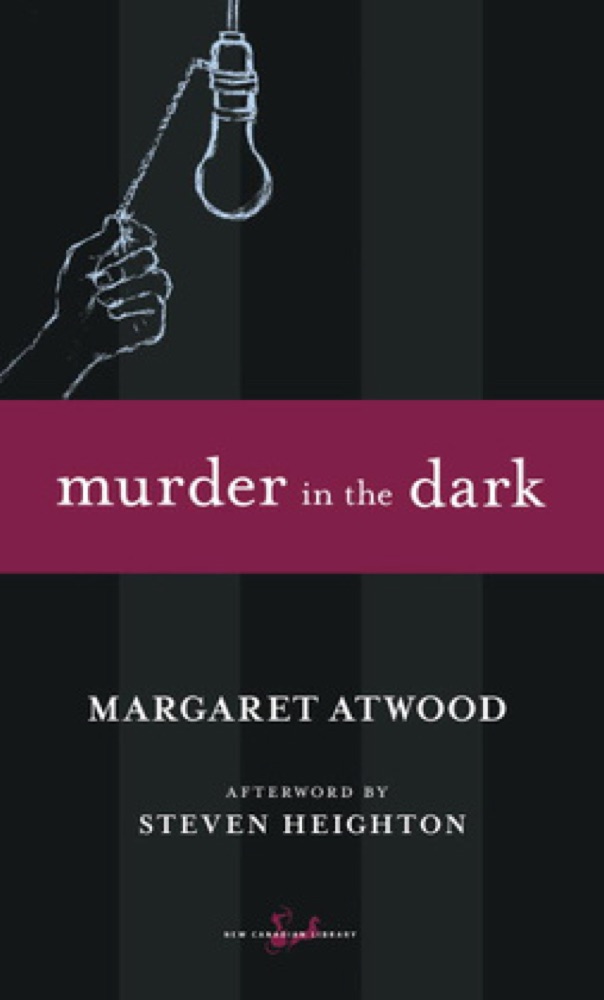 Murder in the Dark: Short Fictions and Prose Poems
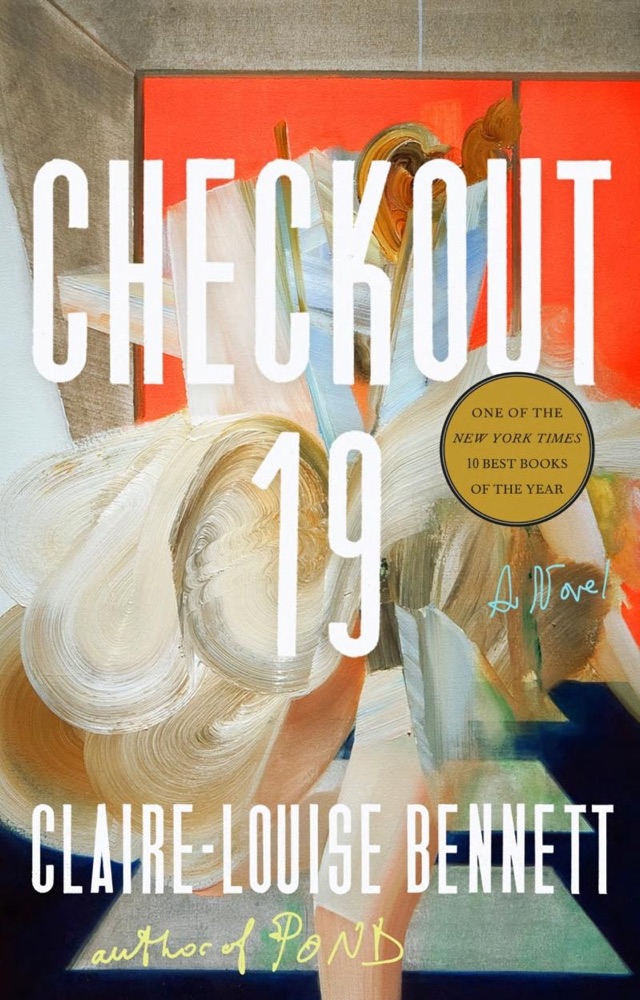 Checkout 19
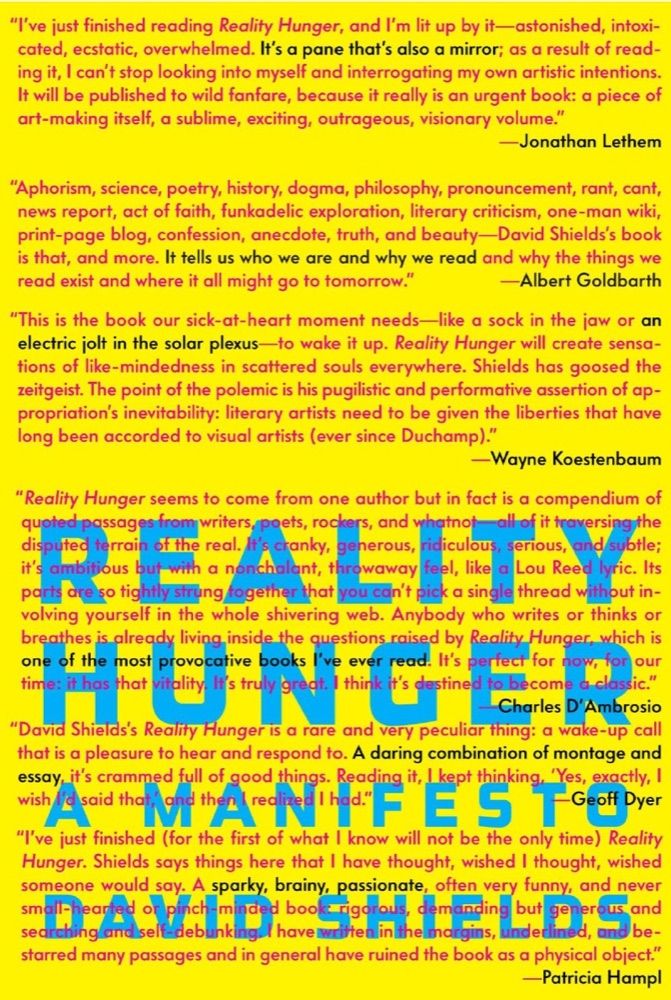 Reality Hunger: A Manifesto
 How to Read a Book: The Classic Guide to Intelligent Reading
 The Professor and the Madman: A Tale of Murder, Insanity and the Making of the Oxford English Dictionary
 A Slip of the Keyboard: Collected Non-Fiction
 On Writing
 The Ghost
 The Well of Lost Plots
 The Name of This Book Is Secret
 Old School
 The Writing Life
 The Writing Class
 The Salmon of Doubt
 Watching the English: The Hidden Rules of English Behaviour
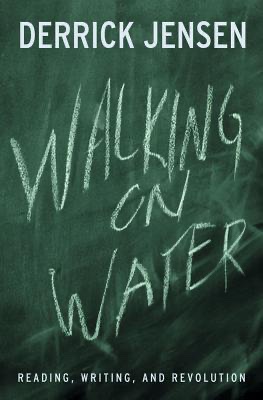 Walking on Water: Reading, Writing, and Revolution