
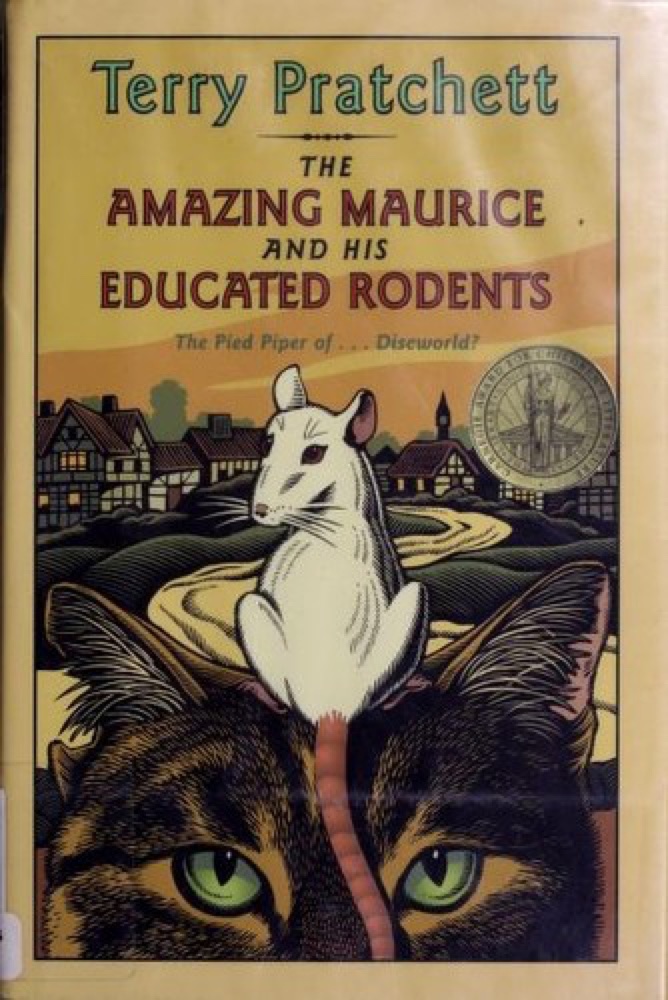
 The Amazing Maurice and His Educated Rodents
Quotes from the Book
You want fantasy? Here's one... There's this species that lives on a planet a few miles above molten rock and a few miles below a vacuum that'd suck the air right out of them. They live in a brief geological period between ice ages, when giant asteroids have temporarily stopped smacking into the surface. As far as they can tell, there's nowhere else in the universe where they could stay alive for ten seconds. And what do they call their fragile little slice of space and time? They call it real life.
60
Before you can kill the monster you have to say its name.
45
Why does the third of the three brothers, who shares his food with the old woman in the wood, go on to become king of the country? Why does James Bond manage to disarm the nuclear bomb a few seconds before it goes off rather than, as it were, a few seconds afterwards? Because a universe where that did not happen would be a dark and hostile place. Let there be goblin hordes, let there be terrible environmental threats, let there be giant mutated slugs if you really must, but let there also be hope. It may be a grim, thin hope, an Arthurian sword at sunset, but let us know that we do not live in vain.
43
And I went on reading; and, since if you read enough books you overflow, I eventually became a writer.
27
Escapism isn't good or bad of itself. What is important is what you are escaping from and where you are escaping to. I write from experience, since in my case I escaped to the idea that books could be really enjoyable, an aspect of reading that teachers had not hitherto suggested.
24
Far more beguiling than the idea that evil can be destroyed by throwing a piece of expensive jewelry into a volcano is the possibility that evil can be defused by talking. The fantasy of justice is more interesting than the fantasy of fairies, and more truly fantastic.
23
Sitting in front of a keyboard and a screen is work. Thousands of offices operate on this very principle.
17
Not long ago I was invited to a librarians’ event by a lady who cheerfully told me, “We like to think of ourselves as ‘information providers.’” I was appalled by this want of ambition; I made my excuses and didn’t go. After all, if you have a choice, why not call yourselves “Shining Acolytes of the Sacred Flame of Literacy in a Dark and Encroaching Universe”? I admit this is hard to put on a button, so why not abbreviate it to “librarians”?
16
More than half the skill of writing lies in tricking the book out of your own head.
16
I'm just capable of entertaining the fantastic idea that, in certain circumstances, Homo sapiens might actually be capable of thinking. It must be worth a go, since we've tried everything else.
16
But it’s what I call “The Valley Filled with Clouds” technique. You’re at the edge of the valley, and there is a church steeple, and there is a tree, and there is a rocky outcrop, but the rest of it is mist. But you know that because they exist, there must be ways of getting from one to the other that you cannot see. And so you start the journey. And when I write, I write a draft entirely for myself, just to walk the valley and find out what the book is going to be all about.
16
Apply logic in places where it wasn’t intended to exist.
15
So, instead, I give tips on how to be a professional boxer. A good diet is essential, of course, as is a daily regime of exercise. Pay attention to your footwork, it will often get you into trouble. Go down to the gym every day – every day of your life that finds you waking up capable of standing. Take every opportunity to watch a good professional fight. In fact watch as many bouts as you can, because you can even learn something from the fighters who get it wrong. Don’t listen to what they say, watch what they do. And don’t forget the diet and the exercise and the roadwork. Got it? Well, becoming a writer is basically exactly the same thing, except that it isn’t about boxing.
13
Of course fantasy is escapist. Most stories are. So what? Teachers are not meant to be jailers.
12
My first novel was published by the first publisher I sent it to. And so I’ve been learning as I go, and I find it now rather embarrassing that people beginning the Discworld series start with The Colour of Magic and The Light Fantastic, which I don’t think are some of the best books to start with. This is the author saying this, folks. Do not start at the beginning with Discworld.
12
I'd better say at the start that I don't actually believe in magic any more than I believe in astrology, because I'm a Taurean and we don't go in for all that weirdo occult stuff.
11
This isn’t life in the fast lane, it’s life in the oncoming traffic.
10
We spray our fantasies on the landscape like a dog sprays urine. It turns it into ours. Once we’ve invented our gods and demons, we can propitiate or exorcize them. Once we’ve put fairies in the sinister solitary thorn tree, we can decide where we stand in relation to it; we can hang ribbons on it, see visions under it—or bulldoze it up and call ourselves free of superstition.
10
They were engineers. They knew about Murphy. They weren't about to upset no pixie.
9
But most of all in the last couple of years I have been listening. As a journalist, I learned to listen. It is amazing how much people will tell you if you listen in the right way. Rob, my PA, says that I can listen like a vacuum cleaner. Always beware of somebody who is a really good listener.
9
Ignorance is a wonderful thing—it’s the state you have to be in before you can really learn anything.
8
I like hats. They give me something to do with my head.
7
Unfortunately, there’s still a market for rubbish. I picked up a recently written fantasy book at the weekend, and one character said of another: “He will grow wroth.” Oh, my God. And the phrase was in a page of similar jaw-breaking, mock-archaic narrative. Belike, i’faith … this is the language we use to turn high fantasy into third-rate romantic literature. “Yonder lies the palace of my fodder, the king.” That’s not fantasy—that’s just Tolkien reheated until the magic boils away.
7
As I am sure some of you know, I boast of the fact that for a couple of years I was a volunteer librarian, working weekends for no more reward than a cup of tea, a sweet biscuit, and a blind eye to the enormous number of books that I was taking home.
6
Where do you get your fantastic ideas from? You steal them. You steal them from reality. It outstrips fantasy most the time.
6
Nevertheless, to question authority is not, in principle, to attack it, although authority always assumes that this is the case since authority must repeatedly establish its right to rule; and if this is done by force, then it turns out that it was a tyranny all along. Good heavens, I can't believe I am preaching this to an audience of Irishmen! Just think about it: a quarter of an hour of rational thinking and an Englishman turns into an Irishman.
5
It only takes a tweak to make the whole world new.
5
There are now, to the delight of parasitical writers like me, what I might almost call “public domain” plot items. There are dragons, and magic users, and far horizons, and quests, and items of power, and weird cities. There’s the kind of scenery that we would have had on earth if only God had had the money.
5
I’ve never had occasion to use one magnificent tip from a well-known author, but I pass it on anyway: “Keep an eye on the trade press. When an editor moves on, immediately send your precious MS to his or her office, with a covering letter addressed to said departed editor. Say, in the tones of one engaged in a cooperative effort, something like this: ‘Dear X, I was very pleased to receive your encouraging letter indicating your interest in my book, and I have made all the changes you asked for.…’ Of course they won’t find the letter. Publishers can never find anything. But at least someone might panic enough to read the MS.
5
Contrary to popular belief, fantasy is not about making things up. The world is stuffed full of things. It is almost impossible to invent any more. No, the role of fantasy as defined by G. K. Chesterton is to take what is normal and everyday and usual and unregarded, and turn it around and show it to the audience from a different direction, so that they look at it once again with new eyes.
4
Watch on YouTube
About Terry Pratchett
We have collected 1245 quotes from 49 books by Terry Pratchett on BookQuoters.
More about the author →More by Terry Pratchett
All books by Terry Pratchett →
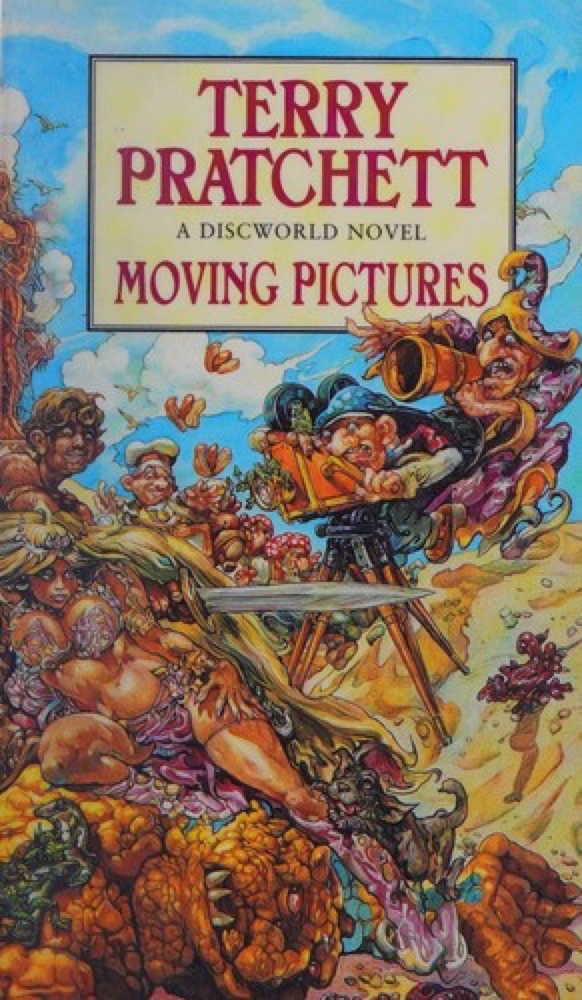
About the book
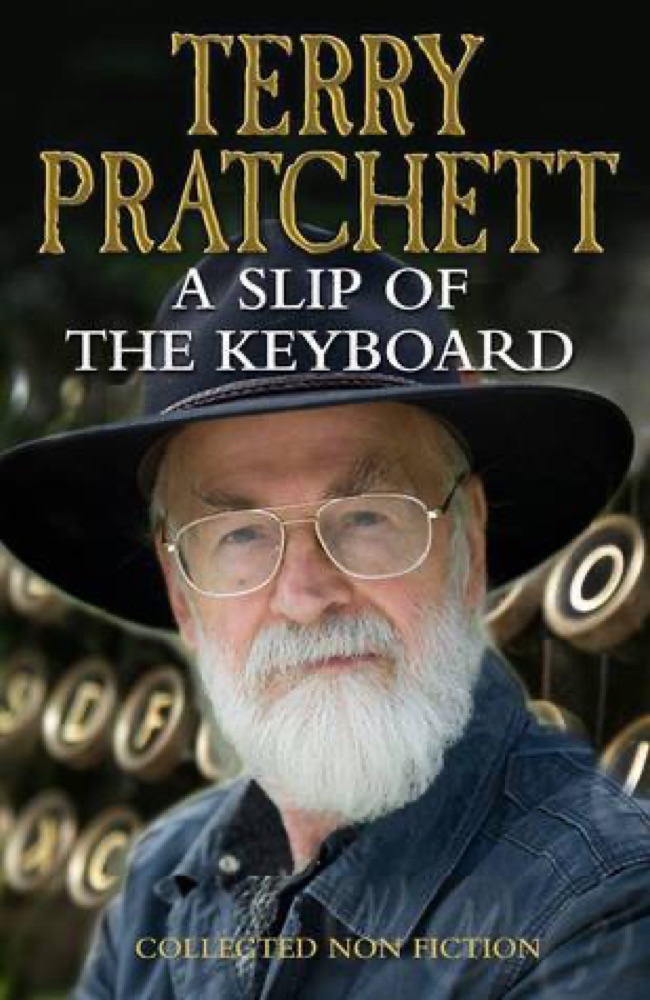
Terry Pratchett has earned a place in the hearts of readers the world over with his bestselling Discworld series - but in recent years he has become equally well-known and respected as an outspoken campaigner for causes including Alzheimer's research and animal rights. A Slip of the Keyboard brings together for the first time the finest examples of Pratchett's non fiction writing, both serious and surreal: from musings on mushrooms to what it means to be a writer (and why banana daiquiris are so important); from memories of Granny Pratchett to speculation about Gandalf's love life, and passionate defences of the causes dear to him.
With all the humour and humanity that have made his novels so enduringly popular, this collection brings Pratchett out from behind the scenes of the Discworld to speak for himself - man and boy, bibliophile and computer geek, champion of hats, orang-utans a
Book details
- First published
- 2014
- Author
- Terry Pratchett
- Genre
- Nonfiction
- Goodreads rating
- 4.24 (6k ratings)
Keep reading
 Among Others
 The Language of the Night: Essays on Writing, Science Fiction, and Fantasy
 Dæmon Voices
 Tales from Earthsea
 The Wave in the Mind: Talks and Essays on the Writer, the Reader and the Imagination
 The View from the Cheap Seats: Selected Nonfiction
 Harry Potter and the Methods of Rationality
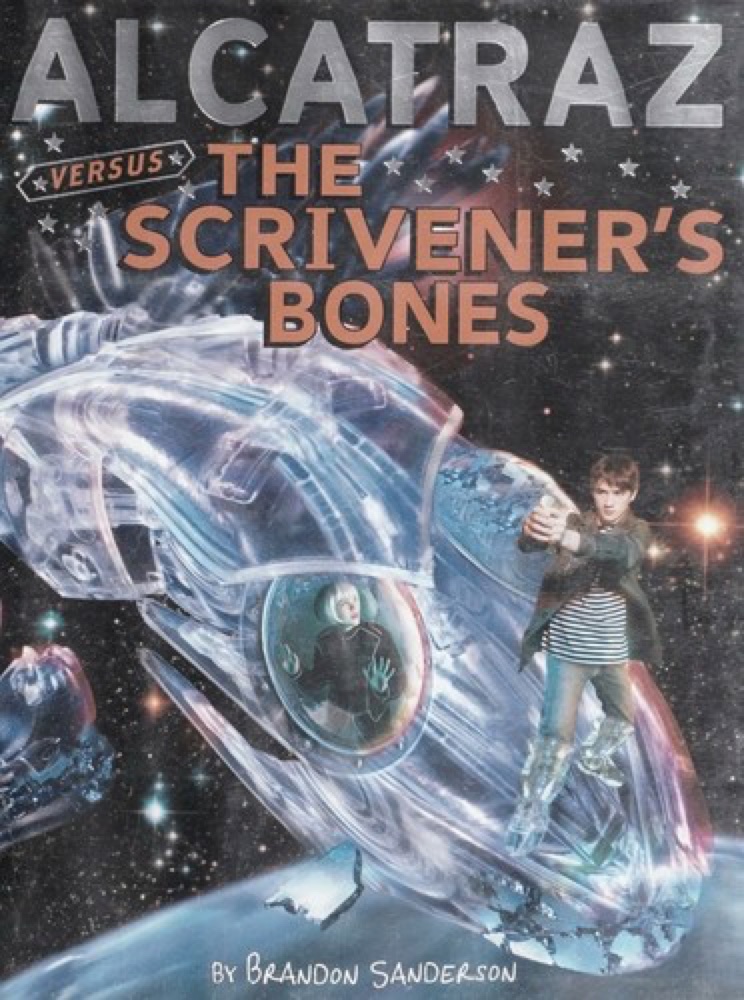 Alcatraz Versus the Scrivener's Bones
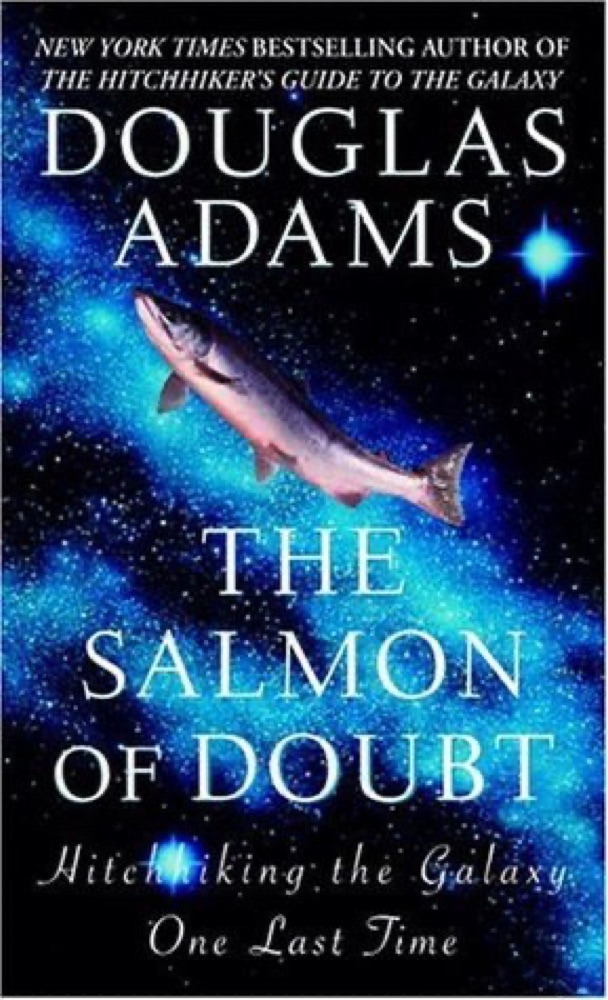 The Salmon of Doubt
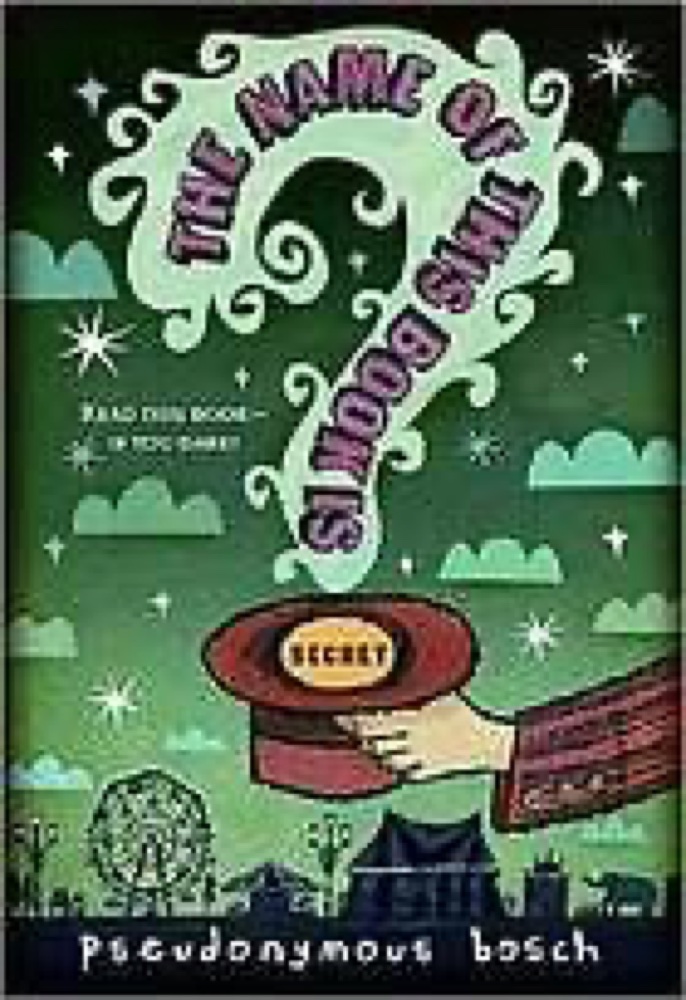 The Name of This Book Is Secret
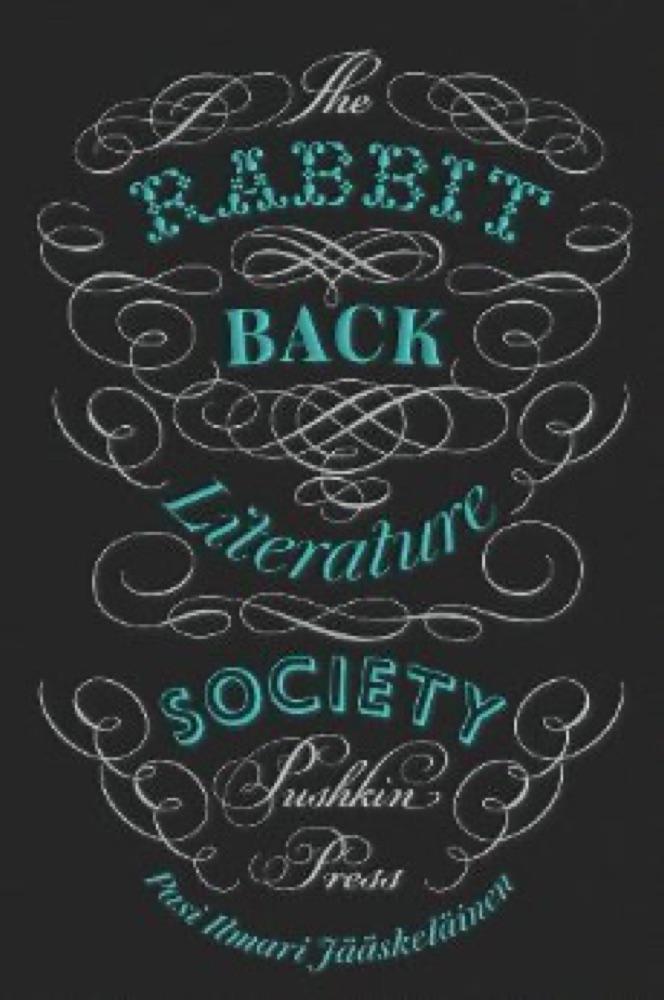 The Rabbit Back Literature Society
 Burning Questions: Essays and Occasional Pieces, 2004 to 2021
 Stories: All-New Tales
 Poison for Breakfast
 Unseen Academicals
 The Thirteenth Tale
 Wonderbook: The Illustrated Guide to Creating Imaginative Fiction
 Gnomon
 Finders Keepers
 Smoke and Mirrors: Short Fiction and Illusions
 The Unlikely Escape of Uriah Heep
 Hogfather
 The Library of the Unwritten
 Wampeters, Foma and Granfalloons
 The Letters of J.R.R. Tolkien
 The City of Dreaming Books
 Consider This: Moments in My Writing Life After Which Everything Was Different
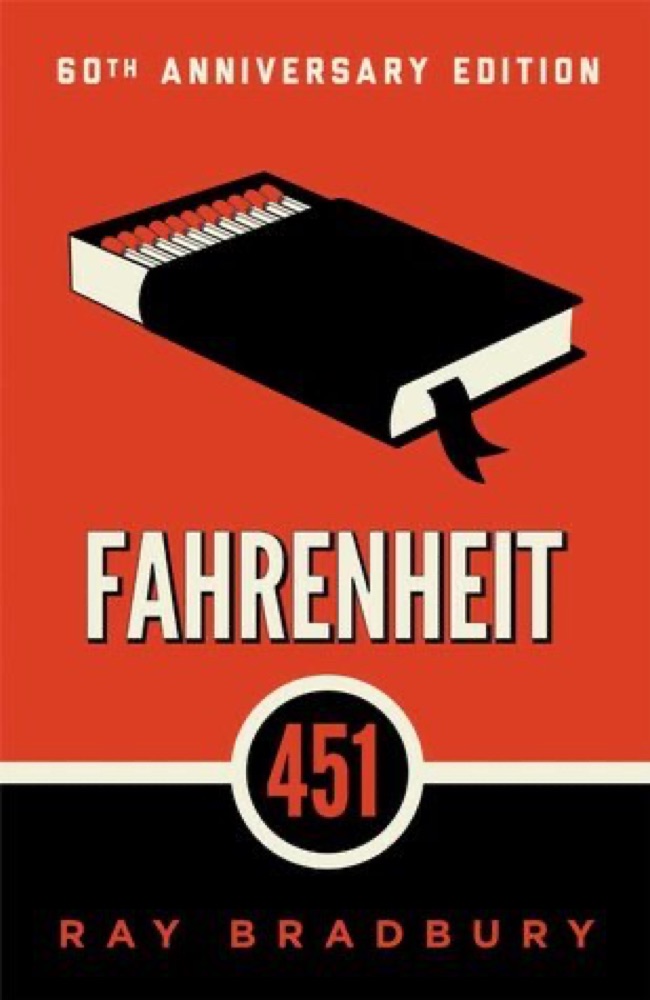 Fahrenheit 451
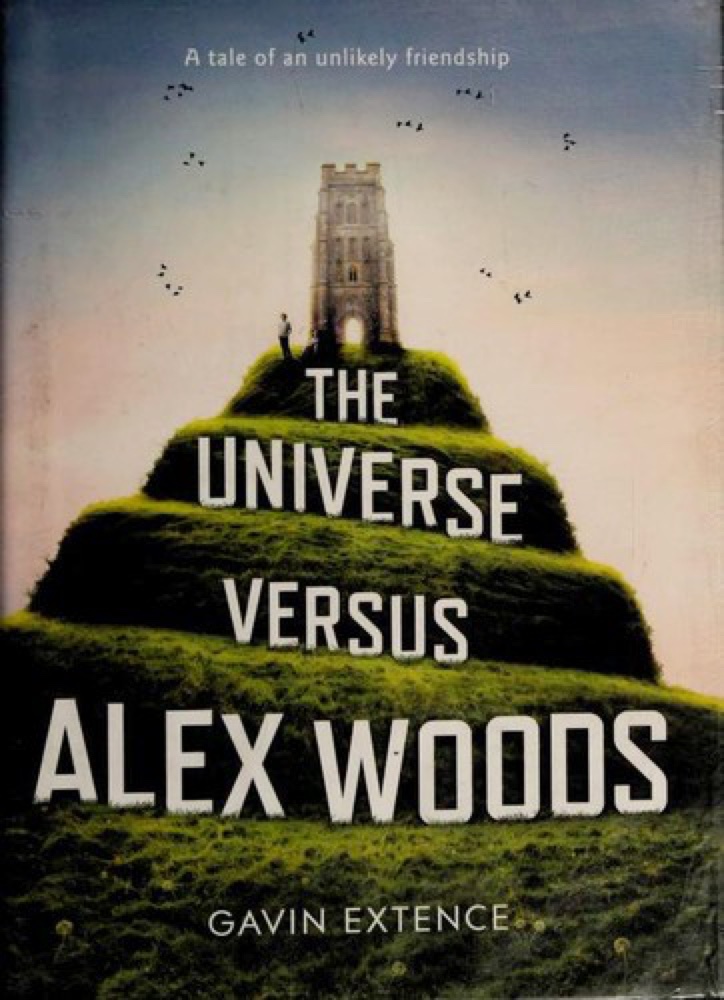 The Universe Versus Alex Woods
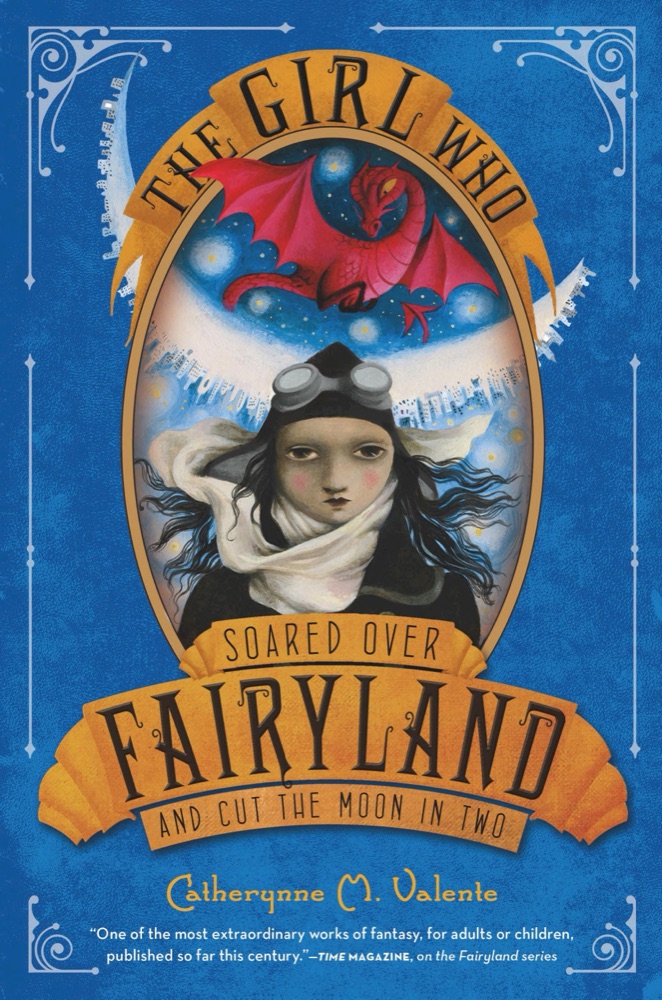 The Girl Who Soared Over Fairyland and Cut the Moon in Two
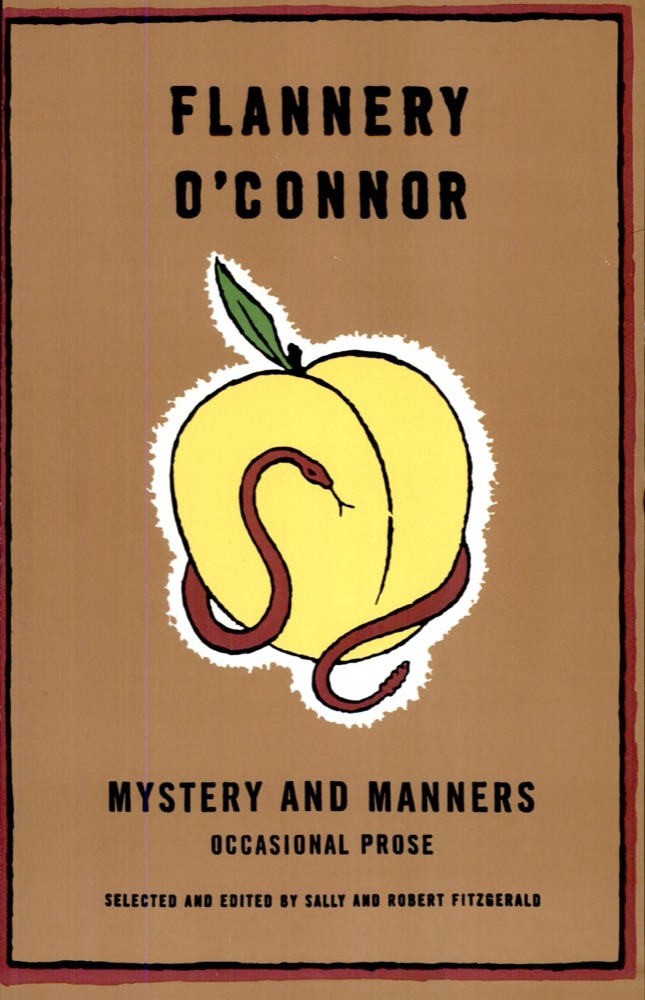 Mystery and Manners: Occasional Prose
 The Ghost
 Bird by Bird
 Too Like the Lightning
 Arcadia
 First Among Sequels
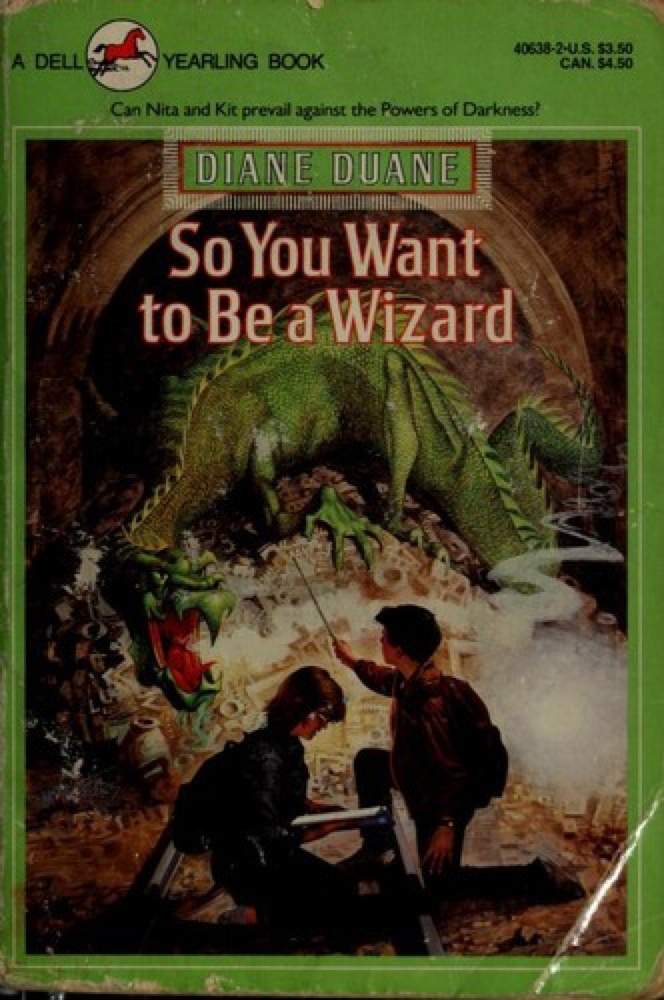 So You Want to Be a Wizard
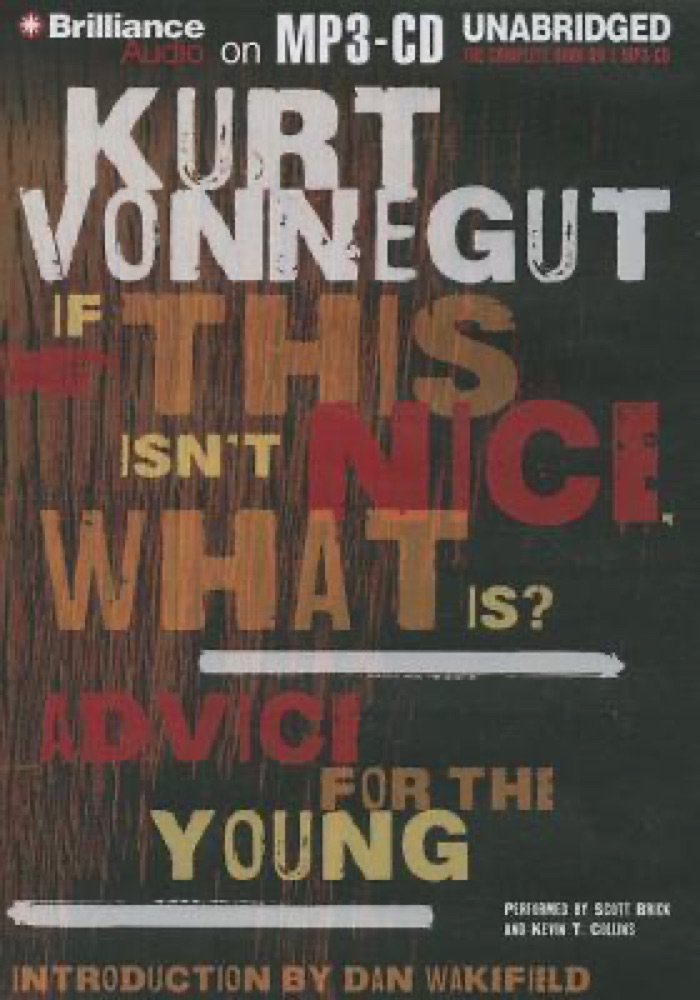 If This Isn't Nice, What Is?: Advice for the Young
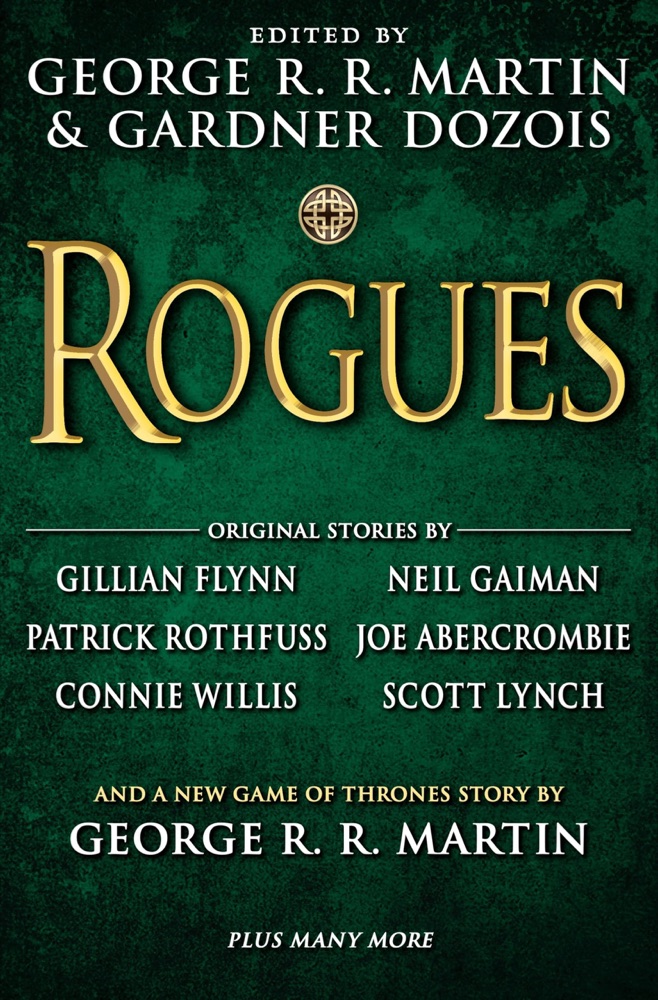 Rogues
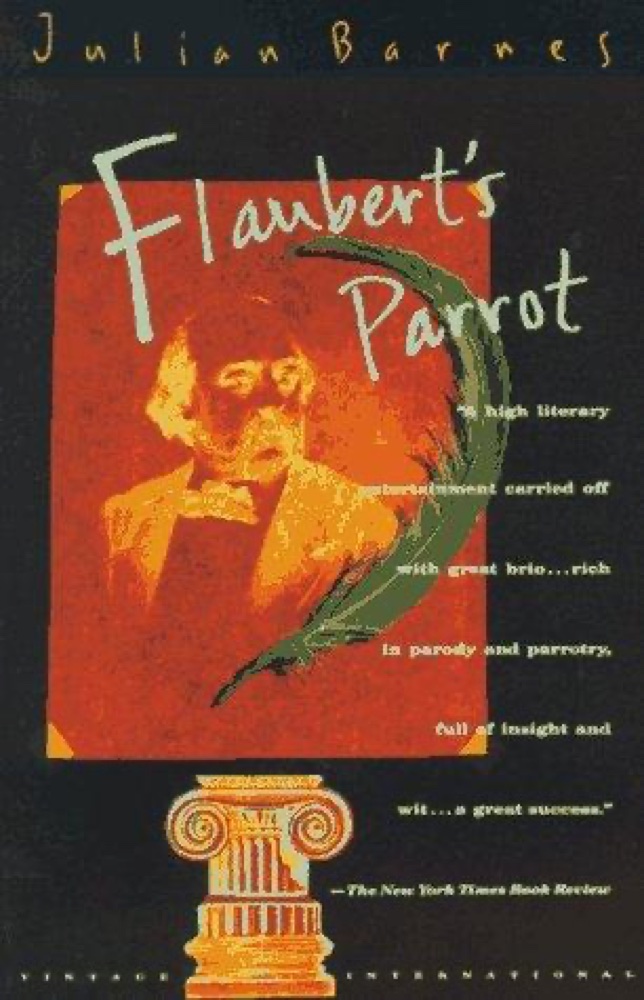 Flaubert's Parrot
 The Year of Reading Dangerously
 Skinny Legs and All
 Sometimes a Great Notion
 Negotiating with the Dead: A Writer on Writing
 The Fry Chronicles
 The Well of Lost Plots
 The Library of the Dead
 In Other Worlds: SF and the Human Imagination
 I. Asimov: A Memoir
 Sophie Quire and the Last Storyguard
 One of Our Thursdays Is Missing
 How Not to Write a Novel: 200 Classic Mistakes and How to Avoid Them—A Misstep-by-Misstep Guide
 Half Asleep in Frog Pajamas
 Sourcery
 The Enchanted
 How to Read Literature Like a Professor
 How to Write an Autobiographical Novel
 Villa Incognito
 A Madness of Angels
 Death in the Afternoon