
 The Culture of Make Believe
Quotes from the Book
It's okay to be happy, it's okay to live your life exactly the way you want it... It's okay to find what makes you happy and then to fight for it. To dedicate your life to discovering who you are.
The only real job of a teacher, especially a writing teacher, is to help students find themselves.
In sum, one of the primary things I learned was how to kill time. I learned also to wish away my life. I learned to give myself away.
My friend Jeannette Armstrong says, "We all have cultural, learned behavior systems that have become embedded in our subconscious. These systems act as filters for the way we see the world. They affect our behaviors, our speech patterns and gestures, the words we use, and also the way we gather our thinking. We have to find ways to challenge that continuously. To see things from a different perspective is one of the most difficult things we have to do." She continues, " I have to constantly school myself in the deconstruction of what I believe and perceive to be the way things are, to continuously break down in my own mind what I believe and continuously add to my knowledge and understanding. In other words, never to be satisfied that I'm satisfied. That sounds like I'm dissatisfied, but it doesn't mean that. It means never to be complacent and think I've come to a conclusion about things, to always question my own thinking. I always say to my writing class to start with and hold on to the attitude of saying bullshit to everything. And to be joyful and happy in the process. Because most of the time it's fear that creates old behaviors and old conflicts. It's not necessarily that we believe those things, but we know them and so we continue those patterns and behaviors because they're familiar
This question of grades being coercive, and of politics being inherent in teaching, applies not only to writing, but to all fields. Mathematics, science, economics, history, religion, are all just as deeply and necessarily political. To believe they’re not—to believe, for example, that science (or mathematics, economics, history, religion, and so forth: choose your poison) describes the world as it is, rather than acting as a filter that removes all information that does not fit the model and colors the information that remains—is in itself to take a position, one that is all the more powerful and dangerous because it is invisible to the one who holds it.
It will be very hard. You’ll make a million mistakes, and you’ll pay for them all, one way or another. But the hard parts will be your parts, they won’t be hard parts other people have imposed on you for their own reasons, or maybe for no reason at all. And your ownership of them – your responsibility to and for them – makes all the difference in the world.
Someone asked me once at a talk why I so stress the positive with my students yet am such an unstinting critic of those who run our culture and who are killing the planet. I answered immediately, “Power. If I’ve got power or authority over someone, it’s my responsibility to use that only to help them. It’s my job to accept and praise them into becoming who they are.
There is a deeper point to be made here, however, having to do with the specificity of everything. One of the great failings of our culture is the nearly universal belief that there can be anything universal. We as a culture take the same approach to living in Phoenix as in Seattle as in Miami, to the detriment of all these landscapes. We turn wild trees to standardized two-by-fours. We turn living fish into fish sticks. But every fish is different from every other fish. Every student is different from every other student. Every place is different from every other place. If we are ever to hope to begin to live sustainably in place (which is the only way to live sustainably), we will have to remember specificity is everything.
I saw a stop sign, and it occurred to me that just as no one expects a stop sign to stop a car, I shouldn’t expect words to substitute for experience. That’s not their job, although words certainly can be misused in that way. The job of words is to direct us toward experience, to round out experience, to facilitate experience, and to give us ways to share at least pale shadows of that experience with those we love. And the job of words is to help us learn to be — and act — human.
We've been making love these past two days by talking and I want for our bodies to join the conversation.
About Derrick Jensen
We have collected 79 quotes from 4 books by Derrick Jensen on BookQuoters.
More about the author →More by Derrick Jensen
The Culture of Make Believe
 A Language Older Than Words
 Endgame, Vol. 1: The Problem of Civilization
Book details
- Author
- Derrick Jensen
- Genre
- Philosophy
- Goodreads rating
- 4.16 (1k ratings) →
Keep reading
 We Make the Road by Walking: Conversations on Education and Social Change
 Bird by Bird
 The Triggering Town: Lectures and Essays on Poetry and Writing
 Consider This: Moments in My Writing Life After Which Everything Was Different
 A Circle of Quiet
 The Element: How Finding Your Passion Changes Everything
 Burning Questions: Essays and Occasional Pieces, 2004 to 2021
 Like Streams to the Ocean: Notes on Ego, Love, and the Things That Make Us Who We Are
 The Bassoon King: My Life in Art, Faith, and Idiocy
 Creativity: Flow and the Psychology of Discovery and Invention
 The Vanishing American Adult: Our Coming-of-Age Crisis—and How to Rebuild a Culture of Self-Reliance
 Here for It; Or, How to Save Your Soul in America: Essays
 Working: People Talk About What They Do All Day and How They Feel About What They Do
 Why Be Happy When You Could Be Normal?
 Notes on a Nervous Planet
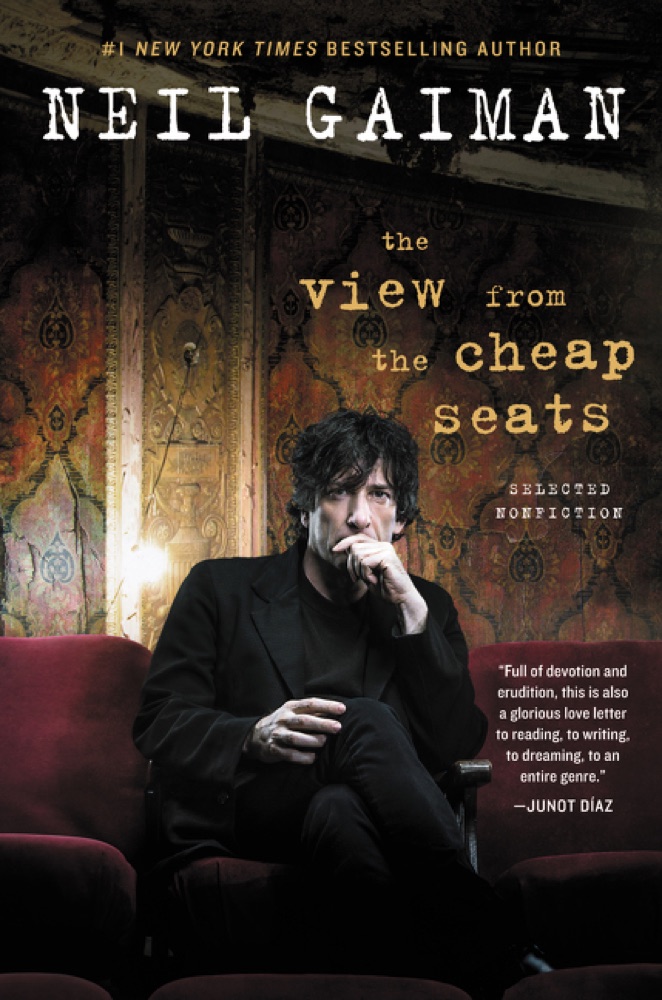 The View from the Cheap Seats: Selected Nonfiction
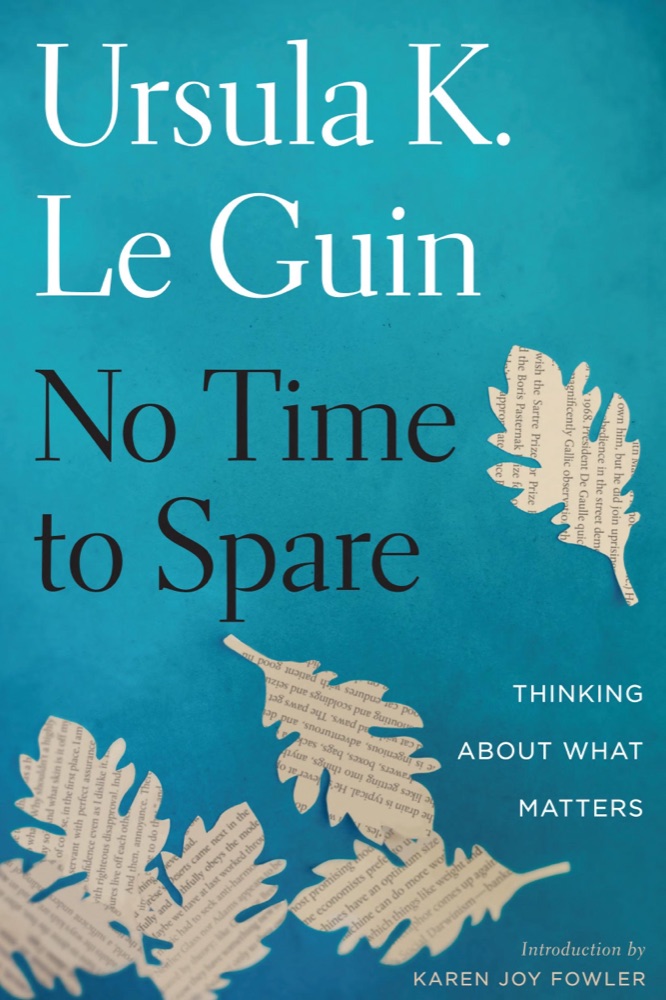 No Time To Spare: Thinking About What Matters
 The Source of Self-Regard: Selected Essays, Speeches, and Meditations
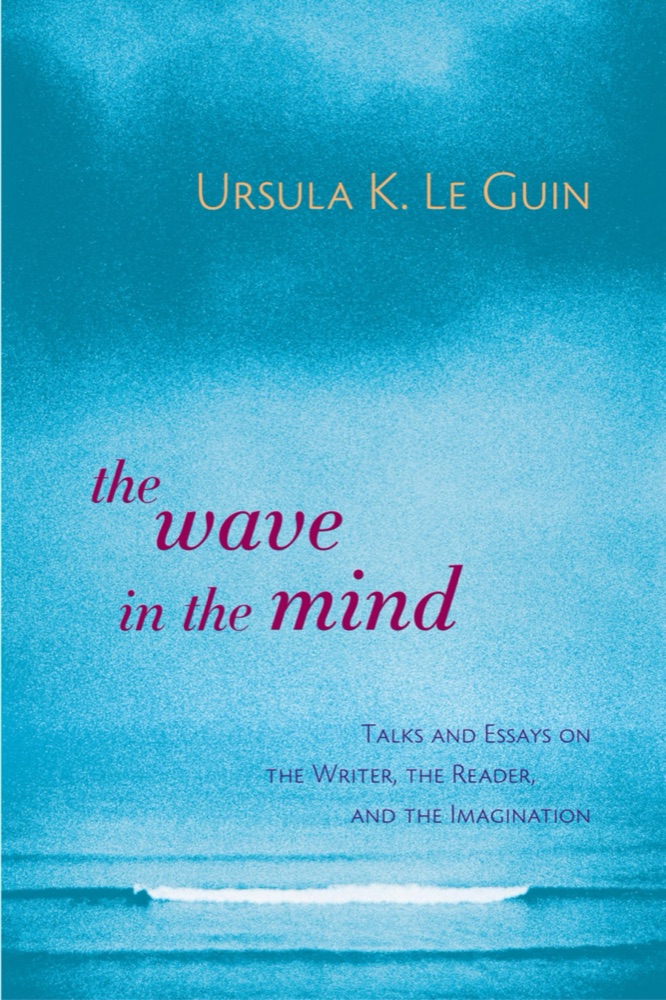 The Wave in the Mind: Talks and Essays on the Writer, the Reader and the Imagination
 On Connection
 Body Work: The Radical Power of Personal Narrative
A Language Older Than Words
Body Work: The Radical Power of Personal Narrative
A Language Older Than Words
 Mastery
 Tribe Of Mentors: Transformative Wisdom From Icons and Innovators to Help You Navigate Life's Challenges
 A Million Miles in a Thousand Years: What I Learned While Editing My Life
 The Getaway Car: A Practical Memoir About Writing and Life
 If You Want to Write: A Book about Art, Independence and Spirit
 Rite of Passage
 Writing Down the Bones: Freeing the Writer Within
 Consider the Lobster and Other Essays
 Welcome to the Hyunam-Dong Bookshop
 Asymmetry
 The Rent Collector
 To Shake the Sleeping Self: A Journey from Oregon to Patagonia, and a Quest for a Life with No Regret
 These Precious Days: Essays
 The 7 Habits of Highly Effective People: Personal Workbook
 How to Write an Autobiographical Novel
 The Happiness Hypothesis: Finding Modern Truth in Ancient Wisdom
 Still Writing: The Perils and Pleasures of a Creative Life
 Becoming
 A Closed and Common Orbit
 The Writing Life
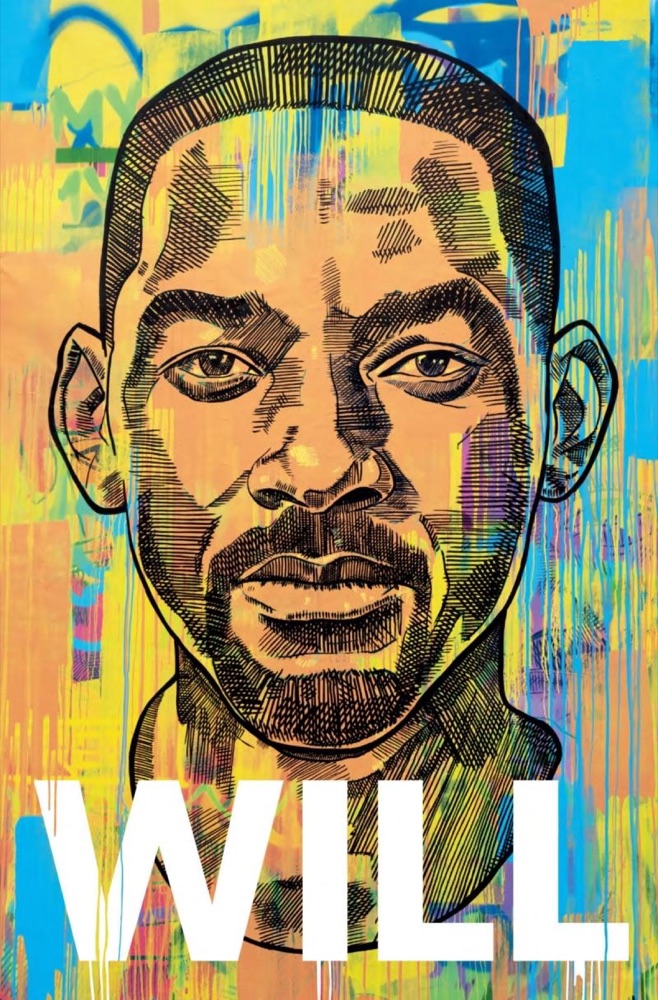 Will
Will
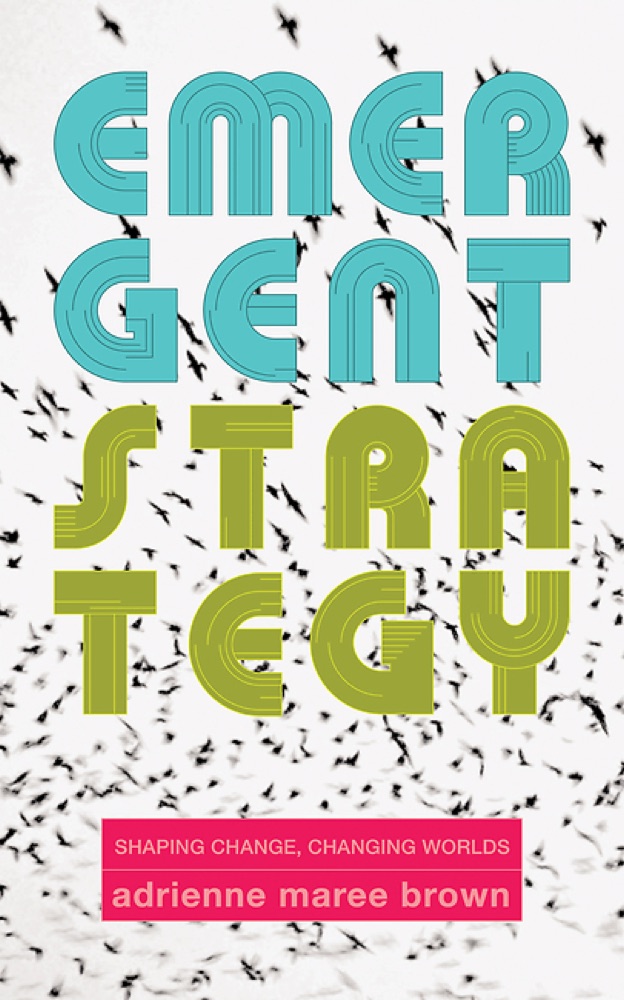 Emergent Strategy: Shaping Change, Changing Worlds
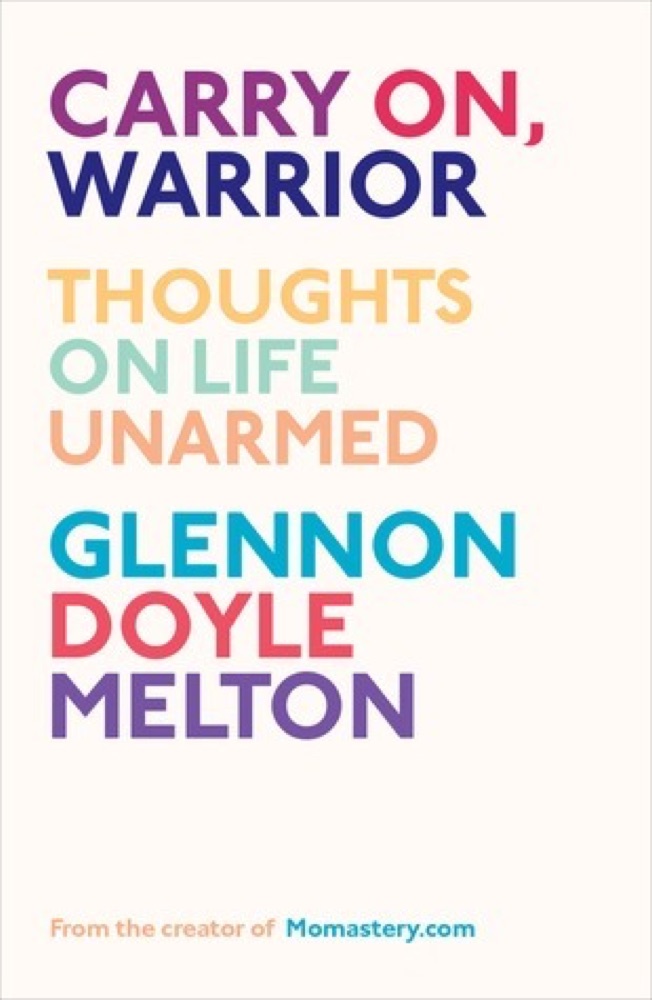 Carry On, Warrior: Thoughts on Life Unarmed
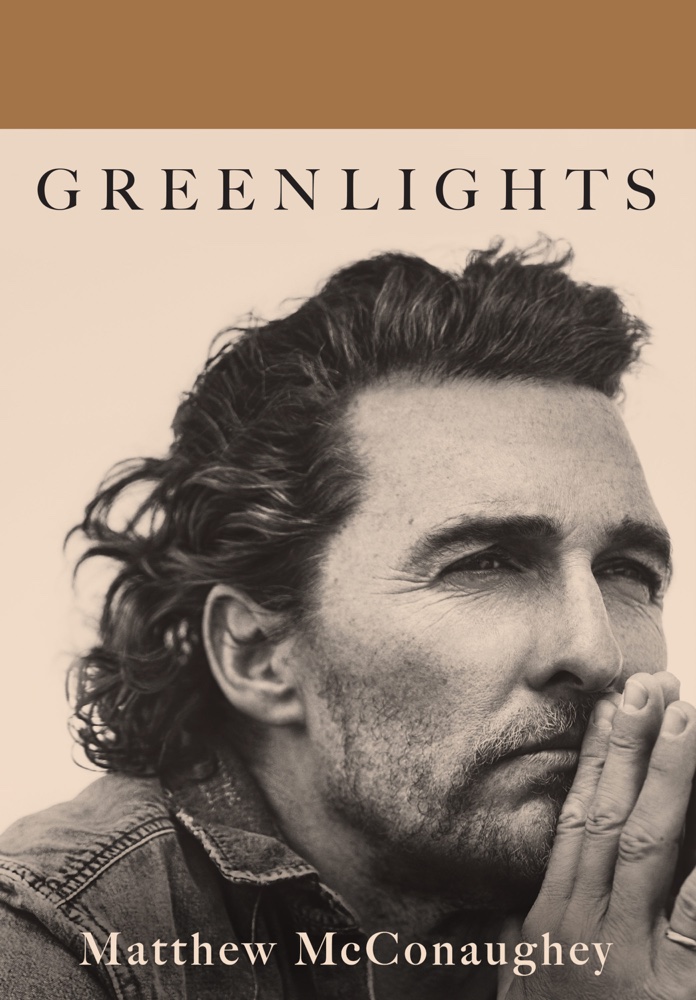 Greenlights
 This Is the Story of a Happy Marriage
 Psych: The Story of the Human Mind
 If This Isn't Nice, What Is?: Advice for the Young
 Finding Flow: The Psychology of Engagement with Everyday Life
 The Argonauts
 The Braindead Megaphone
 The Last Lecture
 The Fire Starter Sessions: A Soulful + Practical Guide to Creating Success on Your Own Terms
 Be Useful: Seven Tools for Life
 Shop Class as Soulcraft: An Inquiry Into the Value of Work
 A Work in Progress
 Teach Like a PIRATE: Increase Student Engagement, Boost Your Creativity, and Transform Your Life as an Educator
 My Life on the Road