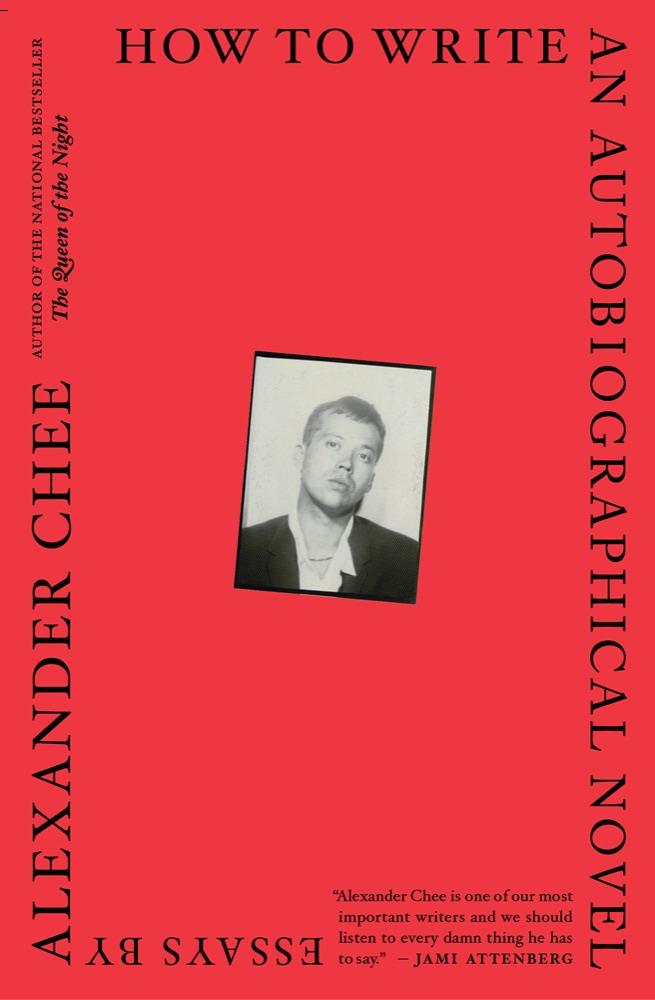
 How to Write an Autobiographical Novel
Quotes from the Book
Sadness is not always a terrible illness. Sadness is, perhaps, the most honest response to living.
7
...and the story as it plays out in my mind is that I became a writer (if that was what it was) when I started to realise that I wasn't loved and that maybe I never would be. I was nineteen and poetry was snaking out of me because I felt badly treated, or I was newly aware that I'd colluded in my self-annihilation and the love I had sought up until then was shit. I became a writer when I learned that I was a person and not just a figure inside another person's libidinal imagination - I am still not entirely that, though, a person; still part of my brain is lobotomised by the fantasy of glory and worthiness in libidinal abjection and I have to somehow live with that.
6
When we say that a narrative is, or is not, someone’s ‘story to tell’, what we unwittingly suggest is that when the story is yours, as in it happened within time as you directly experience it, you are given some power over it. Is this the biggest betrayal of pop psychology via talk therapy? That in language a person can find sufficient tools to erect a life undisturbed by demons? Or the thought, even, that a person can comprehend what it is they have lived through. - Survivors of all things, always trying to reconstruct the moment they survived through. - Strange, though, that even as you narrate it, you get to the horror point, and you think, this time, it’ll go differently. But the film reel keeps playing through, all the way, and, whoosh: powerless.
3
If there is always a question, and I believe there is, in this case it is this: where is home and what is freedom. The promise we accept is that freedom is the freedom to make ourselves anew, but in our hearts we are running home, running the right way round the roundabout, so is freedom the freedom to have a home even if home is a fenced-in square of lonely grass.
2
All useless, according to the common sense of utility, yet all of them inspiring in me curiosity and the simplest delight. Delight in the fact that beautiful things made by people forty years ago sit around, bringing pleasure to a stranger in the now. It reminds me of my duty, everyone's duty, to the future. My friends kids will need in twenty years to find crap like this at the markets so that they can feel held by the hands of past people's future dreams and not feel totally alone.
2
Is 'self-care' a neoliberal scam promoting individualistic coping strategies in the absence of broader social obligations or the possibility of radical structural change? (Well, yes, I say to myself as I slip into my fourth late-night bath of the week, thinking about my next semester of unemployment.)
2
The water was warm like red wine served badly in summer.
-Even you had been holding it together, -What entitled him to his tears?
I need to manage the unmanageable, to contain, correct and formalise the world, because I need to survive it.
a person asked me the question ‘how did you become a writer’, which I wasn’t sure I was, and the story as it plays out in my mind is that I became a writer (if that was what it was) when I started to realise that I wasn’t loved and that maybe I never would be:
Forgiveness is the wrong aim. Acceptance, even, too humble. —Find, in those betrayals, the strength to exist.
Sometimes I think it’s possible to live with anything. That we’re wired to survive-survive-survive, to grip onto the gnarliest thread until life is pried from our bones. Other times I think it’s not possible to live at all. Not at all.
Though the 'complete' point of view, the omnipotent view, the view that insists it knows everything, strikes me as a fearful perspective. A fear of what silence might reveal.
Writing in the first person is writing that admits that experience is always truncated. That perspective is necessarily incomplete. That it is not possible, not honest, to pretend otherwise.
How do you live a catastrophe without turning to cliché? (Shut your mouth and look sideways.) (Or open your mouth and say the wrong thing.)
If anything of me lives on after I am dead, I hope it will not be what I failed to get done. When I die, when it happens, please throw my MacBook into the ocean.
Notes as unfinished business, unattended potential, the writing that is closest to life. Which is terrible. Fragments of potential, they attend to the fantasy that effort is not wasted. Like sowing seeds, but without that loving deliberation. A blind, unconscious hope that a fragment of a thought caught in a note might germinate in a natural way, without tending; that it might wiggle down to find a sip of water, catch a slice of sun through the specks of soil and erupt into the light.
But then again, what is an interior life if not a chorus of invisible ghosts shouting at one another: parents and siblings and friends and lovers and teachers and enemies and masters and every novel newspaper celebrity and the dead, all of the dead.
Everything then was rich with abundance. And everywhere was true danger.
My writing, even my diary writing, was terrible. Not because I didn't know about sentences, or because I didn't have literary ambitions, but because I couldn't tell a truth. Insincerity, I now know, is the language of those who deny their interiority.
When I am in the habit of writing every day, sometimes it feels that I am writing because writing is trying not to die. Or writing is trying not to become a hopeless alcoholic. This sounds melodramatic, for sure, and I say it only to suggest that sadness is not always a terrible illness. Sadness is, perhaps, the most honest response to living.
Writing is the collision of thoughts with events, translated into a material form and then back again into the whisper of a feeling.
Watch on YouTube
About Ellena Savage
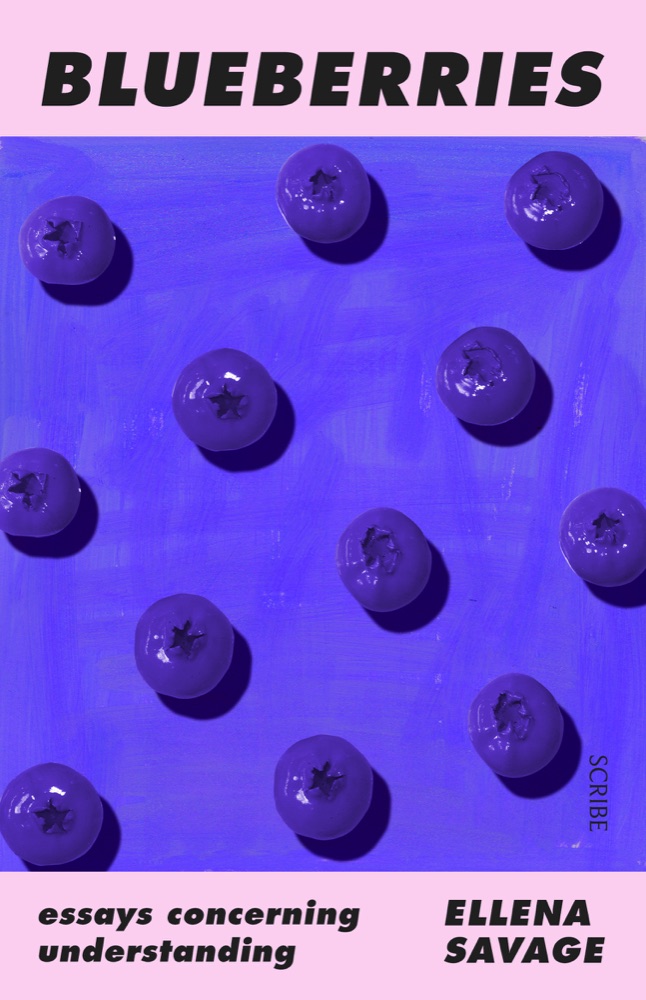
About the book
‘I mean who cares about opinions, gossip, whatever, when bodies are so vulnerable, in search only of love and breath.’
The body frequently escapes her, but is always very much present in these compellingly vivid, clear-eyed essays on an embodied self in flight through the world, from the brilliant young writer Ellena Savage.
In Portuguese police stations and Portland college campuses, in suburban Melbourne libraries and wintry Berlin apartments, Savage shows bodies in pain and in love, bodies at work and at rest.
She circles back to scenes of crimes or near-crimes, to lovers or near-lovers, to turn over the stones, reread the paperwork, check the deeds, approach from another angle altogether. These essays traverse cities and spaces, bodies and histories, moving through forms and modes to find a closer kind of truth. Blueberries is ripe with acid, promise, and sweetness.
Book details
- First published
- 2020
- Author
- Ellena Savage
- Genre
- Nonfiction
- Goodreads rating
- 3.49 (3k ratings)
Keep reading
How to Write an Autobiographical Novel
 The Journals of Sylvia Plath
 The Story of the Lost Child
 Journal of a Solitude
 Why Be Happy When You Could Be Normal?
 Plainwater: Essays and Poetry
 A History of My Brief Body
 In the Dream House
 Nutshell
 A Breath of Life
 Trigger Warning: Short Fictions and Disturbances
 Make It Scream, Make It Burn
 The Notebooks of Malte Laurids Brigge
 Old Babes in the Wood: Stories
 No One Writes Back
 Betting on the Muse: Poems & Stories
 The Golden Notebook
 Anthropology of an American Girl
 Fragile Things: Short Fictions and Wonders
 House of Leaves
 Dream Count
 The Chronology of Water
 Like Streams to the Ocean: Notes on Ego, Love, and the Things That Make Us Who We Are
 These Precious Days: Essays
 Inferno
 The Raw Shark Texts
 In the Heart of the Heart of the Country and Other Stories
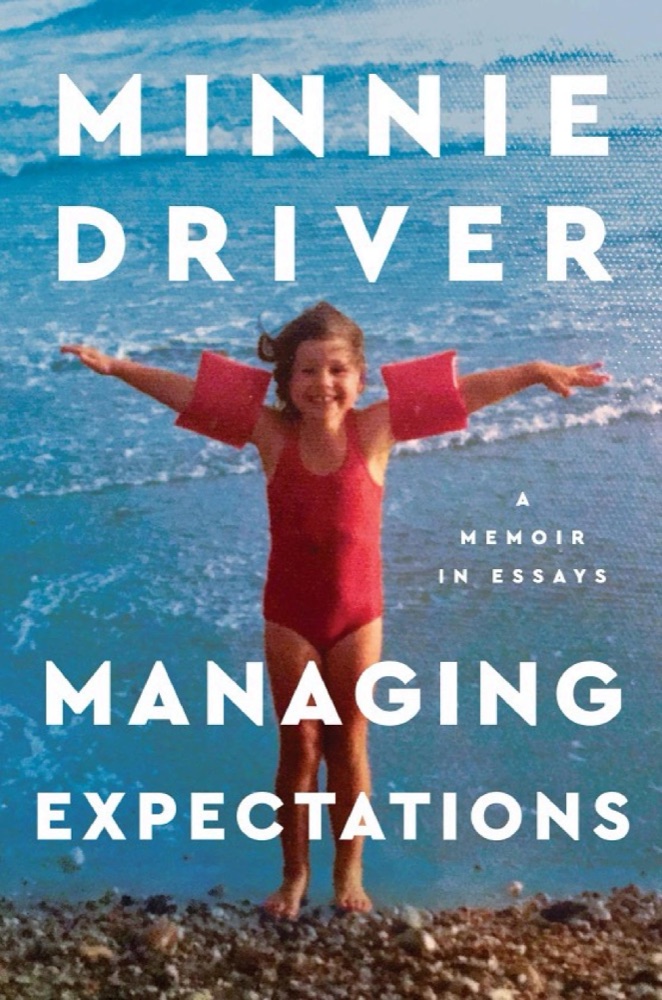 Managing Expectations: A Memoir in Essays – A Poignant Collection of Personal Stories on Acting, Failure, and Motherhood's Joy
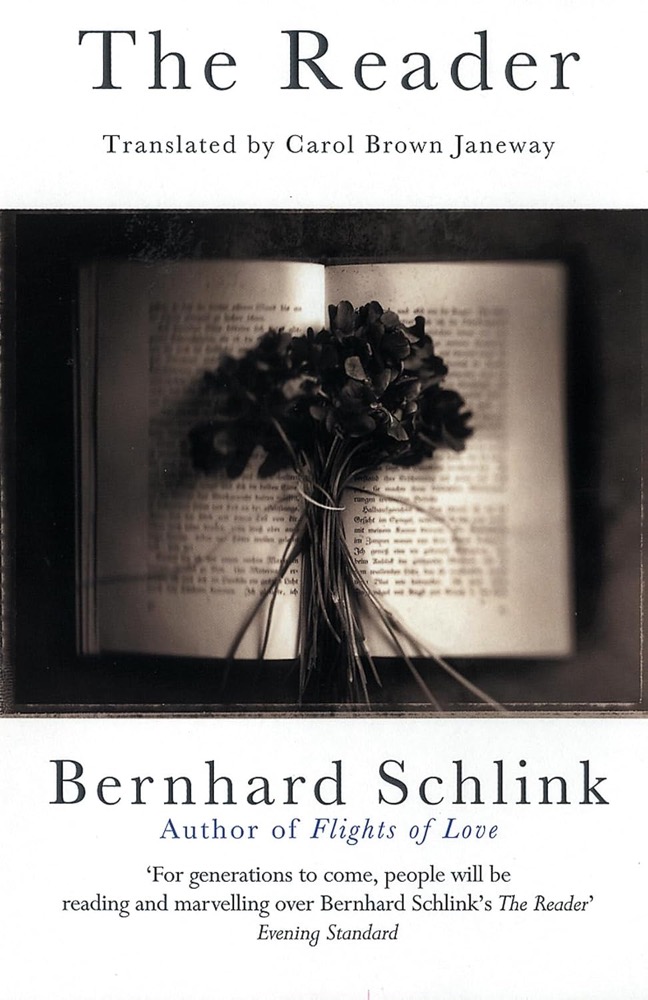 The Reader
 The Sportswriter
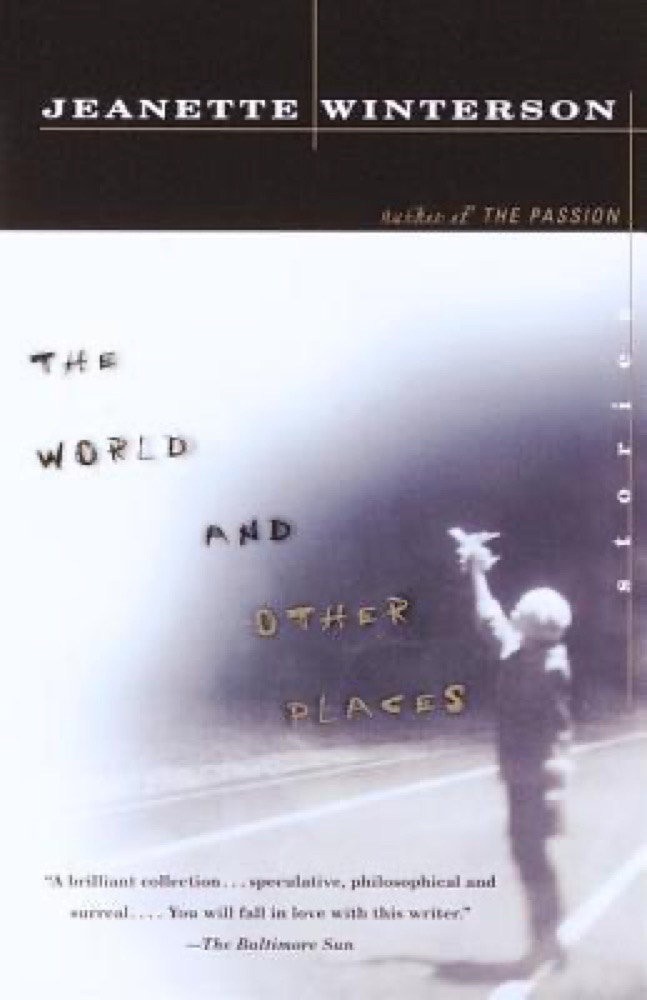 The World and Other Places: Stories
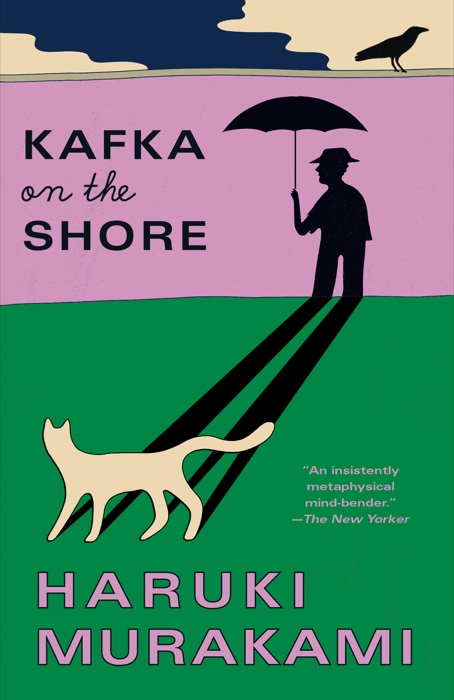 Kafka on the Shore
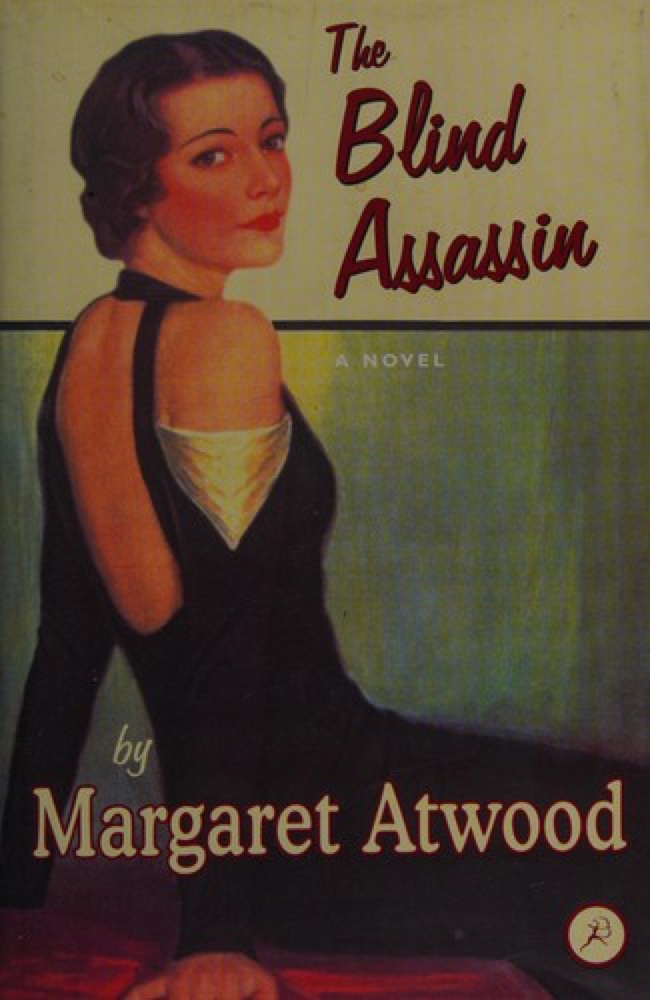 The Blind Assassin
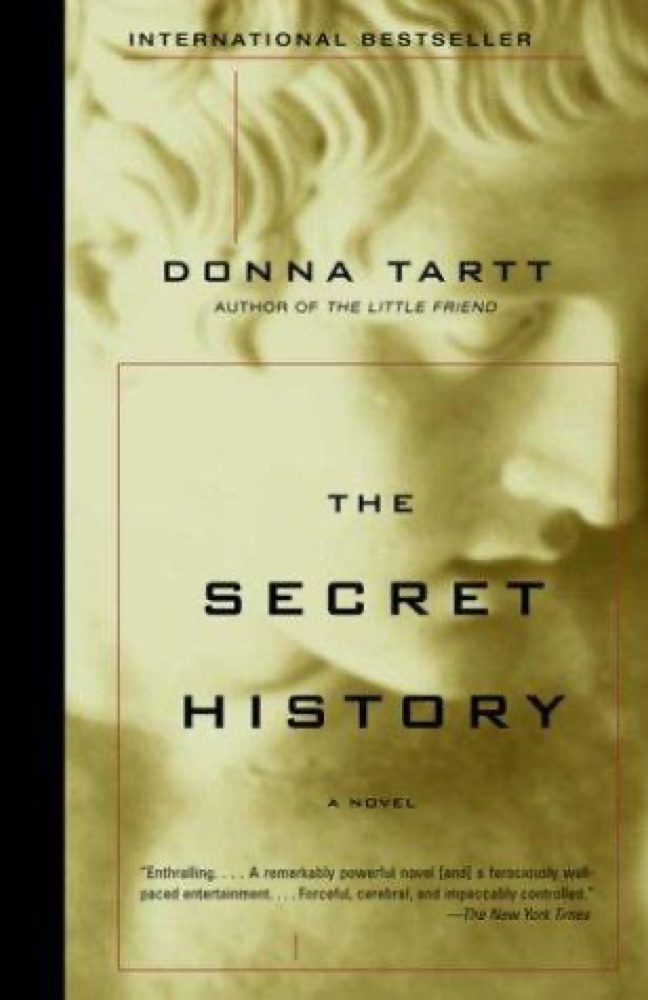 The Secret History
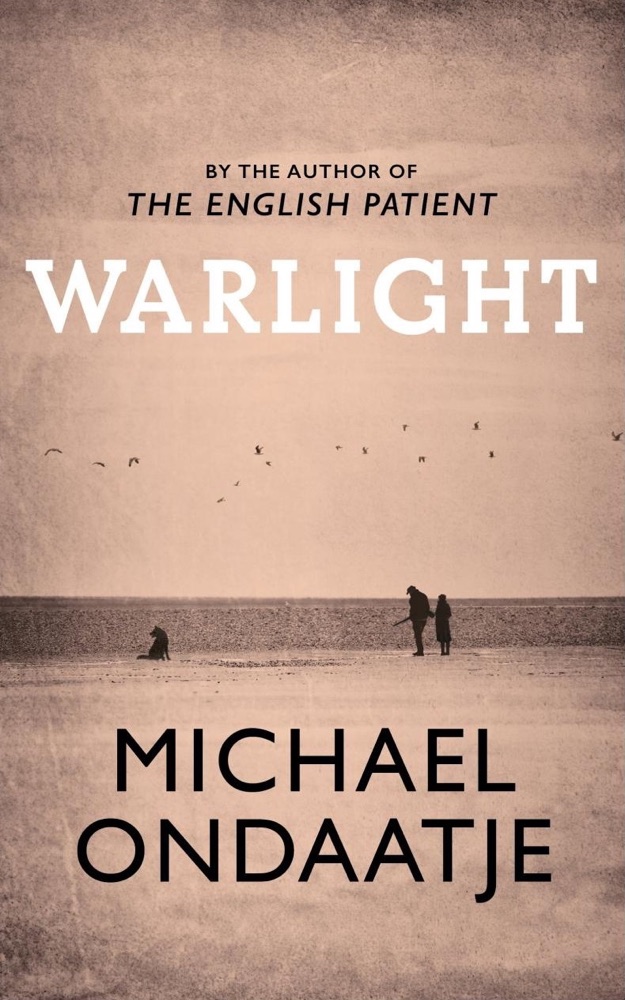 Warlight
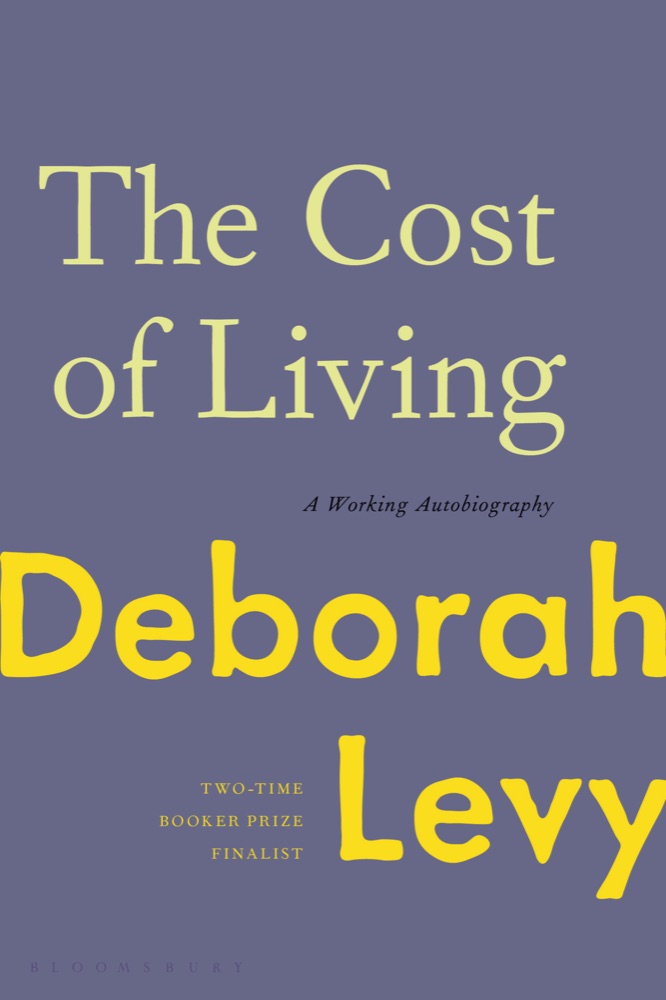 The Cost of Living: A Working Autobiography
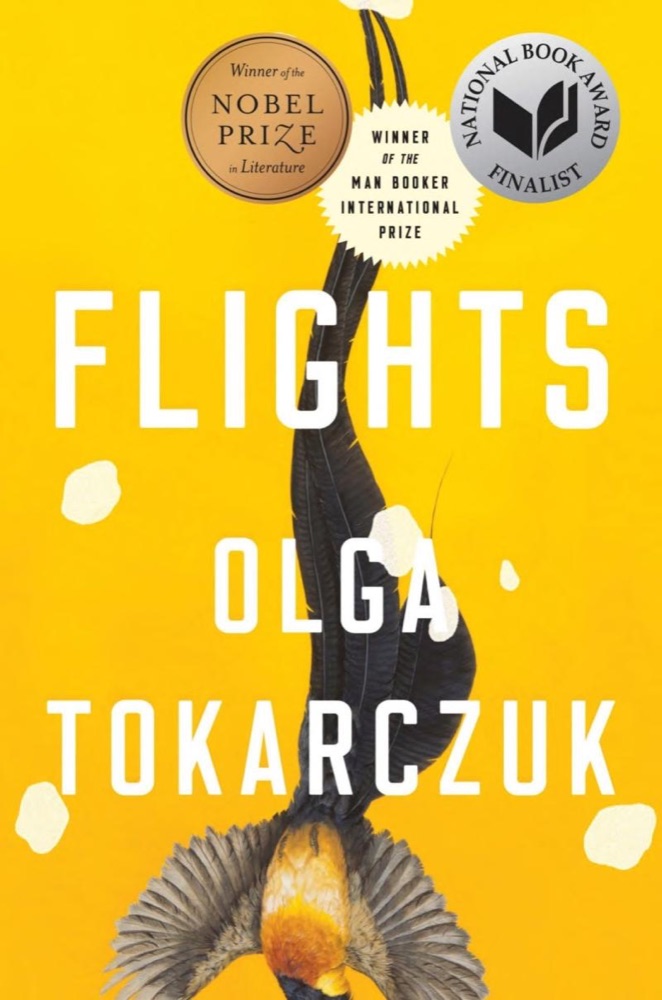 Flights
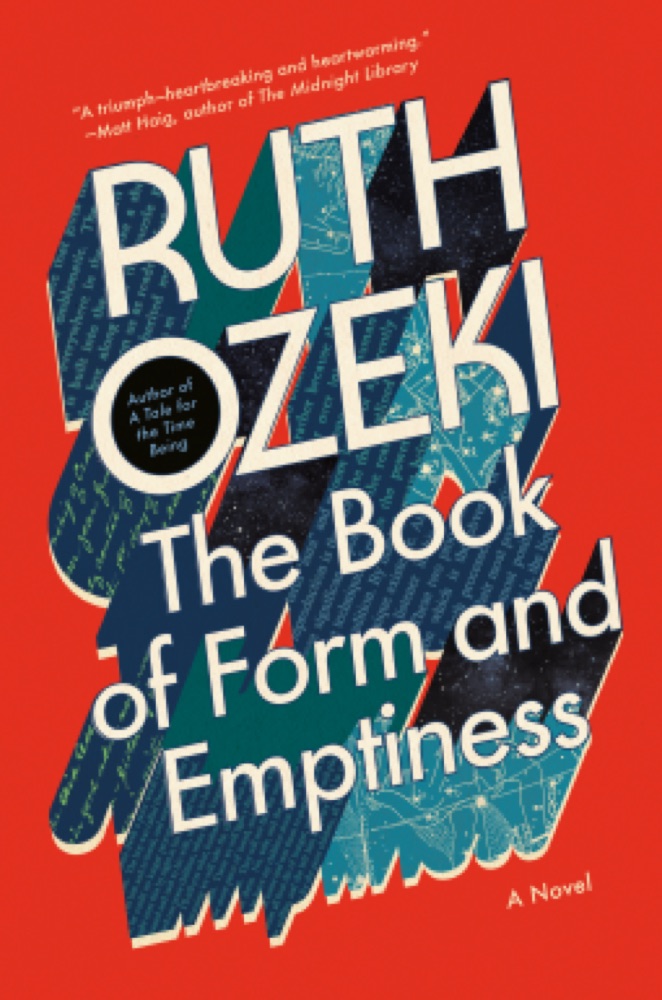 The Book of Form and Emptiness
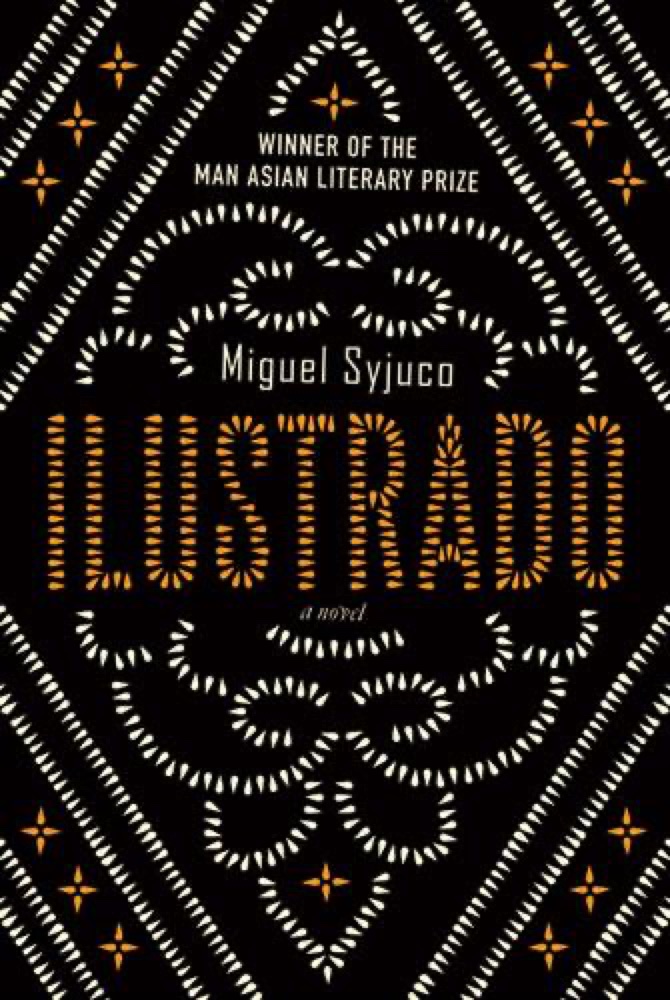 Ilustrado
 The Book of Disquiet
 Hard-Boiled Wonderland and the End of the World
 No Time To Spare: Thinking About What Matters
 Embers
 Art and Lies
 The Red Parts
 Hourglass: Time, Memory, Marriage
 Dear Friend, from My Life I Write to You in Your Life
 The Unabridged Journals of Sylvia Plath
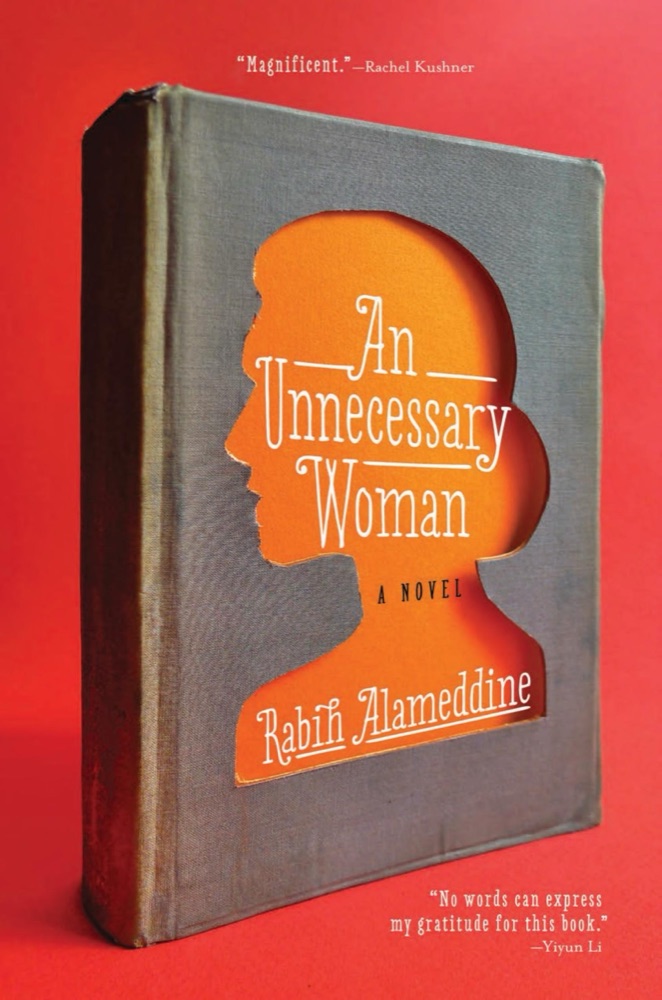 An Unnecessary Woman
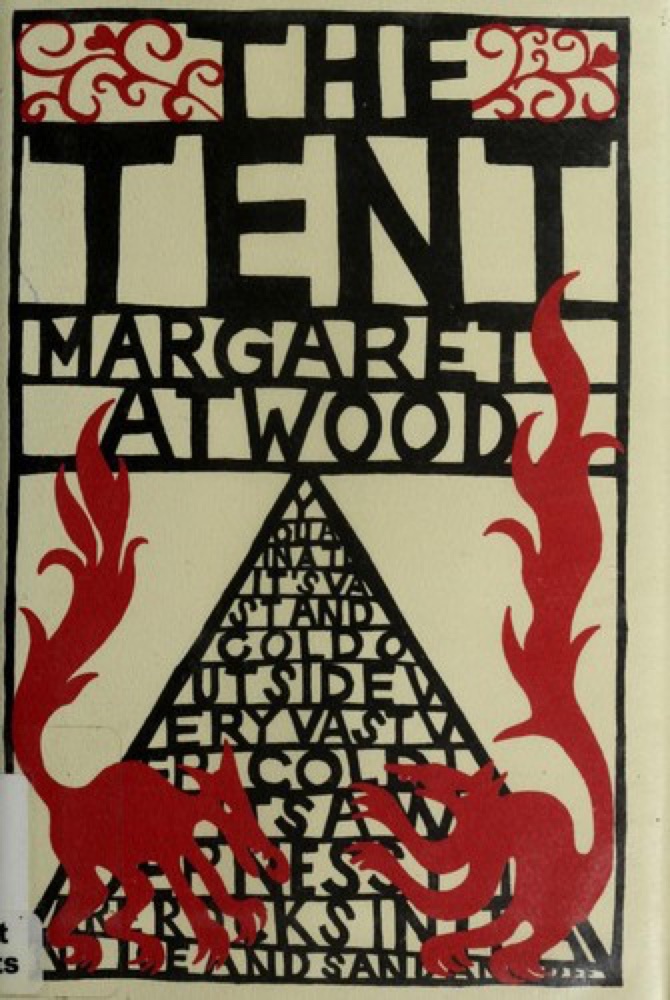 The Tent
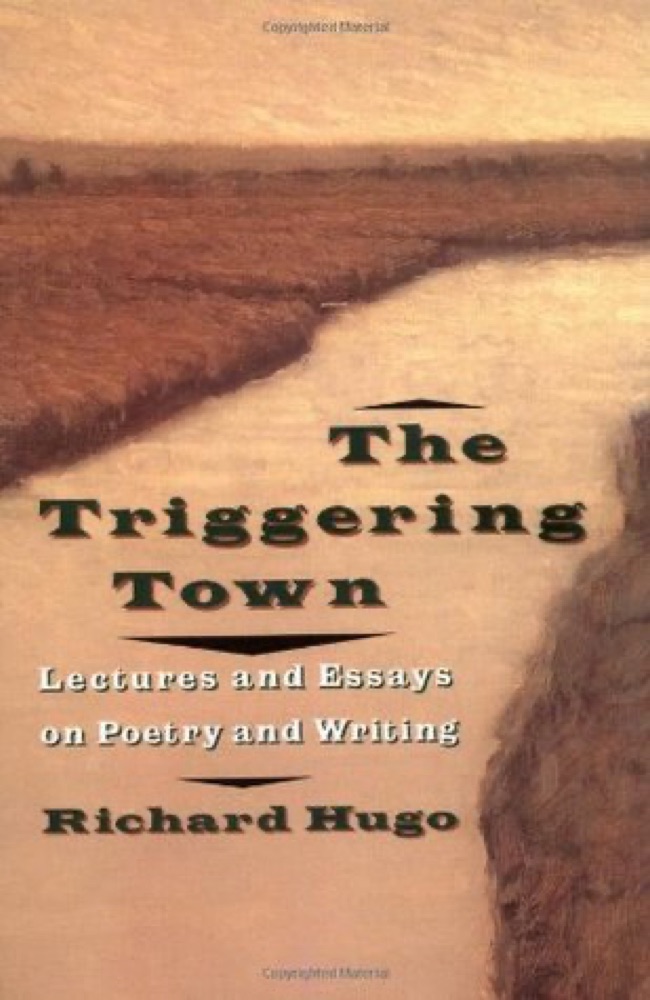 The Triggering Town: Lectures and Essays on Poetry and Writing
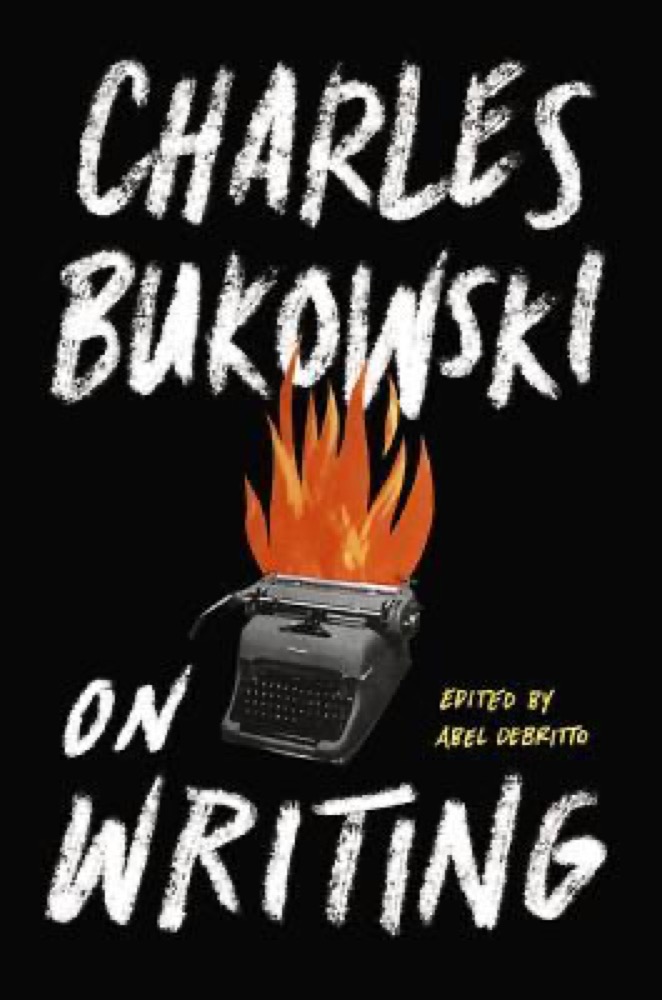 On Writing
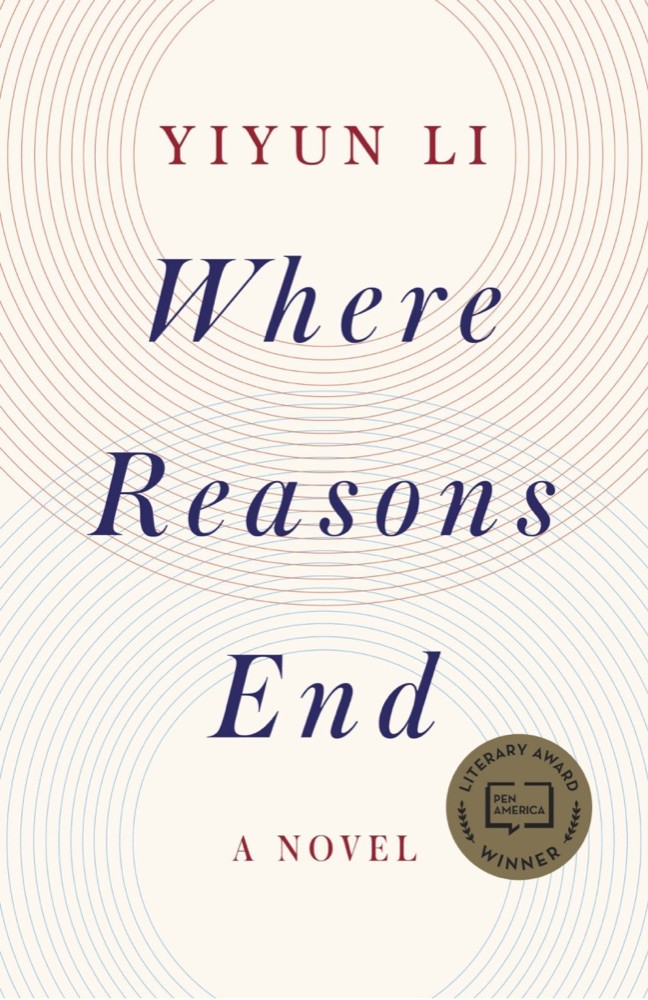 Where Reasons End
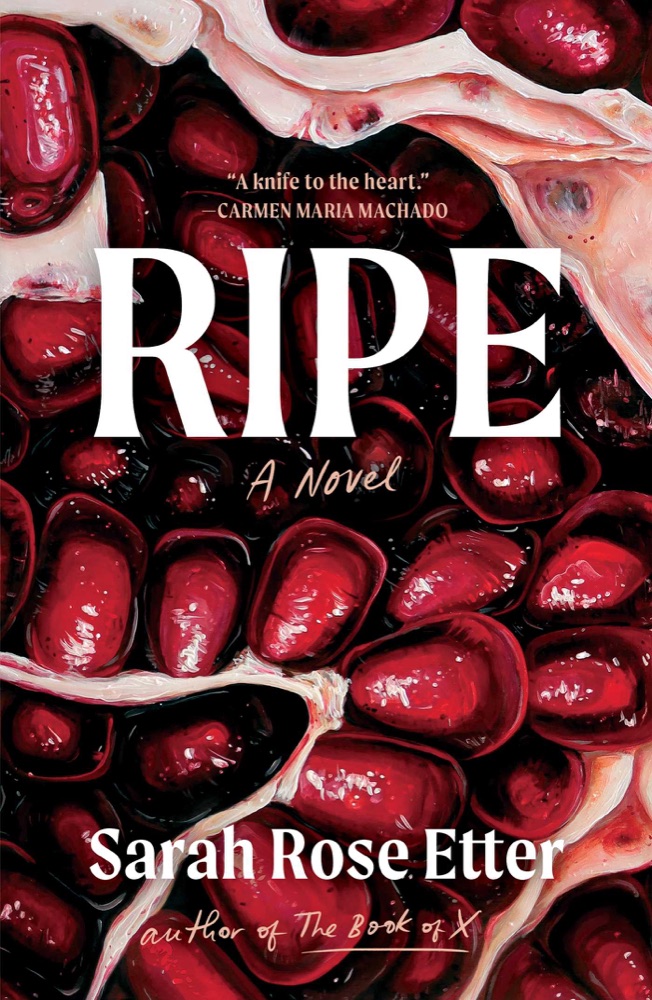 Ripe
Ripe
 Min kamp 2
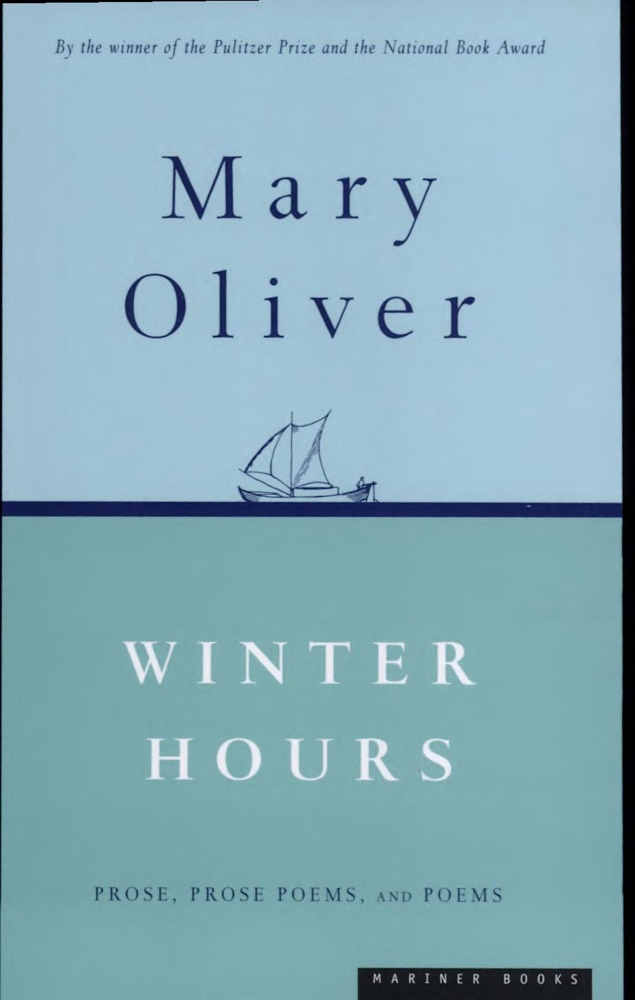 Winter Hours: Prose, Prose Poems, and Poems
 Biography of X
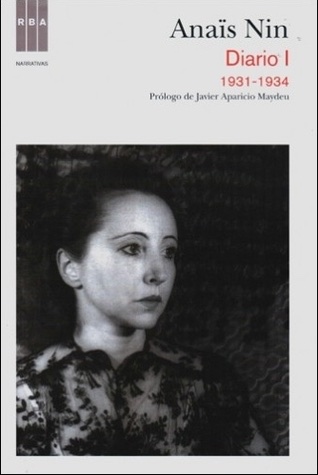 The Diary of Anaïs Nin, Vol. 1: 1931-1934
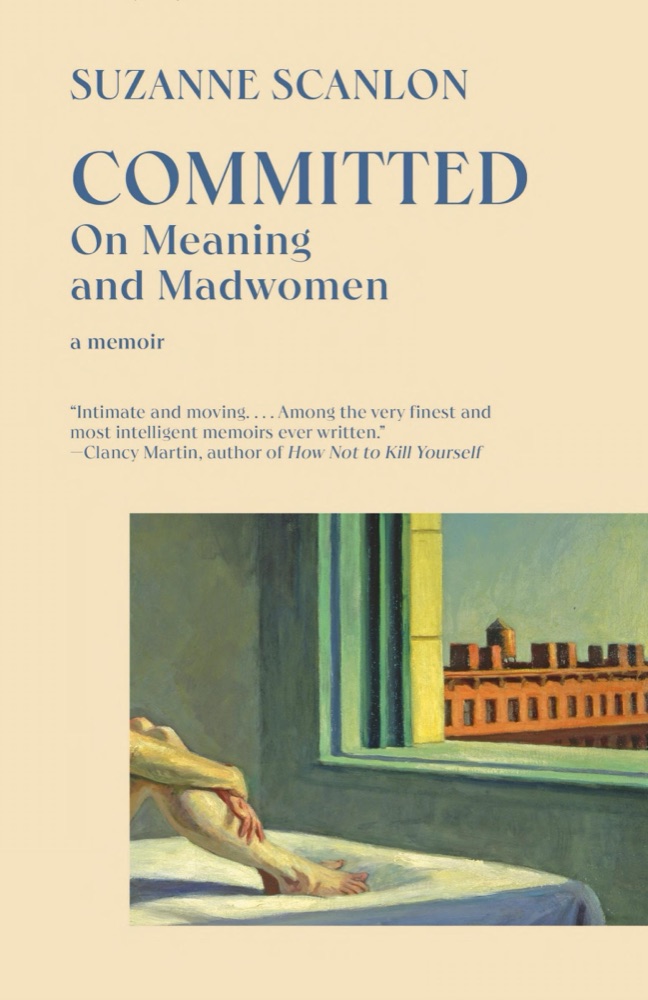 Committed: On Meaning and Madwomen
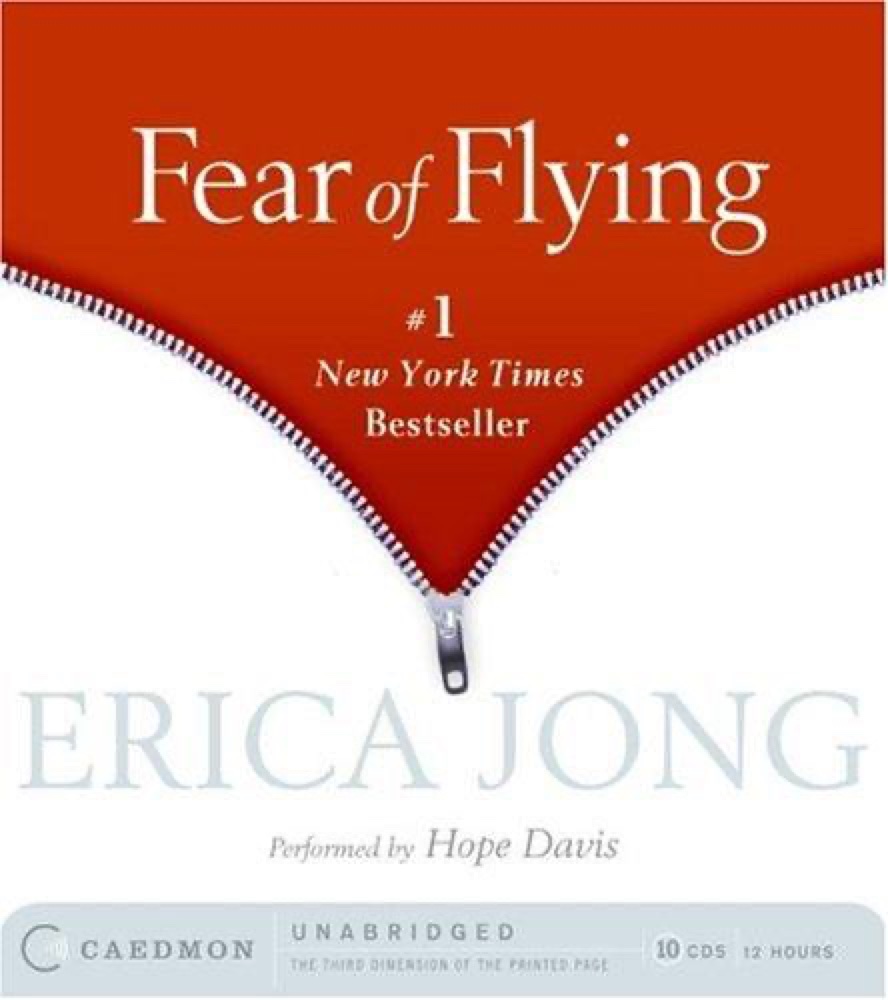 Fear of Flying