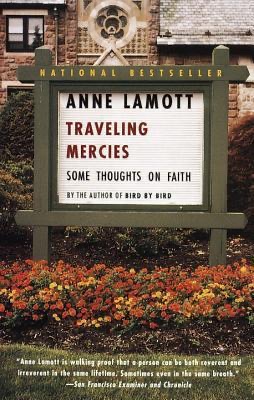
 Traveling Mercies: Some Thoughts on Faith
Quotes from the Book
For some of us, books are as important as almost anything else on earth. What a miracle it is that out of these small, flat, rigid squares of paper unfolds world after world after world, worlds that sing to you, comfort and quiet or excite you. Books help us understand who we are and how we are to behave. They show us what community and friendship mean; they show us how to live and die.
Perfectionism is the voice of the oppressor, the enemy of the people. It will keep you cramped and insane your whole life, and it is the main obstacle between you and a shitty first draft. I think perfectionism is based on the obsessive belief that if you run carefully enough, hitting each stepping-stone just right, you won't have to die. The truth is that you will die anyway and that a lot of people who aren't even looking at their feet are going to do a whole lot better than you, and have a lot more fun while they're doing it.
You own everything that happened to you. Tell your stories. If people wanted you to write warmly about them, they should have behaved better.
Writing and reading decrease our sense of isolation. They deepen and widen and expand our sense of life: they feed the soul. When writers make us shake our heads with the exactness of their prose and their truths, and even make us laugh about ourselves or life, our buoyancy is restored. We are given a shot at dancing with, or at least clapping along with, the absurdity of life, instead of being squashed by it over and over again. It's like singing on a boat during a terrible storm at sea. You can't stop the raging storm, but singing can change the hearts and spirits of the people who are together on that ship.
E.L. Doctorow said once said that 'Writing a novel is like driving a car at night. You can see only as far as your headlights, but you can make the whole trip that way.' You don't have to see where you're going, you don't have to see your destination or everything you will pass along the way. You just have to see two or three feet ahead of you. This is right up there with the best advice on writing, or life, I have ever heard.
You are lucky to be one of those people who wishes to build sand castles with words, who is willing to create a place where your imagination can wander. We build this place with the sand of memories; these castles are our memories and inventiveness made tangible. So part of us believes that when the tide starts coming in, we won't really have lost anything, because actually only a symbol of it was there in the sand. Another part of us thinks we'll figure out a way to divert the ocean. This is what separates artists from ordinary people: the belief, deep in our hearts, that if we build our castles well enough, somehow the ocean won't wash them away. I think this is a wonderful kind of person to be.
Clutter and mess show us that life is being lived...Tidiness makes me think of held breath, of suspended animation... Perfectionism is a mean, frozen form of idealism, while messes are the artist's true friend. What people somehow forgot to mention when we were children was that we need to make messes in order to find out who we are and why we are here.
Thirty years ago my older brother, who was ten years old at the time, was trying to get a report written on birds that he'd had three months to write, which was due the next day. We were out at our family cabin in Bolinas, and he was at the kitchen table close to tears, surrounded by binder paper and pencils and unopened books about birds, immobilized by the hugeness of the task ahead. Then my father sat down beside him put his arm around my brother's shoulder, and said, "Bird by bird, buddy. Just take it bird by bird.
If something inside of you is real, we will probably find it interesting, and it will probably be universal. So you must risk placing real emotion at the center of your work. Write straight into the emotional center of things. Write toward vulnerability. Risk being unliked. Tell the truth as you understand it. If you’re a writer you have a moral obligation to do this. And it is a revolutionary act—truth is always subversive.
Almost all good writing begins with terrible first efforts. You need to start somewhere.
I heard a preacher say recently that hope is a revolutionary patience; let me add that so is being a writer. Hope begins in the dark, the stubborn hope that if you just show up and try to do the right thing, the dawn will come. You wait and watch and work: you don't give up.
Because this business of becoming conscious, of being a writer, is ultimately about asking yourself, How alive am I willing to be?
Try looking at your mind as a wayward puppy that you are trying to paper train. You don't drop-kick a puppy into the neighbor's yard every time it piddles on the floor. You just keep bringing it back to the newspaper.
Remember that you own what happened to you. If your childhood was less than ideal, you may have been raised thinking that if you told the truth about what really went on in your family, a long bony white finger would emerge from a cloud and point to you, while a chilling voice thundered, "We *told* you not to tell." But that was then. Just put down on paper everything you can remember now about your parents and siblings and relatives and neighbors, and we will deal with libel later on.
You don't always have to chop with the sword of truth. You can point with it too.
If you want to make God laugh, tell her your plans.
The problem is acceptance, which is something we're taught not to do. We're taught to improve uncomfortable situations, to change things, alleviate unpleasant feelings. But if you accept the reality that you have been given- that you are not in a productive creative period- you free yourself to begin filling up again.
But how?" my students ask. "How do you actually do it?" You sit down, I say. You try to sit down at approximately the same time every day. This is how you train your unconscious to kick in for you creatively. So you sit down at, say, nine every morning, or ten every night. You put a piece of paper in the typewriter, or you turn on the computer and bring up the right file, and then you stare at it for an hour or so. You begin rocking, just a little at first, and then like a huge autistic child. You look at the ceiling, and over at the clock, yawn, and stare at the paper again. Then, with your fingers poised on the keyboard, you squint at an image that is forming in your mind -- a scene, a locale, a character, whatever -- and you try to quiet your mind so you can hear what that landscape or character has to say above the other voices in your mind.
Don't look at your feet to see if you are doing it right. Just dance.
You get your intuition back when you make space for it, when you stop the chattering of the rational mind. The rational mind doesn't nourish you. You assume that it gives you the truth, because the rational mind is the golden calf that this culture worships, but this is not true. Rationality squeezes out much that is rich and juicy and fascinating.
My gratitude for good writing is unbounded; I’m grateful for it the way I’m grateful for the ocean.
I know some very great writers, writers you love who write beautifully and have made a great deal of money, and not one of them sits down routinely feeling wildly enthusiastic and confident. Not one of them writes elegant first drafts. All right, one of them does, but we do not like her very much. We do not think that she has a rich inner life or that God likes her or can even stand her. (Although when I mentioned this to my priest friend Tom, he said that you can safely assume you’ve created God in your own image when it turns out that God hates all the same people you do.)
If you are a writer, or want to be a writer, this is how you spend your days--listening, observing, storing things away, making your isolation pay off. You take home all you've taken in, all that you've overheard, and you turn it into gold. (Or at least you try.)
The society to which we belong seems to be dying or is already dead. I don't mean to sound dramatic, but clearly the dark side is rising. Things could not have been more odd and frightening in the Middle Ages. But the tradition of artists will continue no matter what form the society takes. And this is another reason to write: people need us, to mirror for them and for each other without distortion-not to look around and say, 'Look at yourselves, you idiots!,' but to say, 'This is who we are.
I don't think you have time to waste not writing because you are afraid you won't be good at it.
Bird by bird, buddy. Just take it bird by bird.
I don't know where to start," one [writing student] will wail. Start with your childhood, I tell them. Plug your nose and jump in, and write down all your memories as truthfully as you can. Flannery O' Connor said that anyone who has survived childhood has enough material to write for the rest of his or her life. Maybe your childhood was grim and horrible, but grim and horrible is Okay if it is well done. Don't worry about doing it well yet, though. Just get it down.
Writing and reading decrease our sense of isolation. They deepen and widen and expand our sense of life: they feed the soul.
If you don't believe in God, it may help to remember this great line of Geneen Roth's: that awareness is learning to keep yourself company. And then learn to be more compassionate company, as if you were somebody you are fond of and wish to encourage. I doubt that you would read a close friend's early efforts and, in his or her presence, roll your eyes and snicker. I doubt that you would pantomime sticking your finger down your throat. I think you might say something along the lines of, 'Good for you. We can work out some of the problems later, but for now, full steam ahead!
We all know we're going to die; what's important is the kind of men and women we are in the face of this.
133
Did you know?
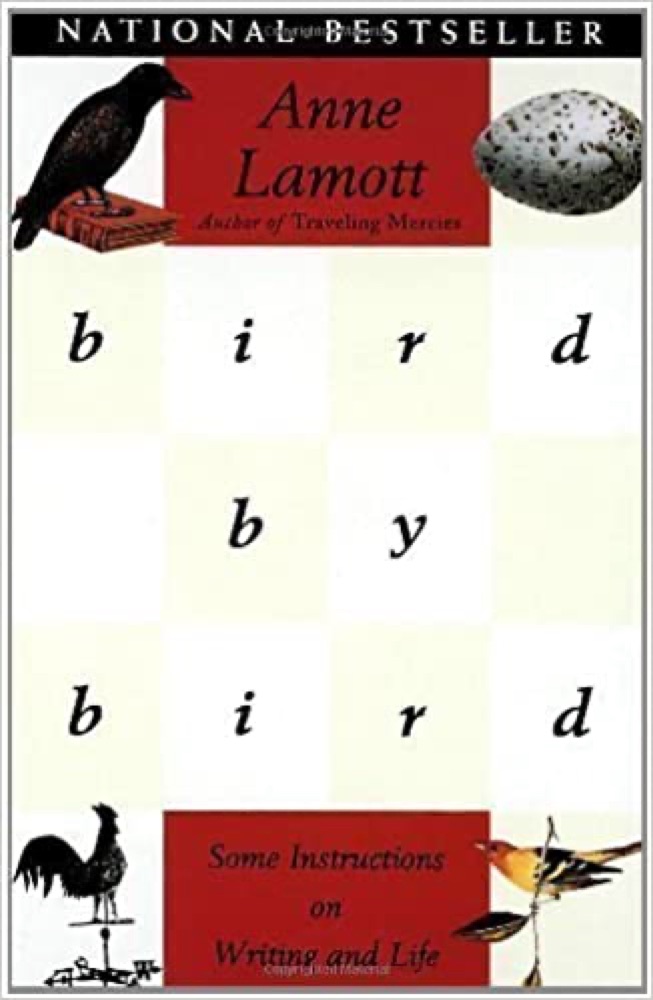
- The title comes from advice Lamott's father gave her older brother, who was overwhelmed by a school report on birds: "Bird by bird, buddy. Just take it bird by bird."
- The full title is "Bird by Bird: Some Instructions on Writing and Life."
- The book grew in part out of the writing workshops Lamott taught.
- Lamott popularized the concept of the "shitty first draft" as a normal and necessary stage of writing.
- Lamott's father, Kenneth Lamott, was himself a writer.
- A 1999 documentary by Freida Lee Mock, "Bird by Bird with Annie: A Film Portrait of Writer Anne Lamott," profiled the author.
About Anne Lamott
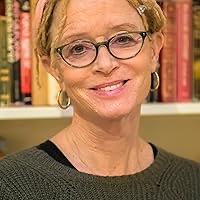
Anne Lamott (born April 10, 1954) is an American novelist and nonfiction writer based in Marin County, California, known for her candid, humorous, and spiritually searching books. The daughter of writer Kenneth Lamott, she received a Guggenheim Fellowship in 1985 and was inducted into the California Hall of Fame in 2010.
More about the author →More by Anne Lamott
Traveling Mercies: Some Thoughts on Faith
 Operating Instructions: A Journal of My Son's First Year
 Plan B: Further Thoughts on Faith
 Help Thanks Wow: The Three Essential Prayers
About the book
"Bird by Bird: Some Instructions on Writing and Life" is Anne Lamott's classic guide to the craft and habit of writing. Part how-to manual and part memoir, it draws on Lamott's own experience as a novelist and on the years she spent teaching writing workshops, walking readers through the practical realities of getting words onto the page — from sitting down each day to wrestling a draft into shape.
The book's enduring appeal lies in its themes: that creative work is built in small, manageable increments rather than grand gestures, that perfectionism is the enemy, and that fear, self-doubt, and a noisy inner critic are normal parts of the process. Lamott famously champions the "shitty first draft" and reframes writing as a means of paying attention to life. Her advice about craft repeatedly opens out into reflections on living honestly and finding meaning, blending instruction with self-deprecating humor and candor about her struggles.
Since its 1994 publication, "Bird by Bird" has become one of the most widely recommended books on writing, a fixture on creative-writing syllabi and a touchstone cited by working authors. Its title — and the central metaphor of taking any overwhelming task "bird by bird" — has entered common usage well beyond writers, and the book remains continuously in print decades after its release.
Book details
- First published
- 1994
- Length
- 237 pages
- Reading time
- 4 hours
- Author
- Anne Lamott
- Genre
- Nonfiction
- Goodreads rating
- 4.24 (113k ratings)
Keep reading
 Writing Down the Bones: Freeing the Writer Within
 If You Want to Write: A Book about Art, Independence and Spirit
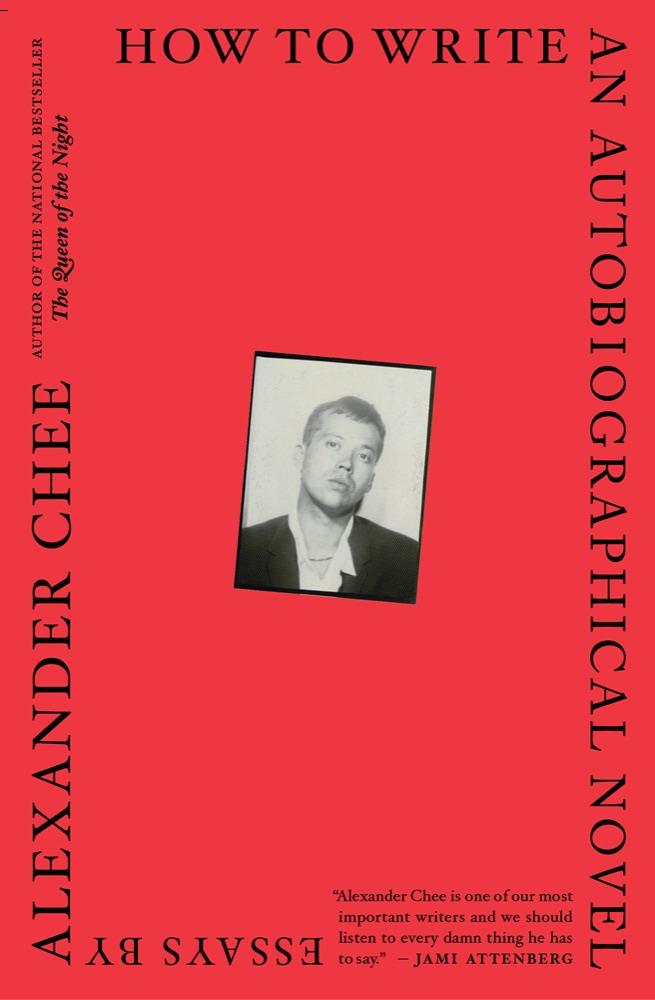 How to Write an Autobiographical Novel
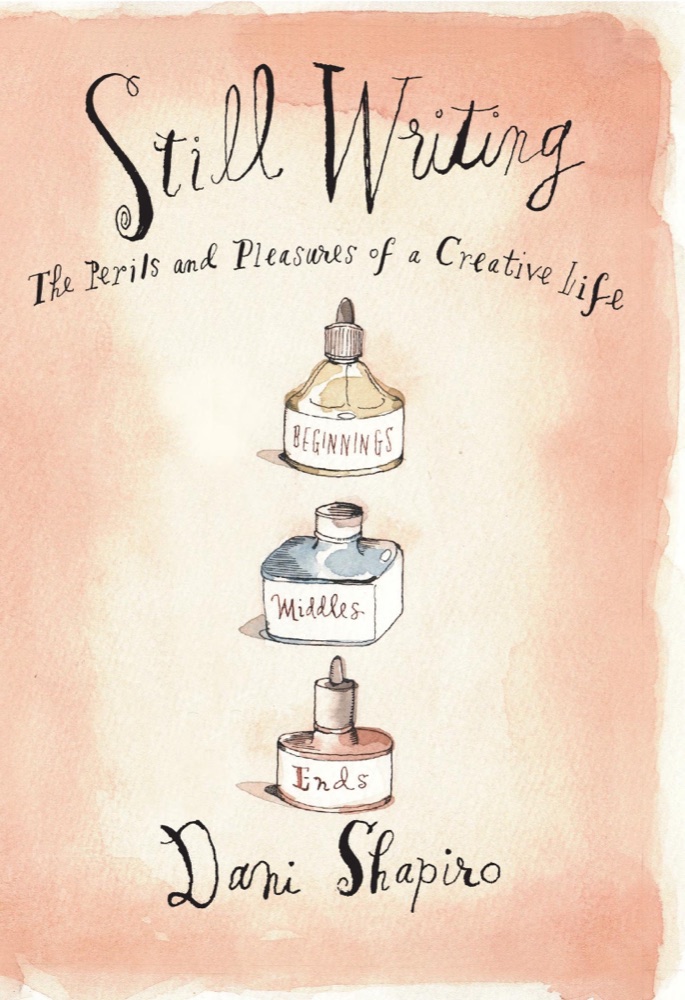 Still Writing: The Perils and Pleasures of a Creative Life
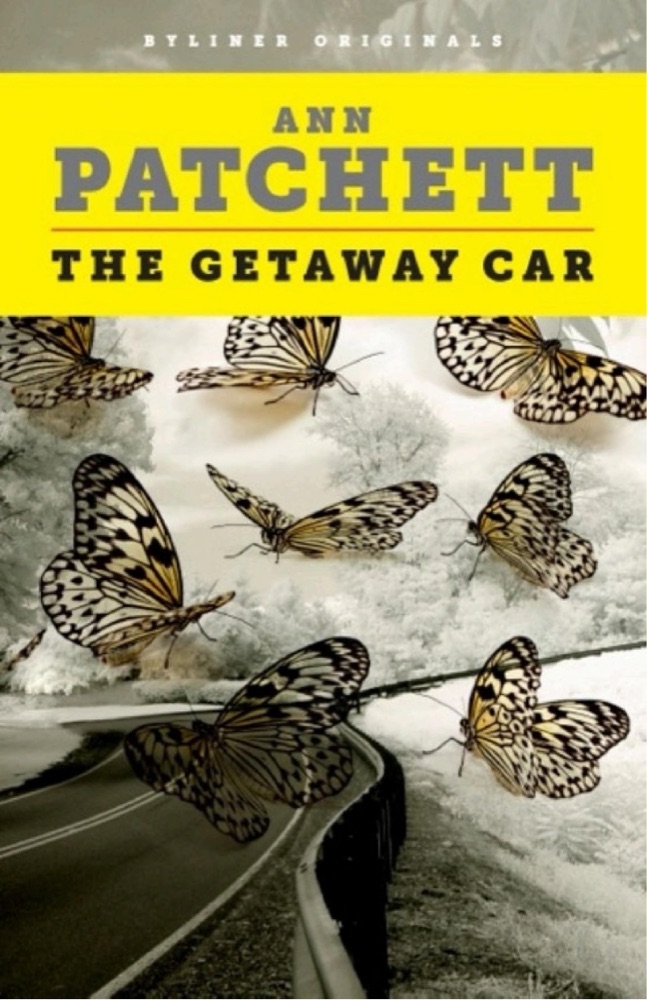 The Getaway Car: A Practical Memoir About Writing and Life
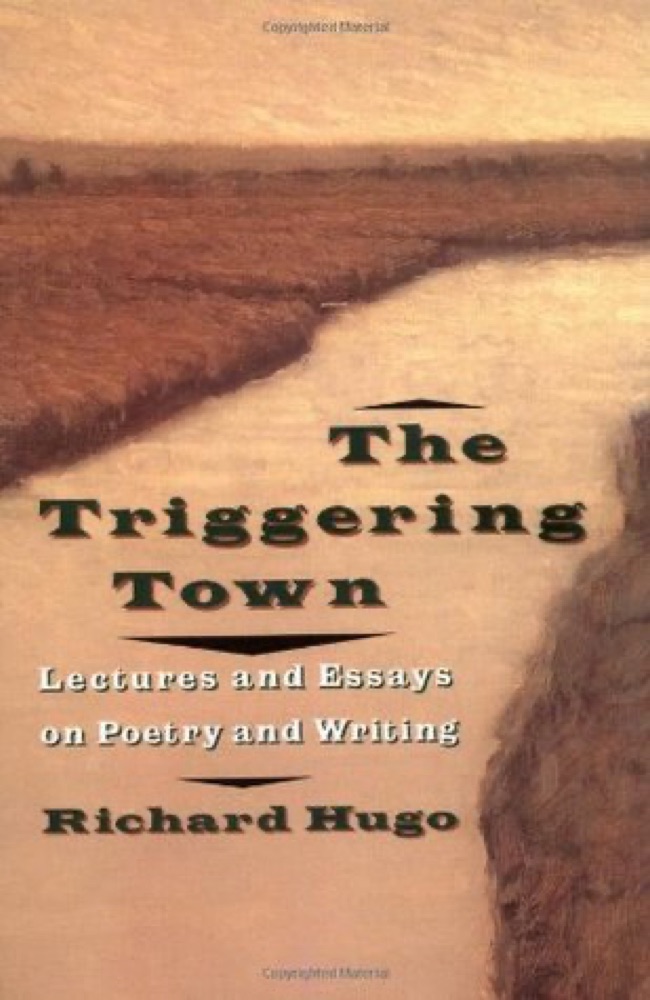 The Triggering Town: Lectures and Essays on Poetry and Writing
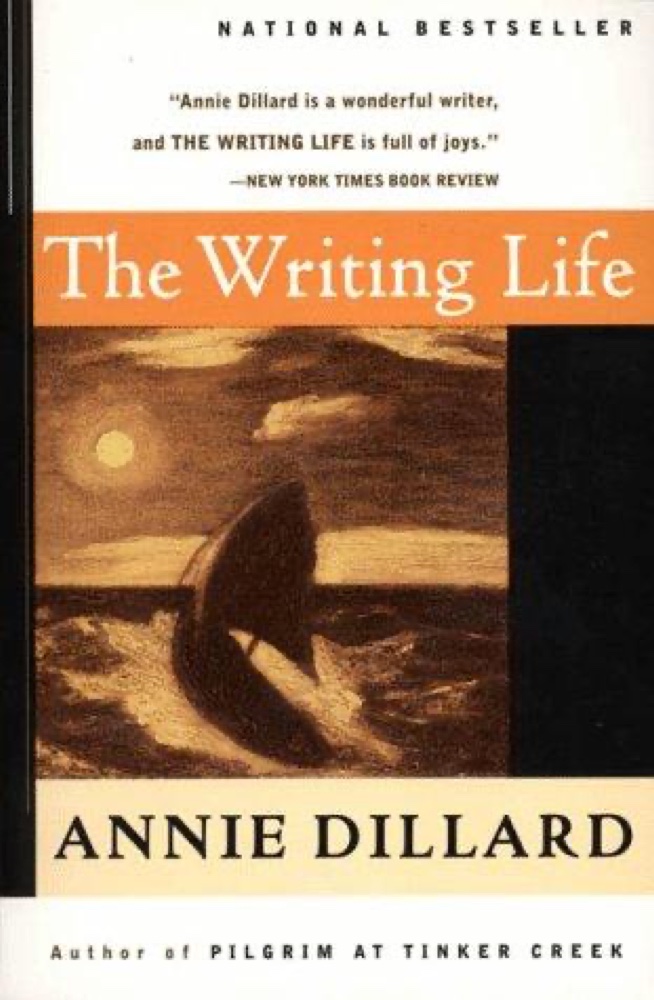 The Writing Life
 Zen in the Art of Writing
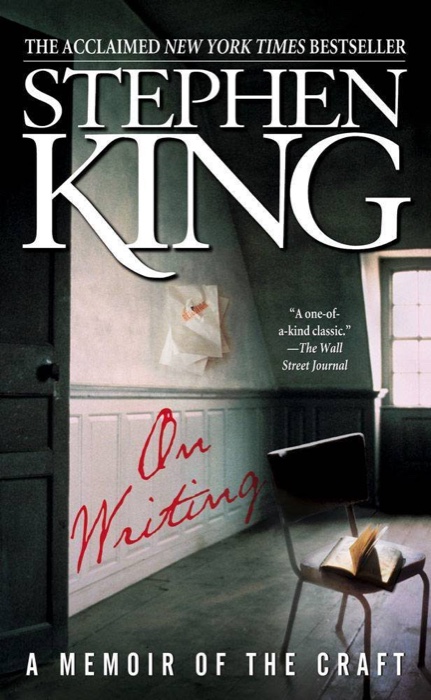 On Writing: A Memoir of the Craft
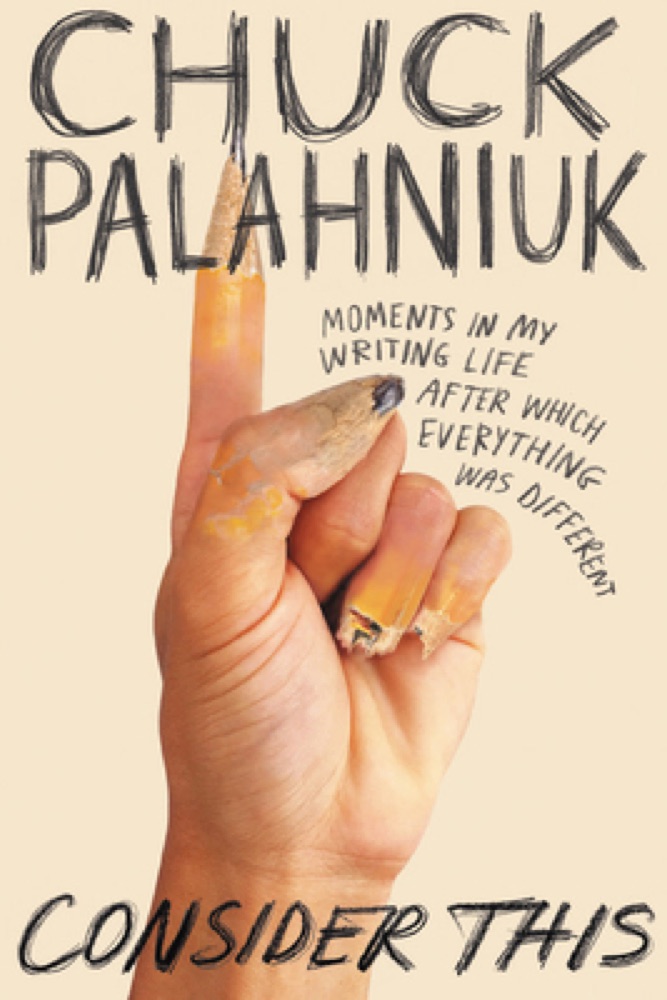 Consider This: Moments in My Writing Life After Which Everything Was Different
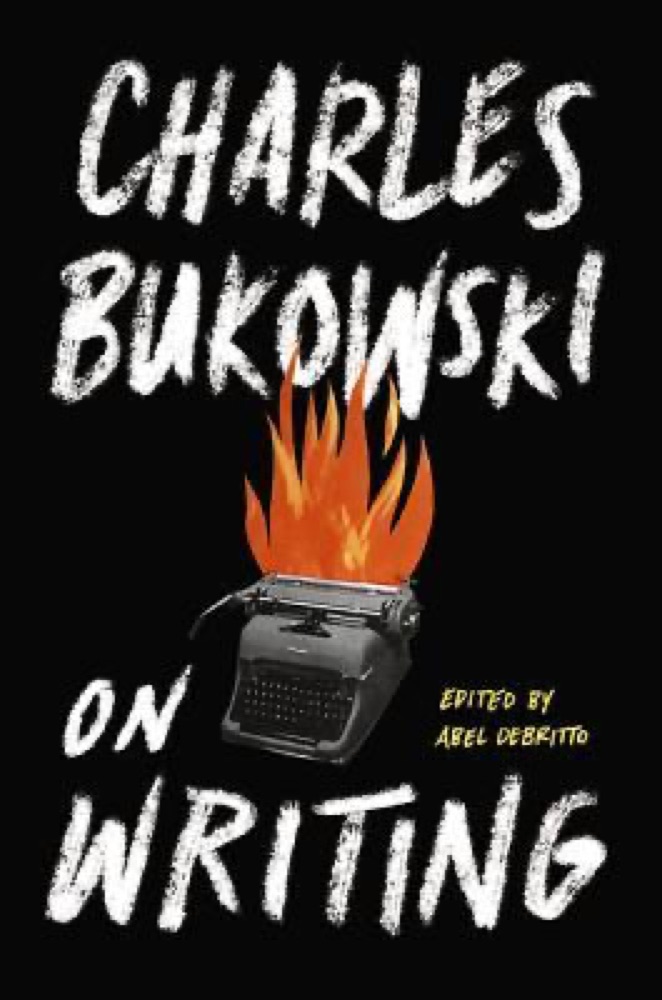 On Writing
 Becoming a Writer
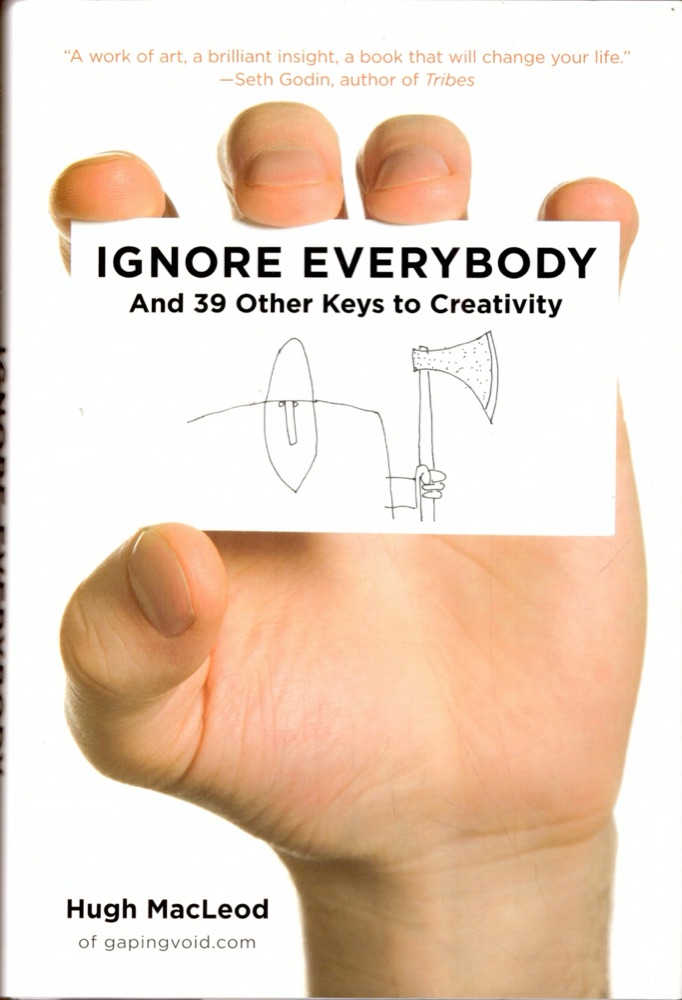 Ignore Everybody: and 39 Other Keys to Creativity
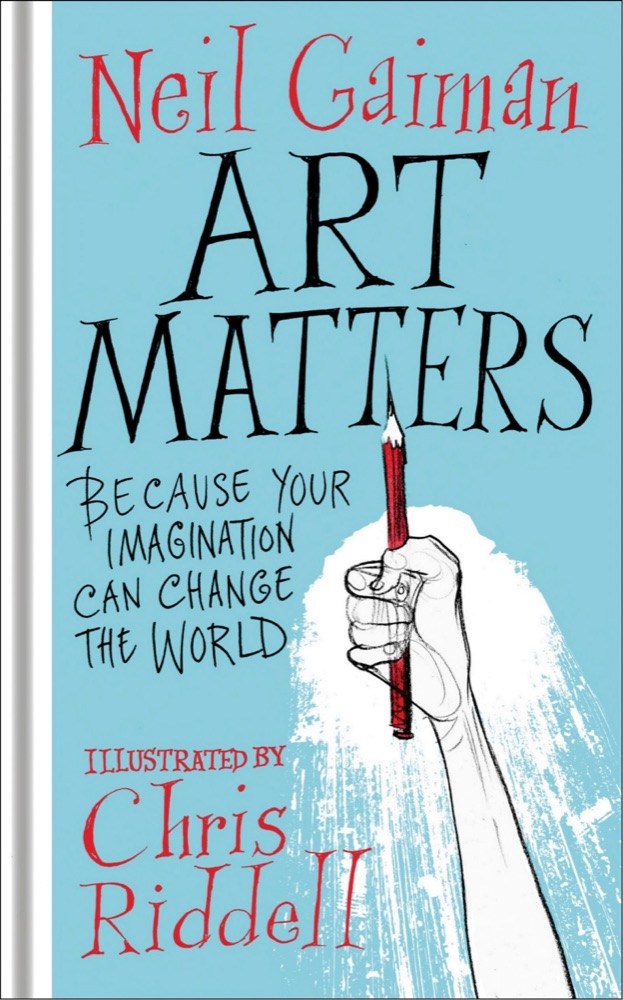 Art Matters: Because Your Imagination Can Change the World
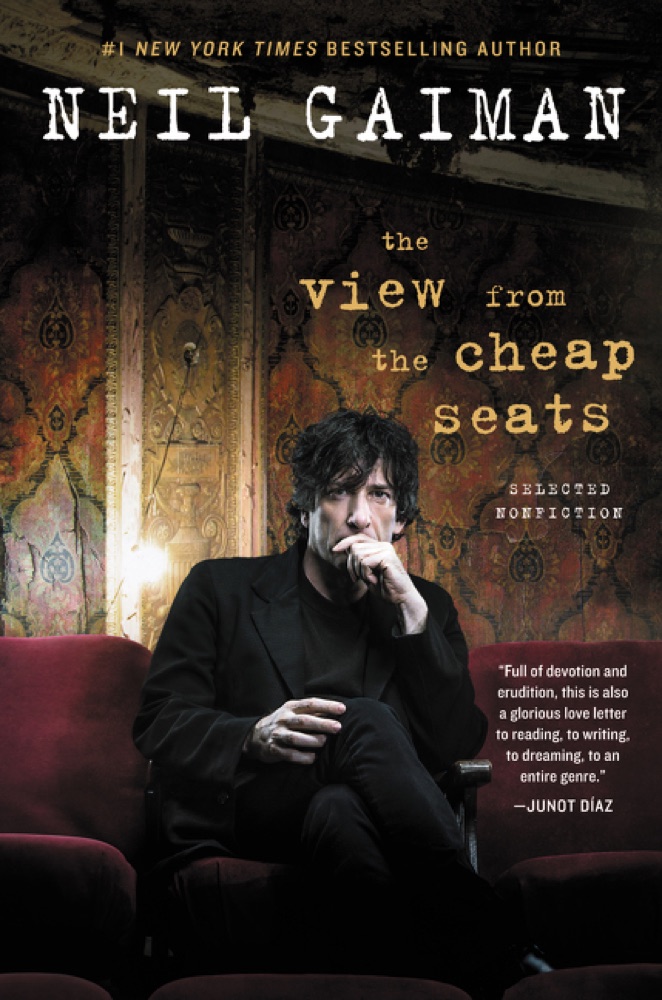 The View from the Cheap Seats: Selected Nonfiction
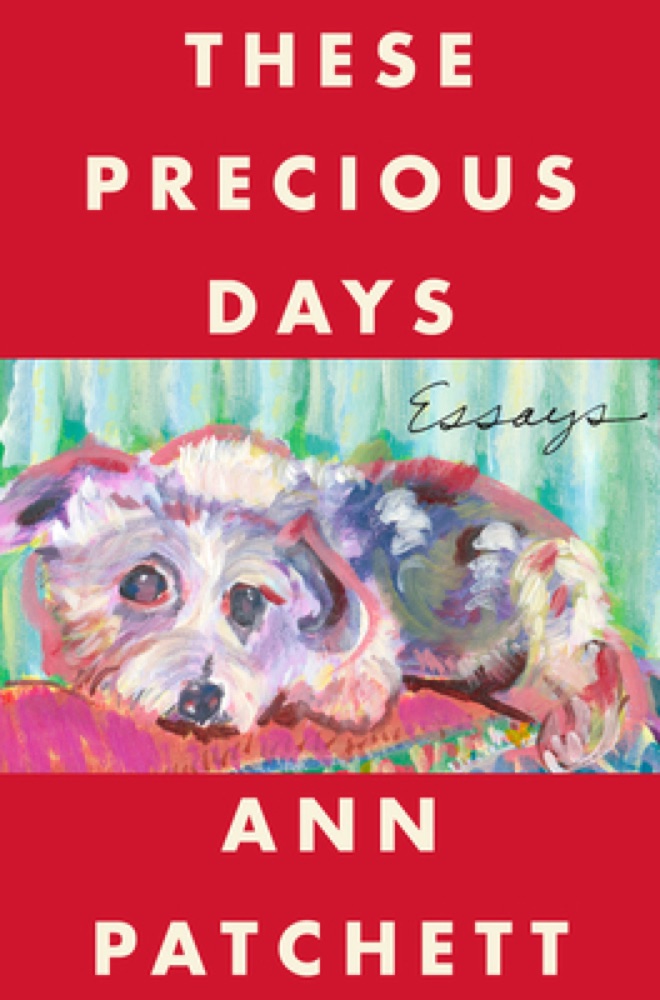 These Precious Days: Essays
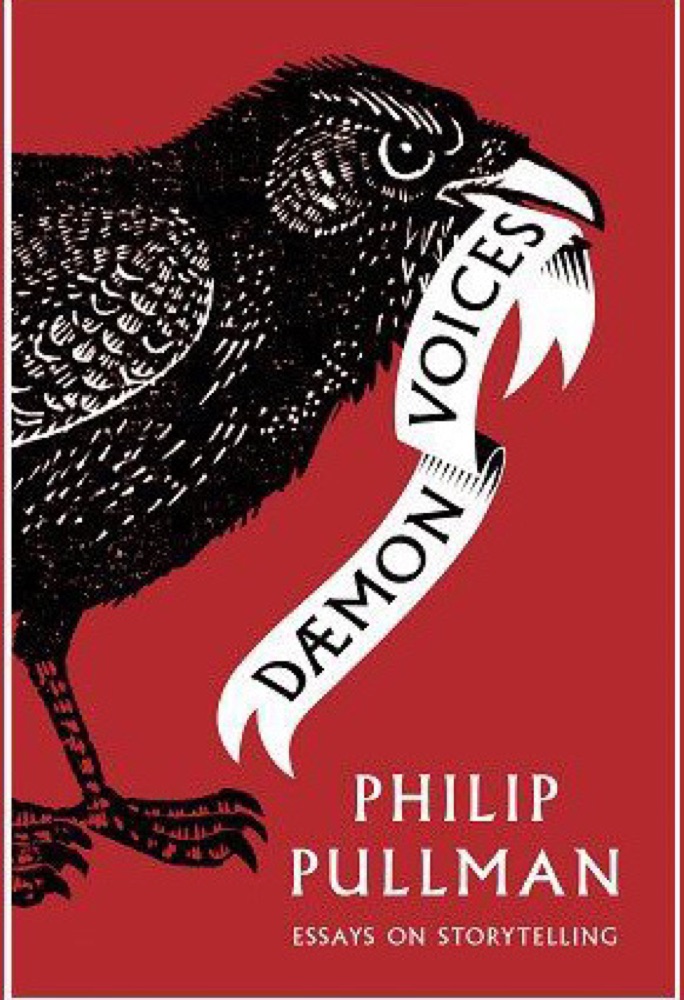 Dæmon Voices
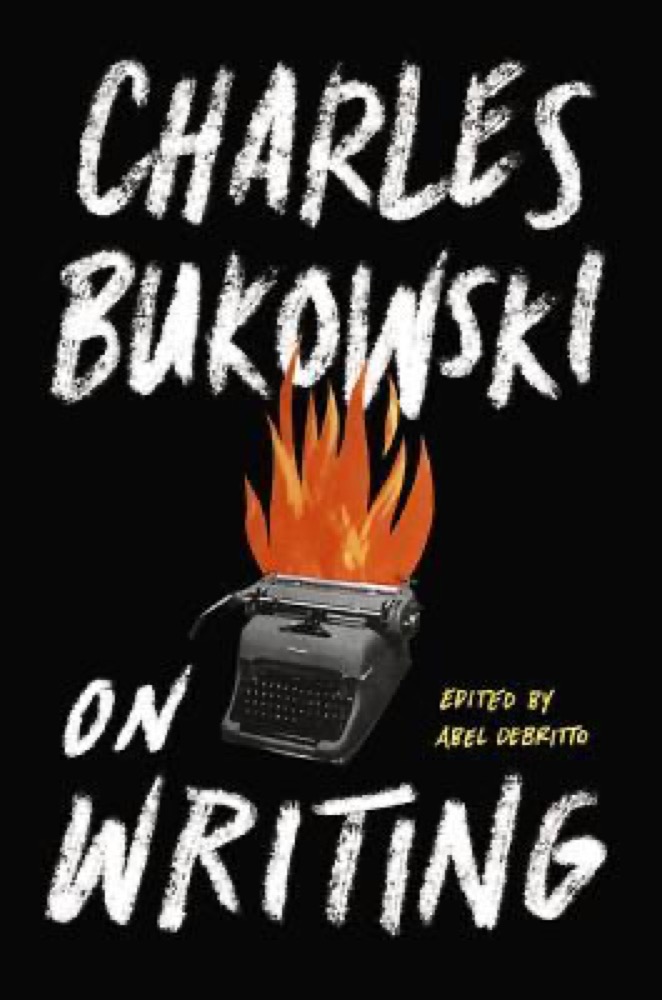 On Writing
 Flaubert's Parrot
 This Is the Story of a Happy Marriage
 I. Asimov: A Memoir
 Blueberries: Essays Concerning Understanding
 Walking on Water: Reading, Writing, and Revolution
 Poison for Breakfast
 We Took to the Woods
 The Rent Collector
 A Writer's Diary
 Adorning the Dark: Thoughts on Community, Calling, and the Mystery of Making
 Novelist as a Vocation
 The Sportswriter
 If This Isn't Nice, What Is?: Advice for the Young
 No One Writes Back
 Old School
 A Million Miles in a Thousand Years: What I Learned While Editing My Life
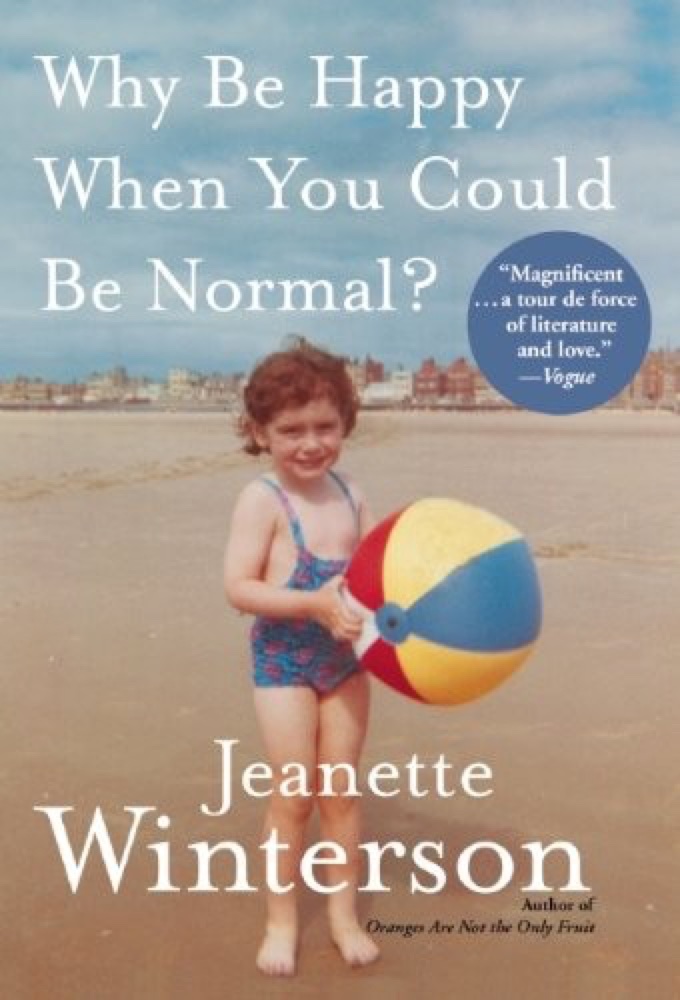 Why Be Happy When You Could Be Normal?
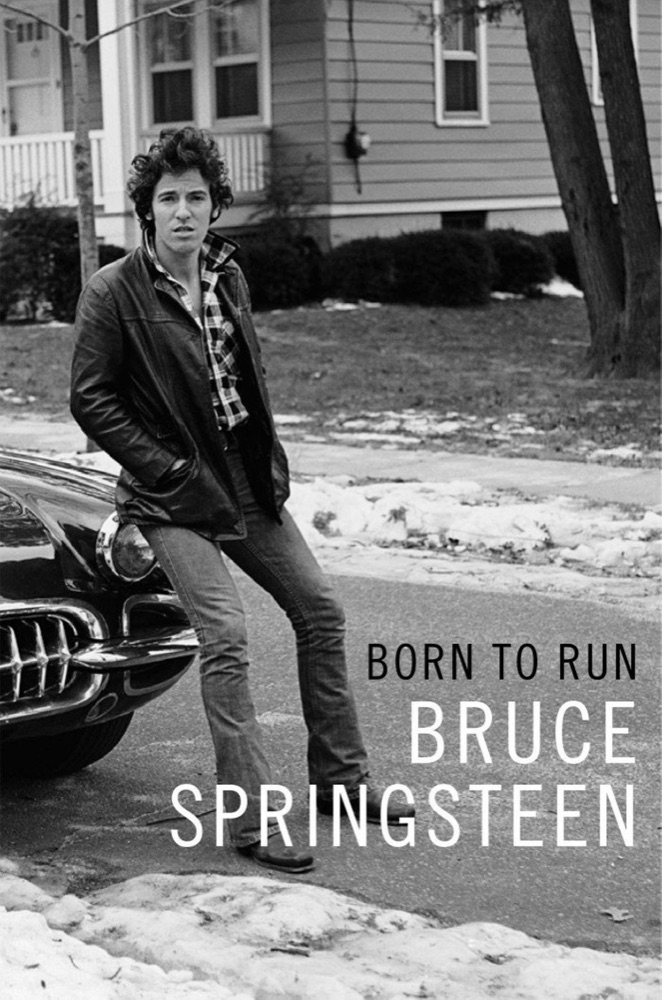 Born to Run
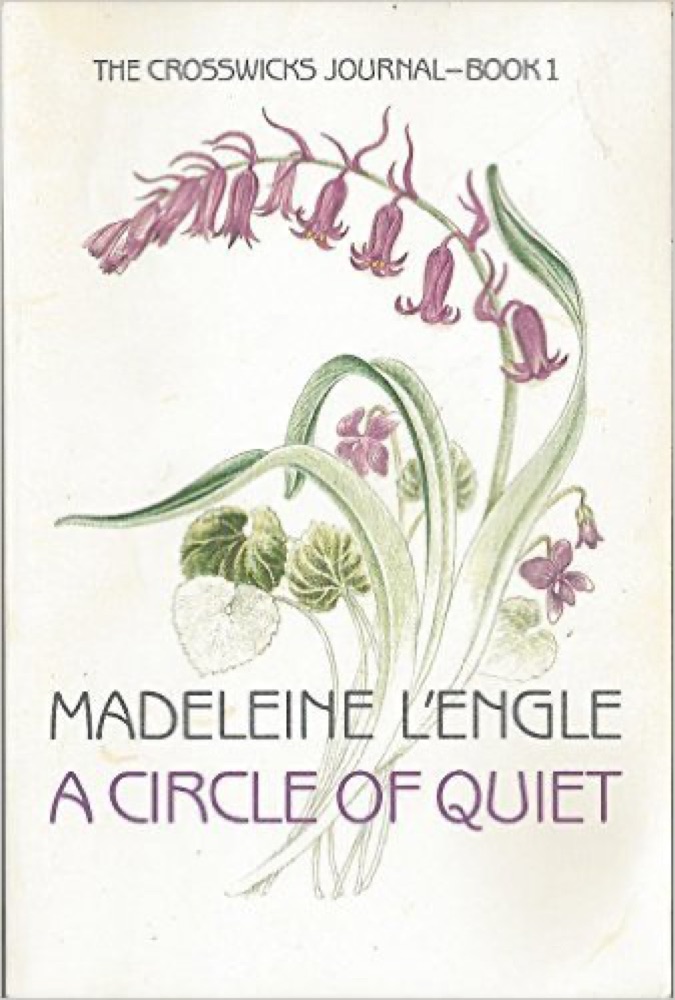 A Circle of Quiet
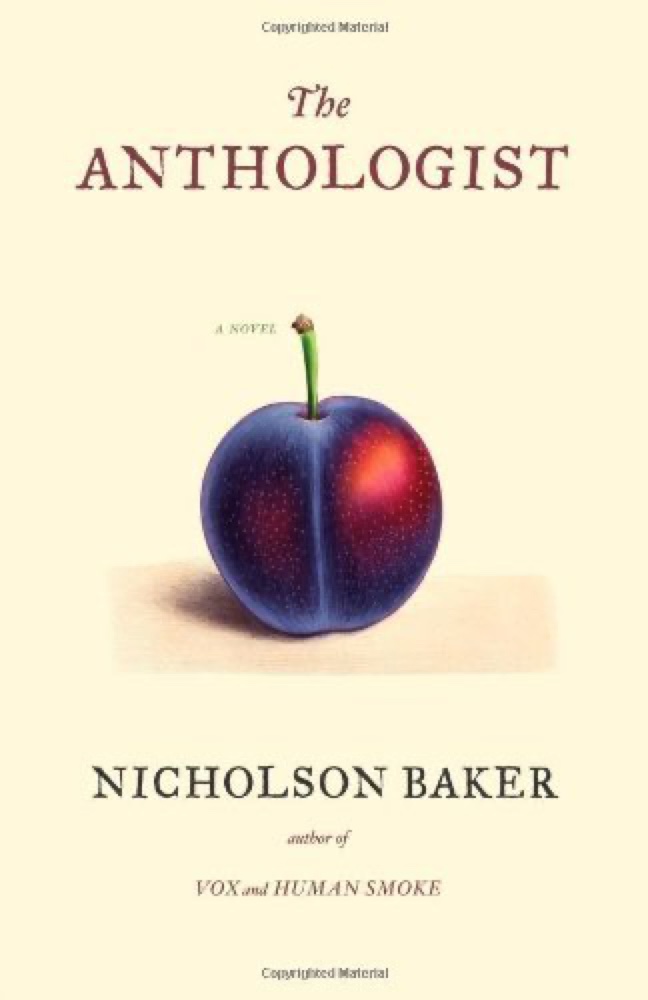 The Anthologist
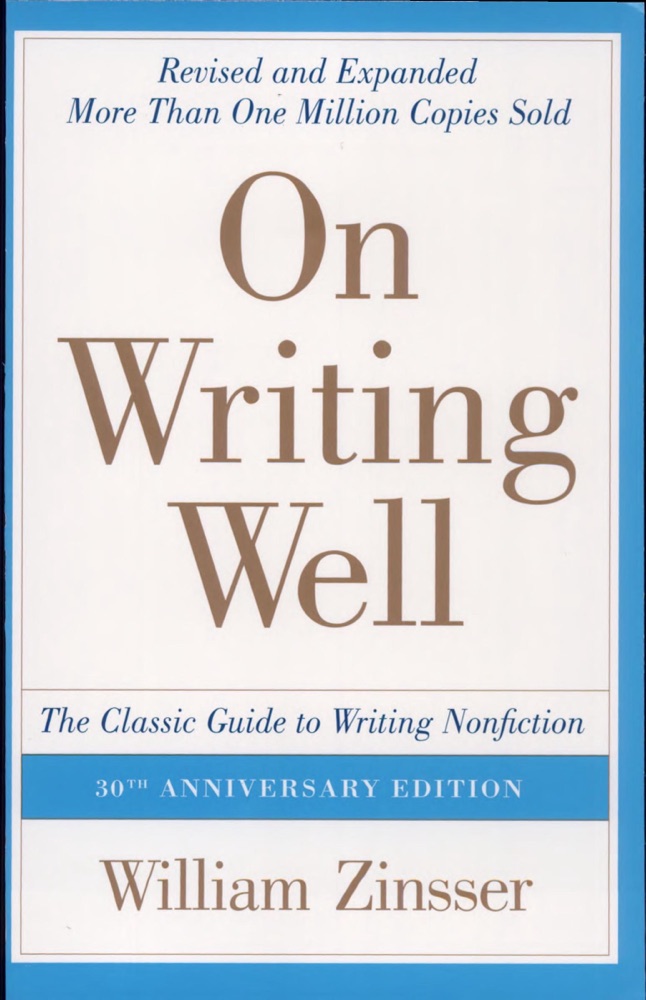 On Writing Well: The Classic Guide to Writing Nonfiction
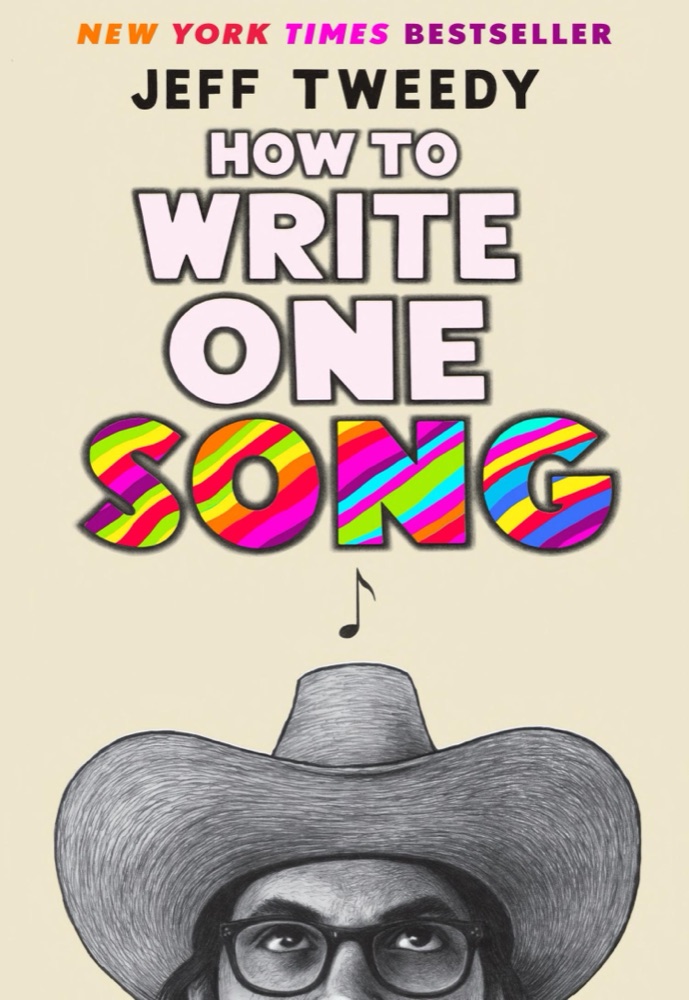 How to Write One Song: Loving the Things We Create and How They Love Us Back
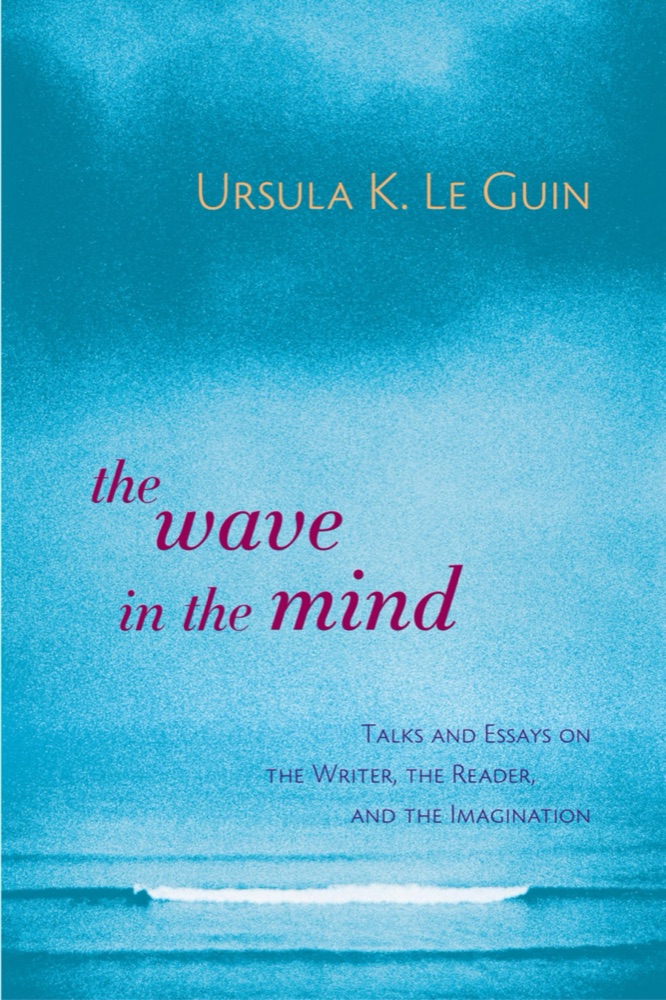 The Wave in the Mind: Talks and Essays on the Writer, the Reader and the Imagination
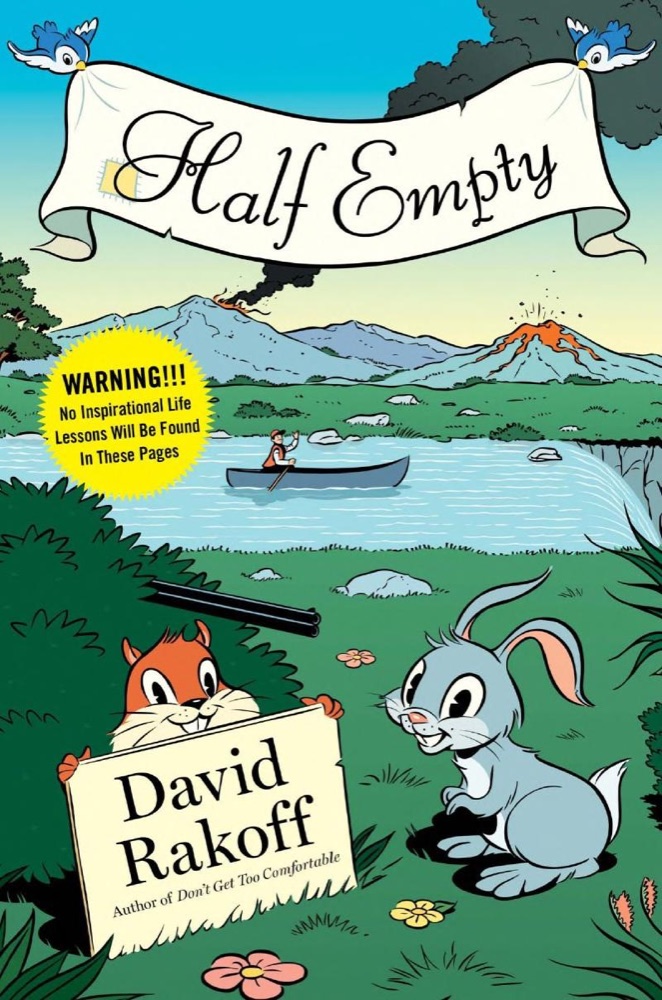 Half Empty
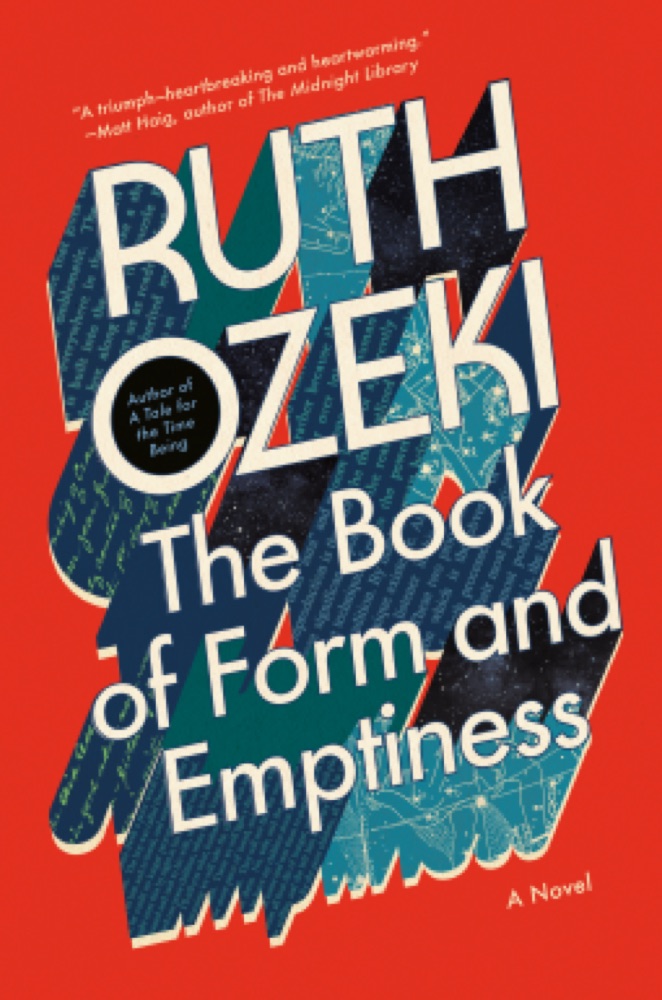 The Book of Form and Emptiness
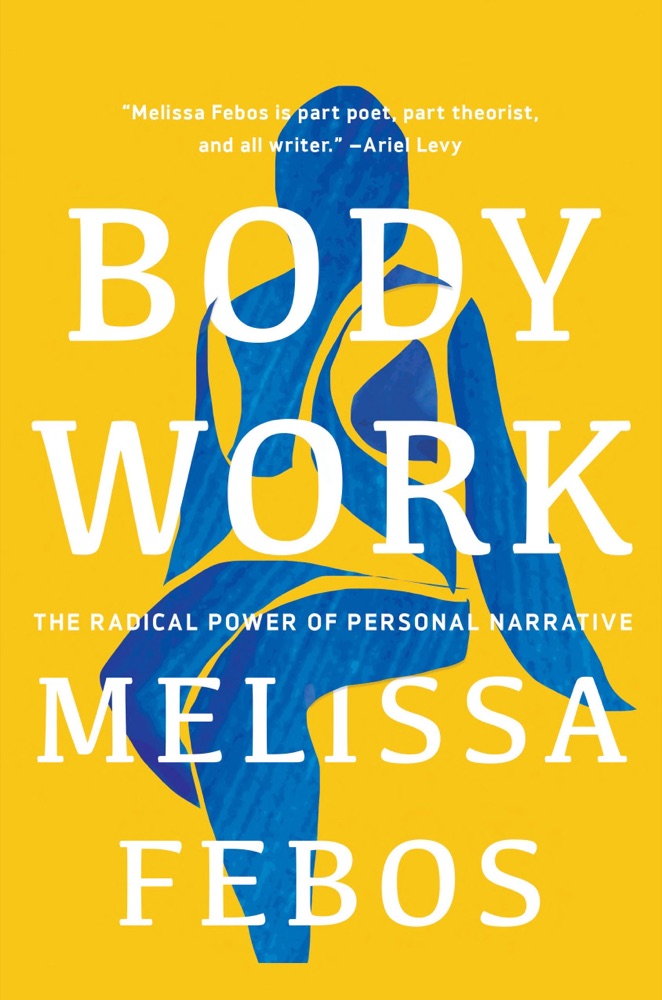 Body Work: The Radical Power of Personal Narrative
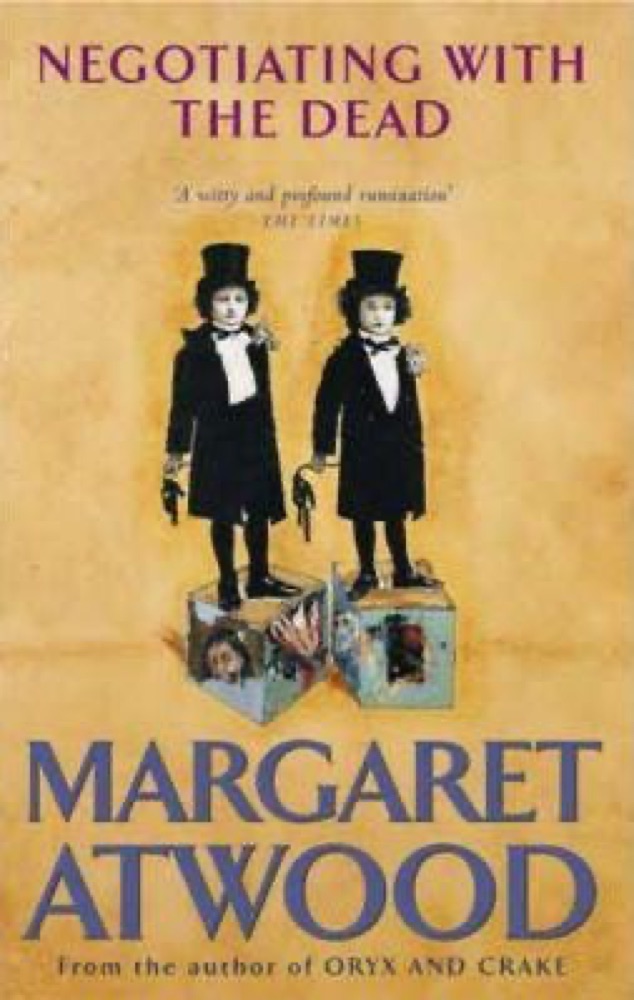 Negotiating with the Dead: A Writer on Writing
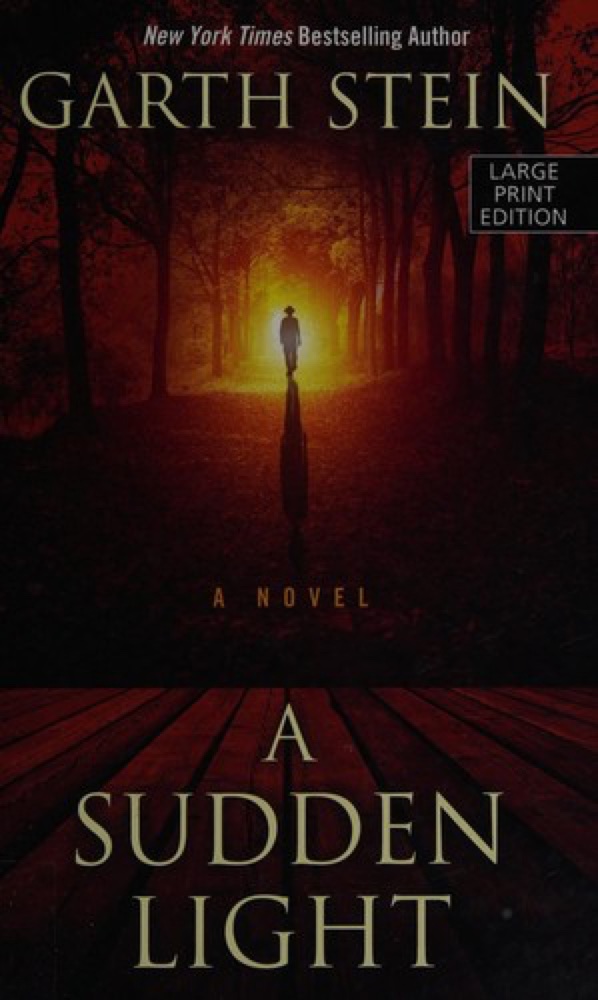 A Sudden Light
 Like Streams to the Ocean: Notes on Ego, Love, and the Things That Make Us Who We Are
 A Slip of the Keyboard: Collected Non-Fiction
 The Power of Writing It Down: A Simple Habit to Unlock Your Brain and Reimagine Your Life
 Asymmetry
 Here for It; Or, How to Save Your Soul in America: Essays
 Death in the Afternoon
 The Abundance
 What Comes Next and How to Like It
 Carry On, Warrior: Thoughts on Life Unarmed
 The Stories We Tell: Every Piece of Your Story Matters
 Rite of Passage
 Journal of a Solitude
 Buffering: Unshared Tales of a Life Fully Loaded
 Mao II