 The Complete Short Stories
Quotes from the Book
So far, about morals, I know only that what is moral is what you feel good after and what is immoral is what you feel bad after.
848
When writing a novel a writer should create living people; people not characters. A character is a caricature.
449
Any man's life, told truly, is a novel...
201
If a writer of prose knows enough about what he is writing about, he may omit things that he knows and the reader, if the writer is writing truly enough, will have a feeling of those things as strongly as though the writer had stated them. The dignity of movement of an iceberg is due to only one-eighth of it being above water
54
The great thing is to last and get your work done and see and hear and learn and understand; and write when there is something that you know; and not before; and not too damned much after. Let those who want to save the world if you can get to see it clear and as a whole. Then any part you make will represent the whole if it's made truly. The thing to do is work and learn to make it.
33
This too to remember. If a man writes clearly enough any one can see if he fakes. If he mystifies to avoid a straight statement, which is very different from breaking so-called rules of syntax or grammar to make an efffect which can be obtained in no other way, the writer takes a longer time to be known as a fake and other writers who are afflicted by the same necessity will praise him in their own defense. True mysticism should not be confused with incompetence in writing which seeks to mystify where there is no mystery but is really only the necessity to fake to cover lack of knowledge or the inability to state clearly. Mysticism implies a mystery and there are many mysteries; but incompetence is not one of them; nor is overwritten journalism made literature by the injection of a false epic qulaity. Remember this too: all bad writers are in love with the epic.
24
To go to bed at night in Madrid marks you as a little queer. For a long time your friends will be a little uncomfortable about it. Nobody goes to bed in Madrid until they have killed the night. Appointments with a friend are habitually made for after midnight at the cafe.
21
I was trying to learn to write, commencing with the simplest things, and one of the simplest things of all and the most fundamental is violent death.
20
Find what gave you emotion; what the action was that gave you excitement. Then write it down making it clear so that the reader can see it too. Prose is architecture, not interior decoration, and the Baroque is over.
17
I was trying to write then and I found the greatest difficulty, aside from knowing what you really felt, rather that what you were supposed to feel, and had been taught to feel, was to put down what really happened in action; what the actual things which produced the emotion that you experienced...
15
To show his nervousness was not shameful; only to admit it.
11
For one person who likes Spain there are a dozen who prefer books on her.
9
All our words from loose using have lost their edge.
8
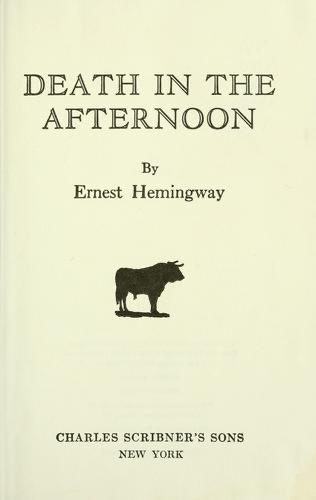
It must be most dangerous then to be a man. It is indeed, madame, and but few survive it. ― Ernest Hemingway, Death in the Afternoon (Zinc Read, February 21, 2023) Originally publishedJanuary 1, 1932
7
if I had waited long enough I probably never would have written anything at all since there is a tendency when you really begin to learn something about a thing not to want to write about it but rather to keep on learning about it always and at no time, unless you are very egotistical, which, of course, accounts for many books, will you be able to say: now I know all about this and will write about it.
7
Madame, it is always a mistake to know an author. (p.215)
6
All supposed exterior signs of danger that a bull gives, such as pawing the ground, threatening with his horns, or bellowing are forms of bluffing. They are warnings given in order that combat may be avoided if possible. The truly brave bull gives no warning before he charges except the fixing of his eye on the enemy, the raising of the crest of muscle in his neck, the twitching of an ear, and, as he charges, the lifting of his tail.
6
The cynical ones are the best companions. But the best of all are the cynical ones when they are still devout; or after; when having been devout, then cynical, they become devout again by cynicism.
6
If you have plenty of money, want not to see but to have seen a bullfight and plan no matter whether you like it or not to leave after the first bull, buy a barrera seat so that someone who has never had enough money to sit in a barrera can make a quick rush from above and occupy your expensive seat as you go out taking your pre-conceived opinions with you.
6
Too much honor destroys a man quicker than too much of any other fine quality.
5
Let those who want to save the world if you can get to see it clear and as a whole. Then any part you make will represent the whole if it's made truly. The thing to do is work and learn to make it.
5
The bullfight is a Spanish institution; it has not existed because of the foreigners and tourists, but always in spite of them and any step to modify it to secure their approval, which it will never have, is a step towards its complete suppression.
4
It must be dangerous to be a man. It is indeed, madame, and but few survive it, 'Tis a hard trade and the grave is at the end of it.
3
Every novel which is truly written contributes to the total of knowledge which is there at the disposal of the next writer who comes, but the next writer must pay, always, a certain nominal percentage in experience to be able to understand and assimilate what is available as his birthright and what he must, in turn, take his departure from. If a writer of prose knows enough about what he is writing about he may omit things that he knows and the reader, if the writer is writing truly enough, will have a feeling of those things as strongly as though the writer had stated them. The dignity of movement of an ice-berg is due to only one-eighth of it being above water. A writer who omits things because he does not know them only makes hollow places in his writing. A writer who appreciates the seriousness of writing so little that he is anxious to make people see he is formally educated, cultured or well-bred is merely a popinjay. And this too remember; a serious writer is not to be confounded with a solemn writer. A serious writer may be a hawk or a buzzard or even a popinjay, but a solemn writer is always a bloody owl.
3
There was a time, not so long ago, when the stupid and uneducated aspired to be thought intelligent and cultured people doing their best to feign stupidity.
3
Watch on YouTube
About Ernest Hemingway
We have collected 374 quotes from 18 books by Ernest Hemingway on BookQuoters.
More about the author →More by Ernest Hemingway
All books by Ernest Hemingway →
About the book
Still considered one of the best books ever written about bullfighting, Death in the Afternoon is an impassioned look at the sport by one of its true aficionados. It reflects Hemingway's conviction that bullfighting was more than mere sport and reveals a rich source of inspiration for his art. The unrivaled drama of bullfighting, with its rigorous combination of athleticism and artistry, and its requisite display of grace under pressure, ignited Hemingway's imagination. Here he describes and explains the technical aspects of this dangerous ritual and "the emotional and spiritual intensity and pure classic beauty that can be produced by a man, an animal, and a piece of scarlet serge draped on a stick." Seen through his eyes, bullfighting becomes a richly choreographed ballet, with performers who range from awkward amateurs to masters of great elegance and cunning.
A fascinating look at
Book details
- First published
- 1932
- Author
- Ernest Hemingway
- Genre
- Classics
- Goodreads rating
- 3.67 (10k ratings)
Keep reading
 Mystery and Manners: Occasional Prose
 Flaubert's Parrot
 Dæmon Voices
 On Writing
 Dear Mr. M
 If You Want to Write: A Book about Art, Independence and Spirit
 How to Read Literature
 The Writing Life
 Experience
 On Writing
 The Triggering Town: Lectures and Essays on Poetry and Writing
 Becoming a Writer
 One Man's Meat
 Complete Works of Oscar Wilde
 Negotiating with the Dead: A Writer on Writing
 Stein on Writing
 Let Me Tell You What I Mean
 An Instance of the Fingerpost
 The Fall of Babel
 The Fall
 Human, All Too Human
 How Not to Write a Novel: 200 Classic Mistakes and How to Avoid Them—A Misstep-by-Misstep Guide
 Cakes and Ale
 How to Write an Autobiographical Novel
 Aspects of the Novel
 Consider This: Moments in My Writing Life After Which Everything Was Different
 Bird by Bird
 The Recognitions
 The Wave in the Mind: Talks and Essays on the Writer, the Reader and the Imagination
 Cultural Amnesia: Necessary Memories from History and the Arts
 Summertime
 Everything's Eventual
 Old School
 The Confessions of Frannie Langton
 The Art of Fiction: Notes on Craft for Young Writers
 Both Flesh and Not: Essays
 A Collection of Essays
 The Story of the Lost Child
 Incidental Inventions
 Sometimes a Great Notion
 I. Asimov: A Memoir
 A Slip of the Keyboard: Collected Non-Fiction
 Everything's Eventual
 Mao II
 Finders Keepers
 The Hod King
 The Fencing Master
 Too Like the Lightning
 The Last Samurai
 Speedboat
 What the Dog Saw and Other Adventures
 Novelist as a Vocation
 The Gadfly
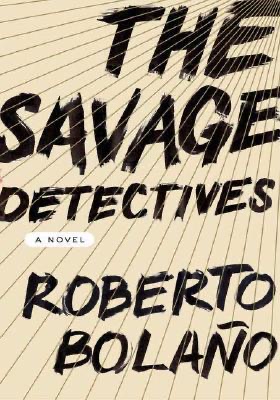 The Savage Detectives
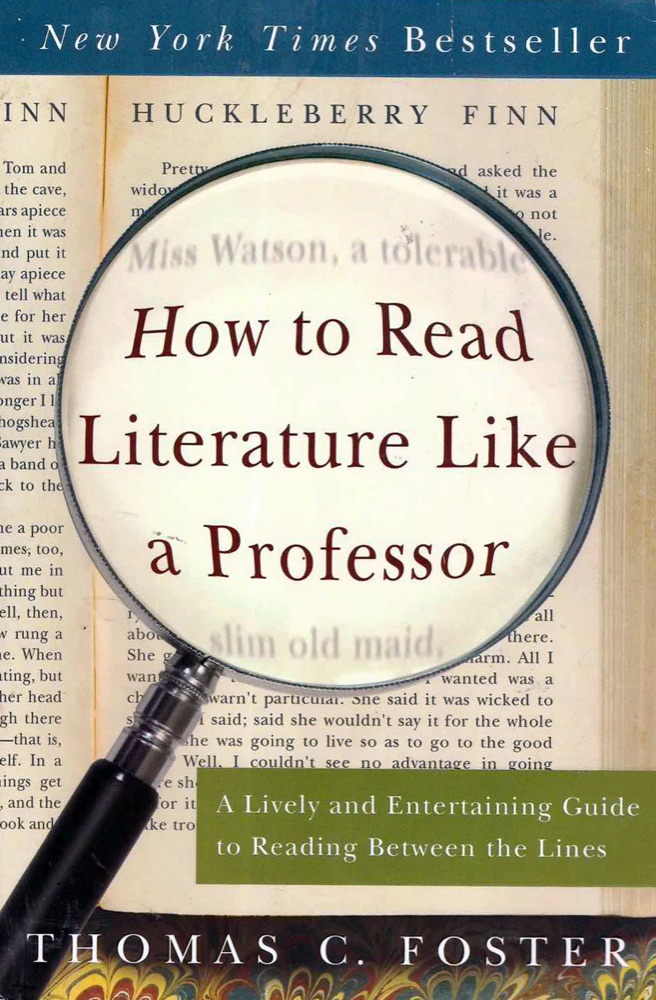 How to Read Literature Like a Professor
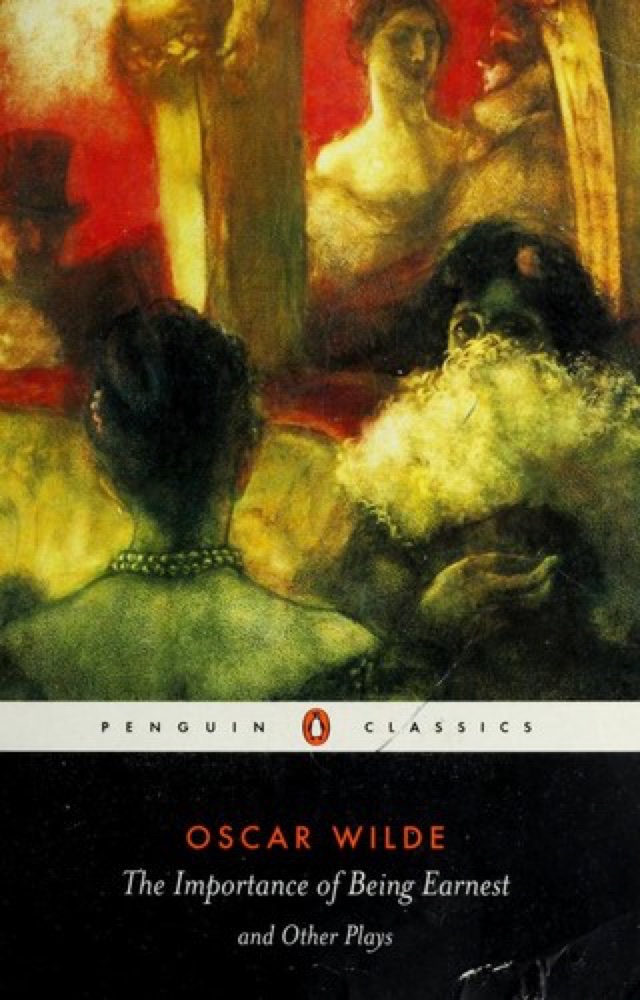 The Importance of Being Earnest and Other Plays
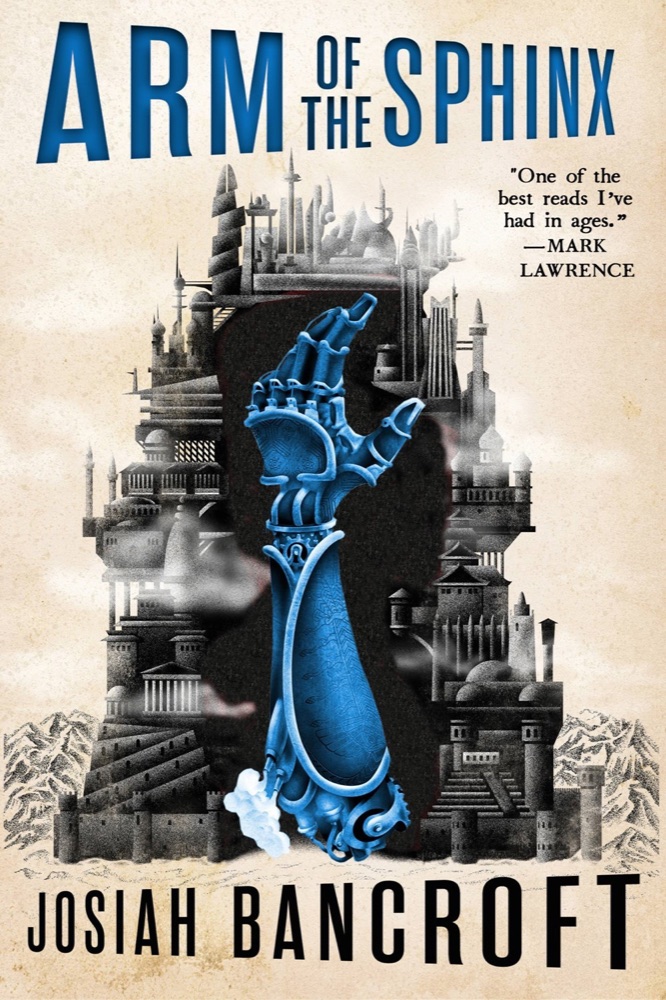 Arm of the Sphinx
 Wampeters, Foma and Granfalloons
 The Essays of Ralph Waldo Emerson