
 His Dark Materials
Quotes from the Book
Eve was tempted not by wealth or love but by knowledge.
12
Stories aren't made of language: they're made of something else. A little earlier I said that stories were about life; perhaps they're made of life.
12
No literary work longer than a haiku is going to be entirely without faults.
9
The mind has plenty of ways of preventing you from writing, and paralysing self-consciousness is a good one. The only thing to do is ignore it, and remember what Vincent van Gogh said in one of his letters about the painter's fear of the blank canvas - the canvas, he said, is far more afraid of the painter.
7
Every sentence I write is surrounded by the ghosts of the sentences I could have written at that point, but chose not to.
6
We shouldn't be afraid of the obvious, because stories are about life, and life is full of obvious things like food and sleep and love and courage which you don't stop needing just because you're a good reader.
4
The meaning of one thing is its connection with another;
4
Novels and stories are not arguments; they set out not to convince, but to beguile.
3
When you write a story you're not trying to prove anything or demonstrate the merits of this case or the flaws in that. At its simplest, what you're doing is making up some interesting events, putting them in the best order to show the connections between them and recounting them as clearly as you can.
3
Of all the dangers that threaten us at the beginning of the third millennium - the degradation of the environment, the increasing undemocratic power of the great corporations, the continuing threats to peace in regions full of decaying nuclear weapons, and so on - one of the biggest dangers of all comes from fundamentalist religion....From the Christian conservatives in the USA to the Taliban in Afghanistan.
2
The commercial pressures, the forces urging us to buy and discard and buy again. When everything in public life has a logo attached to it, when every public space is disfigured with advertisements, when nothing if public value and importance can take place without commercial sponsorship, when schools and hospitals have to act as if their guiding principle were market forces rather than human need,..., when citizens become consumers and clients, patients, guests, students and passengers are all flattened into customers, what price the school of morals? The answer is: what it would fetch in the market, and not a penny more.
2
The classroom is a torture chamber , interrogating poetry until it confesses.
2
I was condemned to be burnt myself recently, or my books were. An article in the _Catholic Herald_ said that my _His Dark Materials_ was "far more worthy of the bonfire than Harry [Potter]"; it was "a million times more sinister." Naturally, I'm very proud of this distinction, and I asked the publishers to print it in the paperback of _The Subtle Knife_.
2
But I haven’t mentioned the cheer relentlessness of modern life, the crowdedness, the incessant thumping music and braying voices, the near impossibility of finding solitude and silence and time to reflect. I haven’t mentioned the commercial pressures, the forces urging us to buy and discard and buy again. When everything in public life has a logo attached to it, when every public space is disfigured with advertisements, when nothing of public value and importance can take place without commercial sponsorship, when schools and hospitals have to act as if their guiding principle were market forces rather than human need, when adults and children alike are tempted to wear t-shirts with obscene words on them by the smirking little devices spelling the words wrongly, when citizens become consumers and clients; patients and guests, students and passengers are all flattened into customers, what price the school of morals? The answer is: what it would fetch in the market. And not a penny more. I haven’t mentioned the obsession with targets, and testing and tables; the management-driven and politics corrupted and all the clotted rubbish that so deforms the true work of schools. I haven’t mentioned something that might seem trivial but I think its importance is profound and rarely understood: that’s the difference between reading a story in a book and watching a story on a screen. It’s a psychological difference, not just a technical one. We need to take account of it and I fear we are not doing it, and the school of morals is suffering in result.
1
Schools must take children to the theatre. This activity must be subsidised. Children should be able to join a youth theatre near where they live, and learn how to take part in every aspect of putting on a play. Places like that should be subsidised too. These things are not luxuries: they’re essential to our wellbeing.
1
Wagner's gods and heroes are exactly like human beings, on a grand scale: every human virtue and every human temptation is there. Tolkien leaves a good half of them out. No one in Middle Earth has any sexual relations at all. I think their children must be delivered by post.
1
This is the sort of thing that was probably meant by the phrase 'institutional racism' with reference to the police...a lot of the criticism of that came from people who thought that every police officer was thus being called a racist, but it was different from that...soldiers in a regiment are imbued with a sort of invisible ...feeling, which is again picked up by a hundred little example, some too small to see consciously...young officers see and hear their elders and superiors using language or making jokes, or overlooking remarks that they make, which have a racist tendency. The general assumption is that that's the way we, the force, the canteen, the people in uniform - us - that's the way we see things. It all resonates and gets amplified. And because a lot of this is subliminal and unconscious and never actually put into 'racist' words...it's easy to deny that it exists, and it is even easy to believe that it doesn't.
1
The News of the World no longer exists. How nice to realise that even the most offensive things will eventually require a footnote to explain what they were.
1
Should we storytellers make sure we pass on the experience of our own culture? Yes, of course. It's one of our prime duties. But should we only tell stories that reflect our own background? Should we refrain from telling stories that originated elsewhere, on the grounds that we don't have the right to annex the experience of others? Absolutely not. A culture that never encounters any others becomes first inward-looking, and then stagnant, and then rotten. We are responsible for bringing fresh streams of story into our own cultures from all over the world, and welcoming experience from every quarter, and offering our own experience in return.
1
I wish I’d seen, as I was writing it, that it would be much more effective if he motivation were love; that he does these terrible things out of sheer compassion. He’s killing people in order to save their souls....It’s much more interesting, because much more realistic, when there’s a struggle between different goods.
1
Or when a good character does something bad? It’s probably better to think about good or bad actions rather than good or bad characters. People are complicated.
1
Watch on YouTube
About Philip Pullman
We have collected 193 quotes from 10 books by Philip Pullman on BookQuoters.
More about the author →More by Philip Pullman
All books by Philip Pullman →
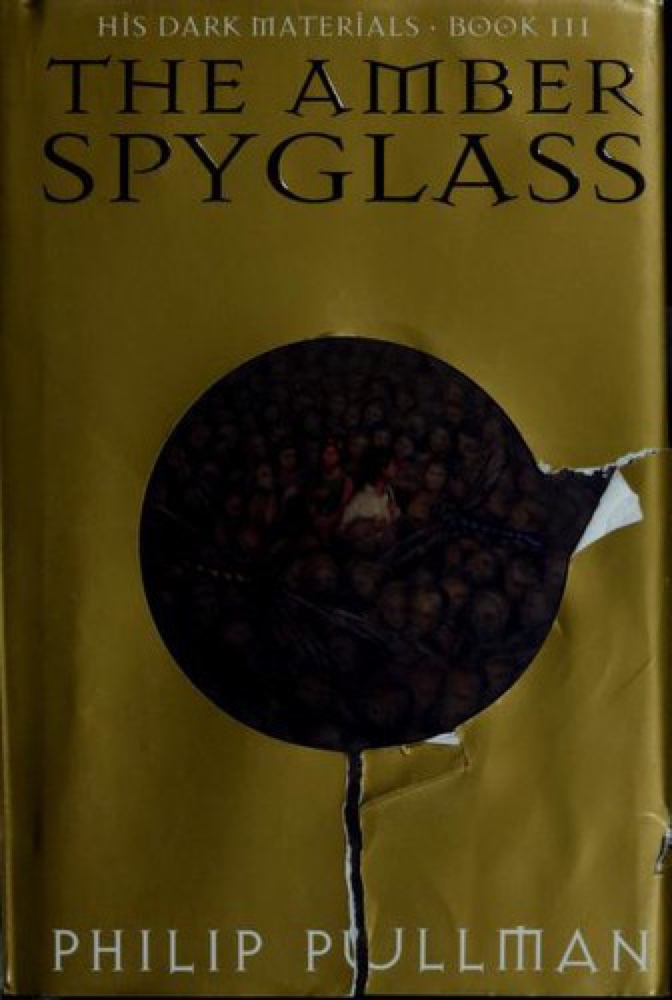
About the book
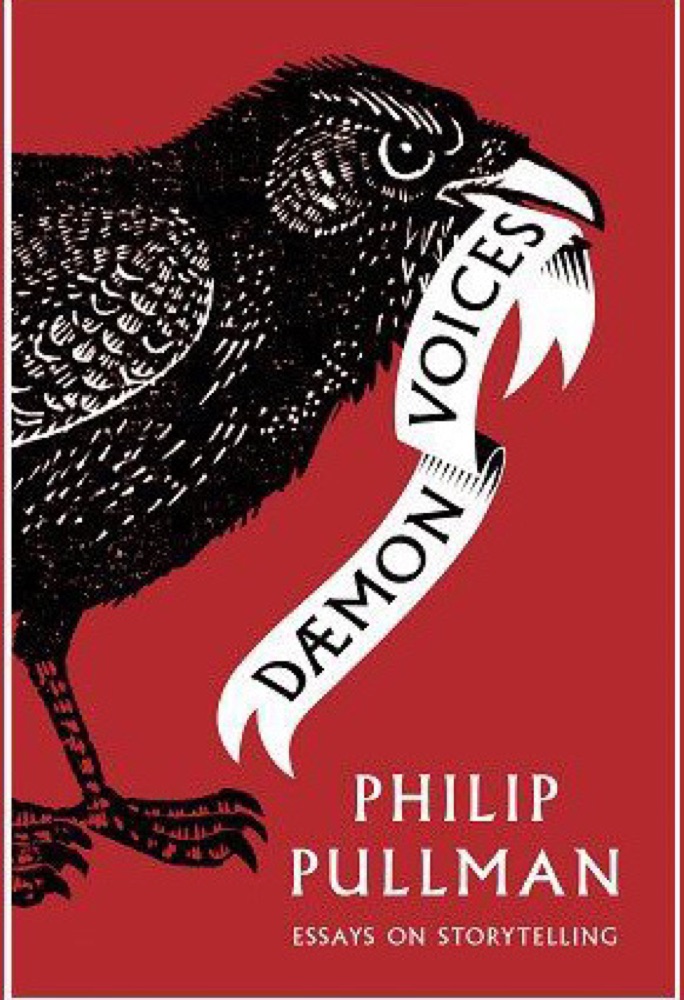
Essays on Storytelling. In over 30 essays, written over 20 years, one of the world's great story-tellers meditates on story-telling. Warm, funny, generous, entertaining, and above all, deeply considered, they offer thoughts on a wide variety of topic, including the origin and composition of Philip's own stories, the craft of writing and the story-tellers who have meant the most to him. The art of story-telling is everywhere present in the essays themselves, in the instantly engaging tone, the vivid imagery and the striking phrases, the resonant anecdotes, the humour and learnedness. Together, they are greater than the sum of their parts.
Book details
- First published
- 2017
- Author
- Philip Pullman
- Genre
- Nonfiction
- Goodreads rating
- 4.12 (3k ratings)
Keep reading
 The Wave in the Mind: Talks and Essays on the Writer, the Reader and the Imagination
 The View from the Cheap Seats: Selected Nonfiction
 Mystery and Manners: Occasional Prose
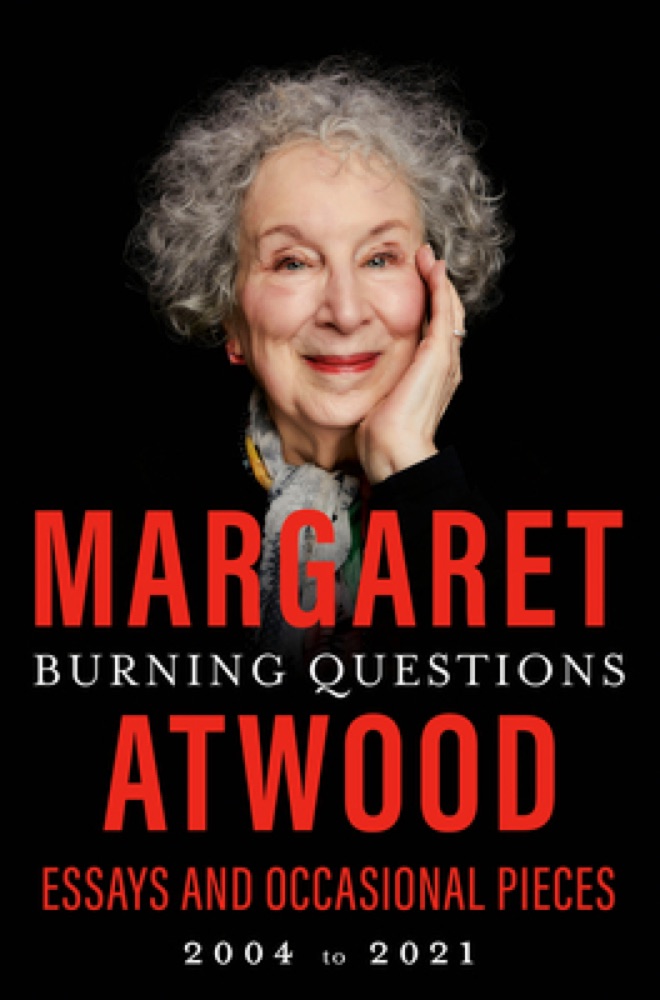 Burning Questions: Essays and Occasional Pieces, 2004 to 2021
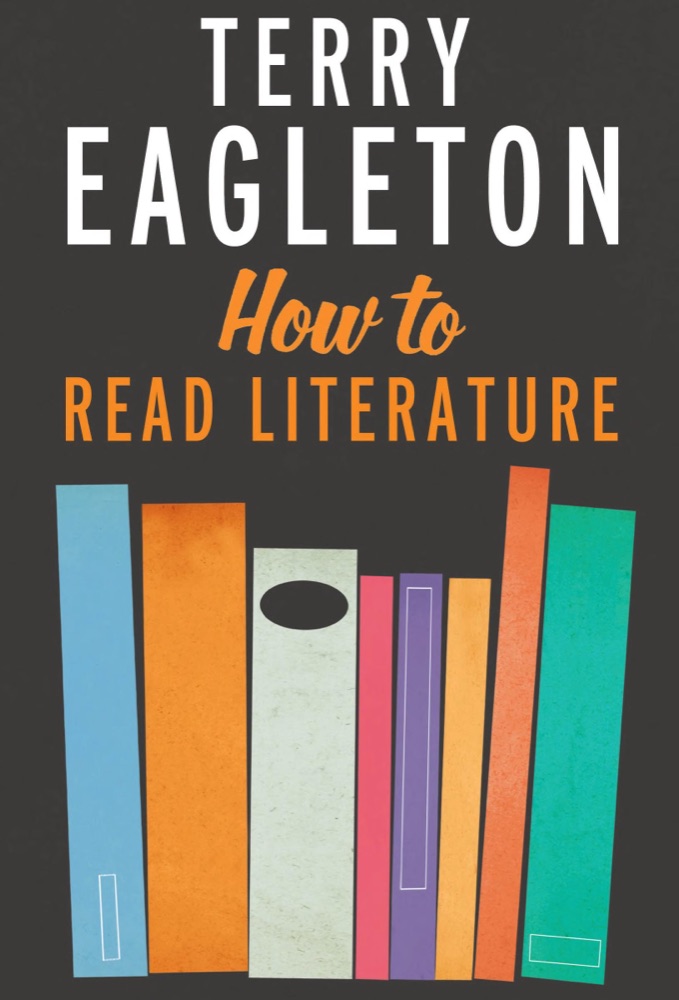 How to Read Literature
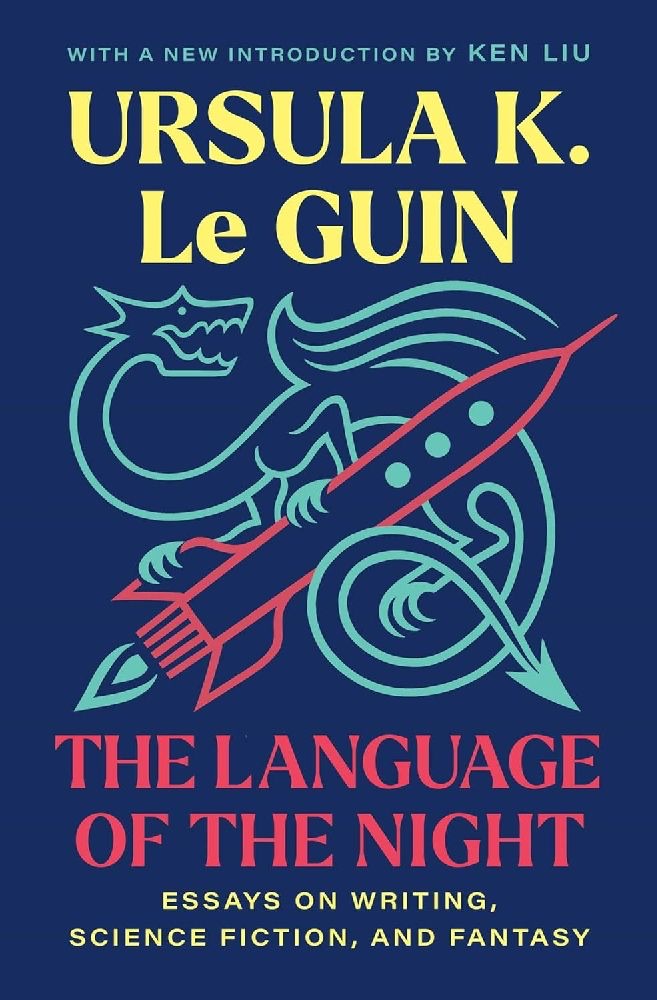 The Language of the Night: Essays on Writing, Science Fiction, and Fantasy
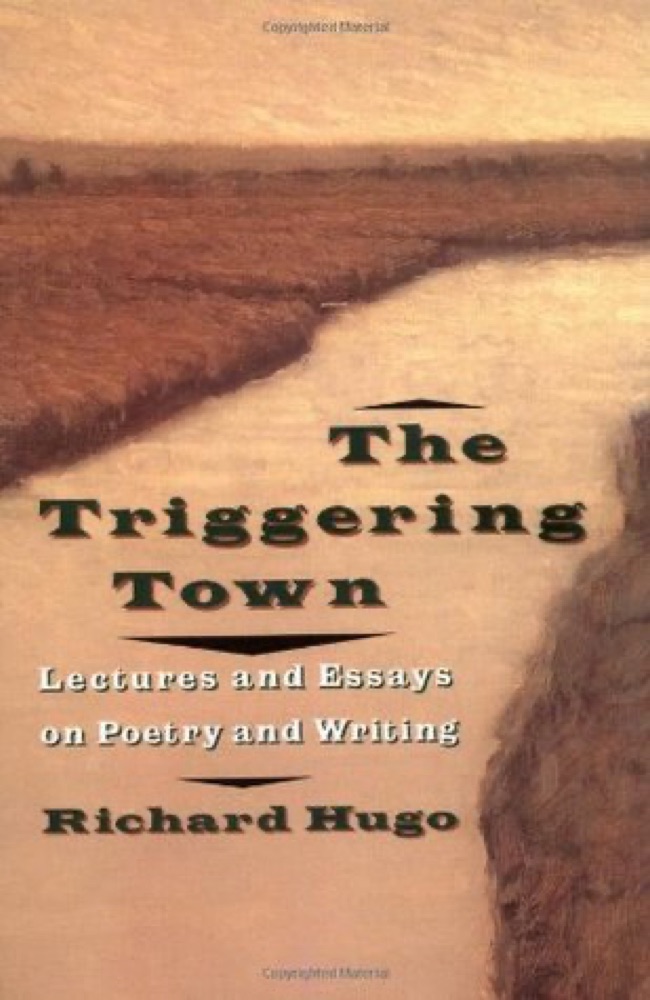 The Triggering Town: Lectures and Essays on Poetry and Writing
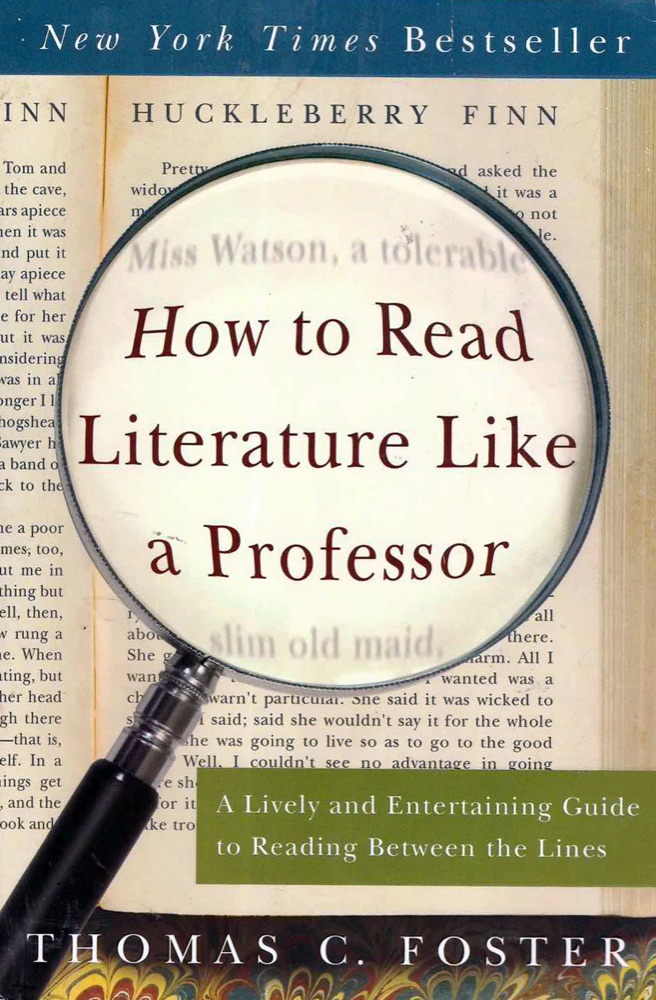 How to Read Literature Like a Professor
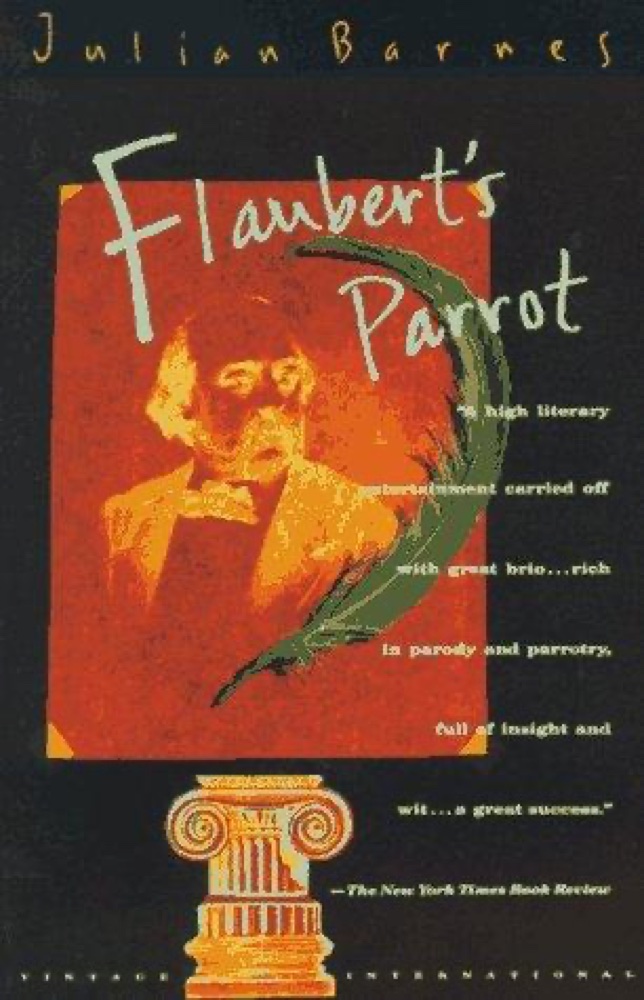 Flaubert's Parrot
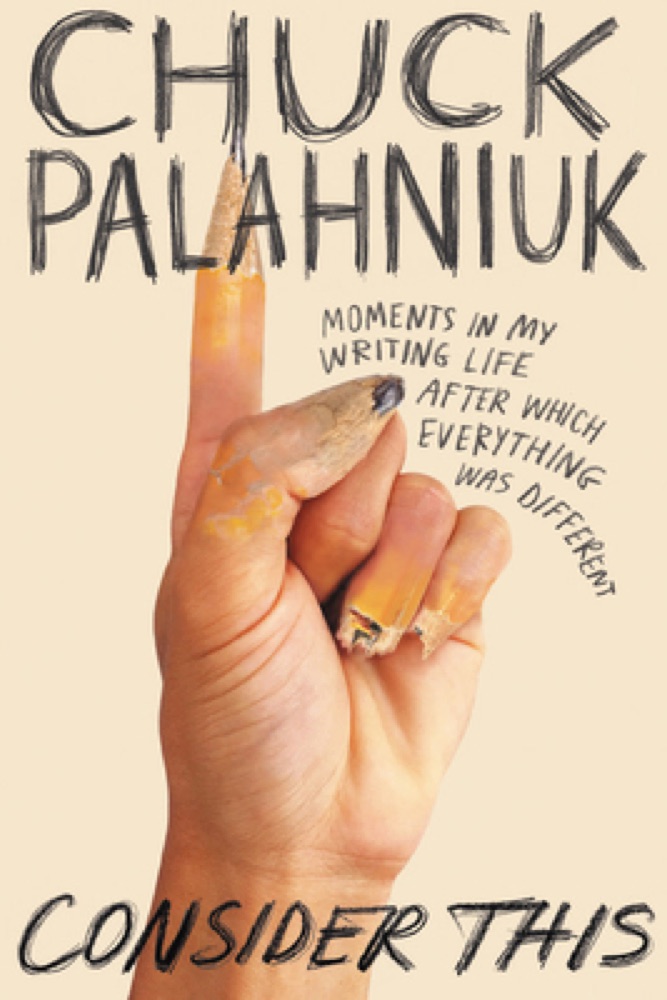 Consider This: Moments in My Writing Life After Which Everything Was Different
 Death in the Afternoon
 A Slip of the Keyboard: Collected Non-Fiction
 Negotiating with the Dead: A Writer on Writing
 Gnomon
 Dear Mr. M
 The Library of the Unwritten
 Reality Hunger: A Manifesto
 The Unlikely Escape of Uriah Heep
 The Thirteenth Tale
 How to Write an Autobiographical Novel
 The Book That Wouldn’t Burn
 No Time To Spare: Thinking About What Matters
 The Braindead Megaphone
 Consider the Lobster and Other Essays
 The Book of Form and Emptiness
 Aspects of the Novel
 The Source of Self-Regard: Selected Essays, Speeches, and Meditations
 Experience
 Stories: All-New Tales
 Bird by Bird
 When I Was a Child I Read Books
 The Truth About Stories: A Native Narrative
 The Rabbit Back Literature Society
 The Manticore
 Both Flesh and Not: Essays
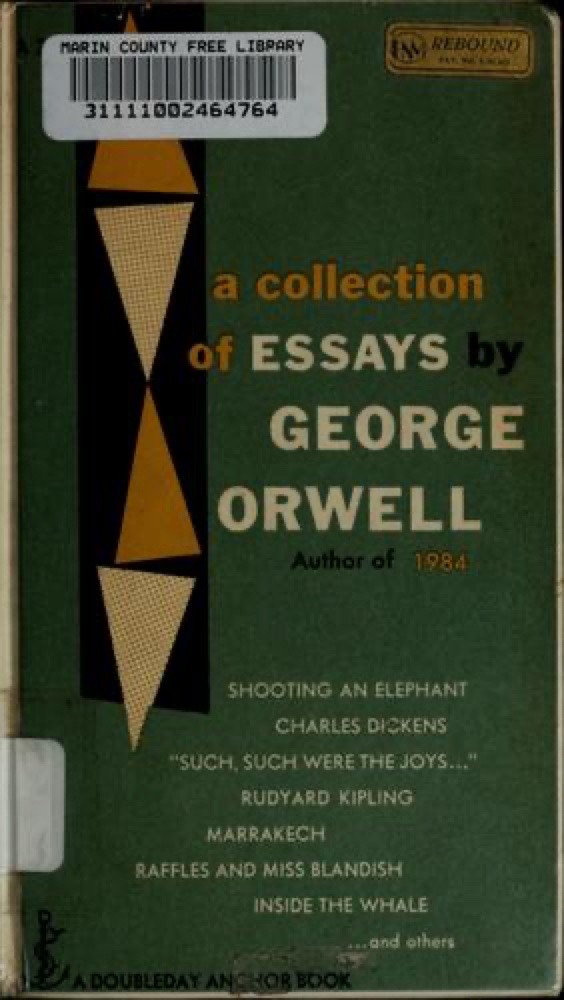 A Collection of Essays
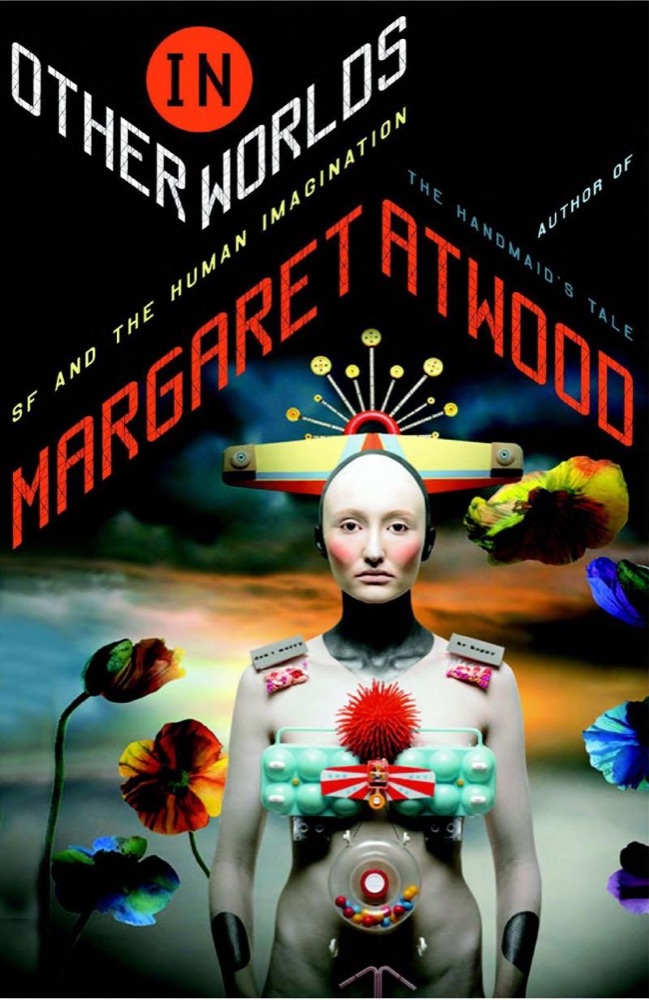 In Other Worlds: SF and the Human Imagination
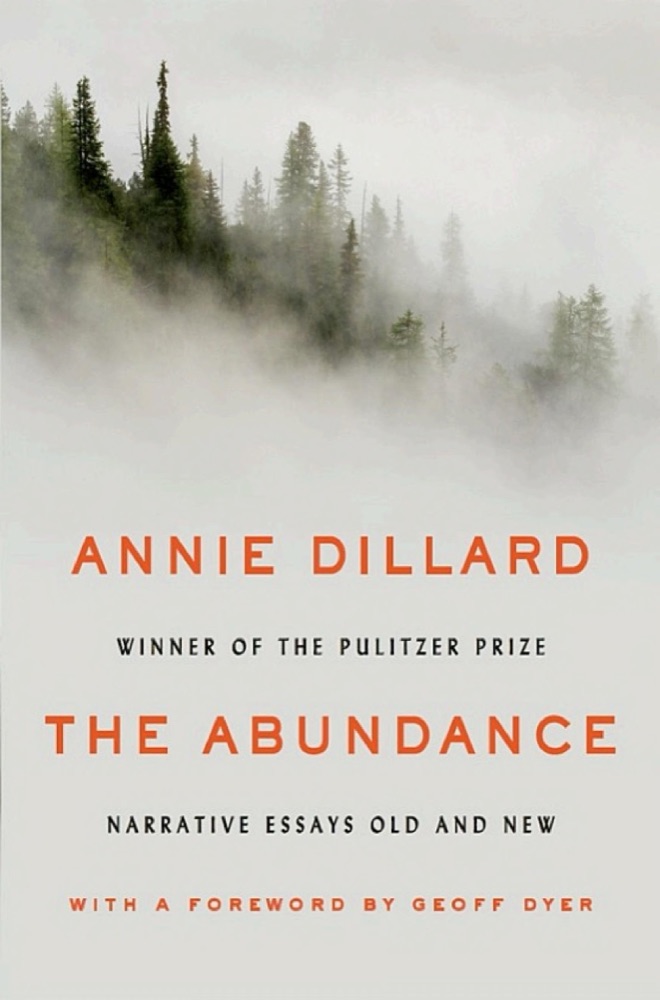 The Abundance
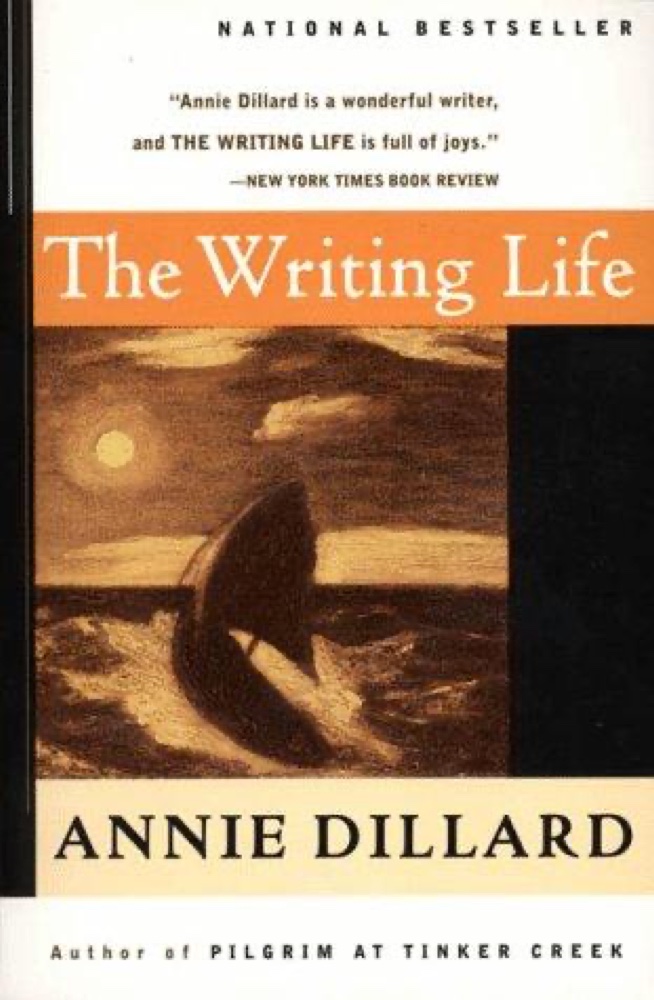 The Writing Life
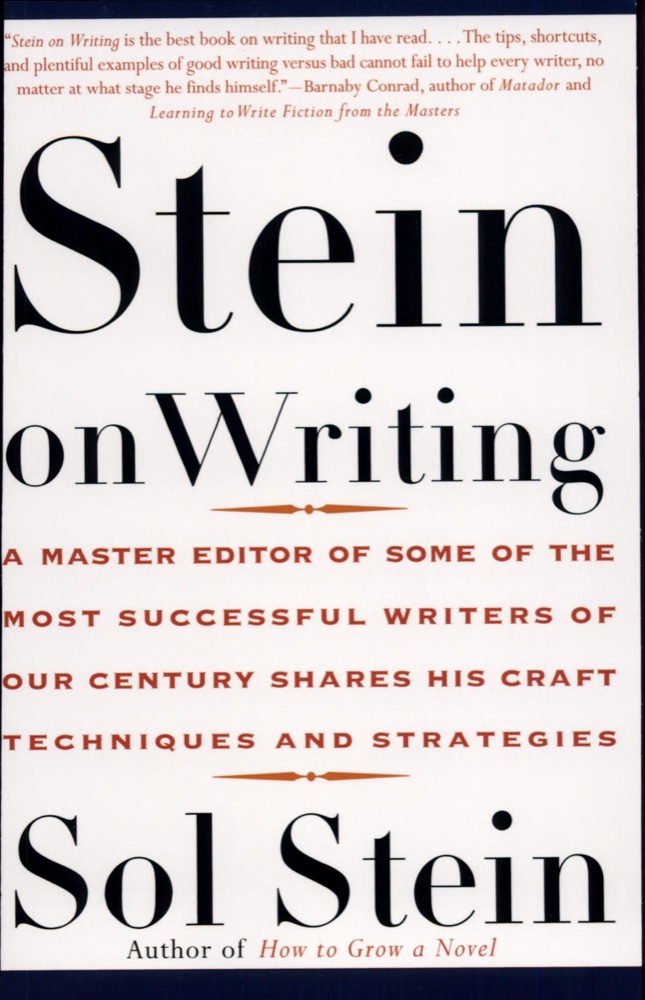 Stein on Writing
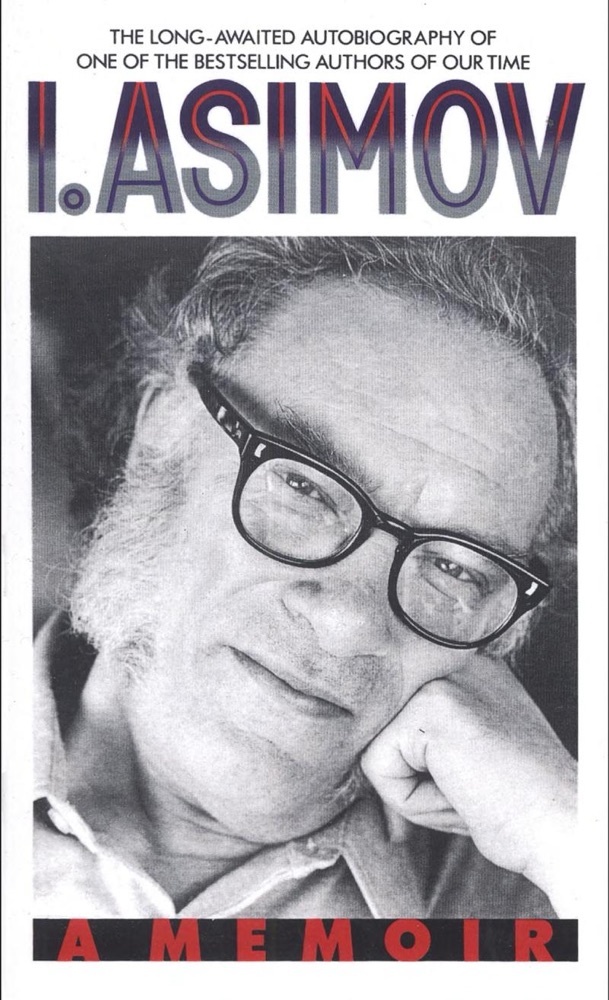 I. Asimov: A Memoir
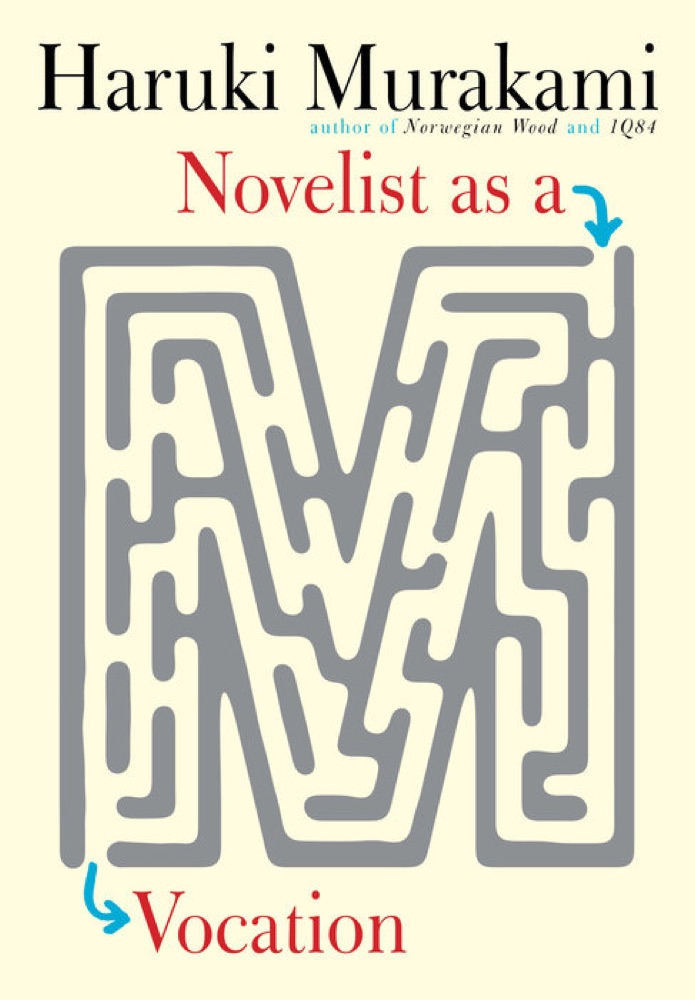 Novelist as a Vocation
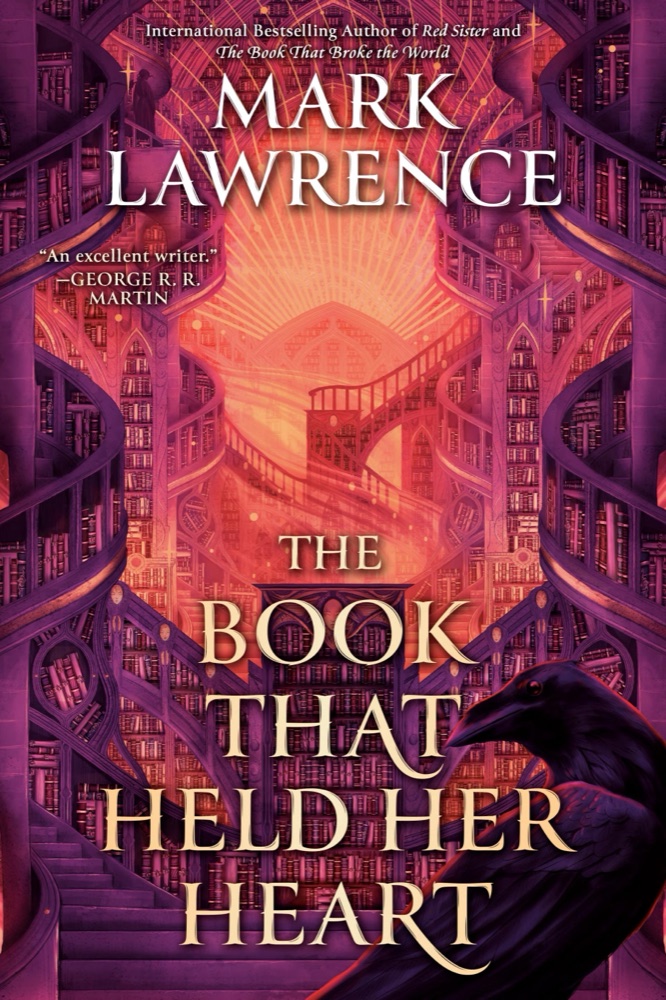 The Book That Held Her Heart
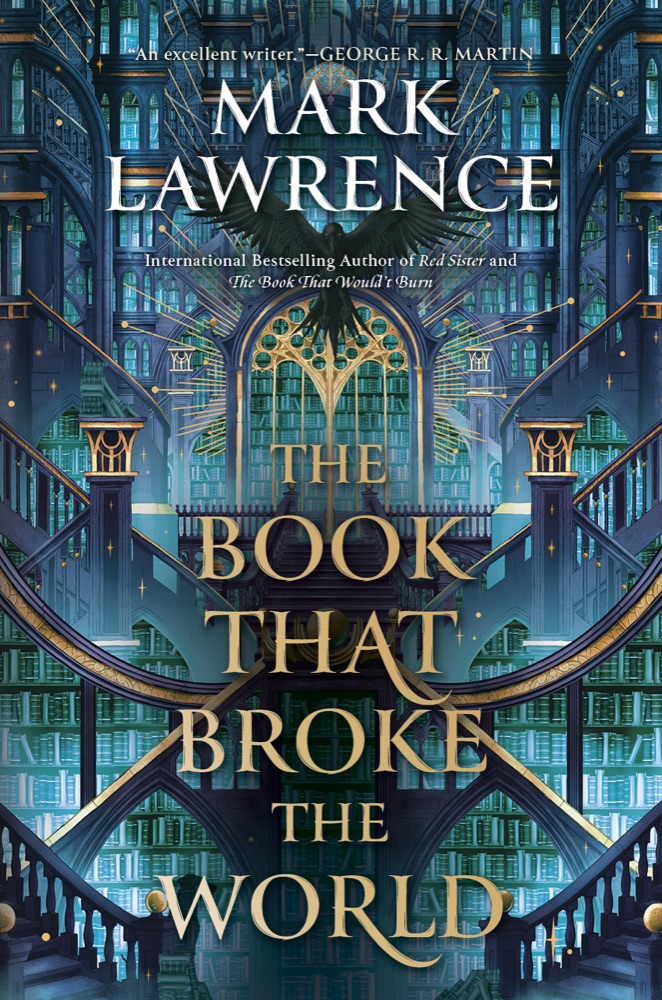 The Book That Broke the World
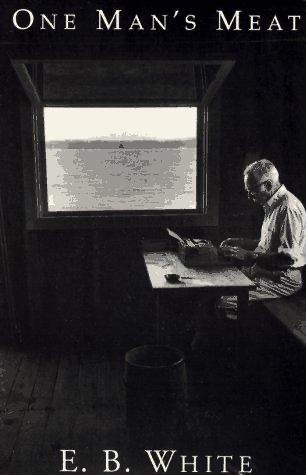 One Man's Meat
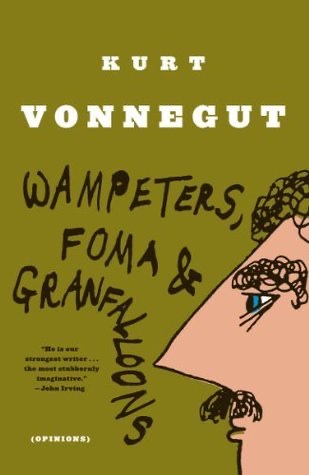 Wampeters, Foma and Granfalloons
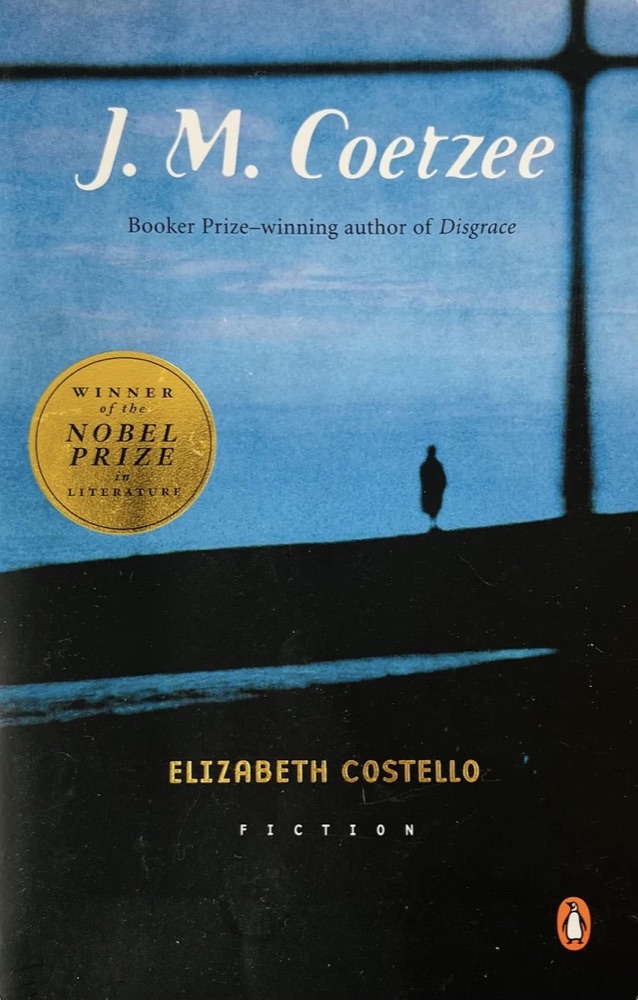 Elizabeth Costello
 The Art of Fiction: Notes on Craft for Young Writers
 The Letters of J.R.R. Tolkien
 Too Like the Lightning
 Illuminations: Essays and Reflections
 The Summer Without Men
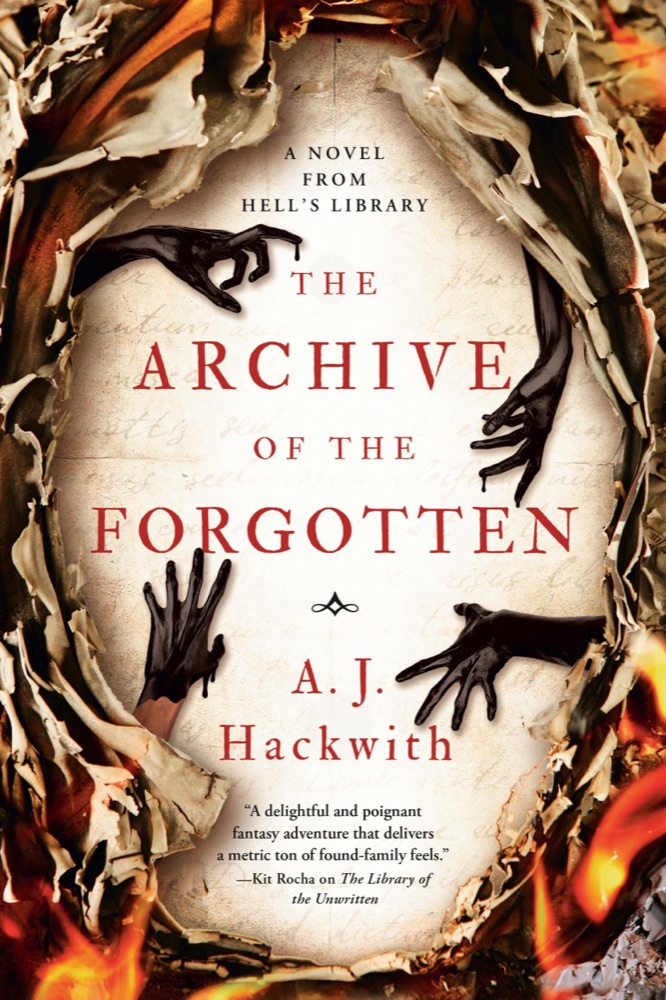 The Archive of the Forgotten
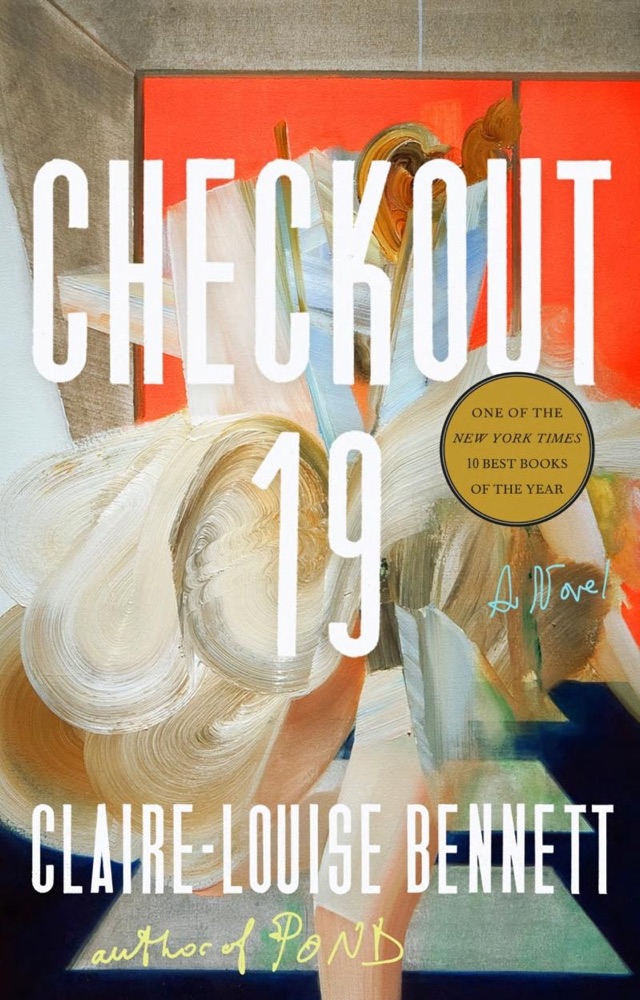 Checkout 19
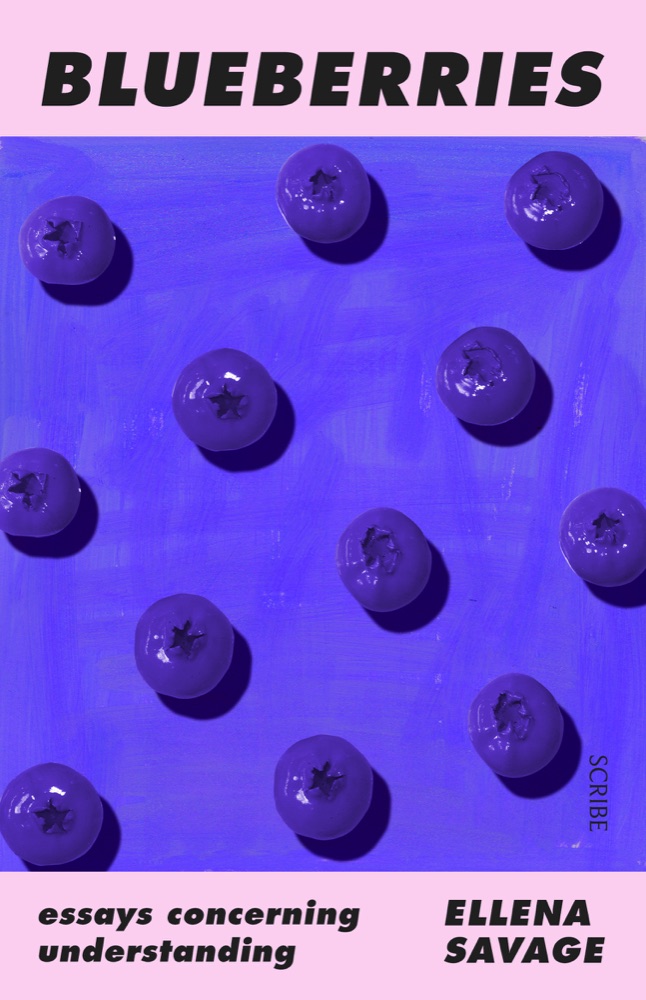 Blueberries: Essays Concerning Understanding
 Arm of the Sphinx
 Eating the Dinosaur
 How Not to Write a Novel: 200 Classic Mistakes and How to Avoid Them—A Misstep-by-Misstep Guide
 The World's Last Night: And Other Essays
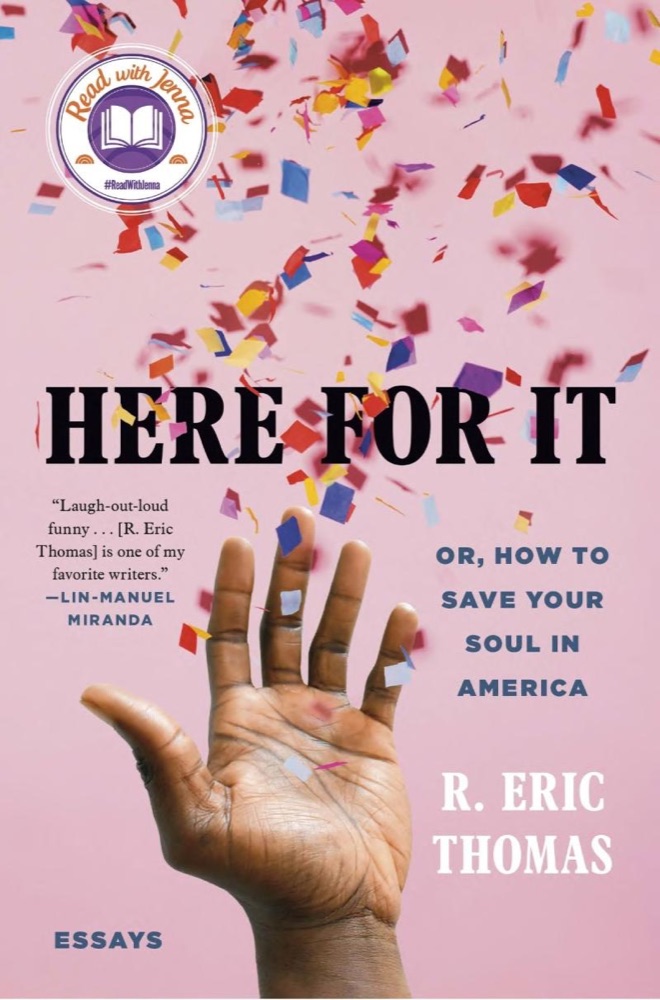 Here for It; Or, How to Save Your Soul in America: Essays