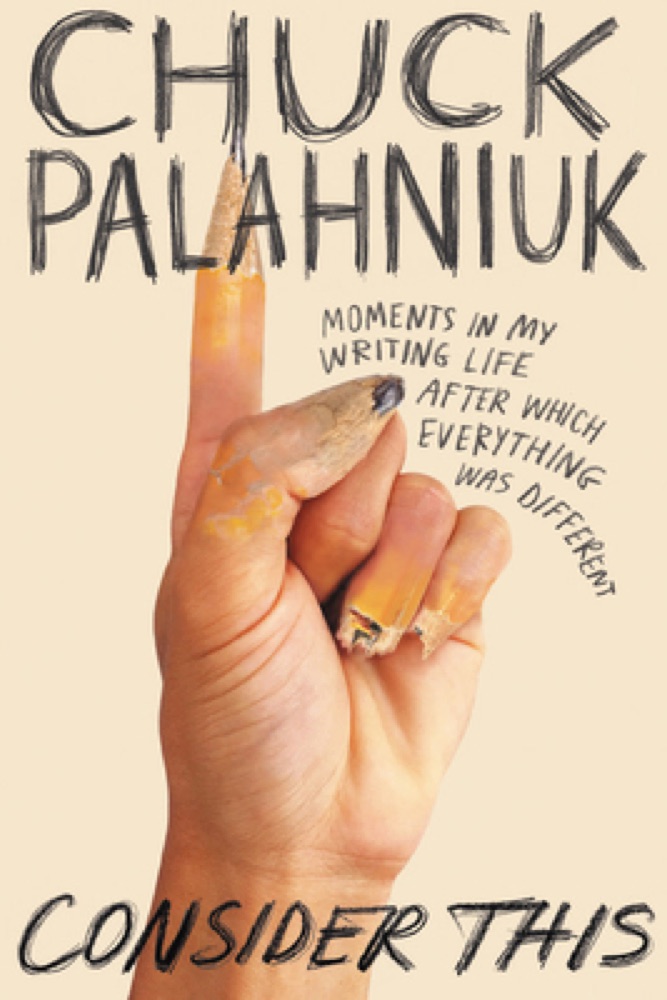
 Consider This: Moments in My Writing Life After Which Everything Was Different
Quotes from the Book
Assuming you can write clear English sentences, give up all worry about communication. If you want to communicate, use the telephone.
21
In the world of imagination, all things belong.
16
Don’t write with a pen. Ink tends to give the impression the words shouldn’t be changed. Write with what gives you the most sensual satisfaction. Write in a hard-covered notebook with green lined pages. Green is easy on the eyes. Blank white pages seems to challenge you to create the world before you start writing. It may be true that you, the modern poet, must make the world as you go, but why be reminded of it before you even have one word on the page? Don’t erase. Cross out rapidly and violently, never with slow consideration if you can help it. Start, as some smarty once said, in the middle of things. Play with syntax. Never want to say anything so strongly that you have to give up the option of finding something better – if you have to say it, you will. Read your poem aloud many times. If you don’t enjoy it every time, something may be wrong. If you ask a question, don’t answer it, or answer a question not asked, or defer. (If you can answer the question, to ask it is to waste time). Maximum sentence length: seventeen words. Minimum: One. Don’t be afraid to take emotional possession of words. If you don’t love a few words enough to own them, you will have to be very clever to write a good poem.
14
I hate that phrase "the real world." Why is an aircraft factory more real than a university? Is it?
14
I caution against communication because once language exist only to convey information, it is dying. In news articles the relation of the words to the subject is a strong one. The relation of the words to the writer is weak. (Since the majority of your reading has been newspapers, you are used to seeing language function this way). When you write a poem these relations must reverse themselves: The relation of the word to the subject must weaken – the relation of the words to the writer (you) must take on strength. This is probably the hardest thing about writing poems In a poem you make something up, say for example a town, but an imagined town is at least as real as an actual town. If it isn’t you may be in the wrong business. Our triggering subjects, like our words, come from obsessions we must submit to, whatever the social cost. It can be hard. It can be worse 40 years from now if you feel you could have done it and didn’t. RICHARD HUGO Public versus private poets: With public poets the intellectual and emotional contents of the words are the same for the reader as for the writer. With the private poet, the words, at least certain key words, mean something to the poet they don’t mean to the reader. A sensitive reader perceives this relation of poet to word and in a way that relation – the strange way the poet emotionally possesses his vocabulary – is one of the mysteries and preservative forces of the art. If you are a private poet, then your vocabulary is limited by your obsessions. In fact, most poets write the same poem over and over. (Wallace Stevens was honest enough not to try to hide it. Frost’s statement that he tried to make every poem as different as possible from the last one is a way of saying that he knew it couldn’t be).
10
To write a poem you must have a streak of arrogance-- not in real life I hope. In real life try to be nice. It will save you a hell of a lot of trouble and give you more time to write.
8
Think small.... If you can't think small, try philosophy or social criticism.
8
You will find that you may rewrite and rewrite a poem and it never seems quite right. Then a much better poem may come rather fast and you wonder why you bothered with all that work on the earlier poem. Actually, the hard work you do on one poem is put in on all poems. The hard work on the first poem is responsible for the sudden ease of the second. If you just sit around waiting for the easy ones, nothing will come. Get to work.
5
Never worry about the reader, what the reader can understand. When you are writing, glance over your shoulder, and you’ll find there is no reader. Just you and the page. Feel lonely? Good! Assuming you can write clear English (or Norwegian) sentences, give up all worry about communication. If you want to communicate, use the telephone. To write a poem you have to have a streak of arrogance (…) when you are writing you must assume that the next thing you put down belongs not for reasons of logic, good sense, or narrative development, but because you put it there. You, the same person who said that, also said this. The adhesive force is your way of writing, not sensible connection.
5
In truth, the writer’s problems are usually psychological, like everyone else’s.
2
There are those usual people who try desperately to appear unusual and there are unusual people who try to appear usual.
2
Never write a poem about anything that ought to have a poem written about it, a wise man once told me.
2
…I’ve seen the world tell us with wars and real estate developments and bad politics and odd court decisions that our lives don’t matter. That may be because we are too many. Architecture and application form, modern life says that with so many of us we can best survive by ignoring identity and acting as it individual differences do not exist. Maybe the narcissism academics condemn in creative writers is but a last reaching for a kind of personal survival. Anyway, as a sound psychoanalyst once remarked to me dryly, narcissism is difficult to avoid. When we are told in dozens of insidious ways that our lives don’t matter, we may be forced to insist, often far too loudly, that they do.
2
You are someone and you have a right to your life.
2
Don’t start arguments. They are futile and take us away from our purpose. As Yeats noted, your important arguments are with yourself. If you don’t agree with me, don’t listen. Think about something else.
1
Our reaction against the sentimentality embodied in Victorian and post-Victorian writing was so resolute writers came to believe that the further from sentimentality we got, the truer the art. That was a mistake. ...if you are not risking sentimentality, you are not close to your inner self.
When you write a poem these relations must reverse themselves. That is, the relation of the words to the subject must weaken and the relation of the words to the writer (you) must take on strength.
We won’t all disappear on a remote country road in the Monroe Valley, but like The Admiral and his wife we are all going into the dark. Some of us hope that before we do we have been honest enough to scream back at the fates. Or if we never did it ourselves, that someone, derelict or poet, did it for us once in some euphonic way our inadequate capacity for love did not deny our hearing. * From Brewster Ghiselin, Against the Circle (New York: Dutton, 1946), p. 60.
Hope for what? I don’t know. Maybe hope that humanity will always survive civilization.
We never quite understand and we can’t quite explain.
You trust to luck. You are not about to master your fate.
but there is in me something that feeds on the now of things.
I fear, trying to improve human nature.
there’s too many people in here. If I had my way, I’d have nothing but young chicks, the innocent ones you can teach something.
The imagination is a cynic.
In the world of imagination, all things belong. If you take that on faith, you may be foolish, but foolish like a trout.
Watch on YouTube
About Richard Hugo
We have collected 26 quotes from 1 book by Richard Hugo on BookQuoters.
More about the author →About the book
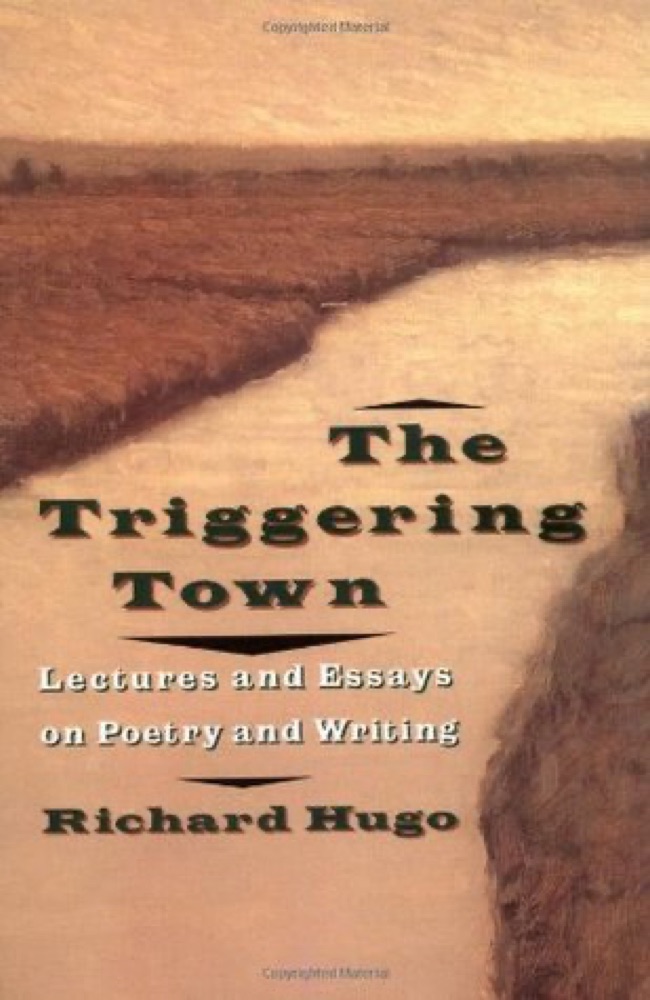
"Richard Hugo's free-swinging, go-for-it remarks on poetry and the teaching of poetry are exactly what are needed in classrooms and in the world."―James Dickey Richard Hugo was that rare phenomenon of American letters―a distinguished poet who was also an inspiring teacher. The Triggering Town is Hugo's now-classic collection of lectures, essays, and reflections, all "directed toward helping with that silly, absurd, maddening, futile, enormously rewarding activity: writing poems." Anyone, from the beginning poet to the mature writer to the lover of literature, will benefit greatly from Hugo's sayd, playful, profound insights and advice concerning the mysteries of literary creation.
Book details
- First published
- 1978
- Author
- Richard Hugo
- Genre
- Literature
- Goodreads rating
- 4.17 (3k ratings)
Keep reading
Consider This: Moments in My Writing Life After Which Everything Was Different
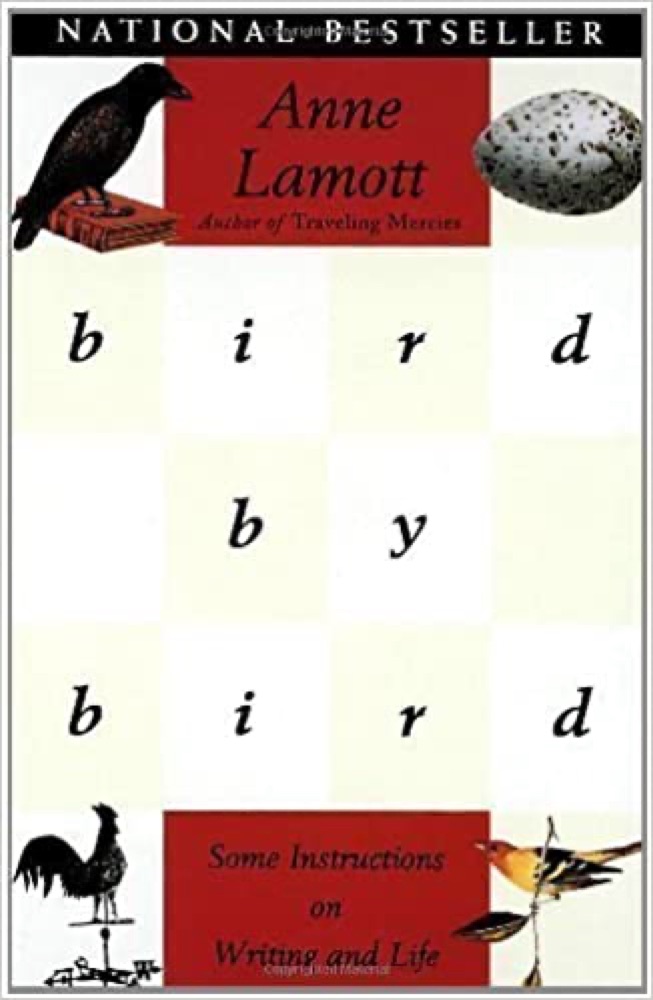 Bird by Bird
 On Writing
 Flaubert's Parrot
 Dæmon Voices
 Dead Poets Society
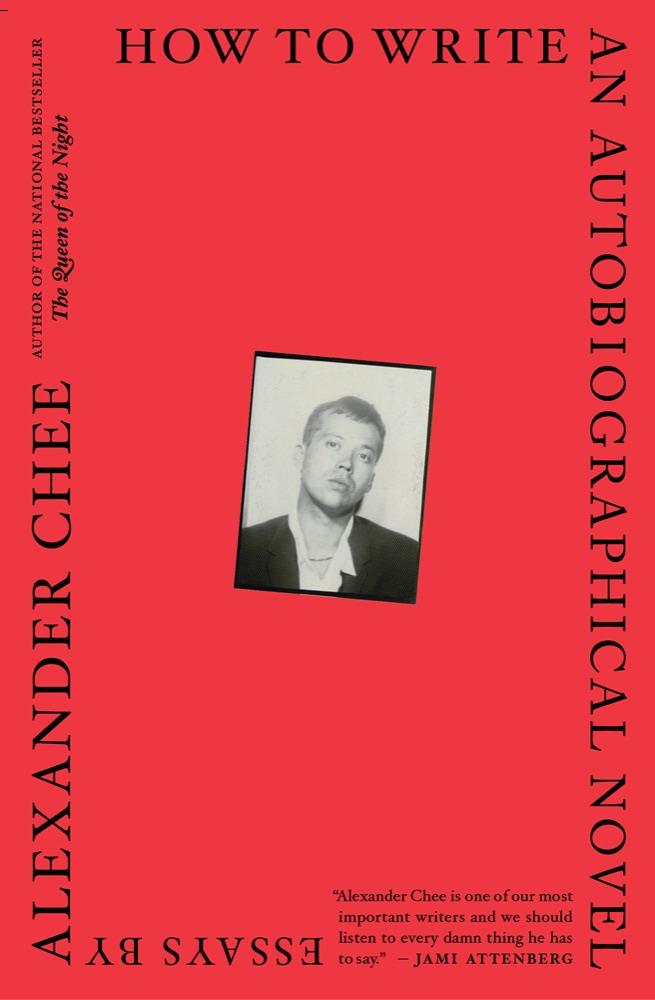 How to Write an Autobiographical Novel
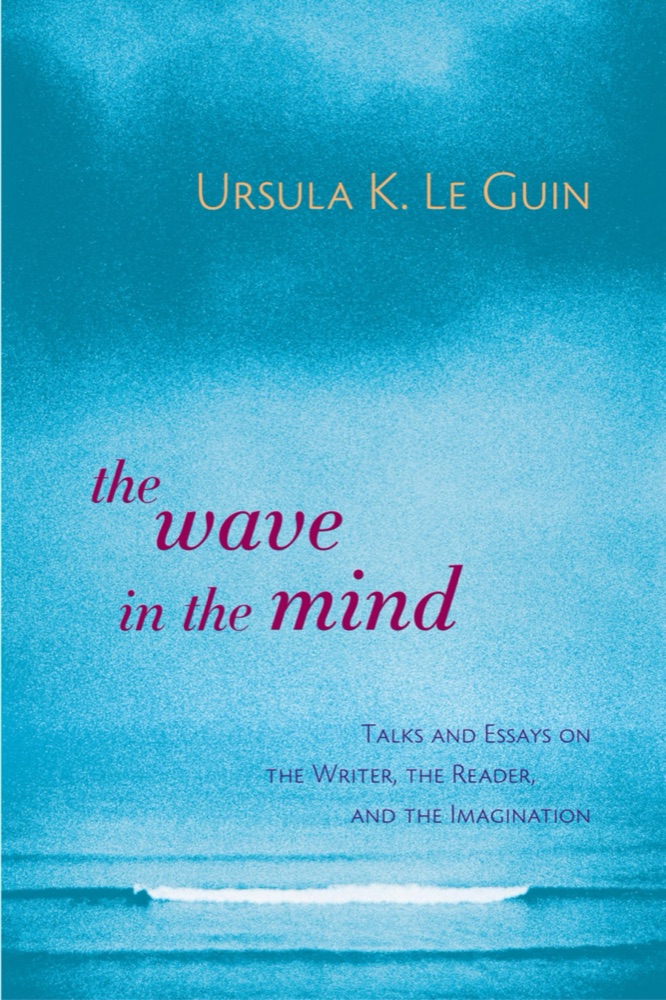 The Wave in the Mind: Talks and Essays on the Writer, the Reader and the Imagination
 If You Want to Write: A Book about Art, Independence and Spirit
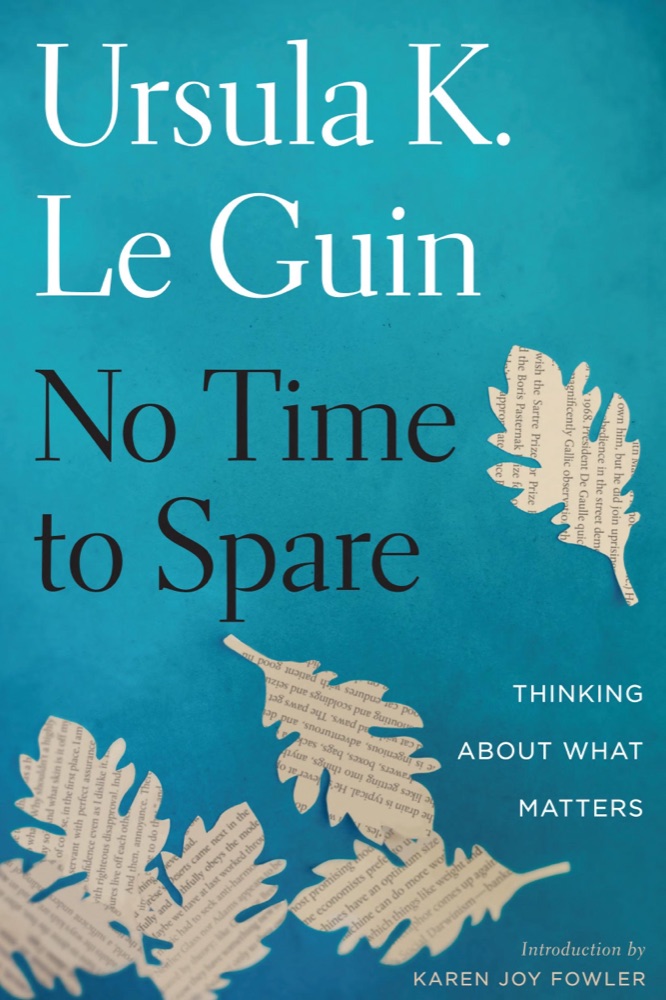 No Time To Spare: Thinking About What Matters
 The Writing Life
 Blueberries: Essays Concerning Understanding
 Ignore Everybody: and 39 Other Keys to Creativity
 The Rent Collector
 A Poetry Handbook
 Nutshell
 Why Be Happy When You Could Be Normal?
 Hard-Boiled Wonderland and the End of the World
 The Getaway Car: A Practical Memoir About Writing and Life
 No One Writes Back
 Negotiating with the Dead: A Writer on Writing
 Asymmetry
 On Writing
 Novelist as a Vocation
 Becoming a Writer
 The Anthologist
 The Language of the Night: Essays on Writing, Science Fiction, and Fantasy
 Zen in the Art of Writing
 The Abundance
 The View from the Cheap Seats: Selected Nonfiction
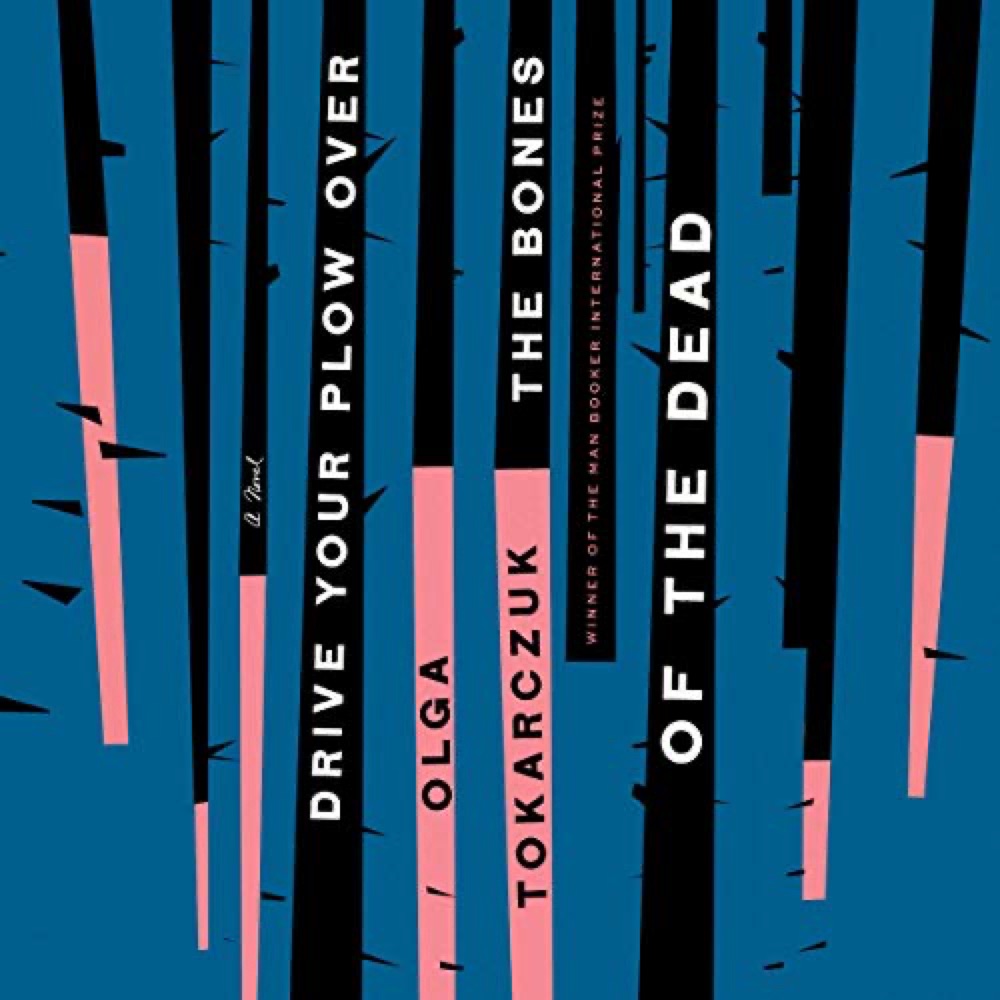 Drive Your Plow Over the Bones of the Dead
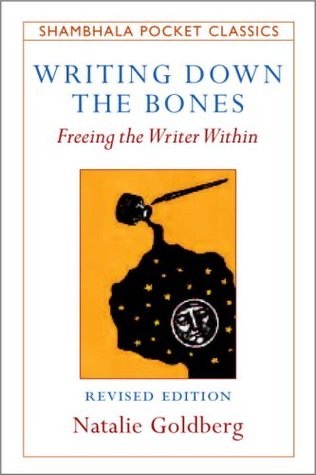 Writing Down the Bones: Freeing the Writer Within
 Madness, Rack, and Honey: Collected Lectures
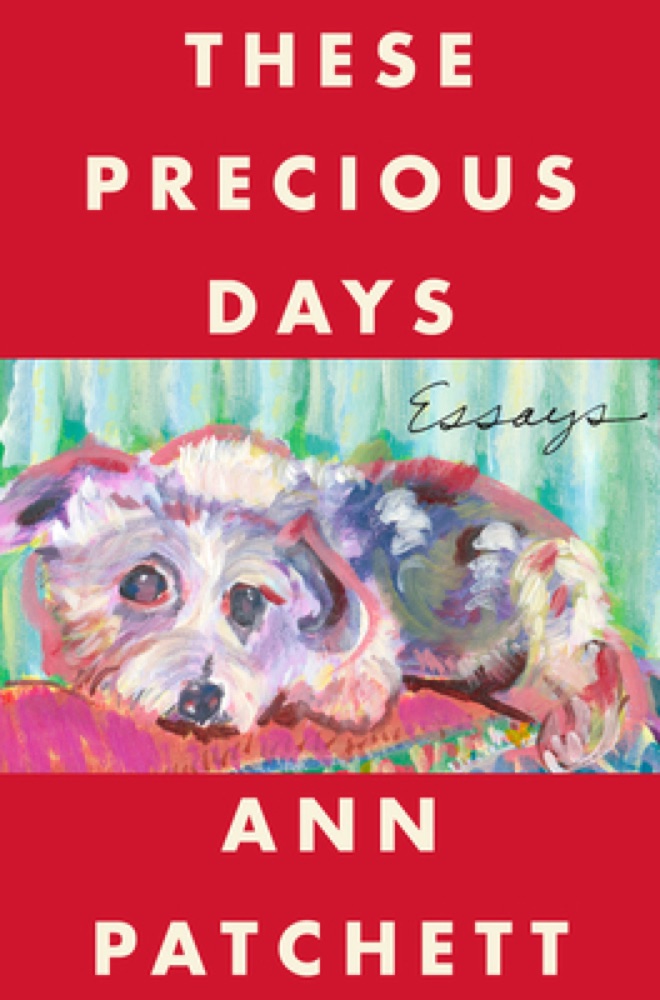 These Precious Days: Essays
 Winter Hours: Prose, Prose Poems, and Poems
 Consider the Lobster and Other Essays
 The Braindead Megaphone
 Poison for Breakfast
 Old School
 Postcards from No Man's Land
 The Sportswriter
 Lanark
 Wampeters, Foma and Granfalloons
 The Fran Lebowitz Reader
 Here for It; Or, How to Save Your Soul in America: Essays
 Girl with Curious Hair
 On Connection
 Reality Hunger: A Manifesto
 Special Topics in Calamity Physics
 I. Asimov: A Memoir
 A Circle of Quiet
 Plainwater: Essays and Poetry
 Let Me Tell You What I Mean
 Walking on Water: Reading, Writing, and Revolution
 Even Cowgirls Get the Blues
 The Book of Form and Emptiness
 Letters to a Young Writer: Some Practical and Philosophical Advice
 Burning Questions: Essays and Occasional Pieces, 2004 to 2021
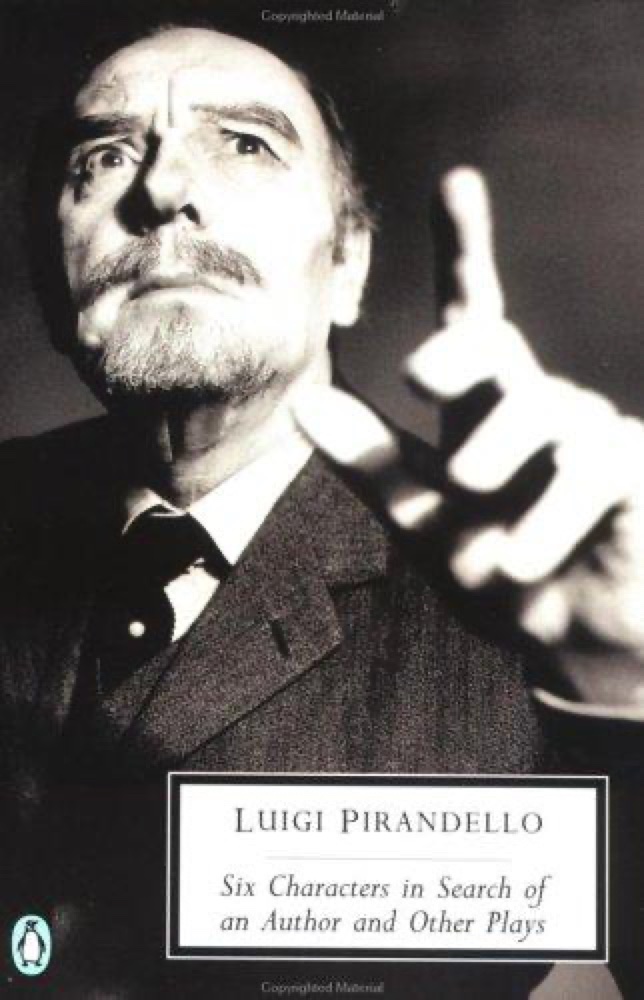 Six Characters in Search of an Author
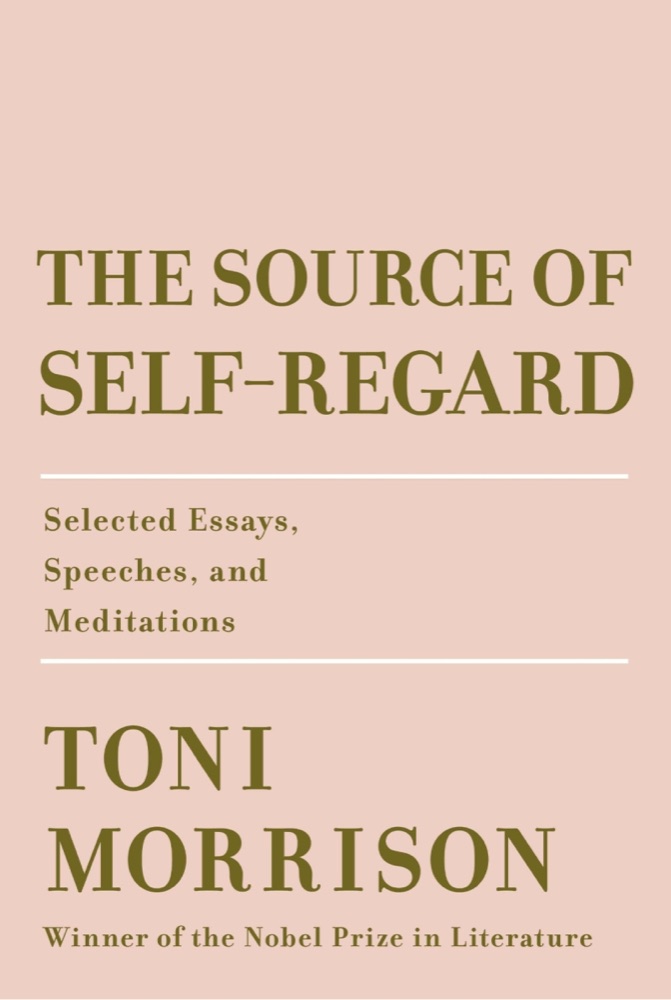 The Source of Self-Regard: Selected Essays, Speeches, and Meditations